Kota Kinabalu Travel Guide: Gateway to Borneo’s Best Adventures (2026)
Your complete kota kinabalu travel guide for 2026. Discover Mount Kinabalu climbing, tropical islands, proboscis monkey river cruises, incredible seafood markets, and everything you need to plan your Borneo adventure.
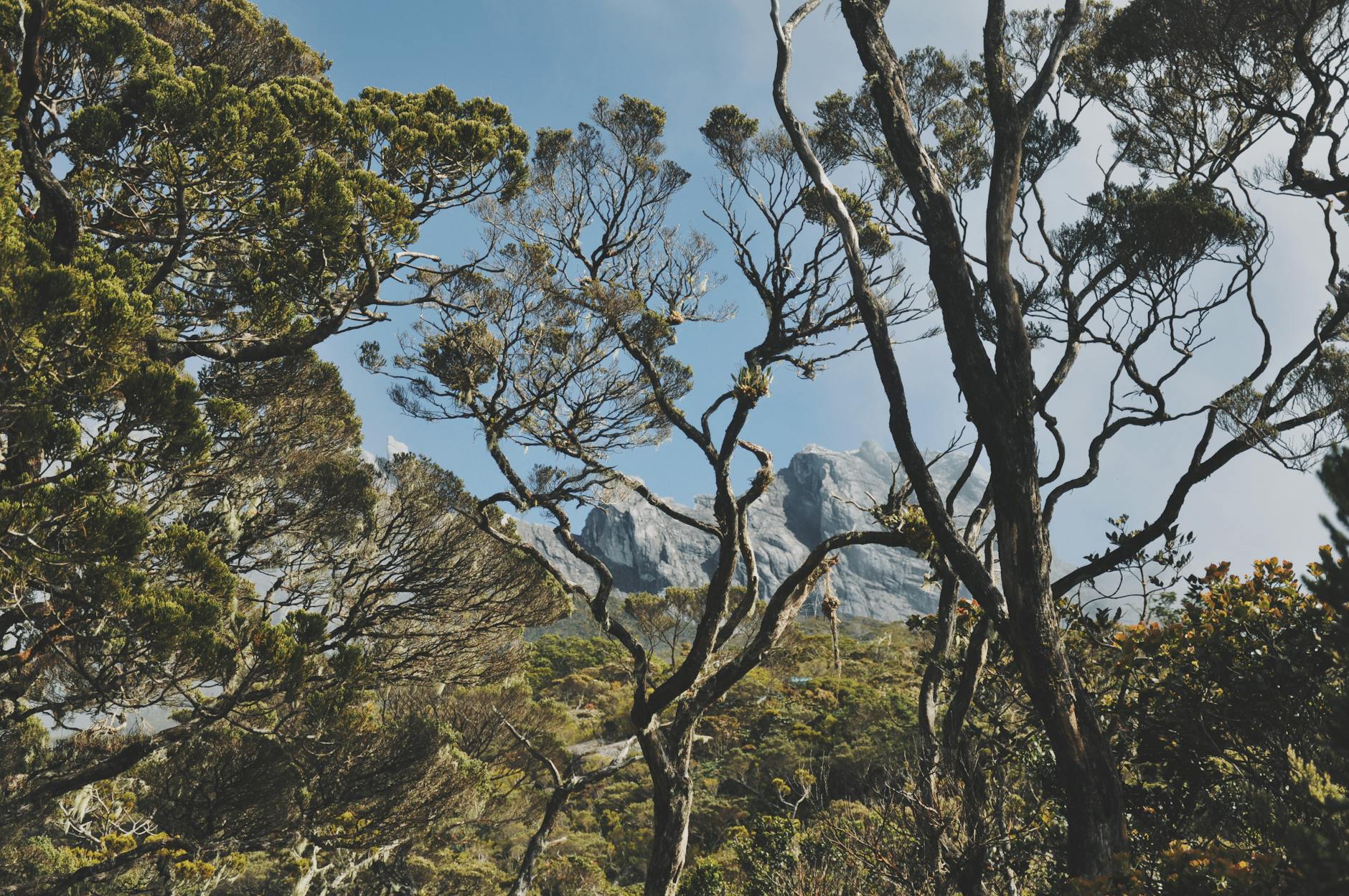
Cross the South China Sea from the peninsula and Borneo presents itself differently — less polished, more elemental. Kota Kinabalu, the Sabah capital that locals just call KK, sits on the northwest coast of the world’s third-largest island with a granite mountain rising behind it and five tropical islands visible from the waterfront. The city has beaches within 20 minutes by speedboat, wildlife encounters on river safaris two hours south, and the highest peak in Southeast Asia (between the Himalayas and New Guinea) accessible via a two-day guided climb. It is the kind of place that makes a Kuala Lumpur itinerary feel unfinished without it.
Mount Kinabalu: Climbing Southeast Asia’s Highest Peak
The granite massif of Mount Kinabalu dominates Sabah’s interior at 4,095 metres above sea level. Kinabalu National Park around it has held UNESCO World Heritage status since 2000 — for its extraordinary biodiversity, which runs to over 5,000 plant species, 326 bird species, and more than 100 species of mammals. Kota Kinabalu anchors the Borneo section of our guide to the best places to visit in Malaysia.
The Climb
Climbing Kinabalu does not require technical mountaineering skills, but it demands real aerobic fitness and advance planning. The standard route follows the Timpohon Trail — a well-maintained path ascending through montane forest, cloud forest, and exposed granite slabs to Low’s Peak at the summit.
The climb spans two days and one overnight. On day one, you hike approximately 6 kilometres from Timpohon Gate (1,866 metres) to Panalaban base camp at 3,272 metres. This takes 4 to 6 hours depending on your pace. You overnight at Panalaban in dormitory-style accommodation with meals provided. The summit push begins around 2 to 3 AM on day two: a steep final section using fixed guide ropes in the granite, timed to reach Low’s Peak for sunrise. On a clear morning, the shadow of the mountain stretches out across the landscape far below — one of the better views in Southeast Asia.
Permits and Booking
Climbing requires a Sabah Parks permit, and all climbers must be accompanied by a registered guide. Daily climber numbers are strictly capped to protect the mountain environment, which means permits sell out months ahead — especially during peak season (March to September). Book as early as possible; spaces for the following year typically open in December. A 2-day, 1-night package including park entrance, climbing permit, guide fee, Panalaban accommodation, and meals runs RM1,500 to RM2,500 per person depending on operator and accommodation type.
Practical Climbing Tips
Fitness: You do not need to be an elite athlete, but you should be comfortable with several hours of sustained uphill walking. Stair training in the weeks before helps considerably.
Altitude: Altitude sickness can affect anyone above 3,000 metres. Climb slowly, stay hydrated, and tell your guide immediately if you experience severe headache, nausea, or dizziness. The overnight at Panalaban gives your body time to adjust.
What to pack: Layers are essential — the base is warm and humid; the summit pre-dawn can drop below freezing. Bring a quality headlamp, rain jacket, gloves, warm hat, and shoes with solid grip on wet granite. Most packages supply sleeping bags at Panalaban.
Best season: March to September. The mountain is climbable year-round, but October to February brings more rain and reduced summit visibility.
Tunku Abdul Rahman Marine Park: Islands at Your Doorstep
A cluster of five tropical islands sits 15 to 25 minutes by speedboat from the city centre. Tunku Abdul Rahman Marine Park, established in 1974, covers 50 square kilometres across Gaya, Manukan, Mamutik, Sapi, and Sulug islands.
The Islands
Manukan Island is the most developed — well-maintained beaches, changing facilities, restaurants, and a resort. Good snorkeling accessible from the beach and a short jungle trail through the interior.
Sapi Island is smaller and often the busiest, with excellent snorkeling and a zipline connecting it to Gaya. Come early for a spot on the beach before the weekend crowds arrive.
Mamutik Island is the smallest of the five and arguably the best for snorkeling — healthy coral close to shore and fewer visitors than Sapi or Manukan.
Gaya Island is the largest, home to luxury resorts (Gayana Marine Resort, Bunga Raya Island Resort), jungle trekking trails, a mangrove walk, and a marine ecology research centre. The upscale, secluded option.
Sulug Island has no permanent facilities and almost no visitors — untouched beaches and genuine solitude, if you bring your own provisions.
Getting There and Practicalities
Speedboats depart regularly from Jesselton Point ferry terminal, 8 AM to 4 PM. Return tickets run RM25 to RM35 per island; terminal and marine park fees add RM10. Island-hop between two or three islands in a single day by coordinating your boat schedules — negotiate a combined package at the terminal rather than paying island by island.
Snorkelling gear rents for RM20 to RM30 at the islands. Dive operators including Diverse Borneo and Scuba Junkie run two-tank day trips from about RM250 to RM350. The dive sites are relatively shallow (20 to 25 metres maximum) — good for all certification levels. For more advanced diving, the island of Sipadan off the east coast of Sabah is regularly ranked among the world’s top sites and is reachable via a separate trip to Semporna.
Wildlife Encounters: Proboscis Monkeys, Orangutans, and More
Klias Wetland River Cruise
The Klias Wetland Reserve, two hours south of KK, is where most visitors go to see Borneo’s proboscis monkeys. These large primates — bulbous-nosed, pot-bellied, endemic to Borneo and classified as endangered — roost in mangrove-lined riverbanks along the Klias River. A late-afternoon river cruise catches them as they settle into the trees for the night, along with long-tailed macaques, silver langurs, monitor lizards, and numerous bird species.
As dusk falls, the cruise transitions to firefly viewing. Thousands of synchronising fireflies light up the mangrove trees — a spectacle that earns its reputation as genuinely extraordinary. Most tours depart KK at 1 to 2 PM and include hotel transfers, a buffet dinner, and the full evening cruise, returning around 9 to 10 PM. Prices run RM150 to RM250 per person.
Sepilok Orangutan Rehabilitation Centre
Sepilok is in Sandakan on the east coast — about 6 hours by road or 45 minutes by flight from KK — but it belongs in any Sabah itinerary. The centre rehabilitates orphaned orangutans and gradually reintroduces them to the wild. Feeding sessions at 10 AM and 3 PM let visitors watch semi-wild orangutans descend from the forest canopy to raised platforms. Many travellers combine Sandakan and Sepilok with a longer multi-day Sabah trip.
Lok Kawi Wildlife Park
Twenty minutes south of the city, Lok Kawi houses Borneo’s endemic species: orangutans, proboscis monkeys, Malayan sun bears, Sumatran rhinos, and pygmy elephants. It is a zoo rather than a wild encounter, but it works well for families or anyone without time for longer excursions who wants to see Borneo’s animals up close.
City Attractions and Cultural Sites
KK was almost entirely destroyed during World War II and rebuilt from scratch, which means it lacks the colonial shophouse architecture of Penang or Melaka. What it has instead is a modern, working coastal city with excellent markets, a handful of well-curated cultural sites, and a waterfront that earns its reputation as one of the best sunset-watching spots in Malaysia.
Kota Kinabalu City Mosque
Built on the edge of a man-made lagoon, the white and gold City Mosque appears to float on the water at high tide. It is open to non-Muslim visitors outside of prayer times; robes are available for loan at the entrance. The lagoon provides clean reflections for photography, particularly in the hour before sunset.
Signal Hill Observatory Platform
A short walk or drive from the city centre, Signal Hill’s observatory platform gives panoramic views of KK, the waterfront, the marine park islands, and — on clear days — the distant silhouette of Mount Kinabalu. The best light is late afternoon.
Sabah State Museum
Sitting on a hillside overlooking the city, the museum covers Sabah’s natural history, indigenous cultures, and archaeological heritage. The grounds include a heritage village with traditional houses representing the various ethnic groups of Sabah. Entry around RM15 for adults.
Mari Mari Cultural Village
About 25 to 30 minutes from the city, Mari Mari is an immersive experience showcasing the traditional lifestyles of Sabah’s five main indigenous groups: Dusun, Rungus, Lundayeh, Bajau, and Murut. Guided tours go through reconstructed traditional houses where you can try fire-starting, blowpipe demonstrations, rice wine tasting, and traditional tattooing. Tours run twice daily and cost around RM100 to RM180 per person including a traditional lunch and cultural dance performance.
Gaya Street Sunday Market
Every Sunday from 6 AM to around 1 PM, Gaya Street closes to traffic and becomes an open-air market. Stalls sell fresh produce, local handicrafts, traditional medicines, plants, and clothing. Arrive early for breakfast kueh and noodles from the food stalls — it is the best single glimpse of local KK life available to a visitor.
What to Eat in Kota Kinabalu
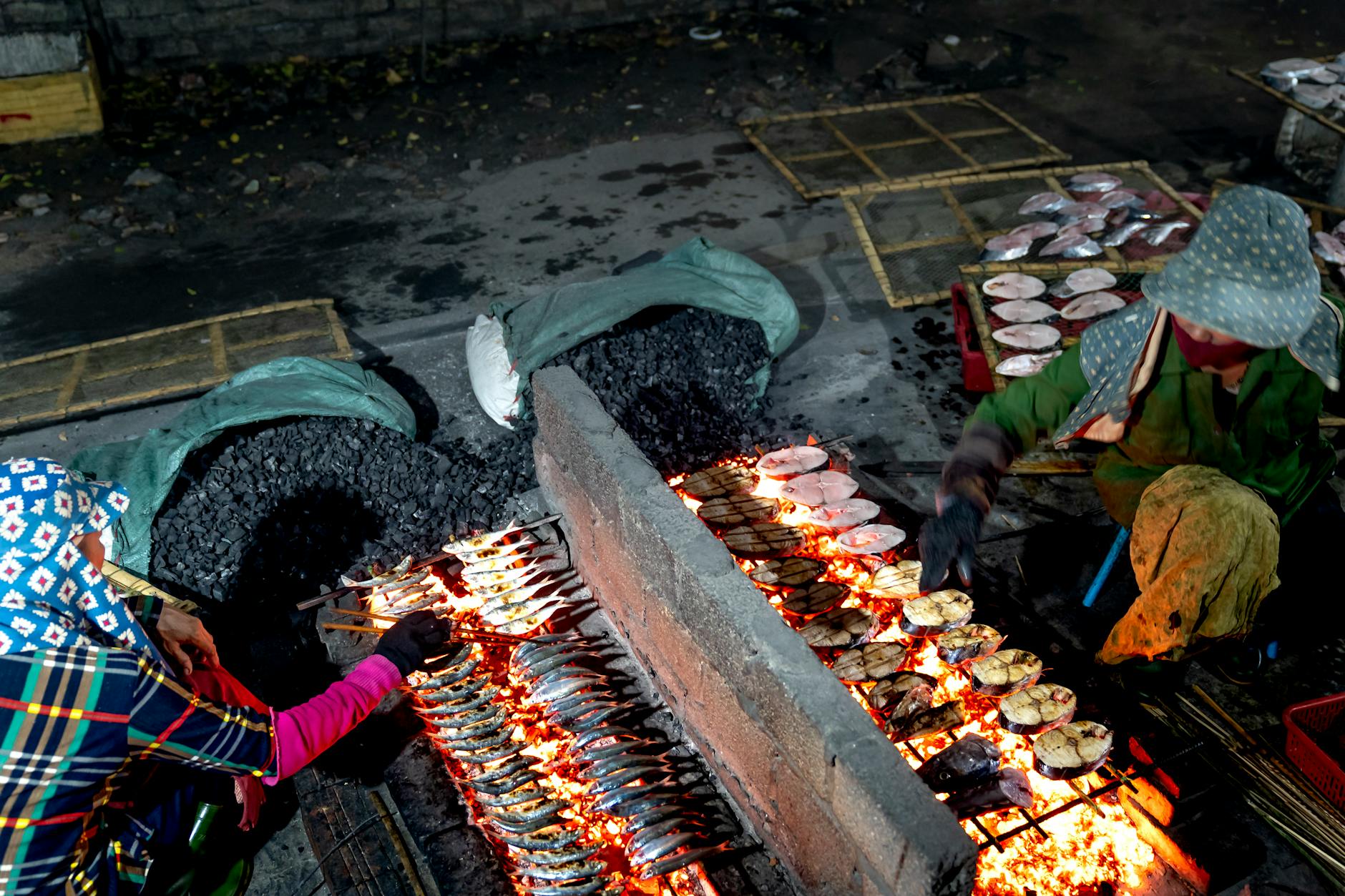
KK’s food scene runs on fresh seafood, multicultural Sabahan influences from indigenous, Chinese, Malay, and Filipino communities, and prices that stay affordable regardless of where you eat.
The Waterfront Night Market
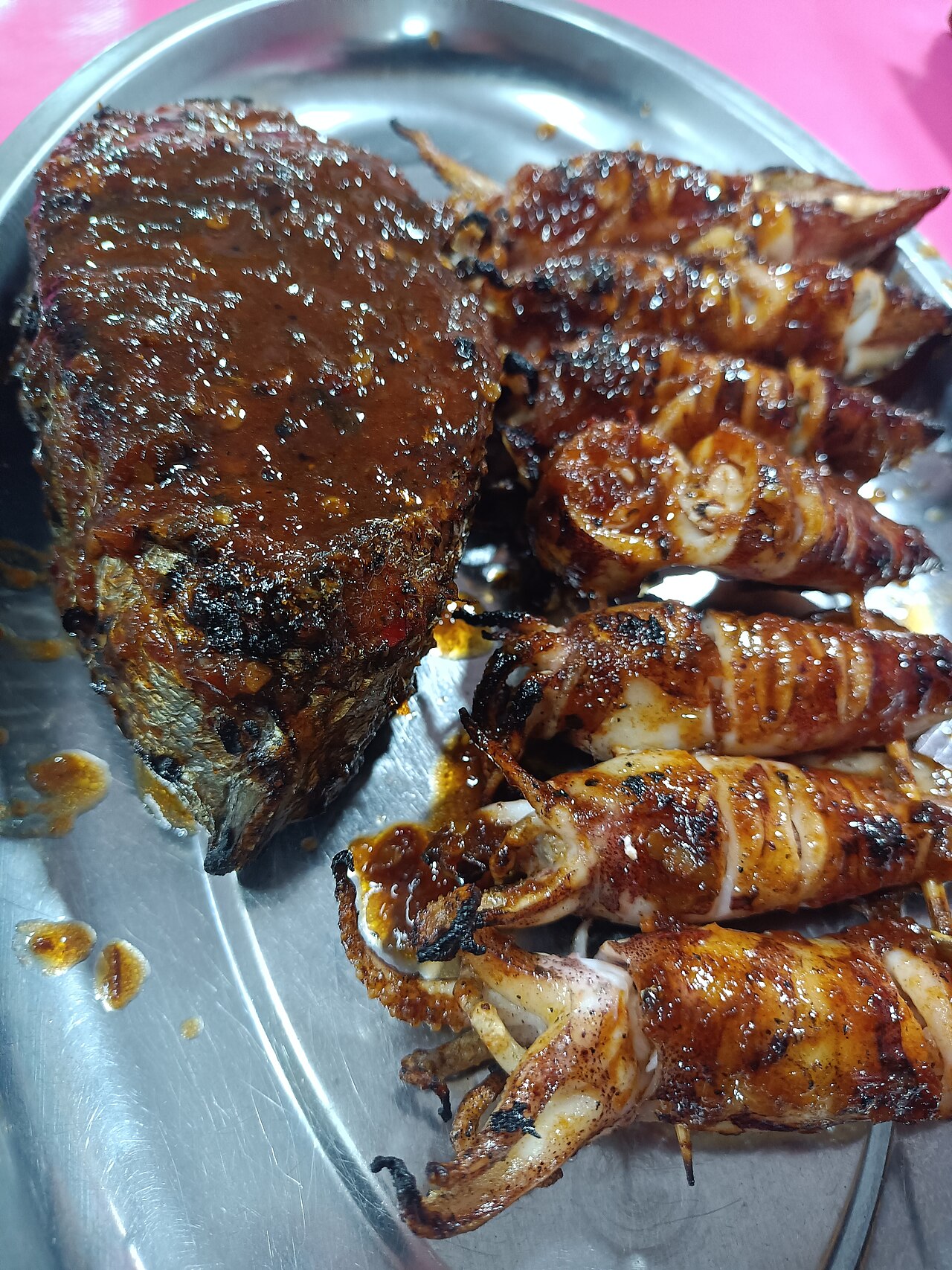
As evening arrives, rows of open-air stalls along the Filipino Market waterfront fire up charcoal grills and lay out the day’s catch on ice. Grilled fish, prawns, squid, crab, and shellfish are cooked to order and served at plastic tables with dipping sauces and rice. The seafood is remarkably fresh and genuinely cheap — a full meal for two costs RM40 to RM80 depending on what you order. It is smoky, noisy, and excellent.
Sabah Dishes to Try
Hinava — raw fish cured in lime juice with shallots, chili, ginger, and salt; the Bornean answer to ceviche. Ngiu Chap — beef noodle soup with various cuts (tendons, tripe, brisket) in a rich clear broth; a beloved local breakfast. Tuaran Mee — handmade egg noodles fried crispy on the outside, soft within, served with char siu and vegetables. Sinalau Bakas — slow-smoked wild boar, a Kadazan-Dusun specialty with a deeply smoky richness unlike anything on the peninsula. Tenom Coffee — locally grown in Sabah’s Tenom Valley, bold and strong, served with thick condensed milk.
For restaurants: Welcome Seafood Restaurant on the waterfront is a local institution for butter prawns and chili crab. Yee Fung Laksa serves one of the best laksa bowls in Sabah. Kedai Kopi Fatt Kee is a beloved kopitiam with excellent roast meats and wonton noodles. Alu Alu Kitchen at Oceanus mall represents the newer wave — modern Sabahan cuisine with craft cocktails and harbour views.
Getting to Kota Kinabalu
By Air
Kota Kinabalu International Airport (BKI) receives flights from across Malaysia and the wider region. Direct flights from Kuala Lumpur take about 2 hours 30 minutes; AirAsia, Malaysia Airlines, Batik Air, and Firefly all operate multiple daily services. Budget fares on AirAsia start from RM150 to RM300 one way when booked well ahead; Malaysia Airlines runs RM300 to RM600 depending on season. International connections link KK to Singapore, Hong Kong, Seoul, Shenzhen, and Manila. The airport is 8 kilometres from the city centre; a taxi costs RM30 to RM40, Grab is slightly cheaper, and airport buses run for about RM5.
From Peninsular Malaysia
Most visitors from the peninsula fly in. If you are coming from the west coast — Langkawi, Penang, or KL — the most efficient routing is a direct flight from KL to KK, using your west coast time before or after Borneo. Melaka and Cameron Highlands can both be included on a 10 to 14 day Malaysia itinerary before the flight to KK.
Getting Around Kota Kinabalu
The city centre is compact and walkable, with hotels, restaurants, markets, and waterfront attractions within a small area. Grab is available and affordable for anything beyond the immediate centre (RM5 to RM15 for most city trips). Car rental is the practical option if you plan to explore the wider Sabah region independently — driving is on the left and roads between major towns are in good condition. For day trips to Kinabalu, the Klias Wetlands, and other outlying attractions, the local tour operator network is the most practical and often cheapest option.
Where to Stay
Budget (under RM100/night): Several clean, affordable hostels around Gaya Street and the waterfront. Akinabalu Youth Hostel and Borneo Backpackers are the established choices.
Mid-range (RM100-RM400/night): Horizon Hotel on the waterfront offers sea views at fair rates. Hotel Grandis in Suria Sabah mall has a central location and modern rooms. Ming Garden Hotel near the night market has a rooftop pool and good value rates.
Luxury (RM400+/night): Hyatt Centric KK is the premier city hotel with harbour views and excellent dining. Shangri-La’s Tanjung Aru Resort is a beachfront property with a private beach and consistently good sunsets. For island luxury, Gaya Island Resort or Bunga Raya Island Resort on Gaya Island in the marine park combine seclusion, nature, and world-class hospitality.
Day Trips from KK
Kundasang and Kinabalu Park HQ: Even without climbing the mountain, the park entrance area has botanical gardens, a canopy walkway, and the Mountain Garden showcasing highland flora unique to Kinabalu. The 2-hour drive through Sabah’s interior is scenic. Kundasang’s morning market sells highland vegetables and local produce.
Tip of Borneo (Tanjung Simpang Mengayau): The northernmost point of Borneo, 2 to 2.5 hours from KK, where the South China Sea meets the Sulu Sea. Dramatic headland scenery, panoramic ocean views, and a natural marker worth the drive. Combine with Kudat town and a Rungus longhouse visit for a full day.
White water rafting: The Kiulu River offers Grade I-II rapids for beginners and families; the Padas River delivers Grade III-IV for experienced rafters. Both run as full-day excursions from KK.
Practical Tips
Best time to visit: March to September for the most stable weather. The wet season (November to February) brings afternoon thunderstorms but rarely disrupts a full day. Diving visibility peaks July to August.
How many days: 3 to 4 days covers the islands, the city, and one major excursion. Add 2 to 3 days if climbing Kinabalu. For a broader Sabah itinerary including Sandakan and Sepilok, plan 7 to 10 days.
Budget: Budget travellers manage RM150 to RM200 per day covering accommodation, food, and basic activities. Mid-range is RM300 to RM500 per day. Luxury resort properties run RM800 or more.
Safety: KK is safe for visitors. Standard precautions apply in crowded markets. Sea conditions around the islands change quickly — always wear life jackets on boats and follow weather warnings.
Currency and payments: Malaysian Ringgit (MYR). ATMs are widely available downtown. Cash is essential for markets, street food, island fees, and smaller establishments. Cards work at hotels and larger restaurants.
SIM cards: Prepaid tourist SIMs (Celcom, Digi, Maxis) at the airport with several gigabytes of data run RM20 to RM40. WiFi is good at city hotels and cafes; connectivity is limited on the islands and at Klias.
Cultural respect: Sabah has over 30 indigenous ethnic groups. Ask permission before photographing people at cultural sites and follow your guide’s advice when visiting longhouses or indigenous communities.
What to Buy in Kota Kinabalu
Sabah produces things that do not travel well to the peninsula, and KK’s markets are where you find them. Pearls are the most significant purchase — Sabah is one of Southeast Asia’s largest pearl producers, and the Filipino Market has dozens of stalls selling freshwater and saltwater pearls in loose form or as jewellery. Prices are negotiable and quality varies, so compare several stalls before committing.
Sabah tea from the Tenom Valley is available in packaged form at souvenir shops and the airport — the bold, dark brew makes an excellent gift and costs a fraction of specialty tea prices in Europe or Australia. Local honey from highland bee farms, particularly the Tualang variety harvested from the wild forest honey of Sabah’s interior, is worth seeking out at the market. Craft items from Sabah’s indigenous communities — hand-woven rattan baskets, beadwork, wooden carvings — are available at the Filipino Market, the Handicraft Centre on Jalan Tun Fuad Stephens, and the Mari Mari Cultural Village shop.
Food items to bring home: dried or vacuum-packed Sinalau Bakas (smoked wild boar) if you can find a good source; Sabah black pepper, which is grown in the state’s interior; and the various traditional kueh and rice-based snacks available at the Gaya Street Sunday Market.
Photography in Kota Kinabalu
KK consistently delivers exceptional sunset photography. The city faces west across the South China Sea, with the five marine park islands as silhouettes against the evening sky. The waterfront promenade from Jesselton Point to the Shangri-La Tanjung Aru area offers the best unobstructed views. Signal Hill above the city adds an elevated perspective, framing the islands against the horizon.
The City Mosque at high tide — with its white and gold domes reflected in the lagoon — is the most photographed single structure in KK. Come 30 minutes before sunset for the golden-hour light on the facade. At Tunku Abdul Rahman Marine Park, the clearest water for underwater photography is Mamutik Island, where the coral formations are closest to shore and shallowest. Carry a waterproof phone case or a basic action camera.
For wildlife photography, the Klias Wetland firefly cruise after dark is challenging but rewarding with a tripod or a camera that handles low light well. River cruise operators allow you to stay on the boat for extended shooting — ask your guide to position the boat near active firefly trees. Proboscis monkeys photograph best in the early dusk light just before the fireflies emerge, when the animals are most active in the riverside canopy.
Kota Kinabalu for Families
KK is one of the better family destinations in Malaysia. Island trips in the Tunku Abdul Rahman Marine Park work for all ages — the calm, shallow water around Manukan and Mamutik is safe for children, snorkelling gear comes in small sizes, and the speedboat rides are exciting enough to be an event in themselves. The Lok Kawi Wildlife Park handles wildlife expectations without the logistics of full-day jungle excursions. Mari Mari Cultural Village appeals to older children with its interactive demonstrations.
The waterfront night market is child-friendly — the seafood experience is visual and fun, prices are low enough that ordering adventurously carries little risk, and the setting is relaxed. The Gaya Street Sunday Market provides a vivid morning out. Families staying for a week can structure days so that active outdoor excursions (islands, wildlife) alternate with slower city mornings, which prevents the fatigue of back-to-back half-day tours that sometimes strains younger travellers.
Combining KK with the Rest of Malaysia
KK sits naturally at either end of a Malaysia itinerary rather than in the middle — the flight from the peninsula makes it a separate leg, not a day trip. The most efficient approach is to book a round-trip to KK from KL and treat Sabah as a distinct chapter: 4 to 7 days there, then back to the peninsula for whatever remains of the itinerary.
If you are mapping out a west-coast peninsula route — say, starting in KL, going north to Cameron Highlands, then Penang, and across to Langkawi — flying from Penang to KK and then returning to KL makes geographic sense. Alternatively, open-jaw flights (fly into KL, out from KK, or vice versa) can eliminate backtracking entirely. The Kuala Lumpur travel guide covers KLIA and KL Sentral connections for those starting or finishing the trip in the capital.
3 notes