Malaysia Island Hopping: Best Multi-Island Routes & Itineraries (2026)
Plan the perfect Malaysia island hopping adventure with our comprehensive guide to multi-island routes covering the east coast, west coast, and Borneo.
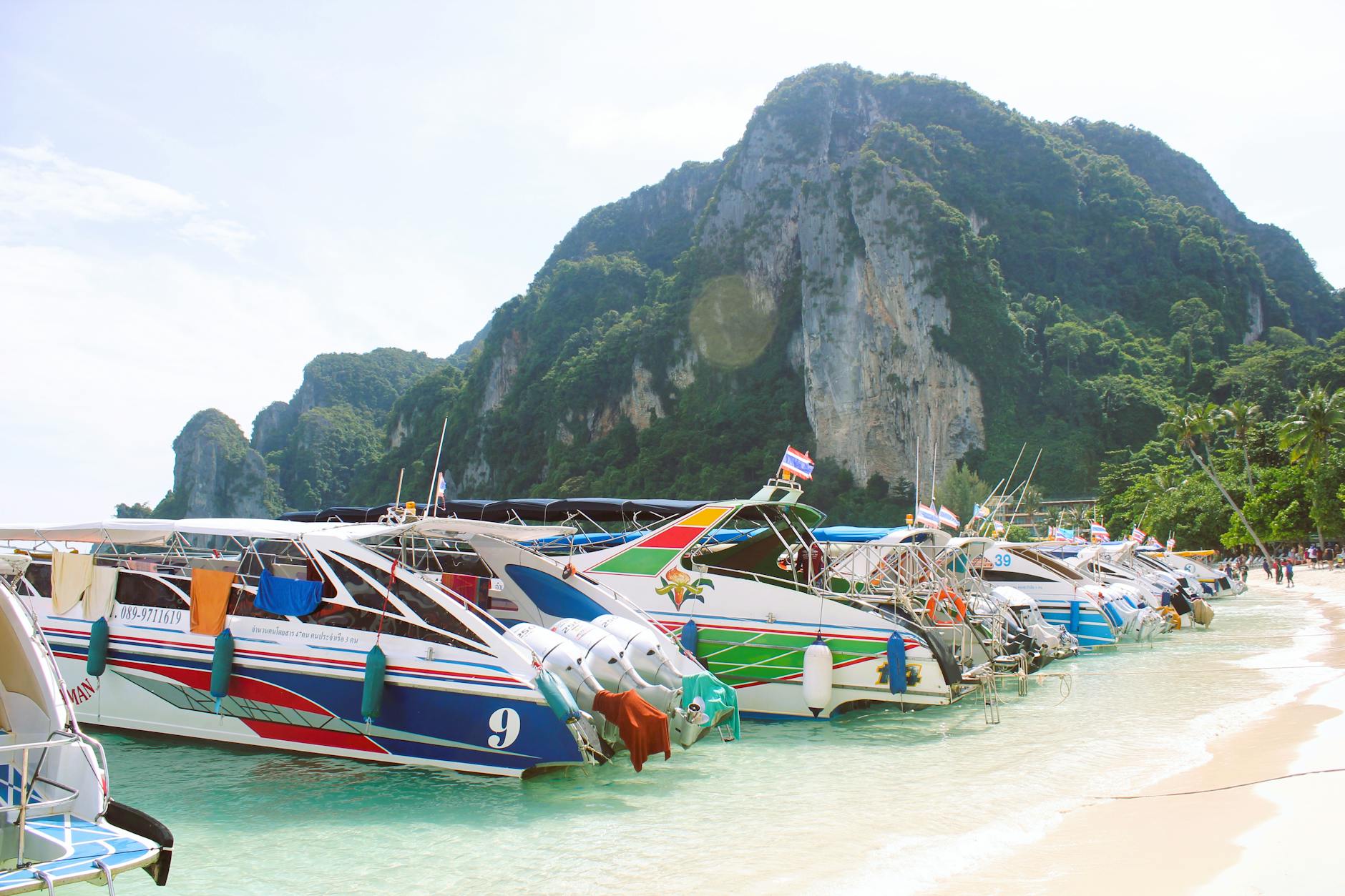
Over 878 islands dot Malaysia’s coastlines — and most travellers visit just one. That’s a reasonable choice, but it misses the point entirely. Each of the country’s three island zones has its own character: the east coast delivers raw tropical drama with world-class reefs; the west coast pairs beach time with culture and food; and Borneo raises the stakes with some of the planet’s most biodiverse marine environments. String two or three islands together and your trip transforms from a beach holiday into an expedition.
This guide maps out the best malaysia island hopping routes across all three zones, with day-by-day itineraries, exact ferry connections, realistic costs in MYR, and the seasonal timing you need to get it right.
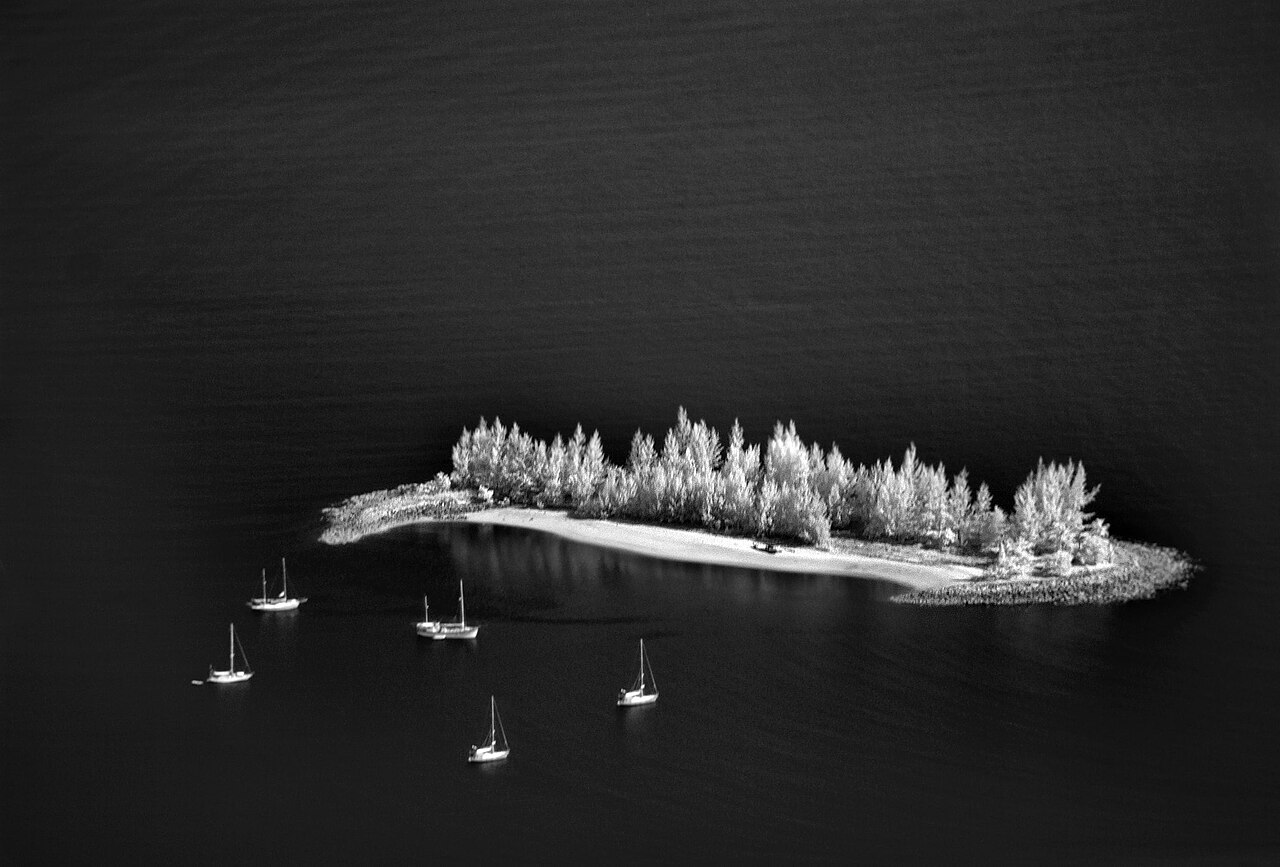
Understanding Malaysia’s Island Geography
Before you book anything, it pays to understand how Malaysia’s islands are arranged — because geography and monsoon patterns dictate everything about when and how you travel.
Peninsular Malaysia’s east coast holds the most celebrated island destinations: the Perhentian Islands, Redang, Lang Tengah, Kapas, and Tioman. All of them sit in the South China Sea and shut down from November through February when the northeast monsoon brings heavy swells and most resorts close entirely. The east coast island season runs March through October, with the sweetest window from April to September.
Peninsular Malaysia’s west coast — Langkawi, Penang, Pangkor — is sheltered by Sumatra in the Strait of Malacca and stays open year-round. The southwest monsoon from May through October brings more rain, but rarely enough to ruin a trip. These islands become the go-to when the east coast shuts.
Malaysian Borneo encompasses the Semporna archipelago in eastern Sabah, Tunku Abdul Rahman Marine Park near Kota Kinabalu, Mantanani, and the Turtle Islands. Most are best between March and October. TARP, just 15 minutes from Kota Kinabalu by speedboat, is viable year-round.
This spread means that with smart sequencing you can do malaysia island hopping in any month of the year — you just need to know which coast to target.
East Coast Island Hopping Route
The east coast circuit is Malaysia’s best-established island hopping trail: a south-facing arc from the Perhentians through Redang down to Tioman, each island distinct enough to justify its own visit. Allow 10 to 14 days for the full run, or carve out a two-island version if time is short.
Perhentian Islands (3 to 4 Nights)
Start in the north. The two Perhentian islands — Besar and Kecil — deliver an effortless blend of powdery beaches, vivid coral reefs, and a relaxed atmosphere that ranges from budget chalets to polished boutique resorts. Long Beach and Coral Bay on Kecil have the kind of white-sand-turquoise-water combination that makes people cancel their return flights. Besar is quieter and skews more upscale.
Getting there: fly Kuala Lumpur to Kota Bharu (one hour), then taxi or bus to Kuala Besut Jetty (about one hour), followed by a 30–45-minute speedboat crossing. Return speedboat tickets run RM70 to RM80. Spend your days snorkelling Shark Point, Turtle Point, and the Sugar Wreck, or take a PADI Open Water course at one of the island’s dive centres — prices start around RM900 for a full course.
The perhentian islands guide covers every beach, dive site, and budget option in full detail — essential reading before you book accommodation on either island.
Perhentian to Redang Transfer
During the open season, direct boat transfers connect the two island groups in roughly 45 minutes to one hour. Fares sit at RM80 to RM100 one way and several operators run this service daily. If no direct boats are scheduled, return to Kuala Besut, travel overland to Merang Jetty near Kuala Terengganu, and catch a ferry from there — a longer route but entirely manageable with an early start.
Redang Island (2 to 3 Nights)
Redang is as close to perfection as Malaysian beaches get. Pasir Panjang and Teluk Dalam both have sand that squeaks when you walk on it and water so clear you can count the fish from the beach. The island is part of a protected marine park, which keeps the reefs in exceptional condition — visibility regularly hits 15 to 25 metres during peak season.
Most accommodation runs mid-range to upscale, and many resorts bundle boat transfers, meals, snorkelling gear, and guided trips into all-inclusive packages (typically RM400 to RM700 per person per night). Independent divers can explore sites where sea turtles, bamboo sharks, and large groupers are regular sightings. The redang island guide lays out the best resorts, diving operators, and how to reach the island from both Kuala Terengganu and Merang Jetty.
Redang to Tioman Transfer
There is no direct boat between Redang and Tioman — you have to cross the mainland. Take the ferry back to Merang or Kuala Terengganu, then travel overland five to six hours by bus or car to Mersing in Johor. From Mersing Jetty, the ferry to Tioman takes about two hours. It’s a long travel day, and many people choose to break it with an overnight in Cherating or Kuala Terengganu, both of which are worth a stop in their own right.
Tioman Island (3 to 4 Nights)
The southern anchor of the east coast circuit, Tioman is the largest and most varied island on the route. Time Magazine called it one of the world’s most beautiful islands, and while that’s a well-worn quote, the granite peaks rising from dense jungle above turquoise bays do tend to silence argument. The island has duty-free status, so provisions, alcohol, and chocolate cost significantly less than on the mainland — a practical bonus.
Each of Tioman’s villages offers something different. Salang and Air Batang draw divers and backpackers; Tekek is the main hub with the most facilities; Juara on the quiet east coast has a remote beach that feels like a different island entirely. The cross-island trek from Tekek to Juara is one of the best jungle hikes in island Malaysia — two hours through primary rainforest that emerges onto a deserted bay.
Diving at Tiger Reef, Labas Island, and Renggis Island regularly produces reef shark encounters, sea turtles, giant groupers, and soft coral gardens of real depth and colour. For a complete breakdown of accommodation, dive sites, and ferry schedules, the tioman island guide has everything you need for planning your stay. For those after smaller and quieter stops, Kapas and Gem Island lie near Marang midway along the route and offer excellent snorkelling with far fewer visitors.
West Coast Island Trail
The west coast trail runs a different kind of island hopping — one where culture, food, and heritage fill the hours as much as beaches do. Starting in Langkawi and working south through Penang to Pangkor takes 10 to 14 days and delivers some of Malaysia’s best travel variety in a single route.
Langkawi (4 to 5 Nights)
Langkawi sets the tone immediately: 99 islands, duty-free shopping, and beaches that are busy enough to have infrastructure but calm enough to feel like a proper escape. The classic half-day island hopping boat tour covers three islands south of the main island. Pulau Dayang Bunting has a freshwater lake ringed by limestone cliffs, accessible via a short jungle walk. Pulau Singa Besar is the spot for watching white-bellied sea eagles dive-bomb the water in a feeding display. Pulau Beras Basah provides a white-sand beach for swimming before the boat turns back.
Beyond the island tour, the Langkawi Sky Bridge and cable car give you panoramic views over the archipelago, and Pulau Payar Marine Park — 30 kilometres south — offers the best snorkelling on the west coast. The full langkawi beaches guide walks you through every beach on the main island along with the ones worth reaching by boat, so you can plan your days around what suits your style rather than defaulting to the nearest resort strip.
Langkawi to Penang Transfer
The direct Langkawi–Penang ferry no longer runs, discontinued during the pandemic and not reinstated. The practical mainland route: ferry from Langkawi to Kuala Perlis (about one hour fifteen minutes), then bus from Kuala Perlis to Penang (around three hours). Budget airlines are a sharp alternative — AirAsia and Firefly fly the 30-minute hop frequently, and fares booked in advance sometimes start at RM50 to RM100.
Penang (3 to 4 Nights)
Penang is the route’s cultural pivot. George Town, a UNESCO World Heritage Site, has colonial shophouses, bold street murals, clan jetties, and arguably the best hawker food in Southeast Asia — Penangites will not argue “arguably.” You owe yourself at least one evening on Chulia Street and one morning walking the clan jetty boardwalks over the strait.
The beaches at Batu Ferringhi and Tanjung Bungah are decent for a swim but not why you’re here. The island’s real rewards are the Khoo Kongsi clan house, the spice markets of the old quarter, and the ability to eat something remarkable at every meal. Spend three to four nights, sleep off the laksa, and then head south to Pangkor.
Penang to Pangkor Transfer
From Penang, take a bus or drive three to four hours south to Lumut, the mainland gateway for Pangkor Island. Ferries from Lumut to Pangkor run every 30 to 45 minutes throughout the day, crossing takes about 30 minutes, and return tickets cost RM14 per adult. A shorter crossing of 10 to 15 minutes is also available from the Marina Island Jetty nearby.
Pangkor Island (2 to 3 Nights)
Pangkor closes out the west coast trail with an island that feels genuinely unlaboured. The beaches at Teluk Nipah and Pasir Bogak are relaxed and unhurried. Dutch colonial history surfaces at Kota Belanda. Hornbills land in the trees along the main road and pay no attention to tourists. The fishing village culture is intact and unpretentious, and offshore, Pangkor Laut Resort occupies its own private island if you want a splurge finish to the route.
A rented motorcycle covers the whole island in about 40 minutes, which is the best way to discover the quieter coves and find the seafood places that don’t have menus in English. Prices are noticeably lower than Langkawi — a sign that Pangkor still caters primarily to Malaysian domestic travellers, which is part of its charm.
Borneo Island Hopping Adventures
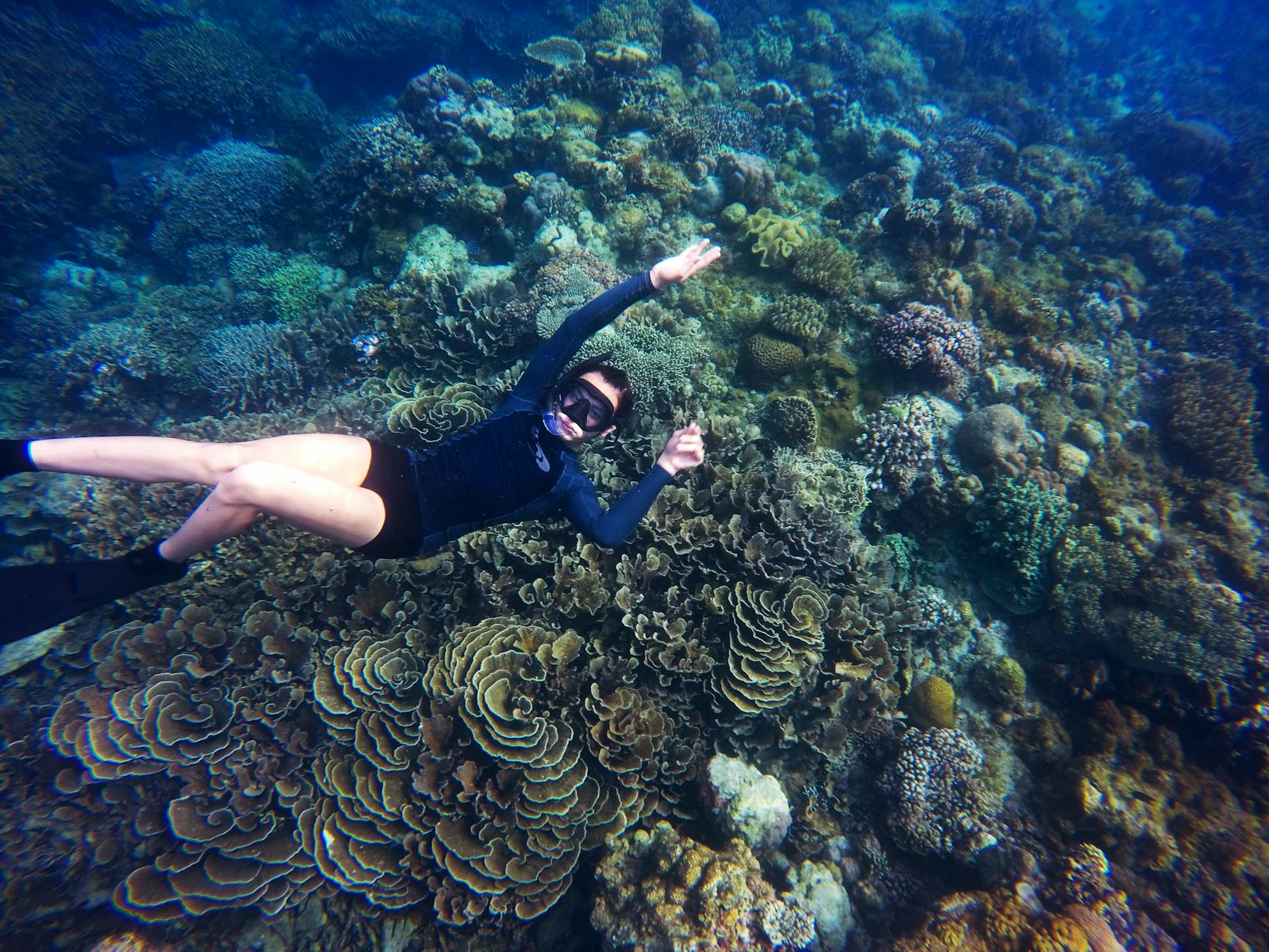
Malaysian Borneo raises the stakes. The marine biodiversity here competes with the Coral Triangle — because this is the Coral Triangle — and island hopping in Sabah means travelling between environments that put most of Southeast Asia’s “diving hotspots” firmly in their place.
Semporna Archipelago Route (4 to 5 Nights)
The Semporna archipelago in eastern Sabah is one of the world’s premier diving and island hopping zones, with dozens of islands scattered across the turquoise Celebes Sea. Most visitors use Semporna town as a base and take daily boat trips to different island groups.
Tun Sakaran Marine Park is the route’s centrepiece. This 35,000-hectare park encompasses eight islands and two large reef systems. The hike to the summit of Bohey Dulang — a 600-metre trail climbing to 353 metres — rewards you with panoramic views of the surrounding islands and lagoons in every shade of blue and green imaginable. The climb takes 30 to 45 minutes each way and is moderately demanding. Other Tun Sakaran stops include Mantabuan, where Bajau Laut sea nomads live alongside excellent snorkel reefs, and Sibuan, a postcard-worthy sandbar island with water so clear it looks filtered.
Mabul and Kapalai Islands are an essential pairing. Mabul is globally famous for muck diving — sandy slopes that hide frogfish, blue-ringed octopuses, flamboyant cuttlefish, and ghost pipefish among the debris. Kapalai is built entirely on stilts above a sandbar: an overwater village where you can snorkel directly off the walkways. Sipadan island diving, just 30 minutes from Mabul, is widely considered one of the top five dive sites on earth — a 600-metre-deep oceanic pinnacle with hammerhead schools, barracuda tornadoes, and resident green and hawksbill turtles on every single dive. Permits are capped at 120 per day, so book months ahead.
Mataking and Timba Timba Islands are the quieter alternative. Pristine white beaches, untouched coral reefs, and almost no crowds. The snorkelling at Timba Timba is outstanding — nurse sharks, barracuda, and dense schools of anthias in crystal-clear water with visibility well beyond 20 metres.
Day trip packages from Semporna town cost RM150 to RM300 per person depending on which islands are visited. A standard 4-day, 3-night Semporna package combines overwater bungalow accommodation with daily island hopping excursions, letting you experience the full range of this archipelago without arranging each piece independently.
Kota Kinabalu Island Circuit (2 to 3 Nights)
Tunku Abdul Rahman Marine Park sits 15 to 20 minutes from Kota Kinabalu city by speedboat and packs five islands into an easy day-trip circuit. Manukan and Sapi are the most popular pairing for snorkelling and beach time, with clear water and active reef right off the beach. Adding a separate day trip to Mantanani — further offshore — steps it up considerably: visibility can exceed 30 metres, and dugong sightings in the seagrass beds have been recorded by divers based there.
Sample Itineraries
One Week: East Coast Express
Day 1: Fly Kuala Lumpur to Kota Bharu, transfer to Kuala Besut, speedboat to Perhentian Islands
Days 2–3: Snorkelling, diving, and beach time on the Perhentians
Day 4: Direct boat transfer to Redang Island
Days 5–6: Snorkelling at Marine Park Centre, diving, and beach relaxation on Redang
Day 7: Ferry to mainland, fly back to Kuala Lumpur from Kuala Terengganu
Budget estimate: RM2,500 to RM4,000 per person including flights, ferries, mid-range accommodation, meals, and activities.
One Week: West Coast Discovery
Day 1: Fly to Langkawi
Days 2–3: Langkawi island hopping tour, Sky Bridge, mangrove cruise, beach time
Day 4: Ferry to Kuala Perlis, bus to Penang
Days 5–6: George Town heritage walk, street food tour, Batu Ferringhi beach
Day 7: Bus to Lumut, ferry to Pangkor, explore the island, or fly back from Penang
Budget estimate: RM2,000 to RM3,500 per person including flights, ferries, mid-range accommodation, meals, and activities.
Two Weeks: Full East Coast Circuit
Days 1–2: Kuala Lumpur arrival and city exploration
Day 3: Fly to Kota Bharu, transfer to Perhentian Islands
Days 4–5: Perhentian Islands snorkelling and diving
Day 6: Boat transfer to Redang Island
Days 7–8: Redang Island marine park and beaches
Day 9: Ferry to mainland, travel to Mersing
Day 10: Ferry to Tioman Island
Days 11–12: Tioman Island diving, jungle trekking, village exploration
Day 13: Ferry to Mersing, travel to Kuala Lumpur or Johor Bahru
Day 14: Departure
Budget estimate: RM5,000 to RM8,000 per person including domestic flights, all ferries, mid-range accommodation, meals, and activities.
Two Weeks: Borneo and Peninsular Combined
Days 1–2: Arrive Kota Kinabalu, TARP island hopping
Day 3: Mantanani Islands day trip
Days 4–5: Fly to Sandakan, Turtle Islands overnight
Day 6: Fly to Tawau, transfer to Semporna
Days 7–8: Semporna island hopping — Tun Sakaran, Mabul, Kapalai
Day 9: Fly to Kuala Lumpur
Day 10: Fly to Kota Bharu, transfer to Perhentian Islands
Days 11–12: Perhentian Islands
Day 13: Transfer to mainland, fly to Kuala Lumpur
Day 14: Departure
Budget estimate: RM6,000 to RM10,000 per person including domestic flights, ferries, accommodation, meals, and activities.
Essential Planning Tips
Booking and Reservations
During peak season from June through August, accommodation on the Perhentians, Redang, and Tioman fills up fast. Book two to four weeks ahead at minimum, further in advance during school holiday periods in March, June, and December. Semporna dive resorts often require 60 to 90 days’ notice due to limited capacity, and Sipadan permits need to be secured through a resort months ahead.
Ferry and Boat Schedules
First departures typically leave between 7:00 and 8:30 AM, with the last boats returning by 5:00 to 6:00 PM. Schedules vary by season and can change with weather. Always confirm the day before travel, especially during transitional months at the edges of monsoon season. Build a buffer day into your itinerary if you have a time-sensitive flight at the end of the trip.
Money and Connectivity
Most smaller islands have no ATM at all. Draw sufficient cash from the mainland — more than you think you need, because unexpected charges appear everywhere. Major resorts take credit cards, but smaller guesthouses, local restaurants, and boat operators are cash only. Mobile data is reliable enough on the populated islands from the main Malaysian carriers, though expect dead spots on remote Semporna islands.
Packing Essentials
Reef-safe sunscreen is non-negotiable — standard formulas containing oxybenzone and octinoxate are prohibited in some marine parks and damaging everywhere. Pack a quality snorkel mask if snorkelling is a priority (rental masks rarely fit well). A rash guard handles both sun and jellyfish protection. Add a waterproof phone case, dry bag for boat transfers, insect repellent, personal medications, and light quick-dry clothing. Laundry services exist on most larger islands but run slowly and cost more than you’d expect.
Responsible Island Hopping
Never touch or stand on coral. Don’t feed marine life. Take every piece of rubbish off the island with you. Keep a respectful distance from nesting turtles and avoid flash photography near them entirely. When visiting Bajau Laut communities in the Semporna area, ask permission before photographing people or their homes — and accept a “no” graciously. These are living communities, not tourism set-pieces.
Health and Safety
Island pharmacies are limited; bring a full supply of personal medications. Stay hydrated — the tropical heat is deceptive when you’re on the water all day. Be aware of currents when swimming or snorkelling, particularly at headlands and reef passages. Jellyfish are seasonal and a rash guard provides solid protection. Travel insurance that explicitly covers diving and water sports is essential, not optional.
Best Time for Malaysia Island Hopping
Timing your trip correctly is the single biggest planning decision you will make, because visiting the wrong coast in the wrong month means closed resorts, suspended ferries, and rough seas.
March through October covers the prime season for east coast islands and most Borneo destinations. Peak conditions run April through September: calm seas, 20-plus metre visibility, reliable sunshine. This is the window for the Perhentians, Redang, Tioman, Semporna, and the Turtle Islands.
November through April is the window for west coast islands. Langkawi, Penang, and Pangkor benefit from Sumatra’s shelter and stay accessible when the east coast is closed. The northeast monsoon that shuts down the Perhentians and Redang barely touches Langkawi.
Year-round destinations include Langkawi and Tunku Abdul Rahman Marine Park near Kota Kinabalu. Both are accessible regardless of season, though each has a preferred dry period for best conditions.
For trips that combine both coasts, the shoulder months of March–April and September–October offer the best chance of favourable conditions on all fronts. You might sacrifice a few degrees of perfection on one coast, but you gain the flexibility to move between them.
Final Thoughts
Malaysia island hopping rewards the traveller who commits to it. The east coast circuit from the Perhentians through Redang to Tioman covers three of Southeast Asia’s genuinely great island groups in a single logical route. The west coast trail trades raw tropical scenery for cultural depth, street food that stops conversation, and a pace of life that no resort can manufacture. Borneo adds a third dimension entirely — marine biodiversity that will recalibrate what you thought “good snorkelling” or “world-class diving” meant.
The practical advantages compound with scale: affordable domestic flights and ferries, a wide range of accommodation from backpacker to luxury, and an island infrastructure that makes multi-stop trips easier here than almost anywhere in the region. Plan the route carefully, time the seasons right, and Malaysia’s islands will give you more variety in two weeks than most destinations offer in a month.
2 notes