Malaysian Drinks: The Complete Guide to Traditional and Modern Beverages
Explore the best Malaysian drinks from teh tarik and traditional kopi to cendol, ais kacang, and fresh tropical juices. This complete guide covers kopitiam culture, ordering terminology, and every beverage travelers should try.
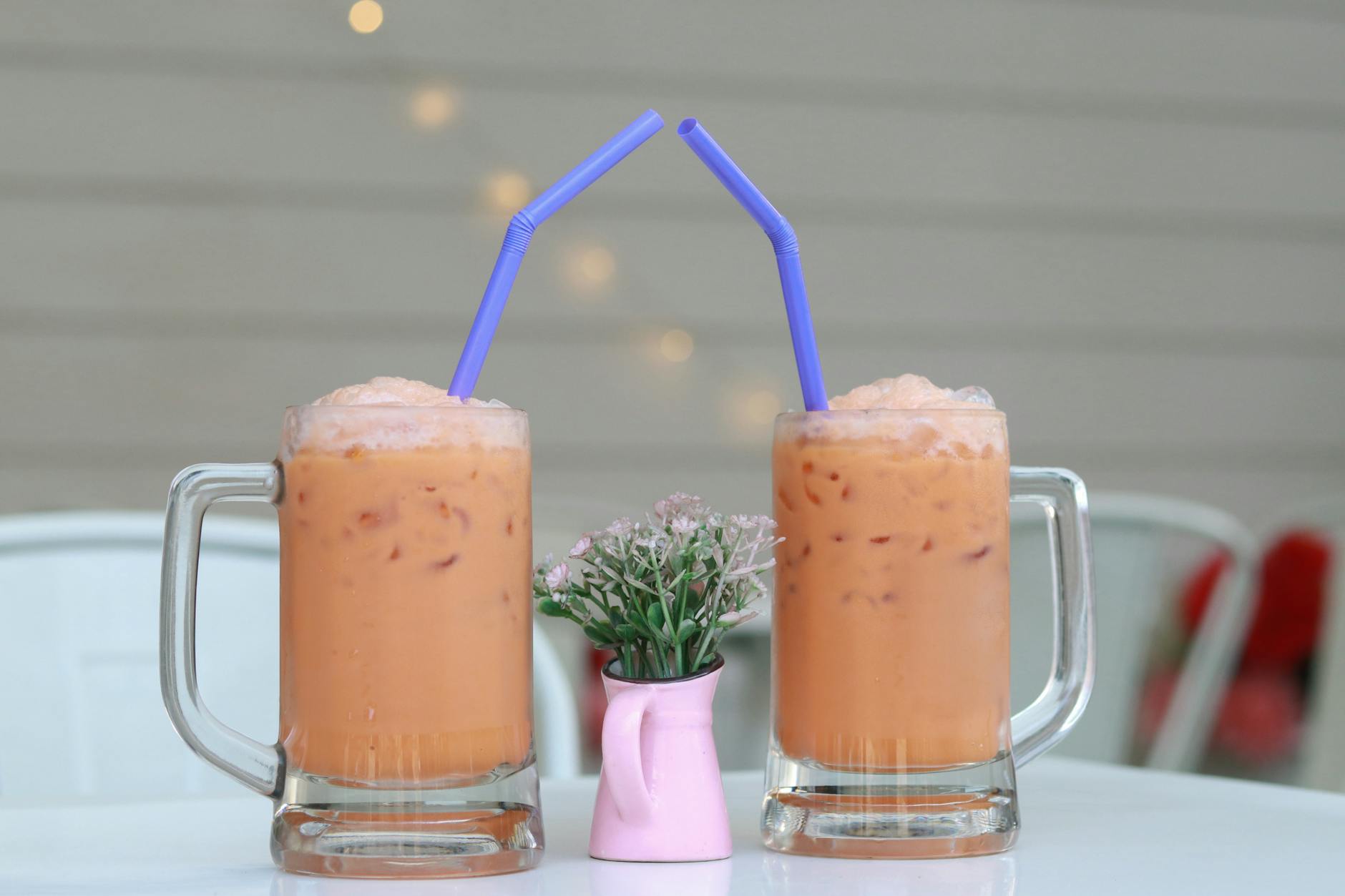
It is 7 a.m. in Penang and the uncle behind the counter already has six orders in the air. He shouts something in Hokkien, grabs a cloth sock the size of a small net, pours boiling water through a mound of dark grounds, and within thirty seconds slides a glass of kopi across the marble table toward you. The coffee is strong enough to warrant a warning. It costs RM1.80. You have not even had to say please.
Drinks in Malaysia are not a footnote to the food — they are part of the same conversation. The kopitiam, the mamak, the hawker stall: every one of them has a drinks order that tells you something about the people at the table. Learning what to order, and how to ask for it, is one of the more useful things you can do before you arrive. This guide walks you through the full spectrum, from the iconic to the under-the-radar, with prices and practical advice so you can order like you have been doing it for years.
Malaysia’s drink culture pairs naturally with its food scene — if you want to understand both together, the must try malaysian food guide covers the dishes you’ll most often see on the same table as these drinks.
Kopitiam Culture and the Art of Ordering
The kopitiam — the word fuses the Malay kopi (coffee) with the Hokkien tiam (shop) — has been at the centre of Malaysian social life for more than a century. These coffee shops trace their origins to Hainanese immigrants who had worked as cooks and domestic staff in British colonial households. After leaving that employment, many of them opened their own establishments, carrying with them a distinctive approach to coffee roasting: beans caramelized with margarine and sugar until they develop a dark, bittersweet coating that no other tradition quite replicates.
Walk into a kopitiam at six in the morning and you’ll find the same things you’d have found fifty years ago. Marble-top tables, wooden chairs, a glass cabinet displaying kaya toast and half-boiled eggs. The difference today is that the marble may be sharing street space with a boutique-style chain outlet — Old Town White Coffee, PappaRich — that keeps the traditional drinks while updating everything around them.
The ordering system is its own minor language. Once you crack it, you can specify your drink with surgical precision, and the uncle or auntie behind the counter will execute it without writing a single thing down.
Start with the base. Kopi is coffee. Teh is tea. The default for either comes with condensed milk and sugar — sweet enough to make most Western palates widen their eyes. From there, the modifiers:
- O — black, with sugar, no milk
- C — with evaporated milk (lighter and less sweet than condensed)
- Peng — iced
- Siew Dai — less sweet
- Kosong — no sugar at all
- Gao — extra strong
- Po — diluted, weaker
Stack them. Teh C Peng Siew Dai is iced tea with evaporated milk, less sweet. Kopi O Kosong is black coffee, no sugar — the choice of people who mean business. The staff take orders for six people simultaneously, shout them across the shop to the drink maker, and somehow everything arrives correctly. It is a system that runs on decades of muscle memory.
The mamak — the Indian Muslim restaurant that tends to stay open around the clock — uses the same system. If you’re eating malaysian street food late at night, there is almost certainly a mamak nearby and almost certainly a kopi or teh tarik in your immediate future.
Teh Tarik: Malaysia’s National Drink
Teh tarik means pulled tea, and the name is literal. The tea is brewed strong — often Ceylon or the locally grown BOH — combined with condensed milk, then poured back and forth between two metal jugs from a height of up to a metre. The pulling action does three things at once: it aerates the tea, blends the condensed milk into a uniform creaminess, and brings the temperature down to something drinkable. The result is a frothy, amber glass with a thick foam head that no amount of stirring could replicate.
The drink has its roots in the Indian Muslim community that supplied tea to rubber plantation workers during the colonial era. The theatrical pouring was partly practical — it cooled the tea fast — and partly showmanship, a way to draw customers from a row of competing stalls. The showmanship survived. Teh tarik competitions are held across the country, with practitioners extending the pour to increasingly improbable heights without spilling a drop.
You’ll find teh tarik at every mamak in Malaysia, served twenty-four hours a day. Price: RM1.50 to RM3. It is one of the most reliable drinks on earth — available at midnight in a Kuala Lumpur suburb as readily as at 8 a.m. in a Penang hawker row.
Malaysian Coffee: The Kopi Tradition
Malaysian kopi is not trying to be third-wave espresso. It is its own thing, and understanding that makes it considerably easier to enjoy.
The beans are mostly Robusta — stronger, more bitter, higher in caffeine than Arabica. They are roasted with margarine and sugar, which caramelize onto the bean surface and produce a flavor that is earthy, sweet, and slightly smoky. The brewing method is equally old-school: ground coffee goes into a long cloth sock attached to a metal ring, boiling water is poured through, and the brew drips into a pot below. The sock method produces a dense, full-bodied coffee with almost no acidity. It doesn’t taste like anything from a European café. That is the point.
Ipoh White Coffee
Ipoh, in the state of Perak, has a coffee culture serious enough that people drive from Kuala Lumpur specifically to drink it. Ipoh white coffee takes a different approach to roasting: the beans are coated with palm oil margarine but not sugar, which produces a lighter, less bitter cup. The name refers to the roasting method, not the color of the drink. With condensed milk stirred in, the result is noticeably smoother and more delicate than standard kopi. Old Town White Coffee turned this regional style into a national chain, but the original kopitiam versions in Ipoh — places like Nam Heong and Sin Yoon Loong — are in a different league.
If your Malaysia itinerary includes a stop in Perak, building a morning around Ipoh’s kopitiam row is time well spent. The kuala lumpur food guide has a similar approach to the capital’s café scene if you’re starting there first.
Kopi Cham
Kopi cham — also called Yuanyang — blends coffee and tea in the same glass. The standard ratio is three parts coffee to seven parts tea, mixed with condensed milk. The coffee brings body and bitterness; the tea adds tannin and fragrance. Together with condensed milk they settle into something that is neither purely one nor the other, which is exactly what makes it interesting. Available at kopitiams across Malaysia, and a useful order if you genuinely cannot decide.
Iced Drinks and Cold Refreshments
In a country where the temperature rarely drops below 25°C and humidity hovers around 80 percent for most of the year, the cold drinks menu is not optional reading. These are the drinks you’ll reach for at noon on a clear day, or after twenty minutes walking between hawker stalls.
Sirap Bandung
Sirap Bandung is the pink drink you’ll see on every table during Ramadan and Hari Raya — rose syrup mixed with evaporated or condensed milk and poured over ice. The color is genuinely vivid, the flavor is floral and sweet, and the drink is cold enough to earn its place in the heat. Available year-round at mamak restaurants and food stalls, but it peaks in visibility during festive season, when it appears on banquet tables alongside biryani and rendang.
Air Mata Kucing
The translation is “cat’s eye water,” a reference to the way peeled longan fruit resembles an eye. The drink itself is made from dried longan, winter melon strips, and rock sugar, simmered into a lightly sweet broth and served cold. In traditional Chinese medicine it is classified as cooling, which is a good enough reason to drink it in the Malaysian afternoon. The flavor is subtle — slightly smoky from the dried fruit, gently sweet from the rock sugar. Widely available at hawker centers and night markets.
Sugarcane Juice
Fresh sugarcane juice is pressed to order. The vendor feeds long stalks of cane through a mechanical press, collects the pale green juice in a cup of ice, and often adds a squeeze of calamansi lime — a small citrus fruit that brings a sharp brightness to the natural sweetness. The whole thing costs RM2 to RM4. No sugar is added and none is needed. Watching the press work is part of the experience; the juice that comes out the other side is as fresh as anything you’ll drink on the trip.
Coconut Water
Young coconuts are sold from carts and stalls across Malaysia. A vendor hacks open the top with a cleaver, inserts a straw, and hands it over for RM3 to RM6. The water inside is cool, very slightly sweet, and genuinely hydrating — a better rehydration drink after a hot afternoon of sightseeing than most things in a bottle. When the water is gone, ask to have the coconut split open so you can scrape out the soft white flesh. A small but perfect bonus.
Barley Water
Barley water is a Chinese tradition that became deeply embedded in Malaysian food culture. Pearl barley is boiled in water with rock sugar — sometimes with pandan leaves added for fragrance — until the liquid takes on a mild, slightly nutty sweetness and a light body from the barley starch. It is served hot or cold and appears at Chinese restaurants and hawker centers as casually as water might appear elsewhere. Another cooling drink by traditional classification, with a semi-medicinal reputation that the flavor does nothing to contradict.
Chrysanthemum Tea
Dried chrysanthemum flowers steeped in hot water with rock sugar produce a tea that is floral, pale gold, and delicate. Served hot at Chinese restaurants or cold at hawker stalls, it is one of the most common non-coffee, non-tea drinks in the Chinese Malaysian household. Bottled versions from brands like Yeo’s fill every convenience store cooler in the country. The flavor is gentle enough that it works as a palate cleanser between dishes and as a standalone afternoon drink.
Dessert Drinks and Sweet Treats
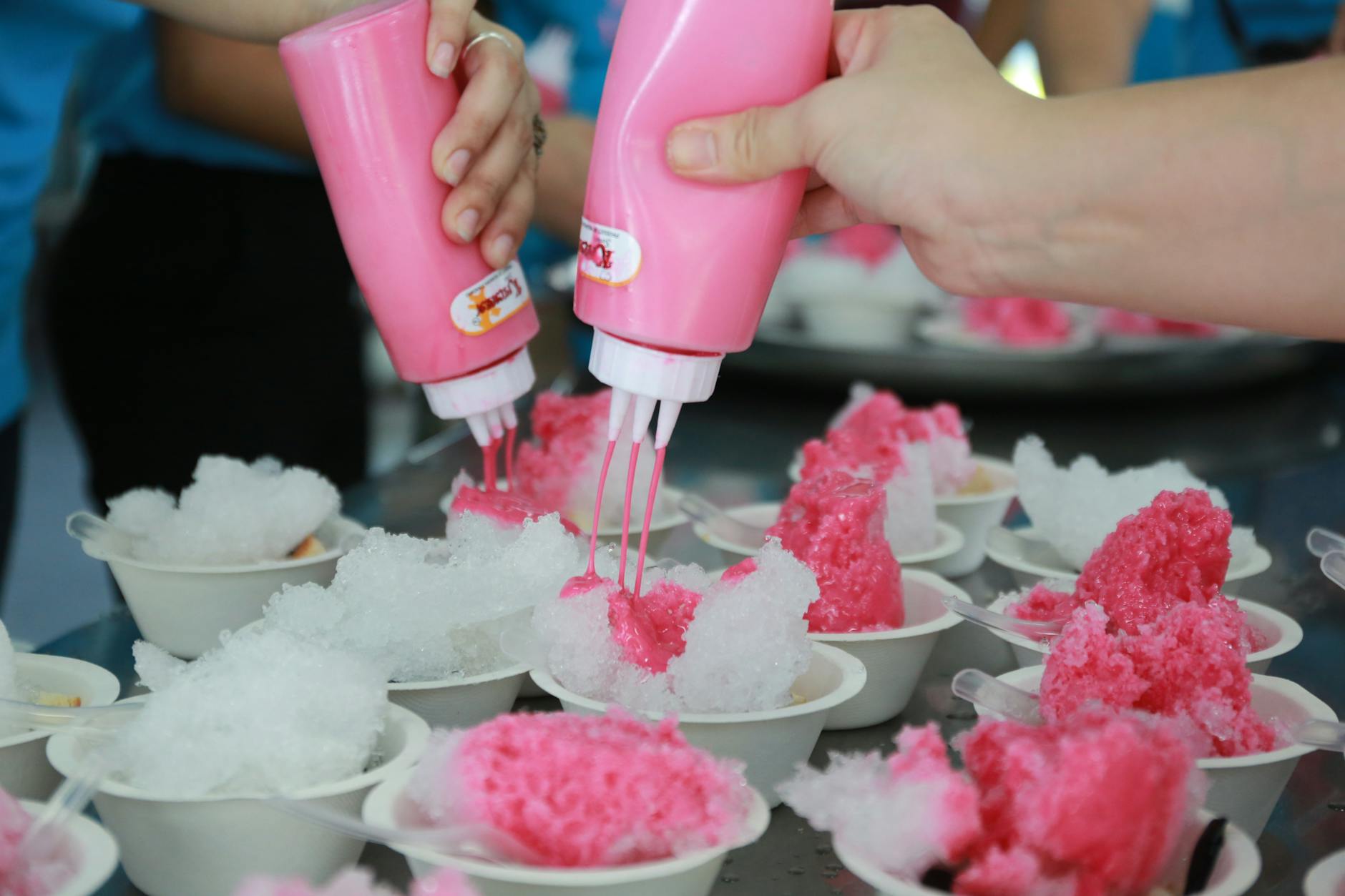
At some point in Malaysia the line between drink and dessert stops mattering. These are the preparations that sit firmly in both categories — eaten with a spoon, drunk through a straw, best approached with no particular agenda about which one you’re doing.
Cendol
Cendol arrives as a mountain of shaved ice in a bowl or glass, topped with green rice flour jelly noodles, poured over with coconut milk, and finished with gula melaka — palm sugar syrup that is dark, caramel-edged, and nothing like refined white sugar. Some versions add red beans or grass jelly. The experience is textural: cold ice, creamy coconut milk, chewy green jelly, and the deep sweetness of the palm sugar pooling at the bottom of the bowl.
Two places have earned national reputations. Penang Road Famous Teochew Chendul in George Town draws queues that snake along the pavement. Jonker 88 in Melaka is the go-to on Jonker Street. Both charge RM3 to RM6. If you’re visiting Penang, the cendol stop pairs naturally with the penang food guide route through George Town.
Ais Kacang (ABC)
ABC stands for air batu campur — mixed ice — and the name is an understatement. A large glass or bowl is packed with finely shaved ice, then loaded with red beans, sweet corn, grass jelly cubes, attap chee palm seeds, agar-agar, and roasted peanuts. Over all of this goes rose syrup, sarsi syrup, evaporated milk, and condensed milk. It is maximalist, unapologetically sweet, and exactly what the climate demands.
The strategy is to dig down through the layers, mixing as you go, and eat it quickly before the ice melts into slush. At RM3 to RM8 depending on the stall and the number of toppings, it functions as both dessert and afternoon snack. Found at hawker centers across Malaysia.
Soy Milk with Grass Jelly
Fresh soy milk served with cubes of grass jelly (cincau) is a hawker center staple that manages to be both refreshing and filling. The soy milk is creamy and lightly sweet; the grass jelly is dark, faintly herbal, and slightly chewy. Locals call the combination “Michael Jackson” — a nod to the black-and-white contrast in the glass. The nickname makes it memorable and ordering it that way will get a knowing smile from the vendor.
Fresh Fruit Juices and Tropical Specialties
Malaysia grows a staggering range of tropical fruit, and the juice stalls at hawker centers and night markets exist to make the most of it. A good stall will have a glass case displaying whole fruits and a powerful blender running almost continuously. You point at what you want; they blend it and add ice.
Watermelon juice is the most common order — sweet, cold, extremely refreshing. Mango juice is thick and fragrant, best during peak mango season. Starfruit juice is pale and tart. Passion fruit is intensely floral with a sourness that hits the back of the throat. Guava blended with sour plum powder — a classic combination — is sweet and salty at once, the kind of thing that makes no logical sense until you taste it. Pineapple juice and papaya juice round out the everyday options.
Then there is nutmeg juice, a Penang specialty you will not easily find elsewhere in Malaysia. It is made from the fleshy outer casing of the nutmeg fruit — not the seed that produces the familiar spice — and has a tangy, slightly resinous flavor that is an acquired taste for most first-timers. Locals drink it with conviction. Worth trying once.
Prices across the board run RM3 to RM8. Most vendors add sugar or condensed milk by default. If you want the fruit flavor without extra sweetness, say kurang manis (less sweet) or tanpa gula (no sugar). Both phrases are understood at every juice stall in the country.
Modern Coffee and Tea Culture
The kopitiam uncle and the specialty barista are now operating within a few streets of each other in most Malaysian cities, and both are doing well. The third-wave coffee movement arrived in Malaysia in earnest around 2010 and has since produced a café scene in Kuala Lumpur that genuinely competes with Melbourne or Tokyo.
The neighbourhoods to explore are Bangsar, TTDI, and Damansara. Independent cafés here focus on single-origin beans, carefully calibrated pour-overs, cold brew served in proper glassware, and latte art that suggests the barista takes the whole enterprise seriously. Many of these places also develop signature drinks that blend specialty coffee technique with local flavors — pandan lattes, gula melaka cold brew, coconut milk cortados. Prices sit between RM10 and RM20 per drink, significantly more than a kopitiam, but still reasonable by global café standards.
The artisan tea scene has developed alongside it. Tea houses offering premium Chinese teas — pu-erh, high-mountain oolong, aged white teas — sit alongside cafés serving Japanese matcha in various preparations. The two worlds occasionally meet: cafés in KL that serve both a proper pour-over and a gongfu tea ceremony. The result is a café culture with more depth than most visitors expect.
Milo: Malaysia’s Chocolate Obsession
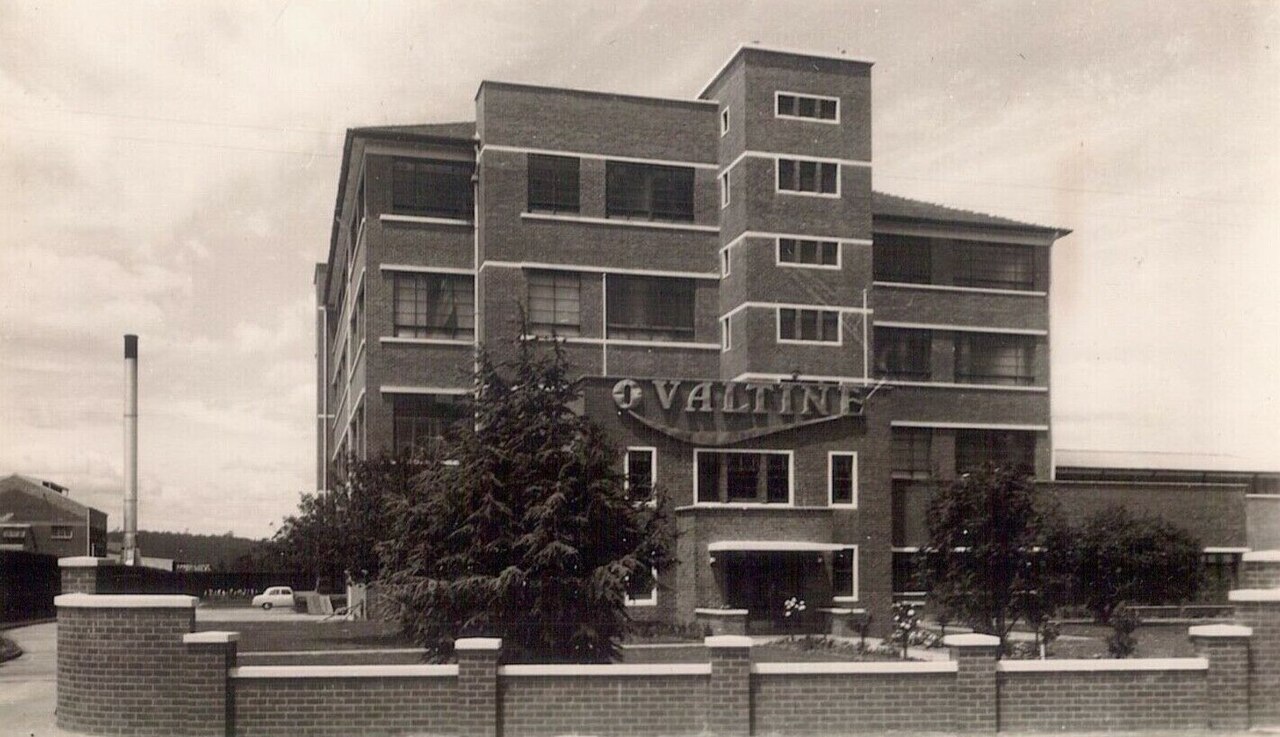
Milo is sold in many countries. None of them drink it quite the way Malaysia does.
At its base, Malaysian Milo is prepared with hot water and condensed milk — sweeter and richer than the more dilute versions drunk elsewhere. That alone makes it a different experience. But the adaptations that hawker stalls and mamaks have built on top of the base recipe are what elevate it into its own category.
Milo Ais is the iced version, available everywhere, the default cold-drink order for many Malaysians who treat Milo as a daily necessity. Milo Dinosaur takes the iced drink and adds a heaped spoonful of undissolved Milo powder on top — the powder sits as a thick, grainy layer that you stir in gradually, creating pockets of intense chocolate flavor as you drink. Milo Godzilla adds ice cream to the Dinosaur formula, at which point you are clearly eating dessert, ordering instinct be damned.
Milo appears on menus from street-level mamaks to hotel breakfast buffets. The mamak Milo Ais — made with condensed milk, served in a large plastic cup over crushed ice — costs around RM2 to RM3. It is one of the most ubiquitous drinks in the country and worth having at least once, ideally at two in the morning when the mamak is running at full pace and every table has one on it.
Tips for Ordering Drinks in Malaysia
Prices are low by any standard. Hot drinks at hawker centers and mamaks run RM1.50 to RM3. Iced drinks sit between RM2 and RM5. Fresh juices range from RM3 to RM8 depending on the fruit and the stall. Specialty café drinks cost RM10 to RM20 — a different category, priced accordingly.
Sweetness is the main calibration you’ll need to make. Malaysian drink culture defaults to sweet — condensed milk and added sugar are standard in kopi, teh, and most hawker drinks. Two phrases solve most of the problem: kurang manis means less sweet, and tanpa gula (or simply kosong) means no sugar. Both are understood at every hawker stall, mamak, and kopitiam across the country.
At mamak restaurants, drinks and food orders are often handled by different staff. Expect someone to appear at the table specifically for drinks within a minute of sitting down. Drinks arrive before the food. This is the rhythm — go with it.
Tap water is not routinely served at Malaysian restaurants. Most places do not bring a jug of water to the table. If you want still water, order it — bottled water is inexpensive everywhere, typically RM1 to RM2. If you specifically ask for tap water at a kopitiam, some will provide it, but ordering a drink is the standard expectation.
The kopitiam ordering system described above applies specifically to kopi and teh at traditional coffee shops and mamaks. Modern cafés use standard international coffee terminology. You will not confuse a specialty barista by asking for a Gao Kopi O, but the resulting drink will come from an espresso machine rather than a cloth sock, and the experience will be different.
The drinks connect naturally to the food at every stop. A bowl of nasi lemak at a mamak breakfast is almost always accompanied by a teh tarik. Get both. That combination is what mornings in Malaysia taste like.
Drink Your Way Through Malaysia
The drinks in this guide span four distinct cultural traditions — Hainanese, Indian Muslim, Chinese, and Malay — and they coexist on the same hawker center menu without anyone thinking twice about it. That is Malaysia’s food culture in miniature: a long history of communities living close together, adapting each other’s ideas, and producing something that belongs to all of them.
Start with teh tarik at a mamak if you want a single drink that captures the country’s pace and warmth. Work your way to cendol on a hot afternoon in George Town. Order a Kopi O Gao at a marble-top table in an old Ipoh shophouse. Get a Milo Dinosaur at midnight because you’re curious. Each one is cheap, available almost everywhere, and will tell you something that no amount of sightseeing will.
The drinks are a way in. Use them.