Malaysia Adventure Travel: Trekking, Diving, Rafting and More
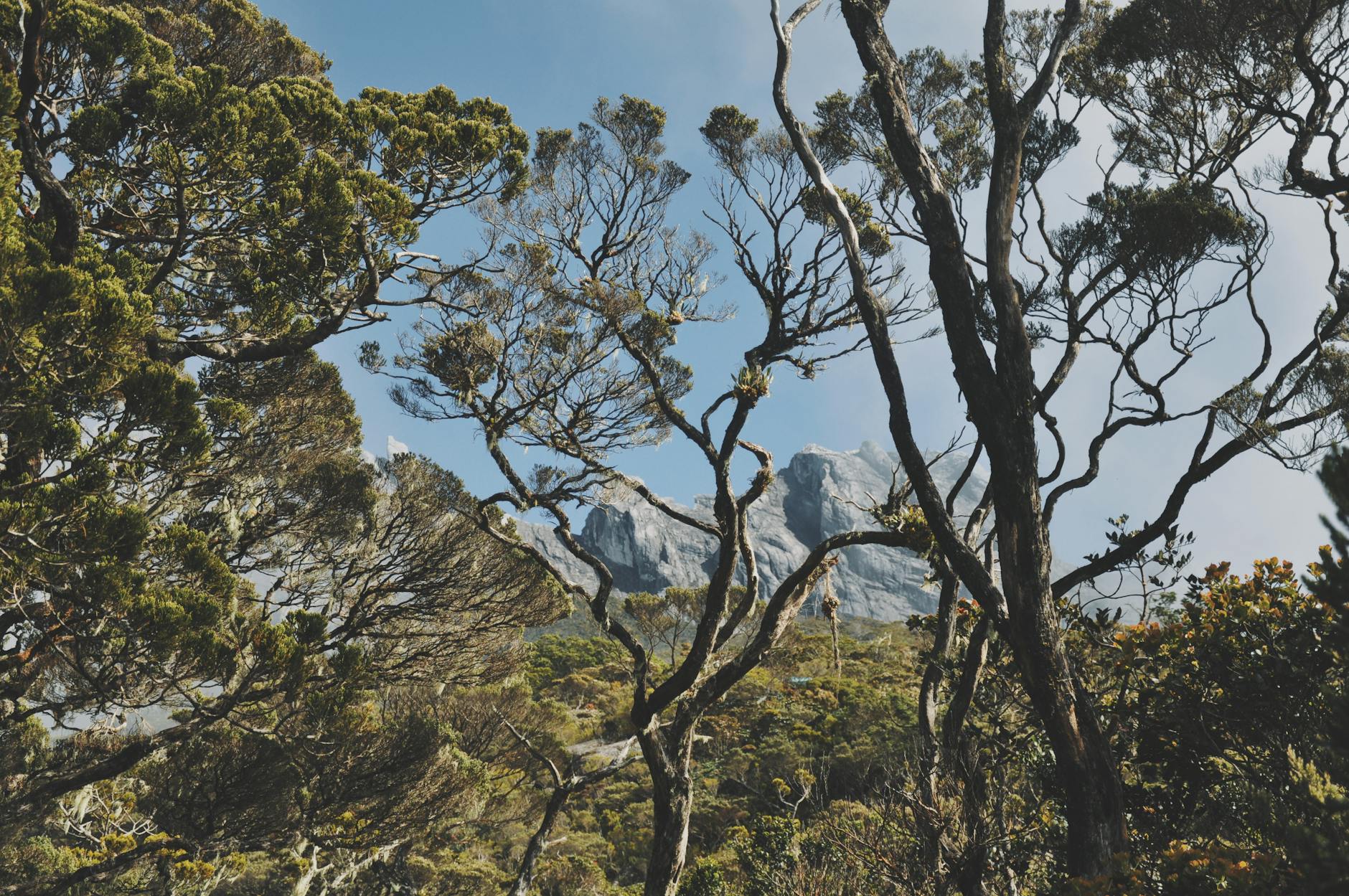
Southeast Asia doesn’t lack for adventure. But Malaysia does something most destinations can’t: pack an 4,095-metre granite summit, world-record cave chambers, planet-ranked dive sites, and some of the oldest rainforest on Earth into one country — all at prices that would barely cover a weekend trip in Europe. The country’s adventure credentials are genuinely remarkable, and you only start to appreciate the full picture when you look at the geography beneath it.
Two landmasses, separated by the South China Sea, give Malaysia its range. The peninsula delivers ancient lowland jungle, limestone karst riddled with caves, and a 700-kilometre east coast fringe of dive islands. Across the water, Malaysian Borneo — Sabah and Sarawak — raises the stakes with Southeast Asia’s highest peak, UNESCO-listed cave systems, and dive sites that consistently outrank the world. Whether your idea of adventure is summiting a serious mountain, breathing compressed air beside a barracuda tornado, or paddling a Class IV rapid through primary rainforest, this country has the real version.
This guide covers every major form of malaysia adventure travel with the practical details you need to actually plan it: costs in MYR and USD, difficulty levels, the best time of year, and what separates the good operators from the ordinary ones.
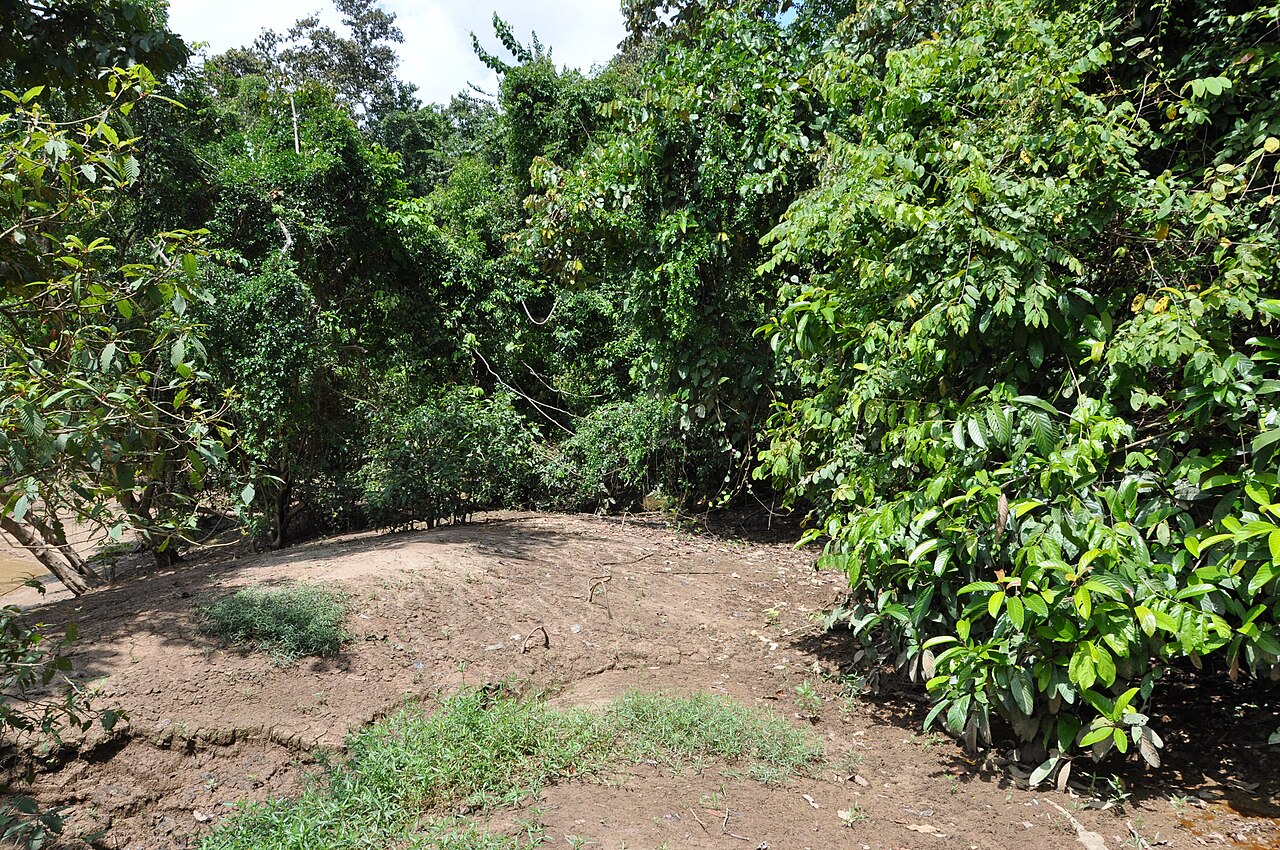
Climbing Mount Kinabalu
Nothing in Malaysia adventure travel has a bigger reputation than mount kinabalu trek. At 4,095 metres, Kinabalu is the highest point between the Himalayas and New Guinea, and on a clear morning from the summit you can see across Borneo and out over the South China Sea. That view, earned before dawn after a two-day climb, is one of the defining experiences in all of Southeast Asian travel.
The Standard Two-Day Climb
The standard route is a two-day, one-night expedition. Day one starts at Timpohon Gate (1,866 m) and climbs six kilometres through montane forest, then cloud forest, then bare rock to reach Panalaban Base Camp at roughly 3,270 metres. Most people take four to six hours. You eat, sleep briefly, then rise at 2 AM for the summit push — a 2.7-kilometre slog up fixed ropes across exposed granite in the dark, gaining another 800 metres of elevation before dawn. Reaching Low’s Peak as the light spreads over Borneo is worth every step of it.
Permits and Costs
Sabah Parks caps the mountain at 163 climbers per day. A climbing permit costs RM400 (about USD 85) for international visitors, RM100 for Malaysians. But the permit is just the beginning — all-in packages, which include the compulsory guide, accommodation at Panalaban, and meals, run from RM1,430 to RM3,240 per person depending on your room tier and whether you add via ferrata. Book months ahead if you’re targeting peak school holiday windows. The mountain is open year-round; March through September offers the driest and most reliable summit conditions.
Via Ferrata
The mountain is also home to the world’s highest via ferrata — a cable-and-rung descent route run by Mountain Torq. Walk the Torq is the beginner option: one to two hours traversing rock faces at 3,400 to 3,776 metres. Low’s Peak Circuit is harder and longer — three to four hours across dramatic granite traverses — and holds the Guinness World Record as the planet’s highest via ferrata at 3,776 metres. Either way, you do the summit first, then clip in for the descent.
How Hard Is It?
Kinabalu requires no technical mountaineering. What it does demand is cardiovascular fitness and the mental fortitude for a pre-dawn push in cold, often windy conditions. Altitude sickness can hit anyone regardless of fitness. The smartest approach: add an acclimatisation night at Kinabalu Park headquarters before starting the climb, ascend slowly on day one, drink water constantly. People who prepare with weeks of stair climbing and loaded hiking report a dramatically better experience than those who show up cold. Don’t underestimate it.
Scuba Diving in Malaysia
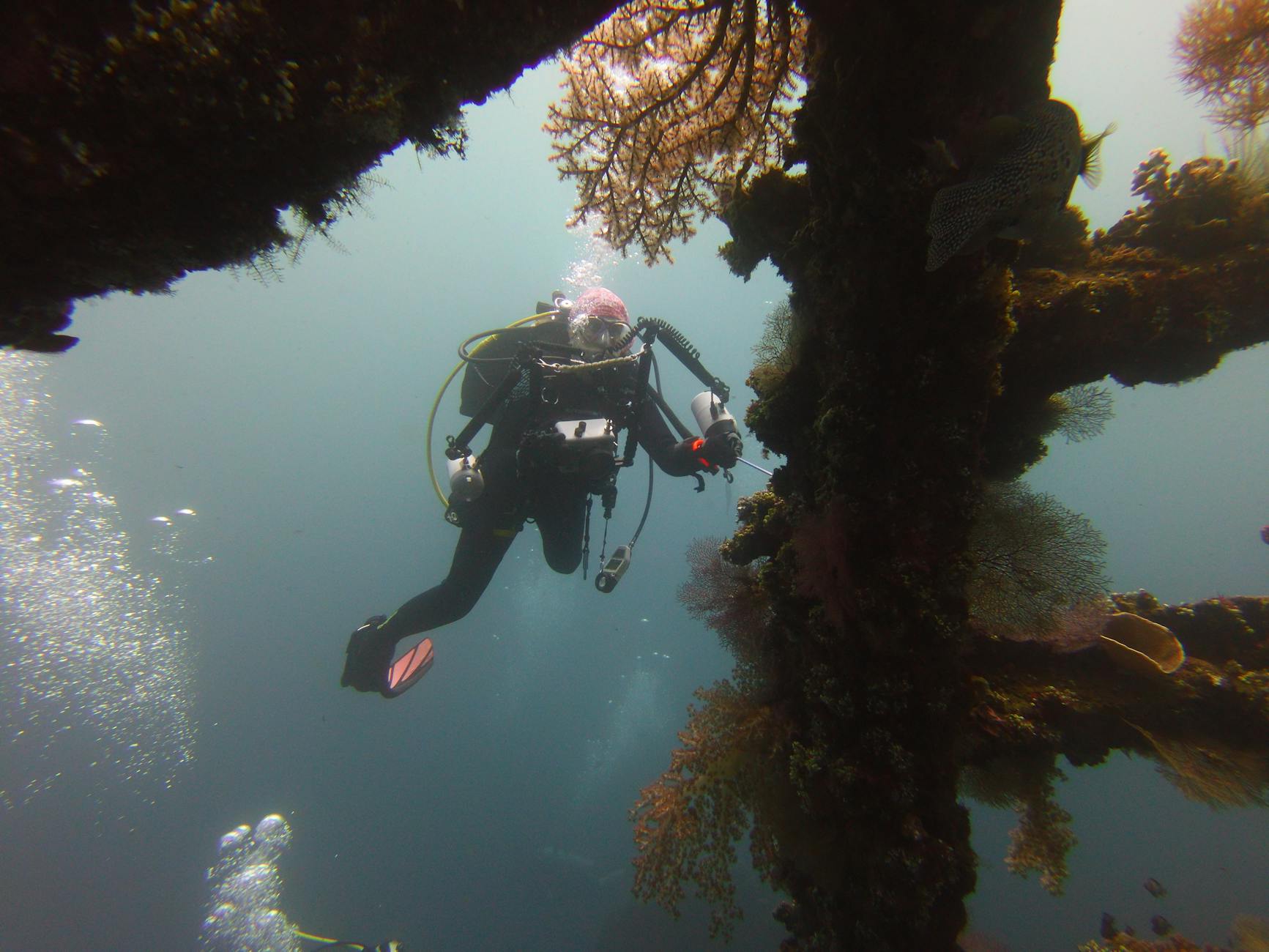
Malaysia sits inside the Coral Triangle — the global centre of marine biodiversity — which gives its diving a quality ceiling most destinations can’t reach. From gentle certification dives in crystal-clear east coast shallows to wall dives off oceanic islands where the reef drops 600 metres into the deep, scuba diving malaysia covers an extraordinary range of experience levels. And it costs a fraction of comparable diving in the Maldives, Australia, or the Caribbean.
Sipadan: Among the Best Dive Sites on Earth
Sipadan Island off Sabah’s east coast is consistently ranked in the top five dive sites in the world. An oceanic island that rises almost 600 metres from the seabed, it creates wall dives where the reef drops vertically into deep blue almost immediately. The signature experience is Barracuda Point: thousands of chevron barracuda swirling in tornado formations, jackfish in dense schools, green and hawksbill turtles on virtually every dive. White-tip reef sharks patrol the walls. Hammerheads, thresher sharks, and whale sharks appear during seasonal visits.
Sipadan dive permits are limited to protect the reef — currently RM350 (about USD 75) for international visitors, RM250 for Malaysians. You book them through dive operators on nearby Mabul or Kapalai. Most require a minimum three-to-four-night stay, combining Sipadan days with Mabul’s world-famous muck diving: frogfish, blue-ringed octopus, flamboyant cuttlefish, extraordinary nudibranchs. Plan twelve to eighteen months ahead for peak season slots.
East Coast Islands: Perhentian, Redang, Tioman, Lang Tengah
The Perhentian Islands have been drawing certification divers for years, and the PADI Open Water courses here — starting around RM1,300 — teach you in water teeming with reef sharks, rays, turtles, and colourful fish. Redang is a protected marine park with reliable visibility and bumphead parrotfish, trevallies, and schools of fusiliers on the reefs. Tioman has over twenty-five dive sites and is one of Malaysia’s more affordable certification locations. Lang Tengah, wedged between Redang and the Perhentians, gets fewer visitors and matches the marine life of its neighbours.
East coast dive season runs March to October. Most operators and island resorts shut during the northeast monsoon — November through February — when seas make boat operations unsafe.
Sabah’s Other Dive Destinations
Layang-Layang, a remote atoll in the South China Sea accessed by small aircraft, delivers hammerhead shark encounters during April and May that rival anything in the world. The Tunku Abdul Rahman Marine Park near Kota Kinabalu offers decent reefs within a short boat ride of the city. Lankayan Island in the Sulu Sea combines diving with sea turtle conservation. Mantanani Islands offers dugong encounters alongside pristine coral.
Dive Costs and Practicalities
Fun dives run RM150–RM300 per dive depending on location and equipment rental. PADI Open Water certification costs RM1,300–RM2,500. Budget island accommodation starts at RM50–RM100 per night for basic chalets; mid-range dive resort rooms run RM200–RM400. Multi-dive packages reduce the per-dive cost significantly for anyone spending several days underwater.
White Water Rafting
Malaysia’s rivers flow warm and clear year-round, funnelled through gorges carved out of limestone and ancient jungle. The range stretches from Class I floats gentle enough for young children to Class IV rapids that demand respect from experienced paddlers. White water rafting malaysia is one of the adventure activities that surprises people most — the scenery is often as impressive as the whitewater itself.
Kampar River, Gopeng (Perak)
The Kampar River near Gopeng is Peninsular Malaysia’s most popular rafting destination — about two hours by road from Kuala Lumpur. The standard seven-to-nine-kilometre run takes roughly two hours and features twenty-two rapids from Grade II to Grade III-plus. Easy Drop is the toughest section: two successive drops requiring precise coordination from the whole raft. Rajah Corner is the longest rapid, running through a limestone gorge where Rajah Brooke Butterflies sometimes appear on the banks — one of those unexpected moments that stays with you.
Half-day packages on the Kampar run RM150–RM250 per person, including equipment, briefing, guide, and transfers. Many Gopeng operators pair rafting with caving at Gua Tempurung or waterfall abseiling for a full adventure day.
Padas River (Sabah)
The Padas in Sabah’s interior is Malaysia’s most demanding commercially rafted river: Class III to IV rapids through a narrow gorge sliced into Borneo rainforest. Getting to the put-in is already an adventure — a two-hour journey on the North Borneo Railway through the Padas Gorge, which has become a highlight people talk about as much as the rafting. The run itself takes about two hours. Higher water volume and steeper gradient than the Kampar make this a serious step up. Prior rafting experience recommended. Kota Kinabalu operators run full-day packages including the train, lunch, and all gear.
Kiulu River (Sabah)
At the gentler end, the Kiulu River near Kota Kinabalu offers a relaxed Class I to II float through orchards, rice paddies, and jungle-covered hills. Children as young as five or six can do it, and the calm pace gives you time to actually look at where you are. Among the most affordable adventure activities in Sabah.
Other Rafting Rivers
The Ulu Slim River in Perak pumps up to Class III–IV after rain, calming to beginner level in the dry months. Sedim River in Kedah gives northern Peninsular Malaysia an accessible option. The Kadamaian River in Sabah runs intermediate rapids through a mountain valley setting that’s worth the trip for the scenery alone.
Caving Adventures
Malaysia has some of the most significant cave systems on the planet. World records for chamber size, passage dimensions, and sheer survey distance sit inside Borneo’s limestone hills. And the range spans from show cave tours suitable for families to multi-day technical expeditions requiring ropes, full equipment, and serious experience. Caving in malaysia is one of the country’s great underappreciated adventures.
Gunung Mulu National Park (Sarawak)
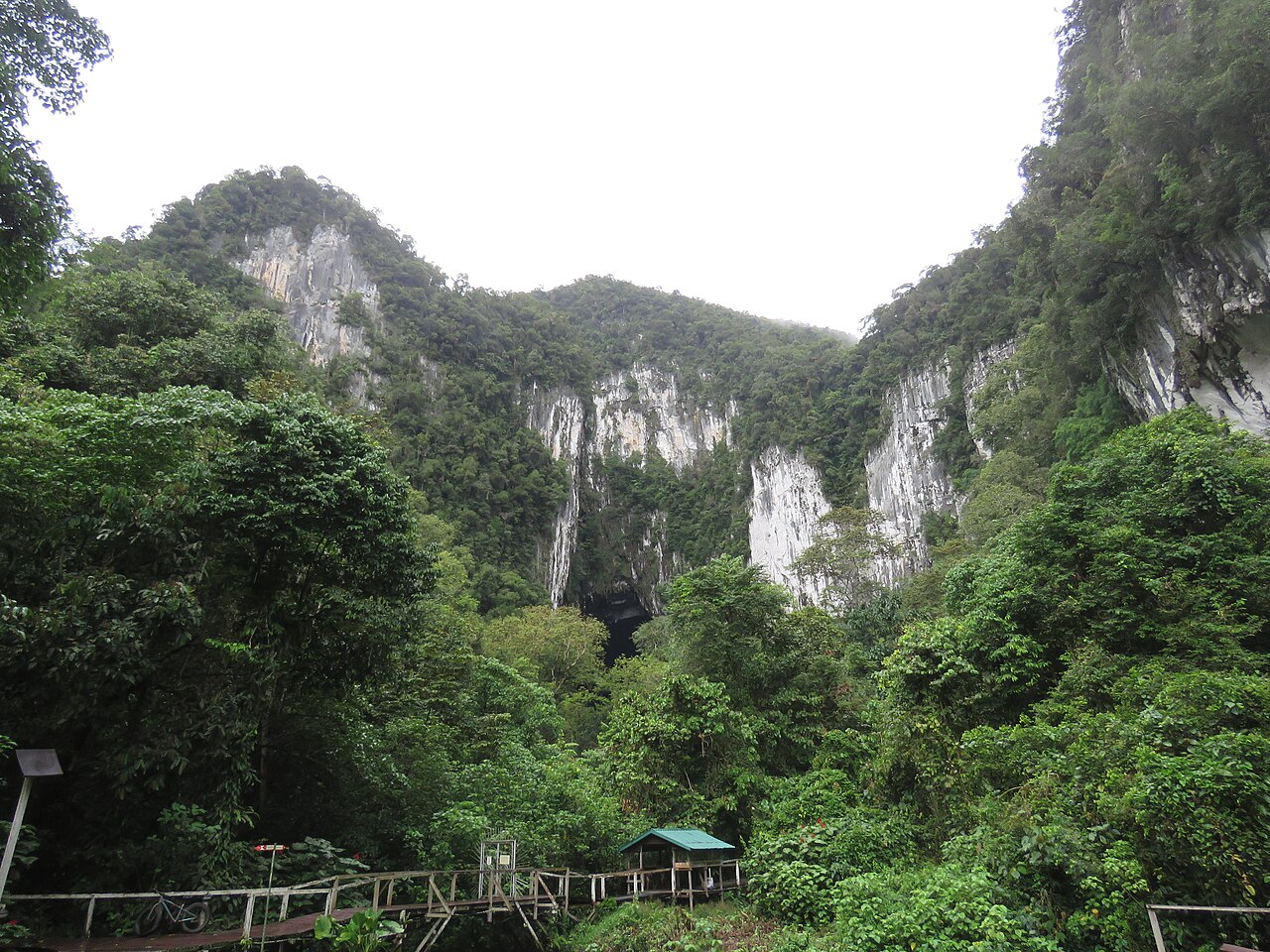
Mulu’s cave system is a UNESCO World Heritage Site, and the numbers are staggering. Surveyors have mapped 195 kilometres of passages — and that’s estimated to be only about thirty percent of the total. The Sarawak Chamber is the largest known cave chamber on Earth: 600 metres long, 415 metres wide, 80 metres high. You could park forty Boeing 747s in it. Deer Cave holds the world’s largest cave passage, and every evening millions of wrinkle-lipped bats stream from the entrance in a twisting ribbon — one of Borneo’s genuine wildlife spectacles.
Casual visitors have access to well-maintained show cave tours of Deer, Lang, Wind, and Clearwater caves. Adventure caving trips go much further: wading underground rivers, squeezing through tight passages, swimming flooded sections, scrambling boulder fields by headlamp. The most advanced multi-day expeditions enter rarely visited passages that few humans have ever seen.
Gua Tempurung (Perak)
The largest show cave in Peninsular Malaysia, Gua Tempurung near Ipoh offers five main caverns filled with massive stalagmites, stalactites, and flowstone formations. The adventure option is the wet tour — wading underground river passages, climbing over boulders, squeezing through narrows. The full expedition covers the deepest accessible sections in about three and a half hours. Its location in Gopeng makes it an easy same-day pairing with Kampar River rafting.
Niah Caves (Sarawak)
Niah combines geology with archaeology. A 40,000-year-old human skull found in the Great Cave provided some of Southeast Asia’s most important evidence of early modern human habitation in the region. The Painted Cave holds ancient rock art — boats and human figures linked to prehistoric burial practices. You reach the caves on a three-and-a-half-kilometre boardwalk through lowland rainforest. No technical equipment needed inside, just the willingness to stand in a chamber where people lived 40,000 years ago as swiftlets and bats share the space above you.
Dark Cave at Batu Caves
Fifteen kilometres from central KL, the Dark Cave at Batu Caves offers an accessible introduction to caving without leaving the city region. Unlike the main temple complex, the Dark Cave is protected and accessible only on guided tours through a section of the two-kilometre system. Rare endemic species live here, including the trapdoor spider, and the educational tours cover cave ecology and geology in detail.
Jungle Trekking
Malaysia’s rainforests are among the oldest on Earth — estimated at over 130 million years, which puts them in an entirely different ecological category from most of the world’s jungle. The species diversity is extraordinary, and the trail network ranges from short guided walks suitable for families to multi-day wilderness expeditions into areas where the big mammals still roam. Jungle trekking malaysia is genuinely one of the world’s great outdoor experiences, and it remains far less crowded than comparable rainforest destinations in South America or Africa.
Taman Negara National Park
Taman Negara in Pahang is the flagship — 4,343 square kilometres of ancient lowland and montane rainforest, with a trail system graded clearly by difficulty. Easy green-line trails near Kuala Tahan park headquarters can be walked independently in under four hours. The Canopy Walkway, a 530-metre suspension bridge strung 40 metres above the forest floor, is one of the longest in the world and worth the moderate uphill approach.
Medium-difficulty orange-line trails are day treks of four to eight hours that require a guide under Wildlife Department rules — the deeper trails offer significantly better wildlife spotting than the areas near headquarters. Multi-day red-line expeditions of two to seven days penetrate the park’s interior, where Asian elephants, Malayan tigers, tapirs, and sun bears still live, though sightings of the big animals are never guaranteed. Beyond trekking, the park offers night walks, river cruises, fishing, and visits to Batek indigenous communities demonstrating traditional blowpipe and fire-making skills.
Danum Valley Conservation Area (Sabah)
If Taman Negara is the flagship of Peninsular Malaysia, Danum Valley is the premium experience in Borneo. This 438-square-kilometre conservation area protects lowland dipterocarp forest that has never been logged — the canopy reaches over 70 metres in places, creating a cathedral atmosphere on the forest floor. Orangutans, pygmy elephants, clouded leopards, sun bears, and over 300 bird species live here. The Borneo Rainforest Lodge provides comfortable access to the trail network, but limited accommodation keeps visitor numbers low and the experience genuinely immersive.
Royal Belum State Park (Perak)
Royal Belum in northern Perak protects rainforest that predates even Taman Negara. All ten hornbill species found in Malaysia live here, making it one of the country’s top birdwatching destinations. Access is by boat across Temenggor Lake, and multi-day expeditions venture into forest that sees very few visitors. As close to a genuine wilderness experience as Peninsular Malaysia offers.
Cameron Highlands Trails
Cameron Highlands runs fourteen numbered trails from the towns of Tanah Rata and Brinchang, covering everything from tea plantation walks to summit hikes. Gunung Brinchang is the highest point in the highlands accessible by road. Gunung Jasar rewards a one-hour climb through dense montane forest with panoramic summit views. The Mossy Forest near Brinchang’s peak is a completely different ecosystem — ancient mosses, ferns, and pitcher plants in cloud forest at altitude. Trail 10 to Gunung Jasar combined with Trail 6 down to Cameron Valley tea plantation makes a satisfying three-and-a-half-hour loop. The cool climate — daytime temperatures typically 15–25°C — makes trekking here far more comfortable than in the lowland heat.
Endau-Rompin National Park
Endau-Rompin straddles Johor and Pahang, protecting one of the last significant lowland rainforests on the peninsula. Visitor numbers are low, which means solitude in a forest that also harbours tigers, elephants, tapirs, the endangered Sumatran rhinoceros, and impressive birdlife. Multi-day treks to remote waterfalls require a guide and deliver a genuinely off-the-beaten-path Peninsular Malaysia experience.
Water Sports
Beyond diving and rafting, Malaysia’s warm coastline and extensive island network support a full range of surface water activities. Water sports malaysia is one of the most accessible entry points into adventure here — you don’t need certification, and entry-level prices are low.
Sea Kayaking
Sea kayaking at Langkawi’s Kilim Geoforest Park means paddling mangrove-lined rivers while white-bellied sea eagles circle overhead and monitor lizards bask on the roots. The Perhentian Islands offer independent kayaking between beaches and hidden coves in crystal-clear water — you can spot marine life from the surface while paddling. In Sabah, kayak trips through the Tunku Abdul Rahman Marine Park combine paddling between five islands with snorkelling stops on coral reefs.
Parasailing and Jet Skiing
Langkawi’s Pantai Cenang is the main hub, with operators along the beach offering parasailing and jet ski rides through the day. Parasailing gives you an aerial view of the island and the Andaman Sea that’s hard to forget. Jet ski tours cover the coastline and reach nearby smaller islands. Similar operators run at Desaru Beach in Johor, Batu Burok in Terengganu, and Pangkor Island in Perak.
Kitesurfing and Windsurfing
Cherating Beach in Pahang is Malaysia’s best kitesurfing spot, with consistent winds August through September creating ideal conditions. Shallow areas for beginners and deeper water for experienced riders launching jumps. Equipment rental and lessons available along the beach. Balok Beach in Pahang and coastal Terengganu locations also offer kitesurfing when monsoon winds are running.
Snorkeling
No certification, no course — snorkeling in malaysia is the quickest way to access the country’s exceptional marine life. At the Perhentians, Redang, and Tioman, turtles, reef sharks, and colourful fish appear in the shallows just metres from shore. The Tunku Abdul Rahman Marine Park runs half-day snorkel trips from Kota Kinabalu — perfect if you have limited time in Sabah. Island-hopping tours visit two or three sites in a morning or afternoon, with prices from around RM50–RM80 per person including boat transfers and basic equipment. For the most impressive snorkelling without a dive certification, the shallow reefs around Semporna’s islands — particularly Mataking and Pom Pom — offer visibility that regularly exceeds 20 metres with vibrant coral gardens teeming with parrotfish, clownfish, and turtles.
Rock Climbing and Bouldering
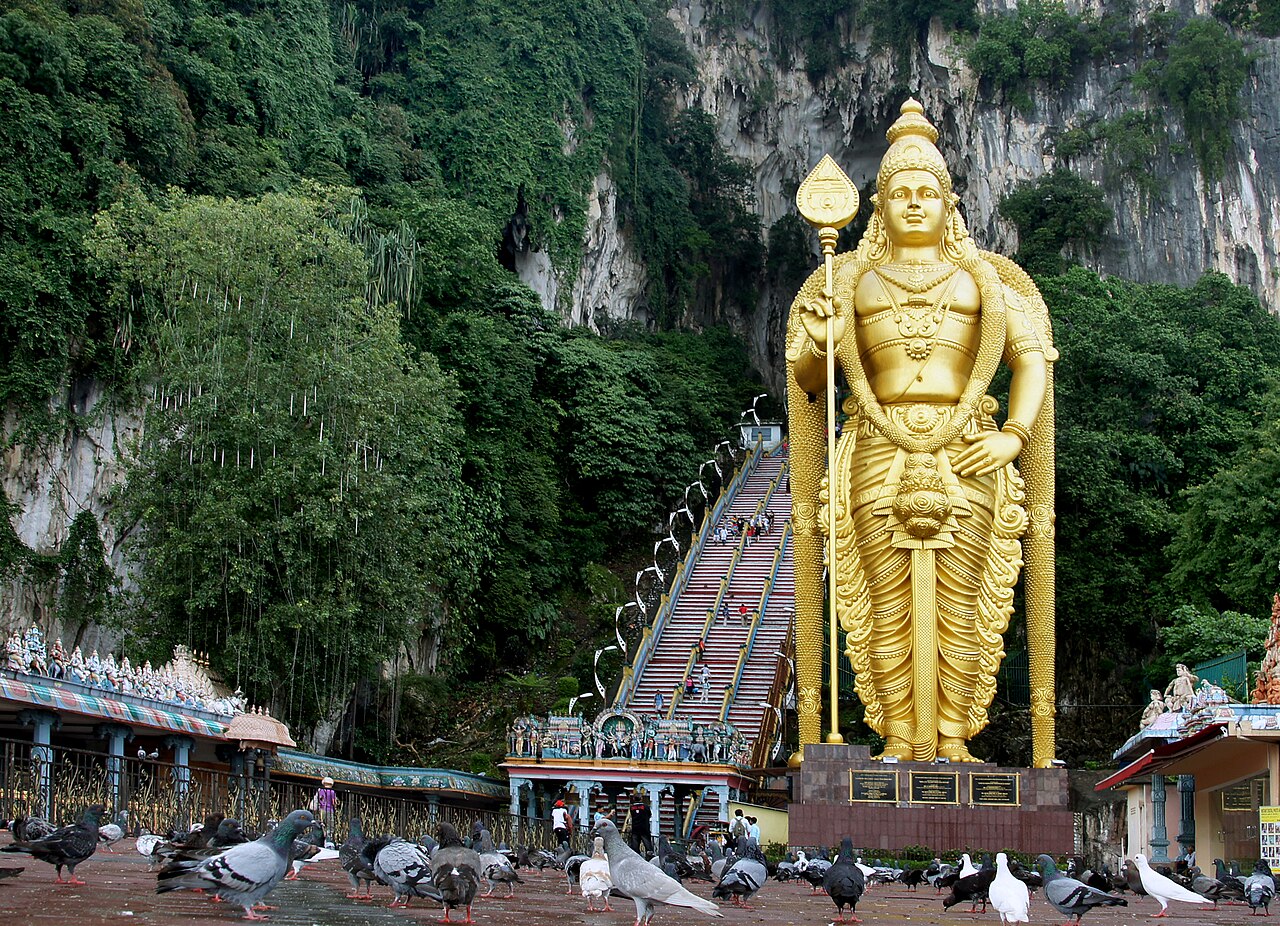
Malaysia’s limestone karst landscape creates natural climbing walls that are now drawing international sport climbers. The area near Batu Caves is recognised as one of the best sport climbing destinations in Southeast Asia, and the country has plenty of underdeveloped crags still being opened up. Rock climbing malaysia punches well above its global profile.
Batu Caves Climbing Area
The limestone cliffs surrounding Batu Caves — fifteen kilometres from central KL — offer over 300 sport climbing routes across multiple crags, graded from 5a for beginners to 8a-plus for elite climbers. Classic tropical limestone: sharp pockets, tufas, overhanging faces. Damai Wall is the most popular crag, with around thirty routes in the 5c to 6c range — ideal for intermediate climbers. Nanyang Wall and Nyamuk Wall add more options. The Gua Damai Extreme Park has maintained routes, equipment rental, and basic facilities, with entry at RM5 for Malaysians and RM10 for international visitors.
Best season is August through March when north-facing crags stay in shade all day. Possible year-round with early starts during the sunnier months. Getting here from the city takes thirty to forty minutes — unusually convenient for an outdoor crag of this quality.
Other Climbing Locations
The limestone cliffs at Gua Musang in Kelantan are being actively developed with new routes. Mount Kinabalu’s via ferrata gives cable-assisted climbing at extreme altitude — a unique experience in its own right. Indoor climbing gyms in KL, Penang, and Kota Kinabalu provide training facilities and are reliable sources of local knowledge about outdoor crags worth visiting.
Planning Your Malaysia Adventure: A Practical Overview
A few things worth knowing before you start booking. Malaysia’s adventure geography splits into two zones with different logistics. Peninsular Malaysia — where Kuala Lumpur sits — gives you Taman Negara, Cameron Highlands, the Gopeng rafting scene, Batu Caves climbing, and a ferry ride away, the east coast dive islands. Malaysian Borneo (Sabah and Sarawak) is a separate flight — roughly two hours from KL — and is where you find Mount Kinabalu, Sipadan, Mulu, and Danum Valley. Most serious adventure itineraries involve at least one flight between the two zones.
Budget-wise, Malaysia is genuinely cheap by the standards of adventure travel globally. Sipadan and Kinabalu are the two premium items — both have permit caps that push prices up — but everything else, from Kampar rafting to east coast dive certifications to Taman Negara multi-day treks, comes in well below comparable experiences in Thailand, Indonesia, or the Philippines, let alone Australia or Europe.
Choosing an Operator
Malaysia’s adventure sector ranges from highly professional to genuinely dodgy. The markers to look for: a licensed operator with Sabah Parks or Perhentian marine park certification where relevant, guides who speak fluent English and have proper first aid training, equipment that looks maintained rather than patched. For diving, PADI-certified dive centres publish their certification numbers publicly — verify them. For Kinabalu, only operators with Sabah Parks approval can sell the compulsory guide service. For rafting, ask specifically about guide-to-participant ratios and what rescue equipment is carried on the river.
Booking directly with local operators rather than through city tour desks or large online aggregators usually gets you a better price and a more personalised experience. WhatsApp is the universal booking tool across Malaysia’s adventure sector — operators respond quickly and you can ask detailed questions before committing.
Adventure Combinations That Work Well
Some combinations are particularly well-suited to Malaysia’s geography. Gopeng is the obvious one — you can raft the Kampar in the morning and cave at Gua Tempurung in the afternoon, two hours from KL, before heading back to the city. Sipadan and Kinabalu pair naturally into a Sabah trip of ten to fourteen days: fly into Kota Kinabalu, climb the mountain, then travel to Semporna for the diving. Taman Negara works well as a peninsula-based jungle immersion before flying to Borneo for the bigger wilderness experiences. The east coast island circuit — Perhentians, Lang Tengah, Redang — makes sense as a standalone one-to-two-week trip between March and October when all the islands are open.
For those with limited time in Sabah specifically, the Kinabalu Park area rewards a day visit even for non-climbers — the botanical garden and mountain trails around the park headquarters are excellent, and the park sits within easy reach of Kota Kinabalu. In the other direction, even a half day at the Tunku Abdul Rahman Marine Park gives you decent snorkelling and sea kayaking without leaving the city’s orbit.
Kids and Family Adventure Travel
Malaysia has more genuinely family-suitable adventure than people expect. The Kiulu River rafting near Kota Kinabalu works from age five or six. Snorkelling off the east coast islands is possible for anyone who can swim. The show cave tours at Gua Tempurung and Mulu are accessible for children who are comfortable in enclosed spaces. Cameron Highlands trail walks are easy enough for older kids and cool enough to be comfortable. Taman Negara’s easy green trails and canopy walkway are a highlight for children fascinated by wildlife. The Dark Cave at Batu Caves runs educational family tours. The mistake many families make is assuming Malaysian adventure = Kinabalu and writing off the whole cluster; there is actually a strong family-accessible tier across almost every activity type.
Practical Tips for Adventure Travel in Malaysia
Best time to visit: Adventure activities run year-round in Malaysia, but the timing matters for specific pursuits. East coast dive islands — Perhentians, Redang, Tioman — are accessible March through October; they shut during the northeast monsoon November to February. Mount Kinabalu’s driest window is March to September. Rafting rivers produce better rapids during and after wet season. The west coast stays open throughout the year.
Permits and booking lead times: Kinabalu and Sipadan both enforce hard daily caps. Book six to twelve months out for peak dates. Most other activities can be arranged days to weeks ahead, though direct bookings with local operators often get you better prices and more flexibility than booking through city agencies.
Getting fit before you go: Many activities here are suitable for beginners, but arriving fit makes everything better. For Kinabalu, several weeks of regular hiking and stair climbing is the standard advice. For diving, completing PADI Open Water theory online before you land saves days and lets you get straight in the water. For rafting, being comfortable in moving water matters more than upper body strength.
Safety: Malaysia’s adventure tourism industry is generally well-regulated. Choose operators with proper licensing, experienced guides, and maintained equipment. Travel insurance that covers adventure activities — diving, climbing, rafting — is not optional; standard policies typically exclude these.
What to pack: Quick-dry clothes for almost everything. Ankle-support hiking boots for serious trekking; water shoes or sturdy sandals for rafting and water activities. Reef-safe sunscreen, DEET insect repellent, and a reusable water bottle are useful for virtually every activity. Bring your own dive mask for a guaranteed fit — everything else can be rented at any dive centre.
Costs and budgeting: Malaysia offers outstanding value. A rough active-travel daily budget: RM200–RM400 accommodation, RM50–RM100 food, RM200–RM600 activities. Sabah runs slightly more expensive than Peninsular Malaysia; island activities carry a premium for boat transport. Activities themselves are significantly cheaper than equivalent experiences in Australia, Europe, or the Maldives.
Getting around: Internal flights are the practical answer for covering the distance between Peninsular Malaysia and Borneo. AirAsia and Malaysia Airlines connect Kuala Lumpur to Kota Kinabalu and Kuching frequently and affordably. Within regions, renting a car gives the most flexibility; operator transfers handle most major adventure sites.
Responsible adventure travel: Malaysia’s natural environments are exceptional and under pressure. Choose operators who demonstrate genuine environmental commitment. Leave No Trace on all treks. Never touch coral while diving or snorkelling. Maintain distance from wildlife; never feed any animal. Many conservation-focused operators put a portion of revenue back into environmental protection — choosing them is one of the most practical things you can do for the places you’re visiting.
Health on the trail: No specific vaccinations are required for Malaysia, but staying current with routine jabs is sensible. Leeches are common on jungle trails after rain — leech socks and trousers tucked into socks minimise contact. Mosquito repellent containing DEET matters for all outdoor activities, particularly dawn and dusk. Hydration is critical in tropical heat; oral rehydration salts help on big effort days. Altitude sickness is a genuine risk above 3,000 metres on Kinabalu — ascend slowly, drink water, don’t push through worsening symptoms.
Combining activities: One of Malaysia’s real strengths is how easily different adventures stack into a single trip. A two-week itinerary might open with jungle trekking in Taman Negara, continue with Kampar rafting and Tempurung caving, then fly to Sabah for Kinabalu followed by Sipadan diving. Internal flights are frequent and affordable between the major adventure hubs, so ambitious multi-activity itineraries are genuinely practical even on shorter trips.
1 note