What to Pack for Malaysia: Ultimate Packing List (2026)
The ultimate packing list for Malaysia covering clothing, footwear, electronics, toiletries, rain gear, sun protection, and cultural dress codes.
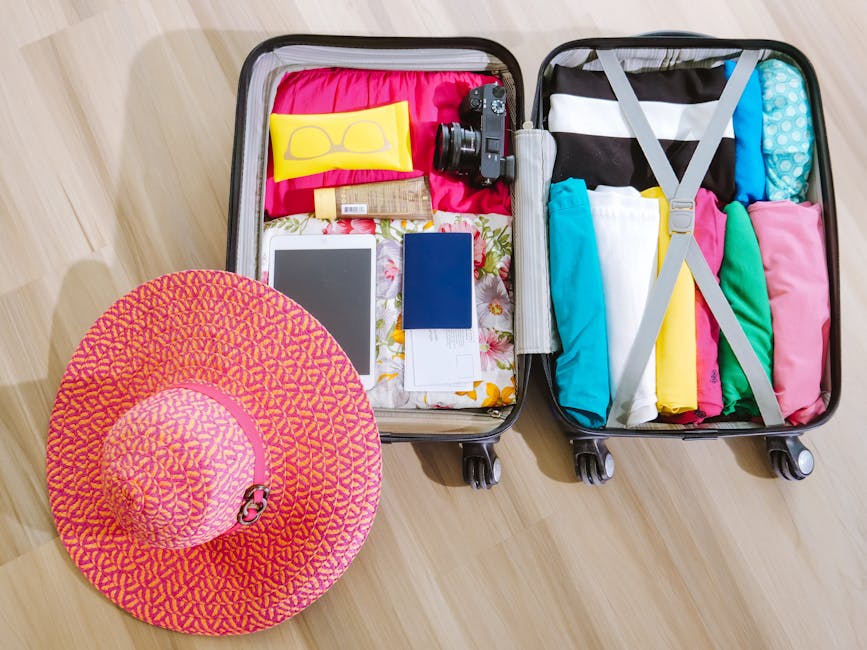
Packing for Malaysia means preparing for heat, humidity, sudden downpours, air-conditioned malls cold enough to make you shiver, and everything from pristine beaches to highland treks — sometimes all in the same trip. The equatorial climate keeps temperatures between 27 °C and 35 °C (80–95 °F) year round, with humidity regularly topping 80 percent. Getting your packing list right makes the difference between a comfortable trip and constantly wishing you had brought something different.
This ultimate Malaysia packing list covers clothing, footwear, electronics, toiletries, gear for specific activities, cultural dress codes, and the items you should leave at home. Whether you are spending a week in Kuala Lumpur, island hopping on the east coast, trekking Mount Kinabalu, or backpacking the entire peninsula, you will find everything you need right here.
Clothing: What to Pack for Malaysia’s Tropical Climate
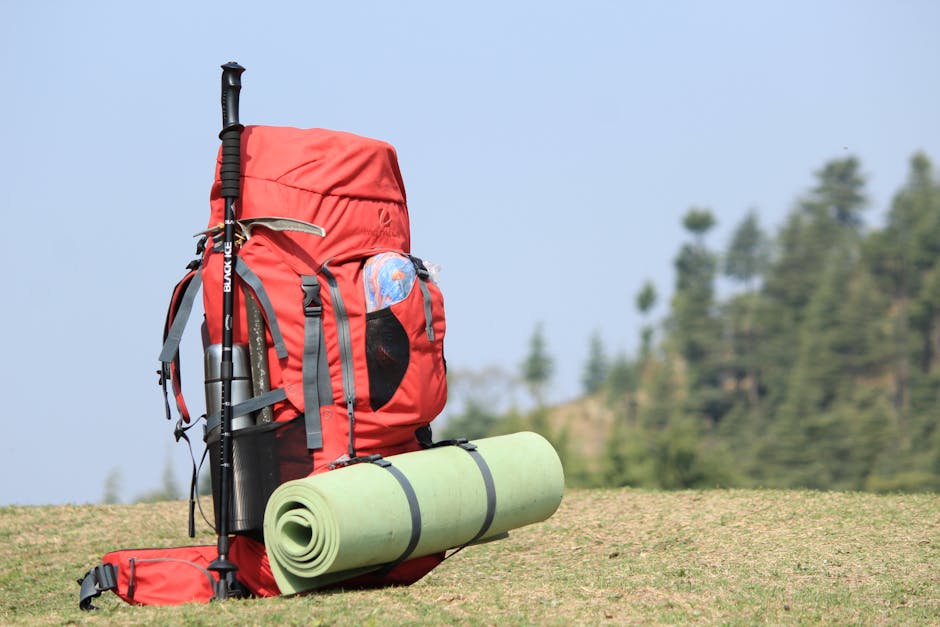
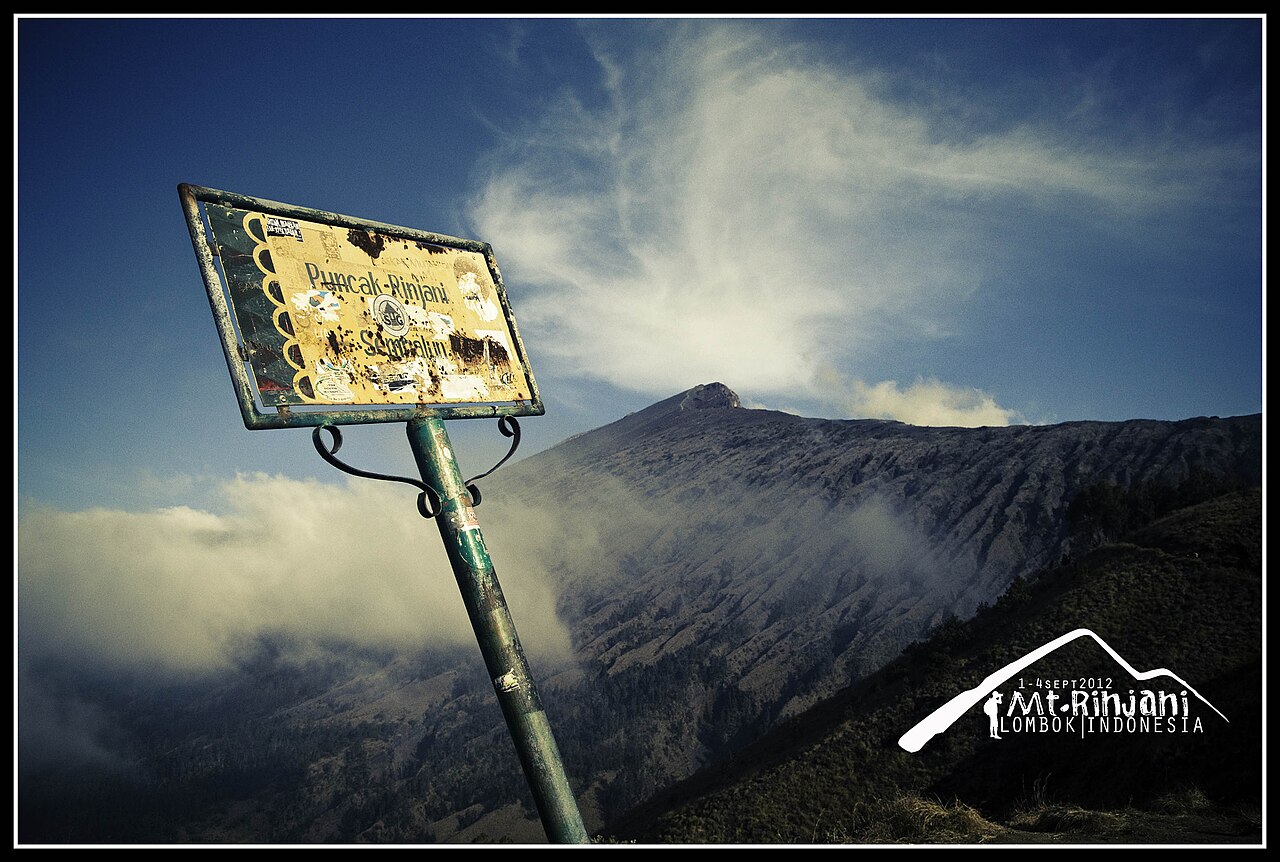
Malaysia’s tropical heat and humidity demand lightweight, breathable clothing above all else. The right fabrics and fits will keep you comfortable whether you are exploring Penang’s street art scene, haggling at Petaling Street, or crossing the Cameron Highlands.
Best Fabrics for Malaysia
Not all lightweight clothing is created equal in the tropics. These fabrics perform best in Malaysia’s hot, humid conditions:
Moisture-wicking synthetics (polyester blends, nylon) are the top choice for active travelers. They pull sweat away from your skin and dry within an hour — a major advantage when afternoon thunderstorms soak you through.
Linen breathes beautifully and looks smart enough for upscale restaurants, but it wrinkles heavily in a suitcase and takes longer to dry than synthetics.
Cotton is comfortable and widely available, but it absorbs moisture and dries slowly. In the high humidity of Borneo’s rainforests or the Perhentian Islands, a wet cotton shirt can stay damp for hours. Cotton works fine for city days, but choose synthetics for active adventures.
Bamboo viscose and Tencel offer a middle ground — soft against the skin, naturally moisture-wicking, and more breathable than standard cotton.
Tip: Light colors reflect sunlight and keep you cooler. Dark clothing absorbs heat and shows sweat stains more visibly.
Essential Clothing Items
Here is what to pack for Malaysia in terms of everyday clothing — adjust quantities based on your trip length, keeping in mind that laundromats are inexpensive and widely available throughout Malaysia (RM 8–15 per load):
Tops (pack 4–5): Lightweight, loose-fitting t-shirts or tank tops in moisture-wicking fabric. Include at least two shirts with sleeves that cover your shoulders for visiting temples, mosques, and government buildings.
Bottoms (pack 3–4): A mix of shorts and lightweight long pants or convertible pants. Long pants are essential for temple visits, highland areas, and jungle treks where they protect against mosquitoes and thorny vegetation. Quick-dry travel pants that zip off into shorts are incredibly practical.
Lightweight long-sleeve shirt (pack 1–2): Useful for sun protection during boat rides, mosquito defense at dusk, and covering up at religious sites. UPF-rated sun shirts offer the best protection.
Swimwear (pack 1–2): Essential for island hopping, hotel pools, and waterfall visits. Women should consider a modest one-piece or rash guard for beach areas near conservative communities on the east coast or in rural areas.
Light cardigan or hoodie (pack 1): Air conditioning in Malaysian malls, cinemas, buses, and restaurants is notoriously aggressive — temperatures inside can drop below 20 °C (68 °F). A thin layer saves you from freezing on long-distance buses and trains.
Underwear (pack 5–7): Quick-dry travel underwear takes up minimal space and dries overnight on a clothesline.
Sleepwear (pack 1): Lightweight pajamas or shorts and a t-shirt. Hostels and budget accommodations may not always have powerful air conditioning.
Dress Code: What to Wear at Malaysia’s Religious and Cultural Sites
Malaysia is a multicultural nation with significant Malay Muslim, Chinese Buddhist, and Indian Hindu populations. Each community has its own religious sites, and each has dress code expectations you should respect as a visitor.
Mosque Dress Code
Mosques have the strictest dress code requirements in Malaysia. Both men and women must cover their knees and shoulders. Women must also cover their hair with a headscarf.
The good news: major tourist mosques like Masjid Negara (National Mosque) in Kuala Lumpur, the Pink Mosque (Putra Mosque) in Putrajaya, and the Crystal Mosque in Kuala Terengganu provide free robes and headscarves at the entrance. You simply borrow them, return them when you leave, and there is no charge.
Non-Muslims may not enter mosques during prayer times (five times daily). Check the posted schedule at the entrance before visiting.
Temple Dress Code
Hindu and Buddhist temples require visitors to cover shoulders and knees. Shoes must be removed before entering the prayer hall at all temples — this is non-negotiable. Slip-on sandals or shoes are far more practical than lace-up boots when you are visiting multiple temples in a day.
At Batu Caves, one of Malaysia’s most visited Hindu temples, the dress code is enforced at the entrance. If you are wearing shorts or sleeveless tops, you will be asked to rent a sarong (RM 5) before climbing the iconic 272 steps.
General Tips for Dressing Appropriately
Keep a lightweight scarf or sarong rolled up in your daypack at all times. It works as a head covering for mosques, a shoulder cover for temples, sun protection on boats, a beach towel in a pinch, and warmth on air-conditioned transport. This single item is arguably the most versatile thing you can pack for Malaysia.
On the east coast states of Kelantan and Terengganu, local culture is more conservative. Women may want to avoid very short shorts and revealing tops in these areas out of cultural respect, even outside religious sites.
In Kuala Lumpur, Penang, and other major cities, the dress code is relaxed for daily life. You will see locals in everything from traditional dress to Western casual wear.
Footwear: The Right Shoes for Malaysia
Getting footwear right is critical in Malaysia. You will walk a lot, encounter wet surfaces constantly, and need to slip shoes on and off at temples, mosques, and many restaurants.
Comfortable walking sandals (pack 1 pair): Your primary footwear for Malaysia. Sport sandals with good arch support and grippy soles — like Chacos, Tevas, or Birkenstocks — handle everything from city walking to light beach trails. They dry quickly and slip on and off easily at temples.
Lightweight sneakers or trail shoes (pack 1 pair): Essential if you plan to hike in the Cameron Highlands, Taman Negara, or any jungle trails. Closed-toe shoes protect against leeches, thorns, and uneven terrain. Choose breathable models with good tread.
Flip-flops (pack 1 pair): For hostel showers, hotel rooms, beach days, and poolside use. Cheap rubber flip-flops work perfectly and can be replaced for a few ringgit if they break.
For Mount Kinabalu climbers: Proper hiking boots with ankle support and broken in well before your trip are mandatory. The granite rock face above 3,000 meters is steep, wet, and cold. Bring thick merino wool socks to pair with your boots.
Electronics and Gadgets
Power and Charging
Malaysia uses Type G power outlets (the same three-rectangular-pin design used in the UK, Singapore, and Hong Kong) with a standard voltage of 240V at 50Hz.
If you are traveling from the US, Europe, Australia, or most other countries, you will need a Type G travel adapter. Most modern electronics — smartphones, laptops, tablets, camera chargers — have built-in voltage converters (check the label: if it reads “INPUT: 100–240V, 50/60Hz,” you only need an adapter, not a converter).
Hair dryers and straighteners from the US (120V) require a voltage converter or you risk burning them out. The easiest solution is to buy an inexpensive dual-voltage travel hair dryer or use the one provided by your hotel.
Buy your adapter before you arrive, or pick one up at convenience stores (7-Eleven, KK Mart) and electronics shops throughout Malaysia for RM 10–25.
Essential Electronics to Pack
Smartphone: Your most important device. It handles navigation (Google Maps works perfectly in Malaysia), Grab ride-hailing, Google Translate, restaurant reviews, mobile payments, and photography. Download offline maps of your destinations before arriving.
Portable power bank (10,000–20,000 mAh): Long days of sightseeing drain batteries fast, especially when using GPS navigation and taking photos. A power bank is essential and widely accepted on domestic flights (must be in carry-on luggage).
Universal travel adapter: Pack at least one, ideally two if you are traveling with a partner. Multi-port USB adapters save outlet space.
Waterproof phone case or dry bag: Essential for island hopping, snorkeling trips, waterfall visits, and rainy season downpours. A small roll-top dry bag (5–10L) protects your phone, wallet, and passport during boat transfers.
E-reader (optional): Long bus rides and beach days are perfect for reading. An e-reader weighs far less than physical books.
Rain Gear: Preparing for Malaysia’s Downpours
Rain is a near-daily occurrence in tropical Malaysia. Even during the “dry” season, afternoon thunderstorms are common across the peninsula and Borneo. The west coast monsoon runs from April to October, while the east coast monsoon hits from November to February. If you are still deciding when to go, the best time to visit malaysia guide breaks down the weather patterns by region and month so you can pack accordingly.
Compact travel umbrella: More practical than a rain jacket for city downpours. Malaysian locals carry umbrellas everywhere, and you should too.
Lightweight packable rain jacket: A thin, packable waterproof jacket (not a heavy Gore-Tex shell) is ideal. You want something that folds down small and breathes well enough to avoid becoming a sweat trap in the humidity.
Dry bags: Small roll-top dry bags (2L, 5L, and 10L) protect electronics, documents, and clothing inside your backpack during sudden rain. They also double as beach bags and dirty laundry separators.
Waterproof daypack cover: If your daypack does not come with a built-in rain cover, pack a separate one. Rain can soak through most backpack fabrics in minutes during a tropical downpour.
Sun Protection Essentials
The Malaysian sun is intense — the country sits within 1 to 7 degrees of the equator. UV radiation is strong throughout the year, and sunburn can happen faster than you expect, even on overcast days.
Sunscreen (SPF 30+ minimum, SPF 50 recommended): Apply generously and reapply every two hours, especially at beaches and during outdoor activities. Choose reef-safe sunscreen if you plan to snorkel — Malaysia’s coral reefs are sensitive to chemicals found in conventional sunscreens. Sunscreen is available in Malaysia at pharmacies like Guardian and Watsons, but imported brands cost more than back home.
Sunglasses with UV protection: Essential for beach days, highland drives, and general comfort. Bring a retainer strap for boat trips and water activities.
Wide-brim hat or cap: Protects your face, ears, and neck during long outdoor excursions. Lightweight packable hats that do not lose their shape in a bag are ideal.
UPF-rated clothing: If you burn easily, UPF sun shirts and rash guards provide reliable protection without reapplying sunscreen constantly.
Toiletries and Health Essentials
What to Bring vs. What to Buy Locally
You do not need to pack a full supply of toiletries for Malaysia. Convenience stores (7-Eleven, KK Mart), pharmacies (Guardian, Watsons), and supermarkets are everywhere — even in smaller towns. Prices are generally reasonable.
Bring from home: Prescription medications (in original packaging with your prescription), specific skincare products you rely on, contact lens supplies, and any specialty items that might not match your exact brand preference.
Buy locally: Shampoo, conditioner, body wash, toothpaste, deodorant, basic first-aid supplies, and feminine hygiene products. These are all widely available and buying them locally saves space in your luggage.
First Aid Kit Essentials
Pack a small travel first-aid kit with these Malaysia-specific items:
Adhesive bandages and blister plasters: You will walk a lot. Blisters happen.
Antiseptic cream or wipes: Small cuts and scrapes in tropical heat can become infected quickly. Clean and treat every wound immediately.
Anti-diarrhea medication (loperamide): Traveler’s stomach is common, especially when trying adventurous street food for the first time.
Pain relievers (ibuprofen or paracetamol): For headaches, altitude discomfort, or general aches from long travel days.
Antihistamines: Useful for allergic reactions to insect bites, unfamiliar foods, or tropical plants.
Rehydration salts: Critical for recovery from heat exhaustion or stomach illness in the tropics.
Motion sickness tablets: If you are prone to motion sickness, pack these for boat transfers to the islands and winding highland roads to the Cameron Highlands and Genting Highlands.
Tiger Balm or muscle rub: Available everywhere in Malaysia, but handy to have for sore legs after long hiking days. Many travelers swear by it for relieving mosquito bite itch as well.
Mosquito Protection
Mosquitoes are present throughout Malaysia, particularly at dawn and dusk, near standing water, in jungle areas, and on the islands. Dengue fever is a real risk, especially during the rainy season. For the full picture on health risks, scams, and emergency contacts while you are in-country, the is malaysia safe guide covers everything you need to know before you arrive.
DEET-based insect repellent (30% or higher): The most effective option. Apply to exposed skin in the evenings and when visiting forested areas. Picaridin-based repellents are a good alternative for those who prefer a less greasy option.
Mosquito coils or plug-in repellents: Available cheaply at any Malaysian convenience store. Useful for budget accommodations without window screens.
Permethrin-treated clothing (optional): If you are spending time in Borneo’s rainforests or rural areas, pre-treating your clothing with permethrin provides an extra layer of protection.
Oral rehydration salts: Critical for recovery from heat exhaustion or stomach illness in the tropics.
Motion sickness tablets: If you are prone to motion sickness, pack these for boat transfers to the islands and winding highland roads to the Cameron Highlands and Genting Highlands.
Tiger Balm or muscle rub: Available everywhere in Malaysia, but handy to have for sore legs after long hiking days. Many travelers swear by it for relieving mosquito bite itch as well.
Mosquito Protection
Mosquitoes are present throughout Malaysia, particularly at dawn and dusk, near standing water, in jungle areas, and on the islands. Dengue fever is a real risk, especially during the rainy season.
DEET-based insect repellent (30% or higher): The most effective option. Apply to exposed skin in the evenings and when visiting forested areas. Picaridin-based repellents are a good alternative for those who prefer a less greasy option.
Mosquito coils or plug-in repellents: Available cheaply at any Malaysian convenience store. Useful for budget accommodations without window screens.
Permethrin-treated clothing (optional): If you are spending time in Borneo’s rainforests or rural areas, pre-treating your clothing with permethrin provides an extra layer of protection.
Gear for Specific Activities
Beach and Island Hopping
If your Malaysia trip includes time on the Perhentian Islands, Tioman, Langkawi, Redang, or any coastal destination, add these items:
Reef-safe sunscreen to protect coral ecosystems during snorkeling and swimming.
Rash guard or swim shirt for extended sun exposure during snorkeling trips and boat rides.
Snorkel mask (optional): Rental gear is available at all island destinations, but bringing your own mask ensures a better fit and cleaner equipment.
Waterproof sandals that can handle rocky beaches, boat ramps, and shallow reef walks.
Quick-dry towel (microfiber): Compact, lightweight, and dries in a fraction of the time compared to cotton towels.
Highland and Jungle Trekking
For the Cameron Highlands, Taman Negara rainforest, or Borneo’s jungle trails:
Closed-toe hiking shoes with good tread for muddy, slippery trails.
Long pants and long-sleeve shirts for protection against leeches, thorns, and mosquitoes.
Leech socks (for Borneo and Taman Negara): Leeches are common on jungle trails during the rainy season. Dedicated leech socks or tucking your pants into high socks helps keep them out.
Headlamp: Essential for early morning starts, cave exploration, and night jungle walks.
Lightweight rain jacket: Rain in the jungle is inevitable.
Mount Kinabalu Climb
Southeast Asia’s highest peak requires more specialized gear:
Hiking boots with ankle support: Broken in at least two months before your climb. The granite rock face above 3,000 meters is steep and often wet.
Thermal base layer: Temperatures at the summit (4,095 m) can drop below 0 °C before sunrise. Bring moisture-wicking thermals, a fleece mid-layer, and a windproof outer shell.
Headlamp with fresh batteries: The summit push starts at approximately 2:30 AM in darkness.
Waterproof gloves: For grip on the fixed ropes and warmth at altitude.
30L daypack with rain cover: Porters carry most gear to the rest house, but you will need a daypack for the summit attempt.
Travel Documents and Money
Passport with at least six months validity remaining from your entry date. Keep a photocopy or digital scan stored separately from the original.
Visa documentation (if required): Most nationalities get 90 days visa-free. Complete your Malaysia Digital Arrival Card (MDAC) online before arrival — it is mandatory.
Travel insurance policy printed and saved digitally. Ensure it covers medical evacuation, which is especially important if you are trekking or visiting remote islands.
Cash (Malaysian Ringgit): Withdraw from ATMs upon arrival. Many hawker stalls, local buses, and small shops are cash-only.
Credit/debit cards: Visa and Mastercard are widely accepted at hotels, restaurants, and shopping malls. Notify your bank of your travel dates to avoid card blocks.
Copies of everything: Keep digital copies of your passport, insurance policy, flight itineraries, and hotel bookings in your email or a cloud storage app.
Bags and Luggage
Backpack vs. suitcase: For multi-destination trips, a travel backpack (40–50L) is easier to manage on boats, buses, and budget flights with weight restrictions. For resort-based holidays, a wheeled suitcase works fine.
Daypack (20–25L): Your daily companion for sightseeing, beach trips, and hikes. Choose one with a rain cover or pack a separate waterproof cover.
Packing cubes: These keep your bag organized and compress clothing to save space. Separate cubes for clean and dirty laundry are a game-changer on longer trips.
Reusable water bottle: Tap water in Malaysia is not safe to drink (though it is in Kuala Lumpur after boiling). Bring a bottle with a built-in filter, or refill at the water dispensers available in many hostels and hotels. Malaysia is hot — you need to drink more water than you think.
What NOT to Pack for Malaysia
Knowing what to leave at home is just as important as knowing what to bring. Here are items that will waste space, weigh you down, or get you in trouble:
Heavy jeans: Denim is too hot and takes forever to dry in Malaysia’s humidity. Swap them for lightweight travel pants.
Excessive toiletries: Everything is available locally at pharmacies and convenience stores.
Expensive jewelry: Leave valuables at home to avoid attracting pickpockets in tourist areas.
Illegal drugs: Malaysia has some of the strictest drug laws in the world. Trafficking can carry the death penalty. Do not bring any recreational drugs.
Large quantities of tobacco or alcohol: Duty-free limits are 200 cigarettes and 1 liter of spirits. Excess will be confiscated or taxed.
Counterfeit goods: Importing counterfeit currency or branded goods into Malaysia is illegal.
Thick winter clothing: Unless you are climbing Mount Kinabalu, you will never need heavy layers. A lightweight fleece handles the coldest air conditioning.
Too many books: An e-reader saves significant weight and space.
Final Packing Checklist
Use this quick-reference checklist before you zip up your bag:
Clothing: 4–5 lightweight tops, 3–4 bottoms (mix of shorts and long pants), 1–2 long-sleeve shirts, 1 light jacket or cardigan, swimwear, underwear, sleepwear, lightweight scarf or sarong.
Footwear: Walking sandals, sneakers or hiking shoes, flip-flops.
Electronics: Smartphone, power bank, Type G travel adapter, waterproof phone case, camera (optional), e-reader (optional).
Rain gear: Compact umbrella, packable rain jacket, dry bags.
Sun protection: SPF 50 sunscreen, sunglasses, hat, UPF clothing (optional).
Toiletries and health: Prescription medications, basic first-aid kit, DEET insect repellent, hand sanitizer, rehydration salts.
Documents: Passport, visa documents, travel insurance, cash and cards, digital copies of all documents.
Bags: Main luggage (backpack or suitcase), daypack with rain cover, packing cubes, reusable water bottle.
Pack light, plan for the heat, and remember that anything you forget can almost certainly be bought for a reasonable price once you arrive. Malaysia is a well-developed country with modern shopping options in every major city and tourist area. The most important things to bring are your sense of adventure, an open mind for the food, and enough sunscreen to survive the equatorial sun.
Planning the rest of your trip? Check out our complete Malaysia travel guide for everything from visa requirements to daily budget breakdowns, and learn about getting around Malaysia once you arrive.