Ultimate Malaysia Travel Guide: Everything You Need to Know
The ultimate malaysia travel guide covering destinations, food, transportation, visas, budget tips, safety, and sample itineraries for planning your perfect trip to Malaysia in 2026.
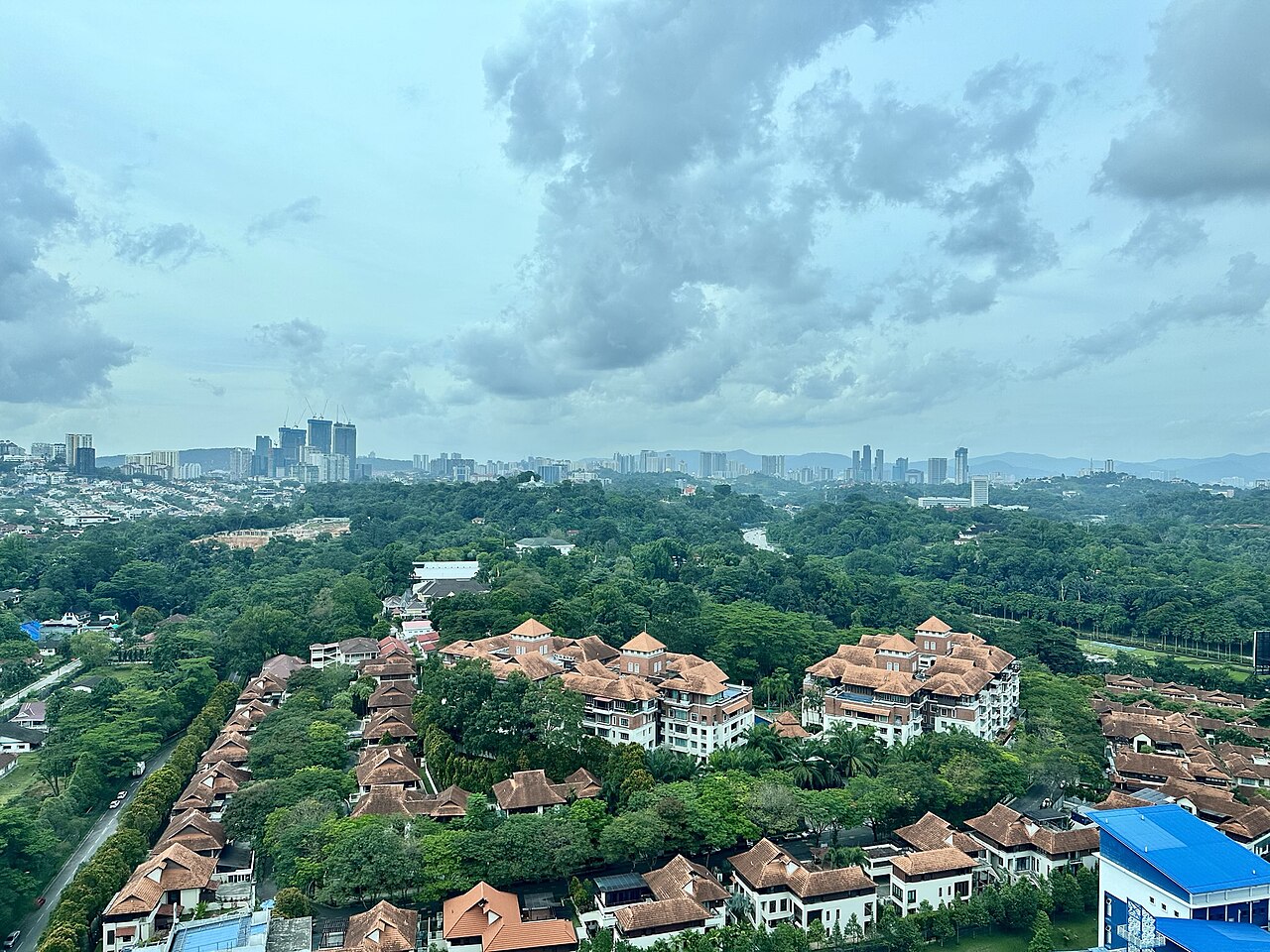
Forty-seven countries share a land border. Malaysia shares none — it floats between the South China Sea and the Strait of Malacca, split in two halves that look nothing like each other and eat nothing like each other. The western half is a patchwork of colonial shophouses, sky-scraping city blocks, rubber estates turned boutique guesthouses, and hill-station tea gardens. The eastern half, over in Borneo, is old-growth rainforest older than the Amazon, limestone mountains, and coastline so remote that cell signal is a rumour. Tying it together is a food culture so particular that Malaysians from one state will travel twelve hours for the right version of a dish they could find at home. Our Malaysian culture and heritage guide explains the country’s ethnic and religious make-up and the etiquette that goes with it.
Over 27 million visitors arrived in 2025. The Visit Malaysia 2026 campaign has made the country more visitor-ready than it has ever been, and prices have stayed remarkably low — genuinely, absurdly low by any measure you would use from Europe, North America, or Australia. This malaysia travel guide covers every practical detail before you book anything: geography, best time to go, what it costs, how to move around, and what to order first at a hawker stall.
Malaysia at a Glance: Geography, People, and What Makes It Special
Most countries can be summed up in a sentence. Malaysia needs a paragraph, because the two halves barely resemble each other.
Peninsular Malaysia (West Malaysia)
The Malay Peninsula runs from the Thai border in the north all the way down to Singapore. This is where most visitors spend most of their time, and for understandable reasons: it has the capital, the best-known beaches, the UNESCO heritage cities, and the most developed transport network in Southeast Asia outside Singapore. Kuala Lumpur, George Town in Penang, the hill resort of Cameron Highlands, the east coast islands of the Perhentians and Redang, the heritage city of Melaka, and the duty-free island of Langkawi all sit on the peninsula. Eleven of Malaysia’s thirteen states are here.
The west coast is more urbanised, better connected by road and rail, and where most economic activity concentrates. The east coast is quieter, more conservative, and home to Malaysia’s most beautiful beaches and islands. Running through the spine of the peninsula is the Titiwangsa mountain range — the reason the two coasts receive their rain at different times of year, which matters enormously for trip planning.
Malaysian Borneo (East Malaysia)
Sabah and Sarawak occupy the northern quarter of Borneo, the world’s third-largest island. This is where you come for Mount Kinabalu (4,095 metres, the highest peak in Southeast Asia), the ancient rainforests of Danum Valley and Mulu National Park, the legendary dive site at Sipadan, and the Dayak longhouse communities that maintain cultures going back centuries. East Malaysia feels like a different country compared to the peninsula — travel is slower, distances are bigger, infrastructure is thinner, and the rewards for those who make the effort are enormous.
Key Facts at a Glance
Malaysia covers approximately 330,803 square kilometres. The population sits around 34 million: roughly 69 percent Bumiputera (ethnic Malays and indigenous groups), 23 percent Chinese Malaysian, 7 percent Indian Malaysian, and 1 percent other. Islam is the official religion, followed by around 63 percent of the population, but Buddhism, Hinduism, Christianity, and traditional indigenous faiths all have strong, visible presences. This is a multi-ethnic nation in a way that is not a tourist-board slogan — it shapes the food, the festivals, the architecture, the calendar, and every ordinary day. Bahasa Malaysia is the national language but English is widely spoken in cities, tourist zones, airports, and hotels. You can navigate Kuala Lumpur or Penang with zero Malay and no difficulty. In Borneo, indigenous languages layer on top of Malay and English.
Best Destinations in Malaysia
Kuala Lumpur
KL is the kind of city that surprises people. You expect the Petronas Twin Towers — still the most photographed skyline in the region — and you get them. What you might not expect is how well the rest of the city eats, drinks, and moves. Batu Caves, the Hindu shrine complex built inside a limestone cavern 13 kilometres north of the centre, draws visitors before dawn for the 272-step climb and the resident macaques. The Islamic Arts Museum is genuinely world-class. Chinatown’s Petaling Street runs from morning dim sum through to late-night street food. Jalan Alor, tucked behind Bukit Bintang, is where the city comes to eat at night.
KL is Malaysia’s main international gateway — KLIA and KLIA2 handle the bulk of long-haul arrivals. The metro network is excellent: MRT, LRT, monorail, and the KLIA Ekspres airport link that gets you from the terminal to KL Sentral in 28 minutes. Budget at least two to three full days here; most itineraries through Malaysia start and end here anyway.
Penang (George Town)
George Town earned UNESCO World Heritage status in 2008 for the density and quality of its multicultural heritage architecture — Malay, Chinese, Indian, and colonial European layers all stacked in a walkable core you could spend days threading through. The real draw is the food. Many Malaysians consider Penang the national culinary capital, a claim argued hotly at hawker centres across the country, and the density of famous stalls here is extraordinary. Char kway teow, assam laksa, Hokkien mee, nasi kandar, and cendol all have their most celebrated versions somewhere in this city. Beyond old town: Penang Hill, the Kek Lok Si Temple — Southeast Asia’s largest Buddhist temple — street art trails, and a strong cafe scene around Armenian Street.
Langkawi
An archipelago of 99 islands off the northwest coast, Langkawi is a UNESCO Global Geopark with duty-free status — which means alcohol and chocolate cost considerably less here than anywhere else in Malaysia. The Langkawi Sky Bridge and cable car ride up Gunung Mat Cincang, the mangrove kayak tours through the geopark, island-hopping boat trips, and the long beach strip at Pantai Cenang account for most of the daylight hours. Sunsets here are disproportionately good.
Melaka (Malacca)
The most historically layered city in Malaysia. Founded as a 15th-century sultanate, then colonised by the Portuguese, Dutch, and British in succession, Melaka’s heritage district is a surviving record of five centuries of Southeast Asian trade and empire. The Jonker Street night market runs Friday and Saturday nights; the A Famosa fort ruins anchor the hilltop; Christ Church and the Stadthuys hold up the Dutch colonial quarter; the Baba Nyonya Heritage Museum is worth every ringgit of the entrance fee. About two hours from KL by bus — works perfectly as a day trip or an overnight.
Cameron Highlands
When the humidity of the lowlands starts to wear on you, the Cameron Highlands sorts it out. At 1,200 to 1,800 metres, temperatures run 15°C to 24°C year-round — a physical relief after the coast. The rolling tea estates are the headline attraction, particularly the BOH Tea Estate where you can tour the factory and drink the result overlooking green hillsides. Strawberry farms, mossy forest hikes, and the Brinchang morning market fill the rest.
Malaysian Borneo: Kota Kinabalu and Kuching
Kota Kinabalu (KK) is the Sabah capital and the launch point for climbing Mount Kinabalu, diving at Sipadan, and exploring the islands of Tunku Abdul Rahman Marine Park just offshore. The KK Sunday Market on Gaya Street is the best weekly market in Malaysian Borneo. Kuching, the Sarawak capital, is Malaysia’s most relaxed city — the riverfront promenade, the Sarawak Cultural Village, and quick access to Bako National Park (proboscis monkeys, pitcher plants, untouched jungle) make it one of the most rewarding stops in the country for visitors willing to travel this far.
The East Coast Islands
The Perhentians, Redang, Tioman, and Lang Tengah: clear water, live coral, sea turtles at close range, and a pace of life that resets everything. These islands are seasonal — open roughly March to October, best from June through August. The northeast monsoon closes them November through February. Book accommodation early; the better resorts fill months ahead during school holidays.
When to Visit Malaysia
Malaysia sits on the equator, which means year-round warmth but also two distinct monsoon systems. The northeast monsoon runs November to March and hits the east coast hard — the Perhentians, Tioman, and Redang close for the season. The southwest monsoon runs May to September but is far less severe on the peninsula. The west coast — KL, Penang, Langkawi, Melaka — is broadly usable year-round, with short afternoon downpours rather than days of grey rain. The east coast is best from March to October. Borneo has its own patterns: Sabah and Sarawak are generally drier March to October but can be visited any month.
For most first-time visitors covering both coasts and possibly an island, March through early October is the practical window. The full breakdown — month by month, with festival dates and regional conditions — is in our detailed guide to the best time to visit malaysia.
Visa and Entry Requirements for Malaysia
Malaysia runs one of the most generous visa policies in Southeast Asia. Citizens of over 160 countries can enter visa-free for stays ranging from 14 to 90 days depending on nationality. The US, UK, Canada, Australia, and EU member states all get 90-day visa-free access. The full breakdown of malaysia visa requirements by nationality is worth reading before you travel — the rules do shift and some nationalities have conditions attached.
Malaysia Digital Arrival Card (MDAC)
Since 2024, every international visitor must complete the Malaysia Digital Arrival Card before arriving. It’s free, it takes ten minutes online, and it replaces the old paper form. Submit it within three days of your travel date through the official MDAC website with your passport details, flight information, and accommodation address in Malaysia. Do this before you queue at immigration — officers check for it.
eVisa System
If your nationality doesn’t qualify for visa-free entry, Malaysia’s eVisa system handles it. Applications go through the official immigration portal, take three to five working days, and cover most travellers who need one. Indian and Chinese nationals — two of Malaysia’s largest visitor groups — have streamlined eVisa options with reduced documentation requirements.
Key Entry Requirements
Your passport must be valid for at least six months beyond your entry date. Immigration officers can ask for proof of onward travel and evidence of sufficient funds, though this is rarely enforced for visitors from visa-exempt countries. The visa-free period starts on the day you arrive and counts calendar days. Extensions are possible at immigration offices before your permit expires but are not guaranteed.
Getting Around Malaysia: Transportation Options
The peninsula has solid transport infrastructure and independent travel is straightforward. Borneo takes more planning. Here is how to think through the options — and for the full breakdown with booking tips and costs, read the complete guide to getting around malaysia.
Flights
Domestic flights are the only practical way to cross between the peninsula and Borneo — it’s 640 kilometres of South China Sea. AirAsia, Malaysia Airlines, Firefly, and Batik Air cover the main routes. KL to Kota Kinabalu takes around 2.5 hours; KL to Penang is under an hour. Book early and you can pay as little as RM 50 to 150 (around USD 11 to 33) each way. Even full-price fares are reasonable by any international comparison.
Trains
The KTM ETS (Electric Train Service) runs the west coast of the peninsula from Johor Bahru in the south to Padang Besar on the Thai border, stopping at KL Sentral, Ipoh, and Butterworth (for Penang). KL to Penang takes about four hours and costs RM 60 to 80 (USD 13 to 18). Within KL, the MRT, LRT, and monorail cover most of the city. The KLIA Ekspres does the airport-to-KL-Sentral run nonstop in 28 minutes. The Johor Bahru–Singapore Rapid Transit System (RTS) opened in 2026 and connects JB Sentral to Singapore’s Woodlands station in roughly five minutes.
Buses
Long-distance express buses reach virtually every town on the peninsula and they’re cheap. From TBS (Terminal Bersepadu Selatan) in KL: Melaka around RM 15 (USD 3.30), Penang around RM 35 to 50 (USD 8 to 11), Singapore roughly RM 50 to 70 (USD 11 to 15). Operators like Transnasional, Plusliner, and Konsortium are the main names. Buses are air-conditioned and reliable on the major routes.
Grab (Ride-Hailing)
Grab is the ride-hailing app across urban Malaysia and has largely replaced traditional taxis in most cities. Fares are set through the app, which removes the need for haggling and the risk of meter-tampering. Grab also runs GrabFood delivery and GrabPay, a cashless payment option accepted at many restaurants and shops. Download the app before you arrive — it works with international phone numbers and credit cards.
Car Rental and Ferries
Renting a car makes sense for areas with limited public transport — particularly Langkawi, the Cameron Highlands, and much of Borneo. Malaysia drives on the left. Roads on the peninsula are generally well-maintained and tolled highways are fast. An international driving permit is recommended alongside your home country licence. Ferries connect the mainland to Langkawi, Penang, Tioman, and the Perhentians; in Borneo, river boats and speedboats handle many of the shorter routes.
Malaysian Food: A Culinary Destination
Ask travellers what they remember most about Malaysia and a large number say the food. That’s not a travel cliché — the country has one of the most diverse, technically accomplished, and affordable food cultures on earth. Malay, Chinese, Indian, Peranakan (Nyonya), and indigenous Bornean cuisines all exist here at a high level, often within the same food court or hawker centre. And it’s cheap. A plate that would cost USD 15 at a decent restaurant in London or New York costs RM 6 to 10 at a Malaysian hawker stall.
Essential Dishes to Try
Nasi lemak is the national dish — fragrant coconut rice served with sambal chili paste, fried anchovies, peanuts, cucumber, and a boiled egg, usually with rendang or fried chicken alongside. Malaysians eat it for breakfast, lunch, dinner, and as a late-night snack, and every state has its own version with different sambal heat levels and protein choices.
Char kway teow — flat rice noodles stir-fried with prawns, cockles, Chinese sausage, bean sprouts, and chives over intense charcoal wok heat — is best in Penang. Roti canai, the flaky Indian-influenced flatbread torn apart and dipped into dhal or curry, is at every mamak stall across the country, often at any hour of the day or night. Laksa has dozens of regional forms: Penang assam laksa is tart and fish-based; Sarawak laksa is coconut-rich and spiced; Curry laksa from KL uses a thick coconut and curry broth. Satay — skewered grilled meat with peanut sauce — is everywhere.
Other must-try dishes: Hainanese chicken rice, bak kut teh (pork rib herbal soup), mee goreng (fried noodles), nasi kandar (Indian-Muslim rice with multiple curry toppings), and cendol — shaved ice with green pandan jelly, coconut milk, and palm sugar syrup, the best possible thing in 34-degree heat.
Where to Eat in Malaysia
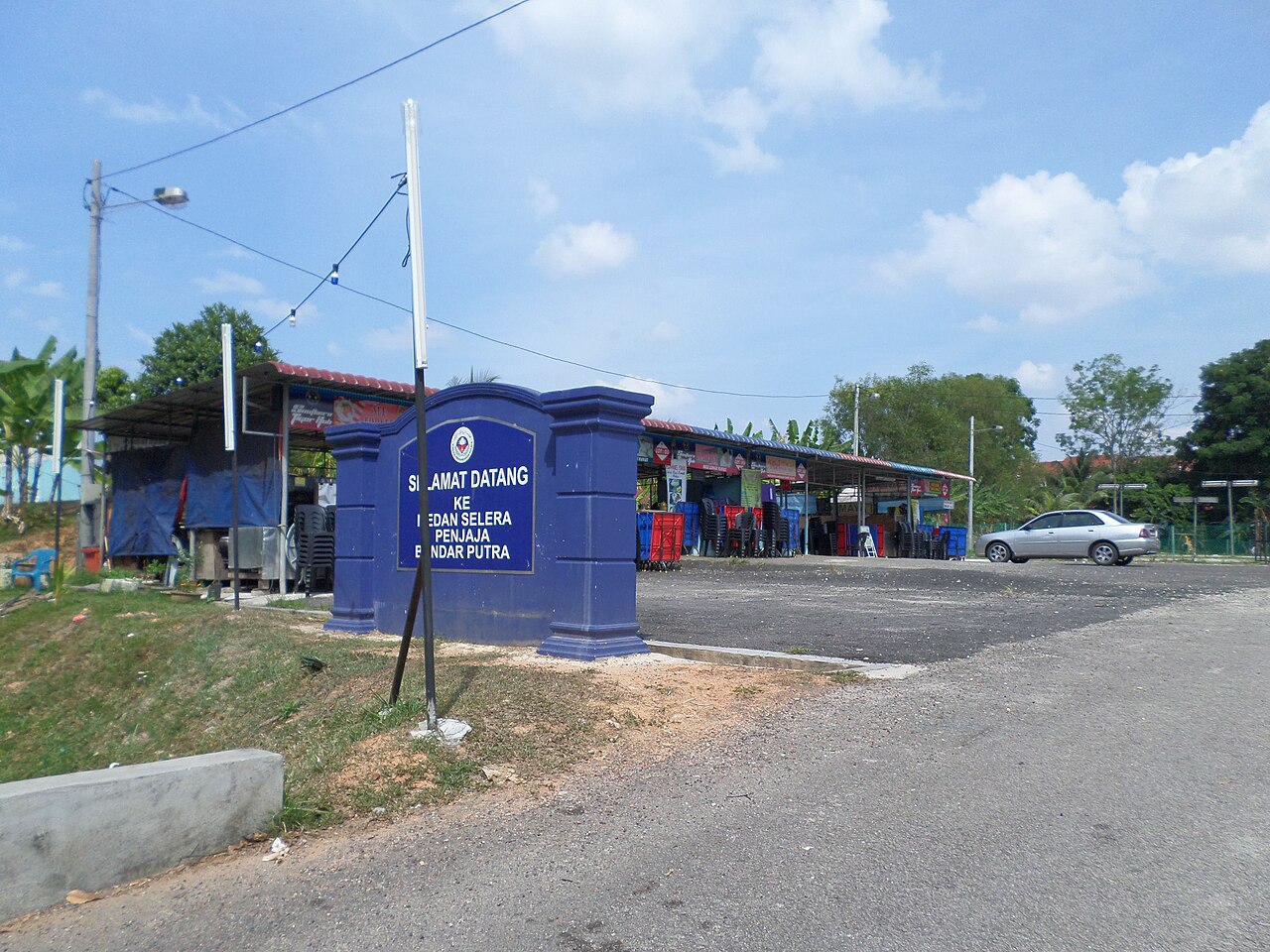
Hawker centres and open-air food courts are the centre of Malaysian food culture. Dozens of independent stalls share a common seating area; each stall does one or two things and nothing else. Typical prices run RM 5 to 15 (USD 1.10 to 3.30) per dish. In KL: Jalan Alor, the Pudu area, and Hutton Lane. In Penang: Gurney Drive Hawker Centre, New Lane (Lorong Baru), and Cecil Street Market. In Melaka: Jonker Street on Friday and Saturday nights.
Mamak stalls deserve their own mention — Indian-Muslim eateries, many of them open 24 hours, that serve roti canai, teh tarik (pulled milk tea), murtabak, and maggi goreng at any hour. They are the default meeting point for Malaysians of every background, and the food is consistently cheap and good. On a big football night, a mamak with a big screen becomes the best free entertainment in the city.
Dietary Considerations
Malaysia is majority Muslim, so halal food is widely available and clearly labelled. Most hawker centres have a mix of halal and non-halal stalls. Pork is consumed mainly in Chinese Malaysian communities and is clearly marked. Vegetarian and vegan travellers will find options at Indian vegetarian restaurants (look for “pure veg” signs), Chinese Buddhist restaurants, and the growing number of plant-based eateries in KL and Penang. Always confirm with the cook if you have strict dietary requirements — fish sauce and shrimp paste feature heavily in many Malay dishes even when a dish looks vegetable-based.
Culture, Religion, and Etiquette in Malaysia
Malaysia’s multicultural makeup means that different communities observe different customs, sometimes in the same neighbourhood. Getting the basic etiquette right matters — not as performance, but because it genuinely shapes how locals receive you. The full guide to malaysia cultural etiquette goes into more detail, but here are the essentials.
Religious Sensitivity
As a Muslim-majority country, Malaysia observes Islamic customs in many areas of daily life. During Ramadan (dates shift annually on the Islamic lunar calendar), eating, drinking, and smoking in public during daylight hours is considered disrespectful in predominantly Malay areas — though restaurants serving non-Muslim communities remain open. When visiting mosques, cover arms and legs; women should cover their hair. Most mosques provide robes and headscarves at the entrance. Hindu and Buddhist temples require the removal of shoes and covering of shoulders and knees. The Batu Caves temple complex near KL enforces a strict dress code, with sarong rentals available outside.
General Etiquette Tips
Use your right hand when eating, giving or receiving objects, and greeting people — the left hand is considered unclean in Malay culture. When shaking hands with someone of Malay background, offer a gentle handshake and then place your hand briefly over your heart; this is the salam greeting. Some conservative Muslim women may not shake hands with men — a smile and a small nod are the correct response. Remove shoes before entering Malaysian homes, and before most temples and mosques. Pointing with your index finger is rude — use your thumb with fingers folded under instead. Tipping is not standard in Malaysia; most restaurants add a 10 percent service charge, and hawker stalls don’t expect tips.
Money and Budget: Malaysia Travel Costs
Currency and Exchange
The Malaysian ringgit (MYR or RM) is the national currency. As of early 2026, the exchange rate sits at approximately 1 USD to 4.4 to 4.6 MYR, which makes Malaysia extraordinarily affordable for visitors from Western countries, Japan, or Australia. The details on exchange, ATMs, and money-changing spots are covered thoroughly in our guide to the malaysian ringgit exchange rate — including which money changers in KL give the best rates and how to avoid airport counter margins.
Daily Budgets
Budget travellers — hostels, hawker centres, public transport — can cover a comfortable day for RM 120 to 200 (USD 27 to 44). Mid-range travellers going for three-star hotels, a mix of hawker and restaurant meals, and the occasional Grab ride should budget RM 300 to 550 per day (USD 67 to 122). Luxury travellers in five-star resorts, fine-dining restaurants, and private tours can expect RM 900-plus per day (USD 200 and up). For a detailed breakdown with specific costs, sample daily spends, and money-saving approaches, see the full malaysia travel budget guide.
Some specific costs to calibrate your expectations: a plate of nasi lemak at a hawker stall costs RM 3 to 8 (USD 0.70 to 1.80), a Grab ride across central KL runs RM 10 to 25 (USD 2.20 to 5.50), a dorm bed in a hostel averages RM 30 to 60 (USD 6.70 to 13), a three-star hotel room typically costs RM 120 to 300 (USD 27 to 67) per night, and a domestic flight booked in advance ranges from RM 50 to 300 (USD 11 to 67).
ATMs, Cash, and Digital Payments
ATMs are plentiful in cities and towns — Maybank, CIMB, and Public Bank machines accept international Visa and Mastercard cards. Money changers in KL, Penang, and tourist areas generally offer better rates than airport counters or banks; the money changers at Mid Valley Megamall and around Bukit Bintang are well-regarded. Credit and debit cards work at hotels, shopping malls, and mid-range restaurants, but hawker stalls, local markets, and small shops are predominantly cash. Carry ringgit in smaller denominations — many vendors cannot break RM 100 notes. Touch ‘n Go eWallet and GrabPay are widely used locally, though international visitors may find them hard to set up without a Malaysian phone number and bank account.
Safety in Malaysia
Malaysia is a safe country for tourists by any reasonable measure. The US State Department holds a Level 1 (Exercise Normal Precautions) advisory — the lowest level of concern — for most of the country. Violent crime against visitors is rare; most people complete trips without any incident. The full picture on risks, regional variations, and practical precautions is in our dedicated guide: is malaysia safe.
Petty theft — bag-snatching by motorcycle riders — is the most frequently reported tourist crime in KL and George Town. Use a cross-body bag, stay aware near roads, and don’t flash expensive jewellery or electronics. Scams targeting tourists are less common here than in many Southeast Asian countries, but treat unsolicited help at tourist sites with scepticism, and use Grab rather than hailing street taxis to avoid the meter-tampering risk.
Some governments advise heightened caution in the eastern coastal areas of Sabah — around Sandakan, Lahad Datu, and the islands near the Sulu Sea — because of historical kidnapping incidents. Security has improved significantly in recent years, but check current advisories before visiting these specific areas.
Connectivity: SIM Cards and Internet in Malaysia
Staying connected is easy in Malaysia. Mobile coverage is excellent in urban areas and along major highways on the peninsula. The easiest approach is to buy a prepaid tourist SIM at the airport on arrival — the major providers are Hotlink (Maxis), CelcomDigi, and U Mobile. Tourist-specific packages offer 15 to 40 GB of data plus calling credit for RM 25 to 55 (USD 5.50 to 12) valid for 7 to 30 days. A more detailed comparison of plans and what to watch out for is in our guide to the malaysia sim card tourist options.
If your phone supports eSIM, providers like Airalo, Holafly, and Nomad offer Malaysia plans you can activate before arriving — no physical SIM swap. Prices range from around USD 5 to 15 for 5 to 20 GB. Free WiFi is available at most hotels, cafes, shopping malls, and airports. In remote Borneo — national parks, small islands, jungle treks — expect limited or no signal for parts of your trip.
Health and Vaccinations for Malaysia Travel
No vaccinations are legally required to enter Malaysia unless you are arriving from a yellow fever endemic country. The CDC and WHO recommend ensuring routine vaccinations are current and considering Hepatitis A and B, Typhoid, Japanese Encephalitis (for extended rural travel), and Rabies (if you may interact with animals in the wild).
Malaria risk exists in limited areas of Malaysian Borneo — primarily the interior jungles of Sabah and Sarawak. Most visitors to standard tourist areas do not need antimalarial medication. Dengue fever is the more common mosquito-borne risk: use repellent with DEET or picaridin, wear long sleeves during peak mosquito hours at dawn and dusk, and choose accommodation with air conditioning or screened windows. Tap water in Malaysia is treated, but the general recommendation is to drink bottled or filtered water. Bottled water costs RM 1 to 3 for a 1.5-litre bottle and is sold everywhere.
Malaysia has strong private healthcare infrastructure — hospitals like Gleneagles, Sunway Medical Centre, and Prince Court are internationally accredited and charge well below Western prices. Travel insurance with medical and emergency evacuation coverage is still strongly recommended. The tropical sun is intense between 11 AM and 3 PM; use SPF 50 sunscreen, wear a hat, and drink at least two to three litres of water per day in the humidity.
What to Pack for Malaysia
Packing light is possible and comfortable in Malaysia’s consistent tropical climate. Lightweight, breathable fabrics — cotton, linen, or moisture-wicking synthetics — work best. Pack items that cover shoulders and knees for visiting mosques, temples, and conservative areas. Comfortable walking shoes for cities; reef-safe sandals or water shoes for beach days. If you are visiting the Cameron Highlands or climbing Mount Kinabalu, add a light fleece or jacket — temperatures can drop to 10°C at higher elevations. A full breakdown of what to bring and what to leave at home is in the dedicated what to pack for malaysia guide.
Essential items: a rain jacket or compact umbrella (afternoon showers happen almost daily in the lowlands), insect repellent with DEET, a universal power adapter for Type G sockets (same as UK three-pin plugs; Malaysian electricity runs at 240V/50Hz), SPF 50 sunscreen, a reusable water bottle, and a small daypack for excursions.
Sample Malaysia Travel Itineraries
The outlines below are starting points. For full day-by-day plans at every trip length — 3, 5, 7, 10, 14 and 21 days, plus Borneo-only, backpacking and road-trip routes — see our complete Malaysia itineraries guide.
7 Days: Highlights of Peninsular Malaysia
Days one and two in Kuala Lumpur: Petronas Towers from the observation deck, Batu Caves at dawn before the crowds, the Islamic Arts Museum, a street food crawl through Jalan Alor and Chinatown. Day three: take the ETS train to Ipoh — half a day on old town colonial architecture, limestone caves, white coffee, and bean sprout chicken. Day four: continue by train to Penang. Two full days in George Town exploring the heritage quarter, street art, hawker stalls, and Penang Hill. Day seven: fly from Penang back to KL or onward to your next destination.
10 Days: Peninsula and Islands
Follow the seven-day route above, then from Penang fly to Kota Bharu on day eight and transfer to the Perhentian Islands (March to October only). Spend days eight through ten snorkelling, diving, or doing nothing in particular on some of Malaysia’s most beautiful beaches before flying back to KL from Kota Bharu.
14 Days: The Grand Malaysia Experience
Days one through three in KL, then bus to Melaka for one day of heritage on day four. Return to KL and fly to Kota Kinabalu on day five. Days five through seven: KK, the Tunku Abdul Rahman islands, a day trip to Kinabalu National Park. Day eight: fly to Sandakan for the Sepilok Orangutan Rehabilitation Centre and the Kinabatangan River. Day ten: fly to Penang for two days of food and heritage, then a bus or ferry to Langkawi for two final days of beaches, island-hopping, and the Sky Bridge.
Borneo-Focused 10 Days
Fly into Kota Kinabalu. Days one through three: islands, KK city, Kinabalu Park. Day four: fly to Sandakan for Sepilok and a Kinabatangan River cruise. Day six: fly to Mulu in Sarawak for two days of the Mulu Caves and rainforest treks. Day eight: fly to Kuching for three days — Bako National Park, the Sarawak Cultural Village, and the city’s riverfront and food scene. This is one of the most rewarding itineraries in Southeast Asia for anyone who wants something beyond the usual path.
Things to Do in Malaysia
Malaysia rewards different kinds of travellers in different ways. Nature travellers get the orangutans of Sepilok, the hornbills and pitcher plants of Bako, the coral of the Perhentians, and the summit dawn view from Mount Kinabalu. City travellers get KL’s nightlife and shopping, Penang’s gallery and cafe scene, and the colonial quarter of Melaka. Adventure travellers get world-class diving at Sipadan (limited to 176 permits a day — book months ahead), white-water rafting on the Padas River, jungle trekking in Taman Negara, and caving in Mulu. For a full overview of what’s possible across the country, the guide to things to do in Malaysia breaks it down by activity type and region.
Practical Tips for First-Time Visitors to Malaysia
Malaysia uses Type G power sockets (the same three-pin rectangular plugs used in the UK, Singapore, and Hong Kong). Voltage is 240V at 50Hz. If you are travelling from the US, Japan, or continental Europe, you will need a plug adapter. Most modern electronics have dual-voltage chargers — check the label on your device before plugging in.
Malaysia runs on Malaysia Standard Time (MST), UTC+8 — the same as Singapore, Hong Kong, and Perth. No daylight saving time. English is widely spoken in cities, airports, and hotels, but a few Malay words open doors: terima kasih (thank you), tolong (please), berapa (how much), sedap (delicious). Say sedap to whoever just cooked for you and they will almost certainly smile.
Malaysia is a serious shopping destination. KL’s mega-malls — Pavilion, Suria KLCC, Mid Valley Megamall — rank among the largest in Southeast Asia. Duty-free in Langkawi covers alcohol, chocolate, cosmetics, and electronics at meaningfully lower prices than the mainland. Bargaining is expected at street markets and night markets — start at 50 to 60 percent of the asking price and settle around 70 to 80 percent. Fixed-price shops, malls, and restaurants do not expect it.
Alcohol is legal and available in non-Muslim areas but more expensive than in neighbouring countries due to high taxes. In the conservative east coast states of Kelantan and Terengganu, alcohol is officially banned in most establishments. During Ramadan, some venues in predominantly Malay areas may limit service during daylight hours.
For anyone worried about language and communication, the language situation is covered in depth in our language in malaysia guide — what to expect, the key phrases, and how far English actually gets you in different parts of the country.
And finally, travel insurance. The healthcare is excellent and affordable by global standards, but emergencies still happen — and the cost of medical evacuation from Borneo or a remote island without insurance is serious. Read the breakdown of what to look for in our malaysia travel insurance guide before you buy a policy or skip it.
Planning Your Malaysia Trip: Final Checklist
Pulling together a trip to Malaysia is easier than most destinations in the region. Here is what to sort before you go. Check your passport is valid for at least six months beyond your entry date and complete the Malaysia Digital Arrival Card (MDAC) within three days of departure. Book international flights into KLIA or KLIA2 (Kuala Lumpur), Penang International Airport, or Kota Kinabalu International Airport depending on your itinerary. Purchase travel insurance with medical and emergency evacuation coverage.
Download key apps before leaving: Grab for transport and food delivery, Google Maps for offline navigation (download the Malaysia map), and your airline’s app for mobile boarding passes. If you are using an eSIM, activate it before landing. If you are visiting during peak season — school holidays in June and July, Chinese New Year in January or February, or Visit Malaysia 2026 events — book accommodation and popular activities well in advance. East coast island resorts fill fast during the March-to-October season. Sipadan dive permits are limited to 176 per day; book months ahead.
Then approach Malaysia with a working appetite and curiosity. This is a country that rewards wandering, trying dishes you cannot identify, striking up conversations at hawker stalls, and saying yes to things you did not plan. From the limestone karsts of Borneo to the neon-lit cooking stations of a Penang night market, Malaysia delivers more than most travellers anticipate. Selamat datang — welcome.