Halal Food in Malaysia: The Complete Guide for Travelers (2026)
Complete guide to halal food in Malaysia covering JAKIM certification, must-try halal dishes, best halal restaurants in KL, Penang, Langkawi, and Melaka, mamak culture, and practical tips for Muslim travelers.
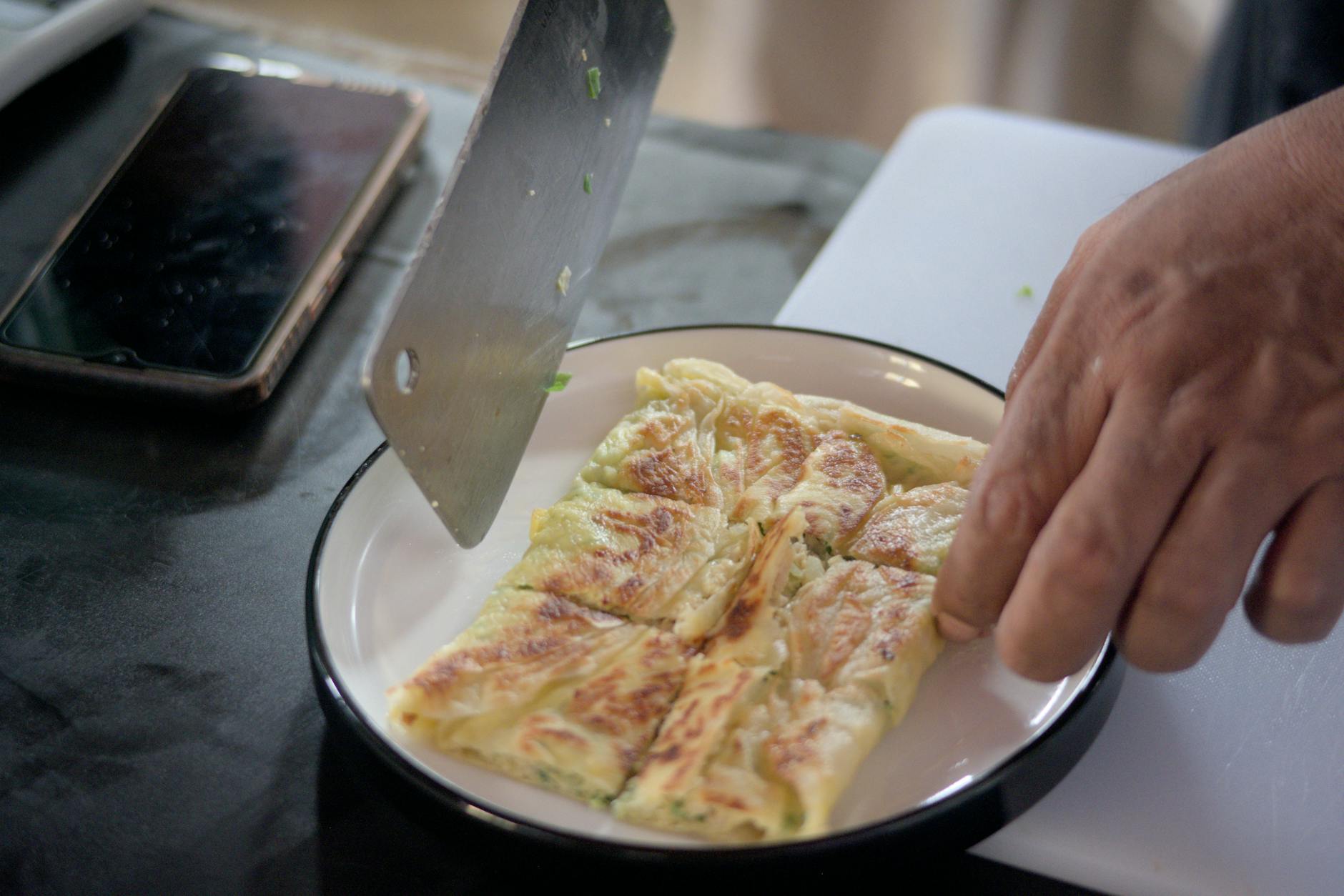
At any mamak stall in Kuala Lumpur, the cook ladles curry onto rice at 2 AM, and there’s a queue. The customers are Muslim, Hindu, Chinese, tourists who stumbled in after a late flight. Nobody checks credentials at the door. The food is just halal — certified, assumed, expected — because that’s how Malaysia works. Around 60% of the country’s population is Muslim, and the infrastructure built to feed them means halal food is everywhere, often the default, priced for everyday life rather than tourist budgets. For Muslim travelers, this changes everything about how you plan, eat, and move through a country.
This guide walks you through what halal certification actually means in Malaysia, which dishes to prioritize, where to eat by destination, and how to handle the edge cases — the hawker centers with mixed stalls, the upscale Cantonese restaurant that somehow earned a halal cert, the apps that make navigating all of it faster. Whether you’ve traveled to Muslim-majority countries before or this is your first trip, Malaysia’s halal food system is thorough enough that you’ll spend almost no time worrying and most of your time eating well.
Understanding Halal Food in Malaysia
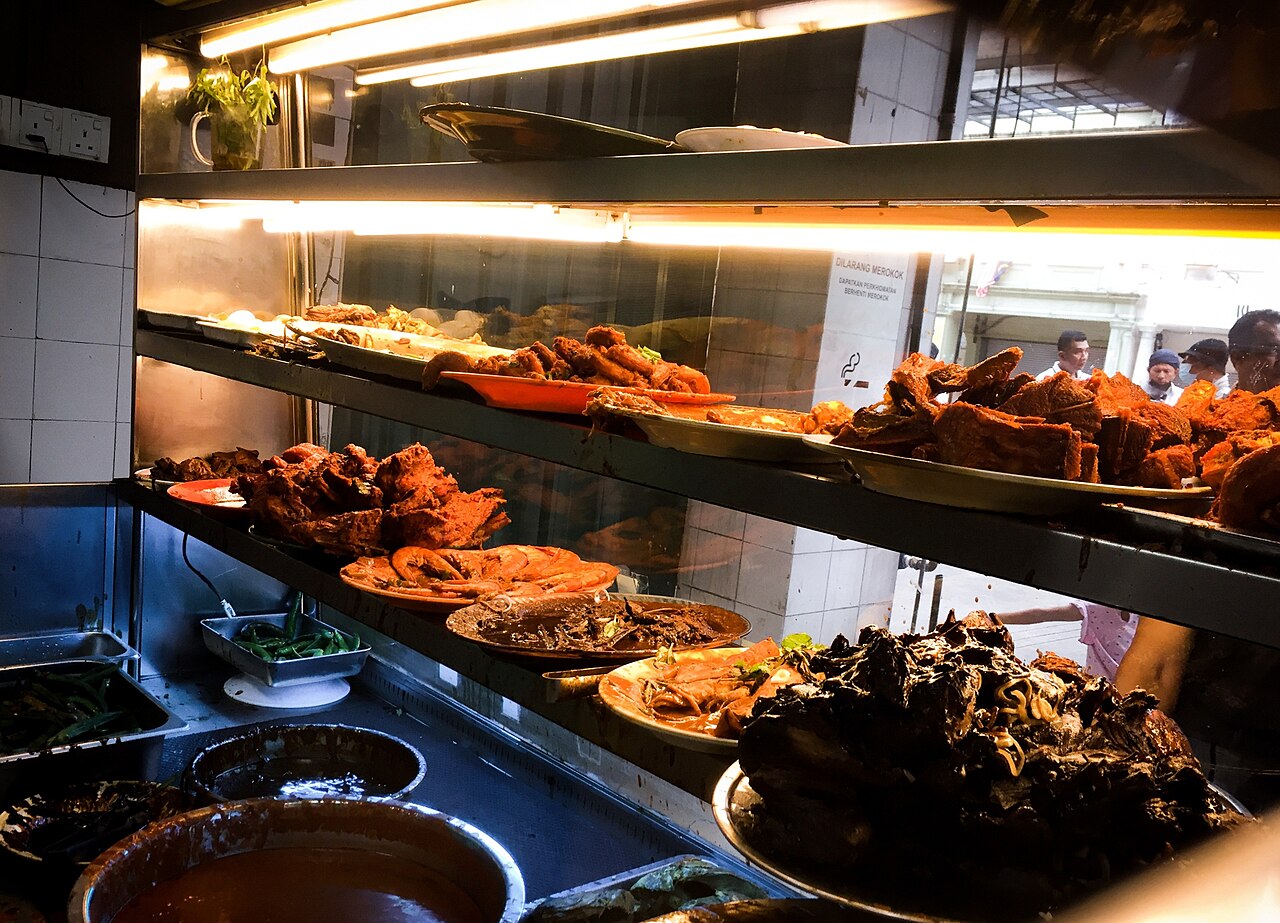
Malaysia’s halal food system is one of the most formalized in the world. It’s backed by government certification, shaped by law, and visible at every level — from roadside stalls to five-star hotel restaurants. Understanding how it works means you can eat confidently without double-checking every meal.
How to Identify JAKIM-Certified Halal Food
JAKIM — Jabatan Kemajuan Islam Malaysia, the Department of Islamic Development Malaysia — is the body that issues Malaysia’s national halal certification. When a restaurant or food producer displays the JAKIM logo, it has gone through a formal application process, premises inspection, and product verification. The logo itself is a round emblem featuring a crescent moon and star, with “Halal Malaysia” written in both English and Jawi script. Once you’ve seen it, you’ll spot it instantly on menus, display boards, and packaging.
The legal foundation is the Trade Descriptions (Definition of Halal) Order 2011, which set out precise requirements for what can be labeled halal in Malaysia. Certification runs on a two-year renewal cycle, so you’ll sometimes see stickers with an expiry date — a valid cert with a current date is what you’re looking for. In 2025, Malaysia launched the fully digital MYeHALAL platform, which lets you verify any certified premises or product by scanning a QR code or searching the database directly. It’s worth bookmarking before your trip.
At the state level, certification may come from JAIN (Jabatan Agama Islam Negeri) or JAIS (Jabatan Agama Islam Selangor), depending on the state. These state-level certifications are officially recognized and carry the same legal weight as the national JAKIM cert. You’ll encounter them more often at smaller eateries and local markets.
Beyond JAKIM: Other Halal Indicators
Certification isn’t the only signal. Many food stalls — especially at traditional markets and hawker centers — operate as halal by practice without holding a formal certificate. Muslim-owned stalls in Muslim-majority areas fall into this category. Look for Arabic text, Islamic phrases like “Bismillah” at the entrance, or the owner wearing a kopiah or tudung. These aren’t guarantees, but they’re meaningful indicators in context.
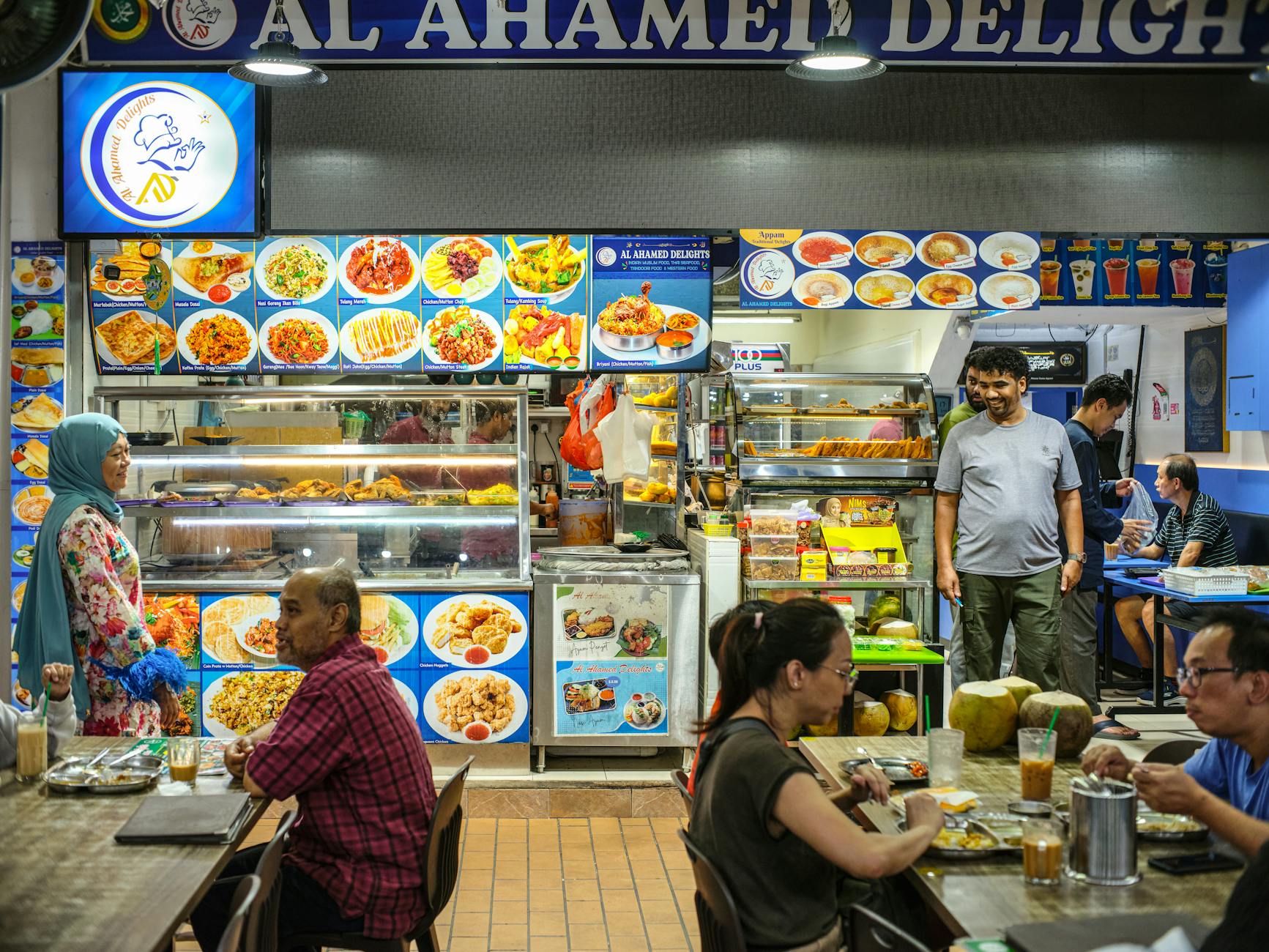
Mamak restaurants — run by Indian Muslim proprietors — are almost universally halal by default. These are the roti canai and teh tarik spots open until late, often 24 hours, and they’re a foundation of daily eating in Malaysia. You don’t need to ask; the mamak stall is a halal institution.
Where you do need to pay attention is at mixed hawker centers, where halal and non-halal stalls operate side by side. In these environments, individual stalls may be halal-certified while the center as a whole is not. Order from the specific certified stall, and use dedicated utensils — the hawker aunty will understand the question.
Why Malaysia Is a Halal Food Paradise
The phrase “halal food options” suggests something limited — a subset of a menu, a special request, a compromise. In Malaysia, it means the opposite. Because the majority of the population is Muslim and halal is the legal default for mass-market food production, the breadth of what you can eat is staggering. Chinese hawker food. Nyonya cuisine. Indian banana leaf. Japanese ramen. Korean fried chicken. Thai curries. If it’s in Malaysia in any significant volume, there’s almost certainly a certified halal version.
The country has built halal certification into its export and tourism strategy for decades. That means the infrastructure for verifying, labeling, and maintaining standards is deep. It also means competition among halal restaurants is fierce — quality has to be high because the market expects it. You’re not eating halal food as a constraint. You’re eating some of the best food in Southeast Asia, which happens to be halal.
The price point reinforces this. A full mamak meal — roti canai, curry, teh tarik — runs under RM15. Street food dishes are RM3–12 for most items. You can eat three full meals a day as a budget traveler for under RM30 total, and every one of those meals can be halal without any compromise on flavor.
Must-Try Halal Dishes in Malaysia
Malaysia’s must try malaysian food list is long. But if you’re navigating it as a halal traveler, these are the dishes to prioritize — the ones that define the country’s food identity and are available at certified halal outlets everywhere.
Nasi Lemak
Nasi lemak is Malaysia’s most emblematic dish and the one most travelers eat first without realizing it. Coconut milk-infused rice, sambal, cucumber slices, hard-boiled egg, and ikan bilis — the whole package wrapped in banana leaf at its most traditional. The basic version runs RM3–5 at hawker stalls. Add rendang or fried chicken and you’re at RM8–12, still remarkable value for a dish this satisfying. It’s halal at virtually every stall you’ll encounter, though the wrapped street version from non-certified vendors is where you’d want to apply the ownership test.
Roti Canai
Flaky, layered flatbread cooked on a flat griddle and served with dal or fish curry for dipping. This is mamak stall territory — RM1.50–3 per piece, halal by default, available at breakfast, lunch, and 3 AM with equal legitimacy. Roti telur adds egg folded into the dough. Roti bom is thicker, slightly sweet. Order both and decide which you prefer.
Satay
Skewered and charcoal-grilled chicken or beef with peanut sauce, compressed rice cubes, and raw onion. Kajang, a town outside KL, has staked its reputation on satay, and the versions there are worth the trip. In cities, look for halal-certified satay stalls at night markets — the certification matters here because pork satay exists at non-halal stalls, and the two can look identical from a distance.
Mee Goreng and Nasi Goreng
Fried noodles and fried rice, respectively, and the backbone of late-night eating across the country. Both are standard at mamak stalls, hawker centers, and food courts. The mamak version of mee goreng tends toward a tangy-spicy tomato-based sauce with yellow noodles; variations differ by region and cook. Order from any mamak stall without hesitation.
Teh Tarik
Pulled milk tea — black tea mixed with condensed milk, poured repeatedly between two cups from height to create a froth. RM2–3 at any mamak. It’s the drink that goes with everything, at any hour. The technique of pulling is genuine skill, and watching a practiced mamak teh tarik master do it quickly is itself part of the experience.
Rendang
Slow-cooked dry curry — beef or chicken simmered with coconut milk and a complex spice paste until the liquid evaporates and the meat absorbs a concentrated caramelized coating. Rendang is halal by ingredient and tradition. You’ll find it as a nasi lemak topping, a rice accompaniment at Malay restaurants, and on festive menus during Eid. It rewards patience: the best versions take hours and don’t cut corners on the spice paste.
Ayam Goreng Berempah
Malay-style spiced fried chicken. The marinade includes turmeric, lemongrass, galangal, and a range of aromatics before the chicken goes into the oil. The result is crunchier on the exterior and more fragrant than Western fried chicken, with a yellow-orange color from the turmeric. Find it at nasi campur stalls — the Malaysian-Malay mixed rice concept where you pick dishes to accompany your rice from a spread of options.
Laksa
The word covers multiple distinct dishes. Penang asam laksa is a sour fish-based broth with rice noodles — tangy, funky, polarizing in the best way. Curry laksa (also called curry mee in some regions) is a rich coconut milk curry soup with noodles, tofu puffs, and various toppings. Both have halal versions widely available. Penang asam laksa is always worth trying at its source. For exploring all this malaysian street food, the night markets and hawker centers are your best starting point.
Halal Food by Destination
Kuala Lumpur
The capital offers the most variety and the highest density of certified halal options. Start at Kampung Baru, a Malay enclave in the heart of KL that functions as an entirely halal food destination — every stall, every restaurant, every market within its boundaries. It’s most alive on weekend mornings and during Ramadan evenings, when the pasar malam turns into one of the country’s best food markets.
Jalan Alor, the street food corridor in Bukit Bintang, operates from around 5 PM to 1 AM daily. It’s a mixed street — not all stalls are halal — but halal options are clearly marked and numerous. The atmosphere rewards an evening visit regardless.
For sit-down dining, Madam Kwan’s at Pavilion Mall serves upscale Malay and Malaysian Chinese food with full halal certification — their nasi bojari is a reliable highlight. Nasi Kandar Pelita has over 30 locations across KL and the Klang Valley; it’s 24-hour, certified, and the standard for good mamak dining. HOMST offers certified halal dim sum, solving a category that Muslim travelers often assume is off-limits. Lai Po Heen at Mandarin Oriental is halal-certified Cantonese fine dining, which genuinely surprises most people who think Cantonese food means pork by default. For history alongside food, Yusoof and Zakhir Restaurant has been operating since 1888. For a comprehensive overview of eating across the capital, the kuala lumpur food guide goes deeper on neighborhoods and price ranges.
Penang
Penang’s food scene is dominated by Chinese-heritage street food, which creates a different dynamic. The island is not Muslim-majority, so halal options require more active navigation — but they exist, in good variety, and the specifically halal versions of classic Penang dishes are genuinely excellent in their own right.
Gurney Drive hawker center and New World Park both have dedicated halal sections, making them reliable starting points. Line Clear and Nasi Kandar Beratur are two of the island’s most famous nasi kandar spots — both halal, both frequently cited as among the best in Malaysia by people who eat nasi kandar seriously. Hameediyah, established in 1907, is another institution worth seeking out for its mutton and fish curries.
Char kway teow — the iconic wok-fried flat noodle dish — now has widely available halal versions using chicken instead of pork lard, and vegetable oil for frying. The result is lighter but still satisfying. Look for stalls displaying halal certification. The full picture of eating well in Penang, halal and otherwise, is covered in the penang food guide.
Langkawi
The island skews toward Malay Muslim population in its interior towns, which means the everyday food scene — markets, local restaurants, food stalls — is halal by default. Pantai Cenang, the main tourist beach strip, has a mix of international and local restaurants, most of which carry halal certification catering to both the local population and Muslim tourists from across Southeast Asia and the Middle East.
Morning markets are where you’ll find nasi dagang — glutinous rice cooked in coconut milk, served with fish curry. It’s a Kelantan and Terengganu dish that’s made the leap to Langkawi’s morning stalls, and it’s a better breakfast than almost anything you’ll find in a hotel buffet. Wan Thai serves halal-certified Thai cuisine, which gives you access to another cuisine category without certification concerns.
Melaka
Melaka’s food identity is Nyonya (Peranakan) — a centuries-old fusion of Malay and Chinese culinary traditions. Historically much of it involved pork and lard, which meant halal options were limited. That’s changed significantly. Cottage Spices Nyonya Restaurant holds halal certification and delivers an authentic Peranakan menu without the elements that would otherwise exclude Muslim diners. Jonker 88 is another option along the famous Jonker Walk strip.
Satay celup — a Melaka specialty where you cook raw ingredients on skewers in a shared pot of simmering peanut sauce — now has halal-certified versions available. The experience is social and worth doing; look for stalls or restaurants displaying certification before you order.
East Coast
Kelantan and Terengganu are the states where the question of halal certification becomes almost irrelevant — not because standards are lower, but because the population is overwhelmingly Muslim and virtually every food establishment operates on halal principles by default. Finding non-halal food here requires specific effort. The reverse of the problem you’d expect.
This is where to eat nasi dagang at its source, along with Kelantanese nasi kerabu (blue rice with herbs and fish) and the distinct local interpretation of laksa. The east coast has not been heavily developed for international tourism, which means the food is cooked for locals rather than calibrated for external palates. That’s an advantage.
Sabah and Sarawak
East Malaysia has its own food cultures distinct from the peninsula. Both states have substantial Muslim populations — particularly Sabah — alongside significant Christian and indigenous communities. Halal options are plentiful in urban centers like Kota Kinabalu and Kuching, with clear certification at established restaurants. At rural markets and longhouse visits, apply the ownership and context indicators rather than expecting formal certification. The indigenous cuisines of both states — featuring wild fern, bamboo shoot dishes, and freshwater fish preparations — are largely halal by ingredient, though you’ll want to confirm when eating at homestays.
Navigating Non-Halal Environments
The situations that require the most care are mixed hawker centers, hotel breakfast buffets, and high-end restaurants where halal certification isn’t the default. None of these should stop you — they just need a direct approach.
At mixed hawker centers, identify the specific certified stalls before ordering. Most centers have a layout board or signs at each stall. Buy drinks from a halal stall — the shared drink aunty who circulates between tables usually represents the center as a whole rather than any one certified vendor, so it’s worth asking or buying from a stall with a visible cert.
Hotel breakfast buffets in international chain hotels are often not fully halal-certified, particularly at five-star properties catering to international guests who may want pork products. Look for the halal section signage — most hotels operating in Malaysia designate one — and ask the breakfast attendant to confirm. Many hotels, especially those catering primarily to Muslim guests, run fully halal kitchens.
At restaurants serving non-Malay cuisine — Chinese, Japanese, Korean, Western — your best approach is to look for JAKIM certification on the premises or on the menu. When it’s absent, ask directly: “Is your kitchen halal certified?” The question is common, understood, and not unusual in Malaysia. Staff will tell you clearly.
Alcohol is served at many restaurants in Malaysia, including some that are otherwise fully halal in their food preparation. The presence of a bar or beer menu doesn’t mean the food isn’t halal — verify the certification separately from what you observe about drinks.
Helpful Apps and Resources
Three tools make navigating Malaysia’s halal food landscape easier before and during your trip.
The JAKIM website and its associated app let you search for certified establishments by name, location, or category. Since the 2025 launch of the MYeHALAL digital platform, QR code verification has been available at certified premises — scan the code and the app confirms the certification status and expiry date in real time. Use this at any establishment where you want to verify rather than assume.
Muslim Pro combines prayer time tracking, Qibla direction, and a halal restaurant finder in one app. The restaurant database is crowd-sourced rather than officially verified, so treat it as a starting point for discovery rather than a definitive certification check. It’s useful for finding options in an unfamiliar neighborhood.
HappyCow is better known as a vegetarian and vegan restaurant finder, but its filtering includes halal options and it covers Malaysia extensively. The interface is map-based and works well for planning meals in a new city before you arrive. Cross-reference any listing against the MYeHALAL database for certification status.
Halal Food Prices and Budget Tips
One of the practical advantages of Malaysia’s halal food ecosystem is that the most affordable options are among the most reliably certified. Mamak stalls and Malay hawker stalls — the cheapest places to eat in Malaysia — are halal by default. You’re not paying a premium for certification; you’re getting it as a baseline.
At street food level: nasi lemak RM3–5 for the basic banana leaf version, RM8–12 with chicken or rendang. Roti canai RM1.50–3. Teh tarik RM2–3. Mee goreng or nasi goreng at a mamak stall RM5–8. A complete mamak meal with food and drinks comes to under RM15.
Mid-range sit-down restaurants — the type with air conditioning, table service, and a proper menu — typically run RM15–40 per person including drinks. This covers most certified halal Chinese restaurants, Malay family restaurants, and international cuisine spots. Fine dining with halal certification (Lai Po Heen, Madam Kwan’s flagship) sits at RM80–150 or more per person.
Budget travel threshold: RM30 per day covers three full halal meals with drinks if you eat at mamak stalls and hawker centers consistently. It’s one of the most favorable budget-to-quality ratios in Southeast Asia.
Avoid tourist-trap food courts in major shopping malls that price food significantly above hawker levels without a corresponding quality gain. The best food in Malaysia is almost always at the hawker stall, the mamak, or the small family restaurant — not at the food court designed for captured foot traffic.
Tips for Halal Food Travelers
Bookmark the MYeHALAL platform before you leave home. Use it to pre-verify restaurants you’ve planned to visit, and pull it out on the spot when you encounter an unfamiliar establishment.
Learn to recognize the JAKIM logo on sight. The round emblem with the crescent and star becomes second nature after a day or two. When it’s displayed prominently at the entrance, the certification is current and the premises have passed inspection. When it’s absent, apply the other indicators or ask.
Don’t skip the mamak stall experience. For many visitors it becomes the most-returned-to category of meal — cheap, late-night, social, always open, and serving food that doesn’t feel like a fallback option. It’s genuinely good, and it’s the fabric of how Malaysia eats daily.
In predominantly Malay and Muslim areas, default to the assumption that food is halal unless there’s a clear indicator otherwise. In mixed urban areas and Chinese-heritage food neighborhoods, default to verification. The east coast (Kelantan, Terengganu) and interior Malay kampung areas sit firmly in the first category. Penang’s heritage core, most of KL’s Chinatown and non-mamak hawker centers, and international hotel restaurants sit in the second.
Ask without hesitation. Malaysians are accustomed to halal questions and will answer directly. The staff at any restaurant with Muslim clientele — which is the majority of restaurants in the country — understands exactly what you’re asking and will give you a clear answer. The question is never awkward or unusual here.
Use Ramadan as an opportunity rather than a concern. During Ramadan, the bazaar Ramadan — a market that appears in every town and neighborhood at dusk for the breaking of fast — is one of the best food events in Malaysia. Every vendor is Muslim-operated, every item is halal, and the variety and quality are remarkable. If your trip overlaps with Ramadan, budget time to visit a few of these markets in the late afternoon. You’ll eat well and you’ll see something genuinely specific to this country.
Malaysia’s halal food infrastructure asks very little of you as a traveler. The country has done most of the work. Your job is to show up, know the few situations that need extra attention, and eat as broadly and curiously as possible.