Kuala Lumpur Food Guide: Where and What to Eat in Malaysia’s Capital (2026)
The ultimate Kuala Lumpur food guide covering the best hawker stalls, must-try dishes from nasi lemak to bak kut teh, neighborhood eating guides from Jalan Alor to Kampung Baru, Michelin restaurants, mamak culture, and budget tips for eating in Malaysia's capital.
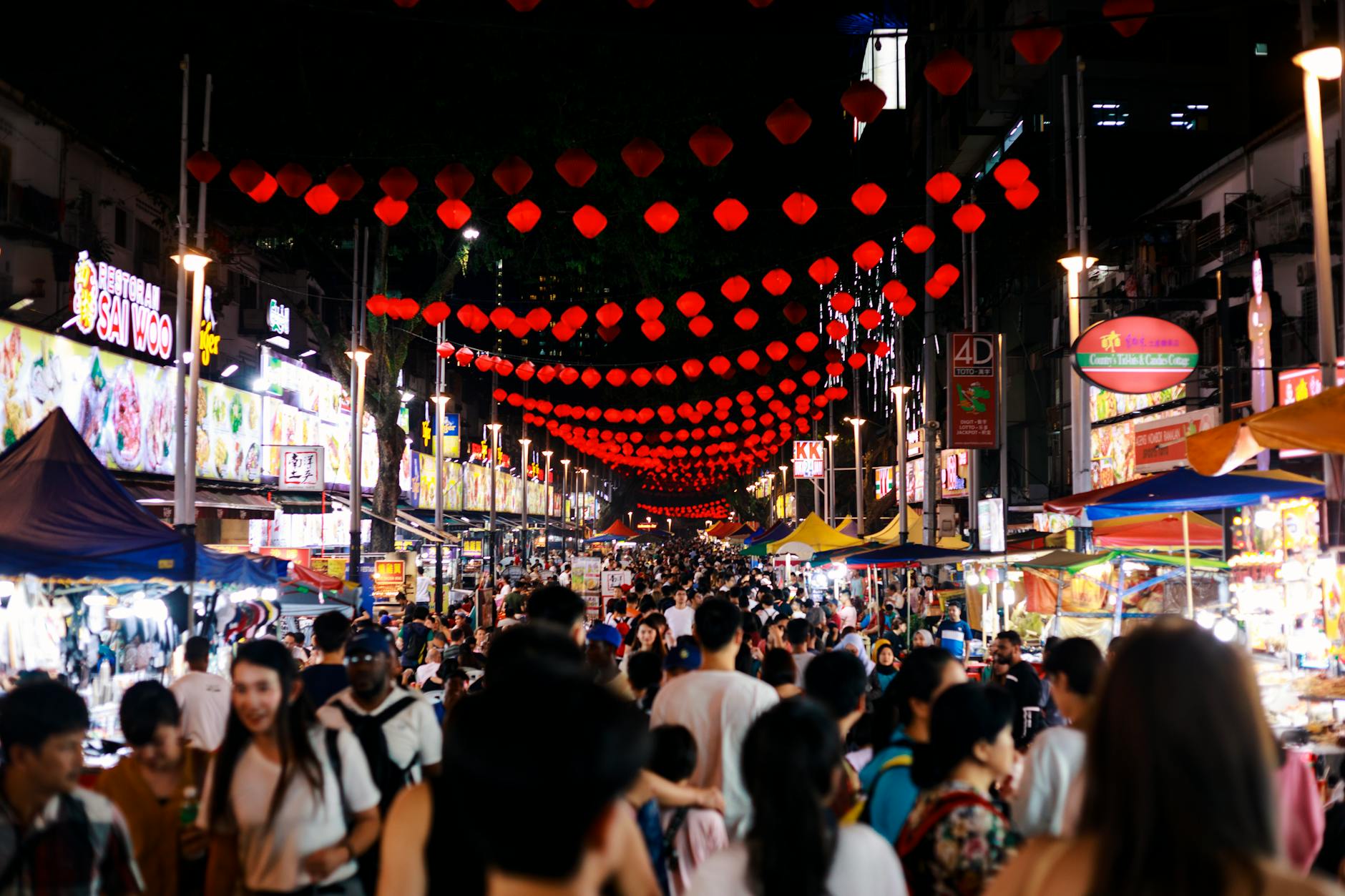
Kuala Lumpur doesn’t sleep and it doesn’t stop eating. Mamak stalls open at dawn and stay open past midnight. Hawker centres fill at 7 AM for dim sum and again at 7 PM for satay and char kway teow. The city draws people from every Malaysian state and every ethnic community, and they all brought their food. The result is a density of flavour options that takes days to work through properly — Malay, Chinese, Indian, Peranakan, and everything that emerged from the mixing of all four.
This guide covers the dishes worth tracking down, the neighbourhoods where you’ll find them, prices, and the practical logistics of eating your way through the capital. For the national picture on must try malaysian food, that guide covers all fifty key dishes. For Penang’s distinct food culture, the penang food guide covers the island in full. For the wider national picture, see our Malaysian food guide.
What Shapes KL’s Food Scene
Three traditions form the backbone of KL eating. Malay cooking anchors the nasi lemak stalls, satay grills, and rendang pots concentrated in neighbourhoods like Kampung Baru. Chinese hawker food — Cantonese, Hokkien, Hakka, Teochew — fills the kopitiams and hawker centres of Petaling Street, Kepong, and Cheras, where generational stalls have been running the same recipes for decades. And Indian Muslim mamak culture provides the 24-hour backbone: roti canai, teh tarik, nasi kandar, and mee goreng at any hour.
Beyond those three pillars, KL has developed a genuinely strong contemporary dining scene. The 2026 Michelin Guide to Malaysia recognised 151 establishments across KL and Penang, including two-Michelin-starred restaurants operating alongside hawker stalls earning Bib Gourmand recognition. But the best use of your eating budget in this city is still at the hawker stall level, where RM8–15 buys a dish that a cook has spent decades refining.
Must-Try Dishes in Kuala Lumpur
Nasi Lemak
Malaysia’s national dish appears across the country, but KL has more variations than anywhere else. The foundation is always the same — coconut rice with sambal, crispy ikan bilis anchovies, roasted peanuts, cucumber, and egg — but in KL the range of accompaniments is extraordinary. Fried chicken, beef rendang, sambal prawns, squid, curried vegetables. Nasi Lemak Tanglin, established in 1948, is one of the city’s oldest and most respected stalls; the sambal tumis has kept regulars coming back for generations. In Kampung Baru, Nasi Lemak Wanjo does a buffet-style spread with ayam berempah and sambal paru. Basic plates start at RM2; a fully loaded version with multiple sides runs RM8–15. Our nasi lemak guide covers every variation in detail.
Bak Kut Teh
KL’s version of this pork rib soup is the dark, herbal one — a rich, complex broth built from Chinese herbs, soy, and garlic, served with tender ribs, tofu puffs, mushrooms, and vegetables. Eat it with rice, you tiao fried dough sticks for dipping, and strong Chinese tea on the side. It’s traditionally a breakfast or lunch dish, though you’ll find it at dinner too.
Hing Kee Bak Kut Teh on Jalan Kepong has Michelin Bib Gourmand recognition for both its soupy and dry versions — the dry version braises the pork in a thick herbal gravy that’s intensely flavoured. Sun Fong near Bukit Bintang is a good introduction for first-timers; cleaner broth, generous portions. RM15–25 a serve.
Satay
Marinated chicken, beef, or mutton skewers grilled over charcoal until charred outside and juicy inside, served with peanut sauce, cucumber, onion, and ketupat compressed rice cakes. Kampung Baru is the KL epicentre for satay — evening stalls set up grills from around 6 PM and the smoke carries for blocks. Ten sticks run RM10–15. Arrive after dark when the neighbourhood picks up energy and the grills are at full pace.
Roti Canai
Every mamak in KL makes it; the quality gap between a good one and a mediocre one is measurable. The dough is stretched paper-thin, folded to create layers, and fried on a flat griddle with enough ghee to make the outside crisp and flaky while the inside stays soft. Served with dhal, fish curry, or chicken curry for dipping. Roti telur adds egg; roti tissue is a paper-thin crispy cone drizzled with condensed milk. A plain roti costs RM1.50–2.50 — the cheapest reliable meal in the city.
Pan Mee
A KL signature. Hand-torn wheat noodles in an anchovy broth with minced pork, sweet potato leaves, mushrooms, and a poached egg. The chili pan mee variation — dried chili flakes stirred through the noodles, which bloom into the hot oil — became a cult dish in KL and is now found at specialist stalls citywide. Super Kitchen Chilli Pan Mee popularised the dry version. A bowl runs RM8–12.
Banana Leaf Rice
Tamil community cooking that’s now eaten by Malaysians of every background. A banana leaf as your plate, heaped with steamed rice surrounded by vegetable curries, papadum, pickles, and your choice of meat or fish curry. Eat with your right hand, mixing rice with curries and pulling the meat apart. Restaurants replenish your rice and curries until you fold the leaf toward you to signal you’re done.
Brickfields has the best concentration. Vishal serves one of the most-praised versions, vegetarian spread starting at RM6. Sri Nirwana Maju in Bangsar draws massive queues. Devi’s Corner in Bangsar is reliable and consistent.
KL Hokkien Mee
Not the same dish as Penang Hokkien mee — don’t expect a soup. KL’s version is thick yellow noodles stir-fried in a dark, caramelised soy sauce gravy with prawns, pork, cabbage, and pork lard cracklings. The dark, slightly sweet and smoky sauce is the point. Kim Lian Kee in Petaling Street claims to have invented it over ninety years ago. A plate costs RM8–12.
Claypot Chicken Rice
Rice cooked in a clay pot over charcoal with chicken, Chinese sausage, salted fish, soy, and dark sweet sauce. The slow cooking creates a crispy, caramelised layer on the bottom and sides of the pot — that layer is the best part of the dish. Each pot is cooked to order, so expect 15–20 minutes. Heun Kee at Pudu is the most discussed specialist in the city; the queue during peak dinner hours tells you everything you need to know about how good it is.
Char Kway Teow
Penang has the more famous version, but KL’s char kway teow culture is solid in its own right. Flat rice noodles, high heat, prawns, cockles, egg, bean sprouts, chives, dark soy. KL versions tend to run slightly sweeter and darker than the Penang original. Find stalls at hawker centres throughout the city — Kepong and Cheras have some of the best.
Where to Eat in KL: Neighbourhood Guide
Jalan Alor
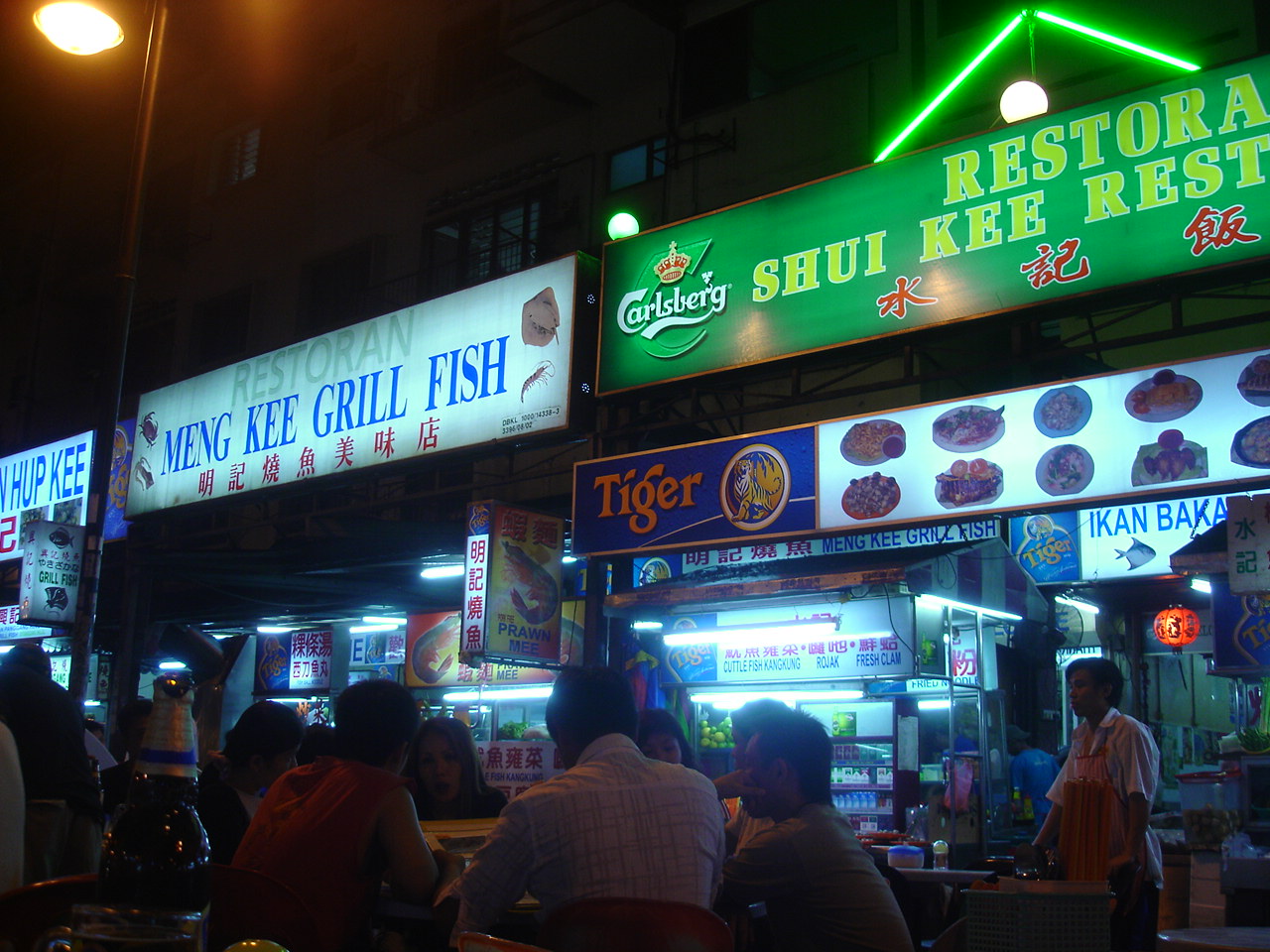
KL’s most famous food street. In the heart of Bukit Bintang, Jalan Alor closes to through-traffic each evening and fills with over 200 stalls and restaurants. The street wakes up around 5 PM and hits peak energy 7–10 PM, when charcoal grills are running and woks are going hard. Grilled chicken wings basted in sweet-savoury glaze are the headline dish; also char kway teow, barbecued seafood, Hokkien mee, and fresh tropical fruit. Prices are a step above neighbourhood hawker centres — most dishes RM10–20 — but the concentration and atmosphere justify the premium. Five minutes’ walk from Bukit Bintang MRT.
Petaling Street and Chinatown
One of the oldest food districts in the city. Morning market for dim sum and congee; daytime stalls for Hokkien mee, curry noodles, wonton mee, and tau foo fah soybean pudding at RM2.20. Madras Lane, a narrow alley running parallel, hides some excellent long-running stalls: yong tau foo, curry laksa, chee cheong fun that locals queue for daily. Lai Foong Lala Noodles does a hot rice noodle soup with fresh clams seasoned with Chinese wine and ginger — a bowl that rewards the half-hour walk from the tourist strip.
Kampung Baru
A historic Malay village in the middle of KL, with traditional wooden houses and hawker stalls in the shadow of the Petronas Twin Towers. This is where you find Malay home cooking on the street. The Saturday night market is the headline event — nasi lemak, ayam percik, keropok lekor, kuih, a dozen other traditional plates. On regular evenings the stalls along Jalan Raja Muda Musa turn out nasi campur, rendang, satay, and gulai in a neighbourhood that doesn’t feel like the rest of the city at all.
Brickfields (Little India)
KL’s oldest and largest Indian neighbourhood, centred on Jalan Tun Sambanthan and conveniently next to KL Sentral. Banana leaf rice restaurants line the main street. MTR 1924 does South Indian vegetarian including crispy masala dosa and podi idly. Brickfields Pisang Goreng serves what many consider the best banana fritters in the city at RM1.40 each. Lawanya Food Corner has been run by the same family for over thirty years, serving home-cooked curries from traditional clay pots. Come for lunch when the restaurants are at full pace and the leaf rice is fresh.
Bangsar
Residential suburb turned eating destination. A mix of traditional hawker stalls, mid-range restaurants, and specialty cafes. Sunday night pasar malam has satay, nasi lemak, and ramly burgers. Sri Nirwana Maju is considered by many to have the best banana leaf rice outside Brickfields. Specialty coffee roasters and artisan bakeries sit next to old-school kopitiams — a useful area if you want to eat well across a whole day without committing to a single food district.
Cheras and Kepong
Where KL’s Chinese food traditions run deepest. Most tourists never make it out here, but this is where locals go for the best dim sum, roast duck, bak kut teh, and home-style Chinese cooking. Prices are noticeably lower than the central areas. Dim sum breakfast for two in Kepong runs RM20–35. The hawker centres in Cheras do pan mee, wonton mee, and yong tau foo at prices that remind you how affordable serious cooking can be in this city.
The Mamak: KL’s 24-Hour Institution
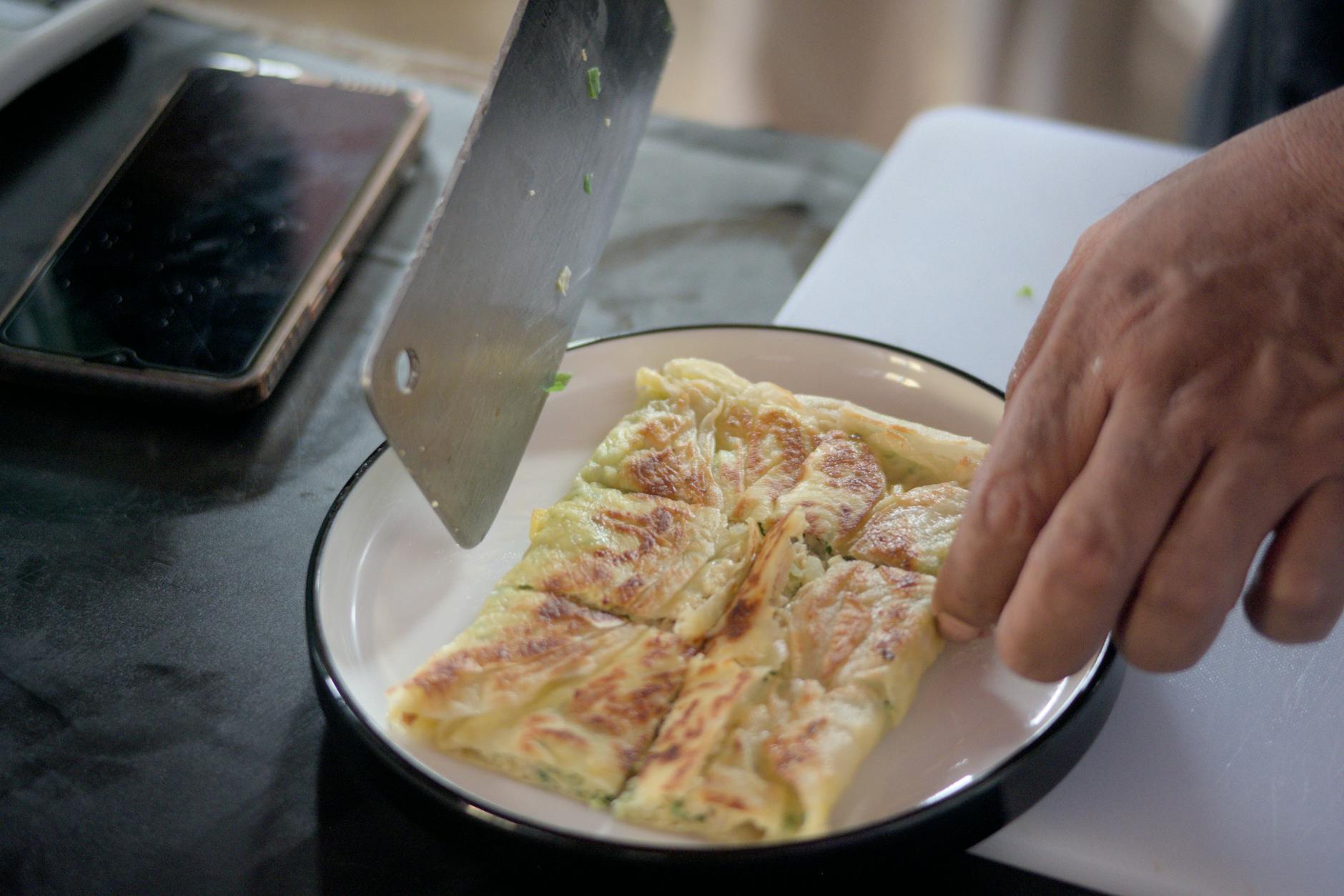
Indian Muslim mamak restaurants are the unsung backbone of KL’s food scene. Open 24 hours, found on nearly every street, serving Malaysians of every background at every hour. They’re where people watch football at midnight, where deals get done over teh tarik at 2 AM, where you can eat properly for RM5 at any time of day.
The core mamak menu: roti canai, teh tarik, nasi kandar (rice with multiple curry gravies poured over it), mee goreng mamak (spicy fried noodles with tofu, potato, and egg), and an assortment of roti variations. Pelita Nasi Kandar has consistent quality across multiple KL locations. On football match nights, mamak restaurants turn into open-air viewing parties with large screens and a carnival atmosphere that is uniquely Malaysian.
KL’s Michelin-Recognised Restaurants
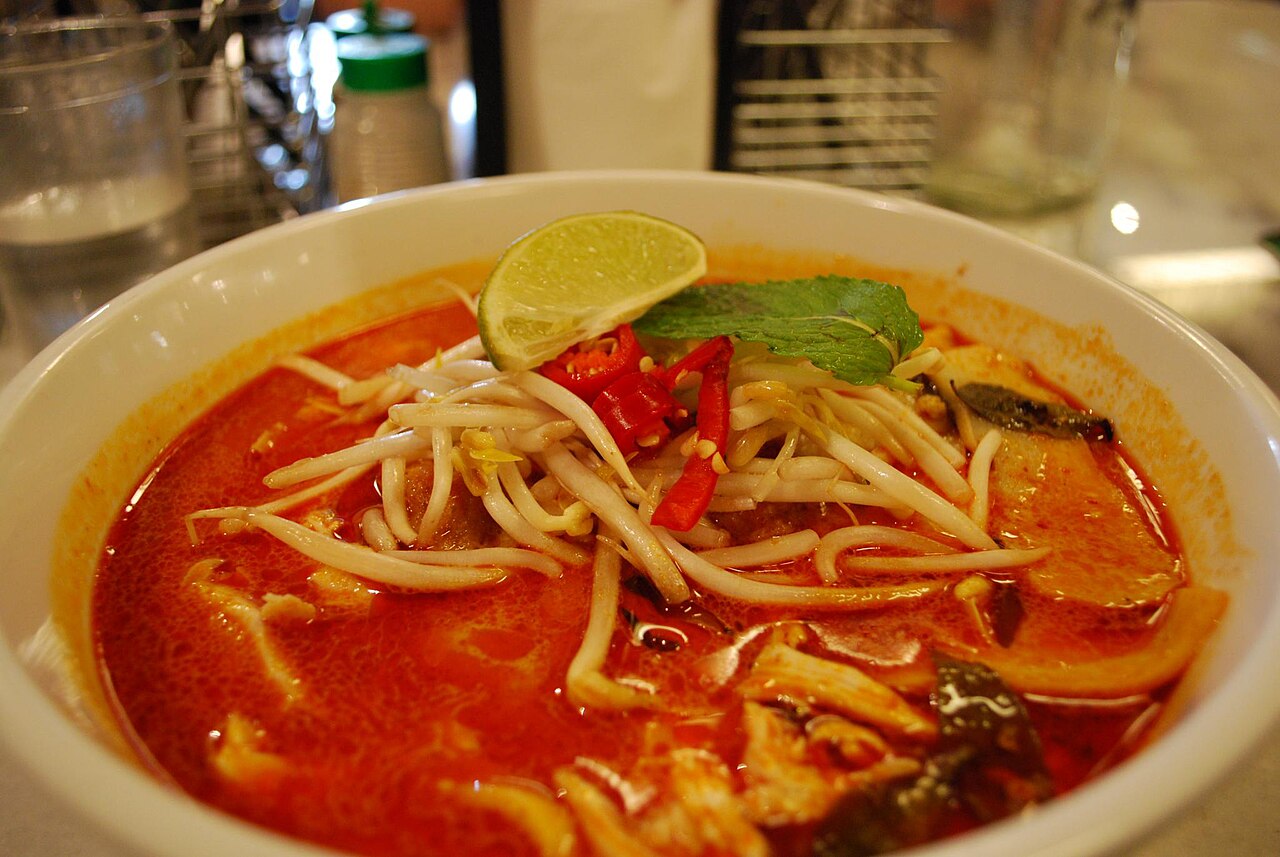
The 2026 Michelin Guide recognised 151 establishments across KL and Penang. Dewakan, led by Chef Darren Teoh, holds two Stars for its use of indigenous Malaysian ingredients and its reinterpretation of traditional flavours. New entries akar and Terra Dining joined the starred ranks in 2026. The 58 Bib Gourmand picks across both cities are the more practical reference for food tourists — Hing Kee Bak Kut Teh, Leen’s for Middle Eastern-inflected contemporary food, Aliyaa for Sri Lankan Jaffna crab curry and string hoppers.
Worth knowing: some of the city’s best food has no guide recognition at all. The Michelin list is a starting point, not the ceiling.
Drinks Worth Ordering in KL
Teh tarik — Strong black tea with condensed milk, poured back and forth between containers at arm’s length until it froths. RM2–3. Order it at any mamak, any hour.
Kopi — Traditional kopitiam coffee from beans roasted in butter and sugar. Kopi-o is black with sugar; kopi is with condensed milk; kopi-o kosong is black with no sugar. Pair with kaya toast and soft-boiled eggs for the proper KL breakfast ritual.
Fresh juices — Fresh coconut water straight from the shell, sugarcane juice with lime, air mata kucing (dried longan and winter melon, a traditional cooling drink), and an enormous range of tropical fruit juices at stalls throughout the city. Essential in KL’s heat.
Food Prices and What to Budget
Hawker meals average RM8–15. Mamak restaurants: roti canai at RM1.50–2.50, full meals RM7–12. A full day of KL eating — roti canai and teh tarik for breakfast at RM5, nasi lemak for lunch at RM8, afternoon tau foo fah at RM4, dinner at Jalan Alor with char kway teow and satay at RM25 — totals roughly RM42. About USD 9–10 for a day of eating seriously well.
Mid-range restaurants and food courts: RM25–60 per person. Michelin-starred and fine dining: RM150–500. The best food in KL is not in those upper ranges. Spend where the stalls are.
Getting Around for Food
KL’s MRT, LRT, and monorail cover the main food areas. Bukit Bintang station is a five-minute walk from Jalan Alor. KL Sentral is next to Brickfields. Masjid Jamek is the gateway to both Kampung Baru and Petaling Street. For Kepong and Cheras, Grab is the practical option — most rides RM10–20 from the city centre. Traffic is heavy during evening peak hours (5–8 PM), so either travel early or plan to eat where you are.
Timing Your Meals
Breakfast mamak and kopitiam stalls: 7–10 AM. Dim sum restaurants in Kepong and Cheras: open from 6 AM, best before 9 AM on weekends. Lunch hawker centres peak 11:30 AM–1:30 PM. Street food and night markets come alive after 5 PM, full swing 7–10 PM. Mamak restaurants all night — the go-to after midnight. Famous stalls sometimes close on specific days or sell out early; check before making a special trip.
Practical Tips
Carry cash in small ringgit denominations — most hawker stalls don’t take cards. ATMs are everywhere; money changers in Bukit Bintang offer good rates. An increasing number of food courts accept Touch ‘n Go and GrabPay e-wallets, but cash covers everything. Table sharing at busy hawker centres is normal — ask to join a partly occupied table and it’s fine. Eat with your right hand at Malay and Indian restaurants; chopsticks and a soup spoon at Chinese ones. The phrases halal tak? (is it halal?), vegetarian ada? (is there vegetarian?), and no pork no lard are all understood citywide.
For the full malaysian street food picture — how KL’s hawker culture compares to Penang, Ipoh, and Kuching — that guide covers the national scene across cities. And the malaysian food by region guide maps how the food shifts as you travel from the west coast to the east coast and into Sabah and Sarawak.
Halal and Dietary Considerations in KL
KL is a predominantly Muslim city and halal options are everywhere. Mamak restaurants are entirely halal. Malay hawker stalls in Kampung Baru, Chow Kit, and neighbourhood markets are halal. Nasi kandar restaurants operate halal kitchens around the clock. The halal certification sign is usually displayed prominently; if not, halal tak? gets a direct answer.
Vegetarian and vegan visitors have solid options at Indian restaurants for banana leaf rice and thosai, at Chinese vegetarian restaurants along Jalan Pudu and in Brickfields, and at yong tau foo stalls where you select your own items and can easily go meat-free. The Buddhist vegetarian restaurants in Petaling Street and around Jalan Imbi serve full meals with mock-meat dishes and fresh vegetables for RM8–15.
KL Food Festivals and Seasonal Events
Ramadan is one of the best times to visit KL for food. Bazaar Ramadan markets spring up across the city each afternoon, selling Malay dishes and special foods prepared only during the fasting month: bubur lambuk rice porridge, kuih in vast variety, ayam percik, ikan bakar, and dozens of dishes rarely seen outside this season. The biggest and most famous is at Kampung Baru, but every neighbourhood has its own bazaar. Markets run from around 3 PM and sell out fast — arrive by 4:30 PM for the best selection.
Chinese New Year transforms Petaling Street and the Chinese food neighbourhoods. Yee sang prosperity toss salad appears at Chinese restaurants throughout January and February. Nian gao sticky rice cakes are sold at hawker stalls and bakeries. The streets around Petaling fill with lanterns, stalls, and festive foods that are otherwise hard to find.
Deepavali brings similar energy to Brickfields, with Indian restaurants and sweet shops filling the streets with murukku, ladoo, and special festive menus. The Malaysia International Gastronomy Festival, when it runs, brings cooking demonstrations and chef collaborations to the city’s food calendar. Check the timing against your visit and plan accordingly.
A Sample Three-Day KL Eating Itinerary
Day 1 — Chinatown and Bukit Bintang: Start with kopi and kaya toast at a Petaling Street kopitiam by 8 AM. Walk to Madras Lane for curry laksa or yong tau foo mid-morning. Lunch: KL Hokkien mee at Kim Lian Kee. Afternoon: tau foo fah soybean pudding for RM2.20. Evening: Jalan Alor from 6 PM — grilled chicken wings, char kway teow, and a fresh fruit juice to finish.
Day 2 — Brickfields and Kampung Baru: Morning at Brickfields for banana leaf rice from 11 AM (it’s a late breakfast by Indian restaurant standards — they open at 10:30 AM and the lunch spread is fully laid by 11). Take the MRT back to town for a late afternoon Grab to Kampung Baru. Satay stalls from 6 PM; explore the evening market if it’s Saturday. Late supper at a mamak — roti canai and teh tarik.
Day 3 — Kepong and Cheras: Weekend morning dim sum in Kepong at 8 AM — Grab out, eat slowly, Grab back. Afternoon in Bangsar for coffee and a walk. Sri Nirwana Maju for banana leaf rice at lunch if you want a second round. Evening: bak kut teh at Hing Kee on Jalan Kepong, or a claypot chicken rice at Heun Kee in Pudu — both worth a Grab ride from the city centre.
Three days done right covers the essential stalls, the key neighbourhoods, and enough variety to understand how different the four culinary traditions feel in practice. After three days in KL you’ll have a working mental map of the city’s food geography — and probably a list of dishes you want to go back to eat again.
Food Safety and Hygiene
Street food in KL is generally safe. High-turnover stalls cook and sell continuously, so food doesn’t sit. The principle to apply: follow the queues. If a stall is busy, the food is fresh. Avoid pre-cooked dishes sitting at room temperature at slow-moving stalls. Ice at established hawker centres and mamak restaurants is commercially produced and safe. Bottled water is cheap and available everywhere; tap water in KL is technically drinkable but most locals use bottled or filtered.
Stomach issues from street food are not common for most visitors, but if you’re sensitive, ease in with cooked dishes rather than raw items, and build up over the first day or two before eating at volume. The chili heat in some dishes (especially chili pan mee, mee goreng mamak, and any dish with fresh bird’s eye chili) catches people off guard — ask the cook to hold or reduce the chili if you’re not sure of your tolerance.
Guided Food Tours in KL
If you want a structured orientation to the city’s food scene, guided tours are available and genuinely useful for first visits. A good tour covers three to four food districts over three to four hours, with a local guide providing context on each dish, the vendor’s history, and the neighbourhood’s food culture. Expect to pay RM150–300 per person with tastings included. Look for tours that focus on a specific district — Chinatown at night, Brickfields at lunch, Kampung Baru on a Saturday — rather than trying to cover the whole city in one session.
For the full picture of Malaysian regional food, including how KL’s food culture compares to what you’ll find in Penang, Ipoh, Malacca, and Kuching, the malaysian food by region guide maps the differences state by state. And for the complete list of must try malaysian food dishes across the country, that guide covers all fifty with ordering tips and prices.
KL Hawker Centre Etiquette and Ordering
First time at a KL hawker centre can feel chaotic. It isn’t — there is a system, you just need to know it. Find a table first. At a large open-air centre, claim your spot by placing a tissue packet, a bag, or anything personal on the chairs. This is the tissue-packet reservation system and it operates entirely on trust. Everyone respects it.
Then walk the stalls. Do a full circuit before ordering — see what is on offer, what looks freshest, where the queues are longest. Order from two or three different stalls, give each your table number, and wait. Drinks come from the kopitiam operator running the centre, not the food stalls. Food arrives stall by stall in whatever order it is ready. Pay each stall separately when the dish arrives.
At a mamak restaurant the process is simpler — it works like a regular restaurant, with a server taking your order at the table. At a proper sit-down banana leaf restaurant, the server brings the leaf and the rice; you point at the dishes you want or wait for the servers to bring the standard array of curries and tell them which meat or fish to add. The leaf is replenished until you fold it toward you to signal you are done.
Prices are rarely displayed at hawker stalls. For standard dishes this is fine — the ranges are well established and vendors do not overcharge locals or tourists. The one exception: if you are ordering fresh seafood by weight at a seafood restaurant rather than a hawker stall, ask for the price first. Crab and large prawns sold by the kilogram can add up fast.
Day Trips for Food from KL
KL works well as a base for food-focused day trips. Klang, about 40 minutes west by KTM commuter rail, is the historical home of bak kut teh — the original style, darker and more herbal than any version you will find in the city. Kajang, 30 minutes south by MRT, is Malaysia’s satay capital: the satay here is thicker, more intensely marinated, and served with a richer peanut sauce than the standard hawker version. Both are easy half-day trips that add genuine depth to a KL food itinerary.
Ipoh, 2 hours north by train or ETS express, rewards a full overnight. Bean sprout chicken, white coffee, silky hor fun noodles in clear chicken broth, salt-baked chicken, and dim sum at Foh San starting before 7 AM. Ipoh is one of those food cities that food-obsessed Malaysians bring up unprompted. Our malaysian street food guide covers Ipoh alongside the other major eating cities. If your trip allows the extra day, it earns it.
1 note