Ipoh Travel Guide: Malaysia’s Hidden Gem of Caves, Food & Heritage (2026)
Your complete ipoh travel guide for 2026. Explore ancient cave temples, taste legendary white coffee and bean sprout chicken, discover colonial heritage and vibrant street art in Malaysia's most underrated city.
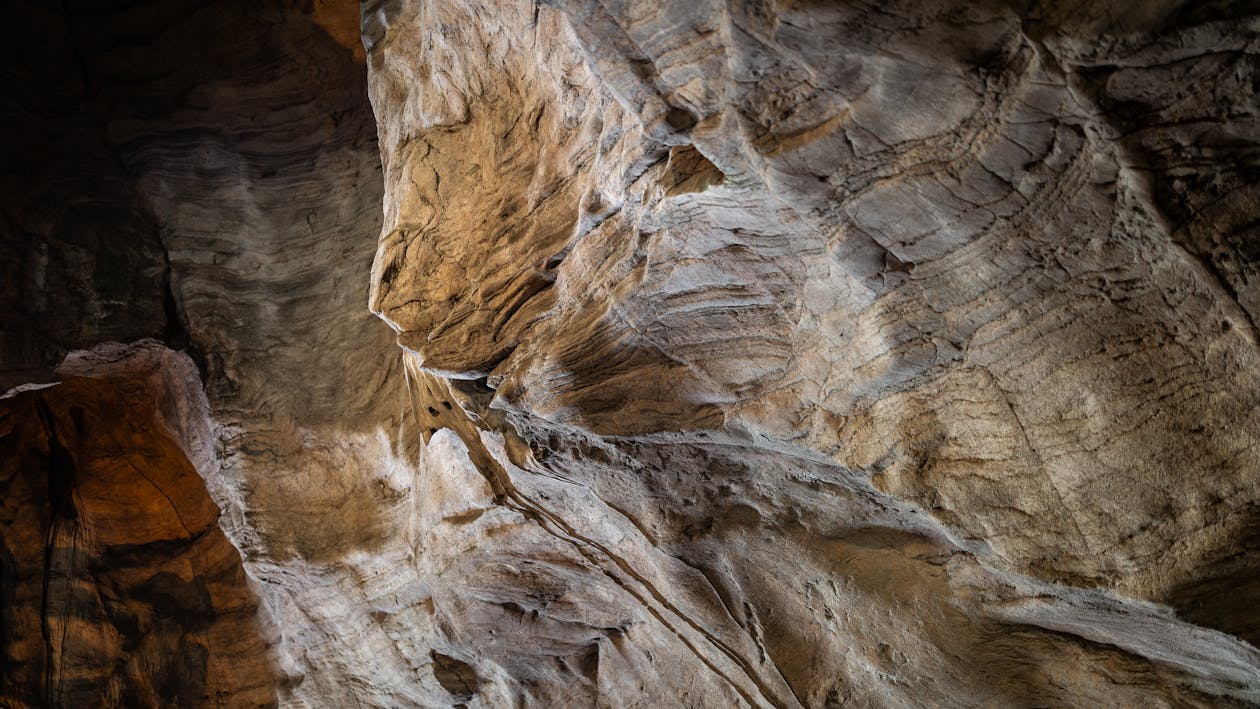
Ipoh runs on limestone. The karst mountains rising from the Kinta Valley floor shaped everything: the sacred Buddhist cave temples carved into the rock, the mineral-rich water credited with producing the crunchiest bean sprouts in Malaysia, the colonial-era tin mining wealth that financed the grand railway station and ornate shophouses, and the white coffee tradition that spread from this city to coffee menus across the country. The Perak capital sits two hours north of Kuala Lumpur by train, and for years people drove through it on the way to Cameron Highlands or Penang. That has changed. A street art revival, a wave of heritage boutique hotels, and growing recognition of the food scene have made Ipoh a destination worth stopping for — two to three days, minimum.
Ipoh Old Town: Heritage Architecture and Street Art
Ipoh’s tin mining boom ran from around 1880 to the 1930s, and the wealth generated during that period left an architectural legacy that rivals Penang and Melaka, though with far fewer crowds. The old town west of the Kinta River concentrates most of it in roughly one square kilometre. Ipoh is one of the quiet successes in our guide to the best places to visit in Malaysia.
Colonial Landmarks
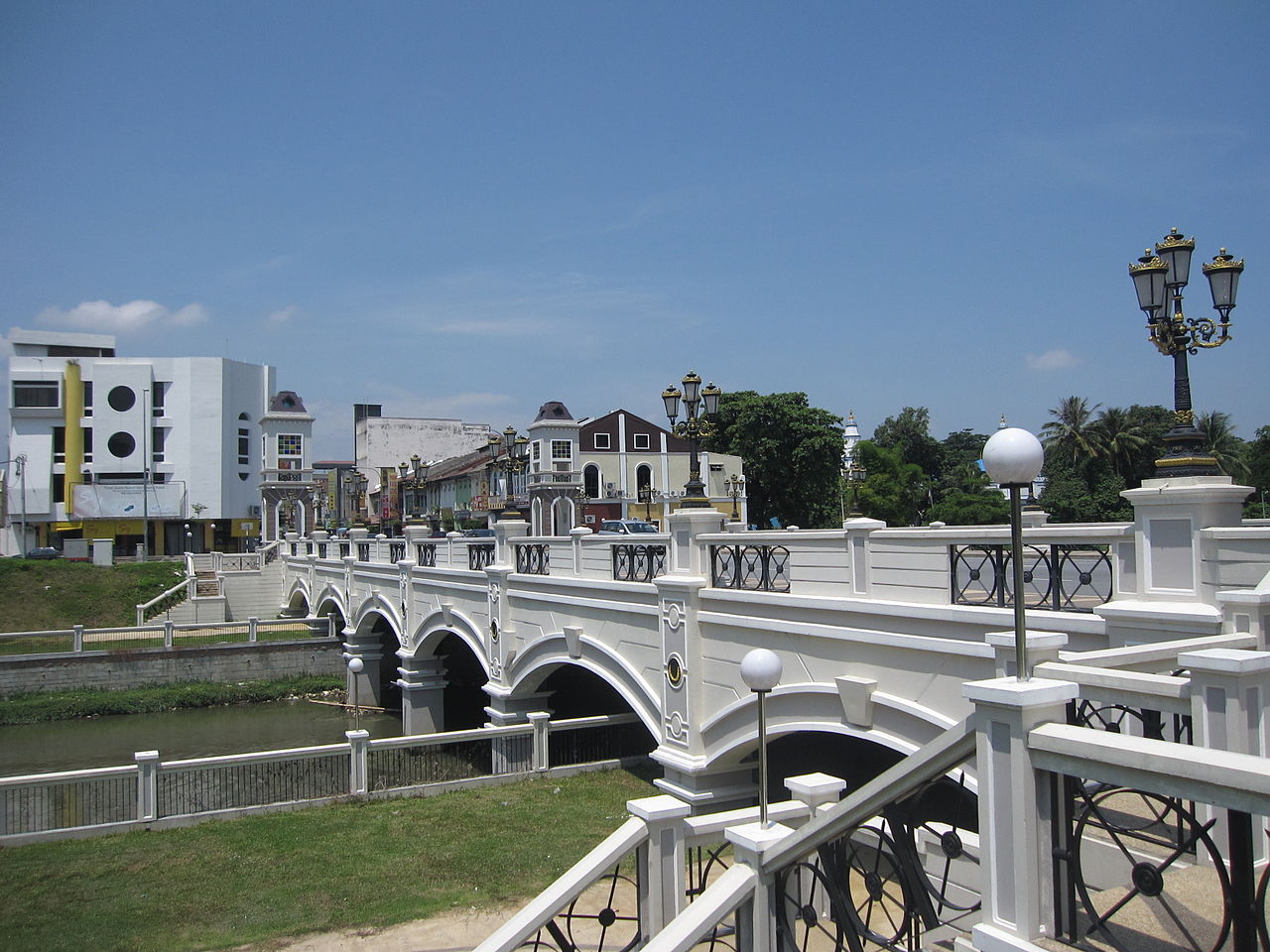
The Ipoh Railway Station is the centrepiece. Completed in 1917 and designed by Arthur Benison Hubback — the same architect responsible for KL’s famous Moorish-style station — the building is a neo-Moorish and Victorian fusion with gleaming white facade, grand arches, and elegant domes. Locals call it the Taj Mahal of Ipoh. Across the road, the Ipoh Town Hall and the neo-classical High Court (1928) form a civic ensemble that speaks to the city’s former importance as one of the wealthiest in British Malaya. The Birch Memorial Clock Tower (1909) marks the centre of the heritage district. The FMS Bar and Restaurant — once the social hub for colonial tin miners and administrators — has been preserved as a heritage building and is worth a stop for the atmosphere alone.
Concubine Lane and the Heritage District
Concubine Lane (Yee Lai Hong in Chinese) earned its name from the era when wealthy tin miners housed their mistresses in the shophouses along this narrow alley. Today it is lined with cafes, souvenir shops, craft vendors, and street food stalls. It gets lively in the late afternoon and evening. Second and Third Concubine Lane nearby are quieter, with additional cafes and craft shops that feel slightly less curated.
The entire historic district is walkable in an unhurried morning — every major landmark sits within a 15 to 20-minute radius. Self-guided walking takes you through colonial buildings, Chinese clan houses, Hindu temples, and the atmospheric pre-war shophouses of Jalan Bandar Timah and Jalan Sultan Idris Shah.
Street Art and Murals
Ipoh’s street art revival began when Lithuanian artist Ernest Zacharevic — the same artist behind Penang’s famous Georgetown murals — painted several large-scale works on old town walls. His pieces (Old Uncle With Coffee Cup, the Paper Plane mural) brought international attention. Since then, local and international artists have added dozens more throughout the city. Mural Art’s Lane in the new town across the Kinta River is a concentrated gallery of colourful works on Malaysian culture, traditions, and environmental themes — less visited than Concubine Lane and more interesting for it. Allow two to three hours to cover both old and new town street art properly.
Cave Temples: Ipoh’s Sacred Limestone Heritage
Ipoh has the largest concentration of cave temples in Malaysia — sacred spaces carved into and built within natural limestone formations, combining geological wonder with centuries of Buddhist and Taoist devotion.
Sam Poh Tong
Founded in 1890 by a monk from China who discovered the cave while walking the Kinta Valley, Sam Poh Tong has grown into the largest cave temple in Malaysia. The complex includes a main prayer hall within the cave, an ornate garden with lotus and tortoise ponds at the rear, and a steep 246-step climb to a cave opening with panoramic views over Ipoh and the limestone hills. Inside: Buddhist statues, shrines, a reclining Buddha, and the otherworldly atmosphere of stalactites and stalagmites. About 5 kilometres south of the city centre. Free admission, daily opening. Best in the morning when cave temperatures are most comfortable.
Kek Lok Tong
Set within 14 acres of landscaped gardens surrounded by towering limestone peaks, Kek Lok Tong (Cave of Ultimate Bliss) is notable for what lies behind the cave: a Zen garden that opens onto a hidden valley with manicured lawns, reflexology paths, and views of the surrounding karst mountains. The contrast between the dark, sacred cave interior and the sunlit garden on the other side is the reason many visitors rate this above Sam Poh Tong. Free admission. About 7 kilometres south of the city centre.
Perak Tong
Founded in 1926, Perak Tong houses over 40 Buddha statues and wall paintings considered among the finest Chinese cave art in Southeast Asia. A climb of 450 steps leads to a viewpoint over the Kinta Valley. The Chinese-style temple building at the entrance is the most architecturally striking of Ipoh’s cave temple frontages. About 6 kilometres north of the city centre. Free admission.
What to Eat in Ipoh
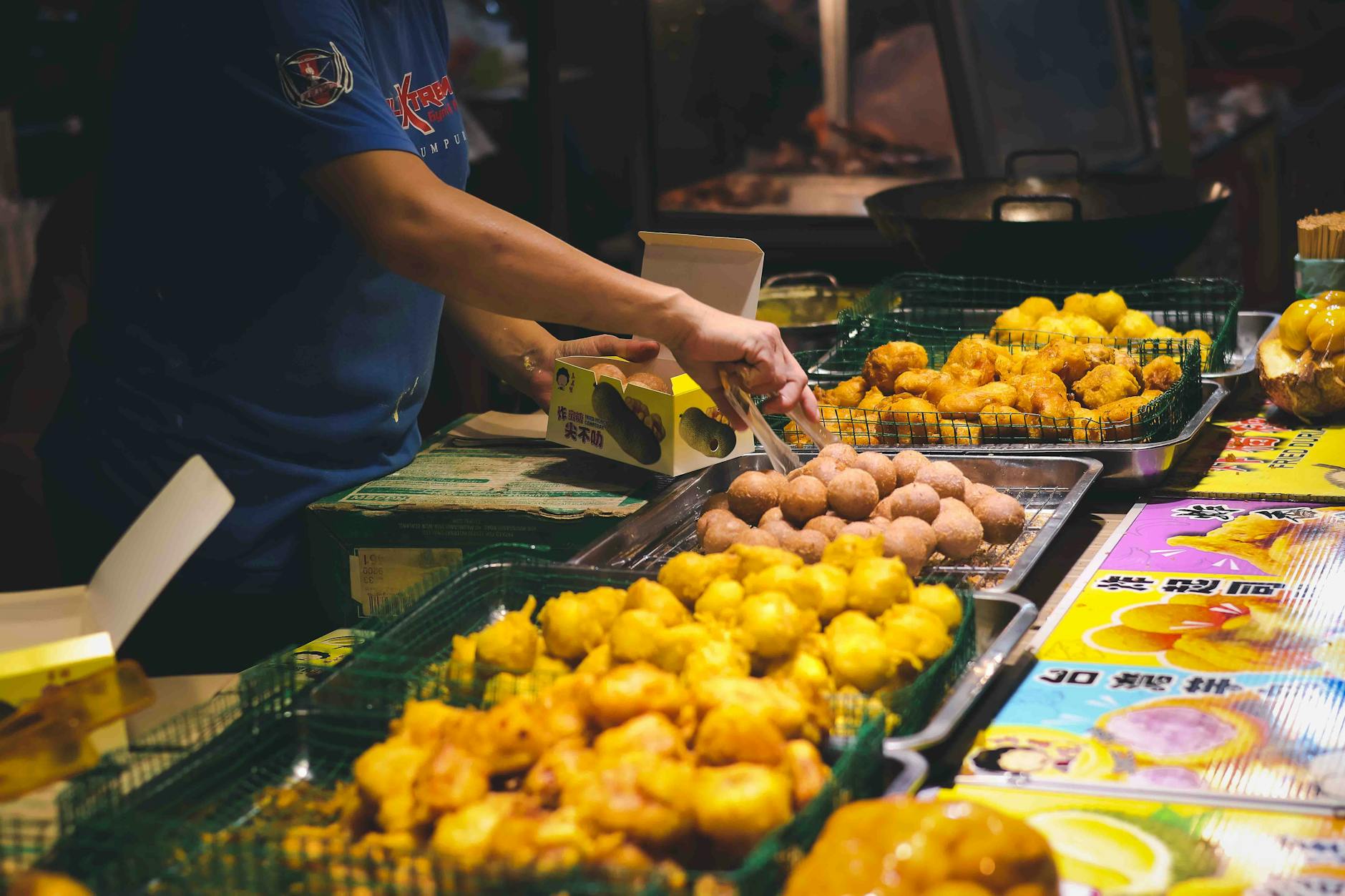
Ipoh’s food scene is legendary in Malaysia. The culinary reputation is built on ingredient quality — particularly the mineral-rich limestone water credited for everything from the crunch of the bean sprouts to the smoothness of the rice noodles. People plan entire trips around eating here, and the food alone justifies the journey.
Bean Sprout Chicken (Nga Choy Kai)
The signature Ipoh dish is actually three dishes together: poached chicken with silky skin, fat and crunchy bean sprouts blanched in mineral water, and flat rice noodles in a savory chicken broth. The Kinta Valley bean sprouts are renowned across Malaysia for their exceptional crunch and sweetness — the limestone water does make a difference you can taste. Lou Wong Bean Sprout Chicken on Jalan Yau Tet Shin is the most famous and draws long queues at dinner. Cowan Street Ayam Tauge and Koitiau is the local alternative; the broth here is particularly aromatic. Try both and pick your side.
Ipoh Hor Fun and White Coffee
Ipoh hor fun — silky flat rice noodles in a clear chicken and prawn broth — is noticeably smoother than hor fun served anywhere else in the country. Thean Chun coffee shop on Jalan Bandar Timah serves one of the best versions. White coffee is Ipoh’s most famous export: coffee beans roasted with margarine then brewed with sweetened condensed milk, rich and slightly caramelised. Nam Heong on Jalan Bandar Timah is widely regarded as the originator; Sin Yoon Loong across the street is its fiercest rival. Both are old-school kopitiam with marble-top tables and decades of institutional muscle memory. Start your morning here.
More Dishes Worth Ordering
Ipoh Curry Mee — rich coconut curry soup with chicken, tofu puffs, bean sprouts, and cockles, with fiery sambal on the side. Hakka Mee — springy egg noodles in dark soy with minced pork, a specialty of the Hakka Chinese community. Salted Chicken — baked in a crust of coarse salt, producing extraordinarily tender and fragrant meat. Tau Fu Fah — silky soy milk custard served warm with ginger sugar syrup, the right end to any Ipoh meal. Chee Cheong Fun — steamed rice noodle rolls with various sauces at any morning market stall.
Kellie’s Castle
Thirty to forty minutes south of Ipoh in Batu Gajah, Kellie’s Castle is one of the most atmospheric historical attractions in Perak. Built from 1915 by William Kellie-Smith — a Scottish planter and tin mining magnate who arrived in Malaya at 20 and made his fortune in the Kinta Valley — the mansion was intended to be a grand residence featuring Malaysia’s first elevator, a six-storey tower, secret tunnels, and a tennis court. Construction was interrupted by the First World War, then decimated when many Indian workers died in the 1918 Spanish Flu pandemic. Kellie-Smith himself died of pneumonia in Lisbon in 1926, returning from a trip to Britain. His wife returned to Scotland and the castle was never finished.
Today the unfinished walls and empty window frames create a haunting atmosphere surrounded by jungle — part colonial ruin, part ghost story. Entry RM5 for adults. Open daily. Worth combining with the nearby Gaharu Tea Valley.
Lost World of Tambun
The Sunway Lost World of Tambun is a theme park and hot springs resort built against 400-million-year-old limestone hills on the outskirts of Ipoh. The hot springs are the differentiator: natural geothermal pools open nightly from 6 PM to 11 PM under floodlit limestone cliffs — one of the more memorable evening experiences in Malaysia. The daytime theme park covers 88 attractions across 10 zones including water rides, a wave pool, an adventure park, and a petting zoo. Tickets around RM117 for adults at the gate; significant discounts available via Klook when pre-booked. The park is about 15 minutes’ drive from the city centre.
Day Trips from Ipoh
Gua Tempurung (25 km south): One of the largest cave systems in Peninsular Malaysia, stretching 1.5 kilometres through a limestone hill with five massive chambers and an underground river. Tour options range from a 40-minute dry walkway (all ages, from RM15) to a 3 to 4-hour wet adventure involving underground river wading and crawling through narrow passages.
Gopeng white water rafting (30 minutes south): Grade I to III rapids on the Kampar River through rainforest, suitable for beginners and families. Combine with Gua Tempurung for a full activity day.
Cameron Highlands (90 minutes): The highland cool air, BOH tea plantations, and strawberry farms of Cameron Highlands sit within easy reach. Many visitors pair two days in Ipoh with two days in the highlands — the Cameron Highlands guide covers the full itinerary. The Langkawi travel guide is the logical next read if you are heading further north after Ipoh.
Getting to Ipoh
By train (recommended): The ETS (Electric Train Service) from KL Sentral to Ipoh Railway Station takes 2 hours 15 minutes to 2 hours 30 minutes. Tickets run RM35 to RM70 depending on class. Arriving at Ipoh’s magnificent colonial station is a memorable experience in itself. Book through the KTMB website; trains fill up on weekends and public holidays.
By bus: Express buses from KL take 3 to 3.5 hours and cost RM25 to RM35. Buses arrive at Terminal Meru Raya or Amanjaya Bus Terminal on the city outskirts; Grab to the centre costs RM10 to RM15.
By car: About 200 kilometres north of KL via the North-South Expressway — 2 to 2.5 hours, roughly RM45 in tolls each way. A car is useful for reaching cave temples, Kellie’s Castle, and Gua Tempurung independently.
Getting Around Ipoh
The old town and new town are compact and walkable for heritage and food. Grab handles everything beyond the centre (RM5 to RM15 for most trips). Car rental suits visitors planning to cover cave temples and day trips independently. Trishaws are available in the old town as a slow and charming way to see the heritage district.
Where to Stay
Budget (under RM100/night): Container Hotel on Jalan Bijeh Timah is quirky, clean, and well-located in the heart of the old town. Le Hotel Kinta and several hostels along Jalan Sultan Idris Shah cover the budget end competently.
Mid-range (RM100-RM300/night): Sekeping Kong Heng is the most photographed — a converted shophouse with industrial-chic exposed concrete, open-air showers, and a raw aesthetic that perfectly complements the old town. M Boutique Hotel occupies a heritage colonial building with period styling and modern comforts. Travelodge Ipoh is reliable for modern rooms near the heritage district.
Luxury (RM300+/night): AC Hotel by Marriott Ipoh is the newest upscale option with international brand-standard rooms. Weil Hotel is the established five-star property with city views and comprehensive amenities. The Happy 8 Retreat is art-themed with individually decorated rooms — a destination in itself.
The old town is the best base: walkable to the heritage trail, Concubine Lane, the morning kopitiam circuit, and the evening food stalls.
Practical Tips
Best time: Year-round destination. December to March is the most comfortable (23 to 30°C, lower humidity). August to November sees afternoon thunderstorms, but mornings are typically clear.
How many days: Two days covers old town heritage, major cave temples, and the essential food experiences. A third day adds Gua Tempurung, Kellie’s Castle, or the Lost World of Tambun.
Budget: Ipoh is one of the most affordable destinations in Malaysia. Budget travellers manage RM80 to RM150 per day. The best food in the city — at kopitiam and hawker stalls — rarely exceeds RM15 per meal. Mid-range is RM200 to RM350 per day including boutique accommodation and attraction fees.
Cave temple etiquette: Dress modestly with covered shoulders and knees. Remove shoes before entering prayer halls. Photography is generally permitted but respect active worshippers and observe any signage restricting cameras.
Currency: Malaysian Ringgit throughout. Cash is essential for hawker stalls, kopitiam, cave temple donations, and trishaws. ATMs are widely available in the city centre.
Ipoh’s Food Scene in Depth
What makes Ipoh’s food exceptional is the layering of immigrant culinary traditions from a specific historical moment. The late 19th and early 20th century tin mining boom drew Cantonese, Hakka, Hokkien, and Hainanese communities from southern China, each with distinct cooking styles that evolved in the Kinta Valley for over a century. The result is a Chinese-Malaysian food culture with a regional character you cannot replicate anywhere else.
The morning kopitiam circuit is the essential Ipoh experience. Start at Nam Heong or Sin Yoon Loong before 9 AM for white coffee and roti bakar with kaya and butter. Join whichever table is packed with locals. By mid-morning, move to hor fun or bean sprout chicken at one of the old town stalwarts. Lunch is curry mee or Hakka mee. Afternoon: tau fu fah from a pushcart vendor. Evening: the Lou Wong queue for bean sprout chicken, or the night markets around Ipoh Garden. Ipoh’s Indian food is also underrated — banana leaf rice at lunch, roti canai at mamak stalls throughout the day. The food scene is genuinely multicultural, not only the Chinese heritage that gets most of the press.
The Tin Mining Legacy
The Kinta Valley was one of the world’s richest tin-producing regions from the 1880s onwards — at its peak, producing more than half the global supply. That wealth attracted Chinese labour migrants who built the merchant class, temples, clan houses, and kopitiam culture that define Ipoh today. The tin industry collapsed in the 1980s when global prices crashed; Ipoh lost population and investment for two decades, which preserved the old town intact — no economic impetus to demolish and rebuild. The limestone karst formations were never mined (the ore was in the alluvial valley deposits, not the rock itself), which is why the dramatic hills survive and why the cave temples exist.
Photography in Ipoh
The old town at golden hour — warm light on the cream and terracotta facades of Jalan Bandar Timah — is the signature shot. The railway station is best in early morning before crowds arrive. Cave temple interiors work best in the hour after opening when filtered light enters the caverns. For street art, overcast light brings out mural colours without harsh contrast. Mural Art’s Lane on a weekday mid-morning is nearly empty. Concubine Lane murals draw crowds; arrive before 9 AM for clean compositions. Kek Lok Tong’s hidden valley garden photographs best from the far end looking back toward the limestone peaks in late afternoon light.
Combining Ipoh with the Rest of Malaysia
Ipoh sits at the midpoint of Malaysia’s west coast — 2 hours north of KL by train, 2 hours south of Penang by road. Two nights in Ipoh between the capital and Penang adds almost nothing to travel time and substantially to the quality of the trip. For a full west-coast route, the sequence KL then Ipoh then Cameron Highlands then Penang then Langkawi flows without backtracking. The Kuala Lumpur travel guide covers the capital before the train north. The Cameron Highlands guide covers the highland detour from Ipoh. The Penang travel guide covers Georgetown’s food and UNESCO heritage. The Langkawi travel guide covers the duty-free island at the northern end of the route. Heading south instead, the Melaka travel guide covers the UNESCO port city two hours below KL.
Ipoh for Families
Ipoh handles families better than most Malaysian cities of its size. The cave temples are immediately impressive to children without requiring much explanation — the scale of Sam Poh Tong’s main cavern, the surprise of Kek Lok Tong’s garden behind the dark cave, and the 450-step climb at Perak Tong provide genuine physical engagement rather than passive museum-style observation. The Lost World of Tambun is purpose-built for family days: water rides, a petting zoo, and the night hot springs for the adults while children exhaust themselves on the wave pool.
Ipoh Old Town works well with children because the scale is human and the streets are low-traffic enough to walk comfortably. Concubine Lane’s food stalls provide constant snacking opportunities. The trishaw rides in the heritage district are slow and pleasant for young children. Gua Tempurung’s entry-level dry tour takes 40 minutes on a walkway with lighting throughout — straightforward for most ages, and the cave formations are spectacular enough to hold attention without needing the longer wet tours.
What to Buy in Ipoh
Ipoh white coffee in its packaged form — from the White Cafe, Power Root, or Oldtown White Coffee brands — is the obvious purchase and available everywhere, but the coffee you buy at Nam Heong or Sin Yoon Loong to brew at home (they sell ground coffee by weight) is considerably better than the commercial brands. Local bean sprouts cannot travel, but the sambal and chili condiments served alongside the chicken dishes are available in bottled form at the old town provision shops.
Perak-made pottery and ceramics — particularly from the kilns around Sayong, about 30 kilometres north of Ipoh — are well regarded across Malaysia. Labu sayong pottery (black clay water jars with a distinctive gourd shape) makes a distinctive and genuinely local souvenir. The old town antique shops along Jalan Bandar Timah carry colonial-era tin mining artifacts, vintage Chinese ceramics, old photographs, and Peranakan items at prices that reflect genuine provenance rather than tourist markup. Allow time to browse.
Concubine Lane’s souvenir stalls sell the full range of Malaysia travel trinkets at standard tourist prices. More interesting are the craft shops on the lanes off the main strip selling locally made jewellery, leather goods, and Ipoh-specific illustration prints. The Old Town Coffee heritage brand has a shop that sells Ipoh-branded merchandise including mugs, tote bags, and coffee sets that are more considered than the typical souvenir shop fare.
1 note