Penang Travel Guide: Georgetown, Street Art, Beaches and Beyond (2026)
Your complete guide to Penang covering UNESCO-listed Georgetown, world-famous street art, the best hawker food in Asia, beaches, Penang Hill, Kek Lok Si Temple, hidden gems, nightlife, and practical tips for visiting on any budget.
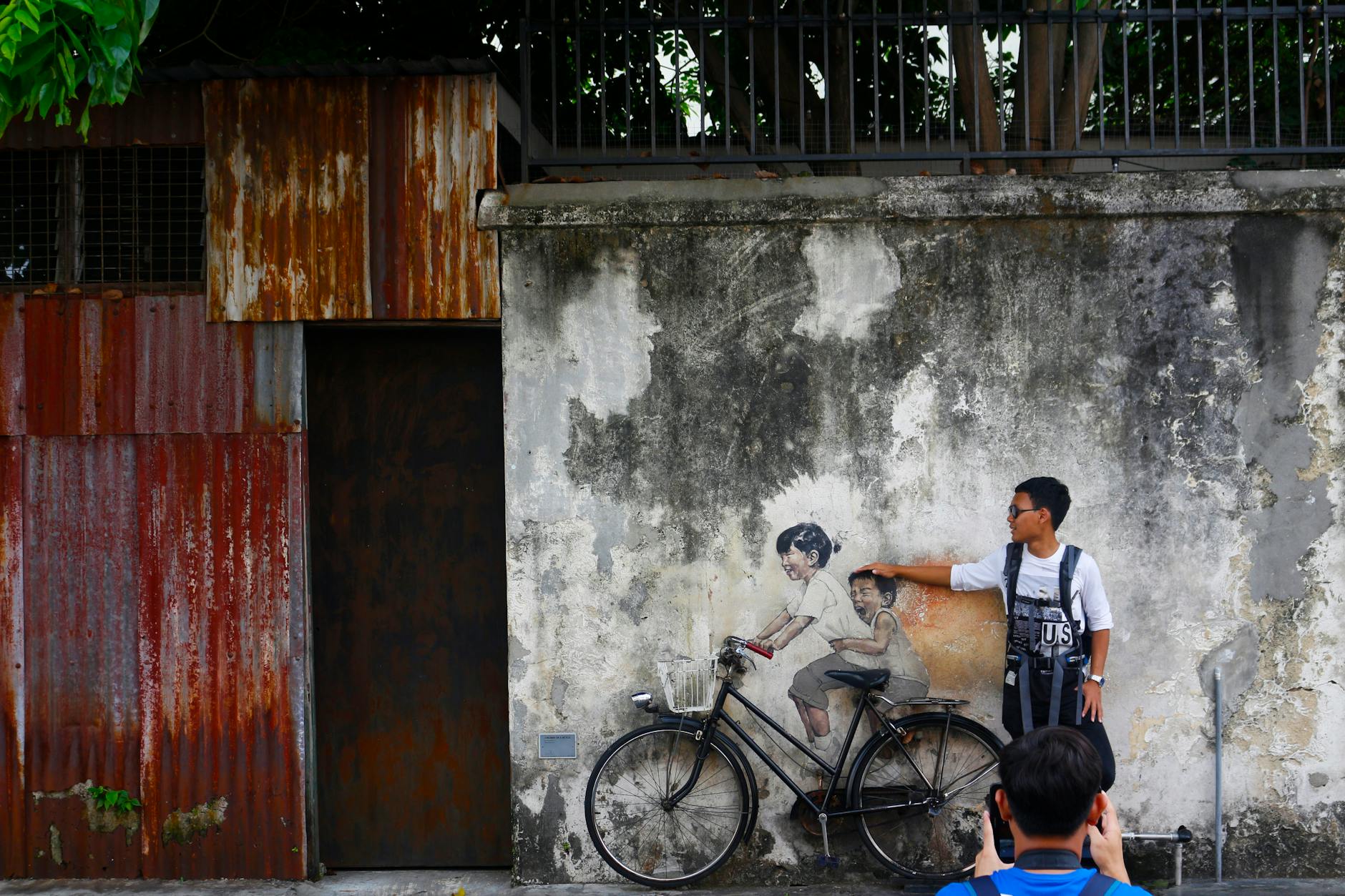
Ask any Malaysian where the food is best and most will pause, sigh, and reluctantly say Penang. That alone is worth the trip. But the island delivers more than char kway teow: a UNESCO-listed heritage core with 260 hectares of pre-war architecture, street art that turned an entire city into a walking gallery, hill station trails through 130-million-year-old rainforest, and beaches quiet enough to let you forget the camera. All of it fits into 293 square kilometres.
This guide covers Georgetown’s heritage streets, the food scene, Penang Hill, Kek Lok Si, the beaches, neighbourhoods worth exploring, nightlife, and every practical detail you need. Whether you are in for two days or two weeks, Penang gives you more than you can finish. Penang sits second in our ranking of the best places to visit in Malaysia, behind only the capital.

Georgetown: The Heart of Penang
UNESCO World Heritage Site
Georgetown earned its UNESCO inscription in 2008 for a townscape the committee described as “unique and without parallel anywhere in East and Southeast Asia.” The heritage zone covers nearly 260 hectares and holds one of the largest concentrations of pre-war buildings in the region. Walk any block and you move through layers: British colonial government buildings, Chinese shophouses, Indian temples, Malay mosques, and ornate clan houses within a few hundred metres of each other.
The zone is compact and best done on foot. Start at the Clan Jetties — a cluster of waterfront stilt villages built by Chinese immigrant clans in the 19th century. The Chew Jetty is the largest and most visited; the smaller Lee and Tan jetties are equally atmospheric and far less crowded. These are still working communities with families living in the timber houses. Walk respectfully and you are welcome.
Khoo Kongsi
The Khoo Kongsi is among the most magnificent clan houses in Southeast Asia. Built in the 19th century by the wealthy Khoo clan, it has intricate carvings, gilded pillars, colorful murals, and ceramic roof decorations that rival temple craftsmanship anywhere in China. The main hall was rebuilt after a fire in 1894 and took decades to complete. The small museum inside fills in the broader story of Chinese clan culture and Penang’s secret society history. Give it at least an hour — the detail rewards attention.
Cheong Fatt Tze Mansion (The Blue Mansion)
The indigo-blue mansion is one of Georgetown’s most photographed buildings for good reason. Built by Cheong Fatt Tze — known as the Rockefeller of the East — it combines 19th-century Chinese design with Art Nouveau stained glass, Scottish ironwork, and English floor tiles. It fell into serious neglect before a thorough restoration in the 1990s. Now it operates as a boutique hotel, with guided tours running several times daily. Movie buffs may recognise it: it was a filming location for Crazy Rich Asians.
Pinang Peranakan Mansion
The Peranakan — Straits-born Chinese who blended Chinese and Malay traditions — created a culture that is entirely their own. This museum holds over 1,000 antiques: jewellery, furniture, ceramics, embroidered textiles. The restored building itself, with its ornate tiles and carved woodwork, is as much the exhibit as the collection inside.
Street Art in Georgetown
In 2012, Lithuanian artist Ernest Zacharevic was commissioned for the George Town Festival and painted a series of murals on ordinary walls across the heritage zone. “Boy on a Bike,” “Little Children on a Bicycle,” “Reaching Up” — the pieces interacted with the environment around them, using real objects alongside the paint. The photographs spread globally within weeks. Georgetown became one of the world’s most photographed street art destinations almost overnight.
Since then the scene has expanded steadily. Russian artist Julia Volchkova added pieces including “Indonesian Boy” and “Indian Boatman.” Local artist Tang Mun Kian placed a series of wrought-iron caricature installations across the heritage zone — clever, witty pieces depicting scenes from local life with descriptive captions. Together the murals and iron works form an unofficial walking trail through Georgetown’s best back streets.
Go early — before 9 AM or after 4 PM. The light is better and the streets are less crowded. Most hotels and the tourism office have free street art maps. Block out two to three hours minimum, bring water, and wear shoes you can walk in for a while.
Penang’s Best Food Experiences
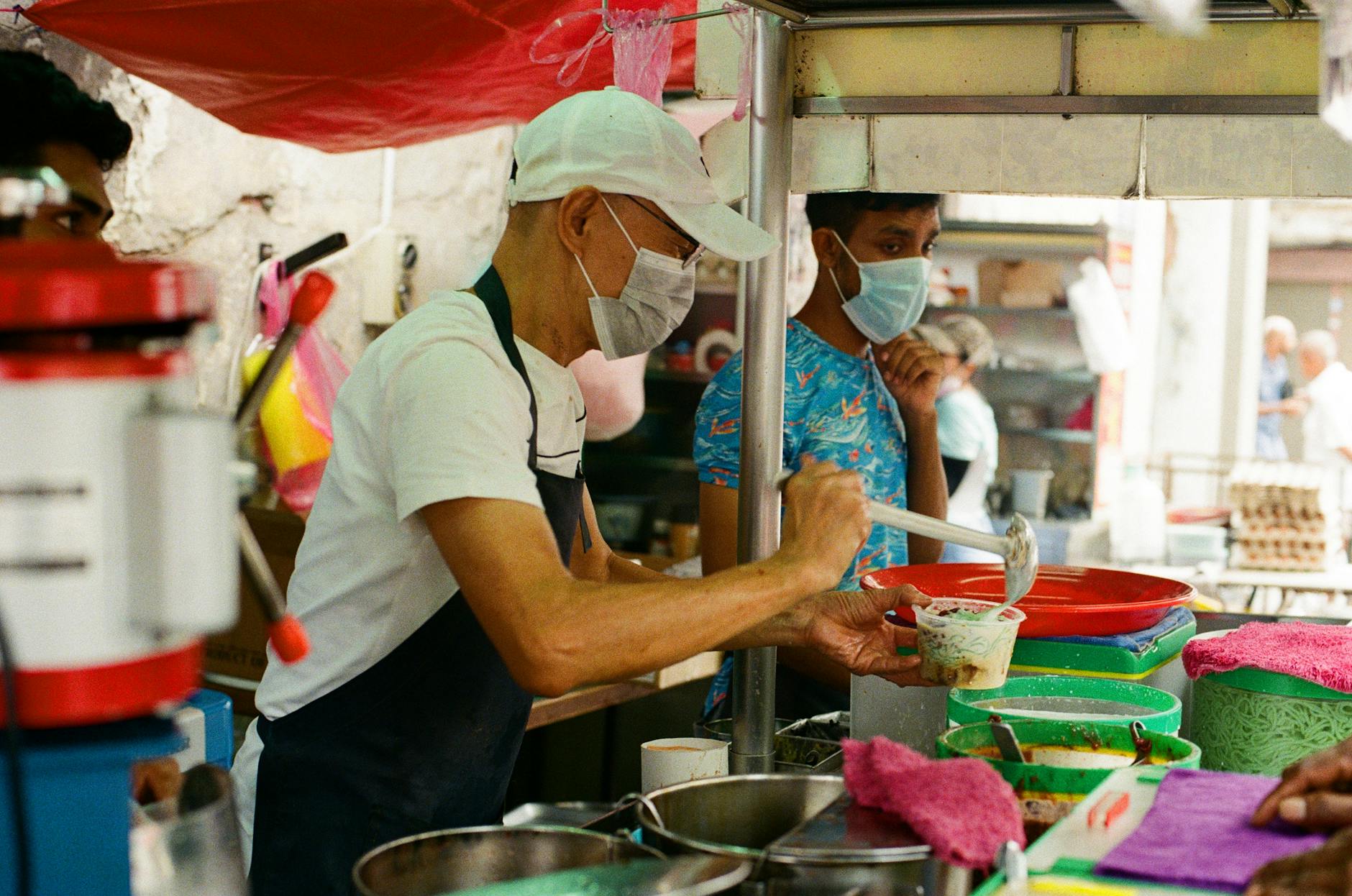
Char Kway Teow
Flat rice noodles, pork fat, light and dark soy, chili paste, shrimp paste, prawns, blood cockles, bean sprouts, Chinese chives, egg — stir-fried at the highest heat the wok can take. The dish lives or dies on wok hei, the smoky breath that only comes from genuine high-temperature cooking. Every hawker has their variation and locals argue endlessly about who does it best. A single cook working a single wok, with a queue stretching back from the stall: that is the sign you want.
Asam Laksa
Some locals would put asam laksa above even char kway teow as the dish that defines Penang. The broth is built from mackerel, lemongrass, galangal, chili, and tamarind — tangy and sharp in a way no other Malaysian laksa is. Fresh mint, pineapple, onion, torch ginger flower, and a spoonful of sweet shrimp paste bring the acidity into balance. The Penang Road Famous Teochew Chendul stall has been serving since 1936, but some of the best bowls are at neighbourhood hawker centres well off the tourist path.
Hokkien Mee (Prawn Noodles)
In Penang, Hokkien mee is a soup — not the stir-fried version you find in KL. The broth simmers prawn heads and shells for hours until it turns a deep orange and develops an intense sweetness. Thick yellow noodles and thin rice vermicelli go in, topped with prawns, kangkung (water spinach), hard-boiled egg, and crispy fried shallots. A strong bowl is deeply savoury and warming in a way that is hard to explain until you have had one.
Where to Eat: Hawker Centres
Gurney Drive Hawker Centre is the most famous on the island — around 100 stalls serving every major Penang dish in one location. Busy and touristy, yes. But the quality holds, and it is the most efficient way to cover a lot of ground in one evening.
Kimberley Street in Georgetown is where locals point you for what they call “The Four Heavenly Kings” — a cluster of vendors with some of the most celebrated food on the island. The char kway teow stall here is legendary.
New Lane (Lorong Baru) comes alive at night with curry mee, char kway kak (fried rice cake), satay, and more. Slightly less touristy than Gurney Drive, and popular with people who live here.
Chulia Street Night Market has decades-old stalls and vendors who have been refining their recipes most of their lives. The Mother and Son Wanton Mee stall has been operating for nearly 50 years.
Other Must-Try Dishes
Oh chien (oyster omelette) uses rice flour batter for a crispier texture than other Southeast Asian versions. Nasi kandar — Penang’s Indian-Muslim rice dish served with an array of curries — traces its name to the kandar, the shoulder pole early vendors carried through the streets. Chendul: green pandan jelly noodles, red kidney beans, coconut milk, and palm sugar syrup over shaved ice. Order one mid-afternoon and you will understand why Penang takes its food seriously at every hour of the day. Rojak, a fruit and vegetable salad in thick dark shrimp paste sauce, is entirely its own thing. For a deeper look at Penang’s food culture and the best stalls for each dish, the Penang food guide covers the full picture.
Penang Hill
Penang Hill sits 833 metres above sea level. On a clear day from the top, you see Georgetown below, the Penang Bridge arcing across the strait, and the mountains of mainland Kedah beyond. The British colonial administration built the hill station as a retreat, and several of the old colonial bungalows still stand at the summit — the combination of old-world atmosphere and sweeping views makes the journey worthwhile.
The Penang Hill Railway has run since 1923 and was modernised in 2011. The funicular takes five to ten minutes and passes through the world’s steepest tunnel section. Book tickets in advance or arrive early — on weekends and public holidays, wait times can exceed an hour. The express ticket costs more but skips the queue.
At the top, The Habitat Penang Hill has a canopy walk, the Curtis Crest treetop walk (the highest public access point on the hill), and guided nature tours through the ancient rainforest. The Edgecliff Gallery covers the hill’s history, biodiversity, and the funicular story. A cable car connecting the peak with the Penang Botanic Gardens is expected to open by 2026, adding another access route.
Kek Lok Si Temple
The largest Buddhist temple in Malaysia and one of the most important pilgrimage sites in Southeast Asia. Built from 1890 to 1930 at Air Itam, the complex climbs a hillside in terraces, prayer halls, gardens, and pagodas. The centrepiece is the seven-storey Pagoda of Ten Thousand Buddhas, housing more than 10,000 alabaster and bronze Buddha statues and blending Chinese, Thai, and Burmese architectural styles across its levels. Above the complex stands a 36.5-metre bronze statue of Guanyin under an octagonal pavilion.
Entry is free; small fees apply for the pagoda climb and the inclined lift to the Guanyin statue. During Chinese New Year, tens of thousands of lanterns cover the complex — one of the most spectacular festival displays in Malaysia, running for about a month and drawing visitors from across the region.
Beaches in Penang
Batu Ferringhi
The main beach area in Penang, about 30 minutes from Georgetown on the north shore of the island. Long stretch of sand, jungle-clad hills as a backdrop, large resort hotels along the front. Parasailing, jet-skiing, and water sports are available. One thing to know: jellyfish are common in the waters around Penang, including here — kayaking is a safer way to get on the water. The Batu Ferringhi Night Market runs nightly along the main road and is worth an evening even if you are not staying in the area.
Monkey Beach
Inside Penang National Park near Teluk Bahang, Monkey Beach is accessible only by boat or by hiking through jungle — which keeps it undeveloped and quiet. Boat transfers from the national park entrance cost around RM100 return (RM70 one way). The jungle hike takes one to two hours each way. There is a relaxed backpacker vibe at the beach with basic food and drinks available. Good if you want to combine a proper jungle walk with a beach afternoon.
Penang National Park
Beyond Monkey Beach, the park has Turtle Beach (Pantai Kerachut), a nesting site for olive ridley and green turtles, and a meromictic lake — one of only a handful in the world where freshwater and saltwater coexist in the same body without mixing. Entry is free; register at the office. Trails are well-marked but basic: bring water, insect repellent, and shoes that can handle roots and mud.
Neighbourhoods Worth Exploring
Little India
Along Lebuh Pasar, Lebuh King, and Queen Street: sari shops, flower garland sellers, spice merchants, the smell of incense. The Sri Mahamariamman Temple, the oldest Hindu temple in Penang (dating to 1833), has an ornate gopuram decorated with hundreds of colourful deities. During Deepavali the streets fill with lights and flowers — one of the more atmospheric festival experiences Georgetown offers.
Armenian Street (Lebuh Armenian)
The cultural centre of Georgetown’s street art scene and one of the most visited streets in the heritage zone. Beyond the murals: independent galleries, boutique shops, small cafes. The Hin Bus Depot Art Centre, a former bus depot turned arts and culture space, runs exhibitions and events and has a weekend market. Early morning is significantly more enjoyable than midday here — the light is better and you can actually stop and look.
Gurney Drive
Penang’s modern waterfront strip — shopping malls, condominiums, the famous hawker centre. Gurney Plaza and Gurney Paragon are the main mall destinations. More upscale and modern than the heritage zone, and a different read on how Penang lives. The promenade itself is popular with locals for early morning and evening walks.
Hidden Gems Most Tourists Miss
Air Itam Dam
Above Kek Lok Si Temple, most visitors drive past Air Itam Dam without stopping. A peaceful reservoir surrounded by lush rainforest, with an easy 2.8-kilometre paved loop around the water. Views of the reservoir and hills, popular with locals for morning exercise, rarely seen by tourists. Worth the 20-minute detour if you are already heading up to Kek Lok Si or Penang Hill.
Batu Ferringhi Iron Waterfall
A 15-minute walk from the main Batu Ferringhi road through jungle, the waterfall takes its name from the rust-red rocks and slightly metallic taste of the water. Short hike, quiet swimming spot, almost no tourists. A good reason to come to Batu Ferringhi even if the beach does not particularly excite you.
Air Hitam Dalam Educational Forest
One of the few remaining freshwater mangrove habitats in the country, with two observation towers connected by a 210-metre suspension bridge. The wildlife is diverse and the experience is genuinely wild for something so close to Georgetown. Rarely crowded, easy to reach, worth an hour of anyone’s morning.
Balik Pulau
The western side of Penang Island gets almost no tourist traffic. Balik Pulau is a quiet Malay farming community known for durian orchards and nutmeg farms. During durian season (June to August), roadside stalls sell freshly fallen fruit at a fraction of Georgetown prices. The road from Georgetown winds through jungle scenery with several viewpoints over the western coast — it is a genuinely different side of Penang and worth a half-day if you have the time.
Nightlife in Penang
Penang’s nightlife is more relaxed than KL’s, but the craft cocktail scene has grown into something genuine.
Good Friends Club looks like a garage from the street. Inside: dim red lighting, eclectic decor, excellent cocktails, a warm atmosphere. One of the most recommended bars in Georgetown right now.
Manchu Bar has an unusual history — brothel, then hotel, now a Chinese opera bar with live performances including Chinese opera and live bands on certain nights. Craft cocktails and a setting unlike anything else in the city.
ChinaHouse spans three heritage buildings and is described as one of the longest bar-restaurant complexes in the world. Multiple bars, restaurants, a live music venue, and a bakery famous for its cakes. Something different in each section — cocktails at the front, jazz at the back.
Upper Penang Road and the Love Lane area are where Georgetown’s backpacker bars cluster. Relaxed, social, cheap drinks, a mix of locals and travellers.
Getting to Penang
By Air
Penang International Airport has direct flights from KL (about one hour, from RM100 with AirAsia or Malaysia Airlines), Singapore, Bangkok, Jakarta, and several regional cities. The airport is about 20 minutes south of Georgetown. Grab from the airport to Georgetown costs around RM25 to RM35.
By Train and Ferry
The ETS (Electric Train Service) runs from KL Sentral to Butterworth on the mainland in four to four and a half hours — comfortable, scenic, and cheap, with tickets from RM60 to RM80. From Butterworth, a 10-minute ferry crosses directly to the Georgetown waterfront for just RM2 per adult. One of the better ways to arrive in Penang.
By Bus
Express buses from KL’s Terminal Bersepadu Selatan (TBS) take five to five and a half hours and cost RM30 to RM55. They arrive at Sungai Nibong Bus Terminal on the island; from there, Grab or a local bus gets you to Georgetown. Midweek travel (Tuesday to Thursday) is cheaper and less crowded.
Getting Around Penang
Georgetown’s heritage zone works on foot — most sights, food, and attractions are within comfortable walking distance of each other. Beyond the zone, Grab is reliable and affordable, with most rides around the island costing RM10 to RM30.
Rapid Penang buses connect Georgetown with Batu Ferringhi, Kek Lok Si, and the national park. The free CAT (Central Area Transit) bus loops Georgetown’s main attractions — useful for covering longer distances within the city centre. Scooter and bicycle rentals are available in the heritage zone for more adventurous travellers, though Georgetown traffic is chaotic and midday cycling in the heat is not for everyone.
Where to Stay in Penang
Georgetown (Heritage Zone)
The best base for first-time visitors. Walking distance to street art, food, temples, and heritage sites at any hour. Beautifully restored shophouse boutique hotels (RM300 to RM800 per night) and budget hostels with dorms from RM30 to RM50. Staying in the UNESCO zone means you can explore whenever you feel like it without needing transport.
Gurney Drive
More modern, waterfront views, malls nearby, and the famous hawker centre at the door. Mid-range to upscale hotels. Good if you want Georgetown access alongside modern amenities and a sea view.
Batu Ferringhi
For beach access and resort-style accommodation. International chains and large resorts with pools, spas, and beachfront settings. Rates from budget motels at RM80 per night to luxury resorts at RM500 and above. Trade-off: 30 minutes from Georgetown, so you need transport for sightseeing and serious eating.
Practical Tips for Visiting Penang
How many days? Three to four days covers the heritage zone, food scene, Penang Hill, and one or two day trips. Two days gets the highlights. A week or more lets you eat your way properly through the island and explore the quieter western side and national park.
Best time to visit. Tropical year-round: 27 to 33 degrees Celsius. Wettest months are September to November, though showers are usually short afternoon bursts. December to March has the most reliable weather. Chinese New Year at Kek Lok Si is spectacular but crowded.
Budget. One of the most affordable places in Malaysia. Budget travellers can manage RM70 to RM100 per day ($16 to $23 USD) covering a hostel, street food, and walking. Mid-range means RM200 to RM400 per day ($45 to $90 USD) for a boutique hotel, restaurant meals, attractions, and occasional Grab rides.
Dress code. Casual for most of Georgetown. Cover shoulders and knees at temples and mosques — most sites provide coverings at the entrance.
Cash. Hawker stalls and street food vendors are almost exclusively cash-only. ATMs are plentiful throughout Georgetown. Bring enough for a full day of eating before heading out — the best food in Penang does not take cards.
Safety. Very safe for tourists. The main concern is motorcycle bag-snatching on busy streets. Keep valuables secure and walk facing oncoming traffic where possible.
Language. English is widely spoken in Georgetown, hotels, and restaurants. Ordering at hawker stalls is straightforward — most display menus visibly. A few words of Malay (terima kasih for thank you, sedap for delicious) will earn you genuine smiles.
Penang pairs well with the rest of Malaysia. Fly or take the train back to kuala lumpur travel guide for the city’s towers, nightlife, and hawker scene. Head west for the langkawi travel guide — island beaches, duty-free shopping, and a cable car over the rainforest canopy. Or go south to the heritage city covered in our melaka travel guide. For a cool-air break, the cameron highlands guide covers the tea estates and hill trails a few hours inland. East Malaysia is a different world entirely — start with the kota kinabalu travel guide for Sabah’s mountains and marine parks.