Cameron Highlands Guide: Tea Plantations, Trails and Cool Retreats (2026)
Your complete cameron highlands guide covering BOH tea plantations, mossy forest trails, strawberry farms, steamboat dining, and practical tips for visiting Malaysia's favourite highland retreat.
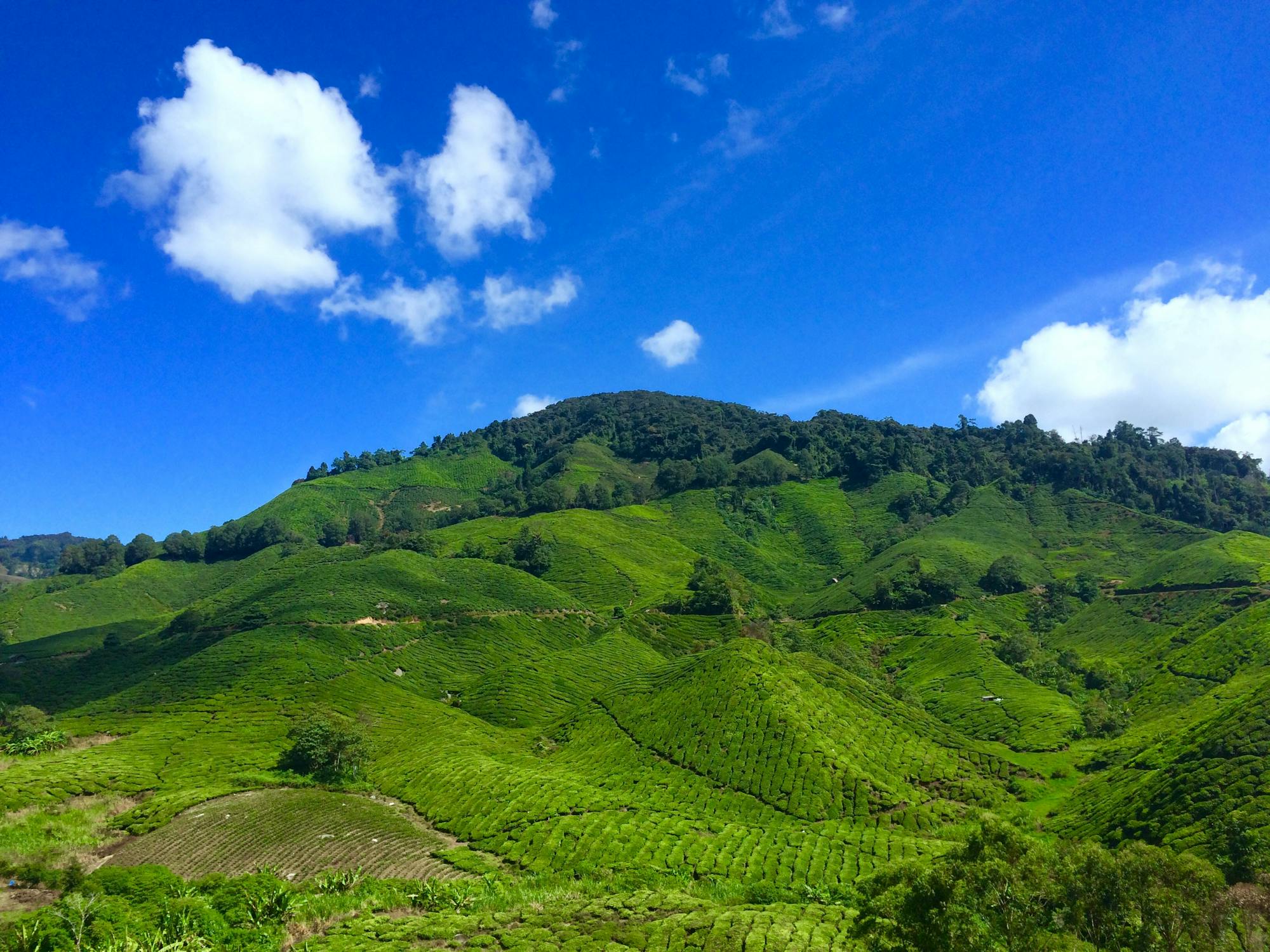
At 1,500 metres above sea level in the Titiwangsa Range, Cameron Highlands runs about 15 degrees cooler than the coast. That single fact drives most of the traffic. Malaysians come for the cold air; first-time visitors come for the tea plantations and stay for everything else: mossy cloud forests, strawberry farms, steamboat dinners on cool evenings, and a walking pace that the rest of the country rarely permits.
This guide covers the layout of the main towns, the tea plantations, the best hiking trails, the farms and gardens, what to eat, how to get here from Kuala Lumpur and beyond, and every practical detail you need. Two days is the sweet spot. Here is how to make them count. For where the highlands fit alongside everywhere else, see our ranking of the best places to visit in Malaysia.
Understanding the Layout
Cameron Highlands is not a single town — it is a series of settlements strung along a winding mountain road. Knowing which is which saves confusion on arrival.
Ringlet is the first town on the Simpang Pulai route from Ipoh. It sits at the lowest elevation and is home to Sultan Abu Bakar Lake and a BOH Tea visitor centre. Most travellers pass through quickly, but the lake scenery is worth a brief stop.
Tanah Rata is the main hub — where the bus station is, where budget and mid-range accommodation concentrates, and where most of the numbered hiking trails begin. Walkable centre, relaxed atmosphere. Base here if you plan to hike.
Brinchang sits slightly higher and is the most developed for tourist attractions. The weekend night market is here, along with Sam Poh Temple, most of the farms, and the road up to the Mossy Forest. Busier and more commercial than Tanah Rata, but unavoidable if you want to tick the main sights.
Kampung Raja and Tringkap are quieter communities further north — fewer tourists, some excellent farms, and a more authentic highland feel.
The Tea Plantations
The rolling emerald carpets of tea plantations are what most people picture when they think of Cameron Highlands, and they deliver in person.
BOH Tea Plantation (Sungei Palas)
The flagship visitor experience and the one to prioritise. BOH — Best of Highlands — was founded in 1929 by British planter J.A. Russell and has grown into the largest tea producer in Malaysia and Southeast Asia. The Sungei Palas estate alone spans over 1,200 hectares of the highland hillsides.
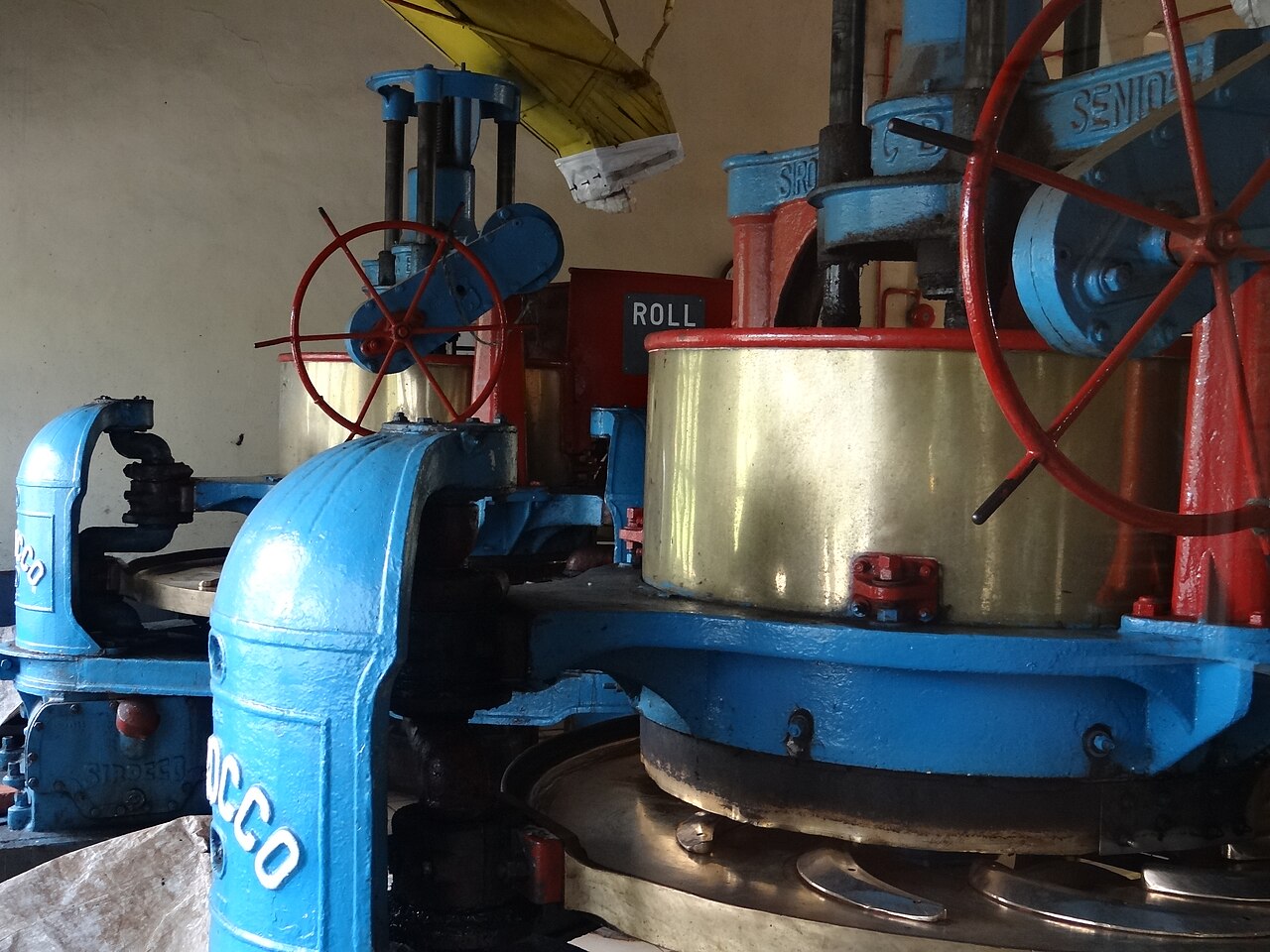
The factory tour is free and self-guided: you follow the process from freshly picked leaves through withering, rolling, fermentation, and drying. Brief but interesting. The real reason to come is J.A.’s Balcony — a 20-foot overhanging deck perched above the tea fields where you order a pot of freshly brewed BOH and look out across an unbroken panorama of green. Scones, good tea, no bad angles. Tristan’s Terrace adds additional seating with equally good views. The retail shop stocks blends you will not find in regular supermarkets.
Open Tuesday to Sunday, 8:30 AM to 4:30 PM. Closed Mondays. Free admission. Come early or on weekdays — it fills up. The road is narrow and winding; allow adequate driving time.
Cameron Bharat Tea Plantation
A less crowded alternative near Tanah Rata with neatly terraced slopes that photograph well in morning light. Shorter, less winding drive than Sungei Palas. Small cafe on site. Worth visiting if you want the plantation experience without the BOH crowds, or if you want to compare the two estates.
Hiking and Nature
Cameron Highlands has 14 numbered trails radiating from Tanah Rata, ranging from a 45-minute waterfall walk to strenuous full-day summit hikes. The forest transitions from lowland dipterocarp to montane cloud forest as you gain elevation, and the mossy upper sections feel genuinely prehistoric.
The Mossy Forest (Gunung Brinchang)
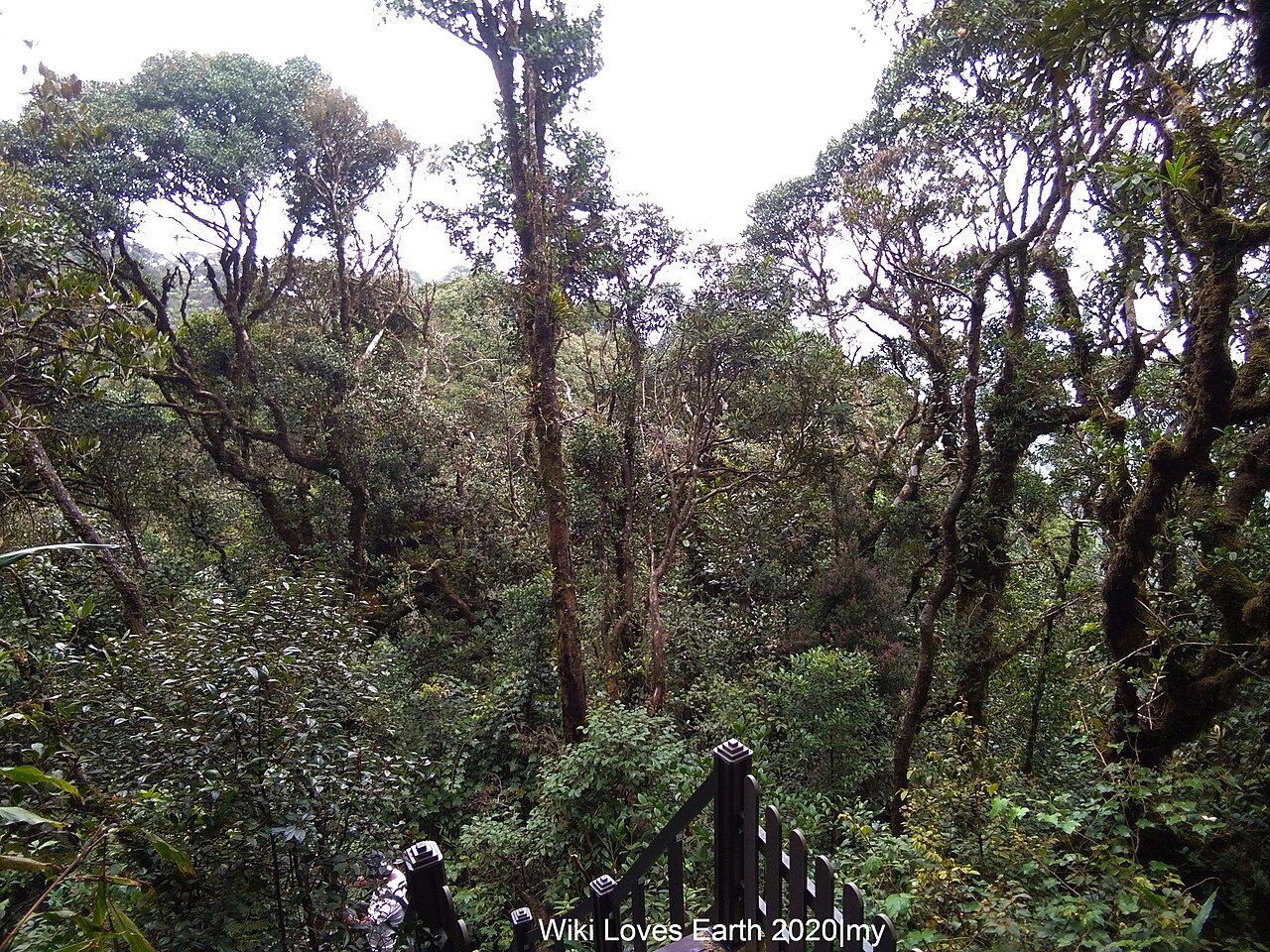
One of the most unusual natural environments in Malaysia. The summit of Gunung Brinchang sits at around 2,032 metres — the highest point accessible by road in the highlands — and the cloud forest up here is perpetually damp, mist-covered, and draped in thick moss, ferns, and epiphytes. The twisted tree trunks and soft spongy ground feel nothing like the rainforest below.
A raised boardwalk protects the fragile ecosystem and takes 15 to 30 minutes to walk, with interpretive signs explaining the ecology. You can drive to the entrance or hike up via Trail 1 from Tanah Rata (2 to 3 hours). A guide is required if you want to extend from the Mossy Forest to Gunung Irau summit via Trail 14 — the guided extension is excellent if you have the time.
Trail 10: Gunung Jasar
The most rewarding half-day hike in the highlands. Starting near Century Pines Resort in Tanah Rata, the trail climbs through dense jungle and opens to sweeping views of Tanah Rata and the surrounding valley. The ground turns spongy with moss as you gain elevation and the forest shifts to montane cloud forest near the top. Allow 3 to 4 hours at a moderate pace for the round trip.
Trail 4: Parit Falls
The easy option — about 45 minutes from Tanah Rata on a flat jungle path to a modest but refreshing waterfall. Good for families or anyone wanting a gentle introduction to the trails without a serious climb.
Trail 9 and Robinson Falls
Trail 9 leads to Robinson Falls, named after the colonial surveyor who first mapped the area. The waterfall is modest but the surrounding forest is pleasant, and combining Trail 9 with Trail 3 makes a longer loop for experienced hikers looking to spend a full morning in the jungle.
Practical Hiking Tips
The trails are not technical but can be slippery, muddy, and poorly marked in sections. Leeches are common after rain — tuck trousers into socks, apply repellent to your lower legs, and carry salt to remove any that latch on. Start early when the weather is clearest; afternoon rain is a near-daily occurrence. Download Maps.me or an offline trail map before you arrive. Trail signage has improved but is not reliable on lesser-used routes.
Farms and Gardens
Strawberry Farms
Cameron Highlands is the only place in Malaysia where strawberries grow commercially. The cool temperatures make it possible; the pick-your-own experience makes it memorable. Multiple farms offer it.
Big Red Strawberry Farm is the most popular, with free entry and picking priced by weight (around RM8 to RM10 per 100 grams). Also sells strawberry jams, ice cream, and juices. EQ Strawberry Farm near Kea Farm is well-established and straightforward — choose a basket, pick ripe berries from the growing tunnels. Raaju’s Hill Strawberry Farm adds a hilltop setting and themed photo spots alongside the picking. Best yields are October to March, but berries are available year-round in the controlled environments.
Lavender Garden
Between Brinchang and Kea Farm, the lavender beds and flowering plants here have become one of the most photographed spots in the highlands. Entry around RM10 to RM20 for adults. Small enough to cover in 30 to 45 minutes, but the setting against the mountain backdrop makes it worth the stop.
Other Farms
Cactus Point has an impressive collection of cacti and succulents that thrive in the well-drained highland soil. Free entry, plant shop on site. Rose Garden (Rose Valley) has hundreds of rose varieties in a terraced setting — the cool climate lets them bloom prolifically. The Sheep Sanctuary near Brinchang offers feeding and interaction with sheep, lambs, and alpacas; particularly popular with children.
Cultural Attractions
Sam Poh Temple
Built in 1972 and the fourth-largest Buddhist temple in Malaysia. Perched on a hillside overlooking Brinchang with ornate Chinese Buddhist architecture, dragon motifs, and views over the surrounding town and mountains. The main hall houses a large seated Buddha statue. Peaceful, well-maintained, free admission. Worth 30 to 45 minutes.
The Smokehouse Hotel
A meticulously maintained Tudor-style English country house near Tanah Rata, serving traditional afternoon tea: scones, clotted cream, finger sandwiches. Even if you are not staying overnight, afternoon tea here is a quintessential Cameron Highlands experience and a direct line to the colonial hill station past the place was built around.
Time Tunnel Museum
A small museum in Brinchang covering the history of the highlands through old photographs, newspaper clippings, vintage advertisements, and colonial-era artifacts. Good context for understanding how this remote hill station became one of Malaysia’s most popular domestic destinations.
What to Eat in Cameron Highlands
Steamboat (Hot Pot)
The signature Cameron Highlands meal. A pot of simmering broth at your table, a selection of fresh ingredients to cook in it, and the cool mountain air outside. What makes the highlands version special is the quality of the local vegetables — grown on surrounding farms and arriving genuinely fresh. Brinchang is the steamboat centre. Gonbei is consistently rated best. Kwan Kee, You Hoo, and OK Tuck are all solid, with charcoal-heated pots at RM20 to RM28 per person. Cameron Organic Produce Steamboat Restaurant uses organic farm ingredients; Highland Steamboat Cheese and Grill adds a cheese fondue element.
Corn, Strawberries, and Highland Produce
Fresh corn grown at altitude produces sweeter kernels than lowland varieties. Roadside stalls sell steaming ears throughout the day — one of the simplest and most satisfying things you can eat here on a cool evening. Strawberries appear in multiple forms: fresh with cream, in smoothies, as ice cream, in cakes and tarts, as jam and preserves. The local strawberry ice cream is the one to try.
Indian Food and Night Market
Cameron Highlands has a significant Indian community, and the Indian restaurants along Tanah Rata’s main street are some of the best in the highlands — roti canai, banana leaf rice, tandoori, and fresh teh tarik. The Brinchang Night Market on Friday and Saturday evenings is the place for everything else: fresh highland vegetables, strawberries, corn, nasi lemak, satay, and local desserts at prices well below what the farms charge.
Getting to Cameron Highlands
From Kuala Lumpur
By bus is the most common approach. Unititi Express and CS Travel run daily from Terminal Bersepadu Selatan (TBS) to Tanah Rata — about 4 to 5 hours, RM35 to RM50 one way. Book ahead for weekends and school holidays. Coming from the capital? The kuala lumpur travel guide has full transport details for reaching TBS.
By car, the Simpang Pulai route through Ipoh takes 3 to 3.5 hours and is the better road — newer, wider, fewer hairpin bends. The Tapah route is older and takes about 4 hours. The highland section of both routes is steep and winding; allow extra time if you are not used to mountain roads. Private transfers from KL cost RM250 to RM400 one way.
From Penang and Ipoh
Buses run from Penang’s Sungai Nibong Terminal to Tanah Rata in about 4 to 5 hours — fewer daily services than from KL, so check the schedule in advance. From the penang travel guide stop, this is a natural addition to a west-coast itinerary. From Ipoh, the journey takes about 2 hours by bus or shared taxi via Simpang Pulai. This makes Cameron Highlands an easy addition to an Ipoh trip — and Ipoh’s food scene and cave temples make it well worth the stop either way.
Connecting to Langkawi or Melaka
Cameron Highlands sits naturally in the middle of a west-coast Malaysia route. From here you can head north toward Langkawi via Penang, or south toward Melaka and then on to KL. Either direction takes you back through Ipoh or along the main highway — no backtracking required.
Getting Around Cameron Highlands
Public transport within the highlands is limited and infrequent. Renting a car or scooter from an agency in Tanah Rata or Brinchang is the most convenient option for exploring independently. Grab operates but the supply of drivers is thin — it works for town-to-town trips but is unreliable for remote attractions. Organised half-day and full-day tours (RM50 to RM100 per person) cover the major tea plantations, Mossy Forest, and farms without the navigation stress. Walking is fine within Tanah Rata town centre, but you need transport for anything outside of it.
Where to Stay
Tanah Rata is the best base for most visitors: widest accommodation selection, closest to the hiking trails, most practical for bus arrivals. Budget hostels and guesthouses from RM30 to RM50 per night for a dorm; mid-range hotels run RM100 to RM250. Father’s Guest House and Daniel’s Lodge are the popular backpacker choices. Heritage Hotel and Century Pines Resort offer comfortable mid-range options near the trailheads.
Brinchang suits families focused on farms, gardens, and the night market. Mid-range to upper-mid-range hotels, generally newer and more family-oriented than Tanah Rata’s stock.
Luxury options: The Smokehouse Hotel is the iconic choice — a colonial Tudor country house with afternoon tea, manicured gardens, and a strong sense of occasion. Cameron Highlands Resort by YTL Hotels is the most polished property in the area, with a spa, golf course, and elegant rooms from around RM400 to RM800 per night. Several homestays and farm-stay properties have also opened in recent years for a more agricultural experience.
A Two-Day Itinerary
Day 1: Tea, Mossy Forest, and Steamboat
Start at BOH Sungei Palas when it opens at 8:30 AM — arrive early, get a table on J.A.’s Balcony, order tea and scones, and take in the view. Allow 90 minutes including the factory tour. Head up to the Mossy Forest on Gunung Brinchang while the morning mist is still settled — the boardwalk loop takes 20 to 30 minutes, and the atmosphere early in the day is something else. Come down through Brinchang, stop at a strawberry farm for picking and a smoothie, then lunch. Late afternoon at Sam Poh Temple for the views. Evening: steamboat dinner in Brinchang. If it is Friday or Saturday, end at the night market.
Day 2: Hiking and Highland Culture
Up early for Trail 10 (Gunung Jasar) — the 3 to 4 hour return trek from Tanah Rata through montane forest to a viewpoint over the valley. Reward yourself with a proper Indian lunch in Tanah Rata: roti canai, curry, teh tarik. Afternoon at your pace — Lavender Garden or Cactus Point for a gentle wander, afternoon tea at the Smokehouse if the colonial experience appeals. Evening: browse Tanah Rata town, buy highland tea and strawberry jam for home, and prepare for the descent in the morning.
Practical Tips
Pack layers. Days run 15 to 25 degrees Celsius; nights dip to 10 or below. A light jacket, long pants, and closed-toe shoes for hiking. Rain gear is always sensible.
Best time. Driest months are February to April and June to August. Weekdays are significantly less crowded than weekends — domestic visitors flood the highlands on Fridays and Saturdays. School holiday periods see the heaviest traffic and highest prices.
Weekend traffic. The road up can double in travel time on Friday evenings and long weekends. Arrive before Friday afternoon or after Saturday morning to avoid the worst of it. Sunday afternoon descent can be very slow.
Budget. Budget travellers manage RM100 to RM150 per day covering accommodation, food, and basic activities. Mid-range is RM250 to RM400 per day for comfortable hotels, restaurant meals, and guided tours. Luxury properties run RM600 or more.
Leeches. Common on jungle trails after rain. Tuck trousers into socks, apply repellent to your lower legs, carry salt. They are harmless but unpleasant to find.
Connectivity. Good mobile coverage and WiFi in the main towns. Patchy on trails and in remote areas.
Cameron Highlands fits cleanly into almost any Malaysia itinerary. From the south, KL is 3.5 hours by car or 4 to 5 by bus — the kuala lumpur travel guide covers onward connections from the capital. Heading north, the penang travel guide covers the island’s food scene and heritage streets. For the beach, the langkawi travel guide is the natural next stop after Penang. Heading south through the peninsula, our melaka travel guide covers the UNESCO port city on the way to KL. And if Borneo is on the list, the kota kinabalu travel guide covers Sabah’s mountains and marine parks.
What to Buy in Cameron Highlands
Tea is the obvious purchase — both BOH and Cameron Bharat sell estate blends that do not reach supermarket shelves. At BOH Sungei Palas, look for the single-estate teas rather than the standard supermarket lines; the Cameron Valley and Sungei Palas estate teas are the ones worth paying for. Bharat’s jasmine and honey blends are worth picking up too.
Strawberry products are everywhere: jams, preserves, dried strawberries, strawberry honey, strawberry wine. Quality varies considerably. Jam made at farms using their own fruit — Raaju’s and Big Red both sell direct — is noticeably better than the generic branded versions at roadside stalls. Highland wildflower honey is also worth looking for: the cooler flowers give it a flavour profile distinct from lowland or mangrove varieties.
Fresh highland vegetables make a practical buy if you are driving back to KL or heading toward Penang: Chinese cabbage, local mushrooms, spring onions, celery, and strawberries sell at roadside stalls and the Brinchang night market for a fraction of supermarket prices. The Friday and Saturday night market is your best single stop for produce, packaged goods, and homemade products at farm-gate prices.
Photography in Cameron Highlands
The highland light is different from the coast — cooler tones, more diffused, and genuinely atmospheric when mist rolls across the tea fields in the early morning. Best windows are 7 to 9 AM before the clouds burn off at Sungei Palas and the Mossy Forest, and the hour before sunset when the tea slopes catch the last warm light.
The BOH Sungei Palas estate is the signature shot: serpentine rows of tea bushes curving over the hillside, often with a low cloud layer settled in the valley below. Weekdays are significantly less crowded. The Mossy Forest is excellent even in overcast conditions — the mist adds to it rather than ruining it. Sam Poh Temple from the road below photographs well in late afternoon. The Lavender Garden provides colour and mountain backdrop in a single frame; arrive before 9 AM to avoid coach groups.
Safety and Health
Cameron Highlands is extremely safe. The practical concerns are environmental rather than security-related.
Trail safety is the only area needing attention. A small number of visitors get lost on the highland trails each year, typically on unmarked sections of longer routes. Stick to the numbered trails, carry an offline map (Maps.me or AllTrails), tell your accommodation where you are going and when you expect to return, and never start a long trail after midday. Afternoon rain arrives most days and makes trails slippery quickly. Carry water — the cool air masks dehydration risk on longer hikes.
The altitude — 1,200 to 2,000 metres — is not high enough to cause altitude sickness but does mean UV exposure is higher than at sea level. Apply sunscreen even on overcast days. The temperature drop at night surprises people arriving from the coast: pack layers, and bring a proper jacket if visiting between November and February when nights regularly hit 10 degrees Celsius or below.
Day Trips from Cameron Highlands
Ipoh is the most practical day trip: 2 hours via Simpang Pulai. Ipoh’s old town murals, white coffee, and cave temples make a strong contrast with the highland scenery. Leave Cameron Highlands early, spend the morning and lunch in Ipoh’s old town, and return to the highlands by late afternoon. It works cleanly as a standalone stop too — and Ipoh itself is well worth more than a day trip.
Royal Belum State Park is a full-day commitment — about 3 hours from Cameron Highlands via Gerik — but the 130-million-year-old rainforest and Temenggor Lake are among the most pristine wilderness areas in Peninsular Malaysia. Entry requires an organised tour from Gerik. Wildlife here includes Malayan sun bears, Asian elephants, tapirs, and Malayan tigers. This is genuine deep-jungle Malaysia.
Penang sits 4 to 5 hours north via Ipoh. Many travellers do Cameron Highlands as the middle stop on a KL-to-Penang west coast itinerary — the elevation break between city and heritage island is a natural fit. The penang travel guide covers Georgetown’s food and heritage streets in full.