Melaka (Malacca) Travel Guide: Heritage, Culture and Street Food (2026)
Your complete melaka travel guide covering UNESCO heritage sites, Jonker Street night market, Peranakan food, the river cruise, and tips for day trips from KL.
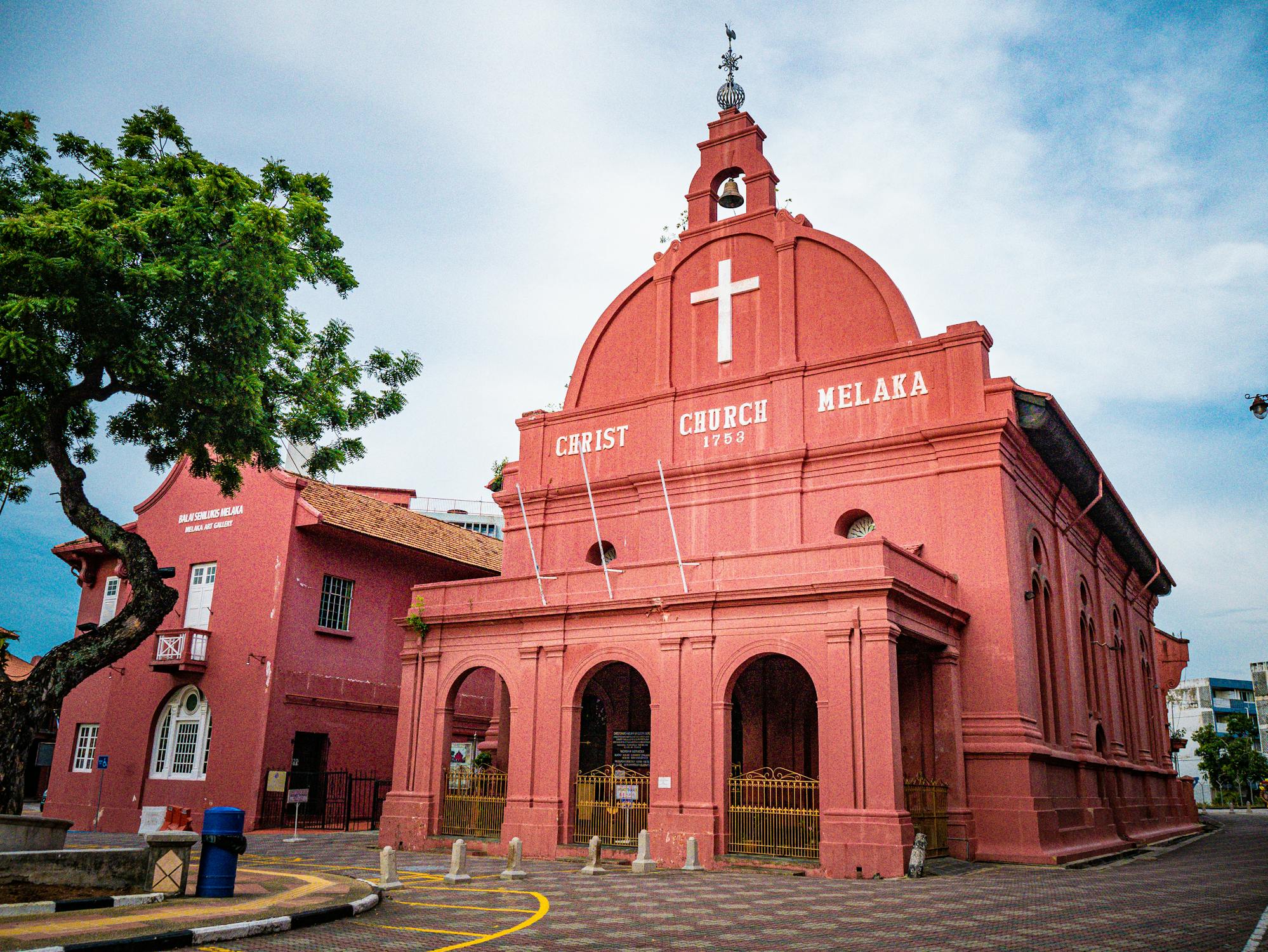
Portuguese cannons arrived in 1511. The Dutch replaced them in 1641 and painted everything red. The British moved in two centuries later and added another layer. Through all of it, Chinese, Malay, Indian, and Arab traders were building something the colonisers never planned: a culture and a cuisine entirely Melaka’s own. In 2008, UNESCO made it official with a World Heritage inscription. Walk the heritage core today and you read five centuries of history on a single block.
What makes Melaka worth the trip is that this history is not archived — it is the city. A 16th-century Portuguese gate sits across from a 17th-century Dutch church, which faces a row of 19th-century Peranakan shophouses, which feed into a weekend night market that runs until midnight. The entire historic core covers perhaps two square kilometres. You could see it in a day. You probably will not want to. Melaka is one of the most rewarding short stops in our guide to the best places to visit in Malaysia.
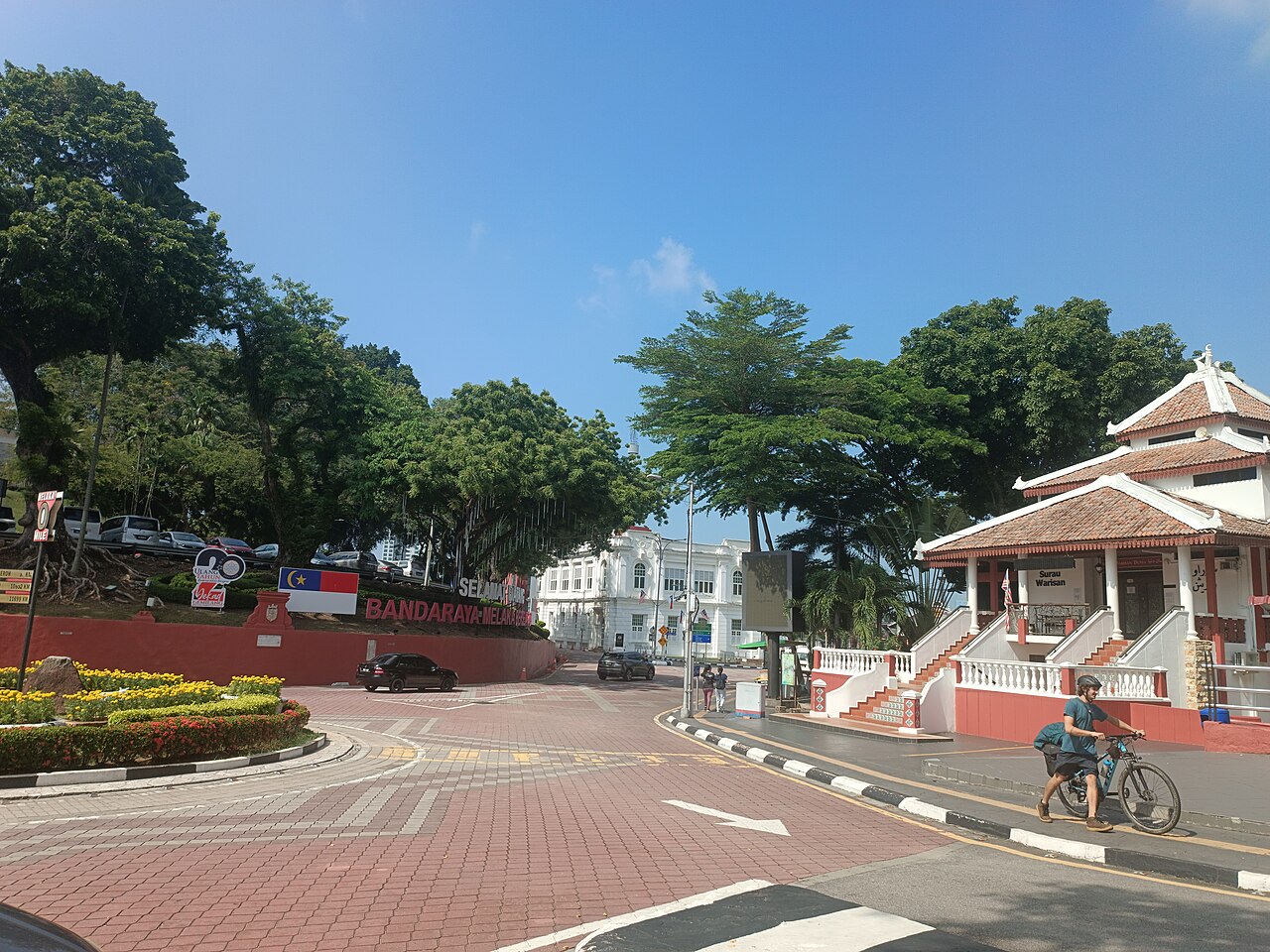
Melaka is also one of Malaysia’s great food cities. The Peranakan culinary tradition — Baba Nyonya cooking that blends Chinese technique with Malay spices across centuries of practice — reaches its most refined expression here. Chicken rice balls, asam pedas, cendol made with genuine gula Melaka palm sugar, and a dozen other dishes you cannot find prepared this way anywhere else make Melaka a genuine pilgrimage site for anyone who eats seriously. Pair that with excellent heritage accommodation, a thriving street art scene, and an evening river cruise that transforms the city after dark, and you have a destination that punches well above its compact size.
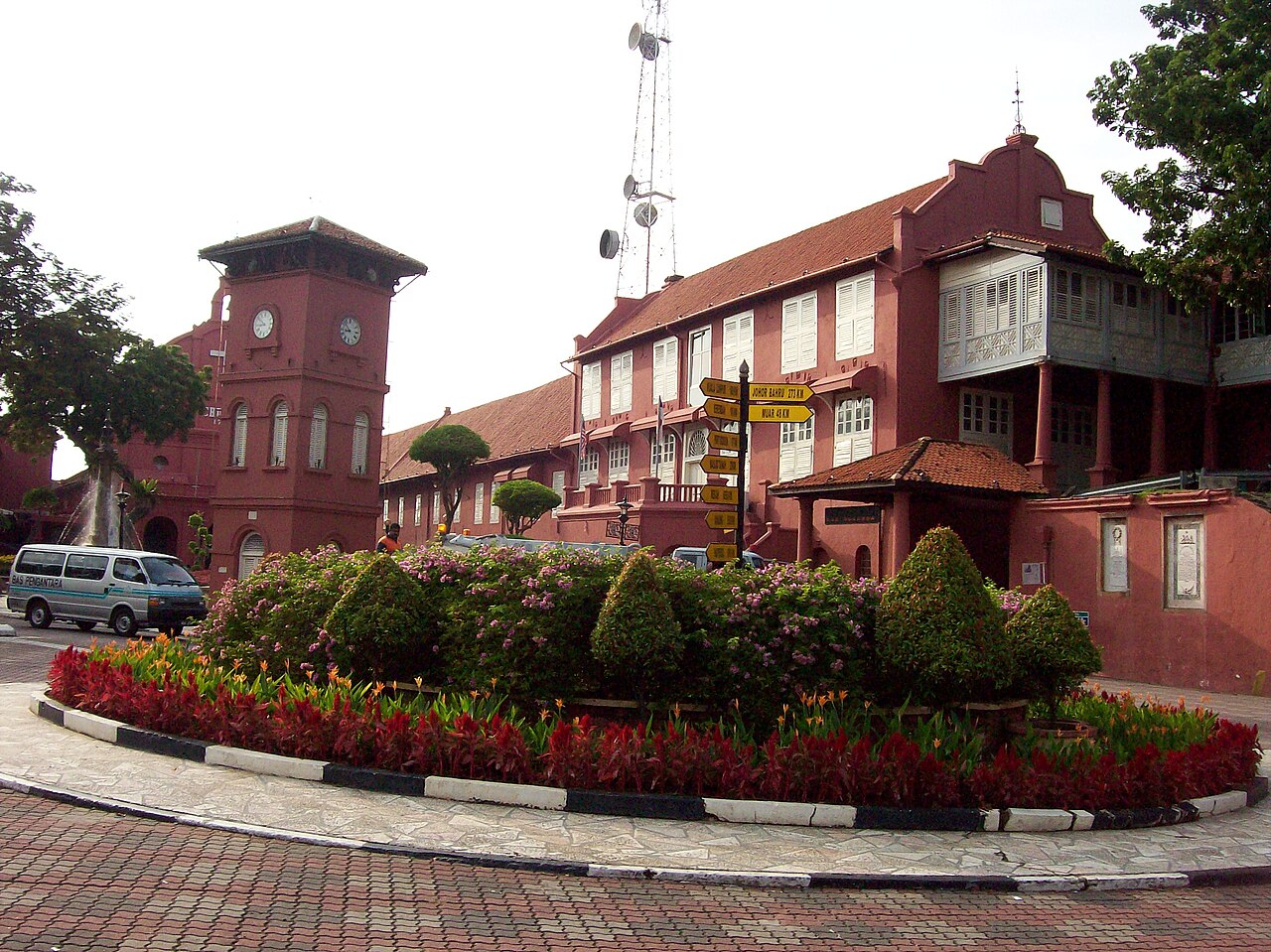
Dutch Square and the Historic Core
Dutch Square — also called Red Square — is the geographical and visual centre of Melaka’s heritage zone. The dominant building is the Stadthuys, a massive terracotta-red structure completed around 1650 that served as the official residence of successive Dutch governors. It is believed to be the oldest surviving Dutch building in Asia, and now houses the History and Ethnography Museum tracing Melaka’s arc from fishing village to colonial prize.
Alongside it stands Christ Church, a deep-red Protestant church finished in 1753 and the oldest functioning Protestant church in Malaysia. Inside: hand-crafted pews that have lasted 270 years, ceiling beams each carved from a single tree trunk, and decorative tiles shipped from the Netherlands. It is still an active place of worship and open to visitors. The church’s deep crimson facade is one of the most photographed views in all of Malaysia — try to get there before 10:00 AM when the morning sun hits it directly.
The square itself is where Melaka’s famous trishaws congregate — elaborately decorated cycle rickshaws dripping with plastic flowers, LED lights, and blaring pop music. A ride around the historic area costs RM40 to RM60 for 30 to 45 minutes. Slightly surreal, entirely Melakan. This is also a good place to get your bearings: from the square, every major attraction in the heritage core sits within a 10 to 15 minute walk.
A Famosa and St. Paul’s Hill
A short walk uphill from the square stands the Porta de Santiago — the surviving gate of A Famosa, one of the oldest European ruins in Southeast Asia. The Portuguese built the full fortress in 1511 after conquering Melaka; the Dutch damaged most of it in 1641; the British nearly demolished the rest in 1807 before Sir Stamford Raffles intervened to save the gateway. What remains is weathered and worn, and worth ten minutes of your attention.
Climb to the top of St. Paul’s Hill and you find the ruins of St. Paul’s Church — the oldest European building east of India, first raised as a chapel in 1521. St. Francis Xavier’s body was temporarily interred here after his death in 1552. The Dutch later used it, then abandoned it when Christ Church opened in 1753. Today the roofless ruins are ringed by old tombstones and look out across the straits. Come early morning or late afternoon and the light makes it one of the more atmospheric spots in the city. The climb takes about five minutes and is well worth the effort.
Jonker Street and Chinatown
Jonker Street (officially Jalan Hang Jebat) is Melaka’s most famous street and the spine of the Chinatown district. During the week it is a pleasant browse through antique shops, galleries, cafes, and boutiques in beautifully preserved Peranakan shophouses. On Friday, Saturday, and Sunday evenings from around 6:00 PM to midnight, the road closes and becomes one of the better night markets in Malaysia.
The Jonker Walk Night Market fills the street with hundreds of stalls: street food, handicrafts, clothing, souvenirs. Red lanterns overhead. Satay smoke mixing with sugarcane juice, char kway teow, and freshly made coconut ice cream. Street performers and live music in the mix. Most items run RM3 to RM12, which makes it one of the most affordable eating sessions in the city.
Look for the chicken rice balls, dragon beard candy spun by hand in front of you, pineapple tarts, kuih, dodol, and the long potato sticks drizzled in various sauces that seem to be everywhere. Beyond Jonker Street itself, Jalan Tun Tan Cheng Lock (Heeren Street) is lined with some of the finest Peranakan mansions in the city — narrow, deep shophouses with colourful facades and intricate tile work that have stood here for over a century. Several of these buildings now house antique dealers selling genuine Peranakan furniture, ceramics, and jewellery. Prices reflect authenticity — this is not the RM10 souvenir strip — but browsing is free and the pieces on display give you a real sense of the wealth and taste of the Baba Nyonya community at its peak.
Baba Nyonya Heritage Museum
Three connected 19th-century Peranakan townhouses on Jalan Tun Tan Cheng Lock, preserved with their original furnishings and open as a museum. The Peranakan — Straits-born Chinese who blended Chinese and Malay traditions across generations — created a domestic culture of exceptional refinement: ornate blackwood furniture inlaid with mother-of-pearl, hand-painted porcelain, embroidered silk wedding garments, elaborate kitchen implements. Every room tells you something specific about how this community lived.
Guided tours are included with the RM18 admission fee and are essential — the context they provide on the wedding rituals, the architectural details, and the social customs transforms the objects from beautiful antiques into a coherent story. The guides explain how Peranakan weddings stretched across twelve days of ceremony, what the different motifs on the furniture signified, and how the kitchen layout reflected the household hierarchy. Allow an hour at minimum; many visitors find themselves staying longer.
The museum opens daily from 10:00 AM to 5:00 PM (last entry 4:30 PM). Tours run throughout the day whenever enough visitors have gathered — usually every 20 to 30 minutes. Photography is permitted in most rooms. Go on a weekday morning if you want a quieter experience; weekend afternoons can be crowded enough that the guided groups feel rushed. The museum is on Jalan Tun Tan Cheng Lock just a short walk from Jonker Street, making it easy to combine with a morning browse through Chinatown before the market crowds arrive.
Melaka River Cruise
A 45-minute river cruise covers nine kilometres of the Malacca River as it winds through the city. From the water you see heritage buildings from multiple colonial eras, street art murals on riverside walls, old warehouses converted into galleries and cafes, and a stretch of landscaped riverbanks that look nothing like the neglected waterway this was a decade ago. The river became a serious restoration project in the early 2000s, and today it is one of the more pleasant waterways in urban Malaysia.
Boarding at the Maritime Museum is the most convenient point. Tickets cost approximately RM30 for adults and RM25 for children. The evening cruise is the one to take — coloured lights illuminate the river banks and reflect off the water, and the city looks entirely different after dark. Book it as a way to wind down after a day on foot. The cruise runs regularly throughout the day from around 9:00 AM; the last evening boat typically departs around 11:00 PM on weekends. Combined tickets with the Maritime Museum are sometimes available at the boarding point. If you miss the evening cruise on your first night, it makes an equally good start to a second morning in the city — the light on the water before 10:00 AM is genuinely beautiful.
Maritime Museum
Impossible to miss: the museum is housed in a full-scale replica of the Flor de la Mar, a Portuguese galleon that sank in the Straits of Malacca in 1511 while carrying plundered sultanate treasure. The ship replica sits on the riverbank and is one of the most photographed structures in the city. Inside, the exhibits trace Melaka’s maritime history from fishing settlement to one of the world’s major trading ports — the spice routes, the colonial ambitions, the Portuguese and Dutch and British cycles of conquest. Well-organised and informative. Admission around RM10. Visit in the morning when the interior is cooler.
A separate Royal Malaysian Navy Museum sits nearby and is included in the same ticket area. It covers the post-independence naval history of Malaysia and is worth a quick look if you have an extra half-hour. The riverbank walk between the Maritime Museum and the river cruise boarding point is pleasant in the early morning — a few small cafes open from 8:00 AM and the riverside seating is good for breakfast before the heritage core wakes up.
Melaka’s Best Food Experiences
Melaka’s Peranakan culinary tradition is the reason many people make the trip specifically to eat here. Baba Nyonya cuisine blends Chinese technique with Malay spices and ingredients across centuries of practice. The result is something you cannot properly replicate anywhere else.
Chicken Rice Balls
The signature Melaka dish: Hainanese chicken rice where the rice is hand-formed into compact, ping-pong-sized balls instead of scooped onto a plate. The texture of the pressed rice is distinctly different. Served with poached or roasted chicken, three dipping sauces, and clear soup. Multiple restaurants along Jonker Street compete on this dish — Ee Ji Ban is notable as a halal-certified option; Hoe Kee and Chung Wah have strong local followings.
Asam Pedas
Sour and spicy — the literal translation of asam pedas — describes Melaka’s signature fish curry accurately. Tamarind builds the sour base; a dried chilli paste delivers the heat. The sauce runs soupy rather than thick, and is typically made with ikan pari (stingray) or ikan tenggiri (mackerel), served over steamed rice. Every family and restaurant has their version. Locals debate endlessly about whose is best.
Cendol
Shaved ice, green pandan-flavoured rice flour jelly strips, red beans, coconut milk, and gula Melaka — the local palm sugar syrup that has a deep caramel richness unlike anything refined sugar produces. On a hot afternoon in Melaka, order one from a street stall and it becomes a small revelation. Queues along Jonker Street and near the river are the reliable indicator of which stalls are worth waiting for.
Nyonya Laksa
Melaka’s version is tamarind-based rather than the coconut milk broth found elsewhere — tangy and sharp, with lemongrass, galangal, and shrimp paste running through it. Thick rice noodles, fish, prawns, and fresh herbs. It illustrates how Peranakan cooking takes recognisable Malaysian ingredients and produces something entirely its own.
Where to Eat
Nancy’s Kitchen on Jalan Hang Lekiu is widely considered among the best Nyonya restaurants in Melaka — a comprehensive menu running through chicken candlenut, popiah, pie tee, and a full range of kuih. Makko offers a quieter, home-style experience with sambal sotong and cencalok omelette. Cottage Spices near the city centre specialises in pork-free Peranakan cooking for halal-conscious visitors. Amy’s is a local favourite for udang lemak nanas and large bowls of cendol.
Street Art and Murals
Melaka’s street art is commissioned rather than spontaneous — curated murals covering scenes from local history, cultural practices, and daily Peranakan life. They appear throughout the city, most densely along the riverbanks and in the lanes between Jonker Street and Heeren Street. The river cruise gives you the riverfront murals from the water; a slow walk through Chinatown’s back lanes reveals dozens more on foot.
Some of the most photographed pieces depict traditional trades, Peranakan wedding customs, and scenes of everyday life from a generation ago. Set aside an extra hour for wandering the back lanes — you will find things the tour groups miss. The Orangutan House gallery on Jonker Street shows the work of local artist Charles Cham, whose bold prints have become closely associated with the city’s creative identity. His work is available as prints and postcards if you want something more considered than the usual souvenir.
A handful of the murals have become so popular they attract queues for photos — if you want unobstructed shots, plan your walking tour before 9:00 AM when the street is still quiet. The area between Jalan Tokong and the riverside is particularly dense with murals and makes for a self-guided art walk of 30 to 45 minutes even without a formal map. The Melaka River itself has new pieces added periodically; a mural from a local school competition in one stretch gives the artwork a genuinely community feel.
Other Attractions Worth Visiting
Taming Sari Tower. A 110-metre revolving gyro tower near the Maritime Museum. It lifts visitors to the top in a seven-minute rotating ascent, giving a 360-degree view of the heritage city and the Straits of Malacca on clear days. Tickets around RM23. A good way to orient yourself before exploring on foot.
Cheng Hoon Teng Temple. Founded in 1673, the oldest Chinese temple in Malaysia. Built using traditional materials imported from China, with ornate roof decorations, painted murals, and carved wooden doors. An active place of worship for Buddhists, Taoists, and Confucians. A short walk from Jonker Street and a quieter contrast to the market energy.
Kampung Kling Mosque. On Jalan Tukang Emas in the heart of Chinatown, built in 1748, blending Malay, Chinese, Hindu, and European design in a combination that exists nowhere else — Sumatran-style tiered roof, Chinese ceramic tiles, Victorian chandeliers. Architecturally unlike any other mosque in the country.
Melaka Sultanate Palace Museum. A wooden replica of Sultan Mansur Shah’s 15th-century palace at the foot of St. Paul’s Hill. Built entirely without nails using traditional Malay techniques. Exhibits cover the culture, customs, and political history of the sultanate that made Melaka one of the most powerful trading centres in the medieval Malay world. The replica gives a striking impression of the scale and craftsmanship of the original palace, and the exhibits inside make the history of the sultanate’s golden age tangible.
Getting to Melaka
From Kuala Lumpur
Melaka is one of the easiest trips from KL — though a night here is worth it if the schedule allows. Check the kuala lumpur travel guide if you are using KL as your base.
By bus is the most practical and affordable option. Express buses depart Terminal Bersepadu Selatan (TBS) every 30 minutes throughout the day. The journey takes about 1 hour 45 minutes; tickets cost RM10 to RM20. Buses arrive at Melaka Sentral, about 15 minutes from the historic centre by local bus or Grab.
By car, the drive takes about 1 hour 40 minutes via the North-South Expressway. Toll is approximately RM25 each way. Leave KL before 8:00 AM on weekends to beat the traffic. Parking at Dataran Pahlawan Melaka Megamall — centrally located and secure — is the easiest option in the historic area.
By Grab, a private car from central KL to Melaka runs approximately RM200 to RM300. Convenient if you want door-to-door without dealing with bus schedules. Train is not practical — the nearest station (Tampin) is 50 kilometres north of the city, requiring an additional bus or taxi to finish the journey.
From Singapore
Express buses from Singapore to Melaka run frequently throughout the day. The journey takes 3.5 to 4 hours depending on how quickly the Causeway border crossing moves — build in a buffer if you have a fixed arrival time. Tickets cost around SGD 20 to SGD 35. Buses depart from Golden Mile Complex on Beach Road and Queen Street Terminal, both well-served by public transport. Book in advance on weekends and public holidays when demand spikes.
From Penang and Langkawi
If you are building a west-coast itinerary, the penang travel guide and langkawi travel guide both connect naturally to Melaka via KL or direct bus. The cameron highlands guide is another logical stop if you want a cool-air break before or after.
Getting Around Melaka
The historic core is compact and flat — most major attractions sit within a 15 to 20 minute walk of Dutch Square. Walking is the right way to see Melaka. The streets are narrow enough that a car is more hindrance than help, and the back lanes between Jonker Street and Heeren Street only reward those on foot. For distances beyond the heritage zone, Grab is the most convenient option (RM5 to RM15 for most city rides). The decorated trishaws offer a slower, more colourful alternative for touring the heritage streets at RM40 to RM60 for 30 to 45 minutes. Panorama Melaka’s hop-on hop-off bus covers major tourist sights and is useful for reaching spots outside the walking zone.
If you arrive at Melaka Sentral bus terminal from KL or Singapore, the quickest way into the historic centre is a Grab (around RM8 to RM12) or the local Panorama city bus (RM1 to RM3, slower but useful if you have time). Motorcycle taxis (kapcai) also operate around the terminal if you are travelling light. The historic centre itself has very limited parking, so if you drive in from KL, plan to leave the car at Dataran Pahlawan or the car park on Jalan Mufti Haji Khalil and walk from there.
Where to Stay in Melaka
The Jonker Street area puts you within walking distance of the night market, restaurants, museums, and the river cruise. Budget hostels from around RM40 per night; boutique hotels in converted shophouses run RM100 to RM300. The Jonker Boutique Hotel and Heeren Inn are well-regarded at the budget-to-mid range. This neighbourhood is the best base if the night market and food scene are your priorities.
The Dutch Square area positions you at the heritage core. Hotels here skew more upscale — The Majestic Malacca, in a restored 1920s mansion, offers rooms from around RM500 per night and is one of the finest heritage hotels in Malaysia. Melaka Raya is a newer waterfront area with modern hotels and sea views at competitive prices, a 10 to 15 minute walk from the historic centre. For day-trippers, accommodation is not a concern, but if you can spare a night, the evening atmosphere along the river and the weekend market make the extra effort worthwhile.
Practical Tips for Visiting Melaka
Day trip or overnight? Melaka works as a day trip from KL, but an overnight stay is the better choice. The evening river cruise, the weekend night market, and the quieter morning hours in the heritage zone are experiences day-trippers miss. One night covers it; two is relaxed.
When to visit. Year-round. The driest months are June through August; November through February sees more rain. Visit on a Friday or Saturday to catch the Jonker Walk Night Market at its best.
Beat the heat. Walk before 11:00 AM and after 4:00 PM. Save museums and restaurants for the midday hours when the heat is most intense and the air conditioning is most welcome.
Weekend vs. weekday. Weekends bring the night market and more atmosphere, but also crowds and higher room prices. Weekdays are quieter — better for the heritage sites, harder for the food scene. Arriving Friday afternoon and leaving Sunday is the ideal window.
Footwear. Uneven paving, cobblestones, and steps throughout the historic core. Proper walking shoes, not flip-flops.
Cash. Night market stalls and most street food vendors are cash only. ATMs are available around Dutch Square and along Jonker Street. Stock up before heading out for an evening at the market.
Respect the heritage. Many of Melaka’s buildings are protected historical structures under UNESCO World Heritage rules. Be mindful when taking photos, avoid climbing on ruins or monuments, and respect the active places of worship — Christ Church, Cheng Hoon Teng Temple, and the Kampung Kling Mosque are all still used by their communities and deserve the same consideration you would give any working religious site.
Photography timing. Best light for Dutch Square and the Stadthuys is before 10:00 AM when the sun hits the red facades directly. St. Paul’s Church and the hilltop view are best in late afternoon golden hour. The river cruise delivers its best photos in the evening when the coloured lighting is on.
Melaka is a logical part of any west-coast Malaysia itinerary. From here, buses head north to KL (the kuala lumpur travel guide has everything you need for the city) and onwards to Penang (see the penang travel guide). For the east coast and beaches, the cameron highlands guide makes a natural detour inland. Those heading to Borneo should start with the kota kinabalu travel guide for Sabah, or the separate guide for Sarawak’s capital if you plan to head that way.
1 note