Malaysia Itineraries: Perfect Trip Plans from 3 Days to 3 Weeks (2026)
Malaysia itineraries for 3, 5, 7, 10, 14 and 21 days, plus Borneo, backpacking and road-trip routes — with real travel times, 2026 costs in MYR and USD, and the monsoon rule that shapes every route.
Malaysia punishes greed. It is a small-looking country on a map — you can drive the length of the peninsula in a day — and that map lies, because a third of the country sits 1,600 kilometres away across the South China Sea, on an island where the roads run out and the rainforest starts. Travellers who try to see both halves in a week end up seeing airports. Travellers who give the country the shape it actually has come home saying it was the best trip they have taken in Asia.
This page is the route-planning half of our Malaysia travel guide. Every Malaysia itinerary below is built around real travel times, real 2026 prices in ringgit and US dollars, and the one constraint that trips up more first-timers than any other: the two coasts get their monsoons at opposite times of year. Pick the length of trip you have and skip to it, or read the planning rules first — they explain why the routes are shaped the way they are.
The Five Decisions That Shape Every Malaysia Itinerary
Before you plot a single day, five choices do most of the work. Get them right and the route almost designs itself.
1. Peninsula or Borneo — and be honest about it
This is the decision everything else hangs off. Peninsular Malaysia is cities, heritage streets, hill stations, hawker food, and easy island beaches, connected by good motorways and a fast train line. Malaysian Borneo — the states of Sabah and Sarawak — is orangutans, 130-million-year-old rainforest, the highest mountain in Southeast Asia, and world-class diving, connected by two-hour flights and long river journeys.
The honest rule: under ten days, choose one. A Borneo add-on costs you two travel days minimum — a flight over, a flight back, plus the transfer time at each end to get from the airport to anywhere actually worth being. On a seven-day trip that is nearly a third of your holiday spent in transit. From ten days you can do both properly; from fourteen you can do both without rushing either.
2. Which coast — the monsoon decides for you
Malaysia does not have a dry season and a wet season so much as two coasts taking turns. The northeast monsoon hits the east coast of the peninsula and the northern edge of Borneo from roughly November to February. This is not a rain-shower inconvenience — the Perhentians, Redang and most of Tioman’s resorts shut, and the boats stop running. Ferries typically resume in late February and the reliable window runs March to October.
The west coast — Langkawi, Penang, Pangkor — stays open all year and gets its heavier rain around April to May and September to October, mostly as short afternoon downpours that clear by dinner. So: a November-to-February trip is a west coast trip, full stop. A March-to-October trip can go either way, and the east coast islands are the better beaches if you have the timing for them. Our month-by-month breakdown of the best time to visit Malaysia has the detail, including the haze season and the festival calendar.
3. Your pace — and the two-night rule
The single most common itinerary mistake in Malaysia is the one-night stop. A night in Melaka means you arrive at 4pm, eat, sleep, and leave at 10am — you have paid for a hotel to see a night market. Almost every destination in this country needs two nights to give you one full, unhurried day.
Work in whole blocks: two nights minimum for a city, three for an island (the middle day is why you came), four or more for Borneo lodges where the wildlife is a numbers game. If a plan has more than one single-night stop in it, cut a destination rather than cutting sleep.
4. Your budget style
Malaysia is one of the cheapest countries in the world relative to what it delivers, but the range is wide. Backpackers run at RM 80–120 (about $19–29) a day: hostel dorm at RM 25–50, hawker food at RM 30–40, buses and local transit at RM 10–15. Mid-range travellers land around RM 180–300 ($43–71) a day with private rooms, a mix of restaurants and street food, and the occasional domestic flight. Borneo runs 40 to 60 percent higher than the peninsula on everything, because lodges are remote and flights replace buses. Full numbers sit in our Malaysia travel budget breakdown.
5. Entry admin — small, but it will stop you at the gate
Most nationalities get 30 or 90 days visa-free on arrival, but essentially every foreign visitor must submit the free Malaysia Digital Arrival Card (MDAC) online no more than three days before landing. It takes about five minutes and produces a QR code you show at immigration. Singaporeans and a short list of border-pass holders are exempt; nobody else is. Check your own nationality against our Malaysia visa requirements guide, and do the MDAC the day before you fly so it is done.
Malaysia Travel Times: The Numbers Behind Every Route
Every itinerary on this page is built from these connections. Times are door-to-door realistic rather than brochure-optimistic, and prices are typical 2026 fares booked a week or two ahead.
| Route | Best option | Time | Typical fare |
|---|---|---|---|
| KL to Melaka | Express bus from TBS | 2h 30m | RM 12–20 ($3–5) |
| KL to Penang (Butterworth) | ETS train | 3h 35m–4h 20m | RM 59–98 ($14–23) |
| KL to Cameron Highlands | Bus from TBS to Tanah Rata | 3h 30m–4h 30m | RM 22–38 ($5–9) |
| KL to Langkawi | Flight | 1h 05m | RM 90–200 ($21–48) |
| Penang to Langkawi | Flight (the direct ferry no longer runs) | 35–40m | RM 60–150 ($14–36) |
| KL to Kuala Besut (Perhentians) | Overnight bus, then boat | 7–8h + 30–45m | RM 45–60 + RM 70 return |
| KL to Taman Negara | Bus/van to Jerantut, then boat | 4–6h | RM 60–95 ($14–23) |
| KL to Kota Kinabalu | Flight | 2h 30m | from RM 259 ($62) |
| KL to Kuching | Flight | 1h 50m | from RM 206 ($49) |
| Kuching to Kota Kinabalu | Flight | 1h 25m | from RM 167 ($40) |
| Kota Kinabalu to Sandakan | Flight (or 6h drive) | 45m | RM 100–180 ($24–43) |
Two things to take from that table. First, the peninsula is genuinely fast — the ETS train to Penang is comfortable, punctual and cheaper than a taxi to most European airports. Second, Borneo is a flying country. Do not plan to drive between Kuching and Kota Kinabalu; it is a 20-hour road slog through Brunei. Our full Malaysia transportation guide covers booking platforms, seat classes and the Grab-versus-taxi question.
3 Days in Malaysia: The Layover Itinerary
Three days is a stopover, not a holiday, and the winning move is to accept that. Stay in one base, take one excursion, and eat extremely well. Anyone who tries to add an island to a 72-hour trip spends 20 of those hours moving. The hour-by-hour version of this route, with four alternatives and full costs, is in our dedicated 3 days in Malaysia itinerary.
Day 1 — Kuala Lumpur, properly
Start early at Batu Caves before the heat and the tour coaches — the 272 rainbow steps under the 42-metre gold Murugan statue are a 30-minute KTM Komuter ride from KL Sentral for under RM 3. Back in the city by late morning for Merdeka Square and the Sultan Abdul Samad building, then lunch in Chinatown around Petaling Street. Afternoon at the Islamic Arts Museum, which is the most underrated museum in Southeast Asia and blissfully air-conditioned. Evening at the Petronas Towers — skip the skybridge queue and drink at a rooftop bar in the KLCC area instead, where the view includes the towers rather than being on them.
Day 2 — Melaka day trip, or slow KL
Melaka is two and a half hours each way by bus, which makes it a long but genuinely worthwhile day: Dutch Square, Jonker Street, the Peranakan shophouses, a river cruise, and Nyonya food you cannot get anywhere else. Leave KL by 8am and you are back for a late dinner. If that sounds punishing, the alternative is to stay put — Kampung Baru for breakfast, the Thean Hou Temple, KL Bird Park, and an afternoon in the Botanical Gardens. Our day trips from Kuala Lumpur guide has six more options within two hours.
Day 3 — Eat, then fly
Morning nasi lemak at a roadside stall, an hour in the Central Market for gifts that are not fridge magnets, then a final hawker lunch in Jalan Alor before heading to the airport. Allow 90 minutes to KLIA on the ERL from KL Sentral plus check-in. The Kuala Lumpur travel guide has neighbourhood-by-neighbourhood detail if you want to fill these three days differently.
5 Days in Malaysia: The Heritage Triangle
Five days is the first length where a real route becomes possible. The best use of it is the west coast heritage run: two UNESCO World Heritage cities plus the capital, all linked by cheap ground transport, with no flights required after you land.
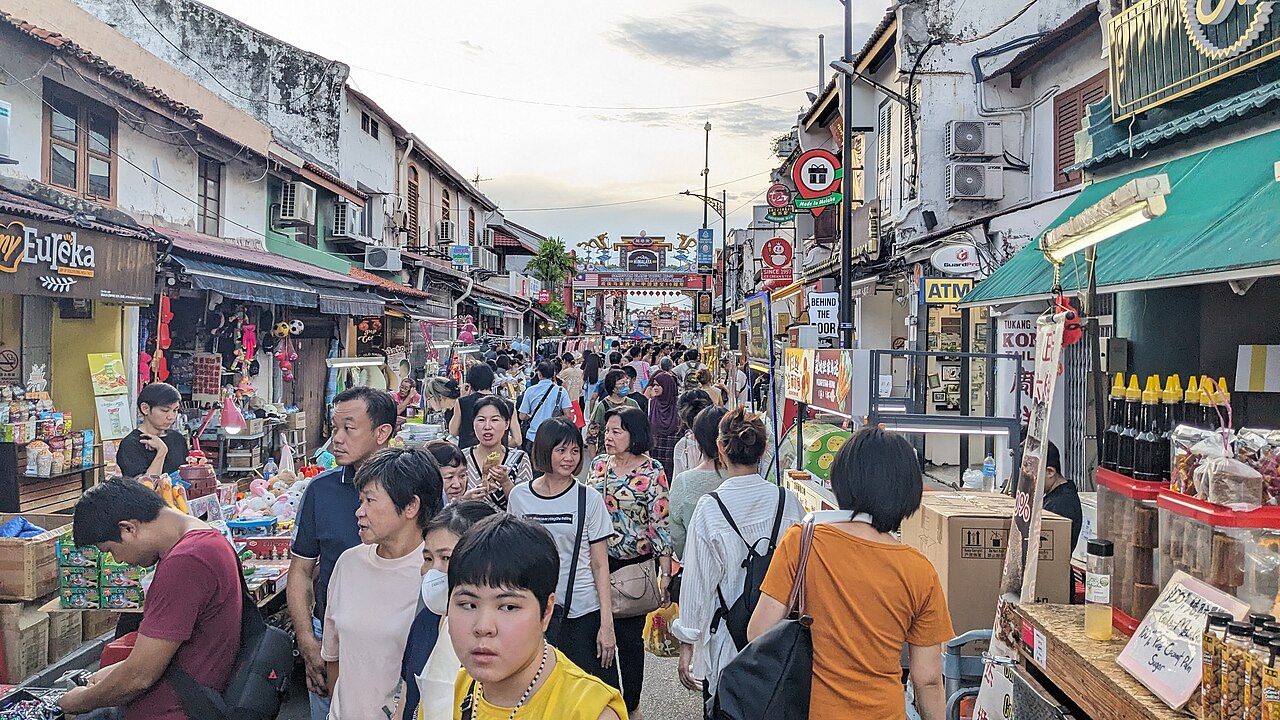
The full day-by-day version, with three alternative routes, is in our 5 days in Malaysia itinerary. Days 1–2: Kuala Lumpur. Two nights, as per day one above, plus a second day for Batu Caves at dawn, the KL Forest Eco Park canopy walk, and a long evening working through Jalan Alor. Day 3: Melaka. Morning bus down, afternoon in the heritage core, and — this is the point of staying over — Jonker Street’s night market on a Friday, Saturday or Sunday evening, which is the only time it runs. Days 4–5: Penang. Fly or take the bus north to George Town, and spend a day and a half on street art, clan jetties, Kek Lok Si temple, and the best hawker food in the country. Fly home from Penang International rather than backtracking to KL, which saves you four hours.
The alternative five-day shape, if beaches matter more than history, is KL for two nights and Langkawi for three. It is a weaker trip culturally but a stronger one if you have been travelling hard elsewhere in Asia and want a mangrove tour, a cable car and a sunbed. See the Melaka travel guide and Penang travel guide for what to prioritise in each.
7 Days in Malaysia: The Classic West Coast Week
One week is the most-searched Malaysia itinerary and the one the country is best set up for. The classic route runs KL to Melaka to Penang to Langkawi, almost entirely by bus and train, ending on a beach with a flight home from Langkawi. Nothing about it is original and that is precisely why it works: the connections are frequent, the distances are short, and each stop is different enough from the last that the week never blurs. Our full 7 days in Malaysia itinerary costs every leg of that route and is honest about what a week has no room for.
| Days | Base | Highlights |
|---|---|---|
| 1–2 | Kuala Lumpur | Batu Caves, Merdeka Square, Islamic Arts Museum, Jalan Alor |
| 3 | Melaka | Jonker Street, river cruise, Peranakan mansions, Nyonya dinner |
| 4–5 | Penang | George Town street art, clan jetties, Kek Lok Si, Penang Hill, hawker crawl |
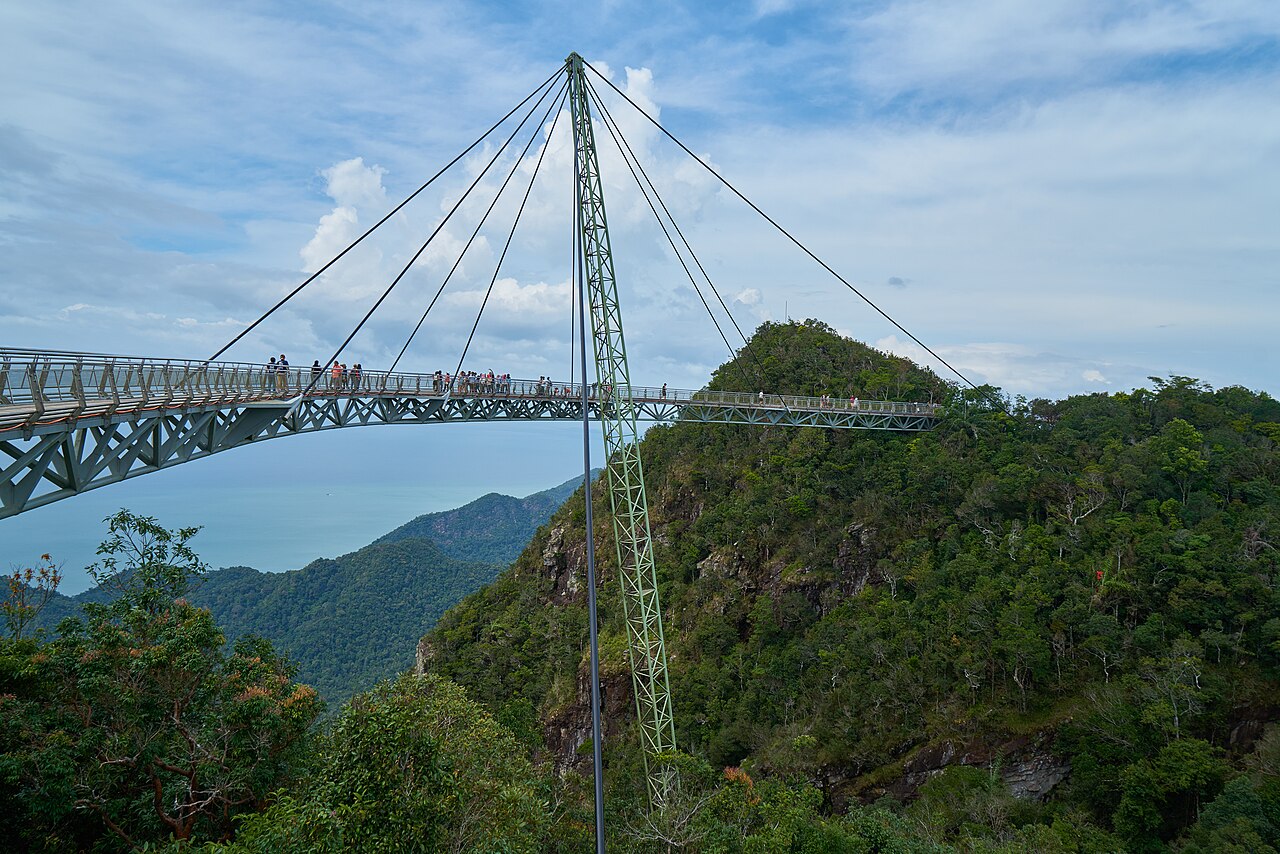
| 6–7 | Langkawi | Sky Bridge, mangrove tour, Datai Bay, island-hopping boat trip |
The mechanics: express bus KL to Melaka (2h 30m), bus Melaka to Butterworth or a short flight to Penang, then the 35-minute hop by air from Penang to Langkawi (the direct passenger ferry was suspended during the pandemic and has not resumed, so budget RM 60–150 for a flight, or go overland to Kuala Perlis or Kuala Kedah and take the ferry from there). Fly home from Langkawi International. Total intercity transport for the week runs about RM 250–350 ($60–83) per person.
The 7-day variation for nature over cities
Swap Melaka and Langkawi for the interior: KL (2 nights) to Cameron Highlands (2 nights of tea plantations, mossy forest and strawberry farms at 1,500 metres, where you will genuinely want a jacket) to Taman Negara (3 nights in 130-million-year-old rainforest, with the canopy walkway, a night jungle walk and a boat trip upriver). It is a harder, sweatier, more memorable week, and it is the better choice in November to February when the east coast is closed and the beaches are a write-off anyway.
10 Days in Malaysia: Peninsula Plus Islands
Ten days is the sweet spot for a first visit. You get the seven-day route without the rush, plus three or four days somewhere genuinely remote — and for the first time, Borneo becomes a defensible option rather than a mad dash. The dedicated 10 days in Malaysia guide builds both versions side by side — peninsula and islands, or peninsula and Borneo — with a decision framework for choosing.
Option A: West coast plus the east coast islands (March–October)
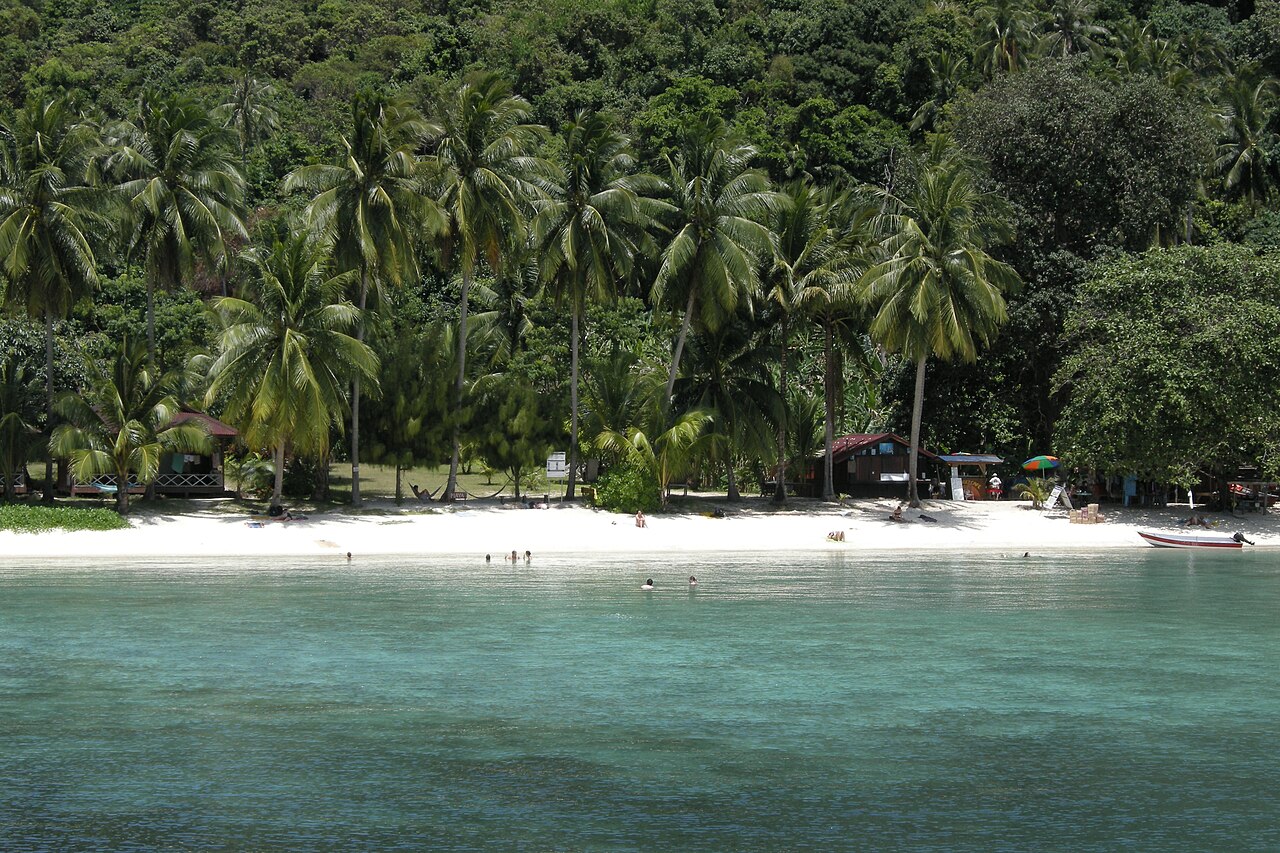
KL (2 nights) → Cameron Highlands (2 nights) → Penang (3 nights) → Perhentian Islands (3 nights). The Perhentians are the payoff: white sand, water clear enough to snorkel with blacktip reef sharks straight off the beach, and no cars, no ATMs and patchy power. Get there by overnight bus from KL or a bus from Penang to Kuala Besut, then a 30–45 minute speedboat (about RM 70 return). Check the Perhentian Islands guide for which of the two islands suits you — Kecil for backpackers and nightlife, Besar for families and quiet.
Option B: Peninsula plus a first taste of Borneo
KL (2 nights) → Penang (2 nights) → fly to Kota Kinabalu (2 nights) → Sandakan and the Kinabatangan River (3 nights) → fly home from KK. This is the version that gets you orangutans, proboscis monkeys and pygmy elephants without pretending you can also climb a mountain. Book the KL–KK flight early; fares start around RM 259 but climb steeply inside three weeks.
Option C: Year-round west coast, slow
KL (2) → Melaka (2) → Ipoh (1) → Penang (3) → Langkawi (2). Adding Ipoh is the move most itineraries miss: limestone cave temples, some of the best white coffee and bean sprout chicken in the country, and a restored colonial core that has none of Penang’s crowds. This route works in any month.
2 Weeks in Malaysia: Peninsula and Borneo Done Properly
Fourteen days is where Malaysia stops being a stopover country and starts being a destination. This is the itinerary most people should aim for if they can: one week on the peninsula, one week in Borneo, with a single internal flight joining them. See the full 2 weeks in Malaysia itinerary for the day-by-day split and the booking lead times that break Borneo trips.
| Days | Base | What you are there for |
|---|---|---|
| 1–2 | Kuala Lumpur | Arrival, Batu Caves, city core, hawker food |
| 3–4 | Melaka or Cameron Highlands | Heritage streets, or tea plantations and cool air |
| 5–7 | Penang | George Town, Penang Hill, the food capital of Asia |
| 8 | Fly Penang → Kota Kinabalu (via KL) | Transit day; arrive KK for sunset at Tanjung Aru |
| 9–10 | Kota Kinabalu | Tunku Abdul Rahman marine park, Mount Kinabalu foothills, night market seafood |
| 11–13 | Sandakan and Kinabatangan | Sepilok orangutans, sun bears, river safaris at dawn and dusk |
| 14 | Fly home from Kota Kinabalu | Morning flight back to KL for the long-haul connection |
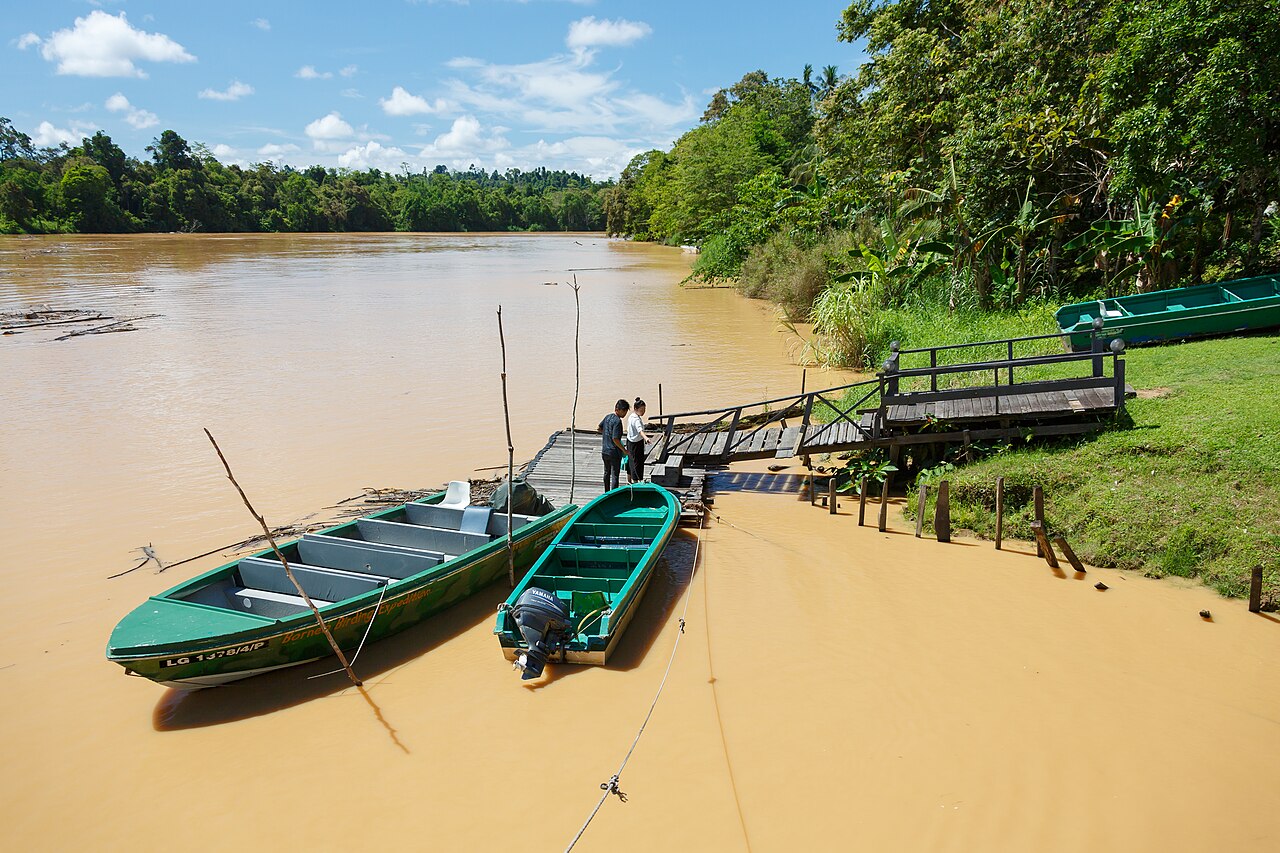
The Kinabatangan days are the ones people remember. It is a muddy brown river fringed with the last strip of lowland forest in Sabah, which means the wildlife is concentrated along the banks in a way that is almost unfair: proboscis monkeys crashing through the branches at dusk, hornbills overhead, macaques, crocodiles, and — if the week goes your way — a herd of Borneo pygmy elephants. Two nights gets you four boat safaris. Three nights gets you six and a much better chance at the elephants.
Sepilok, near Sandakan, is where most visitors have their first orangutan encounter, at the rehabilitation centre’s feeding platforms. Read our guide to where to see orangutans in Malaysia before you book — the difference between an ethical encounter and a photo-op is worth understanding, and the wild sightings at Danum Valley are a different experience entirely.
The 2-week beach variation
If wildlife is not the driver, use the second week on water instead: KL (2) → Melaka (2) → Penang (3) → Langkawi (3) → Perhentians or Redang (4), March to October only. The Malaysia island hopping routes cover the ferry logistics for stringing islands together without backtracking, and the Malaysia islands guide ranks all of them by what they are actually good at.
3 Weeks in Malaysia: The Deep Dive
Three weeks lets you stop optimising. You can take the slow options, sit out a rainy afternoon without it costing you a highlight, and add the two places that never survive shorter itineraries: Sarawak and a serious dive trip. Our 3 weeks in Malaysia guide prices each of the slow, high-value destinations a fortnight forces you to cut.
Week 1 — the west coast: KL (3 nights), Melaka (2), Ipoh (2), Penang (3). Week 2 — highlands, jungle and beach: Cameron Highlands (2), Taman Negara (3), then east to the Perhentians (3) in season, or across to Langkawi (3) out of it. Week 3 — Borneo: fly to Kuching (3 nights for Bako National Park’s proboscis monkeys, Semenggoh’s semi-wild orangutans, and the best waterfront in Malaysia), fly to Kota Kinabalu (2 nights), then Sandakan and the Kinabatangan (3 nights) or Danum Valley (3 nights) to finish.
Two upgrades worth building the three weeks around. The first is climbing Mount Kinabalu — 4,095 metres, two days, a 2am summit push to watch the sun come up over Borneo, and permits that need booking months ahead. The second is Danum Valley, primary rainforest with no logging history and no day-trippers, where the orangutans are wild and the canopy walkway at dawn is worth the price of the whole trip. Both need a minimum three-day block; neither fits in fourteen days without something else being cut.
The Borneo-Only Itinerary: 7 to 14 Days in Sabah and Sarawak
Plenty of repeat visitors skip the peninsula entirely. If you have been to Malaysia before, or you are coming specifically for wildlife and diving, a Borneo-only trip is the stronger use of your time. The standalone Borneo itinerary builds 7, 10 and 14-day routes and frames the Sabah-or-Sarawak decision properly.
7 days: Sabah highlights
Kota Kinabalu (2 nights, with a day on the Tunku Abdul Rahman islands) → Kinabalu Park and Poring hot springs (1 night) → Sandakan for Sepilok and the Bornean Sun Bear Centre (1 night) → Kinabatangan River lodge (3 nights). Fly in and out of KK. This is the most wildlife per day of any week-long route in the country.
14 days: Sabah and Sarawak together
Start in Kuching (4 nights: Bako, Semenggoh, the Sarawak Cultural Village, and a Sarawak laksa breakfast every morning), fly to Mulu for 3 nights of the Deer Cave bat exodus and the Pinnacles trek if you are fit, then fly via Miri to Kota Kinabalu for the Sabah half — Kinabalu Park, Sepilok, and either the Kinabatangan or Danum Valley. Budget for four internal flights; there is no cheap way around it, but each one is under RM 250.
The diving version
If Sipadan is the reason you are coming, build the whole trip around it. Permits are capped daily and are allocated only through licensed Semporna operators — you cannot apply yourself, and peak months (April and May especially) sell out three to six months ahead. Plan four to five nights on Mabul or Kapalai so your operator can rotate you onto a Sipadan permit day, and treat any Sipadan day as a bonus rather than a guarantee. Our scuba diving in Malaysia guide compares Sipadan with Layang-Layang, Tioman and the Perhentians for divers who want alternatives.
The Malaysia Backpacking Route
Malaysia sits in the middle of the classic Southeast Asia overland trail, and the standard backpacker route runs north to south or south to north between Thailand and Singapore. Going southbound: cross from Hat Yai to Penang, then Penang (4 nights) → Cameron Highlands (3) → KL (4) → Melaka (3) → Johor Bahru and across to Singapore. Two to three weeks, almost entirely by bus, and the whole thing is doable on RM 100–130 a day including transport. Our Malaysia backpacking route guide has current bus fares, the Padang Besar border crossing and a daily budget in ringgit.
The east coast alternative is quieter and better if you want beach time: Kota Bharu → Perhentians (4–5 nights) → Kuala Terengganu → Cherating → Tioman (4 nights) → Johor Bahru. It only works March to October. Night buses save you a hostel night on the long legs and are genuinely comfortable — Malaysian express coaches have three-across reclining seats, which is a step up from most of the region. Our list of free things to do in Malaysia is worth a skim if you are counting every ringgit.
The KL to Penang Road Trip
Malaysia has the best roads in Southeast Asia and car hire runs about RM 120–180 ($29–43) a day, which makes the west coast one of the region’s few genuinely pleasant self-drive routes. The North-South Expressway will get you KL to Penang in four hours flat, but the point of driving is not to do that. The full KL to Penang road trip guide gives the route exit by exit, with 2026 toll and fuel costs.
The five-day version: KL → Kuala Selangor for the firefly boats at dusk (1 night) → Ipoh for cave temples and white coffee (2 nights, with a detour to Kellie’s Castle and Gua Tempurung) → Taiping for the Lake Gardens and the oldest museum in the country (1 night) → Penang (2 nights, park the car at the hotel and use Grab in George Town, where the streets are one-way and parking is misery). Add Cameron Highlands as a two-night detour from Ipoh if you want the mountain road.
Practical notes: driving is on the left, tolls on the expressway need a Touch ‘n Go card (buy one at any petrol station, top it up at convenience stores), and an International Driving Permit alongside your home licence is the safe combination. Petrol is heavily subsidised and absurdly cheap by Western standards.
Itineraries for Specific Travellers
The food itinerary
Ten days, three cities, one obsession: Penang (4 nights — char kway teow, assam laksa, cendol, the Gurney Drive and New Lane hawker centres), Ipoh (2 nights — bean sprout chicken, white coffee, salt-baked chicken), KL (4 nights — Jalan Alor, Kampung Baru for Malay food, Brickfields for banana leaf rice, and a Nyonya dinner). Add Melaka if you can, for the Peranakan cooking that exists nowhere else. Start with our Malaysian food guide and the night markets guide — pasar malam nights rotate by neighbourhood, and hitting the right one is a planning decision.
The family itinerary
Ten days, low friction: KL (3 nights — Aquaria KLCC, KL Bird Park, Sunway Lagoon) → Langkawi (4 nights — Sky Cab, mangrove boat safari, Underwater World, calm swimming beaches at Cenang and Tengah) → Penang (3 nights — Penang Hill funicular, Escape theme park, the beaches at Batu Ferringhi). Everything is short-hop, air-conditioned and stroller-tolerant, and Malaysia is one of the easiest countries in Asia to travel with children. Skip the Kinabatangan with under-sixes; the boat safaris are long and the lodges are basic.
The adventure itinerary
Two weeks of moving: Taman Negara (3 nights, canopy walk and an overnight jungle hide), Gua Musang or the Kelantan rivers for white water rafting, then Borneo for Mount Kinabalu (3 nights including the climb and recovery) and Mulu’s Pinnacles trek (4 nights). Fitness is the limiting factor, not budget — the Pinnacles is a 2.4km near-vertical scramble that turns people back every week.
What Each Itinerary Costs
Ground costs per person, excluding international flights, based on 2026 prices. Borneo legs are priced separately because they change the maths.
| Itinerary | Backpacker | Mid-range | Comfortable |
|---|---|---|---|
| 3 days (KL) | RM 300 / $71 | RM 750 / $179 | RM 1,800 / $429 |
| 5 days (heritage triangle) | RM 550 / $131 | RM 1,350 / $321 | RM 3,200 / $762 |
| 7 days (west coast) | RM 850 / $202 | RM 2,000 / $476 | RM 4,800 / $1,143 |
| 10 days (peninsula + islands) | RM 1,200 / $286 | RM 3,000 / $714 | RM 7,000 / $1,667 |
| 14 days (peninsula + Borneo) | RM 2,200 / $524 | RM 5,000 / $1,190 | RM 12,000 / $2,857 |
| 21 days (full country) | RM 3,200 / $762 | RM 7,500 / $1,786 | RM 18,000 / $4,286 |
The jump between the 10-day and 14-day rows is almost entirely Borneo: internal flights, lodge packages that bundle three meals and guided activities, and park fees. A three-night Kinabatangan package runs RM 900–1,600 per person; a Danum Valley stay starts around RM 2,500 for three nights and climbs sharply. Budget for those as fixed blocks rather than daily spend.
Build Your Own Route: How Many Days Each Place Deserves
If none of the routes above matches your dates, assemble your own from blocks. Give each destination the nights in the table below, add a travel half-day between anywhere that is not a direct two-hour hop, and stop adding when you run out of days. That is the entire method.
| Destination | Nights | Why that many |
|---|---|---|
| Kuala Lumpur | 2–3 | One day for the city core, one for Batu Caves and a museum, a third if you want a day trip |
| Melaka | 2 | The heritage core is walkable in a day; the second night gets you the weekend night market |
| Penang | 3 | A day for George Town on foot, a day for Penang Hill and Kek Lok Si, a day purely for eating |
| Ipoh | 1–2 | Compact old town plus the cave temples; two nights if you add Gua Tempurung |
| Cameron Highlands | 2 | Tea estates and the Mossy Forest fill one full day; the drive up eats half of another |
| Langkawi | 3 | Sky Cab, a mangrove safari and an island-hopping boat trip, plus one beach day |
| Perhentians / Redang | 3–4 | Boat access days are half-days; you want two clear days of snorkelling in between |
| Tioman | 3 | Same logic, with slower ferry connections from Mersing |
| Taman Negara | 3 | Canopy walkway, a night walk and a river trip do not fit into two |
| Kota Kinabalu | 2 | One day in the city and markets, one on the marine park islands |
| Kinabalu Park | 1 (3 to climb) | A night for the park and Poring; three days if you are summiting |
| Sandakan / Sepilok | 1–2 | Orangutan and sun bear centres plus Sandakan itself |
| Kinabatangan River | 3 | Six boat safaris rather than four — wildlife is a numbers game |
| Danum Valley | 3 | Lodge packages are built in three-night blocks and transfers are long |
| Kuching | 3 | Bako, Semenggoh and the city each want their own day |
| Mulu | 3 | Show caves and the bat exodus in two; the Pinnacles needs the third |
| Semporna / Mabul | 4–5 | Permit rotation means you need spare days to get onto Sipadan |
Three assembly rules make the difference between a route that works and one that looks fine on a spreadsheet. First, never end a trip on an island unless you have a buffer night on the mainland — boats get cancelled for weather and missing an international flight is an expensive way to learn that. Second, put the long-haul recovery at the front: KL is the easiest place in the country to be jet-lagged, with air conditioning, familiar food and no boats to catch. Third, alternate intensity — a jungle lodge after a city, a beach after a trek. Malaysia’s variety is its strongest asset and back-to-back temples or back-to-back rainforests waste it.
Where you sleep shapes the pace as much as the route does. In George Town and Melaka, a heritage shophouse inside the UNESCO zone means you walk everywhere and the city is yours before the day-trippers arrive. In Borneo, the lodge is the itinerary — meals, guides and boat times are all included and fixed, so choosing well matters more than anywhere else in the country.
Adjusting Your Itinerary by Season
The same number of days produces a different route depending on the month. This is the adjustment table to run your plan through before you book anything.
| Months | Conditions | Route to build |
|---|---|---|
| November–February | Northeast monsoon; east coast islands closed, Borneo’s east coast wet | West coast only — KL, Melaka, Ipoh, Penang, Langkawi. Best months for Kuching and the peninsula’s interior. |
| March–April | Shoulder; east coast reopening, hot and dry | Everything is open. Best all-round window for a first trip. Sipadan permits are hardest to get. |
| May–August | Peak season; driest on the east coast | Perhentians, Redang and Tioman at their best. Book islands and Mount Kinabalu well ahead. |
| September–October | Inter-monsoon rain on the west coast; possible haze | Shift east — the east coast islands are still running and quieter. Borneo is reliable. |
Borneo is less seasonal than the peninsula but not seasonless. Sabah’s east coast gets its wettest weather from October to February, which affects river levels on the Kinabatangan (higher water can actually improve wildlife viewing by pushing animals to the banks) and dive visibility at Sipadan. Mount Kinabalu can be climbed year-round, though January and February bring the highest chance of a summit closure for weather.
One more calendar item: Ramadan and Hari Raya. During Ramadan, daytime eating options thin out in Malay-majority areas but the Ramadan bazaars every afternoon are among the best food experiences in the country. Over Hari Raya itself, half the country travels home and transport books out weeks ahead — a great time to be somewhere and a terrible time to be moving.
Six Mistakes That Ruin Malaysia Itineraries
Treating Borneo as a side trip. It is a separate country in every way that matters to a traveller: different flights, different prices, different pace. Give it a week or leave it out.
Booking east coast islands between November and February. People do this every single year, arrive at Kuala Besut, and find no boats running. If your dates are in that window, go west.
Underestimating the heat. It is 32°C and humid at sea level all year. Three sights in a day is a full day. Build in a long lunch and an afternoon indoors, and do the outdoor things before 11am — this is why every itinerary above starts early.
Flying between peninsula cities. KL to Penang by air takes an hour, plus two hours at KLIA, plus an hour to the airport, plus a transfer at the far end. The ETS train takes three hours and 35 minutes from city centre to city centre and costs a third as much.
Leaving Sipadan permits and Mount Kinabalu to chance. Both are capped, both sell out months ahead, and neither can be arranged on arrival. If either is a trip highlight, book it first and build the itinerary around the confirmed date.
Over-planning the food. Reservations are almost never needed and the best meals are RM 8 plates at stalls you walk past. Leave the evenings open. Our Malaysian street food guide is a better tool than a restaurant list.
Booking Order: What to Lock In and When
Malaysia rewards booking a handful of things early and improvising the rest.
- 4–6 months out: Sipadan dive packages, Mount Kinabalu climb permits, Danum Valley and Mulu lodges, and international flights over school holidays.
- 2–3 months out: Internal flights to Borneo (fares roughly double inside three weeks), Kinabatangan lodge packages, and island resorts for July and August.
- 2–4 weeks out: ETS train seats — the fast Express services sell out on Fridays and Sundays — plus city hotels in Penang and George Town.
- A few days out: Express buses, Penang–Langkawi ferries, day tours, and anything in KL. There is almost always space.
- Within 3 days of arrival: Your free MDAC arrival card. It cannot be submitted earlier than 72 hours before you land.
A few practical bookings worth doing before you fly, too: a local SIM or eSIM so Grab works from the airport kerb (see our Malaysia SIM card guide), and travel insurance that covers whatever you actually plan to do — diving and high-altitude trekking are both standard exclusions on cheap policies.
Malaysia Itinerary FAQs
How many days do you need in Malaysia?
Seven days covers the west coast highlights comfortably. Ten days is the realistic minimum for a first trip that includes islands or a taste of Borneo. Fourteen days lets you do both halves of the country without rushing, and is the length most first-time visitors are happiest with in hindsight.
What is the best Malaysia itinerary for first-timers?
Kuala Lumpur, Melaka, Penang and Langkawi over seven to ten days. It is the most-travelled route in the country because the connections are easy, the four stops are genuinely different from each other, and it works in every month of the year.
Can you visit Malaysia and Singapore or Thailand in one trip?
Easily. Singapore is a 30-minute causeway crossing from Johor Bahru and works as a two- or three-day bookend at the southern end of a peninsula route. Thailand connects overland at Padang Besar and Bukit Kayu Hitam, or by the short flight and ferry hops between Langkawi and Koh Lipe. Add three to four days per country and factor in the border crossings, which can be slow at weekends.
Is 3 days in Malaysia worth it?
Yes, as a stopover on a long-haul route — KL alone justifies three days on food and temples. It is not enough for beaches, and it is nowhere near enough for Borneo. Treat it as a taster and plan to come back.
Should I base myself in one place or move around?
Move, but slowly. Malaysia’s destinations are close enough that a fixed base wastes time on repeated day-trip returns, and distinct enough that staying put means missing the point. Two to three nights per stop is the balance almost every itinerary above is built on.
Do I need a guide or a tour company?
Not for the peninsula. English is widely spoken, transport is easy to book online, and independent travel is straightforward. Borneo is different: Kinabatangan river safaris, Danum Valley, Mulu and Sipadan all operate as lodge or operator packages, and there is no practical way to do them independently.
Plan Your Malaysia Trip
Pick the itinerary that matches your days, then check it against the season table — if your dates fall between November and February, the west coast version is the one. Lock in anything capped (Sipadan, Mount Kinabalu, Borneo lodges) before you book flights around it, and leave the evenings unplanned.
From here, the best places to visit in Malaysia will help you swap destinations in and out of the routes above, and the things to do in Malaysia guide fills in the days once the shape of the trip is settled. Whatever length you end up with, the country will reward the version of the plan that does less.
3 notes