Fireflies in Malaysia: Where to See Nature’s Light Show
At around seven-thirty in the evening, when the Selangor River has gone completely dark, the mangrove trees on the bank begin to light up. At first, a single flash. Then another tree answers. Within minutes, the riverbank looks like a slow-motion lightning storm seen through gauze — thousands of fireflies, all synchronising their flashes in a coordinated display that has no parallel in the natural world outside Southeast Asia. Malaysia is one of the few places on Earth where you can watch this phenomenon, and the Selangor River near Kuala Selangor is its most accessible and most spectacular location.
Firefly watching in Malaysia has become a significant tourism activity, and the experience ranges from genuinely moving to frankly exploitative depending on how it is organised. This guide covers where to see fireflies across Malaysia, how the synchronised displays work ecologically, when to visit, and how to choose an operator that protects the fireflies rather than degrading the habitat they depend on. For the broader Malaysia wildlife picture, our malaysia wildlife guide connects the full range of natural experiences in the country.
Why Malaysia Has Synchronised Fireflies

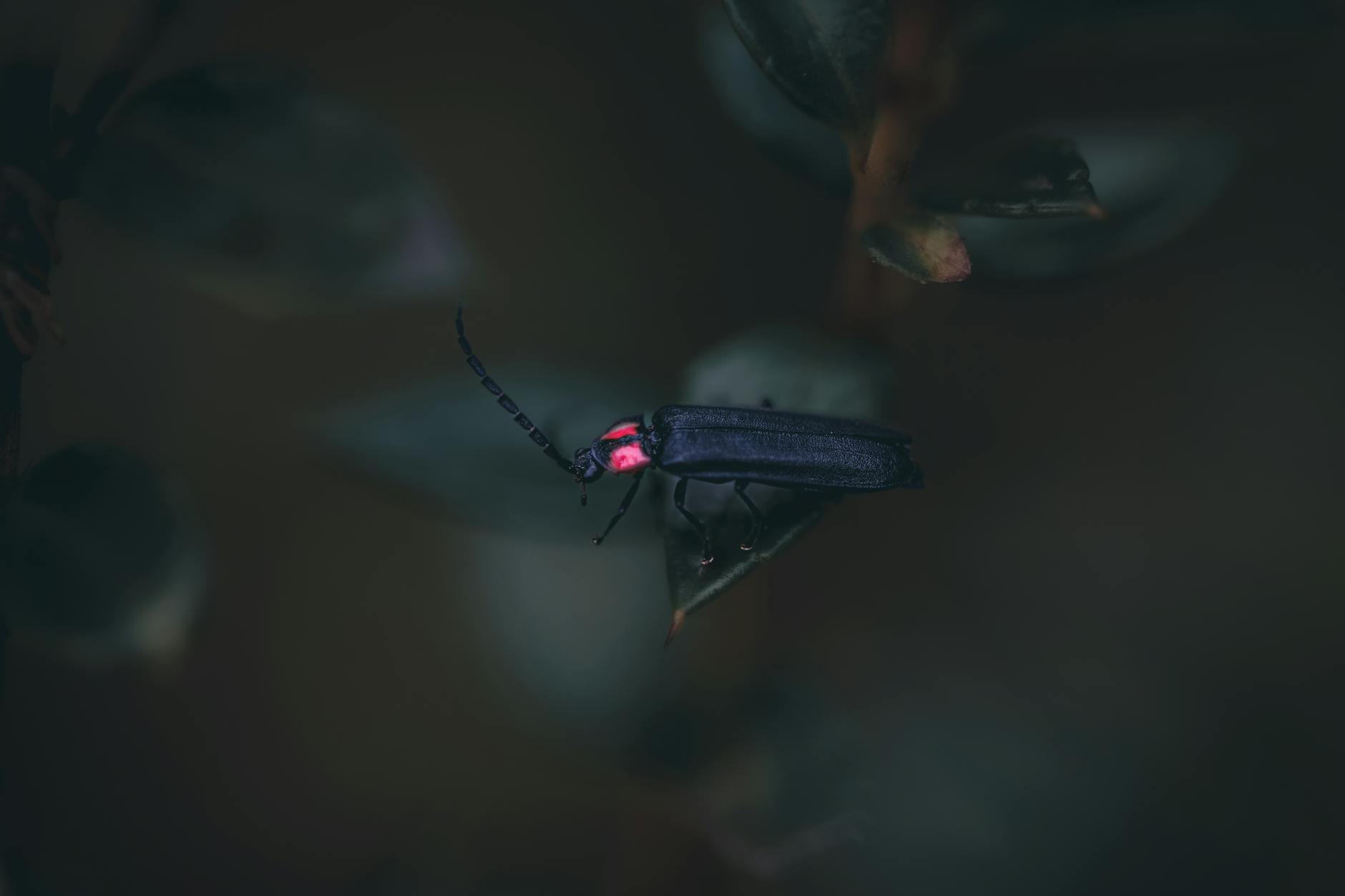
The species responsible is Pteroptyx tener, a small beetle approximately five to eight millimetres in length whose males flash in unison as a coordinated mating signal. The synchronisation is neurologically driven — each male adjusts his flash timing to match his neighbours through a process called coupled oscillation, creating a cascade that spreads across whole trees and eventually entire riverbanks. Scientists call this one of the most remarkable examples of biological coordination in nature. Females, stationary on the branches, signal back to males they find attractive, creating a complex bidirectional light show.
The light itself is generated through a chemical reaction involving the enzyme luciferase and the substrate luciferin, producing light with almost no waste heat — one of the most efficient light sources known to science. Each male flashes at approximately three times per second. The synchronisation is believed to have evolved because it makes individual males more visible to females against the visual noise of competing flashers: a collective signal more effective than any individual could produce alone.
Pteroptyx tener is associated almost exclusively with Berembang trees (Sonneratia caseolaris), a mangrove species that grows at river edges in brackish water. Females lay eggs on muddy banks; larvae develop in the wet sediment, feeding on small snails and other invertebrates. The larval stage lasts several months before pupation and emergence as adult beetles, which live only a few weeks — just long enough to find a mate. The entire life cycle depends on the health of the mangrove riverside habitat, which is why conservation of these ecosystems is so critical.
Where to See Fireflies in Malaysia
Kampung Kuantan, Kuala Selangor
The most famous and most visited firefly site in Malaysia, approximately seventy kilometres northwest of Kuala Lumpur. The Selangor River near Kampung Kuantan has supported synchronised displays for generations. Visitors board a traditional wooden sampan or electrically powered fibreglass boat at the riverside jetty and are paddled silently along the riverbank, where Berembang trees on both sides are illuminated by millions of synchronised flashes. At its best — on a dark moonless night with moderate boat traffic — the display is genuinely overwhelming: trees pulse in unison, the reflection in the river doubles the effect. At its worst — weekend nights with many boats and flashlights aimed at the trees — the display is compromised.
The firefly park is operated by the local community and charges approximately RM35 per person including the boat ride and life jacket. Tour departures are available at 7:30pm, 8pm, and 9pm; each trip lasts approximately twenty to thirty minutes. Tours from Kuala Lumpur including transport and dinner cost RM100 to RM200 per person. Kampung Kuantan is open year-round, though displays may be reduced during heavy rain or bright moonlight.
Kampung Bukit Belimbing
Just a short distance from Kampung Kuantan on the Selangor River, this smaller site is preferred by some visitors for its more intimate atmosphere. Boats are limited in number, boat traffic is lower, and the experience is quieter. The firefly displays are equally impressive. If you have flexibility in choosing which Selangor River site to visit, Bukit Belimbing on a weeknight offers the best chance of the display at its undisturbed best.
Kampung Dew, Taiping, Perak
The Sepetang River near the Matang Mangrove Forest Reserve, approximately three and a half hours from Kuala Lumpur. Kampung Dew is one of the largest firefly habitats in Malaysia with fewer tourists and a stronger sense of being immersed in the mangrove ecosystem. Firefly tours operate from approximately 7pm to 11pm; boat rides last around thirty minutes. Cost: RM20–RM35 per person. The experience is often combined with a visit to the Kuala Sepetang fishing village, known for its charcoal kilns, mangrove boardwalks, and fresh seafood — making it an excellent full-day option for visitors already exploring Perak.
Cherating, Pahang
The Cherating River in Pahang offers a popular firefly experience on the east coast, convenient for visitors staying at the beach resorts along the Cherating coastline. Some operators here include an interactive element where fireflies fly close to the boat, creating the sensation of being surrounded by floating points of green light. Boat tours cost approximately RM25 to RM50 per person; they operate nightly during the dry season. Cherating fireflies pair naturally with the turtle sanctuary nearby — our sea turtles malaysia guide covers the east coast turtle watching logistics.
Weston Wetland Park, Sabah
For visitors to Malaysian Borneo, the Weston Wetland Park approximately 120 kilometres south of Kota Kinabalu offers a unique firefly experience combined with proboscis monkey and crocodile spotting on the same river cruise. The evening starts with sunset wildlife watching — proboscis monkeys moving to roosting trees, egrets returning to the mangroves — and then the firefly display takes over as darkness falls. Weston is the largest firefly park in Sabah. Evening tours from Kota Kinabalu cost approximately RM150 to RM300 per person including transport, wildlife cruise, and dinner. Visitors combining fireflies with the Sabah wildlife circuit described in our guides to see orangutans malaysia and Kinabalu national park can slot the Weston evening into appropriate itinerary gaps.
Kuching Wetlands and Other Sarawak Sites
The Kuching Wetlands National Park — a Ramsar wetland of international importance — offers firefly viewing as part of a three-hour wildlife cruise through mangrove waterways near Kuching. The cruise combines firefly viewing with opportunities to spot crocodiles, proboscis monkeys, and other wetland wildlife. Cost: approximately RM150 to RM250 per person. Firefly colonies are also found along the Klias River in Sabah, the Kota Belud area north of Kota Kinabalu, and various river systems along Peninsular Malaysia’s west coast.
Choosing Your Boat
Traditional row boats or electric-powered vessels cause significantly less disturbance than motorised longboats and allow genuine quiet. The Kampung Kuantan Firefly Conservation Society prioritises smaller groups and quieter approach methods. Avoid operators advertising guaranteed firefly photos using flash or LED lights. Typical boat trips cost RM20 to RM40 per person; premium silent-boat experiences at RM60 to RM80 per person are significantly better for the display quality and your own experience.
Conservation Concerns
The Selangor River firefly population has declined significantly from its historical abundance. Between 2002 and 2017, mangrove areas in key firefly habitats decreased by approximately 17 percent — a loss of 93 hectares of critical habitat that is directly reflected in reduced firefly numbers. The primary drivers are habitat loss (mangrove clearing for aquaculture and riverfront development), light pollution from expanding urban areas and road lighting, and water quality degradation from agricultural and domestic runoff.
The Berembang mangrove trees require specific water chemistry, flow rates, and light conditions — any significant alteration of the river’s hydrology affects the tree population and therefore the firefly colony. Artificial light is estimated to be increasing by as much as ten percent annually in many parts of Malaysia, and its impact on firefly populations — disrupting the visual communication on which synchronised mating depends — is becoming increasingly apparent.
The tourism itself creates pressure through boat wake erosion of mangrove root systems, light from boat-borne flashlights disrupting mating synchronisation, and noise pollution. Responsible operators address these concerns through smaller group sizes, silent boats, strict no-light policies, and minimum approach distances from the brightest display trees. The Forestry Department has designated Congregating Firefly Zones along key rivers, providing legal protection for mangrove habitats. Community-based conservation programmes at sites like Kampung Kuantan have demonstrated that sustainable firefly tourism creates economic incentives for habitat protection. Supporting operators who contribute to Malaysian Nature Society monitoring programmes aligns a tourism visit with conservation.
When to Visit
Firefly displays occur every clear night throughout the year — one of the few Malaysian wildlife spectacles that doesn’t require planning around a specific season. The most important factor is moonlight: displays are most spectacular on dark, moonless nights when the contrast between the fireflies’ light and surrounding darkness is greatest. Check the lunar calendar before booking and aim for the new moon period. April to October is generally the most reliable period; the northeast monsoon from November to February occasionally brings heavy rain and flooding that can temporarily disperse colonies.
Weekday visits are strongly recommended over weekends. Weekend nights at Kampung Kuantan attract crowds that increase boat traffic and ambient noise, degrading both the experience and the mating display itself. Tuesday to Thursday evenings provide the best combination: reliable display, low boat traffic, and cooperative darkness. The peak activity window is roughly 8pm to 10pm — the first hour after full darkness falls is often the most intense.
What to Expect on a Firefly Tour
You arrive at the jetty as darkness falls, usually between 7:30pm and 8pm. After a brief safety briefing and life jacket fitting, you board a small boat with a handful of other passengers. As the vessel glides away from the jetty into the darkness, the first fireflies become visible as scattered points of green light among the trees on the bank. As your eyes adjust and the boat moves deeper into the display habitat, the full scale becomes apparent: entire trees pulsing with synchronised light, each flash rippling through the canopy like a wave, the reflection in the dark water doubling the effect. The boatman brings you close to particularly impressive display trees so you can observe individual fireflies and appreciate the precision of their synchronisation.
The entire experience lasts twenty to forty-five minutes depending on location and operator. Most visitors describe the ride back to the jetty as bittersweet — the time passes far too quickly. The silence on the water, broken only by the sound of the river against the hull, is as much a part of the experience as the light itself.
Photography Tips
Firefly photography requires a tripod, a camera capable of manual exposure control, and either a stationary boat or a fixed river platform. Use ISO 800 to 3200 depending on your camera’s noise performance, aperture f/2.8 to f/4, and an exposure time of fifteen to thirty seconds to capture multiple flash cycles. The reflection in the river doubles the visual impact — compose to include both the tree and its water reflection. A short focal length captures more of the river scene than a telephoto; the display is contextual rather than close-up. Never use flash or bright illumination — it is strictly prohibited at all established sites, both because it disorients the fireflies and disrupts their synchronised mating, and because it ruins the experience for everyone else on the river.
For video, cameras with excellent low-light capability can capture the synchronised flashing in real time. Smartphone cameras generally struggle in these conditions. The most effective photographs use exposures of fifteen to thirty seconds that capture accumulated light trails from multiple flash cycles — images that convey the ethereal quality of the display better than any single-moment shot.
Practical Tips
Wear dark clothing to avoid reflecting light that could disturb the fireflies. Apply insect repellent before the boat ride — mosquitoes are present along the river. Bring binoculars if you want to observe fireflies on more distant trees. Book through reputable operators who use electric or paddle-powered boats. Avoid operations that advertise guaranteed photography using lights or that run large, noisy motorised vessels.
Combining Fireflies with Other Attractions
A Kuala Selangor firefly evening fits naturally into a complete peninsular wildlife day. The Nature Park opens at 8am for early-morning birding — priority species include purple herons, mangrove pittas, and spoon-billed sandpiper on the mudflats during migration. Our birdwatching malaysia guide covers Kuala Selangor as part of the peninsular birding circuit. A morning mangrove walk, a visit to Bukit Malawati where silver leaf monkeys congregate near the lighthouse, an afternoon at the peat swamp forest, and the firefly boat at 7:30pm fills a complete and satisfying day from Kuala Lumpur.
The firefly evening pairs naturally with Taman Negara national park — both are accessible from Kuala Lumpur and together cover the peninsula’s two most distinct natural environments: the coastal mangrove and the ancient interior rainforest. In Sabah, the Weston firefly experience combines directly with the proboscis monkey river cruise, creating a complete evening wildlife programme that stands among the highlights of any east Malaysia itinerary.
Few wildlife experiences in Malaysia are as immediately accessible and as consistently surprising as the Selangor River fireflies. No hiking, no early mornings, no specialist knowledge required — just a dark river, a small boat, and the patience to let the trees come alive around you. The synchronised display is one of those natural phenomena that no description adequately prepares you for, which is the best possible recommendation for making the trip.
Costs at a Glance
Firefly boat rides at Kampung Kuantan, Kuala Selangor: approximately RM35 per person. Organised tours from Kuala Lumpur including transport and dinner: RM100–RM200 per person. Premium silent-boat experiences at Kampung Kuantan: RM60–RM80 per person. Tours at Kampung Dew, Taiping: RM20–RM35 per person. Cherating River firefly tours: RM25–RM50 per person. Weston Wetland Park evening tours from Kota Kinabalu: RM150–RM300 per person including transport, wildlife cruise, and dinner. Kuching Wetlands wildlife cruises with firefly viewing: approximately RM150–RM250 per person. Of these, Kuala Selangor provides the most reliable and most spectacular display; Weston provides the most comprehensive combined wildlife evening; Kampung Dew provides the most natural, least-commercialised experience.
The Broader Ecosystem Around Firefly Sites
Firefly sites are almost always embedded in richer ecological systems than the fireflies alone might suggest. The mangrove rivers of Kuala Selangor sit within a patchwork of mudflats, peat swamp forest, and secondary forest that together support one of the most bird-rich coastal environments on the Malay Peninsula. The Klias River in Sabah — another firefly site — runs through an area with healthy proboscis monkey populations and is used as a transit corridor by pygmy elephants moving between forest patches. The Kuching Wetlands that host firefly boat trips are a Ramsar-listed site for their waterbird communities. In each case, choosing to visit a firefly site carefully and with a responsible operator means contributing to the economic argument for conserving the whole habitat system, not just the single species that draws visitors.
This points to the most important reason to care about how firefly tourism is conducted. The mangrove river habitats that Pteroptyx tener depends on are themselves among the most productive ecosystems in Southeast Asia — storing carbon, filtering water, protecting coastlines from wave erosion, serving as nursery habitat for fish and crustaceans, and providing food and livelihoods to the communities living along their banks. A well-managed firefly tourism operation is simultaneously a mangrove conservation operation. The two cannot be separated, which is why choosing your boat operator and your visit timing carefully matters beyond the personal quality of your experience on the water.
How Firefly Tourism Funds Conservation
At Kampung Kuantan, the local community operating the firefly boats has a direct financial interest in healthy Berembang mangroves — no mangroves, no fireflies, no income. This creates an incentive structure that has proved more durable than regulatory protection alone: community members report and resist illegal mangrove clearing because their tourism income depends on it. The same dynamic operates at Kampung Dew on the Sepetang River, where local operators have become advocates for the Matang Mangrove Forest Reserve that provides their firefly habitat. At Weston in Sabah, local Kadazan-Dusun guides who run the firefly and proboscis monkey cruises have flagged encroachment on the wetland habitat to park authorities because the wildlife that attracts tourists is the basis of their family income.
This is the positive version of wildlife tourism economics working as it should. The visitor’s RM35 boat ticket is, in effect, a payment to a community to protect a river ecosystem. That does not mean all firefly tourism operates this way — large commercial operators who pay little to local communities and little attention to boat disturbance protocols undermine the model. The distinction matters and is worth the effort of researching before you book.
Malaysia’s synchronous fireflies are one of the natural world’s most beautiful and fragile phenomena — a display of collective biological coordination that science is still working to fully understand. Every visitor who sits quietly in a boat on a dark Malaysian river, watching the banks transform into a galaxy of pulsing green light, witnesses something that is becoming increasingly rare on our increasingly illuminated planet. Supporting the communities and conservation efforts that protect these extraordinary insects is not just good for the fireflies — it is good for the rivers, the mangroves, and the entire ecosystem that makes this natural light show possible.
Other Peninsular Sites
Beyond Kuala Selangor, the Kota Stia Firefly River in Johor, Sungai Rembau in Negeri Sembilan, and various Perak riverine sites all have firefly populations, though none approach the Selangor River in scale and reliability. Local community guides at these sites can arrange boat trips with advance booking through local tourism offices. For visitors already exploring Johor, the Kota Stia site can be combined with a trip to Endau-Rompin National Park for a full nature day in the south of the peninsula.
Children and Firefly Watching
Firefly boat trips are one of the best wildlife experiences in Malaysia for children. No early mornings, no long hikes, no patience required for hours on end — just a short, dramatic boat ride after dark that delivers an immediately visible and genuinely magical result. Children old enough to sit still in a boat (roughly four and up) typically find the display engrossing. The key practical point: keep phones and torches switched off, and brief children before boarding that silence and stillness are what make the fireflies perform. Most operators are accommodating of families and can provide life jackets scaled to children. The Kampung Kuantan site is the most practical for families due to its infrastructure and range of departure times; the earlier 7:30pm departure suits younger children who cannot stay up until 9pm or 10pm.