Scuba Diving in Malaysia: Complete Guide to the Best Dive Sites
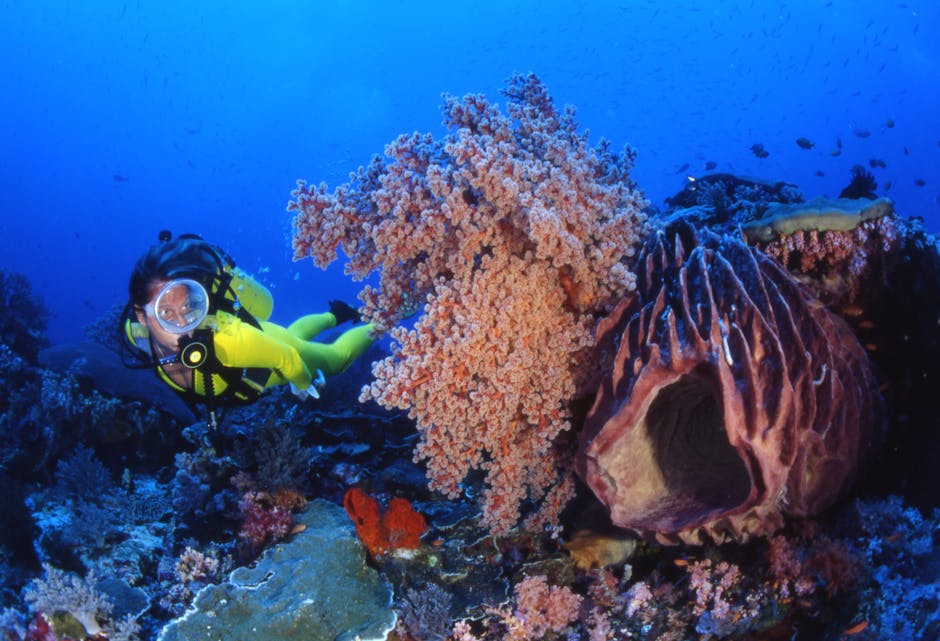
At Barracuda Point, a tornado of chevron barracuda fills the water column so densely you can’t see through it. Thousands of silver fish spin in synchronized columns fifty metres off Sipadan’s wall while grey reef sharks cut lazy arcs below, unbothered by the spectacle above them. This is scuba diving Malaysia at its most extraordinary peak — and it’s not even the rarest thing you’ll see that week.
Malaysia sits at the apex of the Coral Triangle, the 73,000 square-kilometre marine biodiversity zone that holds roughly a third of all coral reef species on Earth and 35 percent of the world’s reef fish. The country’s dive sites span both coasts of Peninsular Malaysia and two halves of Borneo, which means you can access legendary walls at Sipadan, macro obsession at Mabul, hammerhead aggregations at Layang-Layang, and beginner-friendly certification waters at Tioman — all within a single destination. If malaysia adventure travel is on your agenda, the underwater world here belongs at the very top of the list.

This guide walks through the best dive sites across Malaysia, certification practicalities, seasonal planning, costs, and safety — with enough detail to help you choose the right sites for your level, your schedule, and your budget.
Sipadan Island: Malaysia’s Crown Jewel
Read the full Sipadan Island guide for complete logistics, but the core facts are these: Sipadan is a genuine oceanic island rising 600 metres from the Celebes Sea floor, off Sabah’s southeast coast. It was formed by living coral growing over an extinct volcanic cone, making it a seamount dive site unlike the barrier or fringing reefs found elsewhere in Malaysia. Jacques Cousteau called it “an untouched piece of art.” It consistently appears in global top-five dive site lists from every major diving publication, and it earns its place every single year.
What Makes Sipadan Special
The marine biomass here is genuinely staggering. Nutrient-rich currents where the Celebes Sea and Sulu Sea converge feed an extraordinary density of life that few dive sites on earth can match. On a typical dive day at Sipadan you’ll encounter 20 or more green and hawksbill turtles, tornado schools of barracuda that can fill your entire field of vision, bumphead parrotfish the size of labrador dogs grazing coral in formation, and both whitetip and grey reef sharks cruising the wall with the calm authority of animals that own the place. It’s not a lucky day when you see all of this — it’s just what happens when you dive here.
Signature Dive Sites
Barracuda Point is arguably the most celebrated dive site in all of Southeast Asia. In calm conditions, the school of chevron barracuda forms a mesmerizing twisting tornado — thousands of silver fish spiraling in synchronized unity that you can spend an entire dive circling without exhausting its spectacle. When current runs, the barracuda sometimes cruise past in a high-speed wall of silver that local divers call “being buzzed.” Whitetip and grey reef sharks patrol the deeper sections of the wall below, and turtles perch on ledges throughout the dive as if posing for photographs.
Drop Off is Sipadan’s house reef and one of the most dramatic wall dives available anywhere in recreational diving. The reef edge plunges vertically from just five metres below the surface to over 600 metres into the abyss, creating a sensational wall dive where hard and soft coral gardens cling to the near-vertical face. Eagle rays patrol the edge, schools of barracuda and batfish cruise in open water beyond the wall, and your safety stop becomes one of the most entertaining moments of the dive as reef fish seethe in the shallow coral gardens above.
South Point channels powerful current around the island’s southern tip, concentrating jackfish, barracuda, grey reef sharks, and — during certain seasons — hammerhead sharks and even occasional whale sharks. The current can be strong and unpredictable, making South Point best suited to experienced divers comfortable with demanding drift conditions.
Turtle Tomb is a unique cavern system at around 20 metres, named for the skeletal remains of sea turtles that entered the cave passages but couldn’t navigate back to breathable air. This dive requires cavern certification, specialist equipment, and a guide who knows the layout intimately. It should only be attempted by divers specifically qualified for overhead environments.
Sipadan Permits and Logistics
Following the removal of all resort accommodation from Sipadan in 2005, the island operates as a day-trip-only destination with a strict daily cap of 252 divers. You need PADI Advanced Open Water or equivalent to qualify for a permit — Open Water alone won’t get you in. Access is from resort accommodation on Mabul Island (20 minutes by boat), Kapalai, or from the mainland town of Semporna.
Permits flow only through licensed tour operators registered with Sabah Parks, who can book up to six months in advance. A 50 percent deposit is required at booking, with full payment due two weeks before your dive date. Peak season permits sell out far in advance — book four to six months ahead if your travel dates are fixed. Note that Sipadan closes entirely every November to allow the marine environment to recover from tourism pressure, reopening December 1.
Most diving packages include three to five nights of accommodation on Mabul or Kapalai, one or two Sipadan permit days, and unlimited diving at surrounding house reefs and neighbouring islands on the other days. The non-Sipadan diving at Mabul and Kapalai is world-class in its own right — many divers find those days equally satisfying.
Mabul Island: World-Class Muck Diving
Fifteen minutes by boat from Sipadan, Mabul Island has a completely different personality and a completely different kind of obsession. Forget the big-fish spectacle — Mabul is the obsession of macro photographers who dream in nudibranch taxonomy and plan entire trips around a single species sighting. The sandy slopes, scattered sunken boats, coconut husks, and rubble patches are habitat for creatures that have made this island one of the most photographed underwater environments on earth.
The Muck Diving Experience
Muck diving means working what appears to be an unremarkable sandy bottom to find creatures that have perfected the art of camouflage and concealment. Flamboyant cuttlefish pulse neon patterns across the slope as they hunt, their colours shifting from deep burgundy to electric white in milliseconds. Frogfish sit motionless on rubble for so long that experienced divers sometimes pass within a metre without noticing them — only a knowledgeable dive guide finds them by reading tiny behavioural cues and searching the rubble methodically. Blue-ringed octopus glow their warning rings when disturbed, among the most beautiful and dangerous small creatures in any ocean.
The species list at Mabul reads like a macro photographer’s life-list: pygmy seahorses clinging to fan coral, ornate ghost pipefish hovering in invertebrate-rich patches, harlequin shrimp dragging starfish back to their den, mantis shrimp excavating burrows with astonishing geometric precision, ribbon eels extending their bodies from crevices in full breeding colour, and a bewildering variety of nudibranch species that new species are still being identified in Malaysian waters.
Key Dive Sites
Paradise 1 is Mabul’s premier macro site — a sandy bottom scattered with sunken boat structures that shelter blue-ringed octopus, pygmy pipe horses, elusive Ambon scorpionfish, and dazzling flamboyant cuttlefish in densities rarely found elsewhere.
Froggy Lair on the island’s northeast side earns its name across multiple frogfish species that live here year-round, alongside ghost pipefish and the occasionally sought blue-ringed octopus. Macro photographers know to budget at least two full dives here per trip.
Eel Garden features wide sandy areas populated by garden eel colonies that sway gently in unison with the current — thousands of small creatures creating a landscape that genuinely resembles an underwater garden. They retract simultaneously as you approach, then slowly emerge again when you stay still.
Kapalai: Macro Paradise on a Sandbar
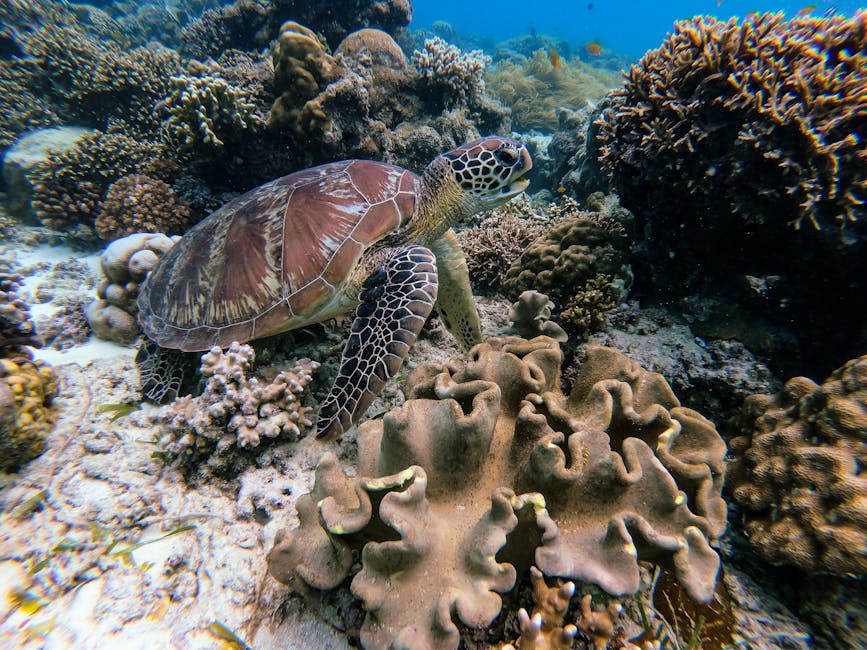
Kapalai is technically a sandbar that’s been built up to support an over-water resort — there’s no real island beneath the stilts. What there is, instead, is some of the finest macro diving anywhere in the world. Depths of five to fifteen metres, visibility of ten to twenty metres, and conditions calm enough for a photographer to hover in one spot for an entire tank make Kapalai ideal for anyone developing close-focus underwater photography skills or searching patiently for rare species.
Mandarin Valley
Kapalai’s most celebrated dive is a timed sunset event. Mandarin fish — tiny, impossibly ornate creatures that hide under sea urchin spines throughout daylight hours — emerge at dusk to perform their mating spiral. Two fish rise together in a brief, spiraling embrace that lasts perhaps five seconds before they part and descend. Photographers position themselves hours in advance to capture this moment. Sunset mating dives timed specifically to witness this behaviour draw underwater photographers from around the world who rate it among the most magical sights in the ocean. Beyond the mandarin fish spectacle, Kapalai’s sites hold ribbon eels, stonefish, ghost pipefish, lavender frogfish, and pygmy seahorses at the nearby Mid Reef site.
Layang-Layang: The Jewel of the Borneo Banks
For big pelagic encounters in remote, pristine water far from any other tourism, Layang-Layang is the definitive answer. This oceanic atoll sits approximately 300 kilometres northwest of Kota Kinabalu in the South China Sea, rising from waters over 2,000 metres deep. The 13 linked coral reefs that form the atoll provide diverse diving from shallow coral gardens to walls that fall away into genuinely abyssal depths. The marine life reflects this isolation — these reefs have not been fished or disturbed at the level that affects most Southeast Asian dive destinations.
Hammerhead Sharks
Scalloped hammerhead sharks aggregate around the atoll particularly during their mating season from April to May, but are present throughout the March-to-August operating season. Sightings of schools numbering in the hundreds are reported by divers each season — the sight of that many hammerheads silhouetted against the deep blue water is one of diving’s most awe-inspiring experiences, simultaneously terrifying and transcendently beautiful. April and May offer the highest sighting probability.
Other Marine Life and Conditions
Beyond the hammerheads, Layang-Layang delivers barracuda, trevally, snapper, dog-tooth tuna, thresher sharks, occasional whale sharks, manta rays, eagle rays, and leopard sharks. Visibility commonly reaches twenty metres and can exceed forty metres during the peak March-to-May period. The consistent warm water at 28-29°C and the exceptional clarity make Layang-Layang as good a photographic dive destination as any in the region.
Access and Accommodation
Layang-Layang has exactly one dive resort — Layang-Layang Island Dive Resort — which operates from March to August each year. Liveaboards are no longer permitted to access the atoll, making this the only way in. Access is by chartered flight from Kota Kinabalu, around one hour each direction. The remoteness and restricted access contribute directly to the pristine condition of the reefs and the quality of the diving experience.
Lankayan Island: Whale Sharks and Wrecks
Lankayan Island sits in the Sulu Sea approximately 90 minutes by speedboat from Sandakan in Sabah. It’s not the flashiest entry on Malaysia’s dive destination list, but it combines excellent macro diving, World War Two wreck exploration, and genuine whale shark season into a compact, low-footprint destination with a character entirely its own.
Whale Shark Season
Enormous whale sharks — the largest fish in the ocean, reaching 12 metres in length — pass through the nutrient-rich waters around Lankayan from March to May, with April and May offering the best sighting probability. Encounters are never guaranteed, but the probability is high enough during peak months that several underwater photographers plan their entire annual schedule around this window. The gentle nature of these filter feeders means swimming alongside them is a calm, extraordinary experience.
Wreck Diving
Several wrecks from Japan’s wartime Mosquito Fleet sit in diveable depths around Lankayan, now colonised by decades of marine growth. A bow gun remains intact on one wreck, and items of historical significance remain visible alongside the marine life that has made these structures home. The combination of historical significance and the biology that has reclaimed these vessels creates a different kind of dive experience from the reef sites.
Macro and Reef Diving
More than 20 dive sites surround the island, with coral gardens, sandy slopes rich in macro life, and reef systems patrolled by blacktip reef sharks. Over 500 fish species have been recorded in Lankayan’s waters — one of the most biodiverse dive areas in Sabah outside the immediate Sipadan region. The Lankayan Island Dive Resort operates from March to December, closing January and February during the northeast monsoon.
Perhentian Islands: Perfect for Beginners
Off Terengganu‘s northeast coast, the Perhentian Islands deliver everything a newly certified diver actually needs: warm, calm water with reliably good visibility, an abundance of accessible marine life, and a relaxed island pace where no one is rushing you. The islands attract large numbers of divers getting their first certification each year because the conditions are forgiving, the dive centres are professional, and the marine environment rewards beginners with turtle and shark sightings on almost every dive. If snorkeling in malaysia is more your speed, the Perhentians excel at that too — the same reefs work beautifully from the surface.
Diving Conditions
The season runs March to October, peaking April through August. Visibility reaches ten to twenty metres during peak conditions, water temperature stays at a comfortable 27-29°C throughout the season, and a rash guard or light shorty is all you need for thermal comfort. Most dive centres operate morning and afternoon boat dives from their own jetties, with flexible scheduling that suits divers who also want time for snorkeling, kayaking, and beach days.
Marine Life
The Perhentian reefs support healthy populations of sea turtles — green and hawksbill — along with blacktip reef sharks, various ray species, and the full complement of tropical reef fish. Manta rays are a periodic visitor, and whale sharks make occasional appearances during certain periods, turning a routine reef dive into something you’ll be recounting for years. The biodiversity isn’t at Sabah’s level, but it’s consistently excellent for an east coast Peninsular destination.
Popular Dive Sites
The islands have more than 20 dive sites for various experience levels. Sugar Wreck — a sunken cargo vessel at around 18 metres — is the headline site, accessible to newly certified Open Water divers and consistently entertaining. Deeper sites with stronger currents provide enough challenge for more experienced divers on the same trip.
Why Perhentian for Certification
Consistently calm conditions, professional dive operations, competitive pricing, and a genuine beach atmosphere make the Perhentians one of Malaysia’s most popular certification destinations. You can complete the Open Water course here without the pressure or distraction of a busy resort environment. After earning your certification, the rest of Malaysia’s dive circuit opens up — and if you’re building a broader adventure trip, the jungle trekking malaysia circuit begins just a few hours’ drive from the Kuala Besut jetty at Taman Negara.
Tioman Island: Affordable Quality Diving
Tioman, off Pahang’s southeast coast, has over 25 dive sites within the Sultan Iskandar Marine Park. The diving is genuinely good — hawksbill turtles on nearly every dive, bluespotted rays gliding across sandy patches, blacktip reef sharks on the reef edges, and impressive fish diversity across all sites — at prices that sit well below Sabah’s premium destinations.
Diving Highlights
Scientists have recorded hundreds of fish species and thousands of invertebrates in Tioman’s waters. Beyond the hawksbill turtles that are essentially a reliable daily sighting, you’ll find angelfish, spadefish, trevallies, wrasses, puffers, and barracuda across the various sites. The reef condition is solid considering the level of tourist traffic Tioman receives — the marine park designation has helped protect it.
Best Conditions
The optimal window runs mid-March through mid-October, peaking May through September. Visibility of 15 to 30 metres during peak season, water at a consistent 27-29°C. Heavy rain temporarily reduces visibility near freshwater run-off points around the island, but conditions recover quickly once rain stops.
Cost Advantage
Certification at Tioman typically costs less than at Sabah destinations or many Terengganu islands. Single guided boat dives with equipment run from approximately RM150. A four-dive package comes in at around RM590. Your diving budget stretches considerably further at Tioman than it does at the premium Sabah destinations — which makes it the smart choice if cost is a significant factor.
Getting Your Diving Certification in Malaysia
Malaysia is an excellent place to learn to dive. PADI and SSI centres operate at virtually every major destination, the water is warm year-round, visibility is adequate to good across all major dive sites, and the marine environments are patient and rewarding for new divers still developing their buoyancy and spatial awareness underwater.
PADI Open Water Diver Course
The entry-level qualification gives you independent dive certification to 18 metres depth worldwide. The course takes four days and includes classroom theory, confined water skill sessions, and four open water dives where you demonstrate competency. At Malaysian centres, the total cost ranges from RM1,300 to RM2,500 depending on location and what’s included. The most affordable options are typically at Tioman and the Perhentians. Completing PADI eLearning theory modules online before you arrive frees up more days for actual diving rather than classroom time.
PADI Advanced Open Water Diver
The Advanced course extends your certified depth to 30 metres and introduces specialty diving areas — deep, navigation, night, and drift diving — over five adventure dives across two days. This certification is specifically required for Sipadan Island permit eligibility. Available at all major Malaysian destinations, typically RM800-RM1,500. If Sipadan is your goal, this course is non-negotiable.
Specialty Courses
Underwater photography, nitrox, wreck, deep, search and recovery, and a range of additional specialties are available at Malaysian dive centres. The diversity of environments — from Mabul’s macro sites to Sipadan’s walls to the Perhentians’ turtle-rich reefs — means ideal training conditions exist for almost any specialty. Costs range from RM500 to RM1,200 depending on specialty and centre.
Diving Seasons and Planning
Malaysia’s geographic spread — Peninsular west coast, Peninsular east coast, Sabah, and Sarawak — means that quality diving is available somewhere in the country throughout the entire year. The key is knowing which region is in season when you want to travel.
East Coast Peninsular Malaysia
The Perhentian Islands, Tioman, Lang Tengah, and Redang all operate from March to October. The northeast monsoon from November to February brings rough seas and poor visibility, and most island dive operations and resorts close entirely during this window. Best conditions run April through August.
West Coast Peninsular Malaysia
Langkawi and other west coast destinations are less monsoon-affected and maintain diving year-round, though the marine biodiversity doesn’t match the east coast. This can be a practical option if you’re travelling in November-February with no flexibility on dates. A day’s diving in Langkawi pairs well with caving in malaysia at nearby Gua Kelam in Perlis for a varied northern Peninsular itinerary.
Sabah (Malaysian Borneo)
Sipadan, Mabul, and Kapalai are diveable year-round, with best conditions from April through November. The dry season from April through September offers the calmest seas and best visibility. Layang-Layang operates only from March to August; Lankayan from March to December. A Sabah diving trip pairs naturally with the Kinabatangan wildlife cruise — and if the white water rafting malaysia experience on the Padas River appeals, both can be managed from Kota Kinabalu in a well-planned week.
Booking Tips
Book Sipadan permits four to six months ahead for peak season dates. Shoulder season — March to April and September to October — delivers excellent diving conditions with better availability and frequently lower accommodation prices than the June to August peak. For certification courses during June to August, booking your preferred dive centre well in advance secures your slot during the busy school holiday period.
Costs and Budgeting
Malaysian diving delivers outstanding value against comparable destinations in the Maldives, Thailand’s remote atolls, or the Red Sea. The quality of the best sites here — Sipadan especially — matches or exceeds what those destinations offer at significantly higher price points.
Certification Costs
PADI Open Water: RM1,300-RM2,500 including all equipment, materials, and certification fees. Advanced Open Water: RM800-RM1,500. Specialty courses: RM500-RM1,200 depending on specialty and dive centre. These rates make Malaysia one of the most cost-effective places in the world to get certified.
Fun Diving Costs
Guided boat dives for certified divers typically cost RM100-RM200 per dive including equipment rental. Multi-dive packages offer better per-dive rates. At Tioman Dive Centre, prices range from approximately RM150 for a single guided boat dive with equipment to RM590 for four dives.
Sipadan Packages
All-inclusive Sipadan packages including Mabul or Kapalai accommodation, all meals, unlimited diving at surrounding sites, and one or two Sipadan permit days typically range from RM3,000 to RM8,000 per person depending on resort category, number of nights, and permit days included. This is the premium end of Malaysian diving — and still a fraction of what comparable packages cost at Maldivian liveaboards.
Layang-Layang Packages
Packages at Layang-Layang Island Dive Resort including charter flights from Kota Kinabalu, accommodation, all meals, and unlimited diving start from approximately RM5,000 for a minimum stay, increasing with duration and dive count.
Safety and Practical Information
Dive Insurance
Standard travel insurance routinely excludes scuba diving or restricts coverage to recreational shallow depths. Divers Alert Network (DAN) insurance is widely recognised by operators throughout Malaysia and covers the costs that actually matter in an emergency — hyperbaric treatment, medical evacuation, search and rescue. Purchase this before you travel, not after an incident has occurred.
Hyperbaric Chambers
Malaysia has recompression chambers in Sabah accessible from the Sipadan and Mabul region. Responsible operators maintain oxygen supplies on boats, keep emergency contact numbers current, and have documented evacuation procedures. Before diving with any operator you haven’t used before, ask about their emergency protocols and the estimated time to reach the nearest hyperbaric chamber. A good operator answers this without hesitation.
Health and Fitness
Basic fitness and comfort in the water are the primary requirements for recreational diving. Avoid alcohol before diving, stay well hydrated in tropical heat, and observe proper surface intervals between dives. After multiple days of repetitive diving, allow at least 24 hours before flying — a minimum of 12 hours after a single no-decompression dive day.
Environmental Responsibility
Malaysia’s coral reefs face climate, pollution, and tourism pressure simultaneously. Don’t touch, stand on, or collect anything from the reef. Maintain neutral buoyancy at all times to avoid accidental contact. Use only reef-safe sunscreen — conventional sunscreens containing oxybenzone are toxic to coral. Follow your dive guide’s instructions on marine life interaction. Operators who actively participate in reef conservation programmes — coral restoration, data collection, citizen science surveys — are worth seeking out. The quality of diving that exists at these sites in ten years depends directly on the choices divers and operators make today.
Planning Your Malaysia Diving Trip
For a first visit combining serious diving with efficiency, a two-week itinerary that covers the full range might look like this: begin with certification or casual reef diving at Tioman or the Perhentians on the east coast, then fly to Kota Kinabalu for the Sipadan and Mabul experience in Sabah. With additional time and budget, add Lankayan for whale shark season or Layang-Layang for hammerheads depending on your travel window.
Internal flights between Peninsular Malaysia and Sabah are frequent and affordable — AirAsia and Malaysia Airlines run multiple daily services from Kuala Lumpur to Kota Kinabalu. From KK, connections to Semporna for Sipadan and Mabul, Sandakan for Lankayan, or charter flights to Layang-Layang are all straightforward to arrange through your dive operator.
If you’re building a broader adventure-heavy trip rather than a purely dive-focused one, Sabah in particular rewards planning across activities. The mount kinabalu trek provides a physically demanding counterpoint to the underwater days — many visitors combine two or three days on the mountain with a week of Sabah diving for a genuinely varied Borneo experience. The Padas River near Beaufort covers the white water rafting malaysia experience in a single full day from Kota Kinabalu, fitting neatly into a dive trip rest day schedule.