Caving in Malaysia: Best Caves and Complete Exploration Guide
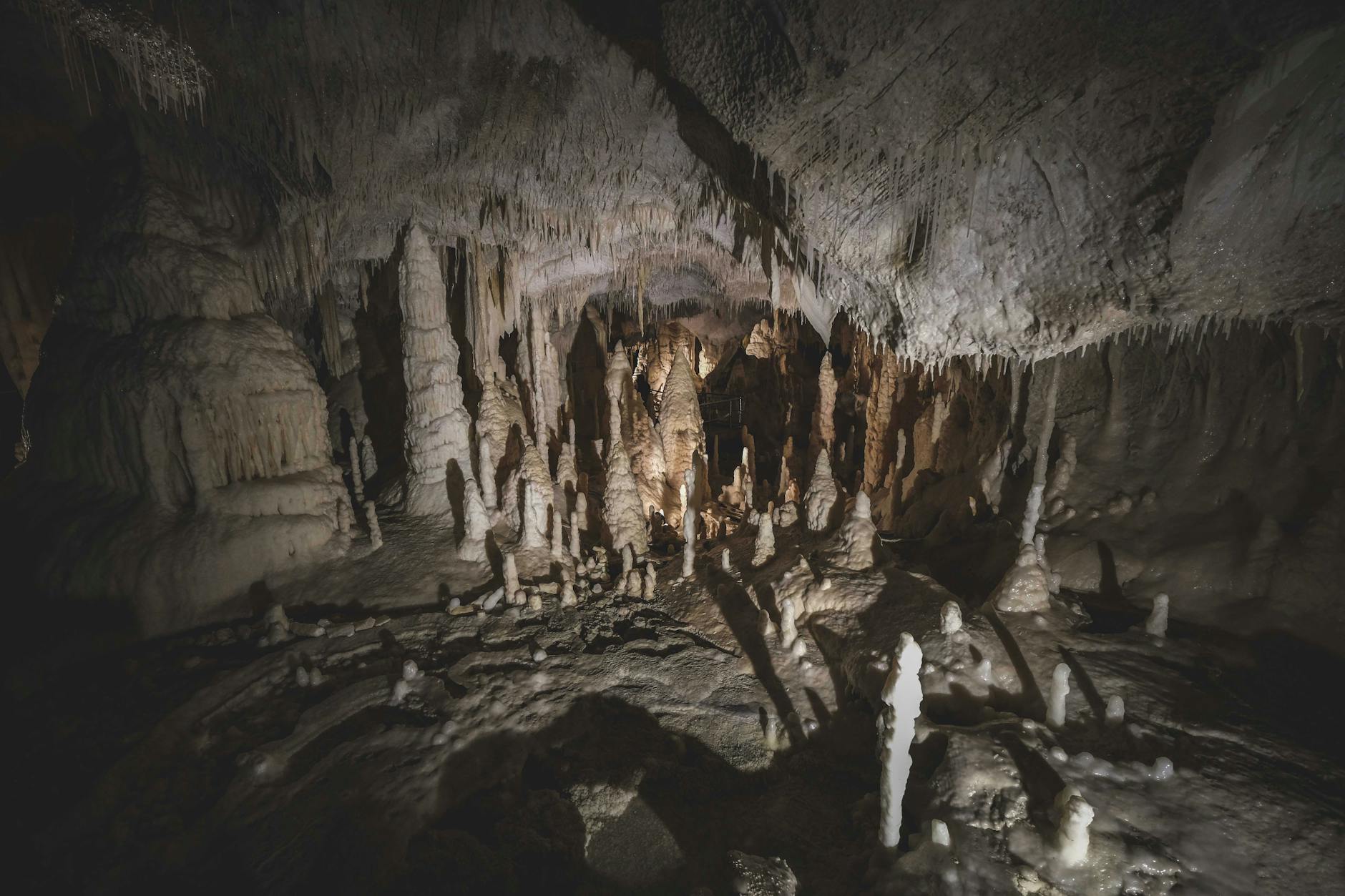
Deer Cave in Sarawak’s Mulu National Park has a cave entrance 150 metres wide and 120 metres high — the world’s largest cave passage. At dusk, millions of wrinkle-lipped bats spiral out of that entrance in a column that can take 45 minutes to fully exit. You stand outside in the warm evening air watching what looks like dark smoke pouring from a mountain, and the scale of it takes a moment to register.
Caving in Malaysia ranges from that kind of primordial spectacle down to a first-timer’s temple visit at Batu Caves, 13 kilometres from downtown Kuala Lumpur. In between: the world’s longest cave system in Clearwater Cave, ancient prehistoric rock paintings at Niah, challenging wet cave expeditions at Gua Tempurung, and remote karst adventures in Perlis and Kelantan. The country’s extensive limestone karst landscape — built over hundreds of millions of years — has produced cave systems that attract serious cavers from around the world while remaining accessible to casual visitors who just want to walk into something extraordinary. Caving fits naturally into the broader malaysia adventure travel circuit, particularly in the Gopeng area where caves, rivers, and jungle trails share the same limestone geography.
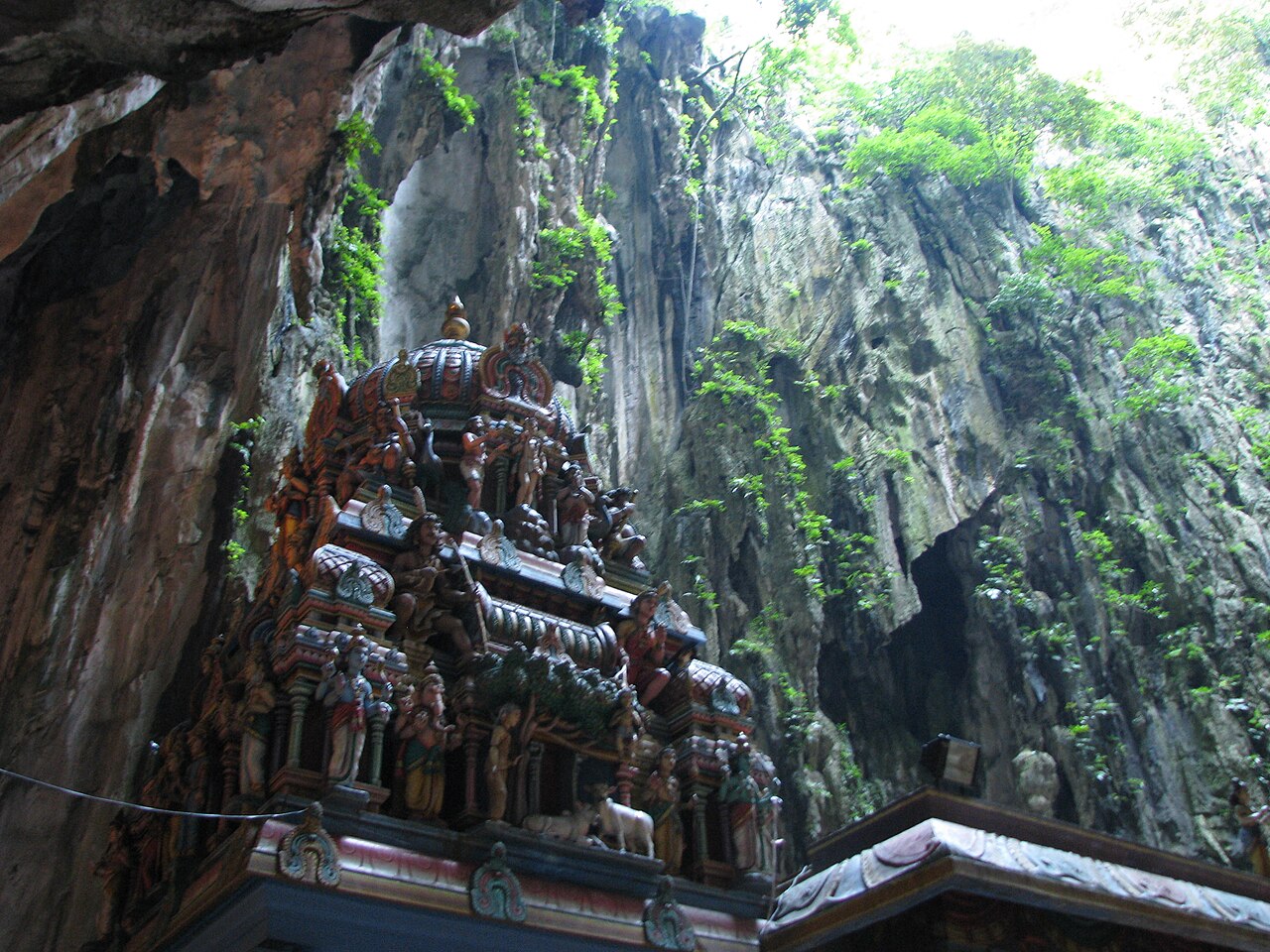
This guide covers Malaysia’s best caves and caving experiences, what to expect at each, how to visit safely, and the practical information you need to plan well.
Gunung Mulu National Park, Sarawak: World-Class Caves
Gunung Mulu National Park is a UNESCO World Heritage Site covering 52,000 hectares of Sarawak rainforest, and it contains arguably the most impressive cave systems in all of Southeast Asia. The park holds multiple world records — for the largest cave passage, the longest cave system in Southeast Asia, and the world’s largest underground chamber — and the show cave experience here is in a completely different category from anything else in Malaysia.
The Show Caves
Four show caves are accessible to visitors of all fitness levels, requiring no specialist equipment or prior caving experience. These have maintained walkways, lighting systems, and guided interpretation that make the underground world genuinely accessible.
Deer Cave holds the world record for largest cave passage — the entrance measures 150 metres wide and 120 metres high, and nowhere inside does the roof drop below 90 metres. The scale defies comprehension until you’re standing inside and realise that the entire volume of the space dwarfs anything else you’ve walked through. The bat exodus at dusk is the signature event: millions of wrinkle-lipped bats stream out in a spiraling column that can last up to 45 minutes, circling and expanding as they emerge to feed. Watching this from the cave’s observation area is one of those wildlife experiences that stays with you permanently.
Lang Cave, located near Deer Cave and typically visited in the same session, is smaller in scale but features some of the most beautiful and delicate stalactite and stalagmite formations in the park. The intricate mineral curtains, flowstones, and column formations reward close attention and are excellent for photography under the cave’s strategic lighting.
Clearwater Cave is the longest cave system in Southeast Asia — over 189 kilometres of surveyed passages. Visitors access it via a river journey and a short climb before entering illuminated sections featuring towering stalactites and the underground Clearwater River, which gives the cave its name. The river water is genuinely crystal-clear, forming beautiful blue-green pools both inside and at the cave’s entrance.
Wind Cave earns its name from cool breezes flowing through its passages — temperature differences between the cave interior and the exterior air create a natural air conditioning effect. The cave features impressive columns, unusual flowstone formations, and a pleasant walking route through well-maintained passages.
Adventure Caving at Mulu
For a more physically demanding experience, Mulu offers adventure caving expeditions at beginner, intermediate, and advanced levels. These guided trips through unlit passages require headlamps, helmets, and in some cases ropes and harnesses. Trips range from half-day beginner excursions to multi-day expeditions deep into unexplored cave systems. The Sarawak Chamber — the world’s largest underground void, large enough to contain 40 Boeing 747 aircraft — is accessible only through an advanced adventure caving expedition. It represents the ultimate caving experience in Malaysia.
Visiting Mulu
Mulu is accessed by flights from Miri or Kota Kinabalu on AirBorneo (which replaced MASwings on 2 January 2026) to Mulu Airport, which sits adjacent to the park. Most visitors spend three to five days, covering the main show caves, the bat exodus, jungle trekking, and optionally the challenging Pinnacles Trail to the extraordinary limestone formations on Mount Api. Show caves operate on set schedules: Deer Cave and Lang Cave open daily from 3pm to 6pm; Wind Cave and Clearwater Cave from 9am to 2pm. Visit during the drier months of June to September for the best trekking conditions and clearest cave visibility.
Gua Tempurung, Gopeng: Peninsular Malaysia’s Greatest Cave
Gua Tempurung in Gopeng, Perak is the largest show cave in Peninsular Malaysia and one of the country’s most popular and versatile caving destinations. Approximately 400 million years old, the cave extends over 4.5 kilometres in length, with about 1.9 kilometres accessible to visitors through a range of tour options that include everything from an easy walkway to a genuinely challenging adventure through underground rivers.
Tour Options
Gua Tempurung offers four distinct tour routes matching different fitness levels, time availability, and appetite for challenge.
Dry Tour One — the Golden Flowstone Tour takes visitors along maintained walkways to Platform Three, known for stunning limestone formations that glow golden under the cave lighting. The shortest and easiest option, suitable for families with children and those wanting a comfortable cave introduction.
Dry Tour Two — the Top of the World Tour extends to Platform Five, the highest accessible viewpoint in the entire system. The payoff is breathtaking: views over the cave’s enormous chambers from above provide a sense of underground scale that the lower walkways simply cannot convey.
The Wet Tours transform Gua Tempurung from a show cave into a genuine adventure. Ranger-guided expeditions through the cave involve wading through the underground river, jumping from ledges into pools, crawling through tight passages, and sliding down stone surfaces. These tours take two to three hours and leave participants thoroughly soaked. Bring a complete change of clothes. This is the right choice for people who want to understand why the cave-as-adventure-experience has a dedicated following of repeat visitors.
Practical Information
Gua Tempurung is open daily from 9am to 4pm. Located in Gopeng, 20 minutes from Ipoh and two hours from Kuala Lumpur. Safety helmets and torches are available for rent at the entrance. Comfortable walking shoes with good grip work for the dry tours; the wet tours demand footwear that handles submerged surfaces — hiking boots with ankle support are the best option. The cave’s location makes it the natural companion activity to white water rafting malaysia on the Kampar River — most Gopeng operators offer combination packages covering both activities in a single day from KL.
Batu Caves, Kuala Lumpur: Cave Temples and Conservation
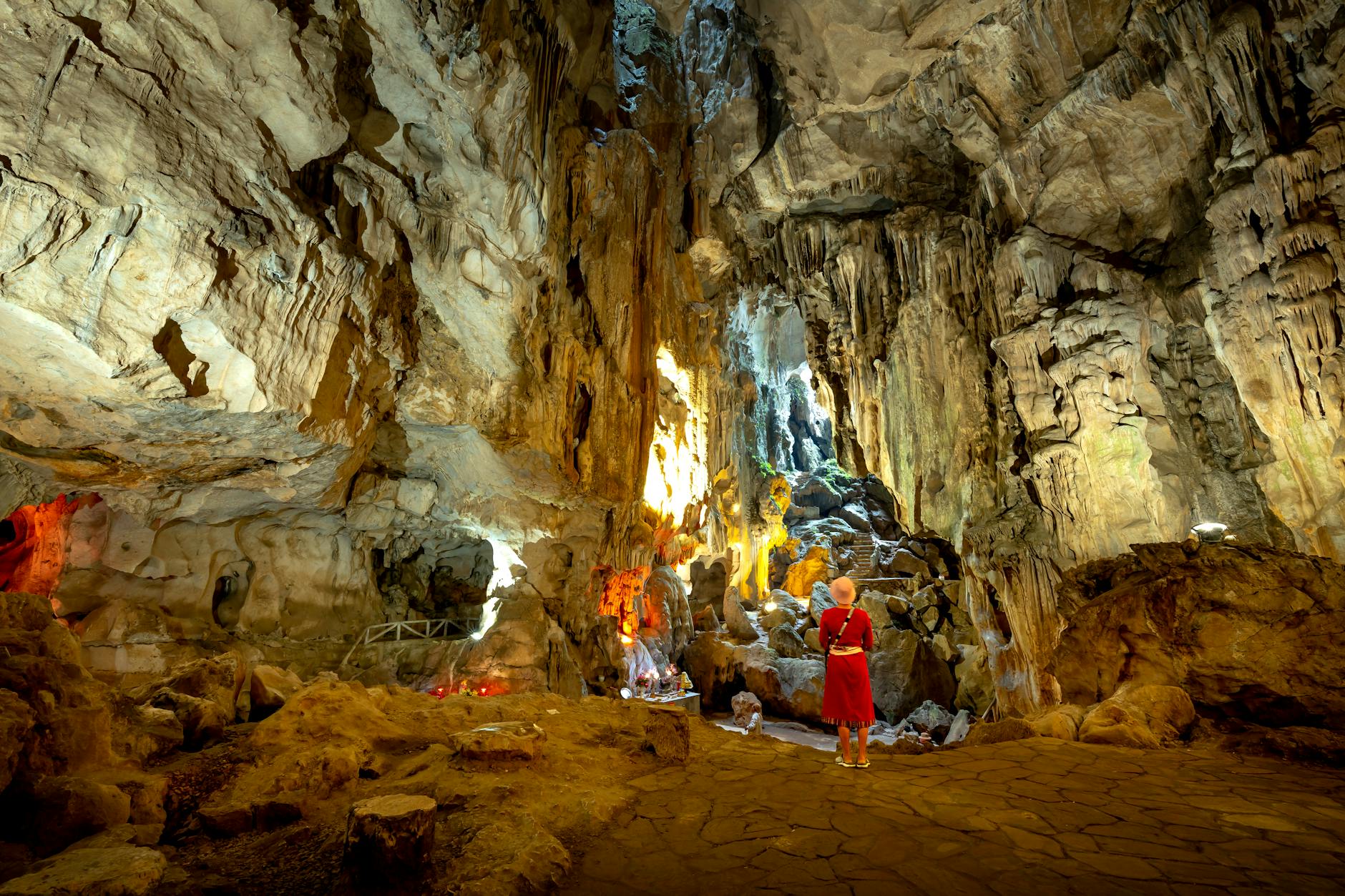
Batu Caves is Malaysia’s most visited cave attraction and one of the most important Hindu pilgrimage sites outside India. Located just 13 kilometres from central Kuala Lumpur, this 400-million-year-old limestone hill contains a collection of cave temples that see millions of visitors annually — and adjacent to the famous temple complex, a separate cave system of genuine conservation significance that most visitors never find.
Temple Cave
The main Temple Cave is reached by climbing the iconic 272-step staircase, now painted in rainbow colours and watched over by the 42-metre golden statue of Lord Murugan at its base. The cave itself is an enormous cavern open to the sky through gaps in the limestone ceiling, creating dramatic shafts of natural light that illuminate the Hindu shrines within. At approximately 100 metres high, the space creates a genuinely cathedral-like atmosphere — religious devotion and natural geology combining in a space that’s visually unlike anything else in the region. The annual Thaipusam festival transforms the site completely, drawing hundreds of thousands of devotees in a procession of extraordinary scale and colour.
The Dark Cave
Adjacent to the Temple Cave but entered separately, the Dark Cave is a two-kilometre cave system sealed from natural light and home to a delicate ecosystem that includes species found nowhere else on Earth. The Liphistius batuensis trapdoor spider — a living fossil essentially unchanged for millions of years — is one of the cave’s rarest inhabitants. Guided educational tours cover approximately 450 metres over 40 minutes, while extended adventure tours access deeper sections with strict visitor limits protecting the fragile cave environment.
The Dark Cave Conservation Programme is one of Malaysia’s most important cave conservation efforts, demonstrating how tourism and genuine environmental protection can coexist when management is taken seriously. Choosing the Dark Cave tour over the Temple Cave alone gives you a far more complete understanding of what limestone caves actually contain beyond their obvious visual spectacle.
Visiting Batu Caves
Batu Caves is served by KTM Komuter trains from Kuala Lumpur Sentral, making it one of the most convenient day trips from the capital with no driving required. There is no entrance fee to climb the steps and visit the Temple Cave. The Dark Cave charges separately for its guided tours. Visit on weekday mornings for the most peaceful experience — weekends and public holidays can be very crowded. Modest clothing covering shoulders and knees is required in the temple areas.
Niah Caves National Park, Sarawak: Ancient History Underground
The Niah Caves hold profound archaeological significance — some of the most important prehistoric evidence in all of Southeast Asia, with continuous human habitation documented spanning at least 50,000 years. Inscribed as a UNESCO World Heritage Site in 2024, the caves contain records of human engagement with tropical rainforest environments stretching further back than almost any other site in the region.
The Great Cave
The Great Cave’s West Mouth entrance ranks among the largest cave openings on Earth — stalactites and jungle creepers hang from the ceiling like enormous teeth, framing views into a cavernous interior that once sheltered communities of early humans for tens of thousands of years. Archaeological excavations have uncovered chopping tools, pottery, shell jewellery, and the famous Deep Skull — a human cranium dated to approximately 38,000 BCE, providing crucial evidence of early human migration into Southeast Asia. The cave also remains active for traditional bird’s nest harvesting, with collectors still climbing perilous bamboo poles to reach swiftlet nests high in the ceiling — a practice maintained for centuries.
The Painted Cave
Beyond the Great Cave, the Painted Cave contains over 100 images drawn in red plant dye — horned animals, geometric patterns, and boats containing stick figures believed to represent death ships carrying souls to the afterlife. These prehistoric artworks, dating back several thousand years, provide a window into the spiritual beliefs of the cave’s ancient inhabitants that is genuinely moving to stand before, even for visitors with no particular interest in archaeology.
Getting There and What to Expect
Niah National Park is approximately two hours by road from Miri in Sarawak. A 3.1-kilometre jungle trail and plankwalk leads from the park headquarters through primary rainforest to the cave entrance — allow four hours for the complete circuit. The route crosses the Niah River by motorboat from a jetty near headquarters. Bring sturdy shoes, water, insect repellent, and a torch for darker cave sections. The Niah Archaeology Museum near the park entrance provides essential context. May to September offers the most comfortable trekking conditions.
Gua Kelam, Perlis: The Cave of Darkness
Gua Kelam — literally “Cave of Darkness” — offers one of Malaysia’s most distinctive cave experiences through a 770-metre walkthrough cave in the Wang Mu Forest Reserve in northern Perlis. An eight-foot-wide wooden suspension bridge runs the entire length of the cave, allowing visitors to walk straight through the limestone hill in complete darkness above an underground river — a through-cave experience unlike anything else in Malaysia.
The Walkway Experience
The suspension bridge crosses sections of complete darkness where only the sound of flowing water accompanies your footsteps and the footsteps of whoever is ahead of you. Bats hang from the ceiling above. Remnants of iron ore trolleys — once used to transport tin across the limestone hill — tell the story of the cave’s industrial past. The bridge emerges into a recreational park on the far side of the hill, creating a satisfying through-journey with a genuine sense of having crossed something rather than turned around and walked out the way you entered.
Gua Kelam Two
For more adventurous visitors, the adjacent Gua Kelam Two offers dry and wet trail options through the deeper limestone system. The dry trail passes through large chambers featuring lakes of remarkably clear blue water in old mining areas. The wet trail is considerably more demanding — crawling through tight passages, swimming through underground pools, and navigating narrow paths — a genuine adventure caving experience for those willing to get thoroughly wet and dirty. Gua Kelam pairs naturally with a snorkeling in malaysia or beach day at Langkawi, a short drive across the Perlis-Kedah border.
Other Notable Caves in Malaysia
Gomantong Caves in Sabah are famous for bird’s nest harvesting — collectors scale cave walls on rattan ladders to reach swiftlet nests high in the ceiling. The caves also house millions of bats and a remarkable cave-floor ecosystem of cockroaches, centipedes, and other species that live on accumulated guano. Raw and genuinely unforgettable, this is the anti-tourist-attraction version of a cave visit. It connects naturally with jungle trekking malaysia along the nearby Kinabatangan River corridor.
Fairy Cave and Wind Cave near Kuching in Sarawak are accessible day trips from the state capital. Fairy Cave has a towering entrance chamber with natural light illuminating vegetation growing inside the cave mouth. Wind Cave offers a pleasant walk through passages alongside an underground stream.
Gua Charas in Pahang is a cave temple near Kuantan on the east coast, containing a large reclining Buddha and Hindu shrines within a limestone outcrop, with panoramic views of the surrounding landscape from the cave entrance approach.
Caving Safety Tips for Malaysia
Equipment and Clothing
For show caves with maintained walkways, comfortable closed-toe shoes with good grip are sufficient. For adventure caving, sturdy hiking boots with ankle protection and excellent wet-surface traction are essential. Wear long trousers and a long-sleeved shirt to protect against scrapes, cuts, and the cooler temperatures in deeper cave sections. A reliable headlamp with spare batteries is the most critical personal equipment item — bring a backup light source. Helmets are mandatory on guided adventure trips and strongly recommended for any cave with low-hanging rock. Gloves protect hands during climbing and crawling through rough passages.
Physical Preparation
Adventure caving in tropical Malaysia is physically demanding — the combination of exertion, humidity, and heat makes dehydration a real concern. Drink adequately before entering the cave and carry water for longer expeditions. Inform your guide of any medical conditions, claustrophobia, or physical limitations before the tour begins. No guide should ever make you feel embarrassed about declaring limitations — good guides adjust routes and pacing accordingly.
Environmental Responsibility
Malaysia’s cave formations took millions of years to develop. Never touch stalactites, stalagmites, or other mineral formations — the oils from human skin permanently damage their growth by introducing organic material that interferes with the mineral deposition process. Avoid flash photography in caves with bat colonies or other light-sensitive species. Carry out all rubbish. Take nothing from any cave — this includes rocks, formations, and biological specimens. The cave ecosystems at sites like Batu Caves’ Dark Cave and Mulu’s unexplored passages are genuinely irreplaceable.
Guided Tours
For anything beyond well-maintained show caves with clear walkways, a qualified guide is strongly recommended and often legally required. Many of Malaysia’s caves contain unmapped passages, underground rivers with variable and sometimes dangerous water levels, and sections where navigation without specialist knowledge would be genuinely hazardous. National parks and reputable adventure operators provide trained guides who know the systems intimately and carry appropriate emergency equipment.
Best Time for Caving in Malaysia
Show caves with maintained walkways can be visited comfortably year-round. Adventure caving involving underground rivers or wet passages is best planned during drier months — March to October in Peninsular Malaysia, June to September in Sarawak — when water levels inside caves are more manageable and approach trails less muddy. The northeast monsoon from November to February brings increased rainfall that can raise water levels in caves like Gua Tempurung to levels that modify or cancel wet tour routes. Always check current conditions with your operator or the relevant national park before booking adventure caving during the monsoon months. For the Mulu show caves, any season works given the park’s infrastructure — but the drier June to September window makes the surrounding jungle treks more comfortable.
Caving Costs in Malaysia
Malaysian caving covers an enormous price range depending on what you choose. Batu Caves Temple Cave has no entrance fee — you pay nothing to climb the steps and enter the main cavern. The Dark Cave at Batu Caves charges a modest fee for its guided educational tours. Gua Tempurung dry tours cost RM5–RM30 per person depending on the route selected, while the wet tours — which require guide accompaniment — typically run RM30–RM60 per person. Gua Kelam charges a small entrance fee for the suspension bridge walkthrough experience.
At Mulu National Park, show cave tour fees are reasonable for the quality of experience — roughly RM25–RM50 per person per cave circuit, booked through the park office at headquarters. Adventure caving expeditions at Mulu require advance booking and run significantly higher: beginner adventure caving from approximately RM100–RM200 per person for a half-day guided expedition, scaling up considerably for the multi-day advanced expeditions that access the Sarawak Chamber and other remote systems.
Niah Caves National Park charges a standard national park entrance fee plus a camera fee for photography inside the caves. The round-trip motorboat crossing to the trail head involves a small additional charge. Overall, a full day at Niah including park entry, boat crossing, and meals at the nearby food stalls costs well under RM100 per person — modest for a UNESCO World Heritage site of this significance.
Combining Caving with Other Adventures
Malaysia’s caving destinations stack naturally with other adventure activities because caves and adventure tourism share the same geography. The Gopeng area in Perak is the clearest example: Gua Tempurung sits within easy reach of white water rafting malaysia on the Kampar River, waterfall abseiling, and jungle trekking malaysia through the surrounding limestone hill forest. Multiple Gopeng operators offer combination packages that cover two or three activities in a single day from Kuala Lumpur, making this one of the most efficient adventure tourism destinations in Peninsular Malaysia.
In Sabah, Gomantong Caves combines naturally with the Kinabatangan River wildlife cruise — both are located in the same general corridor of eastern Sabah and are typically visited on the same multi-day trip. The cave visit takes two to three hours and fits easily into the morning of a day that includes an afternoon river cruise for orangutans, proboscis monkeys, and pygmy elephants. Caving in Sabah connects well with the broader outdoor circuit that includes snorkeling in malaysia at the Semporna islands and diving at Sipadan.
In Sarawak, Mulu National Park is almost always combined with jungle trekking — the Pinnacles Trail, the Headhunters Trail, and shorter walks through the park’s extraordinary primary forest are part of every meaningful Mulu visit. The Niah Caves day can be built into a broader Miri-based itinerary that includes Lambir Hills National Park for jungle trekking malaysia through one of the most biodiverse lowland forests remaining in Sarawak.
For visitors arriving from the west side of Peninsular Malaysia, Gua Kelam in Perlis connects well with a Langkawi island visit and can be combined with scuba diving malaysia at Pulau Payar Marine Park or simply beach time at Pantai Cenang. The northern tip of Peninsular Malaysia packs considerable variety into a compact geography that’s often overlooked by visitors who head straight to the east coast islands.
Planning Your Malaysia Caving Trip
For most visitors, Gua Tempurung in Gopeng is the most practical first caving destination — accessible from Kuala Lumpur as a day trip, offering a genuine range of difficulty options from casual walkway to wet adventure, and sitting within a broader adventure tourism hub that makes it easy to fill a full day with varied activities. The wet tours at Gua Tempurung provide a reliable taste of adventure caving that will help you decide whether to pursue more demanding experiences like Mulu’s adventure caves or Sarawak Chamber expeditions.
For the definitive Malaysian caving experience, Mulu National Park requires a dedicated three-to-five-day visit and flight access from Miri or Kota Kinabalu. The combination of the world’s largest cave passage, the world’s longest Southeast Asian cave system, extraordinary bat exodus spectacles, and the world’s largest underground chamber makes Mulu a genuinely bucket-list cave destination for serious enthusiasts. Book park accommodation and guided cave tours in advance — Mulu attracts international visitors and availability in peak season from June to September can be limited.
Niah Caves rewards anyone with an interest in human prehistory and is accessible as a day trip from Miri — making it a practical addition to any Miri-based itinerary that might also include Mulu. The combination of Niah’s archaeological depth and Mulu’s geological spectacle creates a Sarawak caving trip with genuine intellectual and experiential range.
For visitors wanting to extend their adventure itinerary beyond Peninsular Malaysia, Sabah offers caving in the Gomantong Caves alongside the mount kinabalu trek — the four-kilometre altitude gain to Southeast Asia’s highest peak contrasts dramatically with descent into a guano-floored cave ecosystem. The combination of limestone underground and granite above-treeline summit represents the full vertical range of Malaysian adventure.