Jungle Trekking in Malaysia: Best Trails and Complete Rainforest Guide
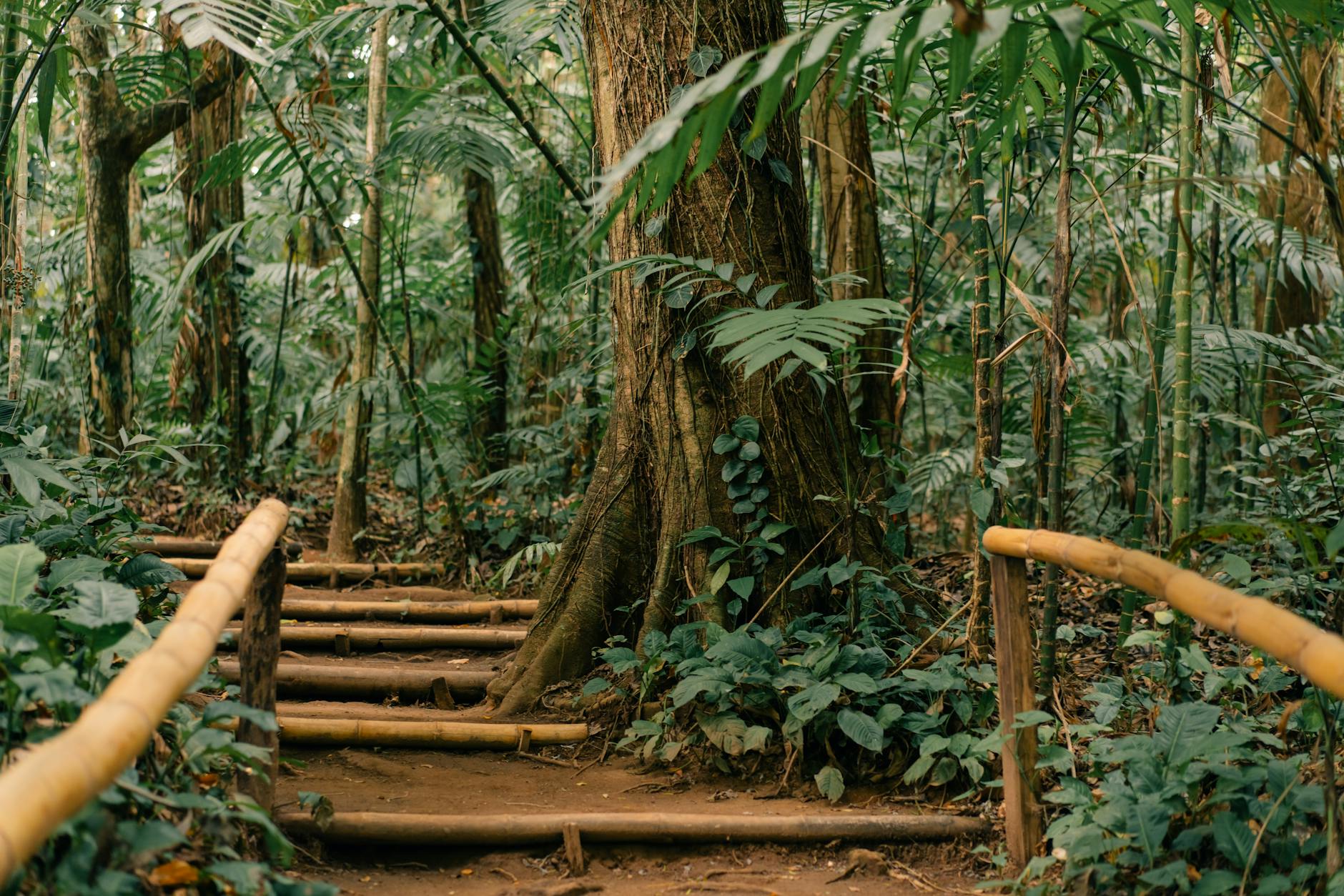
The gibbon starts before dawn. You’re still lying in your lodge at Taman Negara when the whooping calls begin — a pair of white-handed gibbons trading territorial songs across the rainforest canopy, the sound carrying for kilometres through air so still it might as well be amplified. By the time you’re on the trail, hornbills are crossing overhead and the forest floor is already alive with things you can hear but can’t yet see. This is jungle trekking Malaysia: the oldest tropical forest on Earth, and you’re walking through it.
Malaysia’s rainforests are 130 million years old in some areas — ancient enough to have survived the ice ages that stripped vegetation from most of the Northern Hemisphere, which is why the biodiversity here is so extraordinary. The country’s malaysia adventure travel reputation is built substantially on these forests, which offer trekking experiences ranging from half-day canopy walks at accessible national parks to genuine multi-day wilderness expeditions through territory that even scientists haven’t fully surveyed. Trekking here connects to every other adventure activity: the Gopeng jungle pairs with caving in malaysia at Gua Tempurung; Sabah’s forest trails connect to the mount kinabalu trek and to white water rafting malaysia on the Padas River.
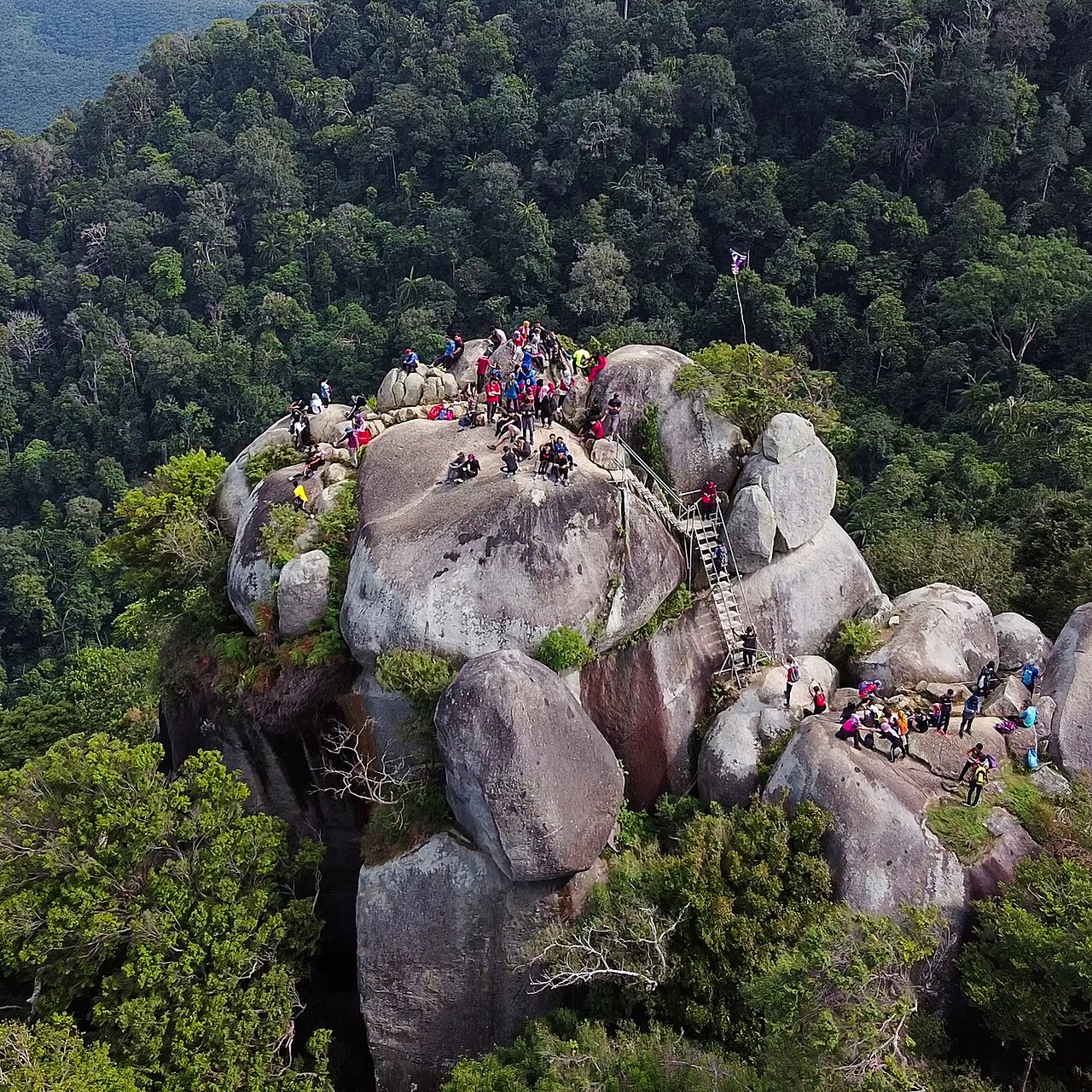
This guide covers Malaysia’s best jungle trekking destinations, the wildlife you can expect to encounter, essential preparation and equipment, dealing with leeches, safety, and timing — everything you need to plan a trekking trip that delivers on the extraordinary promise of these forests.
Taman Negara: The World’s Oldest Rainforest
Taman Negara National Park is Malaysia’s flagship rainforest destination and one of the most biologically significant protected areas in Southeast Asia. Spanning approximately 4,300 square kilometres across Pahang, Kelantan, and Terengganu, the park protects forest that scientists estimate to be over 130 million years old — among the oldest tropical forest on Earth. A full guide to the park is available at Taman Negara National Park, but the essentials are covered here.
Trail Options
The park maintains an extensive trail network matching every fitness level and available time. A solid first-day option starts from the park entrance near Kuala Tahan, passing Lubok Simpon and the Canopy Walkway before ascending to the viewpoint at Bukit Teresek — two to three hours of rewarding jungle walking that provides an excellent orientation to the forest’s character and biodiversity.
For genuinely ambitious trekkers, the seven-to-nine-day expedition to Gunung Tahan — Peninsular Malaysia’s highest peak at 2,187 metres — represents the ultimate jungle trekking challenge in the park. The route passes through lowland dipterocarp forest, montane forest, and the summit plateau, requiring a licensed guide, advance permits, and serious physical preparation. Most participants describe it as one of the defining experiences of their outdoor lives.
Intermediate options include the four-to-five-hour trail to Kuala Keniam following the river upstream through beautiful primary forest, and the Rentis Tenor loop through dense jungle past enormous buttress-rooted trees and an impressive diversity of ferns and orchids.
The Canopy Walkway
At 530 metres in length and approximately 40 metres above the forest floor, the Taman Negara Canopy Walkway is the world’s longest suspension walkway. Walking along this swaying bridge provides a perspective on the rainforest canopy that ground-level trekking simply cannot offer — the majority of the forest’s biodiversity lives in the upper canopy, invisible from below, and the walkway puts you directly into it. Birds, insects, epiphytes, and the complex architecture of the canopy become accessible in a way that transforms your understanding of what you’ve been walking beneath. Open 9am to 3pm daily except Fridays; children under seven are not permitted on the walkway.
Wildlife
Taman Negara is home to the Malayan tiger, Asian elephant, Malayan tapir, and Malayan gaur — but sightings of these large, shy mammals are rare on day treks. The forest reveals its smaller inhabitants generously: monkeys crash through the canopy, squirrels investigate everything, lizards freeze and then bolt, and the bird and insect diversity is relentless. Night safaris — on foot or by vehicle along the park’s river tracks — offer the best chance of encountering civets, slow lorises, owls, and tarantulas in the beam of a headlamp. The forest sounds entirely different after dark, and most visitors who do a night walk rate it as their most vivid Taman Negara memory.
Getting There
Three hours by road from Kuala Lumpur to Kuala Tahan, the gateway village. Alternatively, a scenic three-hour motorised longboat journey from Kuala Tembeling provides an atmospheric river-based approach through forest-lined banks. Most visitors stay in Kuala Tahan, which offers budget hostels through to the comfortable Mutiara Taman Negara Resort inside the park itself.
Danum Valley, Sabah: Pristine Primary Rainforest
Danum Valley Conservation Area in Sabah protects 438 square kilometres of primary rainforest that has never been commercially logged — one of the last truly untouched areas of dipterocarp forest in all of Southeast Asia. Located over 70 kilometres from the nearest town in the Sabah interior, Danum represents what Borneo’s forests looked like before logging transformed most of the lowland landscape.
The Trekking Experience
All trekking at Danum Valley is conducted with trained guides who know the forest intimately. Both day and night treks wind through towering forest where the canopy rises 60 metres or more above the floor, creating a cathedral-like atmosphere of filtered green light and extraordinary biological complexity. The forest scale is genuinely humbling — trees with buttress roots that spread three metres from the base, strangler figs that have consumed entire host trees over decades, and a floor layer of ferns, fungi, and invertebrates as rich as anything growing above.
A 300-metre-long canopy walkway suspended 27 metres above the ground provides stunning views over the forest and opportunities to observe canopy-dwelling birds, squirrels, and primates from their own level — a different experience from Taman Negara’s walkway because the forest here is older and taller, with canopy trees that have had centuries of uninterrupted growth.
Wildlife Encounters
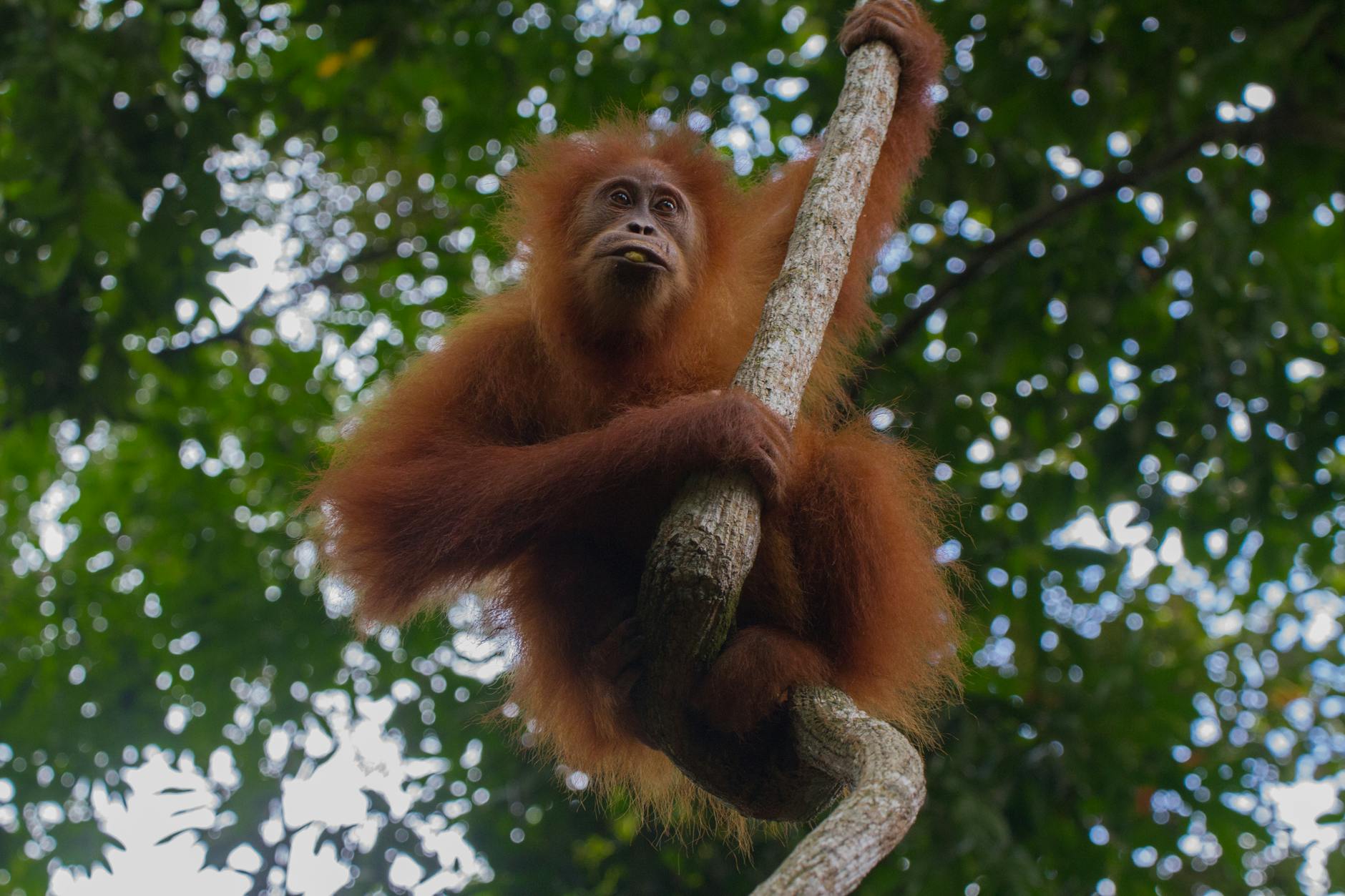
Danum Valley supports 340 bird species, 124 mammal species, 72 reptile species, and 56 amphibian species. Orangutans are regularly observed on treks, often feeding in fruiting trees or moving through the canopy with deliberate, weight-shifting grace. Bornean pygmy elephants pass through the valley periodically, and the conservation area supports populations of clouded leopards, sun bears, gibbons, and proboscis monkeys. The birding is exceptional — hornbills, pittas, broadbills, trogons, and kingfishers create a soundtrack and colour palette that keeps dedicated birdwatchers busy for days. Night walks reveal flying squirrels, civets, owls, and an extraordinary diversity of amphibians and insects that transform the same trails into entirely different environments after sunset.
Accommodation and Access
The luxury Borneo Rainforest Lodge offers all-inclusive packages with guided treks, meals, and activities in comfortable chalets overlooking the river. The more basic Danum Valley Field Centre accommodates researchers and budget-conscious visitors. Access is via a 2.5-hour 4WD transfer from Lahad Datu, which is served by flights from Kota Kinabalu and Sandakan. Best time: March to October during the drier months.
Bako National Park, Sarawak: Biodiversity in Miniature
Bako is Sarawak’s oldest national park — just 27 square kilometres on the Muara Tebas Peninsula, 26 kilometres from Kuching. The park packs an extraordinary amount of biodiversity and trail variety into a small area, making it one of the most rewarding national parks in Malaysia for a short visit.
Trail Network
Eighteen colour-coded trails range from short 0.5-kilometre walks to challenging 6-kilometre routes. The Lintang Loop, one of the most popular, passes through nearly every vegetation type found at Bako — mangrove, scrubland, mixed dipterocarp, and kerangas heath forest — in three to four hours. Shorter trails lead to beautiful secluded beaches including Telok Pandan Kecil and Telok Pandan Besar, where dramatic sea stacks and clear water reward the effort of the walk.
Proboscis Monkeys
Bako is one of the most reliable places in Borneo to observe proboscis monkeys — the park supports an estimated 275 individuals. These extraordinary primates, endemic to Borneo, are most easily spotted in the early morning and late afternoon when they move to waterfront trees to feed. The elongated nose and distinctive pot belly of adult males make them unmistakable once you’ve seen one. The area around park headquarters itself is a frequent sighting location, meaning you don’t always need to hike far to find them. Beyond proboscis monkeys: silver leaf monkeys, long-tailed macaques, monitor lizards, bearded pigs, and over 190 bird species make every trail walk a potential wildlife encounter.
Visiting Bako
A 20-minute boat ride from Bako village jetty (45-minute drive from Kuching) reaches the park. Basic hostel and chalet accommodation is available at headquarters. Day trips from Kuching are popular, but overnight stays enable night walks and early morning wildlife activity that day-trippers miss entirely.
Royal Belum State Park: Peninsular Malaysia’s Hidden Wilderness
Royal Belum State Park in northern Perak protects one of the largest continuous areas of virgin rainforest remaining in Peninsular Malaysia, estimated to be over 130 million years old and bordered by the enormous Temenggor Lake. The park is home to all three species of Rafflesia — the world’s largest flowers — alongside Asian elephants, Malayan tigers, tapirs, and all ten hornbill species found in Malaysia.
Exploration typically combines boat journeys across the scenic Temenggor Lake with guided jungle treks, Orang Asli village visits, and bathing at remote jungle waterfalls. The remoteness and low visitor numbers mean wildlife encounters are more frequent here than in many more accessible parks — but Royal Belum rewards visitors who plan properly, since access requires booking through licensed operators and overnight stays at floating chalets on the lake.
Maliau Basin, Sabah: The Lost World of Borneo
Maliau Basin Conservation Area — often called Sabah’s Lost World — is among Malaysia’s most remote and least explored wilderness areas. Encircled by a dramatic escarpment reaching 1,675 metres at its highest point, this near-circular basin protects primary forest that has never been logged and remains largely unsurveyed. The standard five-day trek covers over 70 kilometres of marked trails through dense primary rainforest, crossing multiple vegetation zones and passing the spectacular seven-tiered Maliau Falls. Over 290 bird species and 80 mammal species have been recorded. Visiting Maliau Basin is a genuine backcountry expedition requiring thorough preparation, advance booking, and physical fitness that can sustain sustained multi-day trekking in demanding terrain.
Cameron Highlands: Cool Climate Trekking
The Cameron Highlands in Pahang, at elevations between 1,000 and 2,000 metres, offer a refreshing alternative for those who prefer cooler air and highland forest character. The Mossy Forest trail and the route to Mount Irau pass through ancient cloud forest where moss blankets every surface, orchids thrive in the filtered light, and pitcher plants grow in the undergrowth. Temperatures of 15-25°C make trekking here more comfortable than in the lowland heat, and the distinctive highland flora creates an aesthetic entirely different from the steamy dipterocarp forest below.
Wildlife You May Encounter
Primates
Malaysia’s jungles support remarkable primate diversity. In Borneo, orangutans are the headline species — wild populations in Danum Valley, the Kinabatangan corridor, and parks across Sabah and Sarawak offer genuinely wild sightings rather than the semi-wild rehabilitation encounters at tourist centres. Proboscis monkeys are reliably observed at Bako and along the Kinabatangan River. Gibbons, whose dawn calls travel kilometres through still forest air, are present in most large forest areas — heard far more often than seen, but occasionally visible in the canopy when they’re moving between trees.
Birds
Malaysia has recorded over 800 bird species — one of the highest totals in Southeast Asia. Hornbills are the iconic birds of the Malaysian rainforest, their wingbeat producing a whooshing sound audible from well before they appear. All ten Malaysian hornbill species are observable at Royal Belum State Park. Pittas, broadbills, trogons, and kingfishers add brilliant colour to the understory; raptors soar above the canopy. Serious birders regularly rate Malaysian rainforest birding among the finest in Southeast Asia, with endemic and near-endemic species found in specific forest zones across the country.
Other Wildlife
Asian elephants leave unmistakable signs of their passage — broken branches, footprints in mud, scratch marks on trees — even when not directly observed. Wild boar, barking deer, and civets are common throughout Malaysian forests. Monitor lizards up to two metres long are regularly encountered on lowland trails. Flying lizards glide between trees. Various snake species are present, though most are shy and rarely cause problems. The insect diversity is genuinely staggering — entomologists working in Borneo still describe finding new species on routine survey walks.
What to Bring for Jungle Trekking
Clothing
Lightweight, quick-drying long trousers and long-sleeved shirts protect against scratches, biting insects, and sun. Synthetic fabrics — polyester or nylon — work far better than cotton in the humid tropical environment. Cotton absorbs sweat, takes forever to dry, and becomes unpleasant within the first hour. A lightweight rain jacket or poncho is essential: tropical downpours can begin without meaningful warning and saturate a trail within minutes. Bring a small dry bag for electronics and anything that must stay dry.
Footwear
Sturdy, comfortable hiking boots with solid ankle support and aggressive tread are essential for any serious jungle trail. Trails can be muddy, slippery, root-covered, and uneven — footwear that handles all of these simultaneously matters far more than lightweight running shoes. Ensure your boots are thoroughly broken in before your trek; blisters on a multi-day jungle trail are debilitating. Gaiters or leech socks worn over boots provide effective physical protection against leeches on the lower legs — the simplest and most reliable leech prevention available.
Essential Gear
DEET insect repellent at 30–50 percent concentration is the most effective defence against mosquitoes and other biting insects. Apply to exposed skin and spray it on clothing around ankles and collar. A wide-brimmed hat provides shade during exposed sections of trail and on river crossings. A compact first aid kit with plasters, antiseptic cream, painkillers, and rehydration salts belongs in every pack. Carry more water than you think you’ll need — the combination of heat, humidity, and exertion causes rapid dehydration. Two litres minimum for a half-day trek; more for longer or more strenuous routes.
Dealing with Leeches
Leeches are the most commonly raised concern among first-time jungle trekkers in Malaysia, and while they’re genuinely present in most lowland forest environments, they’re far more manageable than the anxiety they generate. Tiger leeches — the most common species — wait on leaves and forest floor vegetation, attracted by the vibration and warmth of approaching animals. They find gaps in clothing, often working their way up through socks and trouser cuffs, and attach to skin to feed.
Prevention is the most effective approach. Leech socks — simple tubes of tightly woven fabric worn over socks, pulled up over lower trouser cuffs — create a physical barrier that prevents leeches from reaching skin. Spraying DEET onto footwear, socks, and lower trouser legs before entering the forest adds chemical deterrence to the physical barrier. Most experienced trekkers use both methods together.
When a leech attaches, remove it by sliding a fingernail under its head or applying salt, DEET, or heat (lighter flame) to encourage it to release. Don’t pull — this can leave mouthparts embedded. Leech bites are painless (their saliva contains anaesthetic) and the resulting bleeding, while messy, stops within minutes once you apply pressure. Clean the wound, apply antiseptic, and continue. Most experienced jungle trekkers stop registering leeches as anything other than a minor nuisance after their first encounter.
Best Time for Jungle Trekking in Malaysia
Jungle trekking is possible year-round in Malaysia, with conditions varying by region and monsoon season. In Peninsular Malaysia, March to September generally offers the most stable trekking conditions — lower rainfall, firmer trail surfaces, and better forest visibility. The northeast monsoon from November to February brings heavy rain particularly to the east coast and interior, making some trails muddy and temporarily impassable. In Sabah and Sarawak, March to October is generally drier and more suitable for serious trekking. November to February can bring sustained rainfall, though many parks remain open and the rain-refreshed forest has its own dramatic appeal. Whatever the season, being prepared for rain on any given day is non-negotiable — tropical forest weather operates on its own schedule.
Jungle Trekking Costs in Malaysia
National park entry fees across Malaysia are modest — typically RM5–RM30 per person per day depending on the park and your nationality. Guided trekking adds cost but is strongly recommended and sometimes mandatory at sensitive wilderness areas where navigation without a guide is genuinely hazardous.
At Taman Negara, guided full-day treks to destinations like Kuala Keniam cost RM60–RM150 per person depending on group size. Night safari treks run approximately RM30–RM50 per person. The full Gunung Tahan summit expedition involves permit fees, guide fees, and porter costs that collectively run RM800–RM1,500 or more per person for the nine-day return route. Bako National Park near Kuching is among Malaysia’s most affordable full-day jungle experiences — park entry, the boat crossing, and a full day of trails with proboscis monkey encounters can be achieved for under RM100 per person on a day trip from Kuching.
Danum Valley packages at the Borneo Rainforest Lodge are premium — RM600–RM1,200 per person per night for all-inclusive accommodation, meals, and guided activities. The Danum Valley Field Centre offers more basic accommodation at significantly lower rates. Royal Belum State Park and Maliau Basin require booking through licensed operators whose fees reflect the remoteness of access — expect RM400–RM800 per person per day for quality operator packages in these true wilderness areas.
Combining Jungle Trekking with Other Adventures
Malaysia’s jungle trekking connects naturally with every other form of outdoor adventure in the country. In Peninsular Malaysia, Taman Negara pairs well with caving in malaysia at Gua Tempurung in Gopeng — different enough experiences to create a genuinely complementary multi-day itinerary, both accessible from Kuala Lumpur. Add white water rafting malaysia on the Kampar River for a three-activity Peninsular adventure trip from a single KL base.
In Sabah, jungle trekking at Danum Valley and Maliau Basin combines with the mount kinabalu trek for the definitive Borneo outdoor experience — primary dipterocarp forest at sea level graduating to bare granite at 4,095 metres. The Kinabatangan River corridor adds wildlife cruising and orangutan encounters in secondary forest habitat. Finish a Sabah trip with scuba diving malaysia at Sipadan — one of the world’s top five dive sites — or snorkeling in malaysia at Semporna’s shallower reefs for ocean contrast after days of forest.
In Sarawak, Bako National Park and Mulu caves make a natural pairing — coastal rainforest with reliable wildlife at Bako, underground geological spectacle at Mulu. Both reward visitors who invest at least two nights. A Sarawak trip built around Bako, Mulu’s show caves and adventure caving, and a day at Niah’s prehistoric painted cave creates one of the most intellectually and physically varied jungle experiences available anywhere in Southeast Asia.
Practical Tips for First-Time Jungle Trekkers
Start with a half-day guided trail before committing to a full day or multi-day trek. Tropical jungle trekking — the heat, humidity, uneven terrain, and relentless mud on wet-season trails — is different from temperate forest hiking, and even fit visitors underestimate the energy cost of their first full day on a lowland dipterocarp trail. A half-day orientation establishes your actual pace and comfort level before you commit to more demanding routes.
Tell your guide about your pace, fitness level, and wildlife photography interests before starting. A good guide adjusts route, stops, and pacing accordingly. The slower you move through the forest — within reason — the more you observe. Wildlife sightings come most often to the patient and attentive, not to those moving efficiently between waypoints.
Never venture off marked trails without a guide in any Malaysian national park: the forest looks identical in every direction, and rescue operations in remote areas are genuinely complicated and expensive. Carry more water than you expect to need — two litres minimum for a half-day trek in lowland forest, three or more for full days at altitude. Bring energy-dense snacks since jungle trekking burns through calories faster than most people expect, particularly on routes with sustained elevation gain. The investment in a knowledgeable local guide is one of the best decisions you can make for any serious jungle trekking experience in Malaysia.
Getting Started with Jungle Trekking in Malaysia
The entry point to jungle trekking malaysia is as simple as a day walk at Bako from Kuching, a canopy walkway visit at Taman Negara from Kuala Lumpur, or a guided morning trail at Kinabalu Park before the summit crowds arrive. None of these require advance fitness preparation, specialist gear purchases, or multi-night wilderness commitment. All of them deliver enough genuine forest experience to tell you whether deeper exploration belongs in your Malaysia itinerary.
For those who do want more, the progression is clear: from day walks to two-night forest lodges to multi-day river expeditions in Royal Belum or Maliau Basin. Malaysia has the infrastructure at every point of that progression — trained guides, licensed operators, park facilities ranging from basic bunkhouses to world-class eco-lodges — to support whatever depth of jungle experience you decide to pursue. The forest itself is extraordinary at every level.