White Water Rafting in Malaysia: Best Rivers and Complete Adventure Guide
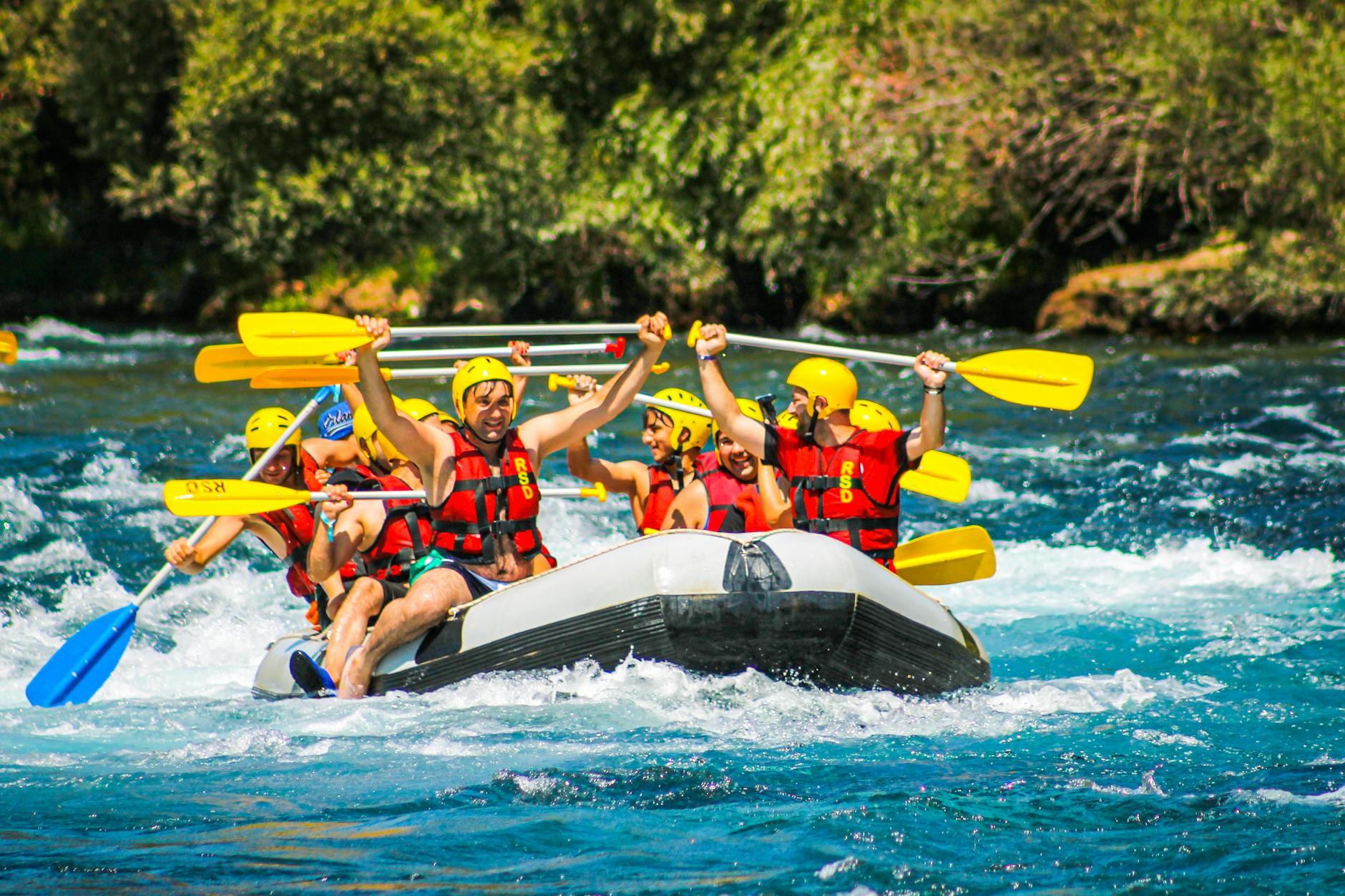
The Padas River in Sabah arrives by jungle train. After 90 minutes rattling through dense Borneo forest on a vintage railway, you pull into a remote riverside station, strap on a life jacket, and paddle straight into Grade III-IV rapids through some of the most inaccessible terrain in Malaysia. The train journey to the water — not just the rafting itself — is why people who’ve paddled rivers around the world rate it among the finest river experiences in all of Southeast Asia.
White water rafting in Malaysia covers a wide range of intensities, settings, and access points. The Kampar River at Gopeng runs 22 rapids through a dramatic limestone valley two hours from Kuala Lumpur and suits everyone from complete beginners to experienced paddlers. The Kiulu River in Sabah carries families past Kadazandusun rice paddies with Mount Kinabalu visible above the treeline. The Selangor River at Kuala Kubu Bharu runs crystal-clear dam-release water through forested gorges a 90-minute drive from the capital. Whether you’re after a half-day family float or a full-day Borneo expedition, Malaysia’s rivers deliver. And rafting pairs naturally with the wider malaysia adventure travel circuit — the Gopeng area alone stacks rivers, caves, waterfalls, and jungle trails within a single day’s range from Kuala Lumpur.
This guide covers Malaysia’s best rafting rivers by difficulty level, what to expect at each location, seasonal conditions, gear requirements, safety, and what it all costs — so you can book the right experience for your group with confidence.
Kampar River, Gopeng: Malaysia’s Most Popular Rafting Destination
The Kampar River at Gopeng in Perak is Malaysia’s premier white water rafting destination by volume, attracting more participants than any other river in the country. Located just 20 minutes from Ipoh and approximately two hours from Kuala Lumpur along the North-South Expressway, the Kampar offers the ideal combination of exciting rapids, impressive limestone valley scenery, and accessibility that makes it a viable day trip from the capital without requiring an overnight stay.
The River Experience
Sungai Kampar features 22 rapids ranging from Grade II to Grade III-plus, spread across a route that typically takes two to three hours to complete on the water. The rapids are varied enough to genuinely engage experienced rafters while remaining manageable for first-timers under proper guide supervision. Between the rapid sequences, the river flows through a dramatic limestone valley framed by towering karst rock formations and dense tropical vegetation — a landscape that feels genuinely remote despite being close to Ipoh. The atmosphere is noticeably different from the agricultural flatlands around the expressway that brought you here.
The route includes regular sections of calm water between rapid sequences — natural recovery periods where participants catch their breath, take in the scenery, and prepare mentally for the next burst of action. Several deeper pools along the route allow swimming stops in the clean, fast-moving river water, and guides typically build these breaks into the trip schedule.
Notable features along the route include the Broken Ledge rapid, where the river passes through an area showcasing remnants of old tin mining operations — a historic dam and mining infrastructure that recall Gopeng’s significant role in Perak’s tin era. The Rajah Corner is the longest and most visually memorable stretch on the route, named for the Rajah Brooke Butterfly — Malaysia’s national butterfly — which is commonly spotted in the vegetation along this section of river. It’s a distinctly Malaysian experience: adventure sport in a landscape thick with history and biodiversity.
Who Is It Suitable For
During normal water conditions, minimum age is typically seven years old. During high water periods, the minimum rises to twelve, with every child required to be accompanied by an adult at all times. Participants don’t need to be strong swimmers — personal flotation devices are provided and worn throughout the entire experience — but basic comfort in the water makes the experience far more enjoyable. The Kampar is genuinely accessible to complete first-timers while remaining varied enough that returning rafters don’t find it boring.
Operators and Costs
Several reputable operators run Kampar River trips, including Riverbug, Nomad Adventure, and Gopeng Adventure Specialist. Standard packages including all equipment, professional guides, lunch, and round-trip transfers from the operator’s base camp start from approximately RM150 per person. Weekend and public holiday surcharges of 10 to 15 percent apply across most operators during peak periods. Many operators offer combination packages pairing Kampar rafting with caving in malaysia at Gua Tempurung, waterfall abseiling, and other Gopeng adventure activities — which represents better value than booking activities individually.
Nearby Attractions in Gopeng
Gua Tempurung, one of the largest and most impressive limestone caves in Peninsular Malaysia, offers guided tour options ranging from comfortable walkway tours to demanding wet cave expeditions wading through underground rivers. Gaharu Tea Valley provides a peaceful, scenic contrast to the rafting adrenaline. The Gopeng Heritage House covers the town’s tin mining and traditional Malay history in a well-preserved setting. Kellie’s Castle — an unfinished colonial mansion with a genuinely unusual backstory — is a short drive away and makes an effective cultural side trip. The combination of all these activities within a compact geography has made Gopeng one of Peninsular Malaysia’s most compelling adventure tourism hubs. Pair the Gopeng experience with jungle trekking malaysia in the surrounding hill forest for a full multi-day nature and adventure itinerary.
Getting There
Gopeng is approximately two hours from Kuala Lumpur via the North-South Expressway, and 20 minutes from Ipoh. Most operators provide meeting points in Gopeng town or at their base camps, with some offering pickups from Ipoh city centre or even from KL for an additional fee. If you’re self-driving, the operator will provide exact coordinates for their base.
Padas River, Sabah: Southeast Asia’s Premier Rapids
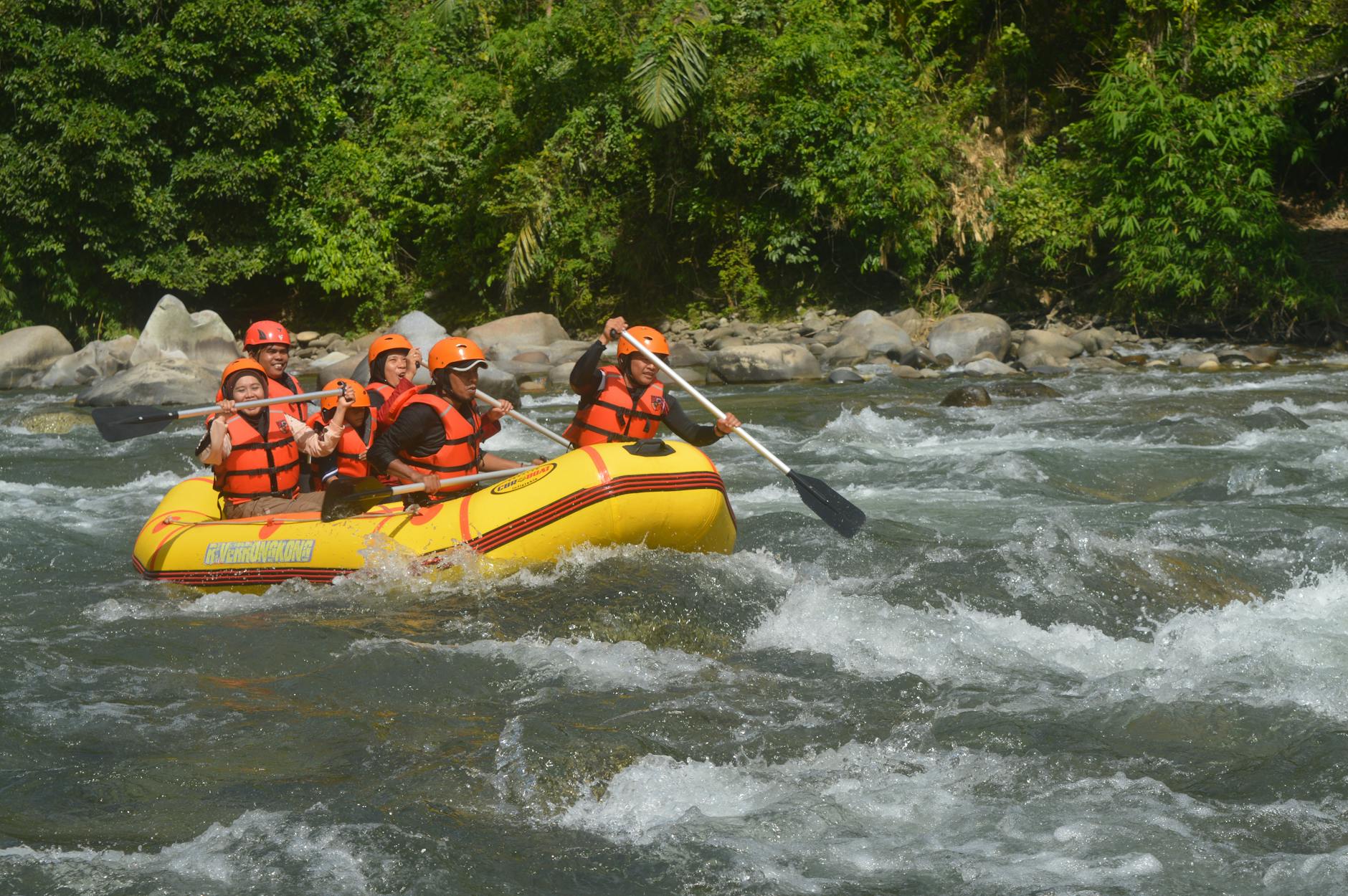
The Padas River in Sabah is one of the most celebrated white water rafting experiences in all of Southeast Asia — part for the Grade III-IV rapids, and significantly for the remarkable vintage jungle railway journey required to reach them. No other commercially operated rafting experience in Malaysia begins this way, and for many participants the train ride through Borneo’s forest is as memorable as the river itself.
The Journey to the River
After departing Kota Kinabalu early morning for a 90-minute drive to the town of Beaufort, participants board a vintage North Borneo Railway train that winds through dense jungle, crosses bridges over gorges, and follows river valleys for another 90 minutes to reach the remote put-in point at Pangi. The train passes through terrain that most Sabah visitors — even those who spend weeks in the state — never see. The combination of beautiful forest scenery, colonial-era railway infrastructure, and the anticipation of what’s coming at the river makes this journey itself worth planning a trip around. Many participants who’ve rafted rivers in Nepal, New Zealand, and other dedicated rafting destinations rate the Padas journey and river experience as among the best they’ve had anywhere.
The Rapids
Seven to eight named rapids spread over approximately nine to ten kilometres of river, grading Class III to Class IV. The rapid names give a clear sense of their character: Head Hunter, Lambada, Cobra, Scooby Doo, Washing Machine, Merry-Go-Round, Snake House, BBQ Rapids. During the rainy season with high water levels, some rapids can push to Class V intensity, which professional guides monitor carefully and account for in their approach. The actual rafting section takes one and a half to two hours, with professional river guides managing each raft through the technical sequences while keeping safety the absolute priority throughout.
A uniquely Padas element: at calmer water sections between rapids, guides sometimes invite participants to leave the raft for body rafting — floating independently through mild rapids with only a life jacket for buoyancy. This delivers an extremely intimate connection with the river and is consistently cited as one of the most memorable moments of the entire Padas experience.
The Full Day Commitment
A Padas River trip requires committing to a full day — typically ten to twelve hours from hotel pickup to return to Kota Kinabalu. The drive to Beaufort, the train journey to Pangi, the rafting itself, and the return all contribute to the day’s length. The actual water time is one and a half to two hours. For visitors combining the Padas with a mount kinabalu trek or Sipadan diving trip, scheduling the Padas day at the start or end of the Sabah itinerary — when a long active day is welcome rather than exhausting — works best in practice.
Requirements and Costs
Minimum age 12 years. Participants should be in reasonable physical condition. A minimum of four travelers is typically required for tours to depart. Previous rafting experience isn’t required — the Padas is significantly more challenging than beginner rivers, and participants should be genuinely ready for Grade III-IV conditions that include the real possibility of exiting the raft into moving water. Full-day packages from Kota Kinabalu including transportation, train journey, guides, equipment, and lunch cost RM250–RM400 per person depending on operator and group size. Book at least a few days ahead for standard dates; well in advance during peak tourist season from July to August.
Kiulu River, Sabah: Perfect for Families and Beginners
The Kiulu River, an hour’s drive from Kota Kinabalu, provides the ideal introduction to white water rafting for families, children, and anyone seeking an enjoyable river experience without the physical demands of the Padas. Grade I-II throughout its runnable length, the Kiulu combines gentle river adventure with a cultural dimension that makes it far more than just a beginner raft-down-a-calm-river experience.
A Scenic Cultural Experience
The seven-to-fifteen-kilometre route passes through traditional Kadazandusun villages, lush rice paddy fields, rubber estates, and orchards, providing a glimpse into the rural life of Sabah’s largest indigenous community. The Kadazandusun are renowned as skilled rice cultivators and the paddies along the Kiulu are actively farmed — you paddle past working agricultural land in full operation, with Mount Kinabalu visible on the horizon on clear days. This combination of gentle adventure and genuine cultural landscape is something that no bus tour or road trip delivers in the same way. The river also features mild rapids interspersed with long calm stretches and swimming stops at natural pools along the route.
Family Friendly
The Kiulu welcomes participants aged 5 to 65. Children under 12 must be accompanied by a guardian on the same raft. Rafting duration is typically one and a half hours — a very manageable length for younger children and older participants who might find the full-day Padas commitment exhausting. Multiple operators offer combination programs that pair Kiulu rafting with visits to local markets, the Mari Mari Cultural Village, or other Kadazandusun experiences, creating family-friendly half-day itineraries with genuine educational content alongside the adventure. Combining the Kiulu with snorkeling in malaysia at the Tunku Abdul Rahman Marine Park is feasible on the same day — both are accessible from Kota Kinabalu and create a morning-river, afternoon-ocean schedule that’s popular with families visiting Sabah.
Costs
Half-day packages from Kota Kinabalu including transportation, equipment, professional guides, and refreshments or lunch cost RM150–RM250 per person. Group discounts are typically available for six or more participants.
Selangor River, Kuala Kubu Bharu: Adventure Close to Kuala Lumpur
The Selangor River at Kuala Kubu Bharu provides the most accessible advanced rafting for visitors based in or around Kuala Lumpur. Starting below the Selangor Dam at the foot of the Fraser’s Hill range, this eight-kilometre stretch features Class II, III, and IV rapids through crystal-clear water produced by the dam release. The dam-fed clarity is immediately noticeable — a blue-green transparency you don’t expect in a Peninsular Malaysian river — and the surrounding forested valleys create a genuine sense of wilderness that belies the location just 90 minutes from central KL. The two-hour rafting journey passes through valleys with minimal development, making it feel far more remote than the driving time suggests.
Slim River, Ulu Slim: The Jungle Roller Coaster
The Slim River at Ulu Slim in Perak offers another solid Grade II-III rafting option within 90 minutes of Kuala Lumpur. The eight-kilometre route passes through jungle and plantation landscape alongside Orang Asli village territory. A 4WD vehicle journey to the starting point adds an extra element of adventure before the river begins. The main highlight is a substantial Class III rapid that provides the trip’s adrenaline peak, and the overall two-hour session is accessible enough for adventurous beginners while engaging for people who’ve rafted before. Packages run approximately RM160 per person with a minimum group of five, including lunch, equipment, and professional guides.
Understanding River Grades
The international whitewater grading system (I through VI) describes rapid difficulty in standardised terms, though actual conditions can shift significantly with water level changes from recent rainfall.
Grade I — moving water with small waves and few obstacles. No meaningful navigation required. Suitable for complete beginners including young children comfortable in water. The Kiulu River in Sabah runs primarily Grade I.
Grade II — straightforward rapids with wide, unobstructed channels. Some maneuvering is required but routes are easy to identify. Suitable for beginners with basic water confidence. The lower sections of the Kampar River run Grade II.
Grade III — irregular waves, strong eddies, and narrow passages requiring significant guide intervention and participant coordination. Scouting may be necessary. Suitable for adventurous beginners under close guide supervision. The upper Kampar and sections of the Padas run Grade III.
Grade IV — intense, powerful, predictable rapids requiring precise boat handling in sustained turbulent water. Fast eddy turns and rapid route-finding are necessary. Best suited to experienced rafters or those willing to commit to a genuinely demanding physical experience. The Padas River and Selangor River feature Grade IV sections under appropriate water conditions.
Best Time for White Water Rafting in Malaysia
Peninsular Malaysia
The Kampar, Selangor, and Slim rivers offer rafting year-round, with conditions varying by rainfall. Higher water levels during and after the rainy season generally produce more exciting rapid conditions. The northeast monsoon from October to March increases rainfall in the east coast and interior of Peninsular Malaysia, often generating optimal water levels on many rivers. Extremely heavy rainfall can make conditions dangerous — always check current conditions with your operator before travelling. During the drier months from April to September, some rivers may run lower and produce gentler rapids, though the Kampar’s large catchment area keeps it runnable even in dry periods.
Sabah
The Padas and Kiulu rivers operate year-round, with conditions varying by local Crocker Range rainfall. The wetter months from May to September can produce higher water levels and more challenging Padas conditions. January to April generally delivers calmer but enjoyable rafting on both rivers. Always confirm current river conditions with your Kota Kinabalu operator — levels can change significantly within 24 hours after heavy upland rainfall.
What to Wear and Bring
Quick-dry synthetic clothing — polyester or nylon shorts and a t-shirt — is the right call. Cotton absorbs water and becomes heavy and uncomfortable quickly on the river. Jeans are prohibited by most operators for safety reasons: waterlogged denim restricts movement and can become genuinely hazardous weight in the water. For sun protection, a lightweight long-sleeved shirt and waterproof sunscreen applied before departure are recommended. Sunglasses with a secure strap can be worn but risk being lost in rapids.
Secure, closed-toe footwear is mandatory. Old sneakers, water shoes, or sports sandals with proper attachment straps that won’t slip off during active paddling all work well. Open flip-flops and loose sandals are not permitted on any reputable operator’s trips. Bring a complete change of dry clothes for after the experience, a small towel, and any personal medications in waterproof packaging. Leave non-waterproof valuables at the base unless your operator provides waterproof phone pouches — most do on request.
All reputable Malaysian rafting operators provide helmets, paddles, and personal flotation devices as standard equipment. Most also provide dry bags for valuables. A thorough safety briefing covering paddle commands, defensive swimming position, and river re-entry procedures is conducted before every departure — even if you’ve rafted before, listen carefully since operator-specific commands may differ from what you’re used to.
Safety Considerations
White water rafting in Malaysia operates under professional supervision, with guides trained in swift-water rescue techniques and equipment maintained to international safety standards. The most important factor on your side is choosing a licensed, well-reviewed operator and being honest with yourself about the appropriate difficulty level for your group’s experience and physical condition.
What to Do If You Fall Out
On Grade III and above rapids, falling out is a real possibility. If you enter the water: immediately adopt the defensive swimming position — float on your back, feet pointing downstream, toes above the waterline. This position protects your head and body from rocks while allowing you to see downstream. Use your arms to steer toward calmer water or toward the raft. Never stand up in moving water — foot entrapment between rocks is one of the most dangerous situations in white water. Wait for your guide to throw a rescue line or maneuver the raft toward you. Follow their instructions exactly to re-board.
Choosing a Reputable Operator
Look for operators with a multi-year operational track record, consistently positive reviews, and safety practices they’ll describe openly when asked. Good indicators: thorough briefings before departure, well-maintained equipment with recent service dates, sensible guide-to-participant ratios, and willingness to cancel or modify trips when conditions are genuinely unsafe. Operators who raise age minimums or reduce raft capacity during high water are demonstrating competence and integrity — not excessive caution. Avoid operators who appear to prioritise filling boats over matching experience to conditions.
Combining Rafting with Other Adventures
Gopeng in Perak — Peninsular Malaysia’s rafting hub — stacks multiple adventure activities in a compact geography. World-class caving in malaysia at Gua Tempurung, waterfall abseiling, jungle trekking malaysia through secondary forest, and mountain biking trails all operate from the same general area. Multi-day adventure itineraries built around a Gopeng base are practical and popular.
In Sabah, Padas or Kiulu rafting fits naturally alongside the mount kinabalu trek, Sipadan diving, Kinabatangan wildlife cruises, or snorkeling in malaysia at the Tunku Abdul Rahman Marine Park. A Sabah week that combines mountain, river, and ocean covers an extraordinary breadth of experience from a single base in Kota Kinabalu.
Rafting Costs at a Glance
Budget approximately RM150–RM200 per person for standard half-day trips on the Kampar, Selangor, and Slim rivers. These include all equipment, professional guides, a basic lunch, and round-trip transport from the operator’s base camp. Weekend and peak season surcharges of 10–15 percent are standard. The Padas River in Sabah runs RM250–RM400 per person for the full-day package including the train journey. The family-friendly Kiulu River costs RM150–RM250 per person for a half-day from Kota Kinabalu. Group discounts are generally available for parties of six or more participants, and multi-activity combination packages offer meaningful savings over booking each experience separately.
For water-based adventures beyond rivers, the Sabah coast delivers world-class options. Scuba diving malaysia at Sipadan — one of the world’s top ten dive sites — is reachable from Semporna, four hours from Kota Kinabalu. The contrast between a morning on Padas rapids and a week later drifting past barracuda tornadoes at Sipadan summarises the remarkable range of water adventure available from a single Sabah base.