Snorkeling in Malaysia: Best Spots for Crystal Clear Waters and Vibrant Marine Life
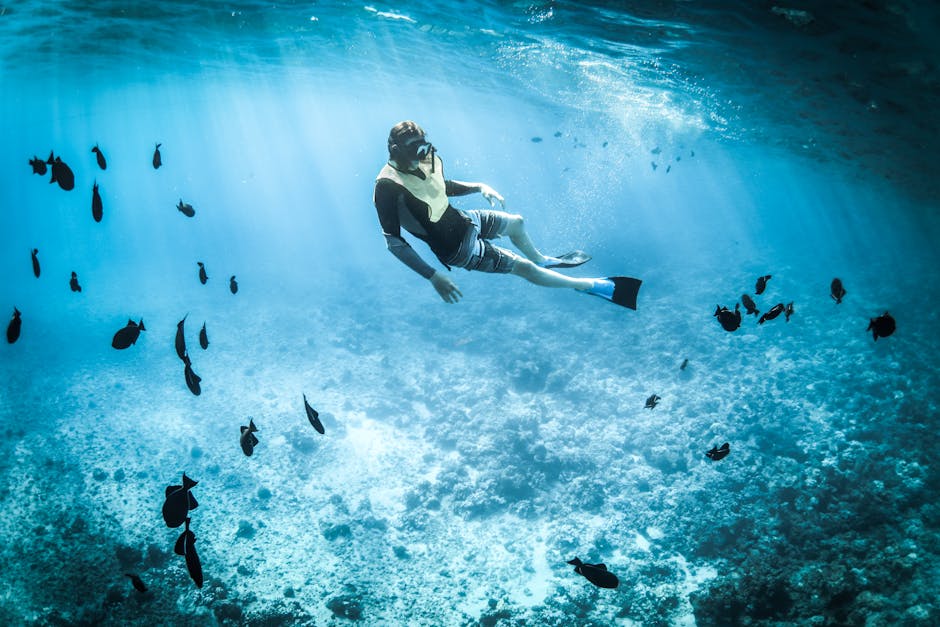
The Perhentian Islands have a spot called Turtle Point, and the name is not poetic exaggeration. Green turtles graze the seagrass here in calm, chest-deep water so unbothered by snorkelers that they’ll pass within arm’s reach without changing course. No boat needed. No guide required. Just a mask, a pair of fins, and a wild sea turtle sharing the same warm patch of the South China Sea with you.
Malaysia sits at the heart of the Coral Triangle — the marine biodiversity zone containing approximately 30 percent of the world’s coral species and 35 percent of all reef fish on Earth. That geography translates directly into snorkeling quality that would cost twice as much in the Maldives or the Great Barrier Reef. From the east coast islands of Terengganu to the Sabah archipelagos near Kota Kinabalu, Malaysia offers snorkeling accessible to anyone comfortable floating face-down in warm water. No certification required. No expensive equipment. And if you eventually want to go deeper, scuba diving malaysia builds on the same reefs and the same extraordinary marine life.
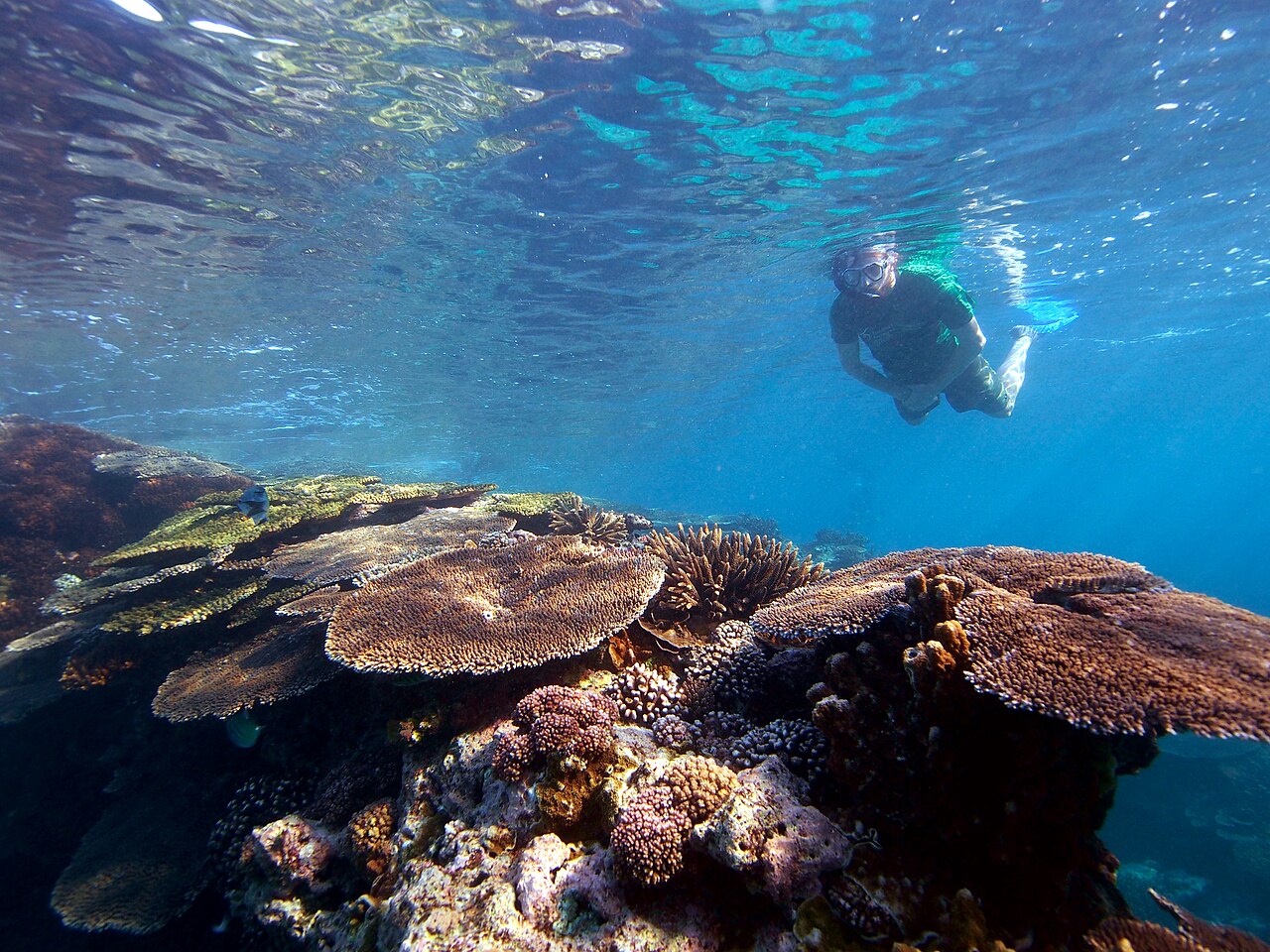
This guide covers Malaysia’s best snorkeling destinations, the marine life you’ll actually encounter at each one, the best season for each location, practical equipment advice, safety, and what things cost — so you can plan a snorkeling trip with confidence and no expensive surprises.
Perhentian Islands: The Snorkeling Capital
The twin islands of Perhentian Besar and Perhentian Kecil sit off Terengganu’s northeast coast, and they are Malaysia’s most celebrated snorkeling destination — ranking among the finest in all of Southeast Asia. The reasons are straightforward: warm water with consistently good visibility, abundant marine life at snorkeling-friendly depths, multiple distinct sites accessible from shore or by a short boat ride, and a laid-back island atmosphere that makes the whole experience feel unhurried and genuine rather than processed and packaged.
Top Snorkeling Spots
Shark Point near Flora Bay delivers exactly what its name suggests, though delivered gently. Blacktip reef sharks patrol the deeper reef edges — these are harmless animals, typically under 1.5 metres, that ignore snorkelers almost entirely while going about their business patrolling the coral. The shallows above the reef hold sea turtles, angelfish, clownfish in their anemone homes, and parrotfish grinding coral audibly with their beak-like mouths. Larger fish including humpback parrotfish appear near the rock formations. Most snorkelers surface after an hour here wondering where the time went.
Turtle Point on PIR Beach, Perhentian Besar, is exactly what it sounds like. Green and hawksbill turtles feed on seagrass and coral in numbers that make encounters essentially guaranteed during the season. The depth is chest-high in places, which means even weak swimmers feel comfortable. People who have snorkeled all over Southeast Asia regularly rate this single spot among the most accessible and consistent sea turtle encounters anywhere in the region.
Teluk Keke on the southwestern side of Perhentian Besar has a beautiful shallow reef with a notable abundance of ocellaris clownfish — the species made globally famous by Finding Nemo — which makes it particularly effective with families bringing children for their first snorkeling experience. Triggerfish, parrotfish, occasional turtles, and rays also appear regularly at this site.
Rawa Island near the Perhentians is smaller and quieter than the main sites, with preserved reefs where bluespotted ribbontail rays glide across sandy patches between coral formations. Fewer day-trip boats reach Rawa, which means less human traffic on the reef and a more peaceful experience for snorkelers who prefer their encounters undisturbed.
Perhentian Practical Information
Speedboats from Kuala Besut jetty reach the Perhentians in 30 to 45 minutes. The snorkeling season runs March to October, with April through August delivering the best visibility and calmest conditions. Most island accommodation organises half-day island-hopping snorkeling tours covering three to four sites, typically priced RM35–RM80 per person including basic equipment rental. The islands close entirely to tourism during the northeast monsoon from November to February — don’t plan a visit outside the season boundary.
Redang Island: Marine Park Splendor
Redang Island forms part of the Redang Archipelago Marine Park off the Terengganu coast, and the marine park designation makes a measurable difference — the reefs here are better protected than at many comparable Malaysian destinations, and the fish life reflects it. An estimated 500 coral species and over 3,000 fish species have been recorded in the surrounding waters, making Redang one of the most biodiverse snorkeling environments in Peninsular Malaysia.
Snorkeling Experience
The Marine Park Center reef sits at three to six metres depth with clear, well-maintained water and impressive coral formations. It’s an excellent entry point for first-time tropical snorkelers — clear enough to see everything in detail, shallow enough to feel safe, and populated enough to hold interest across a full session without any dead patches.
Redang’s house reefs, accessible directly from many resort beaches, allow snorkeling at your own pace without joining any organised tour. Walking into the water from the beach and immediately finding yourself floating above coral and fish is one of Redang’s best qualities — it means an hour’s snorkeling before breakfast is genuinely possible if you want it, and late afternoon light quality improves significantly for photography.
Green and hawksbill turtles appear regularly. Butterflyfish and angelfish cruise the coral in pairs. Parrotfish graze methodically. Reef sharks patrol the deeper edges. Wrasses, rays, and groupers fill in the gaps. Visibility that can exceed 20 metres during peak season makes Redang particularly rewarding even with a simple waterproof phone case — you don’t need dedicated underwater camera equipment to bring home useful images from these reefs.
Redang Practical Information
Speedboats from Merang jetty or Kuala Terengganu reach Redang in 45 minutes to one hour. Season runs March to October; best conditions June to August. Most visitors book all-inclusive resort packages covering accommodation, meals, boat transfers, and snorkeling trips. Packages range from RM400 to RM1,200 per person for a two-night, three-day stay depending on resort category and inclusions.
Tioman Island: Affordable Paradise
Tioman, off Pahang’s southeast coast, combines solid snorkeling with a laid-back atmosphere and some of the most competitive marine tourism pricing in Malaysia. The Sultan Iskandar Marine Park designation has protected the reefs from the worst impacts that unmanaged tourism would otherwise produce. The result is a snorkeling destination with real variety — multiple bays, offshore sites, and a healthy marine community distributed across the entire coastline rather than concentrated at a single publicised spot.
Where to Snorkel
House reefs at beaches including Salang, Air Batang, and Tekek provide convenient shore-based snorkeling within minutes of dropping your bags. Boat-based day trips access more remote sites around the island and on nearby smaller islands including Coral Island and Renggis Island. Coral Island in particular is considered one of the finest snorkeling spots in the Tioman area, with vibrant shallow coral gardens and dense fish communities that include turtles, reef sharks, and large schools of tropical fish in close proximity to each other.
Marine Life
Hundreds of fish species inhabit Tioman’s waters. Hawksbill sea turtles are commonly encountered at multiple sites. Angelfish and butterflyfish cruise the coral in pairs, parrotfish grind coral audibly as they feed, and moray eels peer from crevices with expressions of permanent mild alarm. Bluespotted rays rest on sandy patches between coral formations. Blacktip reef sharks patrol the reef edges. It’s a thorough, satisfying fish community rather than a single spectacular species — the kind of snorkeling that keeps surprising you across multiple sessions.
Tioman Practical Information
Ferries from Mersing or Tanjung Gemok on the Pahang mainland take one and a half to two hours to reach Tioman. Season runs March to November, with optimal conditions May through September. Half-day boat snorkeling trips cost RM50–RM100 per person. Tioman’s affordable guesthouses, inexpensive food, and reasonable tour prices make it one of the best-value snorkeling destinations in Malaysia — a full day of snorkeling with lunch and a decent guesthouse bed can be achieved for well under RM200 per person. If you also want to try white water rafting malaysia, the rivers at Gopeng and Kuala Kubu Bharu are within driving distance of the mainland ferry terminal.
Langkawi: Pulau Payar Marine Park
For visitors based on Langkawi, the west coast resort island, Pulau Payar Marine Park is the practical snorkeling day trip. Four small islands form the marine park, located 60 to 90 minutes by boat from Langkawi, offering the most accessible snorkeling in the region for anyone who isn’t planning to cross to the east coast.
What to Expect
Pulau Payar’s reefs have suffered significant damage from environmental pressures over the years, and the experience won’t match the pristine conditions of the east coast islands — set realistic expectations before you go. The Coral Garden area provides the best snorkeling, with a reasonable fish community including blacktip reef sharks in shallow areas and various tropical reef species in the coral patches. Coral restoration efforts are ongoing, and visitor limits of 100 per week have been introduced to support recovery.
The park closes from March to May each year for environmental recovery and on Tuesdays and Wednesdays weekly throughout its open period — confirm these closures before planning your visit. For Langkawi-based travelers with no time to reach the east coast, Pulau Payar remains worthwhile. The day-trip format works well, the fish life is interesting, and the boat journey itself through the Andaman Sea provides its own appeal.
Sabah: Borneo’s Snorkeling Paradise
Malaysian Borneo’s state of Sabah offers snorkeling that benefits from the same extraordinary marine biodiversity that makes this region one of the world’s top diving destinations. Options range from easily accessible island parks minutes from Kota Kinabalu to remote islands with marine life rivalling anything in the Coral Triangle.
Tunku Abdul Rahman Marine Park
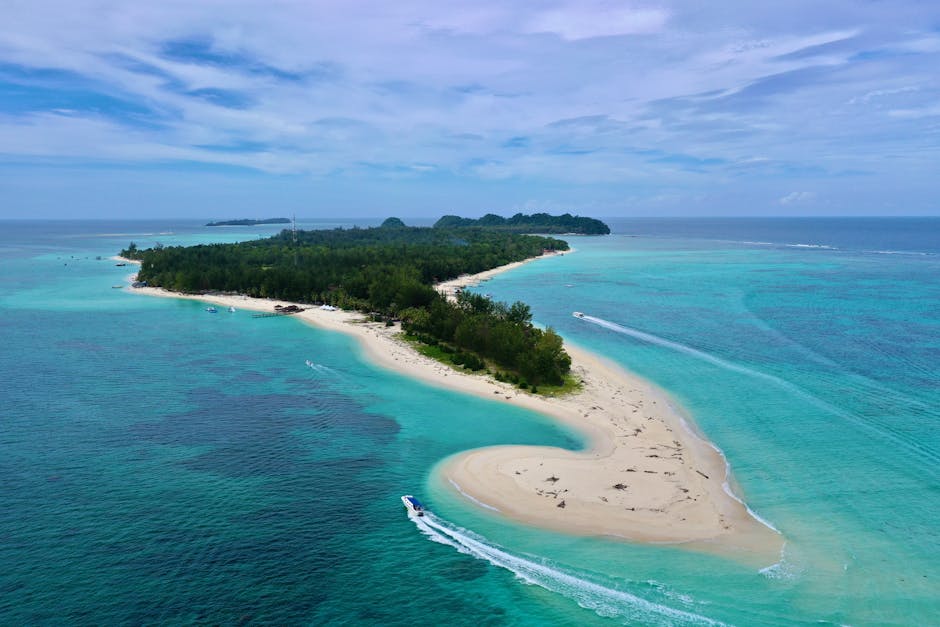
Five islands — Gaya, Sapi, Manukan, Mamutik, and Sulug — sit minutes by boat from Kota Kinabalu’s Jesselton Point jetty. Island-hopping boats depart every hour with multiple operators running fixed-price return tickets. Sapi and Manukan generally offer the best snorkeling, with vibrant coral reefs in clear azure water and fish diversity that surprises visitors expecting mainland-proximity mediocrity. The 15-to-20-minute boat crossing makes this the easiest quality snorkeling day trip available from any Malaysian city.
Mantanani Island
Off the northwest coast of Sabah, Mantanani offers a more remote and genuinely pristine snorkeling experience in water celebrated for its clarity. Sea turtles, rays, and an impressive array of tropical fish are regular encounters, and the lower visitor numbers compared to the Tunku Abdul Rahman park mean the reefs remain in excellent condition. Day trips from Kota Kinabalu take roughly an hour by speedboat and typically include equipment, lunch, and multiple snorkeling sites. It’s a longer investment of a day but the reef quality justifies every minute of travel.
Semporna Islands
The islands around Semporna in eastern Sabah — near Mabul, Kapalai, and the approaches to Sipadan — offer snorkeling that draws on the same exceptional marine biodiversity that makes this one of the world’s premier dive regions. Sipadan itself requires a dive permit and certification, but the surrounding islands provide outstanding snorkeling from the surface: clear water, healthy coral, and regular encounters with turtles, reef sharks, and schools of tropical fish in numbers that reflect this area’s extraordinary biodiversity. Island-hopping snorkeling tours from Semporna are the affordable, uncertified-friendly way to experience this remarkable marine environment. Combining a Semporna snorkeling trip with jungle trekking malaysia in the Danum Valley — a few hours’ drive from Lahad Datu — creates one of Sabah’s best combined nature itineraries.
What Marine Life Will You See
Malaysia’s position at the heart of the Coral Triangle means the diversity of snorkeling encounters is genuinely exceptional. A single 45-minute session on a typical east coast reef will involve more species than most people can track — here’s what to expect.
Common Encounters
Sea turtles are among the most consistent and thrilling snorkeling encounters in Malaysia. Both green and hawksbill turtles feed on coral and seagrass at most major snorkeling destinations, often in water shallow enough to observe from the surface without even diving down. These graceful animals typically ignore snorkelers who approach slowly and without chasing — the experience of floating alongside a wild turtle in clear, warm water is consistently rated as the single highlight of any Malaysia snorkeling trip.
Clownfish are abundant at Malaysian sites, particularly in the Perhentians. Watching them dart between anemone tentacles in their characteristic bobbing style is endlessly entertaining, and their sedentary lifestyle makes them easy subjects even for first-time underwater photographers using basic waterproof cameras or phone cases.
Blacktip reef sharks appear at most Malaysian snorkeling destinations and look far more dramatic than they actually are. These small, reef-associated sharks almost always move away from snorkelers rather than toward them. Documented incidents involving snorkelers and blacktip reef sharks at Malaysian sites are essentially non-existent. Seeing one is exciting; being anxious about one is unnecessary.
Parrotfish, butterflyfish, angelfish, wrasses, damselfish, triggerfish, and groupers create the vivid kaleidoscope that makes tropical snorkeling so compelling for first-timers and experienced underwater naturalists alike. Moray eels peer from crevices, bluespotted rays glide across sandy patches, and the sheer density of individual fish on a healthy Malaysian reef creates a constantly shifting spectacle that holds attention across multiple sessions without becoming repetitive.
Seasonal Highlights
Whale sharks pass through Malaysian waters, particularly around Sabah from March to May. Encounters for snorkelers are rare and unpredictable, but the possibility is real enough that several operators mention it as part of their Semporna tour descriptions during peak months. Manta rays appear occasionally at the Perhentians and in Sabah waters, moving through in ways that surface snorkelers can often observe even without diving down to meet them.
Best Time to Go Snorkeling in Malaysia
Malaysia’s snorkeling seasons divide clearly by region, driven by monsoon patterns. The country’s geographic spread means good snorkeling is available somewhere year-round — the key is knowing which region suits your travel window.
East Coast Peninsular Malaysia
Perhentians, Redang, Tioman, and Lang Tengah all operate March to October, with April through August delivering the best combination of visibility, calm seas, and warm water. The northeast monsoon from November to February shuts most island operations entirely — don’t attempt to visit outside the season boundary. June to August is the busiest period coinciding with Malaysian school holidays, so book accommodation and boat transport in advance if travelling during this window.
West Coast Peninsular Malaysia
Langkawi and Pulau Payar are far less monsoon-affected and maintain snorkeling much of the year. West coast conditions are generally best from December to April. Pulau Payar specifically closes from March to May for environmental recovery and on Tuesdays and Wednesdays throughout its open period — confirm these specific dates before planning.
Sabah (Malaysian Borneo)
Sabah snorkeling is available year-round, with the best conditions from April through September when seas are calmest and visibility is highest. The monsoon from November to February can bring rougher conditions to east coast islands, but areas near Kota Kinabalu and the protected west coast remain accessible and enjoyable throughout the year. Combining a Sabah snorkeling trip with malaysia adventure travel like the Kinabatangan River wildlife cruise or the Danum Valley jungle expedition is straightforward during the April-to-October dry window when all activities operate at their best.
Essential Snorkeling Tips for Malaysia
Equipment
A well-fitting mask is the single most important piece of snorkeling equipment. Test the fit before entering water — press it gently against your face without using the strap and inhale lightly through your nose. If it holds, it seals. A mask that leaks or fogs continuously makes even a spectacular reef frustrating to observe. Most Malaysian snorkeling tour operators provide basic equipment as part of their tour packages, but quality varies significantly between operators. Bringing your own mask and snorkel guarantees a reliable fit; fins can typically be rented at the destination. Mask and snorkel sets of adequate quality are available from RM30–RM80 at island dive shops and beach gear stores throughout Malaysia — a worthwhile purchase if you plan to snorkel on multiple days.
Sun Protection
The tropical Malaysian sun is intense, and snorkeling is deceptive — the water keeps you cool while the sun burns your back, shoulders, and the backs of your legs. A rash guard or long-sleeved swim shirt covers the most exposed areas without any of the reef-damage concerns associated with sunscreen. It’s the most effective and most environmentally responsible sun protection option available.
For any exposed skin, reef-safe mineral sunscreen containing zinc oxide or titanium dioxide is essential. Conventional sunscreens containing oxybenzone are toxic to coral reefs and have been shown to contribute to bleaching and long-term reef degradation. Apply at least 15 minutes before entering the water so the formula bonds to your skin properly and reduces how much washes directly into the reef environment.
Safety
Always snorkel with a buddy and stay within visual range throughout the session. Tell someone on your boat or on shore roughly where you’re going and how long you plan to be in the water. Be aware of currents at headlands and in channels between islands — these can be powerful and surprising even when surface conditions look calm. If caught in a current, swim parallel to shore rather than directly against the flow, then angle back toward shore when the current weakens.
Don’t touch or stand on coral for any reason. Beyond the environmental damage, coral cuts heal slowly in tropical conditions and frequently become infected. Fire coral — which resembles bleached dead vegetation — delivers a sting disproportionately painful to its innocuous appearance. Stay horizontal and neutral at all times, controlling your position entirely with fin kicks rather than reaching for the bottom with your hands.
Jellyfish Awareness
Jellyfish are present in Malaysian waters, particularly after storms and near river mouths during certain seasons. A rash guard or lightweight wetsuit covers most of the torso and arms effectively. If stung, rinse with seawater — not fresh water, which causes additional nematocysts to fire — apply vinegar if available, and seek medical attention for severe reactions. Most jellyfish stings at Malaysian snorkeling sites are unpleasant but medically minor. The mount kinabalu trek and other non-water activities are obviously jellyfish-free alternatives on days when operators report jellyfish presence at snorkeling sites.
Snorkeling Costs in Malaysia
Snorkeling in Malaysia is affordable by any international standard. Half-day boat tours visiting multiple sites run RM35–RM100 per person including basic equipment at most destinations. Full-day island-hopping tours with lunch range from RM80 to RM200 depending on destination and distance covered. All-inclusive island resort packages starting from approximately RM400 per person for a two-night stay at budget properties — and reaching RM1,200 or more at premium resorts — typically include multiple snorkeling trips, accommodation, and all meals.
Purchasing your own mask and snorkel in Malaysia costs RM30–RM80 at island shops and dive centres for adequate equipment. Fins can be rented at essentially every snorkeling destination for a small additional daily fee. Investing in your own mask and snorkel is worthwhile if you plan to snorkel on three or more occasions during your trip — it eliminates sizing uncertainty and immediately improves the experience over whatever rental equipment the operator provides.
Planning Your Snorkeling Trip
For a first visit focused specifically on snorkeling quality, the Perhentian Islands and Redang Island on Peninsular Malaysia’s east coast offer the most consistently excellent conditions and the greatest variety of marine life in water accessible to all abilities. For visitors already in Sabah, the Tunku Abdul Rahman Marine Park is the obvious starting point near Kota Kinabalu, with Mantanani Island offering a quality step up for those willing to invest the longer day-trip journey.
Book accommodation and transport well in advance during June to August at the Perhentians and Redang — popular resorts at both destinations fill weeks ahead during this peak window. April to May and September to October often deliver excellent conditions with better availability and lower prices than peak season. If you’re combining snorkeling with other adventure activities, caving in malaysia at Gua Tempurung in Gopeng pairs well with a Peninsular trip — the Gopeng caving hub is accessible on the drive back from the Kuala Besut jetty toward Kuala Lumpur. Or add a day of white water rafting malaysia on the Kampar River for a full adventure day before or after the island leg of your trip.
If you want to extend your time underwater beyond mask-and-fins depth, the natural progression runs from snorkeling to freediving to scuba certification. The same dive centres running snorkeling tours at the Perhentians, Tioman, and Redang offer freediving introduction courses and full PADI Open Water certification — and once certified, the full circuit of Malaysian dive sites from Sipadan’s legendary walls to Mabul’s macro obsession opens up.