Perhentian Islands Guide: Snorkeling, Diving & Tropical Paradise (2026)
Your complete perhentian islands guide for 2026. Discover world-class diving, turtle encounters, pristine beaches, and budget-friendly island paradise.
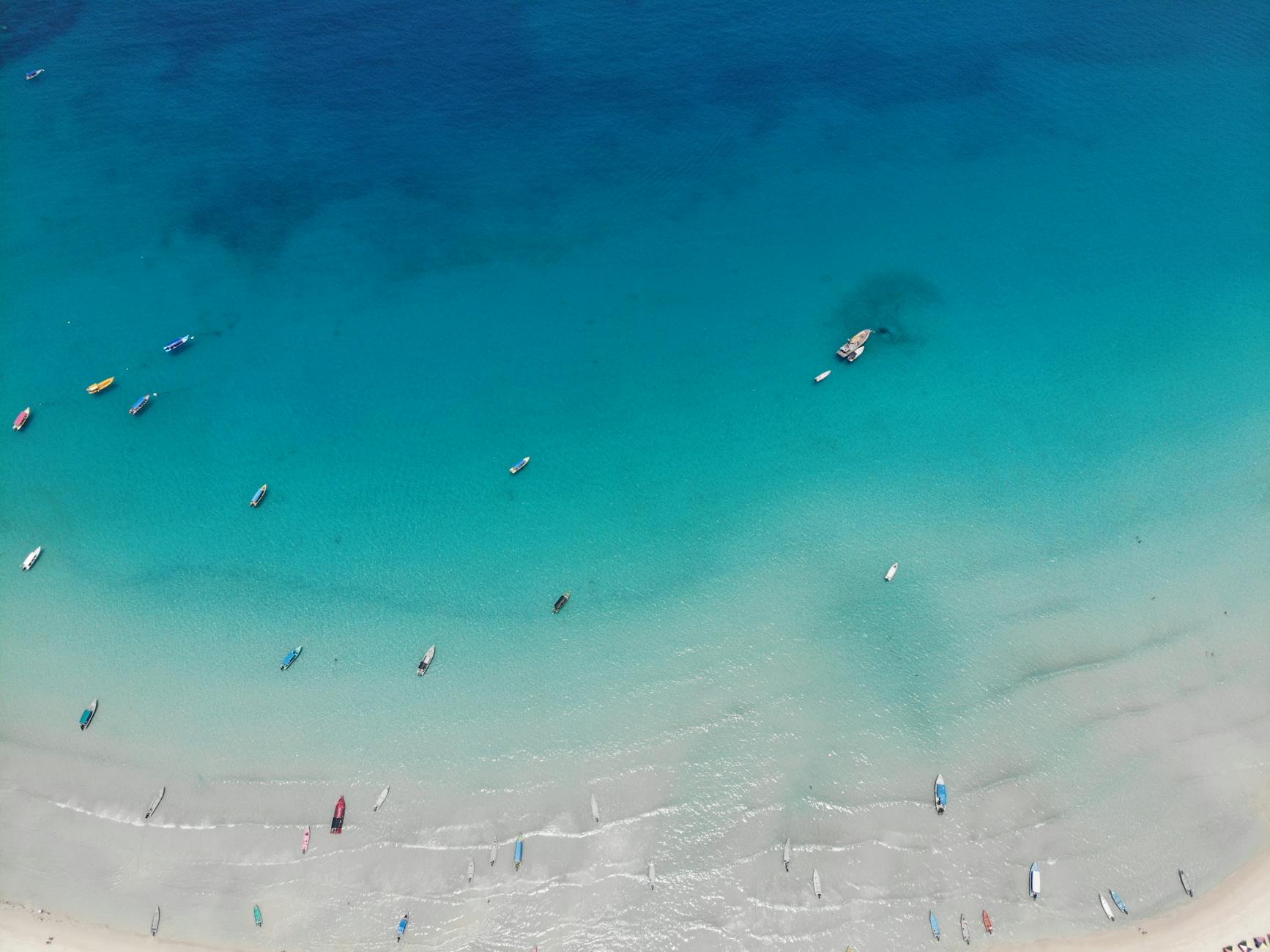
Twenty kilometers off the northeastern coast of Peninsular Malaysia, two jungle-cloaked islands rise from water so clear you can count the coral heads from the boat deck. The Perhentian Islands draw divers, snorkelers, and beach travelers who have heard the same story: cheap PADI courses, sea turtles grazing at arm’s length, and a pace of life that makes mainland Malaysia feel like another planet. The story is accurate. Open from March through October and closed by the northeast monsoon the rest of the year, Perhentian Kecil and Perhentian Besar are part of the Terengganu Marine Park, and that seasonal shutdown is exactly why the reefs here are still worth talking about.

This guide covers both islands in full: which one suits your travel style, the best beaches, dive sites and snorkeling spots, how to get there, where to eat and sleep, and everything practical you need before you leave the mainland. If you have already explored Tioman island or the Redang island and are wondering how the Perhentians compare, they sit in the same northeast-coast bracket but deliver a distinctly rawer, more affordable experience than either.
Perhentian Kecil vs Perhentian Besar: Which Island to Choose
The Perhentian archipelago consists of two main inhabited islands — Perhentian Kecil (Small Perhentian) and Perhentian Besar (Big Perhentian) — along with several smaller uninhabited islands. Despite their proximity, the two islands offer distinctly different experiences, and your choice will shape nearly every hour of your stay.
Perhentian Kecil (Small Island)
Kecil is the budget and backpacker island. Counterintuitively, it is geographically smaller than Besar yet busier and more developed, with a lively social scene, a high concentration of budget accommodation, beach bars, dive schools, and a younger international crowd. Solo travelers, couples on a tight budget, and anyone who enjoys meeting fellow travelers over sunset beers and beachside movies will feel at home here.
The two main hubs on Kecil are Long Beach on the east coast and Coral Bay on the west coast, connected by a short jungle trail of about 15 minutes. Long Beach is the livelier of the two, with most dive schools, restaurants, and accommodation lined along a stunning stretch of white sand. Coral Bay is quieter, more laid-back, with excellent sunset views and some of the best shore snorkeling on either island.
The atmosphere on Kecil is casual and social. Many restaurants screen movies on projectors after dark, beach bars serve cocktails until late, and the overall vibe is reminiscent of the Thai islands from a decade ago, before mass tourism took hold. Budget accommodation starts from around RM45 to RM80 per night for basic rooms without air conditioning. Mid-range options with air conditioning and en-suite bathrooms run RM150 to RM300.
Perhentian Besar (Big Island)
Besar caters to families, couples, and travelers seeking a more relaxed, upscale experience. Resorts here are generally larger and more comfortable, the beaches quieter, and the island has a serene, unhurried quality that is perfect for a proper holiday. Besar has no real nightlife or social scene — and that is precisely its appeal for most people who choose it.
Accommodation on Besar is spread along the west coast, with several beaches hosting different resort clusters. Turtle Beach on the north end is famous for its sea turtle nesting sites, and from June through September, visitors can witness green and hawksbill turtles coming ashore at night to lay their eggs. The Perhentian Island Resort (PIR) beach on the south end offers some of the best shore snorkeling on the island, with healthy coral reefs and abundant marine life just meters from the sand.
Accommodation on Besar starts at around RM100 to RM200 per night for mid-range chalets and rises to RM400 to RM1,600 for upscale resort rooms and villas. The Perhentian Marriott Resort and Spa represents the island’s top-end offering, while the longstanding Perhentian Island Resort provides full-package stays including meals and snorkeling trips.
Quick Comparison
Choose Kecil for budget travel, solo backpacking, or an energetic social atmosphere with bars, restaurants, and dive operators clustered together. Choose Besar for families, couples, or anyone who prioritizes peace, comfort, and nature over nightlife. The ferry drops you at both islands — you can always move between them by water taxi if you change your mind.
Best Beaches on the Perhentian Islands
Long Beach (Kecil)
Long Beach is the most famous beach on the Perhentian Islands and the main hub of activity on Kecil. Several hundred meters of powdery white sand, backed by palm trees and budget guesthouses, fronts water that is impossibly turquoise and generally calm during the dry season. The far right end of the beach, past the boulders, hides a particularly beautiful section where the crowds thin out and the water stays crystal clear. Long Beach faces east, so the sunrises here are worth setting an alarm for.
Coral Bay (Kecil)
Coral Bay sits on the western side of Kecil and takes its name from the abundant coral visible in the shallow water just offshore. The snorkeling here is excellent — sea turtles, reef sharks, and colorful tropical fish are regularly spotted within swimming distance of the beach. The beach is smaller and more intimate than Long Beach, and because it faces west, it is the premier sunset-watching spot on either island. Several cafes set up beachside seating specifically for the evening light show.
Adam and Eve Beach (Kecil)
Adam and Eve Beach is one of the most beautiful and secluded beaches on the Perhentian Islands, accessible only by jungle trek or kayak. Named after a rock formation offshore that resembles two figures, the beach is a pristine crescent of golden sand surrounded by lush tropical forest. There are no resorts or restaurants here, just untouched nature. The hike from Long Beach takes approximately 45 minutes through the jungle via the Windmill Point trail, or you can paddle a kayak from Coral Bay in about 30 minutes. The snorkeling around the offshore rocks is excellent.
D’Lagoon (Kecil)
D’Lagoon sits on the northern tip of Kecil, reachable by a 40-minute jungle trek from Long Beach or by water taxi. The beach is smaller and less visited than the main hubs, with a handful of basic chalets and a genuinely peaceful atmosphere. The snorkeling here is among the best on Kecil, with healthy coral formations and good chances of spotting sea turtles and reef sharks in the same dive.
Turtle Beach (Besar)
Turtle Beach on Perhentian Besar is the island’s most ecologically significant stretch of sand and a major turtle nesting site. From June through September, green turtles and hawksbill turtles come ashore at night to lay their eggs. The Perhentian Turtle Project, established in 2015, monitors nesting activity, operates a hatchery program, and organizes nighttime patrols during nesting season. Visitors may have the extraordinary opportunity to watch turtle egg-laying and hatchling releases — one of the most memorable wildlife encounters available anywhere in Malaysia.
PIR Beach (Besar)
The beach at Perhentian Island Resort on the southern end of Besar offers arguably the best shore snorkeling on either island. The coral reef begins just meters from the waterline and is home to an extraordinary diversity of marine life, including sea turtles that are frequently spotted grazing on seagrass in the shallows. Even non-divers can encounter world-class marine life simply by wading in from the beach.
Diving on the Perhentian Islands
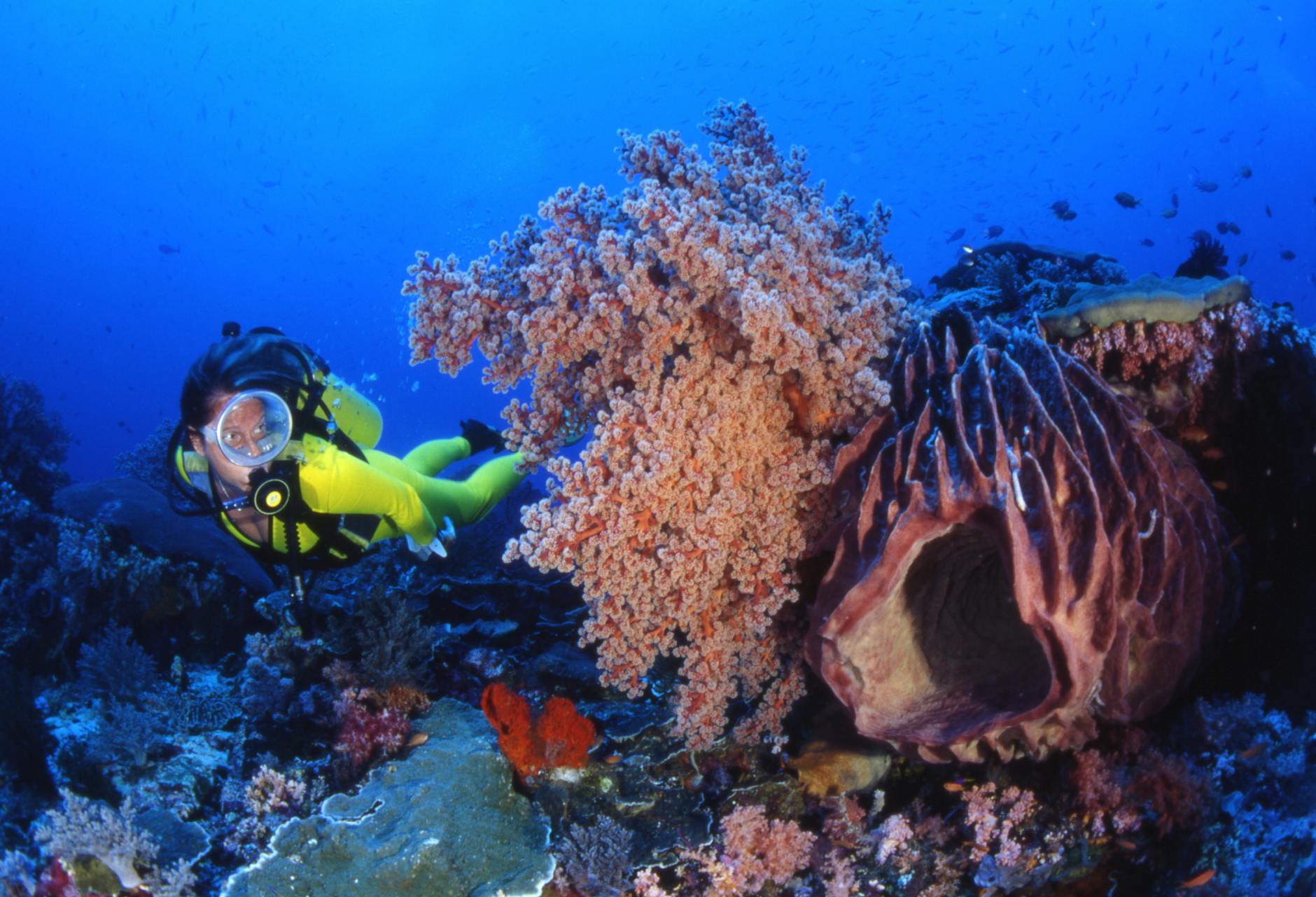
The Perhentian Islands are one of the best and most affordable diving destinations in the world. Water averages 27 to 30 degrees Celsius, visibility typically runs 15 to 25 meters, and dive sites range from gentle beginner slopes to dramatic pinnacles that attract larger pelagic species. Compared to the more famous Sipadan island diving in Sabah — widely regarded as one of the top five dive sites on the planet — the Perhentians are far cheaper and easier to access, though Sipadan’s sheer concentration of big marine life is in a class of its own.
Dive Costs
A single fun dive costs approximately RM85 to RM100, making the Perhentians among the cheapest diving in Southeast Asia. A full PADI Open Water certification course costs approximately RM1,000 to RM1,200, typically completed over three to four days. Advanced Open Water and specialty courses are also available at competitive prices. Most dive schools offer multi-dive packages with further discounts, so if you are planning four or more dives it is worth asking about bundle rates.
Top Dive Sites
Sugar Wreck is the Perhentians’ most famous dive site — a 90-meter cargo vessel lying on its side at approximately 18 meters depth. The wreck is extensively colonized by coral and swarming with marine life, including schools of batfish, barracuda, and fusiliers. The relatively shallow depth and calm conditions make it accessible to Open Water divers.
Tukun Laut (Temple of the Sea) is a dramatic underwater pinnacle rising from 25 meters to just below the surface. The site is known for giant pufferfish, giant moray eels, trevally, and bamboo sharks resting under rocky overhangs. It is one of the most visually impressive dive sites in the archipelago.
Terumbu Tiga (T3 or The Three Brothers) consists of three massive building-sized boulders descending to about 20 meters. The site reliably produces encounters with blacktip reef sharks, barracuda, and sea turtles, along with dense schools of fusiliers and snappers.
Shark Point is the most dependable site for shark encounters. Blacktip reef sharks commonly patrol the area, along with bamboo sharks resting on the sandy bottom. The site also features impressive coral formations and suits divers of all certification levels.
The Pinnacle reaches approximately 25 meters at its deepest point and is home to hawksbill turtles, bamboo sharks, and large groupers. Dramatic topography — overhangs, swimthroughs, and crevices — makes each dive here feel genuinely varied.
San Choi Wrecks consist of three fishing boats intentionally sunk in 2018 to create an artificial reef. Resting on a sandy bottom at around 18 meters, the wrecks have been rapidly colonized by marine life, with dense schools of barracuda, snappers, and fusiliers, along with bamboo sharks, Jenkins rays, and scorpionfish.
Dive Schools
The Perhentian Islands have numerous well-established dive schools, primarily concentrated on Long Beach. Turtle Bay Divers, Bubbles Dive Centre, and Monkey Dives are among the most popular and highly rated operations. When choosing a dive school, look for PADI or SSI certification, small group sizes, well-maintained equipment, and recent positive reviews. The Perhentians also attract divers who want to compare scuba diving in Malaysia across multiple destinations — the Perhentians consistently rank in the top tier for value and marine biodiversity on the peninsula.
Snorkeling on the Perhentian Islands
You do not need to be a certified diver to experience the Perhentians’ incredible marine life. Snorkeling is one of the primary activities on the islands, the conditions are exceptional, and encounters with sea turtles at the surface are genuinely common during peak season.
Shore Snorkeling
Several beaches offer outstanding snorkeling directly from the shore, no boat required. Coral Bay on Kecil is perhaps the easiest and most reliable shore snorkeling spot, with coral reefs, sea turtles, and tropical fish visible in chest-deep water. PIR Beach on Besar is equally impressive, with turtles frequently spotted in the seagrass beds just offshore. D’Lagoon on Kecil offers excellent shore snorkeling in a more secluded setting, making it a good pick for those who prefer to avoid the crowds.
Boat Snorkeling Trips
Half-day and full-day snorkeling boat trips are offered by operators on both islands, typically visiting three to five sites around the archipelago. A standard half-day trip costs RM35 to RM50 per person and includes multiple stops at sites known for turtle encounters, shark sightings, and colorful coral gardens. Full-day trips around both islands cost RM60 to RM80 and include lunch. Snorkeling gear rents for approximately RM20 per day, though the quality varies — bringing your own mask makes a real difference.
Marine Life Highlights
The most commonly spotted marine life while snorkeling includes green sea turtles, hawksbill sea turtles, blacktip reef sharks, blue-spotted rays, giant clams, anemonefish (clownfish), parrotfish, butterflyfish, angelfish, groupers, barracuda, and countless species of coral. From June to September, the chances of snorkeling with turtles are particularly high — this coincides with nesting season when turtle activity around the islands peaks significantly.
Jungle Trekking and Other Activities
Beyond the water, the Perhentian Islands offer several worthwhile land-based activities. Both islands are crisscrossed by jungle trails that connect different beaches and viewpoints, and the forest itself is worth exploring for its wildlife.
Jungle Trekking
On Kecil, the Windmill Point trail from Long Beach takes about 30 minutes through the forest and climbs to a wind turbine at the island’s highest point, offering panoramic 360-degree views of both islands and the surrounding sea. From Windmill Point, you can continue to Adam and Eve Beach or D’Lagoon for a longer half-day circuit.
On Besar, the Big Loop trail covers approximately 5 kilometers and takes 1.5 to 2 hours, passing through dense tropical jungle where dusky leaf monkeys and monitor lizards are regularly spotted. The trail connects several beaches and passes near a small waterfall at Teluk Dalam. Go early in the morning before the heat builds — the trail is steep in sections and can be slippery after rain.
Turtle Conservation
The Perhentian Turtle Project welcomes volunteers and visitors who want to participate in conservation efforts. Activities include nighttime beach patrols during nesting season, hatchery monitoring, and coral reef surveys. Short-term volunteer programs are available for travelers who want to combine their holiday with meaningful work in the field. The project typically runs from June through September, aligned with the main nesting season.
Kayaking
Sea kayaks are available for rent at several beaches on both islands, typically costing RM20 to RM30 per hour. Kayaking is an excellent way to reach secluded beaches and coves that are difficult to access on foot, and paddling along the coastline offers a different perspective on the islands’ dramatic jungle-meets-ocean scenery. The calm waters on the western sides of both islands are ideal for paddling, especially in the early morning.
Where to Eat on the Perhentian Islands
Dining on the Perhentians is a relaxed, beach-casual affair. Most restaurants are attached to resorts or operate as independent beachfront cafes with sandy floors and ocean views. Prices are higher than the mainland — everything arrives by boat — but the fresh seafood barbecue makes up for the markup.
Long Beach (Kecil)
Tiara Cafe is a popular budget-friendly option open from 8 AM to 8 PM, serving local dishes including Sotong Masak Kunyit (turmeric-fried squid), Siakap 3 Rasa (three-flavor sea bass), and tom yam seafood. Pit Stop Station in the middle of Long Beach offers a mix of breakfast items and local favorites with sea views. Ewan’s Cafe, located between Long Beach and Coral Bay with views across to Perhentian Besar, serves both local and Western food in the RM7 to RM15 range.
Coral Bay (Kecil)
Amelia Cafe at Amelia Chalet is Coral Bay’s most popular dining spot, open for all meals with a seafood barbecue that fires up after 6 PM. The banana lassi and banana cake are local favorites. Yellow Station Cafe has tables directly on the beach sand and offers both buffet and a la carte options, with evening seafood barbecues being particularly popular. Ombak Cafe provides a diverse menu of local and international dishes with beautiful sunset views and occasional fire shows and outdoor movie screenings.
Dining Tips
Food on the Perhentians is more expensive than on the mainland due to the cost of transporting everything by boat. Expect to pay RM15 to RM40 for a main course. Fresh seafood barbecue is the signature dining experience, available at most beachfront restaurants in the evening. Local Malay dishes typically offer better value and flavor than Western options. Vegetarian options are available at most restaurants but can be limited, so ask ahead if this matters to your planning.
How the Perhentians Compare to Other Malaysian Islands
Malaysia’s east coast has several island destinations worth understanding before you book. The Redang island guide covers an island that sits about 45 kilometers north of the Perhentians with similar water clarity but a more resort-focused feel and generally higher price points. Redang suits travelers who want comfort and easy package deals rather than the backpacker infrastructure of Kecil. The Tioman island guide covers the largest island on the east coast, further south in Pahang, which combines jungle hiking with decent diving and attracts a slightly more mixed demographic across all budgets.
On the west coast, the experience is entirely different. Langkawi beaches offer broader sandy shores in a more developed setting with duty-free shopping and an international airport — convenient but far removed from the raw island feel of the Perhentians. If you are specifically chasing marine biodiversity at depth, Kapas island Malaysia provides a quieter, smaller alternative on the same Terengganu coastline, with shorter ferries from Marang and a fraction of the visitor numbers the Perhentians receive in peak season.
Practical Information
Getting to the Perhentian Islands
All boats to the Perhentians depart from Kuala Besut Jetty in Terengganu. Speedboats operate from 8:00 AM to approximately 4:00 PM, with departures roughly every hour during peak season. The journey takes 30 to 45 minutes. Return tickets cost RM70 to RM100 per person.
From Kuala Lumpur: Fly to Kota Bharu airport (Sultan Ismail Petra Airport) in approximately 1 hour on AirAsia or Malaysia Airlines. From Kota Bharu, Kuala Besut Jetty is approximately 1 hour by taxi (RM80 to RM100). Alternatively, fly to Kuala Terengganu (Sultan Mahmud Airport), which is approximately 1.5 hours by road from the jetty. Overnight buses from KL’s Terminal Bersepadu Selatan run directly to Kuala Besut, taking 8 to 9 hours at RM45 to RM60.
From Penang or other Malaysian cities: Fly to Kota Bharu and continue by taxi to Kuala Besut. Some travelers drive, with parking available at the jetty for approximately RM15 per day.
Best Time to Visit
The islands are open from March through October, with the peak season from June to August offering the best weather, calmest seas, and optimal diving visibility. Peak season also brings higher prices and more crowds. March to May and September to October offer excellent conditions with fewer visitors and lower prices, making these shoulder months ideal for budget travelers and those seeking a quieter experience. The monsoon closure from November through February gives the reef time to recover each year — a major reason marine life quality here remains high.
Money and ATMs
There are no ATMs on the Perhentian Islands. Bring sufficient cash from the mainland — this is non-negotiable. Some larger resorts and dive schools accept credit cards but may charge a surcharge of 3 to 5 percent. Budget enough cash for accommodation, food, activities, and unexpected expenses. Money changers are available in Kuala Besut before you board the boat.
Marine Park Fees
All visitors to the Perhentian Islands must pay a Marine Park conservation fee at the Kuala Besut Jetty before boarding the boat. This fee supports conservation and management of the marine park. Keep your receipt, as it may be checked on the island.
Connectivity and Power
WiFi is available at most resorts and restaurants but is generally slow and unreliable. Mobile data coverage exists from Malaysian carriers but is patchy, especially on the eastern side of the islands. Power outages occasionally occur, particularly during storms. Bring a power bank for your devices and treat the connectivity limitations as part of the experience rather than a problem to solve.
Packing Essentials
Reef-safe sunscreen is essential — chemical sunscreens damage the coral reefs that make the islands worth visiting. Bring insect repellent for the jungle trails, a waterproof phone case, sturdy sandals or water shoes for rocky beaches and trekking, and a small dry bag for boat transfers. If you snorkel regularly, bringing your own mask will significantly improve your experience over the rental options available on the islands.
Health and Safety
The nearest hospital is on the mainland in Kuala Besut. A small clinic operates on the islands for minor medical issues. Ensure you have adequate travel insurance that covers water sports and diving — this is not optional if you plan to dive. Jellyfish stings are rare but possible during certain seasons. The jungle trails can be steep and slippery, particularly after rain. Wear appropriate footwear and carry water.
Conservation and Responsible Tourism
The Perhentian Islands’ marine ecosystems are fragile and face ongoing threats from coral bleaching, overfishing, and tourism pressure. As a visitor, you have a direct impact on how well the reef survives your stay. Never touch, stand on, or break coral. Maintain a safe distance from sea turtles and other marine life. Do not feed fish. Use reef-safe sunscreen. Dispose of waste responsibly and take plastic off the island with you. Support operators who demonstrate a genuine commitment to conservation — dive schools that participate in reef clean-ups and operations affiliated with the Perhentian Turtle Project are your first port of call.
The annual monsoon closure, while frustrating for travelers who arrive out of season, is one of the most effective conservation tools in the region. Six months of complete rest allows the coral and fish populations to recover in ways that are simply not possible on permanently open island destinations. The Perhentians’ relative health in 2026 is a direct result of that closure and the marine park protections that govern the area.
Final Thoughts
The Perhentian Islands deliver exactly what their reputation promises: crystal-clear water, healthy coral reefs, abundant marine life, pristine beaches, and a pace of life that demands you slow down. Spend your days diving the Sugar Wreck and Tukun Laut, snorkeling with sea turtles off Coral Bay, hiking through the jungle to Adam and Eve Beach, or watching the sunset from a hammock at Coral Bay — the islands accommodate every version of that itinerary without complaint.
The seasonal closure keeps the Perhentians from becoming overrun in the way that so many Thai and Indonesian island destinations have been, and the marine park protection ensures that the underwater world remains healthy and worth visiting. For travelers who plan around the weather, bring cash, and come prepared for a genuine digital detox, the Perhentian Islands are as good as island travel in Southeast Asia gets in 2026.
1 note