Where to See Orangutans in Malaysia: Ethical Wildlife Encounters

Watch a mother orangutan build her sleeping nest and you start to understand why primatologists spend their careers in the forest. She snaps branches, weaves them into a platform sixty metres up, adds a leaf blanket, sometimes even a roof against the rain — and does the whole thing in under ten minutes, from scratch, every single night. Her infant watches carefully. He’ll need to do this himself in a few years. Their great apes are our closest relatives in Borneo, sharing roughly ninety-seven percent of our DNA, and Malaysia is one of the best places on Earth to see them ethically and up close.
Around one hundred thousand Bornean orangutans remain in the wild — down from more than two hundred thousand in 1999. That trajectory is the reason ethical wildlife tourism matters here. Every responsible visit to a rehabilitation centre or a river cruise operation contributes directly to the economics of conservation. This guide covers every credible orangutan viewing location in Malaysia: what makes each distinct, what to expect, and what each visit costs. If you want the broader wildlife picture across Sabah and Sarawak, our guide to malaysia wildlife maps the full landscape of species, parks, and experiences.
Understanding Orangutans: Biology, Behaviour and Intelligence
A little background sharpens every orangutan encounter. Knowing what you’re looking for transforms watching an ape eat fruit into something genuinely fascinating.
The Most Solitary Great Ape
Unlike chimpanzees or gorillas, adult orangutans spend most of their lives alone. The strongest social bond is between a mother and her offspring, and it’s an unusually long one — young orangutans stay dependent on their mothers for seven to eight years, the longest childhood of any animal except humans. Every edible plant in the forest, every navigation route through the canopy, every construction technique for a sleeping nest — all of it must be learned from a mother who has spent years mastering the same knowledge. That’s why mothers matter so much in orangutan conservation. Lose the mother, lose the knowledge chain.
Intelligence and Tool Use
Orangutans use sticks to extract insects from bark and honey from bee nests. They fashion leaves into cups to drink rainwater from tree hollows. They build those elaborate sleeping nests with pillows and blankets, from around six months of age, achieving real proficiency by age three. Primatologists have documented distinct cultural traditions among different orangutan populations — techniques that are unique to specific communities and passed through social learning rather than instinct. That’s the same mechanism that drives human cultural transmission. Different groups, different traditions. No two orangutan populations are identical.
Diet and Forest Role
Fruit makes up roughly sixty percent of an orangutan’s diet. The rest is leaves, bark, honey, insects, and occasionally bird eggs. Because they range widely across the forest while eating fruit, they disperse seeds across a large area. Remove orangutans and you damage the regeneration capacity of the forest itself. They are a keystone species in the literal ecological sense — their loss cascades through the whole system.
Sepilok Orangutan Rehabilitation Centre, Sabah
Sepilok is where most visitors start, and for good reason. Established in 1964, it operates within the Kabili-Sepilok Forest Reserve — forty-three square kilometres of protected lowland and mangrove forest — just twenty-five kilometres from the city of Sandakan. It is the most famous and most accessible orangutan centre in Malaysia, and visiting is an essential part of any Sabah wildlife trip.
What to Expect
An optional orientation video explains the rehabilitation process before you head down the boardwalk to the main feeding platform. Semi-wild orangutans in the process of rehabilitation swing through the canopy on ropes and vines to reach the platform twice daily, sometimes with young clinging to their bodies. The outdoor nursery is a separate area where younger orangutans — still learning basic survival skills — can be watched at play. Juveniles wrestling, practising climbing, experimenting with nest construction. It is deeply entertaining and occasionally moving in equal measure.
Visiting Practicalities
Sepilok is open daily from 9am to 4pm. The main feeding sessions are at 10am and 3pm; the nursery viewing is at 9:30am and 2:30pm. The morning session draws the larger crowd and is more likely to bring orangutans down — arrive by 9:30am if you want a good position. Entry fees: RM30 for international adults, RM15 for children, RM5 for Malaysian adults, RM2 for Malaysian children. A camera fee of RM10 applies. Professional cameras with lenses over 600mm attract an additional RM1,000 fee. No card payment facility, no ATM on site — bring cash from Sandakan or the airport. Flash photography is strictly banned at all times.
The dry season from March to October is generally best, but sightings are possible year-round. There is no guarantee any orangutan will appear at a given session — these animals are free to roam the forest and may be eating elsewhere. Most sessions do produce sightings. Some don’t.
Nearby: Bornean Sun Bear Conservation Centre
Immediately adjacent to Sepilok, the Bornean Sun Bear Conservation Centre cares for rescued sun bears — the world’s smallest bear species, standing just seventy centimetres at the shoulder. Entry is RM31 for international visitors. The two centres together fill a comfortable morning and share a forest setting. If you’re already making the journey to Sandakan, combining them on the same day is straightforward and worthwhile.
Semenggoh Wildlife Centre, Sarawak
Twenty-four kilometres south of Kuching, Semenggoh operates a similar rehabilitation programme in a distinctly different setting. Established in 1975, it now has over twenty orangutans living in and around the reserve — many spending most of their time in the surrounding forest and only returning to the centre for supplementary feeding. Kuching is a natural base for exploring Taman Negara national park comparisons aside, but Semenggoh is the Sarawak-specific orangutan option and genuinely worth a half-day.
The Semenggoh Experience
The feeding takes place in a natural forest setting, and the orangutans that appear tend to be confident adults rather than the juveniles you see most at Sepilok. The dominant male, Ritchie, weighs over one hundred kilograms and his appearances are a highlight. A ranger provides a five-minute briefing before the session, then visitors follow the path to the feeding area. Smaller visitor numbers make this feel more intimate than Sepilok — quieter, less structured, more like watching wildlife in the forest than visiting an attraction.
Visiting Practicalities
Opening hours: 8am to 10am and 2pm to 4pm. Feeding sessions at 9am and 3pm. Entry: RM10 for international adults, RM5 for international children aged six to seventeen, RM5 for Malaysian adults, RM2 for Malaysian children. Reach Semenggoh from Kuching by taxi or Grab — roughly twenty to thirty minutes, around RM25 each way. Best sightings from April to November, though the centre operates year-round. During fruiting season in the surrounding forest, orangutans may skip the feeding station entirely because natural food is abundant. Frustrating for visitors, but actually a sign the rehabilitation is working as intended.
Labuk Bay Proboscis Monkey Sanctuary: An Unexpected Orangutan Spot
Labuk Bay near Sandakan is primarily a proboscis monkey sanctuary, but wild orangutans from the surrounding forest occasionally wander in looking for an easy meal. These appearances are entirely unpredictable — sometimes a visitor hits it lucky; sometimes there’s no orangutan in sight. The sanctuary is approximately forty kilometres from Sandakan and easily combined with Sepilok on the same day. Entry is RM60 for international visitors. Primate feeding sessions run at 9:30am, 11:30am, 2:30pm, and 4:30pm. Proboscis monkey sightings are effectively guaranteed; orangutans are a bonus.
Wild Orangutans on the Kinabatangan River
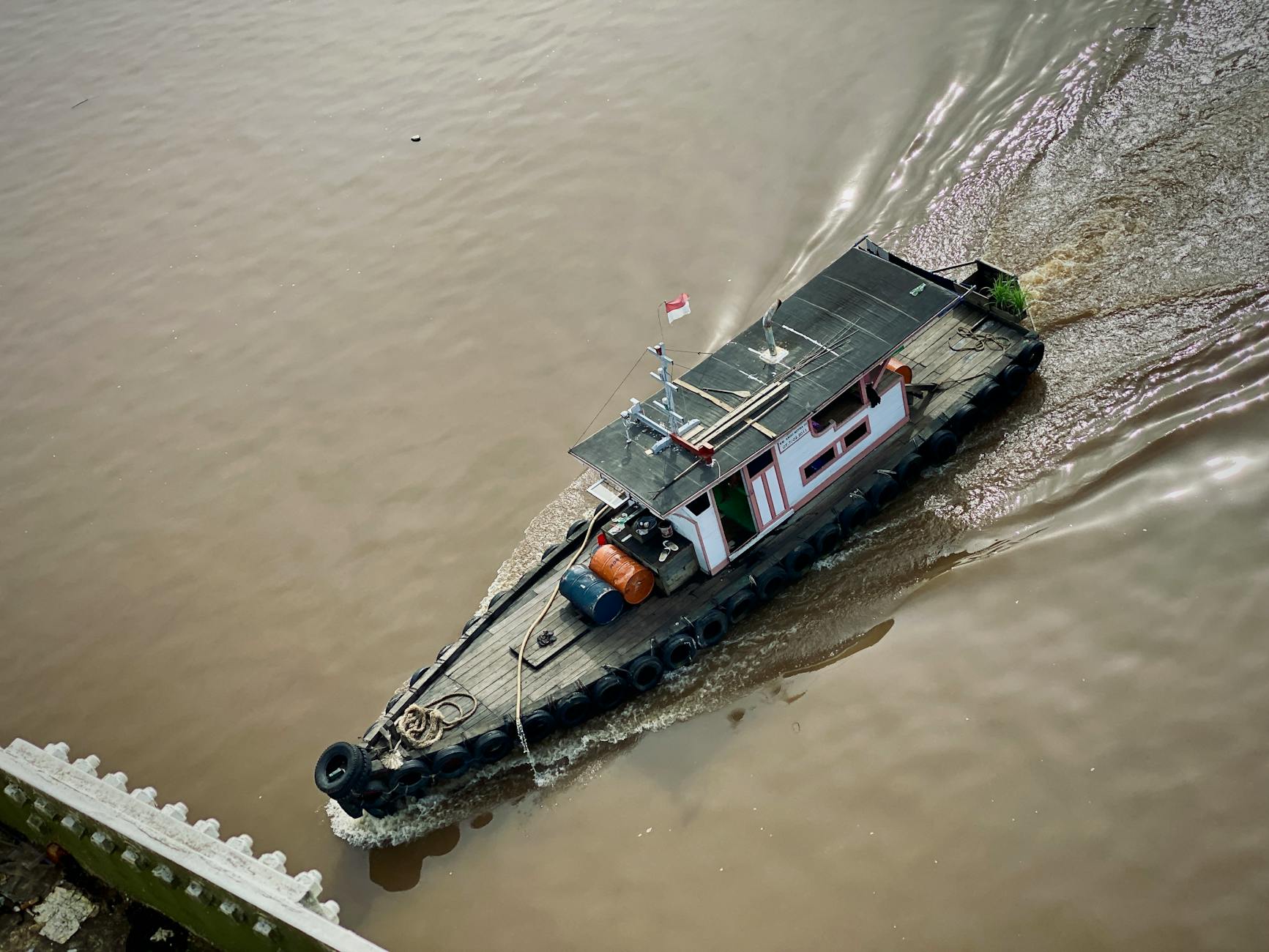
For the most authentic orangutan encounter in Malaysia, the Kinabatangan River is the place. Around one thousand one hundred wild orangutans live along the lower Kinabatangan, and a three or four-day river cruise gives you excellent odds of spotting them in the riverside canopy — completely wild individuals, behaving entirely naturally, with no feeding station involved.
The River Cruise Experience
Wildlife cruises depart from the river towns of Sukau, Bilit, and Abai. Dawn and dusk are the prime windows. Experienced local guides scan the riverside trees for the distinctive silhouette of an orangutan in the canopy, and their knowledge of individual territories dramatically increases the chance of a sighting. When one is spotted, the boat approaches slowly and quietly to a respectful viewing distance.
The Kinabatangan experience is remarkable not just for orangutans. A typical multi-day cruise also delivers proboscis monkeys, pygmy elephants, hornbills, crocodiles, monitor lizards, and an extraordinary variety of birds. It is arguably the single best value wildlife experience in all of Southeast Asia — the density of encounters is that high. For context on what you might also find in the birdwatching department, our birdwatching malaysia guide covers the Kinabatangan as one of the premier lowland birding sites in Borneo.
Practicalities
Fly into Sandakan and transfer by road to your river lodge — about one and a half to two hours. Tour packages typically include two to three nights at a riverside lodge, daily dawn and dusk river cruises, guided jungle walks, and night cruises. Prices range from approximately RM500 to RM1,500 per person for a two-night package, depending on the standard of accommodation. Budget lodges in Bilit are more affordable; the mid-range and upmarket options in Sukau provide more comfort. Both access the same river and the same wildlife.
Danum Valley: Wild Orangutans in Pristine Rainforest
Danum Valley is a different category of experience. An estimated five hundred orangutans live within the one hundred and thirty-eight square kilometres of pristine, never-logged primary lowland dipterocarp rainforest that the conservation area protects. Unlike the Kinabatangan where orangutans concentrate along the river corridor, Danum Valley orangutans live deep in intact forest. Finding one during a guided trek through ancient trees — no feeding platform, no boat, no infrastructure — is genuinely wild. More context on the full Danum Valley wildlife experience is in our Danum Valley borneo guide.
Sightings here are less predictable than the Kinabatangan but the quality is incomparable. The Borneo Rainforest Lodge, the main accommodation within the conservation area, runs guided treks, canopy walks, and night drives that maximise chances. Prices start from approximately RM1,500 per night including full board, guided activities, and transfers from Lahad Datu. That investment funds directly the protection of irreplaceable habitat.
The more affordable Danum Valley Field Centre offers access to the same forest at significantly lower cost — three-day packages from around RM800 to RM1,200 per person — for travellers who don’t need the lodge facilities.
Other Places to See Orangutans in Malaysia
Tabin Wildlife Reserve
Tabin Wildlife Reserve in Sabah protects over one hundred and twenty thousand hectares of regenerating rainforest with a substantial orangutan population. Less visited than the Kinabatangan or Danum Valley, it appeals to travellers seeking a quieter experience. Guided treks and night walks offer good chances of encounters. The Tabin Wildlife Resort provides comfortable on-site accommodation.
Deramakot Forest Reserve
Deramakot in Sabah demonstrates how responsible logging can coexist with wildlife conservation. The reserve supports healthy orangutan populations alongside clouded leopards, pygmy elephants, and sun bears. Night drives through the managed forest offer some of the best nocturnal wildlife viewing in Borneo. Deramakot is more specialist and harder to arrange independently — book through an accredited operator well in advance. The same operators that cover sea turtles malaysia and other Sabah wildlife often include Deramakot in multi-day packages.
Photography Tips for Orangutan Encounters
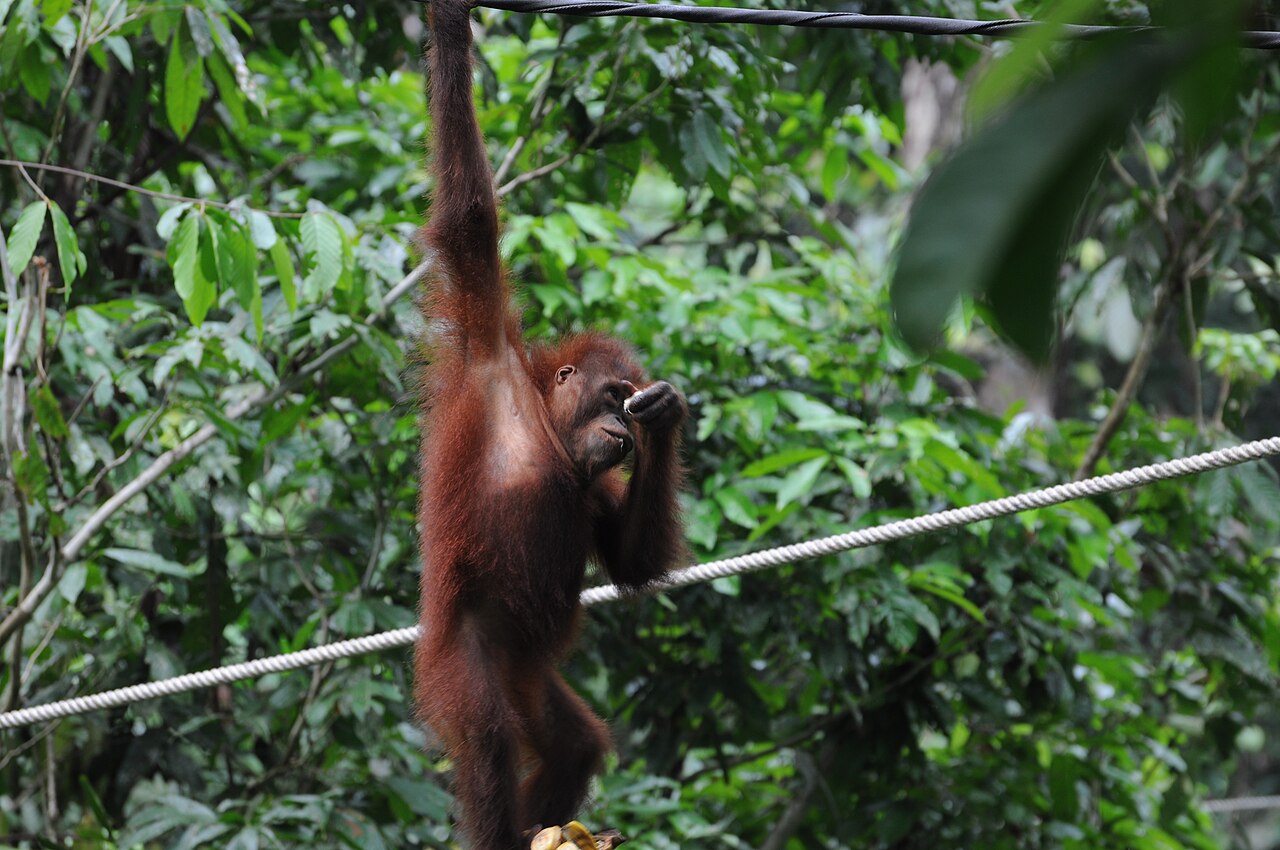
At rehabilitation centres like Sepilok, a lens in the 70-200mm range is usually sufficient for the feeding platform. For wild orangutans in the canopy along the Kinabatangan or at Danum Valley, 300-400mm is preferable — these animals are often high in the trees and at distance from any viewing position.
Light is the main challenge. Dense rainforest canopy filters out most of the available brightness, especially on overcast days. A camera body with strong high-ISO performance is essential for sharp images without excessive motion blur. Early morning dawn river cruises can produce beautiful light but it will be dim — image stabilisation in your lens or camera body is worth having.
At rehabilitation centres, flash photography is universally prohibited. Keep noise to a minimum when orangutans approach. For river cruises, a waterproof camera bag or dry bag is essential protection against spray and sudden rain. A monopod or beanbag provides stabilisation on the boat; a tripod is impractical in the confined space of a river cruise vessel.
Orangutan Rehabilitation: How the Centres Work
Young orangutans arrive at centres like Sepilok after losing their mothers to deforestation, poaching, or human-wildlife conflict. Many arrive malnourished, traumatised, and without any of the survival knowledge that a mother would teach over seven to eight years. The rehabilitation programme is designed to replicate that natural learning as closely as possible.
They start in a nursery with human surrogate mothers who provide physical comfort and teach basic skills. As they grow, they move to outdoor play areas where they develop climbing, foraging, and social competence with other young orangutans. The next stage is a transition to a semi-wild environment where they can explore surrounding forest while still accessing supplementary feeding at the platform. This phase can last several years. Eventually, fully rehabilitated individuals are released into protected forest areas where they can establish territories and breed.
Success is measured not just by individual survival but by the ability of released orangutans to raise their own offspring in the wild. Sepilok has documented multiple cases of rehabilitated females successfully raising wild-born young — a genuine conservation outcome, not just a feel-good story.
Conservation: Why Orangutans Need Your Support
The Bornean orangutan is classified as Critically Endangered by the IUCN. From an estimated two hundred thousand individuals in 1999, numbers have fallen to approximately one hundred thousand, driven primarily by habitat loss from oil palm expansion and logging. Between 2001 and 2019, Malaysia lost more than eight million hectares of tree cover. Poaching — mothers killed, infants seized for the illegal pet trade — adds to the pressure. So does human-wildlife conflict as forests shrink and orangutans increasingly encounter farming settlements.
How Your Visit Helps
Entry fees at Sepilok and Semenggoh directly fund rehabilitation and release programmes. Tour operators along the Kinabatangan and at Danum Valley fund forest protection and anti-poaching patrols. The economic argument for keeping the rainforest intact, rather than converting it to plantation, depends partly on tourism revenue. Your booking is a vote for forest. It’s also worth combining any Sabah wildlife trip with an inland excursion to Kinabalu national park, where entry fees support UNESCO-protected habitat conservation at the other end of the biodiversity spectrum.
Choosing Ethical Operators
Ethical orangutan encounters follow clear principles: animals are never touched, held, or fed directly by visitors. Viewing distances of at least ten metres are maintained. Operators employ local guides and reinvest in conservation and community development. Avoid any attraction that allows direct contact with orangutans, offers photo opportunities with captive animals posed for tourists, or keeps orangutans in enclosures for entertainment. If you’re unsure whether an operator is legitimate, ask specifically about their accreditation with Sabah Tourism Board or equivalent bodies in Sarawak.
Planning Your Orangutan Trip
Recommended Itineraries
A comprehensive Sabah orangutan itinerary: one day at Sepilok and the Sun Bear Conservation Centre, two to three days on the Kinabatangan River, optionally two days at Danum Valley for the deep wilderness experience. Six to seven days total delivers the full spectrum — from rehabilitation to river-based wild encounters to genuinely primary-forest sightings.
For travellers based in Sarawak, a half-day at Semenggoh combined with exploration of Bako National Park and the wider Kuching area provides a solid wildlife experience. The orangutan component is more limited than Sabah’s, but the proboscis monkey and coastal trail encounters at Bako add up to something memorable. From a Kota Kinabalu base, the full Sabah circuit is very manageable — our Kota Kinabalu travel guide covers the city logistics and how to position yourself for Sepilok and Kinabatangan day departures.
Costs at a Glance
Half-day at Semenggoh near Kuching: under RM50 including Grab from the city. Full day at Sepilok and the Sun Bear Conservation Centre including taxi from Sandakan: approximately RM120 per person. Two-night Kinabatangan River package: from approximately RM500 per person including accommodation, meals, river cruises, and guided walks. Premium option at the Borneo Rainforest Lodge in Danum Valley: from RM3,000 per person for two nights including full board and all guided activities. Budget travellers can reduce costs by booking Bilit river lodges rather than Sukau upmarket options, and arranging independent transport rather than full packages.
Best Time to Visit
The dry season from March to October offers the best conditions across all orangutan viewing locations. Trails are drier, river levels more manageable, and orangutans tend to be more active and visible. Viewing is possible year-round, though the wet season brings more leeches on trails and occasionally higher river levels that can slow boat operations. The reduced visitor numbers in wet season can make for a quieter, more intimate experience if conditions allow.
What to Bring
Binoculars are essential for observing orangutans high in the canopy. A camera with at least a 200mm zoom allows detailed images without disturbing the animals. Lightweight long-sleeved clothing in muted colours, insect repellent, waterproof layers, and comfortable walking shoes are the core kit. Leech socks are worth packing for any forest trek. Bring cash for park entry fees and smaller operators — card payment facilities are inconsistent across the region.
Combining Orangutans with Other Wildlife
Orangutan habitats overlap with some of the richest wildlife areas in Borneo. Along the Kinabatangan, two days of orangutan-focused river cruising will almost certainly also deliver proboscis monkeys, hornbills, crocodiles, and possibly pygmy elephants. At Danum Valley, the pristine forest supports clouded leopards, sun bears, flying squirrels, and over three hundred bird species. For travellers interested in sea turtles malaysia, Sandakan is a natural stepping stone to the Turtle Islands Park, which can be added to a Sabah itinerary beginning or ending at Sepilok without much extra travel time.
The ultimate Sabah wildlife itinerary combines Sepilok, the Kinabatangan River, and Danum Valley in seven to ten days. Orangutans in three different contexts — rehabilitation, river corridor, and primary forest — alongside the most diverse supporting cast of wildlife available anywhere in Southeast Asia. Start planning early; the Borneo Rainforest Lodge and the better Kinabatangan lodges fill up months in advance during peak season.