Kinabalu National Park Guide: UNESCO Biodiversity Hotspot

Stand at the summit of Low’s Peak before dawn, four thousand and ninety-five metres above sea level, watching the darkness over Borneo turn purple then gold, and you understand why climbers come back. Mount Kinabalu is the highest point between the Himalayas and New Guinea. But the peak is only part of the story. The national park surrounding it — Malaysia’s first UNESCO World Heritage Site, and since 2023 a UNESCO Global Geopark — is one of the most biologically diverse places on the planet. Scientists have recorded five thousand to six thousand vascular plant species in an area smaller than many cities. New species are still being described from specimens collected here decades after the park was established.
Kinabalu National Park covers seven hundred and fifty-four square kilometres of protected habitat in Sabah, spanning from lowland tropical rainforest at around two hundred metres up to the granite summit at four thousand and ninety-five metres. That elevation range compresses an astonishing variety of habitats and climate zones into one accessible area. You can walk through mossy cloud forest in the morning and be looking at alpine scrub by afternoon. The park contains representatives from more than half the families of all flowering plants on Earth, with around half of its plant species endemic to Borneo and a significant number found only on the mountain itself. For the wider Malaysia wildlife picture — orangutans, pygmy elephants, marine parks — our malaysia wildlife guide covers everything beyond the park.
Why Kinabalu National Park Matters
The concentration of species here is driven by the dramatic elevation gradient — each zone supports its own specialised plants and animals, many of them found nowhere else. The park’s location on Borneo, which has been a centre of evolutionary diversification for millions of years, accounts for part of this richness. But the unusual ultramafic soils on parts of the mountain add another dimension: these soils are rich in heavy metals and toxic to most plant species, but have driven the evolution of an extraordinary number of specialists that thrive where other plants cannot. Scientists estimate that roughly fourteen percent of the flora in the entire Malesia phytogeographical region — and around two and a half percent of all plant species on Earth — are found in this single national park. That concentration is one reason the UNESCO designation came so early and has since been supplemented by Global Geopark status.
The Flora of Kinabalu
Five thousand to six thousand vascular plant species, comprising two hundred families and one thousand genera. That is roughly fourteen percent of the flora in the entire Malesia phytogeographical region and around two and a half percent of all plant species on Earth — concentrated in a single national park. The botanical diversity alone justifies the UNESCO designation.
Pitcher Plants
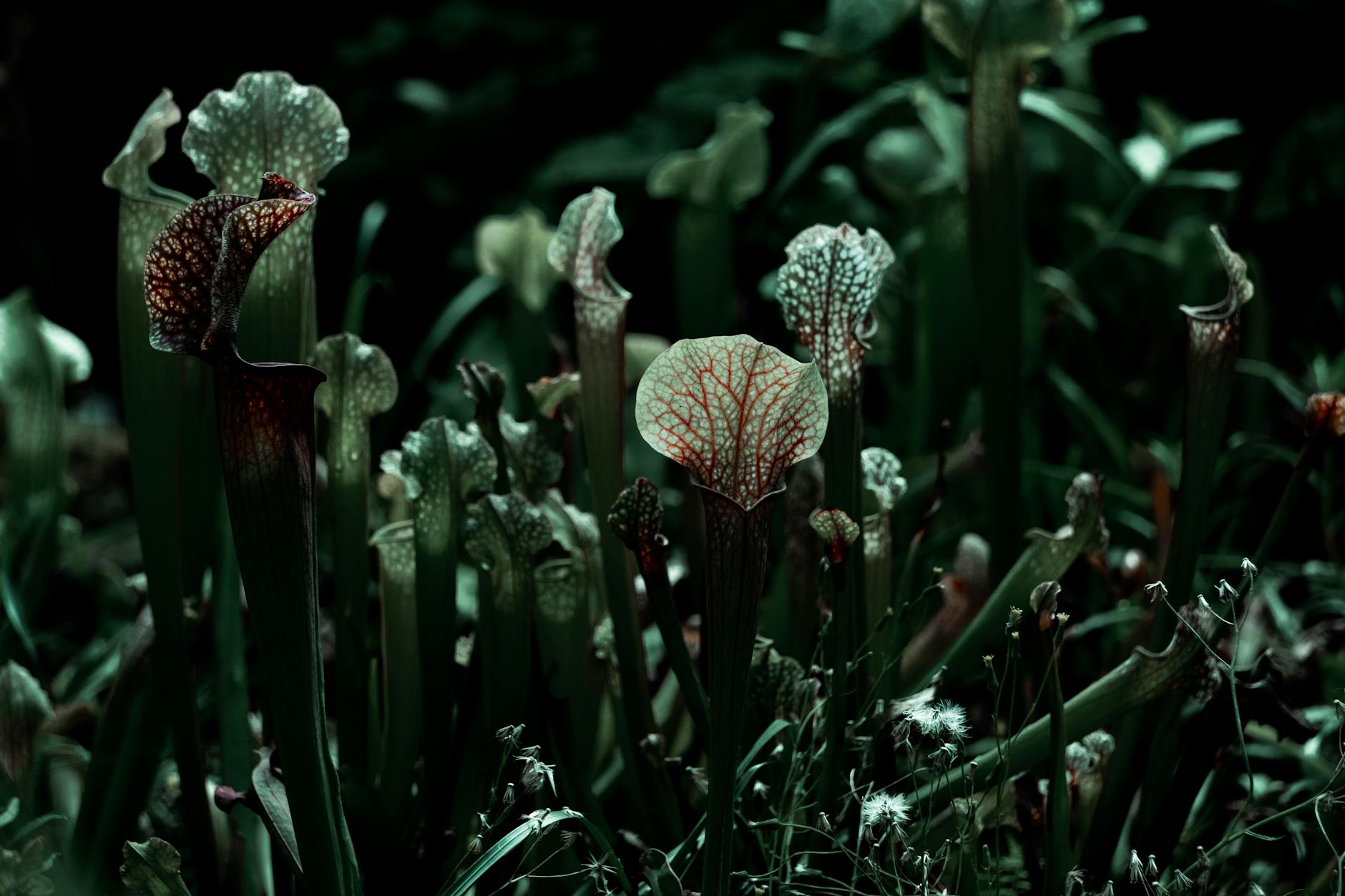
Nine species of Nepenthes pitcher plants grow in the park. Four are endemic to Mount Kinabalu. The most famous is Nepenthes rajah — the largest pitcher plant in the world, with traps that hold more than a litre of fluid and have been documented catching not just insects but small vertebrates including frogs and rats. It grows only on the slopes of Kinabalu and neighbouring Mount Tambuyukon, making this park the only place on Earth where you can see it wild. Nepenthes villosa has a distinctive ribbed pitcher rim that distinguishes it immediately from other species. Nepenthes lowii has a remarkable relationship with mountain treeshrews: the shrews eat the nectar from the pitcher lid and defecate directly into the trap, providing the plant with nitrogen. Co-evolution at its most improbable — a mutualism discovered here in Kinabalu that has become a textbook example of interspecies cooperation.
Orchids
More than one thousand orchid species have been recorded here, making Kinabalu one of the great orchid destinations in the world. The diversity ranges from large-flowered slipper orchids in the genus Paphiopedilum — at least five species in the park — down to tiny epiphytic species barely visible to the naked eye. The Mountain Garden and Botanical Garden at park headquarters give you a curated introduction to many of these species, with guided tours available from park staff at nine in the morning, noon, and three in the afternoon. February and March, when the most orchids and rhododendrons are in simultaneous bloom, are particularly rewarding months for botanical visitors.
Rafflesia
Rafflesia keithii — a parasitic flower that produces one of the largest blooms on Earth, reaching up to eighty centimetres in diameter — grows near the park. It has no leaves, stems, or roots of its own. It exists entirely within the tissues of Tetrastigma vines and is only visible when the enormous bud pushes through the host bark to bloom for a few days before decaying. Blooming is unpredictable, but local guides monitor known sites and can arrange visits when a flower is open. Look for notices along the road between the park headquarters and Poring Hot Springs, where a small fee is charged for access to blooming sites on private land. Rafflesia blooms are more commonly encountered along this road than at higher elevations within the park itself.
Vegetation Zones
Climbing Kinabalu means passing through vegetation zones that would otherwise require thousands of kilometres of horizontal travel. Below nine hundred metres: lowland dipterocarp forest, with palms, gingers, and ferns in a dense understorey. Nine hundred to eighteen hundred metres: lower montane forest of oaks, chestnuts, and laurels draped in moss. Eighteen hundred to twenty-seven hundred metres: upper montane cloud forest — gnarled, moss-covered trees, rhododendrons, dense epiphytic orchids. Twenty-seven hundred metres and above: stunted sub-alpine scrub. Then bare granite summit with only grasses, mosses, and lichens clinging in the cracks. Each zone is fully inhabited by its own community of specialists. Climbing the mountain means witnessing this compression first-hand.
The Fauna of Kinabalu
The animal life of Kinabalu is as remarkable as the plants, though the dense forest means most species require patience and local knowledge to find. Over ninety lowland mammal species and twenty-two montane species have been recorded, along with more than three hundred and twenty-six bird species. Wildlife watching here rewards those who walk quietly, arrive early, and spend time on the less-visited trails rather than the main routes.
Mammals
Over ninety lowland mammal species and twenty-two montane species, including several endemic to Borneo. The Bornean mountain ground squirrel is one of the more visible residents of the upper slopes. Long-tailed macaques, red leaf monkeys, and occasional orangutans in the lowland areas. The elusive Sunda clouded leopard, sun bear, Bornean gibbon, civets, and multiple flying squirrel species are present but require dedicated effort and experienced guides to see. The mountain treeshrew — famous for its pitcher-plant toilet arrangement with Nepenthes lowii — is one of the park’s more celebrated residents for good reason: the behaviour was documented here and has become a widely referenced example of mutualism in nature. The Kinabalu giant red leech, reaching over thirty centimetres in the montane forests above fifteen hundred metres, is an impressive endemic invertebrate that surprises most visitors regardless of their feelings about leeches.
Birds
Three hundred and twenty-six bird species recorded, making Kinabalu one of thirty-one Important Birding Areas in Sabah. The park is essential for montane endemics found nowhere in the lowlands: the Kinabalu friendly warbler, Bornean mountain blackeye, Whitehead’s trogon, Whitehead’s broadbill, and Bornean treepie. Lower elevations around the headquarters offer Bornean endemics including the striking Bornean bristlehead. Birders should split time between the nature trails at headquarters elevation and the roads and gardens around Poring Hot Springs, as the two areas support distinctly different bird communities. For a full strategic breakdown of the best birding sites across Malaysia, see our birdwatching malaysia guide.
Insects and Invertebrates
Around six hundred of Borneo’s approximately nine hundred butterfly species have been recorded within the park boundaries. The Kinabalu giant long-horned beetle is one of the longest insects in the world, its extended antennae making it unmistakable when encountered on a tree trunk. The park supports an enormous variety of moths, stick insects, and leaf insects that reward any naturalist who spends time looking carefully at the understorey. The Kinabalu giant red leech, reaching over thirty centimetres in the montane forests above fifteen hundred metres, is a remarkable endemic invertebrate that impresses most visitors regardless of their feelings about leeches. Night walks at the park headquarters reveal an entirely different cast of insects — giant millipedes, lantern bugs, elaborate spider webs backlit by torchlight, and an astonishing array of camouflaged invertebrates invisible by day. The insect diversity continues to yield new species descriptions from specimens collected here, making Kinabalu one of the most productive sites for entomological discovery in Southeast Asia.
Climbing Mount Kinabalu
The summit climb is the park’s most famous activity and one of the most popular mountain treks in Southeast Asia. At four thousand and ninety-five metres, Low’s Peak is the highest point in Malaysia — views on a clear morning extend across Sabah to the Sulu Sea.
The Standard Two-Day Climb
Day one: Timpohon Gate at eighteen hundred metres to Panalaban at approximately three thousand two hundred and seventy metres. Six kilometres, nearly fifteen hundred metres of elevation gain, through montane and cloud forest with vegetation becoming increasingly stunted and moss-covered as altitude rises. Takes four to six hours. Overnight at Laban Rata Resthouse or one of the adjacent accommodation units at Panalaban; dinner and breakfast are provided. The resthouse is the highest accommodation in Malaysia accessible without technical climbing gear — spending a night there, watching cloud swirl below the windows, is an experience separate from the summit itself.
Day two: The alarm goes off at two or two-thirty in the morning. Two and a half kilometres to the summit in darkness, guided by a thick white rope along bare granite slabs. The goal is reaching Low’s Peak for sunrise — on a clear morning, views extend across Sabah to the Sulu Sea and occasionally as far as the Philippines. After summit, descend the entire mountain to Timpohon Gate on the same day — a demanding nine to ten-hour total effort. Most climbers describe day two’s descent as harder on the knees and legs than the ascent, so pace yourself accordingly.
Permits and Costs
A climbing permit and licensed mountain guide are mandatory for all climbers. The daily quota is one hundred and sixty-five climbers — book three to six months ahead for standard dates, potentially a year or more for weekends and peak season. Standard two-day one-night packages for international visitors cost approximately RM2,700 to RM3,300 per person depending on group size and accommodation choice, with single climbers paying a premium for the mandatory guide cost. Packages include permit, guide, insurance, Panalaban accommodation with meals, and a completion certificate. The certificate is a genuine souvenir — the climb is a legitimate achievement.
Via Ferrata
Mountain Torq operates two via ferrata routes on the granite face, both starting from Pendant Hut near Panalaban. Walk the Torq is the introductory route, open to climbers aged ten and above, involving traversing the mountain face on steel cables and rungs with exposure that is dramatic without being extreme. Low’s Peak Circuit is the longer, more exposed challenge for those aged seventeen and above, completing a loop around the upper mountain with some of the most dramatic views in Sabah. Both routes are completed as an addition to the standard summit climb, typically on the morning descent. Via ferrata packages add approximately RM400 to RM600 to the standard climb cost. No prior via ferrata experience is required for Walk the Torq.
Fitness and Preparation
No technical climbing skills required, but the altitude gain and long second day make this physically demanding. Cardiovascular fitness matters — ideally several weeks of hill walking or stair climbing before the attempt. Altitude sickness can affect some climbers above three thousand metres: symptoms include headache, nausea, and breathlessness. Ascend slowly, stay hydrated, and descend immediately if symptoms worsen. Most healthy people between ten and seventy complete it with adequate preparation, but the key word is preparation — those who arrive undertrained find it significantly less enjoyable.
Nature Trails at Park Headquarters
Nine well-maintained trails wind through the montane forest around the headquarters at about fifteen hundred metres elevation, offering easy to moderate walks that showcase the park’s remarkable plant life without any of the physical demands of the summit climb. Trail lengths range from a fifteen-minute loop to a three-hour walk, and each offers different perspectives on the forest environment.
The Silau-Silau Trail follows a crystal-clear stream through pristine forest, offering good chances of spotting birds and squirrels. The Kiau View Trail — about two and a half kilometres — passes through forest with a high chance of pitcher plant sightings along the route, including several Nepenthes species that grow at this elevation. The Bukit Ular Trail, just under one kilometre and seldom visited by tourists despite being among the most rewarding for birdwatching, has recorded species such as Everett’s thrush and the blue-banded pitta along its length. Trail maps are available from park reception and all trails are clearly signposted. No guide is required for the nature trails, though hiring one significantly increases the chances of spotting wildlife and understanding the forest ecology — the difference between a pleasant walk and an educational experience.
Mountain Garden and Botanical Garden
A curated collection of the park’s most remarkable plant species in a landscaped garden that makes it easy to appreciate species that are often hidden in the dense forest. Giant tree ferns, orchids, rhododendrons, pitcher plants, and an array of other montane species are all clearly labelled for identification. Open daily from 9am to 4pm; guided tours from Sabah Parks interpretation staff at 9am, noon, and 3pm are recommended — guides explain ecological relationships and conservation significance that self-guided visits miss. Entry fee is RM5 for international visitors.
Poring Hot Springs
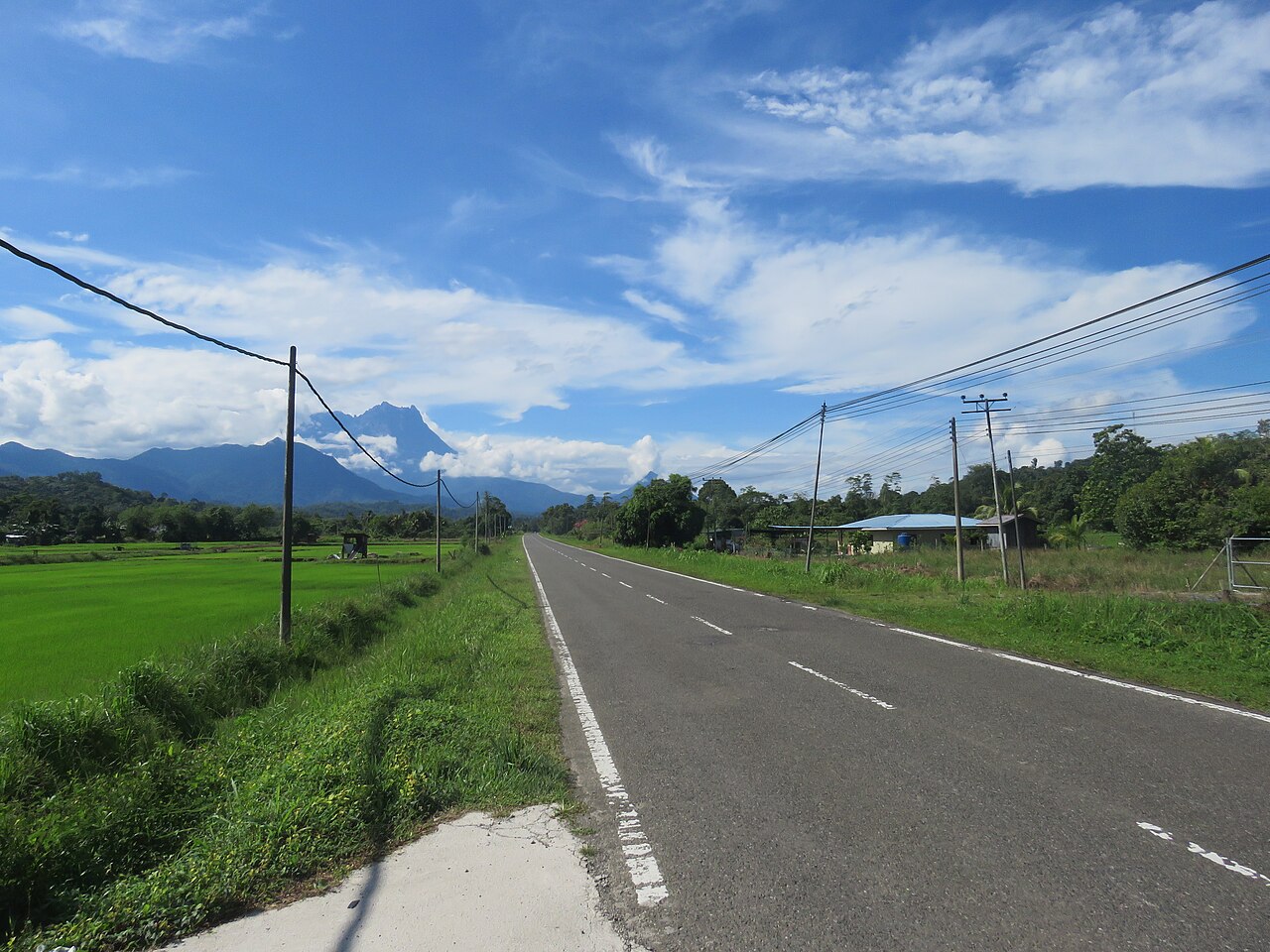
About forty kilometres from the park headquarters on the southeastern side of the park, Poring Hot Springs were developed by the Japanese during World War Two and feature outdoor tubs fed by naturally heated sulphurous water. Soaking in the hot springs surrounded by tropical forest is the standard post-climb recovery — understandably popular with climbers whose legs are making their feelings known. Beyond the hot springs: a canopy walkway reaching forty-one metres above the forest floor, a butterfly garden, orchid conservation centre, and several short walking trails. The Langanan Waterfall — a one and a half hour walk each way from the hot springs — is worth the effort if you have time; the swimming area at the base of the cascade is one of the more appealing spots in the park. Entry fee for Poring: RM50 for international adults, RM25 for children. Canopy walkway: additional RM10 for international adults. Open daily 8am to 5pm.
Conservation and Research
Kinabalu’s research station at headquarters supports scientists studying everything from climate change impacts on montane ecosystems to new species descriptions. New plant and insect species continue to emerge from specimens collected here — even after decades of intensive scientific investigation, the park continues to yield discoveries. Conservation challenges include illegal orchid and pitcher plant poaching for the horticultural trade, agricultural encroachment on park boundaries, and climate change pushing montane species to higher elevations where less habitat remains. Park management works closely with the Kadazan Dusun people — who regard Mount Kinabalu as a sacred resting place for the spirits of the departed — ensuring conservation and community development proceed together. This cultural dimension to the mountain’s protection adds significance that goes well beyond its biological value.
Getting to Kinabalu National Park
The park headquarters is approximately eighty-eight kilometres from Kota Kinabalu, about two hours along a well-maintained mountain road with increasingly scenic views of the peak as you approach. Regular buses and minivans run from Kota Kinabalu for RM25 to RM35 per person one way. Taxis and private car hire cost approximately RM250 to RM350 return. Many visitors arrive on organised climb packages that include all transport. International flights serve Kota Kinabalu Airport directly from Kuala Lumpur, Singapore, and other regional hubs. Park headquarters entry fee: RM15 for international adults, RM10 for international children.
Where to Stay
Inside the Park
Sabah Parks operates accommodation at the headquarters ranging from hostels and cabins to comfortable lodges. Prices from approximately RM40 per person in a dormitory to RM400 or more per night for a private lodge. Staying inside gives immediate morning trail access and the experience of being immersed in the montane forest overnight — particularly worthwhile for early-morning birdwatchers who want to be on the trails before day visitors arrive.
Kundasang and Ranau
Kundasang, a few kilometres from the park entrance, has developed a full range of accommodation for the steady stream of climbers and nature visitors — guesthouses, homestays, and mid-range hotels at RM80 to RM300 per night, many with views of the mountain on clear mornings. The area is known for its cool highland vegetable farms and climate that contrasts sharply with the coastal heat. The Kundasang War Memorial, commemorating Allied soldiers and prisoners of war who died during the Sandakan Death Marches of World War Two, adds a historically significant and sobering dimension to the area. For those with an extra day, the memorial is worth visiting alongside the park.
How Long to Stay
Climbers typically spend three days and two nights: one night in Kundasang or at the park, one night at Laban Rata on the mountain, then descend and depart. Non-climbers can fill a full day at the headquarters exploring the nature trails, botanical garden, and Mountain Garden, with a half-day at Poring Hot Springs added for a complete two-day visit. Serious birders and botanists may want three to four days to work through habitats at different elevations systematically. Kinabalu pairs naturally with the coast: our sea turtles malaysia guide covers the east coast island turtle nesting sites, reachable within a day of travel from Kota Kinabalu. For the deeper Borneo wilderness experience, Danum Valley borneo offers never-logged primary forest that Kinabalu’s managed trails cannot replicate.
Best Time to Visit
The park can be visited year-round, but the driest months — March to April and August to October — give the best climbing conditions and clearest summit views. November to January brings the heaviest rainfall, making trails slippery and cloud cover likely at the summit. February and March often see the most orchids and rhododendrons in bloom simultaneously, adding significant botanical interest for those not primarily focused on the climb. The biodiversity rewards visitors in any season; the misty cloud forest is atmospheric even in wet weather, and wildlife activity does not pause for rain. The summit climb rewards those who time their visit for the drier periods and book well in advance. Whatever month you visit, the park will have something worth seeing that you did not expect.
Practical Tips
Temperatures at headquarters range from thirteen to twenty degrees Celsius — significantly cooler than coastal Sabah. Bring warm layers, as the temperature drops further with altitude and the summit can experience near-freezing conditions before dawn. Rain gear is essential; afternoon showers are common year-round. Sturdy walking shoes with good grip for both nature trails and the mountain. For the climb: headtorch with spare batteries, warm gloves, beanie, waterproof outer layer, high-energy snacks, and at least two litres of water-carrying capacity. Sunscreen and sunglasses for the exposed summit section where the sun reflects off bare granite. The park headquarters has a small shop and restaurant; selection is limited, so stock up in Kota Kinabalu. Cash is advisable as card payment is not always available.
Kinabalu National Park is far more than a mountain to climb. Compared to the riverine wildlife of Taman Negara national park on the peninsula or the primary-forest immersion of see orangutans malaysia experiences in Sabah, Kinabalu offers something distinct: a vertical laboratory of evolution where altitude alone determines what lives and what doesn’t, compressed into a single park that any reasonably fit visitor can explore in a few days. Its UNESCO World Heritage status reflects its global significance, and a visit here connects you to one of the most biologically important places on our planet.