Rock Climbing in Malaysia: Crags, Indoor Walls & Bouldering

Damai Wall at Batu Caves costs RM10 to enter and has 35-plus routes on well-featured limestone, 13 kilometres from downtown Kuala Lumpur, with night lighting so you can climb after work. That accessibility is what makes Malaysian rock climbing unusual: world-class sport routes on genuine limestone karst are a grab ride away from the capital, and the rest of the country layers on multi-pitch adventure at Bukit Takun, frontier climbing in Perak’s unexplored karst, and — at the top of Mount Kinabalu in Sabah — the world’s highest via ferrata.
The country’s dramatic limestone formations and towering granite monoliths create climbing terrain across a range far wider than most international visitors realise. The tropical climate means outdoor climbing year-round (with season-dependent conditions), and a growing network of indoor gyms in the Klang Valley provides training options for rest days or wet weather. Rock climbing fits naturally into the malaysia adventure travel circuit alongside jungle trekking malaysia, caving in malaysia, and mount kinabalu trek — all of which share overlapping geography and a compatible adventure mindset.
This guide covers Malaysia’s best outdoor crags, the indoor climbing scene, via ferrata, gear requirements, costs, safety, and seasonal considerations — everything you need to plan a climbing trip that makes the most of what Malaysia offers.
Batu Caves: Malaysia’s Premier Outdoor Climbing Destination
Batu Caves is the most famous and accessible rock climbing location in Malaysia, and one of the best-known sport climbing destinations in all of Southeast Asia. This massive limestone mogote, 13 kilometres north of Kuala Lumpur city centre, features ten crags with over 250 sport climbing routes — the largest single concentration of outdoor climbing in the country.
Damai Wall
Damai Wall is the most popular and beginner-friendly crag, operated as Gua Damai Extreme Park with proper facilities — toilets, a shower, benches, a kiosk, and lighting for night climbing. The wall offers over 35 routes graded predominantly 5c to 6b+ on the French scale, with a handful of harder lines reaching 7a and above. The limestone is well-featured with pockets, jugs, and natural holds that make it rewarding for climbers developing technique on real rock for the first time — it behaves nothing like plastic, which is the most valuable lesson a new outdoor climber can get.
Entrance is RM5 for Malaysian citizens and RM10 for international visitors. Search “Gua Damai Extreme Park” in Grab and the app takes you directly to the base of the wall. Most routes start from ground level, eliminating approach hike time and making this genuinely accessible for climbers who’ve just arrived in KL.
Nanyang Wall and Other Crags
Beyond Damai Wall, the Batu Caves complex includes Nanyang Wall, Nyamuk Wall, Comic Wall, and White Wall. Nanyang Wall features steeper, more overhanging climbing on the textured limestone. Nyamuk provides a mix of vertical and slightly overhanging routes with excellent friction. The collective grade range across all crags runs from beginner 4c to project-level 8a, ensuring that every ability level from first outdoor climb to serious sport climbing project can be accommodated at the same location.
Multi-Pitch Climbing at Batu Caves
Experienced climbers can extend their day onto the larger faces with multi-pitch sport climbing routes reaching up to four pitches in length. These longer climbs provide genuine adventure within easy reach of the city — exposure, sustained climbing, and views over the surrounding landscape. A qualified local guide is strongly recommended for multi-pitch routes at Batu Caves, particularly for climbers new to tropical limestone, where rock quality and route-finding can differ significantly from temperate limestone environments.
Bukit Takun: Multi-Pitch Climbing Near Kuala Lumpur
Bukit Takun is a 300-metre-high monolith approximately 40 minutes from Kuala Lumpur city centre near Rawang, and it hosts the best multi-pitch climbing routes in the greater KL area. The rock is geologically unusual — granite at the base transitioning to limestone higher up — which forces climbers to shift technique between technical friction slab on the lower pitches and more featured, hold-dependent climbing on the limestone above.
Routes and Character
More than 80 routes and over 120 pitches are distributed across the crag. The Galactic Cliff section contains the most celebrated routes, including the classics Tyrannosaurus Rex and Stairway to Heaven — both established in the late 1990s and still considered among the finest long routes in Malaysia. Grades range from 5c to 6b (French scale), roughly equivalent to 5.9d to 5.10d in the Yosemite Decimal System. Several routes reach 230 metres in height, providing sustained climbing with genuine route-finding decisions and the kind of exposure that builds confidence applicable to bigger objectives worldwide.
Access and Practicalities
Access runs through a private housing estate, with a climbing window from 8am to 6pm. Carry a minimum of three litres of water per person — the tropical heat at this crag is significant, and dehydration reduces grip strength and concentration simultaneously. Helmets are strongly recommended: loose rock exists on some routes, and tropical thunderstorms develop rapidly with little warning on the upper sections. A qualified guide is essential for first-time visitors to Bukit Takun, where route-finding can be complex on the multi-pitch lines. Guided multi-pitch sessions typically cost RM350 for a single climber or RM300 per person for pairs, including all safety equipment and instruction.
Perak: Ipoh and the Limestone Crags
The state of Perak around Ipoh represents one of the most exciting frontiers in Malaysian rock climbing. The region is dotted with hundreds of limestone karst formations — many still unexplored from a climbing perspective — and the crags that have been developed offer routes ranging from beginner-friendly single-pitch sport climbing to serious hard sport lines.
The Needle of Tambun
The Needle of Tambun is a dramatic 40-metre standalone limestone tower with 25 to 50 routes ranging from 5a to an impressive 8c, spread across multiple faces. The setting is striking — the needle rises from the surrounding landscape like a vertical monument with cultivated gardens and limestone hills visible in every direction. Access requires an entry fee of RM45 paid at the main gate, with park staff escorting climbers to the climbing area. The mix of accessible beginner routes and genuinely hard high-grade lines makes this effective for mixed-ability groups.
Gunung Lang Recreational Park
Gunung Lang in central Ipoh has several sport climbing routes established on the east side of its limestone formation within a recreational park shared with joggers, cyclists, and families. The relaxed atmosphere is unique to Malaysia’s climbing scene — you’re pulling hard moves on good limestone while children eat picnics 30 metres behind you. Access is by appointment only, so advance contact with the local climbing community is essential. Ipoh-based climbing connections come easily through the Malaysian sport climbing community on social media.
Ulu Piah
In the Tambun area, Ulu Piah is a bolted sport climbing crag on high-quality limestone that forms part of Mount Hugh Low. Its relative obscurity compared to Batu Caves means the routes are typically free of crowds, and the quality of the rock rewards the additional planning effort required to reach it.
Gua Musang: Remote Limestone Adventure
Gua Musang in southwestern Kelantan — “Cave of the Fox” — offers rock climbing surrounded by rolling limestone hills and jungle in a setting that feels genuinely remote despite being reachable by road from the east coast. The climbing area at Etnobotani Park sits a few kilometres south of Gua Musang town with approximately 30 bolted routes across five crag sections labelled A through E. Grades run 5b to 7b, with the hardest concentration in section E. The park also features a via ferrata route up the cliff face with a flying fox descent for RM50, providing an alternative for non-climbers in the group. Camping is available within walking distance of the crags; hotels are in town. A Gua Musang climbing trip rewards multi-day commitment — the modest route count is best paired with exploration of the surrounding caves and limestone geology.
Bukit Keteri: Climbing Among the Paddy Fields
Bukit Keteri in northern Perlis, near the Thai border, was identified as a climbing destination by an international Mammut Expedition team in 2007. Limestone walls rise above surrounding paddy fields in a setting completely unlike any other Malaysian crag — you’re clipping bolts on solid rock while active agriculture extends to the base of the cliff in every direction. Beginner-friendly routes dominate, and the relative remoteness means solitude is essentially guaranteed. Worth combining with a visit to Gua Kelam cave in Perlis or a beach day at Langkawi across the state border.
Via Ferrata: The World’s Highest Iron Road
Malaysia is home to the world’s highest via ferrata — Mountain Torq — located on the granite face of Mount Kinabalu in Sabah at elevations from 3,200 metres to 3,776 metres above sea level. A via ferrata routes a series of iron rungs, cables, and bridges fixed directly to the rock face, allowing participants with little or no prior climbing experience to traverse genuinely exposed terrain that would otherwise require serious mountaineering skills.
Two Routes Available
Walk the Torq is the beginner route, taking two to three hours along the granite walls with spectacular views across Borneo from altitude. This route provides a thrilling introduction to via ferrata climbing at heights most recreational climbers will never otherwise experience.
Low’s Peak Circuit is the intermediate route, requiring four to five hours and accessing the mountain’s lesser-seen faces. This route takes participants to perspectives on Mount Kinabalu that even most summit climbers never see, providing a unique experience of the mountain’s high-altitude granite landscape.
Both routes form part of a two-day Kinabalu climbing package, with the via ferrata typically completed on the descent from the summit. Packages including via ferrata start from approximately RM2,500–RM3,500 per person depending on route chosen and inclusions. Full training is provided before the via ferrata section begins, and all harnesses, helmets, and via ferrata sets are supplied. The Kinabalu via ferrata and the full summit trek complement each other perfectly as part of the broader mount kinabalu trek experience.
Indoor Climbing Gyms: Train Year-Round
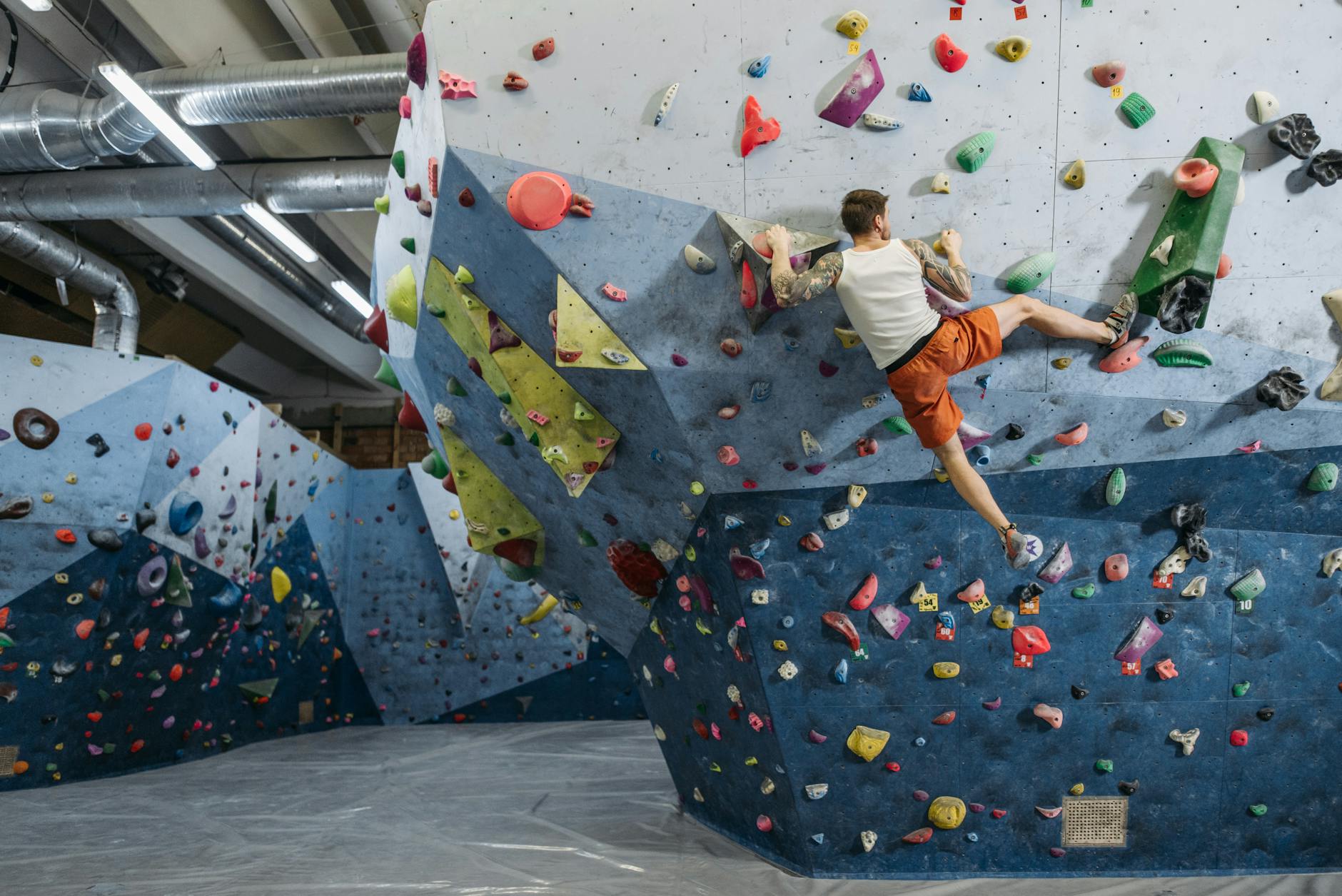
Malaysia’s indoor climbing scene has grown remarkably over the past decade, with the Klang Valley now supporting a diverse selection of bouldering and roped climbing gyms serving everyone from curious beginners to national-level competition athletes.
Camp5 Climbing Gym
Camp5 is Malaysia’s most established indoor climbing brand, operating since 2005 with five Klang Valley locations and one in Johor. The flagship 1 Utama outlet features a 20-metre Prowall — Malaysia’s tallest indoor climbing wall. The KL Eco City Mall location at 22,000 square feet is their largest, with a fitness studio, hydraulic training wall, and extensive bouldering and roped areas. Introductory courses for first-timers cost RM55 for a one-hour guided session including all equipment — a well-structured entry point that converts the curious into regulars.
MadMonkeyz Climbing Gym
MadMonkeyz is Malaysia’s first dedicated bouldering gym, located at Jalan Metro Wangsa in Wangsa Maju. First-timer guided sessions cost RM35. The intimate atmosphere and genuinely knowledgeable staff make it an effective learning environment for people who want to develop technique rather than just survive an intro session. Route setting is regularly refreshed so returning climbers always find new problems.
BUMP Bouldering and B-Hub
BUMP Bouldering positions itself as Malaysia’s premier indoor bouldering facility, with walls designed to simulate outdoor rock features, expert regional route setting, and a café that doubles as a genuine community space. B-Hub Bouldering in Petaling Jaya, opened in March 2024, adds another quality venue to the Klang Valley circuit with a thoughtful mix of vertical, overhang, and slab walls. Beast Park at Sungei Wang Plaza in central KL offers climbing walls up to 15 metres for families and groups wanting climbing as part of a broader indoor adventure programme.
Indoor Climbing Costs at a Glance
Day passes for bouldering sessions cost RM25–RM45 at most Malaysian gyms, with shoe rental adding RM5–RM10. Guided introductory sessions range RM35–RM55 depending on gym and duration. Monthly memberships for regular climbers typically run RM150–RM300, representing strong value for people climbing three or more times per week.
Outdoor Climbing Equipment and Costs
For outdoor sport climbing in Malaysia, a complete personal kit includes climbing shoes, a harness, a helmet, chalk bag, quickdraws, belay device, and rope. Purchasing a full setup costs approximately RM1,500–RM3,000 depending on brand preferences. Beginners are strongly advised to start with rental equipment to ensure proper fit and develop genuine gear preferences before investing. Equipment rental at outdoor crags and through guide services typically includes a rope for RM15, harness for RM5, climbing shoes for RM7, chalk bag for RM3, and belay device for RM4 — based on rates at established facilities like the Putrajaya Challenge Park. These affordable rental rates make trying outdoor climbing accessible to virtually any budget.
Professional guided climbing is the recommended approach for any new outdoor climber in Malaysia. Guide rates at Batu Caves and major crags start from approximately RM350 for a single climber, RM300 per person for pairs. Sessions last four to five hours and include safety briefing, equipment setup, route selection appropriate to your ability, and instruction in belaying, movement technique, and outdoor safety protocols. Guide services including MIR Adventures operate at multiple Klang Valley crags and can be contacted via WhatsApp for bookings in English and Bahasa Malaysia.
Best Seasons for Outdoor Climbing
Outdoor climbing in Malaysia is technically possible year-round given the tropical climate, but conditions vary meaningfully by location and season. The west coast crags — Batu Caves, Bukit Takun — see their driest conditions from May to September. Inter-monsoon periods (March-April, October-November) bring afternoon thunderstorms that make outdoor climbing unreliable after midday. Morning sessions are almost always more reliable than afternoon sessions regardless of season at these crags.
East coast locations including Gua Musang are best visited March to October; the northeast monsoon from November to February brings heavy rainfall that makes limestone crags dangerously slippery. Northern locations such as Bukit Keteri in Perlis share a similar pattern to the west coast, with December to April generally driest.
Temperature is the constant factor across all Malaysian crags. Midday heat between 12pm and 3pm makes climbing uncomfortable and reduces grip strength significantly as hands become sweaty regardless of chalk use. Most experienced Malaysian climbers start at dawn and finish by 10am, then return for a late afternoon session once the rock begins cooling. Plan your outdoor climbing days around this reality rather than fighting it.
Safety Tips for Climbing in Malaysia
Hydration is non-negotiable. Carry three litres minimum per person for a half-day outdoor session — more for multi-pitch routes or full days. Dehydration impairs both concentration and grip strength, both of which are essential for safe climbing. Start hydrating the night before, not just on the morning of your session.
Wildlife awareness matters at outdoor crags. Monitor lizards, long-tailed macaques, and various snake species are present around most Malaysian climbing areas. Macaques at Batu Caves can be bold around unattended food bags and open packs — store food in zippered containers. Check the ground around the base of routes before setting up gear, particularly near cave entrances and rocky overhangs where snakes shelter during the heat of the day.
Rock quality varies across Malaysian crags and even across individual routes. Tropical weathering and vegetation growth can create loose holds, particularly on infrequently climbed lines. Test holds before committing full body weight, and wear a helmet at all times when climbing or belaying outdoors. Falling rock from natural erosion or from other climbing parties is an ever-present hazard on limestone crags.
Tropical storms develop rapidly with little warning and retreat quickly — but lightning on exposed multi-pitch routes is a serious hazard. Monitor cloud development actively throughout your climbing session. On routes where retreat would take 20 minutes or more, the margin for error is very narrow. Wet limestone becomes extremely slippery and should not be climbed under any circumstances.
Planning Your Climbing Trip
For visiting climbers, Kuala Lumpur makes the ideal base for a Malaysian rock climbing trip. Batu Caves and Bukit Takun are day trips from the city, and the density of indoor gyms in the Klang Valley provides rest-day training and wet-weather alternatives. A week based in KL allows multiple outdoor crag visits, several different indoor gyms, and access to the city’s extraordinary food scene between sessions.
For a more comprehensive climbing tour, combine the KL crags with Ipoh for the Needle of Tambun and Perak’s developing scene, then fly to Sabah for the Kinabalu via ferrata. This progression covers everything from single-pitch sport routes to multi-pitch adventure to high-altitude iron-road climbing in a single trip itinerary. Malaysia’s climbing value proposition is clear: a guided full day at Batu Caves costs under RM400 per person all-in, while indoor bouldering sessions run under RM50. Compared to climbing destinations in Europe, North America, or Australia, Malaysia delivers comparable quality at a fraction of the cost — with warm weather, affordable accommodation, and food that makes eating between sessions a genuine pleasure rather than just calories.
The broader adventure pairing works well in Peninsular Malaysia: combine Batu Caves climbing with caving in malaysia at the adjacent Dark Cave or at Gua Tempurung in Gopeng, add snorkeling in malaysia at the Perhentian Islands for an ocean contrast to the limestone, and include white water rafting malaysia on the Kampar River at Gopeng — all within a few hours of each other from Kuala Lumpur.
For climbers who also dive, the Batu Caves to Perhentians combination is a classic: sport climbing on limestone in the morning, boat to the islands, then scuba diving malaysia at one of Malaysia’s best reef dive sites within a single week. The contrast between pulling on limestone pockets and drifting past sea turtles on a reef wall is one of those combinations that only tropical adventure destinations make possible.
Getting Started: Your First Outdoor Climb in Malaysia
The fastest route into outdoor climbing in Malaysia starts at an indoor gym — either a Camp5 location in the Klang Valley or MadMonkeyz for bouldering — for one or two sessions to learn basic movement, harness fitting, and belaying before hitting an outdoor crag. A single indoor session dramatically improves your first outdoor experience by eliminating the learning curve on basic safety skills, letting your guide focus on technique and route-finding rather than fundamentals.
From there, book a guided session at Gua Damai (Batu Caves) with a qualified instructor. Half-day guided sessions run four to five hours and typically cover three to five routes of increasing difficulty, with instruction on reading limestone features, placing feet precisely, and managing rope systems at the top of each route. Most guides speak English and are accustomed to working with international visitors of varying fitness and climbing backgrounds.
Experienced climbers visiting Malaysia from overseas should contact the local climbing community through social media groups — Malaysia Climbing or the Klang Valley Climbers Facebook groups — before arriving. Local climbers are generally welcoming to visiting climbers and can provide current beta on conditions, access, and the best routes for your grade and experience level. Malaysia’s limestone crags see new route development regularly, so local knowledge always outpaces published guidebook information by at least a year. The investment in that connection pays off immediately on your first morning at the crag.