Water Sports in Malaysia: Complete Guide to Aquatic Adventures
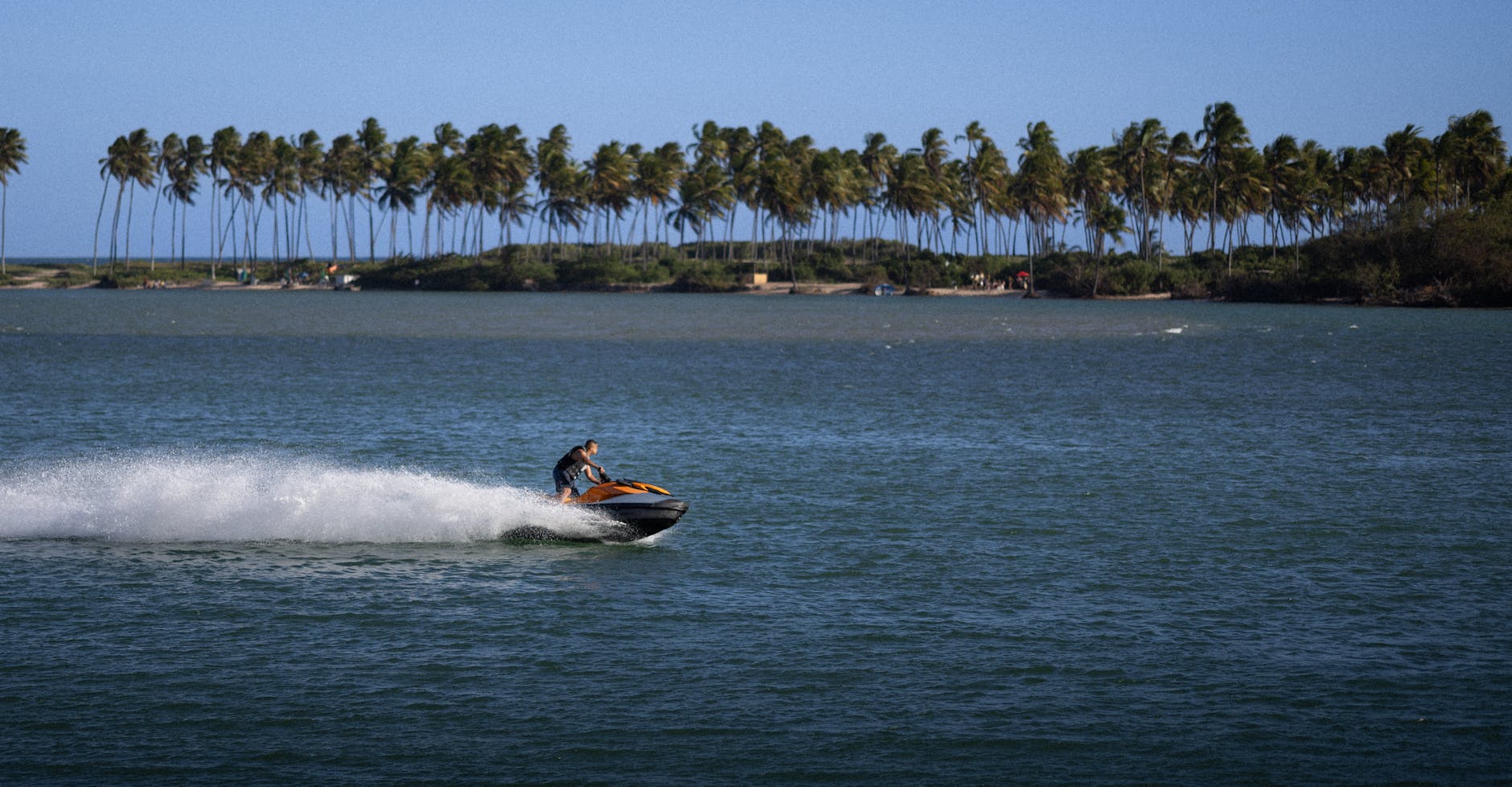
Langkawi’s jet ski tour doesn’t just loop the bay. It takes you 25 kilometres across the Andaman Sea to stop at Pregnant Maiden Lake on Pulau Dayang Bunting, eagle-feeds at Pulau Singa, and swims at Diamond Island beach — all at speed, all in a single morning. That combination of motion and discovery is what makes water sports in Malaysia more than just a hotel beach amenity. The warm water, the island geography, and the range of operators means you can move from a parasail at Batu Ferringhi to a kayak through Langkawi mangroves to kitesurfing at Cherating without ever leaving the country.
Malaysia’s coastline runs for more than 4,800 kilometres, water temperatures sit between 26 and 29°C year-round, and the variety of aquatic environments — sheltered mangrove estuaries, open ocean swells, calm inland lakes — means that every type of water sport has its ideal conditions somewhere in the country. The well-developed tourism infrastructure at major beach destinations means equipment rental, professional instruction, and safety supervision are available at accessible prices. Water sports here slot naturally into the malaysia adventure travel landscape alongside diving, rafting, and jungle trekking.

This guide covers the best water sports available across Malaysia — where to find the best conditions for each activity, what it costs, the seasonal calendar, and how to combine water sports with the rest of a Malaysian adventure trip.
Jet Skiing: Explore Malaysia’s Coast at Speed
Jet skiing is the most widely available water sport in Malaysia, with rental operations found at virtually every major beach destination. The combination of warm, calm water and scenic coastal landscapes makes jet skiing an efficient way to cover territory that would take hours by land or boat.
Best Locations
Langkawi is the premier jet ski destination in Malaysia. The flagship guided tour covers 25 kilometres over two hours, with stops at Pregnant Maiden Lake on Pulau Dayang Bunting, eagle feeding at Pulau Singa, and swimming at Diamond Island beach. The four-hour Gold Package extends this to 70 kilometres across ten checkpoints around the Langkawi archipelago — a comprehensive island exploration that would be impossible to replicate by land.
Pantai Cenang in Langkawi, Batu Ferringhi in Penang, and Desaru Beach in Johor all offer casual jet ski hire along scenic stretches of coastline for riders who want the experience without committing to a guided tour.
Costs and Practicalities
Jet ski rentals start from approximately RM105 for a 30-minute ride. Guided island-hopping tours in Langkawi start from RM400 for two hours including guide, fuel, equipment, and stops at scenic locations. The minimum age to operate a jet ski is generally 15 years old; younger children can ride as passengers with an adult operator. Life jackets are mandatory and provided by all reputable operators.
Banana Boat Rides and Tube Rides: Group Fun on the Waves
For groups and families after pure fun without technical skill requirements, banana boat and tube rides are available at virtually every major beach destination in Malaysia. These inflatable watercraft are towed behind speedboats with the driver actively trying to bounce and flip riders into the warm water — the experience is equal parts hilarious and thrilling, and the guaranteed soaking is the point. Banana boats carry four to eight riders. Tube rides use rounder inflatables that spin and bounce across the boat’s wake. Prices run RM30–RM60 per person for 15–20 minutes. Popular locations include Pantai Cenang in Langkawi, Batu Ferringhi in Penang, Desaru Beach in Johor, and most island resort beaches across the east coast.
Parasailing: Soar Above the Andaman and South China Seas
Parasailing lifts you above Malaysia’s coastal scenery for panoramic views of islands, beaches, and open sea that no boat or beach position can replicate. The experience is surprisingly peaceful once airborne — the boat noise fades, and you hang in warm air above the water looking out at an aerial perspective that changes how you understand the coastline you’ve been exploring from the ground.
Where to Parasail
Langkawi offers two options: a beach launch covering 3 kilometres for around RM80 per person, and a boat launch covering 8 kilometres for approximately RM180. The boat launch provides higher altitudes and longer flight time — five to ten airborne minutes with views across the Andaman Sea and surrounding islands. Batu Ferringhi in Penang offers flights along the beach with views of the Penang coastline and Straits of Malacca. Tioman Island and Desaru Beach also offer parasailing experiences, typically seasonal depending on sea conditions.
What to Expect
A typical session takes 30 minutes start to finish, with two to three participants lifted simultaneously. No experience is required. Takeoff and landing are gentle — operators have done this thousands of times and the process is calm and controlled despite the height. Most operators offer the option of a brief water dip before landing, which participants either find exhilarating or entirely avoidable depending on their relationship with sudden immersion.
Sea Kayaking: Explore Mangroves and Hidden Coves
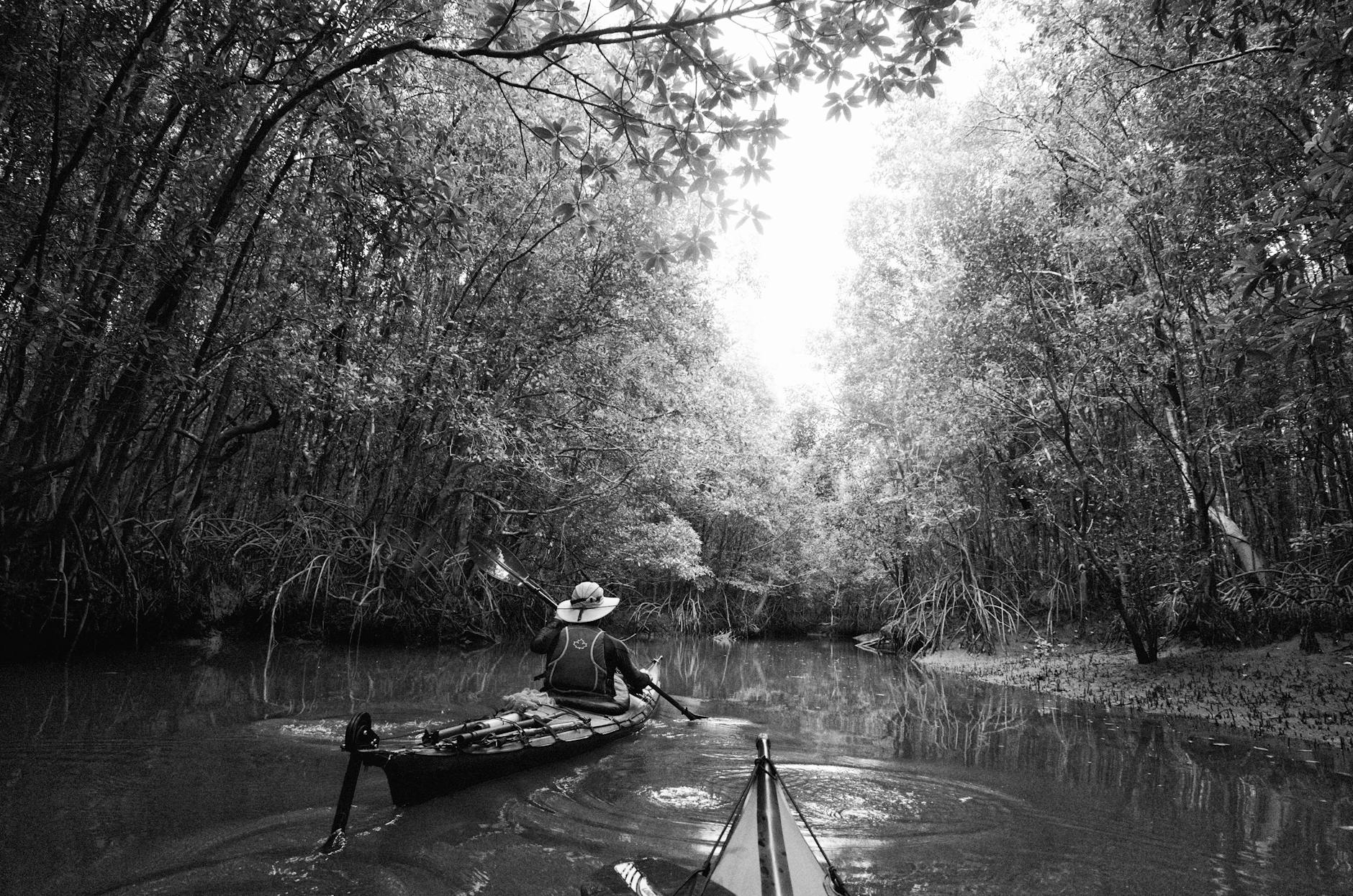
Sea kayaking provides access to coastal environments that larger motorboats can’t reach — the narrow channels of mangrove forests, secluded coves between headlands, and shallow reef flats where the water is too thin for anything with a motor. Malaysia’s island geography creates exceptional kayaking territory at multiple destinations.
Langkawi Mangrove Kayaking
The Kilim Geoforest Park in Langkawi, part of the Langkawi UNESCO Global Geopark, offers one of the most rewarding kayaking experiences in Malaysia. Paddling through narrow mangrove channels, you encounter Brahminy kites with wingspans exceeding three feet, long-tailed macaques moving through the canopy above the water, herons hunting in the shallows, monitor lizards motionless on exposed roots, and more than 40 species of saltwater fish in the channels below. Many tours include a bat cave visit and the chance to observe stingrays gliding beneath your kayak in clear water. Tours run three to four hours, typically RM150–RM250 per person including equipment and a guide.
Island Kayaking
The Perhentian Islands offer calm, clear water for recreational kayaking and stand-up paddleboarding, with the transparency of the water letting you observe marine life below the hull as you paddle. Kayak rental is available at most resorts on both Perhentian Besar and Kecil. On Tioman Island, kayaking accesses quiet bays and beaches unreachable by road, and the clear west coast water makes coral formations and sea turtles visible while paddling.
Kitesurfing and Windsurfing: Harness the Monsoon Winds
Malaysia’s monsoon seasons create consistent winds at several locations that transform the country into an increasingly recognized kitesurfing and windsurfing destination — particularly for riders who prefer warm water and uncrowded breaks over the established European or Hawaiian spots.
Best Kitesurfing Locations
Cherating on Pahang’s east coast is Malaysia’s most established kitesurfing location, with ideal wind conditions particularly from August to March during the northeast monsoon. Kitesurfing Malaysia operates here with IKO-certified instructors, shallow beginner areas, and deeper water for experienced riders. Tanjung Aru Beach in Kota Kinabalu hosts Malaysia’s first IKO-certified kitesurfing school, with best conditions November to March against the backdrop of sunset views over the South China Sea. Bandar Penawar and Jason Bay in southern Johor catch the southeast monsoon from July to August for a mid-year kitesurfing option.
Learning and Costs
Beginner kitesurfing courses run two to three days and cost RM800–RM1,500 including all equipment and certified instruction. Equipment rental for experienced riders runs approximately RM200–RM350 per session. Kitesurfing pairs naturally with the broader adventure circuit — Cherating is also home to Malaysia’s best surf break, making it possible to surf the morning swells and kitesurf when afternoon winds pick up during the northeast monsoon season.
Surfing: Ride Malaysia’s Monsoon Swells
Malaysia doesn’t market itself as a surf destination, but the northeast monsoon transforms the east coast into a genuine option for surfers who prefer warm, uncrowded water over Indonesia’s famous breaks.
Cherating: Malaysia’s Surf Capital
Tanjung Cherating is Malaysia’s best wave — a left-point break over a sandy bottom that produces rides up to 1.2 kilometres long during peak monsoon conditions. The wave only breaks during the northeast monsoon from October to April, with the most consistent conditions November to February. Satusuku Surf School provides certified instruction for beginners and intermediates, with equipment rental for experienced surfers. The village atmosphere at Cherating — relaxed backpacker culture, beachfront food — adds to the appeal.
Batu Burok Beach in Terengganu picks up monsoon swells for rideable beach breaks during the same season. Tioman Island sees exciting surf conditions in November. The west coast generally doesn’t receive significant wave energy due to Sumatra’s sheltering effect, though occasional swells reach Langkawi and Penang.
Stand-Up Paddleboarding: Calm Water Exploration
Stand-up paddleboarding has grown rapidly across Malaysia, with the country’s warm, calm waters providing ideal conditions for both recreational paddling and serious fitness training. Putrajaya Lake is one of the most popular SUP locations — the man-made lake’s sheltered conditions create an ideal learning environment, and the Putrajaya Lake Recreation Centre operates as an ASI-accredited SUP school with lessons, tours, and equipment rental. The lake doubles as a wildlife sanctuary where paddlers can observe migratory birds alongside their workout.
The Perhentian Islands, Redang Island, and Tioman Island all offer ocean SUP during the calm season from April to October, with the clear water providing visibility of coral reefs and marine life below the board. Paddling above a sea turtle in crystal-clear water while standing on a SUP board is one of those distinctive experiences that’s much harder to arrange elsewhere. SUP lessons at established centres cost RM80–RM150 for an introductory hour. Board rental runs RM50–RM80 per hour at beach destinations. Many island resorts include SUP access in their accommodation packages.
Wakeboarding and Water Skiing: Adrenaline on Flat Water
Putrajaya Lake is the hub of wakeboarding in Malaysia, with professional boat-towed facilities and expert instruction available on the calm, consistent lake surface. The sheltered conditions make it ideal for both beginners learning their first edge cuts and advanced riders practising tricks. Desaru Coast in Johor and various Langkawi operators also offer wakeboarding and water skiing as part of broader water sports packages at beach resorts.
Flyboarding: The Newest Thrill
Flyboarding uses water pressure from a jet ski to propel riders into the air on a board connected by a long hose. Flyboard Malaysia at Marina Putrajaya is the country’s premier flyboarding centre, with experienced instructors guiding first-timers from wobbly attempts to stable flight above the lake surface. Sessions cost RM150–RM250 for 20 to 30 minutes. The learning curve is steeper than most water sports — expect multiple splashdowns in the first five minutes — but most participants achieve sustained stable flight by the end of their session. Langkawi and several west coast beach resorts also offer flyboarding experiences.
Snorkelling and Freediving: Below the Surface
For underwater experiences without full scuba certification, Malaysia’s east coast islands deliver exceptional snorkeling in malaysia across multiple destinations — the Perhentians, Redang, and Tioman all offer consistent shallow reef access with sea turtles, reef sharks, and colourful reef fish. For those wanting to go deeper without scuba gear, freediving courses are increasingly available at the Perhentians and Tioman, teaching breath-hold techniques that allow dives to 10–20 metres on a single breath. Introductory freediving courses typically cost RM500–RM800 for a two-day programme. The full scuba diving malaysia circuit — from beginner certification at Tioman to Sipadan’s legendary walls — opens up once you hold an Open Water qualification.
Where to Book Water Sports in Malaysia
Most water sports activities can be booked directly at the beach or through your hotel’s activity desk. For popular experiences like Langkawi’s guided jet ski tours or Cherating kitesurfing courses, advance booking is recommended during peak tourist season and Malaysian school holidays. Online platforms including Klook, GetYourGuide, and Viator list water sports packages with transparent pricing and verified reviews. Many Malaysian operators also accept WhatsApp bookings, which is the norm rather than the exception for smaller beach operators. For island destinations like Perhentian, Tioman, and Redang, water sports are often included in or available as add-ons through resort packages.
Water Sports Safety Tips
Always wear the provided life jacket or personal flotation device, regardless of swimming ability. Choose licensed, well-reviewed operators with visible safety equipment and guides who brief you properly before you enter the water. Ask about guide qualifications and equipment maintenance when in doubt — good operators are transparent about both. Apply waterproof sunscreen before any water activity: the combination of tropical sun, reflective water, and wind causes severe burns within an hour even on overcast days. Stay hydrated throughout a day of water sports — the excitement masks dehydration until symptoms become serious. Be aware of jellyfish, which appear seasonally near river mouths; if stung, rinse with seawater (not fresh water) and seek medical attention for severe reactions.
Best Seasons for Water Sports
The west coast of Peninsular Malaysia and Langkawi offer the best calm-water sport conditions from November to April during the dry season. The east coast — Tioman, Perhentian, Redang — delivers calm-water sports (kayaking, SUP, snorkeling, banana boats) at their best from April to October. But the northeast monsoon season (November to March) is the prime window for surfing, kitesurfing, and windsurfing on the east coast, when consistent winds and swells arrive. Sabah and Sarawak offer water sports year-round, with best overall conditions from March to October. Understanding this seasonal split lets you plan around your specific interests rather than arriving at the wrong coast in the wrong month.
Planning Your Water Sports Adventure
For a comprehensive water sports-focused Malaysia trip, consider combining both coasts. Start in Langkawi on the west for jet skiing, mangrove kayaking, and parasailing, then cross to Cherating on the east for kitesurfing during the appropriate monsoon window, or continue to the Perhentians for island water sports and snorkeling during the April-to-October calm season.
A Sabah-focused water sports trip combines kitesurfing at Tanjung Aru Beach with island-hopping and snorkeling in the Tunku Abdul Rahman Marine Park, followed by world-class diving at Sipadan for certified divers. Add the mount kinabalu trek or white water rafting malaysia on the Padas River for a Sabah itinerary that covers mountain, river, and ocean in a single trip. Budget-conscious travellers will find that a full day of jet skiing, parasailing, and banana boat rides at most Malaysian beach destinations comes in under RM400 per person — a fraction of what equivalent experiences cost in Europe, Australia, or the Caribbean.
Combining Water Sports with Other Adventures
Water sports sit naturally at the centre of a broader Malaysia adventure itinerary. From Langkawi, a jet ski and parasailing day pairs effortlessly with snorkelling at Pulau Payar Marine Park or a half-day mangrove kayaking tour — the island’s compact geography means you can do all three in a single full day. The Langkawi adventure circuit extends further with caving in malaysia at the island’s limestone Gua Cerita sea cave, accessible by boat and offering a different dimension to the coastal experience.
On the Pahang east coast, a Cherating kitesurfing session slots into a broader itinerary that includes Taman Negara National Park jungle trekking two hours inland, and scuba diving malaysia at Tioman Island four hours south. The east coast corridor from Kuantan to Kota Bharu concentrates beach activities, surfing, kitesurfing, sea kayaking, and reef diving in a stretch of coastline that rewards an extended road trip during the April-to-October calm season.
In Sabah, water sports at the Tunku Abdul Rahman Marine Park pair with day trips to the Kinabatangan River for wildlife cruising, the mount kinabalu trek for high-altitude granite adventure, and white water rafting malaysia on the Padas or Kiulu Rivers for river adventure inland. The Sabah itinerary for water sports enthusiasts — marine park mornings, river afternoons, and mountain summit before or after — is one of the most diverse adventure trips available in Southeast Asia from a single hub city.
Water Sports for Families with Children
Malaysia’s water sports scene is genuinely family-friendly across most activities. Banana boat and tube rides suit children aged five and above. Parasailing accepts children as young as five as passengers with an adult operator. Sea kayaking adapts well to children aged eight-plus on calm inshore water with a tandem kayak. Stand-up paddleboarding appeals to teenagers who want a balance challenge alongside the ocean experience. Jet ski tours accommodate children as passengers, though operators set minimum passenger age policies that vary — ask before booking.
The Perhentian Islands and Redang Island are particular standouts for family water sports: the calm, clear, shallow water around both island groups creates an extraordinary natural swimming and snorkelling environment where children can observe sea turtles, reef fish, and coral gardens in knee-deep to waist-deep water without any specialist equipment. The combination of that natural marine environment with rentable kayaks, SUP boards, and boat-based activities gives families an all-day water activity programme without needing to book anything more than their resort accommodation in advance.
Essential Packing List for Water Sports Days
Waterproof sunscreen rated SPF 50 or higher is the single most important item for any water sports day in Malaysia. The combination of tropical sun intensity, reflective water, and constant wind during activities like parasailing and jet skiing burns unprotected skin within 30–45 minutes, often without the participant registering discomfort until the session ends. Apply before leaving accommodation, reapply after water immersion, and carry a small tube in a waterproof bag for mid-day top-ups.
A dry bag or waterproof pouch for your phone and valuables is essential for any motorised water sport and highly advisable for kayaking and SUP. Most operators provide basic storage lockers but these vary in quality. A dedicated waterproof phone pouch allows you to capture photos and video during activities — jet ski tours, in particular, produce outstanding photos from the water that would be impossible to take without a waterproof phone solution.
Rashguards or UV-protective swimwear reduce sun exposure across a full day on the water without requiring constant sunscreen reapplication to covered areas. Quick-dry shorts are more practical than board shorts for activities involving both in-water and out-of-water time. Bring a light towel, a change of clothes, and a small amount of cash in a waterproof bag for post-session food and transport — many beach kiosks near water sports areas are cash-only operations. Water sandals handle most beach transitions and boat boarding situations; leave closed shoes at the resort if planning a full water sports day.