Sea Turtle Conservation in Malaysia: Where to See & Help

Sea turtles have been navigating the world’s oceans for over a hundred million years. They outlasted the dinosaurs. They’ve crossed every ocean and nested on every warm coastline. And every year, they still haul themselves up Malaysian beaches to lay their eggs, just as they have for longer than our species has existed. Malaysia is one of the most important sea turtle countries in Southeast Asia — four of the world’s seven species nest here, and the country has developed some of the most accessible and well-managed turtle watching experiences anywhere in the tropics.
Green turtles, hawksbill turtles, leatherbacks, and olive ridleys all have documented nesting histories in Malaysian waters. You can watch a nesting female lay her eggs under a moonlit sky, hold your breath while hatchlings scramble towards the surf, or float alongside turtles feeding on a coral reef at snorkelling depth. This guide covers every significant turtle destination in Malaysia, the conservation programmes protecting them, and how to experience them responsibly. For the broader wildlife context — orangutans, hornbills, river cruises — our malaysia wildlife guide connects the full picture.
Sea Turtle Species in Malaysia
Green Turtle
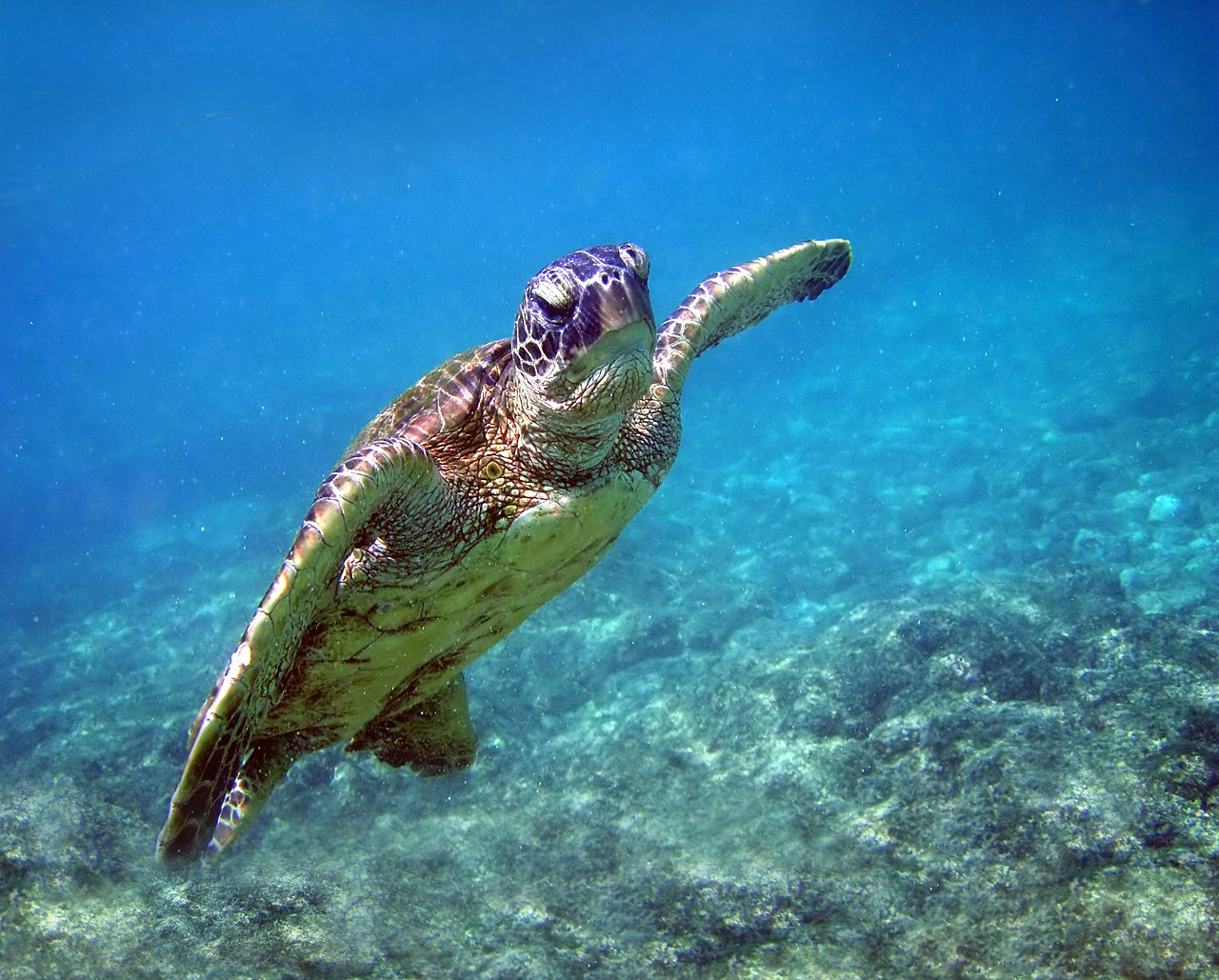
The green turtle is the most commonly encountered species in Malaysia and the only one with a relatively stable nesting population. Found throughout Malaysian waters, green turtles nest primarily on the islands of Sabah — including the Turtle Islands Park and Sipadan — and on east coast peninsula islands including Redang, Perhentian, Tioman, and Lang Tengah. Adults can weigh up to two hundred kilograms, with a distinctive olive to dark brown carapace. Herbivorous as adults, they feed primarily on seagrass and algae in shallow coastal waters, and their grazing is ecologically important — it keeps seagrass beds healthy and productive for the fish and other marine life that depend on them. Peak nesting in Malaysia runs from May to September, with females coming ashore repeatedly through the season to lay multiple clutches of approximately one hundred eggs each. The Turtle Islands Park in Sabah records nesting year-round, making it the most reliable destination regardless of when you visit.
Hawksbill Turtle
Critically endangered globally, the hawksbill nests in smaller numbers in Malaysia — primarily on Sabah islands and on the east coast peninsula. Named for their narrow, pointed beak, hawksbills are smaller than green turtles and are closely associated with coral reef habitats, where they feed primarily on sponges. This specialised diet makes them essential to reef health — they help control sponge populations that would otherwise outcompete corals for space. In the Turtle Islands Park, hawksbill nesting occurs mainly from February to April, complementing the green turtle season and giving the park year-round turtle activity. Populations were devastated worldwide by the historical trade in tortoiseshell — their beautifully patterned shells were prized for jewellery and decorative items for centuries. Every nest that successfully hatches in Malaysia is a genuine contribution to recovering this critically depleted species.
Olive Ridley Turtle
Only a few tens of olive ridley nests are recorded per year in Malaysia, primarily along the Terengganu coast and occasionally in Sabah. This species is endangered and its Malaysian nesting population is precarious. The smallest hard-shelled sea turtle at around forty kilograms, the olive ridley has a distinctive olive-coloured heart-shaped carapace.
Leatherback Turtle
The leatherback turtle story in Malaysia is a cautionary tale. Once among the most important nesting sites in the world, the beaches of Rantau Abang in Terengganu recorded approximately ten thousand nests annually in the 1950s. Decades of egg collection, coastal development, and incidental fishing net capture reduced that to fewer than one or two nests recorded per year since 2003. The leatherback was effectively declared locally extinct in Malaysia by 2006. A sobering reminder of what insufficient protection can do to even a robust population within a few decades.
Where to See Sea Turtles in Malaysia
Turtle Islands Park, Sabah
Malaysia’s premier sea turtle destination. Turtle Islands Sabah lies approximately forty kilometres north of Sandakan in the Sulu Sea, comprising three islands — Selingan, Bakungan Kecil, and Gulisaan — with Selingan the only one open to visitors. Green and hawksbill turtles nest here throughout the year, and the nightly probability of witnessing a nesting turtle is extremely high. This is one of the most reliable turtle watching experiences anywhere in the world.
Visitors stay overnight in basic chalets on Selingan. After dark, park rangers locate a nesting female and guide small groups to observe her laying her eggs. Later, hatchlings from the protected hatchery are released into the sea. The boat journey from Sandakan takes about forty-five minutes, departing around 9:30am. A two-day one-night package including boat transfer, accommodation, meals, and park fees costs approximately RM480 to RM600 per person — book through Crystal Quest, the authorised operator. All visits must be pre-booked; visitor numbers are limited to approximately fifty per night. Best months for calm seas and peak nesting: July to October.
The Turtle Islands Park pairs naturally with Sepilok and the Kinabatangan River — our guide to see orangutans malaysia covers the full Sandakan area wildlife circuit that most visitors combine into a Sabah week.
Perhentian Islands
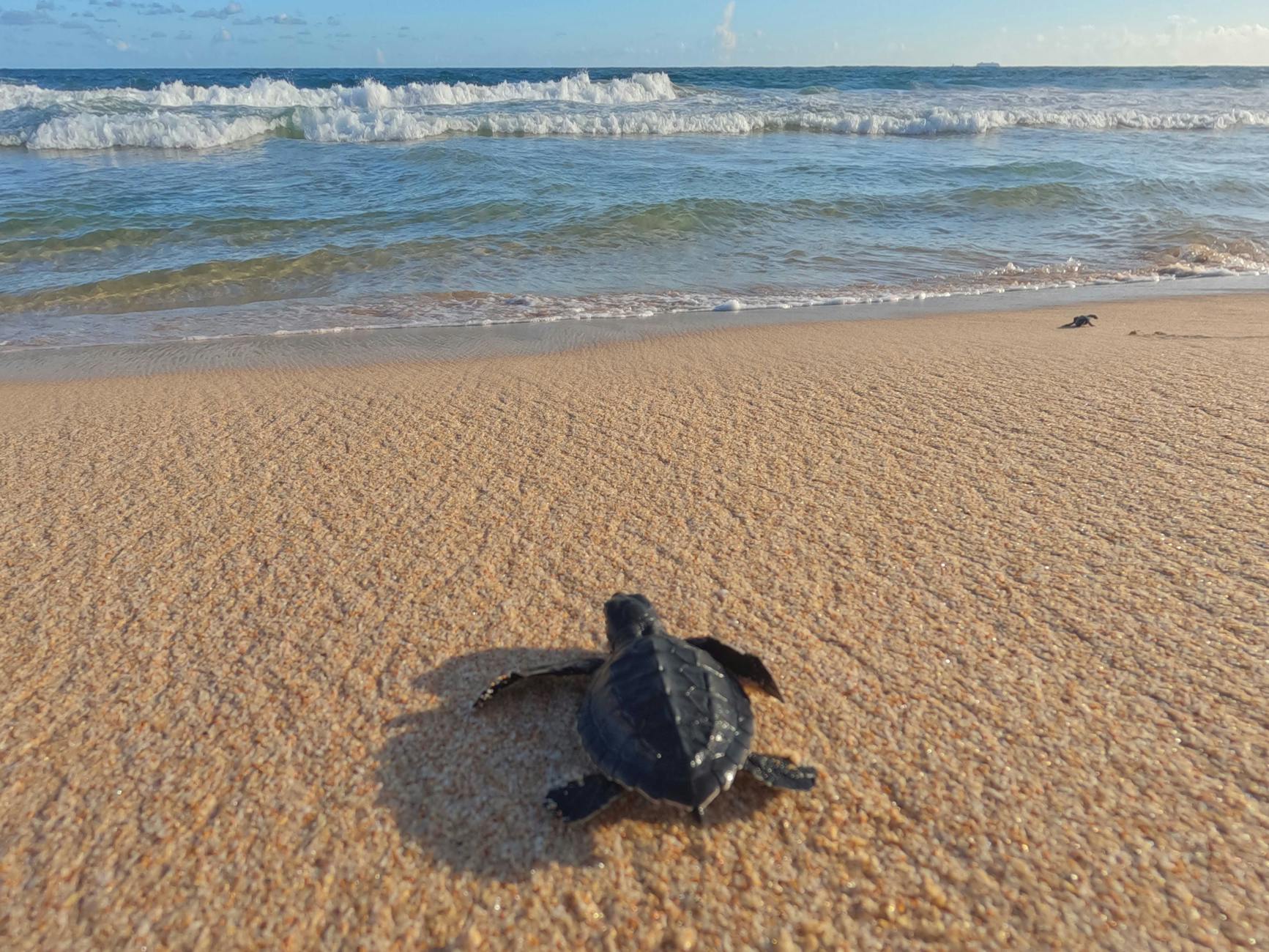
The Perhentian Islands off the Terengganu coast offer both beach nesting observation and excellent underwater turtle encounters. The Perhentian Turtle Project monitors nesting activity and runs hatchery programmes on both Perhentian Besar and Perhentian Kecil, protecting nests and releasing hatchlings during the May to September nesting season. Visitors staying at beachfront accommodation have a reasonable chance of witnessing nesting activity or hatchling releases — some resorts actively involve guests in release events, which are among the most memorable wildlife experiences on any Malaysian island.
Underwater, green turtles are reliably seen feeding on seagrass beds in shallow water just offshore from popular beaches, sometimes in water shallow enough to observe while standing. They also rest around coral formations at multiple snorkelling sites around both islands, often completely undisturbed by snorkellers who approach quietly and respectfully. No diving certification is required for these encounters, making the Perhentians an ideal destination for families and first-time snorkellers wanting to experience turtles in their natural environment.
Redang Island
Redang Island hosts one of the longest-running sea turtle research programmes on the peninsula. The Chagar Hutang Turtle Sanctuary, established in 1993 on the island’s northern tip and managed by SEATRU at Universiti Malaysia Terengganu, protects one of the most important green turtle nesting beaches on the peninsula. Over one thousand green turtle nests are recorded there annually. Chagar Hutang beach itself has restricted access, but visitors staying on Redang can support the programme through donations and can encounter green turtles regularly while snorkelling and diving around the island’s reefs.
Tioman Island
The Juara Turtle Project on Tioman’s east coast runs an active hatchery and monitoring programme for green turtles nesting on Juara Beach, with a season running from March to October. Beach patrols, egg relocation to protected hatcheries, and hatchling releases are all activities that visitors at Juara can participate in or observe. Tioman’s dive sites and snorkelling spots also produce regular underwater turtle encounters.
Lang Tengah Island
This small island between Redang and Perhentian is home to the Lang Tengah Turtle Watch, a grassroots conservation organisation that has been protecting nests since 2006. Nightly beach patrols, predator protection, and hatchery operations during nesting season. Volunteers are welcome. Lang Tengah’s relatively low visitor numbers make it one of the more intimate turtle conservation experiences in Malaysia — less infrastructure, more genuine field work.
Cherating, Pahang
The Cherating Turtle Sanctuary on the mainland Pahang coast offers a more accessible alternative for visitors not travelling to the islands. The sanctuary operates a hatchery funded by donations, purchasing eggs from locals to prevent consumption. Peak nesting season runs July to October; hatchling releases during this period. Educational displays on turtle biology and conservation. A worthwhile stop for families passing through the Cherating resort area.
Ma’Daerah Turtle Sanctuary, Terengganu
Near Kemaman in Terengganu, this sanctuary managed by the Department of Fisheries with WWF Malaysia and corporate partners protects a stretch of mainland beach where green turtles nest during the season. Hatchery, educational centre, and patrol operations throughout the nesting period. Guided night watches can be arranged during nesting season — contact the sanctuary directly or through tour operators in the area.
Sipadan and Mabul
Sipadan Island is primarily famous as one of the world’s top dive sites, but green and hawksbill turtles are encountered on virtually every dive. The Sipadan turtle hatchery, managed by Sabah Parks since 2005, protects nests on the island’s beaches. On neighbouring Mabul Island, the Mabul Turtle Hatchery has been protecting endangered sea turtles since 2011 in collaboration with the local community, releasing over twenty-six thousand hatchlings into the ocean since inception. For anyone booking a Sipadan diving trip, the turtle component is simply part of every dive rather than a separate activity. Our birdwatching malaysia guide also covers Semporna — the gateway to Sipadan — as a base for broader Sabah nature activities.
How to Support Turtle Conservation
Volunteer Programmes
Several organisations in Malaysia accept conservation volunteers. The Lang Tengah Turtle Watch takes volunteers for nightly beach patrols, nest monitoring, data collection, and hatchling releases during the nesting season — this is field conservation work rather than eco-tourism, and participants leave with a genuine understanding of the challenges involved. SEATRU at Universiti Malaysia Terengganu offers placements on Redang Island for those willing to commit to longer stays and participate in scientific monitoring activities including tagging, measuring, and tracking individual nesting females across multiple seasons. The Juara Turtle Project on Tioman welcomes short-term volunteers for beach patrols and hands-on conservation support during the March to October nesting season.
Volunteer commitments typically range from one week to several months, with accommodation and meals often provided in exchange for participation. These programmes offer an immersive conservation experience that goes far beyond simply watching turtles — participants contribute real data to long-term research programmes that inform national conservation policy and management decisions.
Responsible Tourism Practices
When observing nesting turtles, maintain distance and follow ranger instructions exactly. Never use flash photography or bright torches near nesting turtles or hatchlings — artificial light disorients both the nesting female selecting her nest site and the hatchlings using the brightness of the open horizon to find the sea. Stay behind the turtle rather than in front of her; approaching from the front can cause her to abandon a nesting attempt and return to the ocean with her eggs unlaid. Do not touch eggs or turtles at any stage of the process. When swimming near turtles, keep at least two metres distance, do not chase or attempt to ride them, and avoid positioning yourself between a turtle and the surface — they need to breathe every few minutes and blocking their ascent causes real stress. Use mineral reef-safe sunscreen when entering the water near turtle habitats, as chemical UV filters in conventional sunscreens are harmful to marine life including the corals and seagrass that turtles depend on.
On beaches, remove all rubbish. Plastic bags and debris can be fatal to sea turtles that mistake them for food. If you encounter turtle tracks or a nest, report it to local conservation authorities rather than disturbing the site.
Financial Support
Donations to established organisations make direct, measurable differences. The Turtle Conservation Society of Malaysia, founded in 2011, works to protect both marine and freshwater turtle species through research, community engagement, and advocacy. SEATRU at Universiti Malaysia Terengganu accepts donations to support its long-running research programme at Chagar Hutang on Redang Island, where decades of consistent monitoring have built one of the most valuable green turtle datasets in Southeast Asia. The Lang Tengah Turtle Watch runs entirely on volunteer fees and donations — the programme cannot operate without them, and even a small contribution directly funds beach patrol nights and nest protection. Choosing resorts and dive operators with formal relationships to conservation projects is another way to direct your tourism spending toward organisations doing meaningful work. For those interested in connecting turtle conservation with the wider Borneo wildlife picture, Danum Valley borneo and the Turtle Islands Park in Sabah can be combined into a single trip that covers both forest and marine conservation.
The Threats Facing Malaysia’s Sea Turtles
Despite decades of conservation effort, Malaysia’s sea turtles face ongoing threats that require sustained attention and coordinated action. Egg collection, though now illegal in many states, historically decimated populations by removing virtually every egg from nesting beaches for generations. The Terengganu Turtle Enactment was amended in November 2021 to ban all turtle egg harvest, coming into effect in June 2022 — a significant and long-overdue legislative step that enforcement is still catching up with in practice, particularly in remote coastal areas where monitoring is difficult and local economic pressures remain real.
Bycatch — incidental capture in fishing nets — is one of the leading causes of adult sea turtle mortality globally. A single trawl that drowns a nesting female removes decades of future nesting potential from the population. Malaysia has been working with the Marine Research Foundation and international partners to introduce Turtle Excluder Devices in trawl nets, which allow turtles to escape through a trapdoor while retaining the target catch. Coastal development removes nesting habitat and introduces light pollution from beachfront buildings that disorients both nesting females selecting nest sites and hatchlings finding their way to the ocean — hatchlings navigate toward the brightest horizon, which should be the sea, but artificial lighting reverses this instinct with fatal results. Marine plastic pollution remains a constant hazard, as sea turtles mistake floating plastic bags for jellyfish and ingest debris that blocks their digestive systems. Climate change is altering sand temperatures and therefore hatchling sex ratios — warmer sand produces more females, potentially skewing population demographics in ways whose long-term consequences are not yet fully understood. All of these threats require coordinated responses across government, industry, and communities.
Swimming with Sea Turtles
Beyond beach nesting observation, Malaysia offers exceptional opportunities to encounter sea turtles underwater. The crystal-clear tropical waters around the east coast islands provide excellent visibility for snorkelling and diving alongside these gentle marine reptiles, and Malaysian turtles at popular sites have become accustomed to calm, respectful human presence.
The Perhentian Islands are particularly good for accessible turtle snorkelling — green turtles feed on seagrass beds in shallow water just offshore from popular beaches, sometimes at depths of only two or three metres. No diving certification is required for these encounters. Families with children can reliably see turtles at the surface while snorkelling, and the experience of watching a large green turtle glide slowly through clear water at close range is one that leaves a lasting impression on visitors of any age. Snorkelling boat trips that visit multiple sites around both islands regularly include turtle encounters as one of the highlights.
For certified divers, Sipadan Island offers some of the most extraordinary turtle diving on the planet. The island’s steep walls and healthy reef system support a resident population of both green and hawksbill turtles that are remarkably accustomed to the presence of divers. Encounters with multiple turtles on a single dive are the norm rather than the exception, and the sight of a large green turtle resting on a coral ledge or a hawksbill searching for sponges between coral heads is one that stays with divers long after they return home. Sipadan’s daily visitor limit of one hundred and twenty divers protects the reef and ensures encounters feel unhurried and genuine. Redang, Tioman, and the Semporna archipelago in Sabah also deliver regular underwater turtle encounters across a range of skill levels. Always maintain a distance of at least two metres, never block their path to the surface, and never touch.
Best Time for Turtle Watching
Nesting season broadly runs April to September on most peninsular islands, with peak activity in June and July. The Turtle Islands Park in Sabah has nesting year-round — green turtles and hawksbills come ashore on Selingan Island on virtually every night of the year, making this the most reliable destination regardless of when you visit. East coast peninsula islands including Perhentian, Redang, Lang Tengah, and Tioman are accessible from April to October; the northeast monsoon brings strong swells and rough seas that close most island resorts from November to March, effectively pausing turtle watching at those locations for the season.
For the best overall experience combining nesting beach observation with underwater turtle encounters, plan your visit between June and August when nesting activity is at its highest, seas are calmest, and island resorts and dive operators are fully operational. The Taman Negara national park visit and the east coast islands can be combined in a single two-week Malaysia itinerary — the timing aligns well since both are best from March to September, and the journey between Kuala Tahan and the Terengganu coast is straightforward by road and ferry.
Costs at a Glance
Turtle Islands Park two-day one-night package: approximately RM480 to RM600 per person including boat transfer, accommodation, meals, and park fees. East coast island resorts on Perhentian, Redang, Tioman, and Lang Tengah: approximately RM150 to RM500 per night, with turtle watching activities either included or available as add-ons at RM30 to RM80 per person. Cherating Turtle Sanctuary: donation-based access, one of the most affordable options. Volunteer programmes at Lang Tengah Turtle Watch and others: approximately RM100 to RM200 per day covering accommodation, meals, and project costs. Sipadan diving excursions: approximately RM250 to RM500 per day including equipment rental.
Practical Tips for Turtle Watching
Turtle watching is nocturnal — bring a torch with a red filter or tape a piece of red cellophane over a regular torch to create a turtle-safe light. Red light is less disorienting to turtles than white or blue light and allows you to see enough without disturbing nesting females or disorientating hatchlings. Dark clothing is preferable to bright colours on the beach, and keeping voices low is considerate to both turtles and fellow watchers. Bring insect repellent; mosquitoes can be numerous at beach locations after dark, particularly near vegetation. Be prepared for long waits — turtles arrive and nest on their own schedule, which does not accommodate impatient visitors. A nesting female may take an hour to complete the entire process from arrival to departure. Patience is not optional; it is the price of admission for an experience that has no equal in Malaysian nature tourism.
Book through conservation programmes and reputable operators rather than informal beach tours. Legitimate operations follow strict guidelines that minimise disturbance to turtles and their nests. Arrive with realistic expectations about sightings: the Turtle Islands Park offers near-guaranteed nesting observation on any given night; other island encounters vary night by night depending on nesting activity, weather, and the unpredictable timing of individual females. Carry a waterproof camera if you want underwater turtle photographs — no flash, ever. Long-exposure still photography for beach hatchling releases needs manual settings, a tripod or stable surface, high ISO, and patience while you wait for the hatchlings to move toward the surf.
For visitors combining a turtle itinerary with highland wildlife, Kinabalu national park in Sabah offers a natural counterpoint — ancient forests and alpine environments at the opposite end of the ecosystem spectrum from the coastal nesting beaches, within the same week-long Sabah circuit.