Borneo Islands: Mantanani, Tunku Abdul Rahman & Turtle Islands (2026)
Complete guide to Borneo islands in Sabah, Malaysia. Explore Tunku Abdul Rahman Marine Park, Mantanani dugong waters, Turtle Islands Park, and Lankayan whale shark diving for 2026.
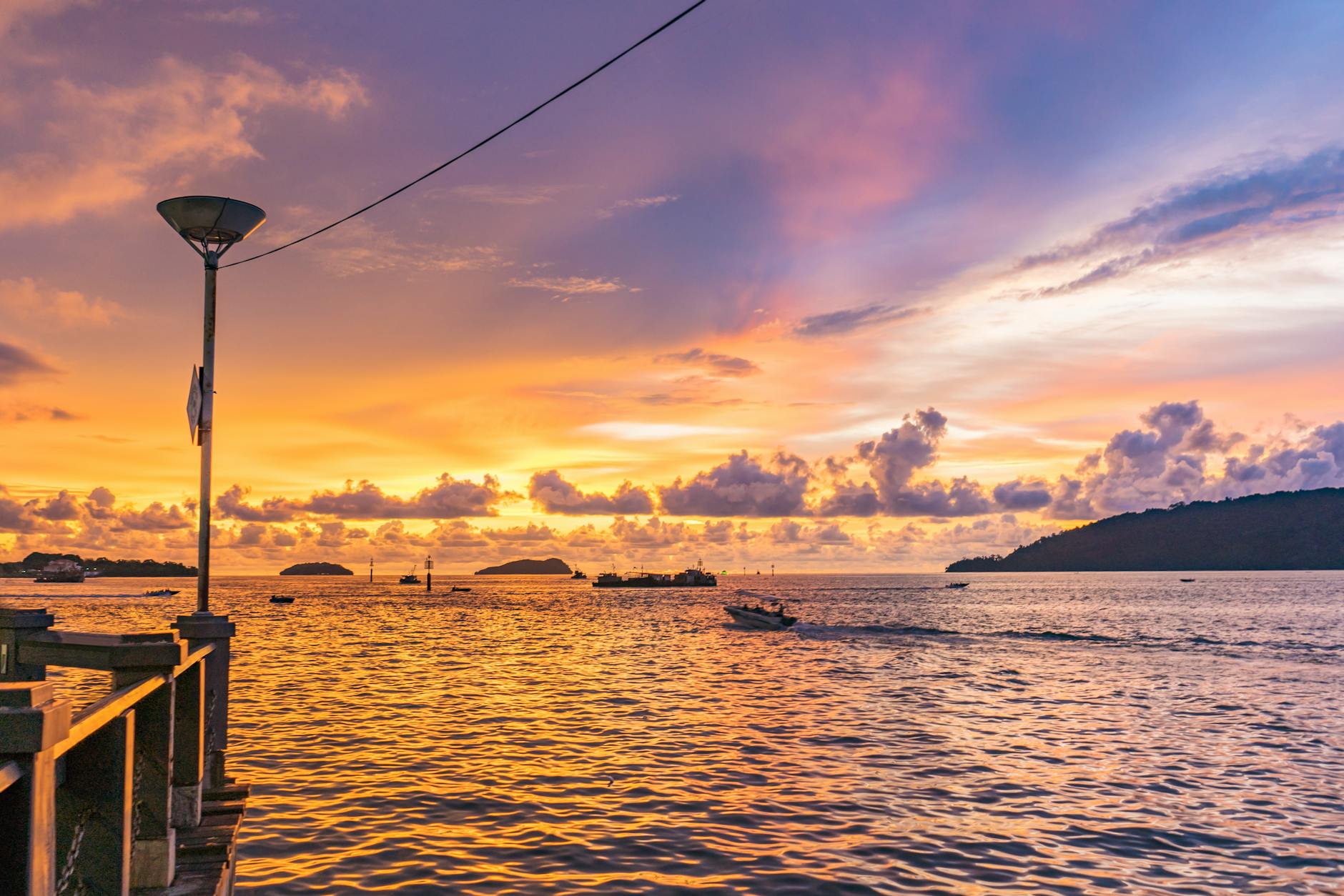
Fewer than 15 minutes by boat from Kota Kinabalu’s waterfront, five jungle-covered islands float on water so clear you can count the coral heads from the surface. That’s Tunku Abdul Rahman Marine Park — and it’s just the beginning of what the borneo islands malaysia has to offer. Head further north and you reach Mantanani, where dugongs graze on seagrass beds in the South China Sea. Strike out east toward Sandakan and you find Selingan Island, where female sea turtles haul themselves ashore every single night of the year without fail. These are not marginal add-ons to a Sabah trip. They are destinations in their own right.

This guide covers four island groups across Sabah: Tunku Abdul Rahman Marine Park (TARP), the Mantanani Islands, Turtle Islands Park, and Lankayan Island. Each sits within a protected marine area. Each rewards a different kind of traveler. And each is distinct enough from the next that combining two or three of them makes for an island-hopping itinerary that rivals anything in the region — including the perhentian islands guide on the peninsula’s northeast coast. Our guide to the best islands in Malaysia covers how these compare with the peninsular options.
Tunku Abdul Rahman Marine Park
Tunku Abdul Rahman Marine Park was gazetted in 1974, named after Malaysia’s first Prime Minister, and covers 4,929 hectares of coral reef, sandy beach, and tropical jungle across five islands. The park sits just off the Sabah capital — visible from the Kota Kinabalu waterfront on any clear day — and the short boat crossing means you can be mask-on and in the water before 9 AM if you book the first departure.
The five islands are Gaya, Manukan, Sapi, Mamutik, and Sulug. They share the same turquoise channel but each has its own personality. Knowing which one suits your priorities saves a lot of decision fatigue at Jesselton Point.
Getting to TARP
All boats to the TARP islands depart from Jesselton Point Ferry Terminal in Kota Kinabalu. Services run from approximately 8:00 AM to 5:00 PM daily. A return ticket for a single island costs around RM35; multi-island passes run RM45 to RM65 depending on how many islands are included. The international park entry fee is RM25 per adult, plus a terminal fee of RM7.50.
Island hopping tours that take in two or three islands in a single day are the most popular format. Numerous operators at Jesselton Point sell packages that bundle boat transfers, snorkeling gear, and sometimes lunch. If you prefer to move at your own pace, buy separate boat tickets for each island and coordinate your own crossings — the boats are frequent enough to make this practical.
Gaya Island
Gaya is the largest island in the park at approximately 1,465 hectares, rising 300 meters above sea level and covered almost entirely in old-growth tropical forest. Proboscis monkeys, long-tailed macaques, monitor lizards, and more than 100 bird species inhabit the jungle interior. Most day visitors never get past the beach, which means the hiking trails into the canopy feel remarkably wild given how close you are to a major city.
Two luxury resorts occupy Gaya’s sheltered bays. Gaya Island Resort — part of the Small Luxury Hotels of the World collection and now within the Hilton portfolio — operates 121 hill villas set among the forest, with outlooks over mangrove, canopy, and on clear days, Mount Kinabalu. The resort’s Marine Ecology Research Centre is the only facility of its kind at a Malaysian island resort. It propagates endangered giant clams, runs a coral nursery, and maintains a 14,000-litre turtle recovery tank for injured sea turtles. Gayana Marine Resort next door has 45 overwater villas above aquamarine shallows. Both properties offer PADI diving, mangrove kayaking, sunset cruises, and cultural evenings with Kadazan music.
Manukan Island
Manukan is the second largest island and the most developed for day visitors. The crescent-shaped beach is long, the water clarity in dry season routinely reaches 10 to 15 meters, and the snorkeling begins immediately from shore. Facilities include 20 chalets, a swimming pool, a clubhouse, a dive center, a football pitch, volleyball courts, and several restaurants — more infrastructure than most islands in the park put together.
Snorkel gear rents for around RM15 per hour. The reef directly offshore holds healthy coral heads and reliable populations of butterflyfish, parrotfish, and the occasional turtle passing through. For families visiting TARP for the first time, Manukan gives the best all-round package: good food, solid facilities, and underwater life close enough to shore that you don’t need to be a strong swimmer to enjoy it.
Sapi Island
Sapi is compact and gets busy — on weekends and public holidays the beach fills quickly. Come on a weekday and the experience is much calmer. The snorkeling along the island’s northern and eastern shores is genuinely good: butterflyfish, angelfish, clownfish in anemones, parrotfish, wrasses, and occasionally reef sharks along the deeper reef edges. Most of the best coral sits in waist to chest-deep water, so even less-confident swimmers can access it.
Water sports operators set up on the beach offering banana boat rides, parasailing, sea walking, and jet skiing. If you want beach activities alongside snorkeling, Sapi delivers more than any other island in the park. The island also has changing rooms, washrooms, a small restaurant, and picnic shelters.
The 250-meter zipline connecting Sapi to neighboring Gaya Island is worth doing once. The aerial view of the coral through clear water below is genuinely spectacular, and the crossing gives you a sense of the park’s scale that you don’t get from the boat.
Mamutik Island
Mamutik is the smallest of the five islands and consistently the quietest. The rocky beaches and clear water suit snorkelers and divers who want an uncrowded experience. A dive center on the island offers PADI open water certification, and the surrounding reef provides good conditions for training dives — relatively shallow, good visibility, and diverse marine life without the pressure of more remote sites. If your experience with TARP’s busier islands leaves you wanting a quieter afternoon, Mamutik is the obvious choice for the second stop.
Sulug Island
Sulug has no permanent facilities and is only reachable by private boat charter. That barrier to entry is precisely its appeal. The coral here is among the healthiest in the entire marine park, and you will almost certainly have it to yourself. Bring all your own food, water, and equipment. Sulug is not a managed tourist experience — it’s a raw, quiet reef, and that’s the point.
Mantanani Islands
Thirty-eight kilometers northwest of Kota Belud in the South China Sea, the Mantanani Islands sit far enough from the mainland that the water turns a shade of blue rarely seen this close to shore. Three islands make up the group: Mantanani Besar (Big Mantanani), Mantanani Kecil (Small Mantanani), and Lungisan. Only Mantanani Besar has tourist infrastructure. The other two remain undeveloped and largely unvisited.
A small Bajau Laut community — the traditional sea nomads of Borneo — lives in stilt villages along the shore of Mantanani Besar. Their presence gives the island a cultural dimension that purely resort-focused destinations lack. You’re arriving at a place where people still make their living from the sea in more or less the same way they have for generations.
Getting There
The journey starts with a one-hour drive from Kota Kinabalu to the small jetty at Kampung Kuala Abai in Kota Belud. From there, a speedboat crossing of 30 to 40 minutes brings you to the island. Most visitors book organized day trips from Kota Kinabalu that handle both the land transfer and the boat — total travel time runs about three hours each way, so the day is long but manageable.
Day trip packages from Kota Kinabalu typically cost RM250 to RM400 per person, covering land transfers, the boat crossing, snorkeling equipment, and lunch. Overnight packages with island accommodation are available for those who want the early morning reef before the day-trippers arrive — and the stars at night, which are extraordinary this far from any city.
Snorkeling and Diving
Mantanani delivers some of the best underwater visibility in Sabah. Optimal conditions push the horizontal sight line to 30 to 40 meters. Twelve recognized dive sites ring the islands, ranging from shallow coral gardens at 5 meters to deeper reef walls that attract pelagic species. The macro life here is extraordinary: ribbon eels, blue-ringed octopuses, scorpionfish, imperial shrimp, and seahorses alongside the more visible sea turtles, dolphins, blue-spotted rays, and marbled stingrays. Underwater photographers specifically target Mantanani for the density of photogenic small species.
If you’re planning a dedicated diving trip to Sabah, combining Mantanani with sipadan island diving gives you two very different underwater environments — Mantanani’s macro-rich shallow reefs versus Sipadan’s legendary wall and pelagic encounters — that together cover most of what makes Sabah diving exceptional.
Dugong Encounters
Mantanani has been called “Mermaid Island” by local communities for decades, and the name refers to the dugongs — the large, slow-moving marine mammals that graze the seagrass beds surrounding the islands. They are the only strictly marine herbivorous mammals, growing up to three meters in length and over 400 kilograms in weight, yet shy enough that most encounters are brief: a grey shape turning in the murk before disappearing into deeper water.
Sightings are rare and unpredictable. September to November — mating season — gives the highest probability, when the animals are more active and visible near the surface. But there are no guarantees. The seagrass beds that sustain the dugongs also support juvenile fish, invertebrates, and sea turtles, so even without a dugong sighting the ecosystem around Mantanani is worth protecting and worth visiting carefully. Avoid anchoring over seagrass, don’t stand on it while snorkeling, and give any dugong you do spot a wide berth.
Accommodation
Several small resorts and guesthouses operate on Mantanani Besar, ranging from basic to moderate comfort. JSK Mantanani Resort is among the more established options, offering beachfront rooms with organized snorkeling and diving. Staying overnight changes the experience significantly — sunrise snorkeling before the day boats arrive, dinner by the water, and a night sky without light pollution are things no day trip can replicate.
Turtle Islands Park
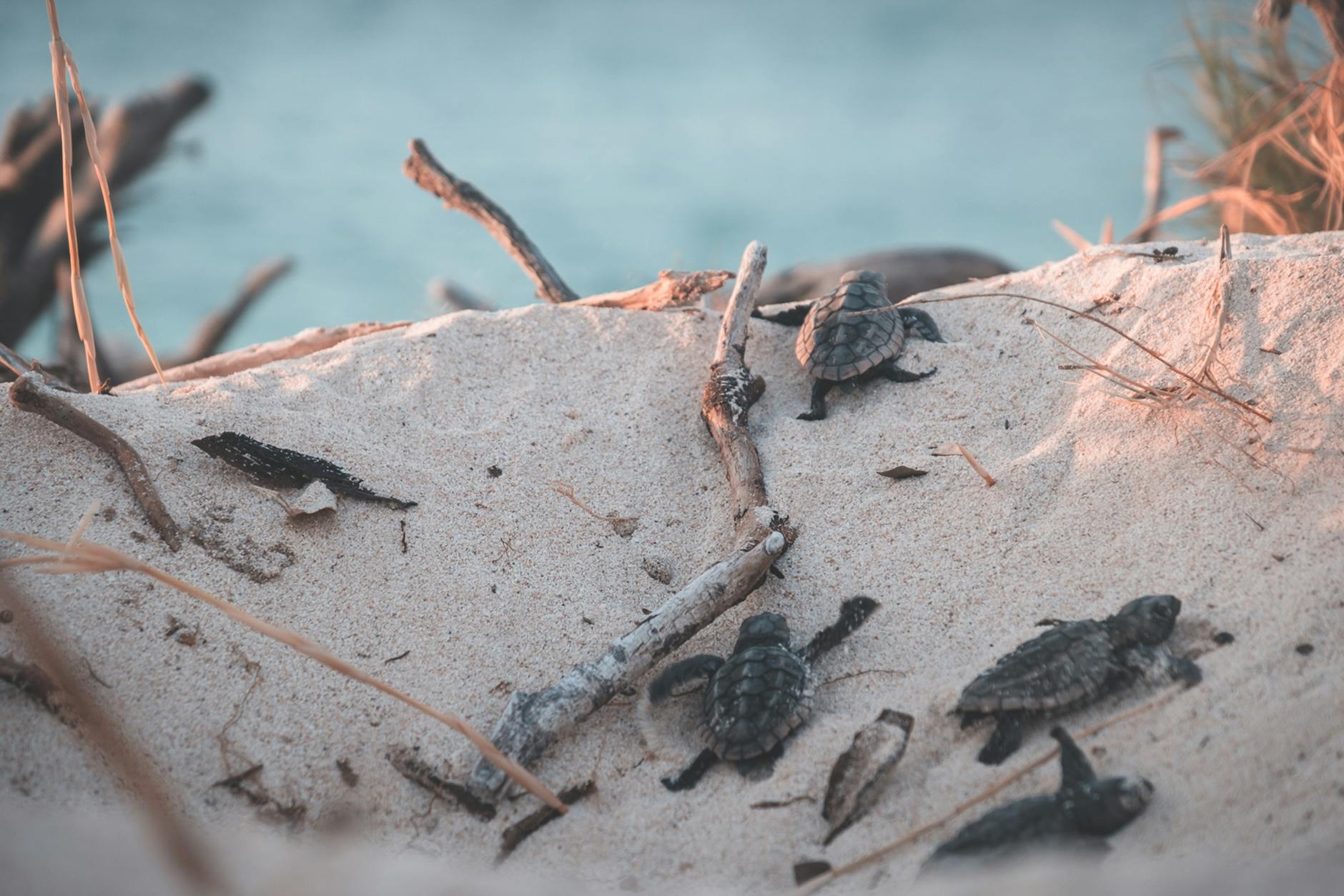
Here’s a fact that surprises most visitors: female sea turtles nest on Selingan Island every single night of the year. Not seasonally. Every night. That’s what makes Turtle Islands Park, located in the Sulu Sea approximately 40 kilometers north of Sandakan, one of the most reliable wildlife encounters in all of Southeast Asia. You are not coming here on a hope — you’re coming here on a near-certainty.
The Islands
The park comprises three islands — Selingan, Bakkungan Kecil, and Gulisan — gazetted as a marine protected area in 1977 and covering 1,740 hectares including the surrounding reefs and sea. Only Selingan is open to visitors. The other two islands are reserved exclusively for conservation research, and that exclusion is part of why the nesting activity remains so robust: the turtles have undisturbed beaches to return to year after year.
The Turtle Watching Experience
You reach Selingan by boat from Sandakan, a crossing of approximately 45 minutes across the Sulu Sea. Afternoons are free for swimming in the calm, warm shallows around the island, snorkeling over the reef where reef fish and the occasional passing turtle appear, and walking the compact island on foot — including the hatchery, where thousands of incubating eggs sit in protected sand pits at various stages of development.
After dinner in the communal dining hall, you wait. Rangers monitor the beach and signal when a turtle comes ashore. Under ranger guidance, you observe the female digging her nest chamber and depositing her eggs — a process that can take one to two hours and during which the turtle enters a trance-like state, allowing visitors to watch from close range without disturbing her. After laying, rangers carefully relocate the clutch to the protected hatchery. The eggs will incubate there under monitored conditions until hatching.
If timing aligns, you may also witness the release of newly hatched turtles into the sea. Watching a hundred palm-sized hatchlings scramble across sand and disappear into the surf is one of those moments that tends to produce unexpected emotion in even the most unsentimental travelers. Children are particularly affected — it tends to produce an immediate and lasting commitment to marine conservation.
Conservation Program
Sabah Parks has operated the Turtle Islands conservation program for decades. Full-time wardens live on the island year-round, monitoring every nest, tagging nesting females for long-term population research, and protecting clutches from predators and environmental threats. A turtle nest adoption program allows visitors to symbolically sponsor a nest and receive a certificate — a small but meaningful way to support the ongoing work.
The results of this sustained effort are visible in the nightly nesting activity. Green and hawksbill turtle populations in the Sulu Sea have benefited significantly from the decades of protection, and the Selingan program is cited internationally as a conservation model.
Practical Details
Advance booking is essential — only approximately 50 visitors per day are permitted on Selingan, and the park operates on overnight stays only since the nesting happens after dark. The island has 25 basic chalet rooms. Packages from Sandakan run RM850 to RM1,200 per person, covering boat transfers, accommodation, meals, and the guided nesting experience.
The calmest sea conditions for the boat crossing are from July through October, though turtles nest regardless of season. Pack personal essentials — facilities on the island are basic and there’s nowhere to buy forgotten items. Photography during nesting is permitted only with red-filtered light to avoid disorienting the nesting females.
Lankayan Island
Lankayan is a tiny coral island in the Sulu Sea, 90 minutes by speedboat from Sandakan and part of the Sugud Islands Marine Conservation Area — the first privately managed marine protected area in Sabah. It covers 46,317 hectares across three islands: Lankayan, Billean, and Tegapil. The conservation area has reversed damage from decades of destructive fishing, and the reefs have recovered to the point where Lankayan now ranks among the best diving destinations in Borneo.
Diving at Lankayan
Fourteen dive sites sit within minutes of the island. The range of species you can encounter across a single day of diving here is remarkable: giant groupers, barracuda schools, barrel sponges, nudibranchs, ghost pipefish, ribbon eels, and jawfish hovering above sandy burrows at Jawfish Lair. Froggy Lair, named for the frogfish and camouflage-specialists hiding among the coral, is a site that rewards slow, patient diving rather than covering distance.
The Lankayan Wreck — a deliberately sunk vessel resting at around 20 meters — has transformed into an artificial reef colonized by soft corals, anemones, and permanent schools of batfish. It photographs beautifully in both wide angle and macro. Most sites run 5 to 25 meters deep, making Lankayan accessible to divers of all experience levels.

The headline attraction at Lankayan is whale sharks. Between March and May, with April the peak month, these enormous plankton-feeders — the largest fish in the ocean at up to 12 meters — patrol the waters around the island near the surface. Divers and snorkelers can enter the water alongside them, maintaining respectful distance while these animals move through at their own unhurried pace. Whale shark encounters draw divers from across the world to this remote island, and the Sulu Sea sightings are considered among the most consistent in Southeast Asia during the season.
Green and hawksbill turtles also nest on Lankayan’s beaches, with peak nesting from June through September. Guests at the resort may witness both nesting and hatchling releases during this period.
Accommodation
Lankayan Island Dive Resort is the only accommodation on the island — 16 wooden beachfront chalets with a common dining area extending to a beach sundeck. The small scale keeps the atmosphere quiet and unhurried. Dive packages include accommodation, all meals, and multiple guided dives daily. There’s nowhere to go off-island in the evening, which turns out to suit most guests fine: the underwater life is tiring enough that an early night in a beachfront chalet with the sound of the Sulu Sea outside is not a hardship.
Best Time to Visit Borneo’s Islands
The dry season — roughly March through October — delivers the calmest seas and best underwater visibility across all four island groups. The November to February northeast monsoon brings rougher conditions and occasionally cancels boat services, particularly to the more exposed sites like Mantanani and Lankayan. That said, the timing varies enough by destination that a brief breakdown is more useful than a single blanket recommendation.
Tunku Abdul Rahman Marine Park operates year-round but shines from March through October. Monsoon seas occasionally disrupt services from November to February, though the five islands’ sheltered position moderates the impact.
Mantanani Islands are at their best from April through July for visibility and dive conditions. Dugong sightings peak September through November during mating season.
Turtle Islands Park accepts visitors year-round — turtles nest every night regardless of season. The calmest crossing conditions run from July through October.
Lankayan Island is a year-round dive destination. Whale shark season runs March through May. Turtle nesting peaks June through September.
Practical Information
Getting Around
Kota Kinabalu is the gateway for TARP and Mantanani. Sandakan is the departure point for Turtle Islands Park and Lankayan. Domestic flights between the two cities run multiple times daily and take around 45 minutes. The overland road journey takes approximately six hours. Most travelers find flying the more practical option if covering both coasts in a single trip.
Costs at a Glance
TARP island hopping day trips run RM100 to RM200 per person including transfers and snorkeling gear, plus the RM25 international park entry fee and RM7.50 terminal fee. Mantanani day trips cost RM250 to RM400. Turtle Islands overnight packages range from RM850 to RM1,200. Lankayan three-day, two-night dive packages start around RM2,500 including dives. All prices are per person.
What to Bring
Reef-safe sunscreen is the non-negotiable. Standard chemical sunscreens break down coral — use mineral-based alternatives. Add a rash guard for extended water time, a waterproof camera case or action camera, insect repellent for the evenings, any personal medications, and sufficient cash since none of these islands have ATMs. Your own mask and snorkel give you a better fit than rental equipment, though full gear is available at all dive resorts.
Marine Conservation
Every island in this guide sits within a protected marine area. The rules are simple and worth following: don’t touch or stand on coral, don’t feed marine life, take your rubbish back to the mainland, stay at least two to three meters from nesting turtles, and anchor only in sandy areas away from seagrass and reef. The biodiversity that makes these islands worth visiting exists because of decades of sustained conservation — visitor behavior is not a minor footnote to that story, it’s part of it.
How to Choose Between Borneo’s Islands
Spending a few days in Kota Kinabalu with limited time? TARP is the obvious call — accessible, varied, and genuinely rewarding even in a half-day visit. Add a Mantanani day trip if your schedule allows a second island experience in clearer, more remote waters.
Focused on wildlife? The Sandakan combination of Turtle Islands Park and Lankayan gives you back-to-back encounters with two of the ocean’s most compelling species — sea turtles and whale sharks — that are hard to rival anywhere in the region. Plan three to four nights in the Sandakan area to do both properly.
Serious divers should target Lankayan for whale shark season (March through May) or Mantanani for year-round macro life and exceptional visibility. Non-divers find the best accessible snorkeling at TARP’s Manukan and Sapi islands. Families are most comfortable at TARP, where the short boat ride, calm waters, and range of facilities reduce the logistical complexity. Children old enough to stay up past dark and keep quiet during a nesting observation will find the Turtle Islands experience unforgettable.
The borneo islands of Sabah cover enough ground — geographically and experientially — that no single visit exhausts them. If you’ve already made it to the peninsula and worked through a tioman island guide or explored the redang island guide for the best snorkeling on the east coast, or lingered on the northwest shores via a langkawi beaches guide, Borneo’s island offer something categorically different: wilder, less developed, and defined by marine wildlife rather than beach infrastructure. The water is colder, the sites more remote, and the encounters — dugongs, whale sharks, nesting turtles — carry more weight precisely because they aren’t curated. They happen on the ocean’s schedule, not a tour operator’s timetable. That’s what keeps people coming back.