Malaysia Travel Budget: Daily Costs, Money-Saving Tips & Price Breakdown
Complete 2026 Malaysia travel budget guide with daily costs for backpackers, mid-range, and luxury travelers. Covers accommodation, food, transportation, activities, money-saving tips, and price comparisons with Thailand and Vietnam.
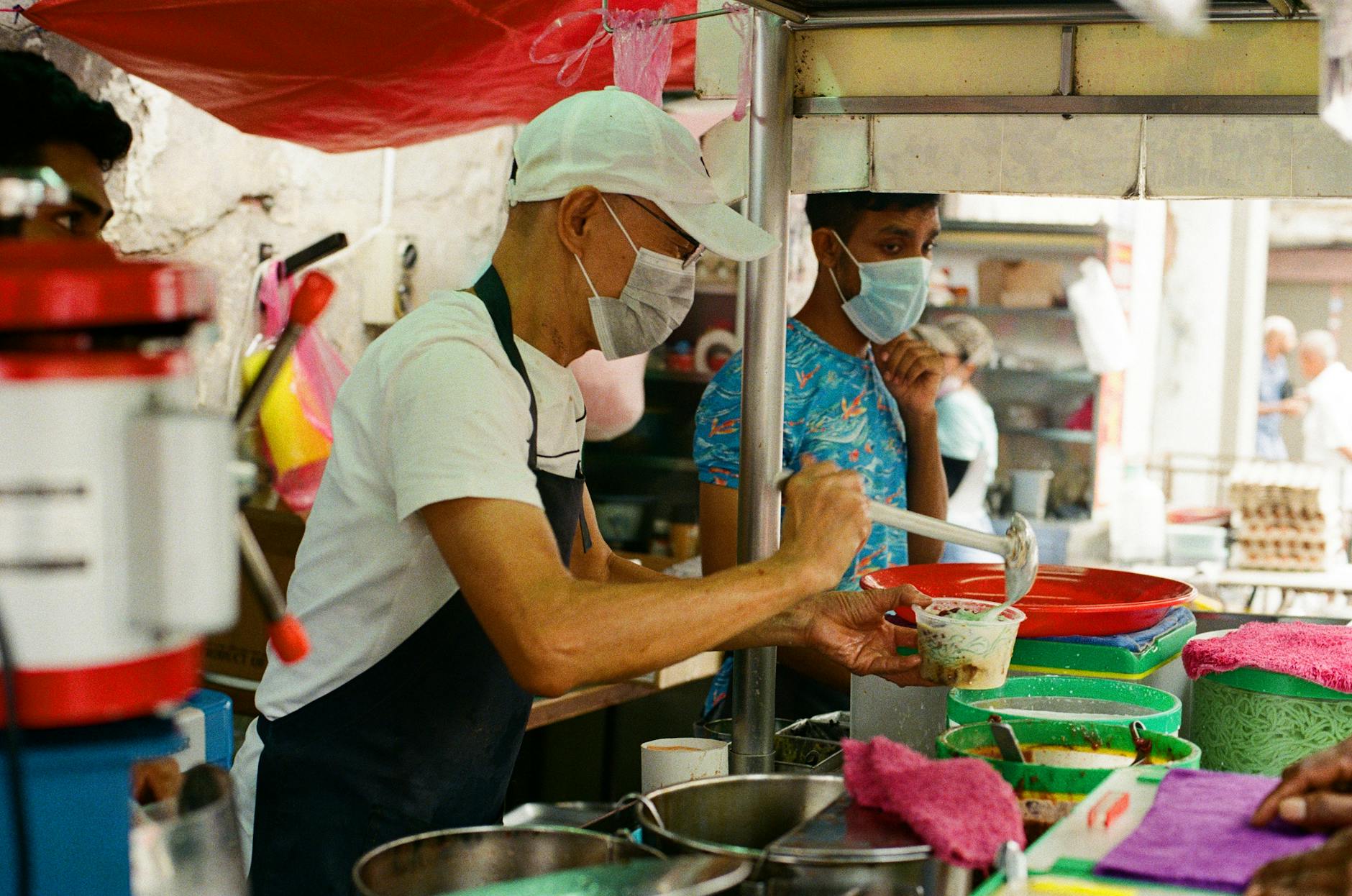
Here is the honest answer on what Malaysia costs: it is cheap. Not “cheap for Southeast Asia” cheap — genuinely cheap. A hawker stall meal that would cost USD 15 at a comparable restaurant in London or Sydney costs RM 8 to 12 here, which is under USD 3. Dorm beds in decent Kuala Lumpur hostels run USD 10 a night. A three-star hotel in Penang with a pool and breakfast commonly goes for USD 35 to 50. Once you factor in public transport that costs pennies, free beaches, and a food culture that rewards eating at street stalls rather than restaurants, your daily spend drops fast.
This guide gives you the actual 2026 numbers across every spending category: accommodation, food, transport, activities, and the exceptions that catch people out (mainly alcohol). Use it alongside the main malaysia travel guide to get the full planning picture, and read the best time to visit malaysia guide if you are still deciding on timing — shoulder season pricing makes a noticeable difference to the bottom line.
Malaysia Travel Budget at a Glance: Three Budget Tiers

Budget Backpacker: USD 30–50 / RM 140–230 Per Day
Hostel dorms, hawker stalls three meals a day, public transport everywhere, free and low-cost activities. Entirely achievable throughout Peninsular Malaysia. Borneo runs roughly 15 to 20 percent higher because of fewer budget options and pricier activities.
Mid-Range Traveller: USD 70–120 / RM 325–560 Per Day
Private hotel room with pool, a mix of hawker food and sit-down meals, Grab rides when convenient, paid attractions and organised tours. This is where Malaysia’s value hits hardest — what USD 100 a day buys here would cost USD 200 to 250 in Thailand’s beach resorts or Bali.
Luxury Traveller: USD 200+ / RM 930+ Per Day
Five-star resorts, fine dining, private tours, spa treatments. Malaysia’s luxury tier undercuts comparable quality in the Maldives, European beach resorts, or the Caribbean significantly — a world-class resort that charges USD 500 per night elsewhere often runs USD 150 to 250 in Langkawi.

Accommodation Costs in Malaysia (2026 Prices)
Accommodation is usually the largest single line item in a Malaysia travel budget. The range is wide, and the value at the mid level is exceptional.
Hostels and Dorm Beds
Malaysia has a strong hostel scene, particularly in Kuala Lumpur, Penang, Melaka, and the east coast islands. Dorm beds in well-reviewed hostels run RM 40 to 70 per night (USD 9 to 16), average around RM 45 (USD 10). Some KL and Penang hostels offer pod-style dorms with privacy curtains, personal reading lights, and USB charging for RM 50 per night — functional and clean without the sardine-tin feel.
Budget Guesthouses and Budget Hotels
Private rooms at guesthouses start around RM 80 to 150 per night (USD 18 to 34). Air conditioning, private bathroom, and Wi-Fi are standard at this level. In less-touristed towns like Ipoh or Kuala Terengganu, clean and comfortable budget rooms go for as low as RM 60.
Mid-Range Hotels (3-Star)
This is the sweet spot. A good three-star hotel in Kuala Lumpur costs RM 150 to 350 per night (USD 34 to 80) — a modern room, air conditioning, a pool, often breakfast included, and usually a central location. In Penang’s George Town, comparable rooms run RM 120 to 250; in Langkawi, RM 150 to 300. For the money, it is hard to find better value in Southeast Asia.
Luxury Hotels and Resorts (4–5 Star)
Premium hotels start from RM 500 per night (USD 115) and can push past RM 2,000 (USD 460) for the top-tier properties. Langkawi resorts in particular offer luxury at prices roughly half what comparable properties charge in the Maldives or French Polynesia.
Accommodation Prices by Region
- Kuala Lumpur: Most expensive city overall, but still affordable by any global measure. Expect to pay 10 to 20 percent above the national average.
- Penang (George Town): Slightly cheaper than KL, with excellent heritage guesthouses in restored shophouses offering character that chain hotels cannot match.
- Langkawi: Duty-free status helps some costs, but beachfront resort pricing pushes accommodation up, especially for sea-view rooms.
- Melaka: Very affordable, with heritage homestays and budget hotels offering strong value throughout the old town.
- Cameron Highlands: Mountain resort pricing — mid-range options cost slightly more than lowland equivalents.
- East coast islands (Perhentian, Redang, Tioman): Prices spike during peak season (March to October); many properties sell all-inclusive dive packages that bundle accommodation with meals and dives.
- Malaysian Borneo (Sabah, Sarawak): Generally 15 to 30 percent more expensive than Peninsular Malaysia for comparable rooms.
Food Costs in Malaysia (2026 Prices)
Food is where your malaysia travel budget stretches furthest, and where Malaysia genuinely outperforms every comparable destination. The hawker culture means world-class cooking at prices that feel almost implausible the first time you pay them.
Hawker Centre and Street Food Prices
Hawker centres — open-air food courts with dozens of independent stalls — are the backbone of Malaysian food culture. Here is what popular dishes cost in 2026:
- Nasi lemak (the national dish — coconut rice with sambal, anchovies, peanuts, egg): RM 3.50 to 6 (USD 0.80 to 1.40)
- Roti canai (flaky flatbread with curry or dhal): RM 1.50 to 3 (USD 0.35 to 0.70)
- Char kway teow (stir-fried flat rice noodles): RM 7 to 12 (USD 1.60 to 2.75)
- Nasi goreng (fried rice): RM 6 to 10 (USD 1.40 to 2.30)
- Satay (10 skewers with peanut sauce): RM 10 to 15 (USD 2.30 to 3.45)
- Laksa (spicy noodle soup, style varies by region): RM 6 to 10 (USD 1.40 to 2.30)
- Teh tarik (pulled milk tea): RM 2 to 3 (USD 0.45 to 0.70)
- Fresh fruit juice: RM 3 to 6 (USD 0.70 to 1.40)
A full hawker meal with a drink typically costs RM 8 to 15 (USD 1.85 to 3.45). Three satisfying meals a day for under RM 40 (USD 9) is genuinely achievable.
Restaurants (Mid-Range)
- Casual restaurant meal: RM 15 to 30 per person (USD 3.45 to 6.90)
- Mid-range restaurant for two: RM 80 to 150 (USD 18 to 35)
- Western food (burger, pizza, pasta): RM 25 to 50 per dish (USD 5.75 to 11.50)
- Fine dining: RM 150 to 300+ per person (USD 35 to 70+)
Alcohol Prices: The One Area That Bites
Malaysia taxes alcohol heavily as a Muslim-majority country. This is the one spending category that catches budget travellers off guard:
- Local beer at a bar: RM 15 to 25 per pint (USD 3.45 to 5.75)
- Imported beer at a bar: RM 20 to 35 (USD 4.60 to 8.05)
- Beer at a convenience store: RM 8 to 12 (USD 1.85 to 2.75)
- Cocktails: RM 30 to 60 (USD 6.90 to 13.80)
- Wine (bottle at a restaurant): RM 80 to 200+ (USD 18 to 46+)
Langkawi is the exception — duty-free status brings prices down significantly. A beer that costs RM 20 in KL might cost RM 8 to 10 in Langkawi. If alcohol is part of your daily travel spend, factor it in explicitly. It is also the single most effective way to cut costs if you are watching your budget.
Daily Food Budget Summary
- Budget (hawker stalls only): RM 35 to 50 per day (USD 8 to 12)
- Mid-range (mix of hawker and restaurants): RM 70 to 120 per day (USD 16 to 28)
- Luxury (restaurants and fine dining): RM 200+ per day (USD 46+)
Transportation Costs in Malaysia (2026 Prices)
Getting around Malaysia is efficient and affordable on the peninsula. For the full breakdown of options, routes, and how to book, read the getting around malaysia guide — here are the key numbers for budgeting.
Within Kuala Lumpur
- MRT/LRT single trip: RM 1.30 to 6.20 depending on distance (USD 0.30 to 1.43)
- Touch ‘n Go card: Reloadable tap card saving roughly 20 percent on all transit fares
- Grab ride within the city: RM 8 to 20 for most trips (USD 1.85 to 4.60)
Budget travellers using KL’s public transport all day rarely spend more than RM 15 on getting around.
Long-Distance Travel
- Long-distance bus KL to Penang: RM 30 to 55 (USD 6.90 to 12.65) — comfortable, air-conditioned coaches
- Long-distance bus KL to Melaka: RM 12 to 20 (USD 2.75 to 4.60) — about two hours
- ETS train KL to Penang/Ipoh: RM 40 to 80 (USD 9.20 to 18.40) — modern, fast, scenic
- Domestic flights: RM 100 to 350+ one way (USD 23 to 80+) — book early on AirAsia for the best prices
- Ferry to islands: RM 35 to 70 return (USD 8 to 16) — varies by island
Book AirAsia domestic flights two to three months out. Early-bird fares on popular routes can go as low as RM 50 to 80 one way (USD 12 to 18), which is often cheaper and faster than the bus for longer distances.
Car Rental
- Economy car rental: RM 80 to 150 per day (USD 18 to 35) including basic insurance
- Petrol: RM 2.05 per litre for RON 95 (government-subsidised, among the cheapest in the region)
- Tolls: RM 10 to 30 between major cities
Renting makes sense for Cameron Highlands, Langkawi, and large parts of Borneo where public transport is thin. Malaysia drives on the left. Highways on the peninsula are modern and well-maintained.
Daily Transportation Budget Summary
- Budget (public transport only): RM 15 to 30 per day (USD 3.45 to 6.90)
- Mid-range (transit plus Grab): RM 40 to 80 per day (USD 9.20 to 18.40)
- Luxury (Grab, private car, domestic flights): RM 100 to 300+ per day (USD 23 to 69+)
Activities and Attractions Costs
Free and Low-Cost Activities
- Batu Caves (Hindu temple with 272 rainbow steps): Free entry
- Perdana Botanical Gardens (KL’s city park): Free
- Penang street art walk (George Town’s famous murals): Free
- Mosques and temples (most are free with appropriate dress): Free
- Night markets/pasar malam: Free to browse; food starts at RM 3
- Beaches (Langkawi, Perhentian, Tioman): Free
- Walking tours (KL, Penang, Melaka): Free, tips appreciated
Popular Paid Attractions
- Petronas Twin Towers observation deck: RM 80 adult / RM 33 child (USD 18/8)
- KL Tower: RM 52 adult (USD 12)
- Batu Caves Dark Cave tour: RM 35 (USD 8)
- Penang Hill funicular: RM 30 for foreigners (USD 7)
- Kinabalu National Park entry: RM 15 — climbing permit separate at RM 200+
- Taman Negara National Park: RM 1 entry + activity fees (canopy walk RM 5, boat hire RM 40+)
Adventure Activities
- PADI Open Water diving course: RM 1,000 to 2,000 (USD 230 to 460) for 3 to 4 days, all equipment — Tioman and Perhentian are among the cheapest certification spots in the world
- Fun dives for certified divers: RM 80 to 150 per dive (USD 18 to 35)
- Snorkelling day trip: RM 40 to 100 (USD 9 to 23) with equipment
- White-water rafting (Gopeng): RM 150 to 250 (USD 35 to 58)
- Langkawi island hopping tour: RM 35 to 80 (USD 8 to 18)
- Cameron Highlands tour (tea estates and Mossy Forest): RM 80 to 150 (USD 18 to 35)
- Mount Kinabalu climb (2 days, 1 night): RM 800 to 1,500 (USD 185 to 345) depending on package
Complete Daily Budget Breakdown by Travel Style
Budget Backpacker: RM 140–230 / USD 30–50 Per Day
| Category | Daily Cost (RM) | Daily Cost (USD) |
|---|---|---|
| Accommodation (hostel dorm) | 45–70 | 10–16 |
| Food (hawker centres) | 35–50 | 8–12 |
| Transport (public) | 15–30 | 3.50–7 |
| Activities (mostly free) | 10–30 | 2.30–7 |
| Miscellaneous | 15–30 | 3.50–7 |
| Daily Total | 120–210 | 27–49 |
Hostel dorm, three hawker meals, MRT and buses, free temples and street art, the occasional paid activity. Comfortable rather than spartan — Malaysia’s hawker food is world-class, and many of the country’s best experiences cost nothing.
Mid-Range Traveller: RM 325–560 / USD 70–120 Per Day
| Category | Daily Cost (RM) | Daily Cost (USD) |
|---|---|---|
| Accommodation (3-star hotel) | 150–300 | 35–69 |
| Food (hawker plus restaurants) | 70–120 | 16–28 |
| Transport (transit plus Grab) | 40–60 | 9–14 |
| Activities (attractions and tours) | 50–100 | 12–23 |
| Miscellaneous | 30–50 | 7–12 |
| Daily Total | 340–630 | 79–146 |
Private hotel room with pool, a breakfast included, a mix of hawker stalls and sit-down meals, Grab when convenient, a guided tour every few days. This is where Malaysia’s value is hardest to match anywhere else in the region.

How Malaysia Compares to Other Southeast Asian Destinations
Malaysia vs. Thailand
Broadly comparable overall. Malaysia edges cheaper on accommodation and internal transport — petrol is government-subsidised, and trains and buses are competitively priced. Thailand is marginally cheaper for food and significantly cheaper for alcohol. For mid-range travellers, Malaysia often delivers better value because the infrastructure quality is higher at similar price points.
Malaysia vs. Vietnam
Vietnam is the cheapest mainstream destination in Southeast Asia — backpacker daily budgets there can dip to USD 25 versus Malaysia’s USD 30 to 35. But Malaysia trades better English proficiency, stronger infrastructure, and a wider range of mid-to-luxury options that Vietnam cannot yet match at the same price level.
Malaysia vs. Singapore
No contest. Malaysia is dramatically cheaper than Singapore across every category. A mid-range day in Singapore costs two to three times what it costs in Malaysia. Many travellers combine the two countries, spending the bulk of their time and money in Malaysia and doing a short stop in Singapore for the contrast.
Money-Saving Tips for Your Malaysia Travel Budget
Accommodation Savings
- Book early for peak season (December to February, school holidays). Prices can double around Chinese New Year.
- Check direct hotel pricing alongside booking platforms — smaller guesthouses in Penang and Melaka often offer 10 to 20 percent off for direct bookings.
- Heritage guesthouses in George Town and Melaka old town frequently cost less than comparable chain hotels and have far more character.
- For stays of a week or more, Airbnb weekly rates can cut the nightly cost by 30 to 50 percent.
Food Savings
- Eat where locals eat. A queue of Malaysians at a hawker stall means the food is both cheap and good.
- Mamak stalls for breakfast — roti canai and teh tarik for under RM 5 is one of the best-value meals in the country.
- Drink water, not alcohol. Bottled water costs RM 1 to 2; cutting alcohol saves RM 50 to 100 a day for heavy drinkers.
- Night markets (pasar malam) for dinner — most items cost RM 3 to 10 and the variety is excellent.
- Avoid Western restaurant food. A burger at a chain costs three to four times more than a hawker meal and is rarely better.
Transport Savings
- Get a Touch ‘n Go card on day one — it works on all KL public transit and saves around 20 percent per ride.
- Use AirAsia for domestic flights, booked six to eight weeks ahead. Flash sales regularly offer routes for RM 50 to 80.
- Overnight buses between cities save on both transport and a night’s accommodation.
- Grab for urban rides — transparent pricing upfront, no meter haggling.
General Money Tips
- No tipping required — Malaysia has no tipping culture. Most restaurants add a 10 percent service charge.
- Visit Langkawi for duty-free shopping — alcohol, chocolate, and cosmetics are meaningfully cheaper here.
- Travel in shoulder season (March to April or September to October) for lower prices and thinner crowds.
- Withdraw cash from ATMs with a travel debit card (Wise or Revolut) rather than using airport money changers. The malaysian ringgit exchange rate guide covers where to find the best rates in KL and Penang.
- For what to budget around safety and insurance considerations, the is malaysia safe guide covers the practical risk landscape and what coverage to look for.
Sample Malaysia Travel Budget for Common Trip Lengths
7-Day Trip (Peninsular Malaysia)
| Budget Tier | Total Estimate (USD) |
|---|---|
| Backpacker | $210–350 |
| Mid-range | $500–850 |
| Luxury | $1,400–2,800+ |
A seven-day itinerary typically covers KL (2 to 3 nights) plus Penang or Melaka (2 to 3 nights) plus Cameron Highlands or Langkawi (2 nights).
14-Day Trip (Peninsular Malaysia)
| Budget Tier | Total Estimate (USD) |
|---|---|
| Backpacker | $420–700 |
| Mid-range | $1,000–1,700 |
| Luxury | $2,800–5,600+ |
21-Day Trip (Peninsular + Borneo)
| Budget Tier | Total Estimate (USD) |
|---|---|
| Backpacker | $700–1,200 |
| Mid-range | $1,600–2,800 |
| Luxury | $4,200–8,400+ |
Peninsular highlights for 14 days, then Kota Kinabalu area for 4 days and Kuching/Sarawak for 3 days. Borneo adds roughly 20 to 40 percent to your daily spend because of higher accommodation costs and pricier activity permits — Sipadan dive permits and Kinabalu climbing fees are non-negotiable costs that push the budget up.
What Is Not Included in These Budgets
The figures above cover in-country daily spending only. Factor these separately:
- International flights: Anywhere from USD 300 return from nearby Asian cities to USD 800 to 1,500+ from Europe or North America
- Travel insurance: USD 30 to 80 for a two-week policy — not mandatory but strongly recommended
- Visa fees: Free for most nationalities; eVisa costs approximately USD 27 for those who need one
- MDAC: Free, but mandatory digital arrival card for all foreign nationals
- Shopping and souvenirs: Highly personal — budget RM 100 to 500+ depending on habits
Before you go, confirm your visa requirements and understand the MDAC process in the malaysia visa requirements guide — it takes ten minutes and the MDAC is free.
Final Thoughts: Is Malaysia Worth the Money?
Malaysia is one of the genuinely outstanding value destinations on earth. First-world infrastructure, extraordinary food, stunning natural variety — rainforest, coral reef, colonial cities, highland tea estates — warm hospitality, and prices that stay low at every tier. A mid-range traveller comfortable at USD 70 to 120 a day gets a quality of experience that would cost twice that in Thailand’s more famous beach resorts or Bali’s tourist core. A backpacker at USD 30 to 50 eats well, sleeps fine, and sees the country without material hardship.
Add the no-tipping culture, the subsidised petrol, the duty-free island of Langkawi, and a strong public transport network in the major cities, and the case for Malaysia as a destination where your budget actually works for you rather than against you becomes hard to argue with.
1 note