Malaysia Currency Guide: Exchange Rates, ATMs & Money Tips (2026)
Complete guide to the Malaysian ringgit exchange rate, ATMs, credit cards, money changers, digital wallets, tipping etiquette, and how to avoid currency scams in Malaysia in 2026.
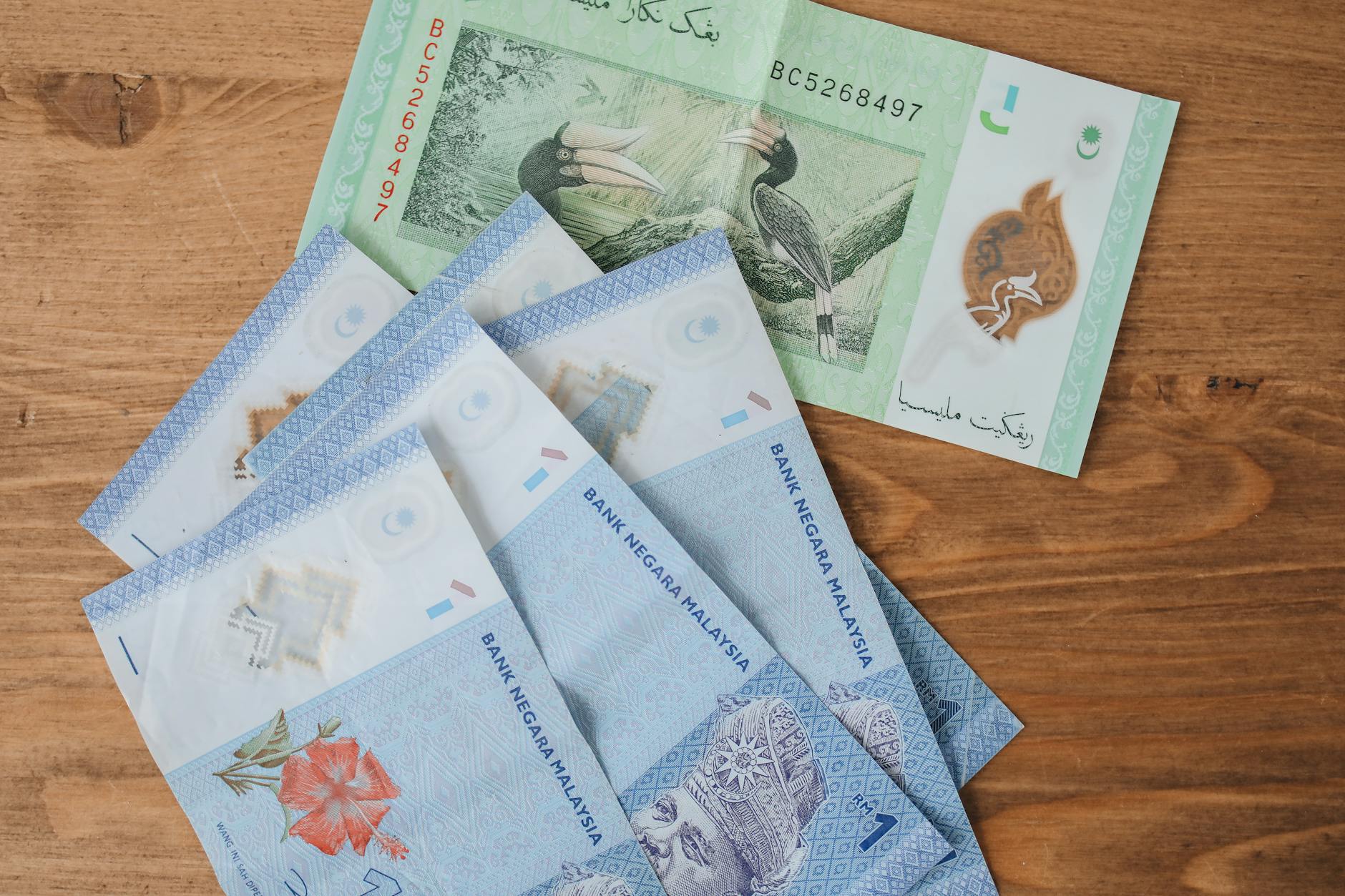
Managing your money well is one of the fastest ways to stretch your budget in Malaysia. The Malaysian ringgit (MYR, abbreviated locally as RM) is the official currency, and knowing where to exchange, which cards to carry, and how to sidestep the most common fee traps can save you a meaningful amount across even a two-week trip. This guide covers everything: current exchange rates, the best places to get ringgit, ATM strategy, card tips, digital wallets, tipping, and what things actually cost on the ground in 2026.
Before diving into money specifics, check the best time to visit malaysia guide for seasonal context — costs shift with high and low season — and the malaysia visa requirements page for entry documentation you will need to have sorted before you land.

Understanding the Malaysian Ringgit Exchange Rate
The ringgit (pronounced “ring-git”) is divided into 100 sen. Banknotes come in RM1, RM5, RM10, RM20, RM50, and RM100 denominations. Coins come in 5, 10, 20, and 50 sen (the 1 sen coin was retired in 2008). As of June 2026, approximate exchange rates are:
- 1 USD = RM4.03
- 1 EUR = RM4.59
- 1 GBP = RM5.30
- 1 AUD = RM2.76
- 1 SGD = RM3.13
- 1 CAD = RM2.88
Rates move daily — check XE.com or Wise for live rates before any currency decisions. A useful rule of thumb for USD holders: divide ringgit prices by 4 to get the rough dollar equivalent — a RM40 meal is about $10. The ringgit has traded in a RM4.00 to RM4.70 range against the dollar over the past two years, meaning Malaysia remains excellent value for visitors from Western countries.
Where to Exchange Currency
Money Changers — Best Rates
Licensed money changers in shopping malls and commercial areas consistently offer the best rates in Malaysia. In KL, look in Mid Valley Megamall, Suria KLCC, and along Jalan Bukit Bintang. In Penang, Komtar and Georgetown’s Little India area have competitive options. Money changers earn from the spread between buy and sell rates — no hidden commissions — but rates vary between changers, so comparing two or three is worthwhile for amounts over RM500. CashChanger.co lets you compare live rates before you visit.
Banks
Malaysian banks (Maybank, CIMB, Public Bank, Hong Leong) offer currency exchange at less competitive rates than money changers, often with an added transaction fee. They are a reliable and fully regulated fallback if you cannot find a money changer — Bank Negara Malaysia oversees all licensed banks — but not the best value for large exchanges.
Airports
KLIA and KLIA2 exchange counters are convenient when you land but offer the worst rates — commissions of 5 to 15 percent above mid-market are common. Exchange only enough at the airport to cover your first taxi or train fare (RM100 to RM200 is sufficient), then exchange the rest at a money changer in the city.
Hotels
Hotel front desks exchange currency at rates worse than both banks and money changers. Avoid unless it is the only option available.
Best Strategy
For most tourists, the most cost-effective approach is to use ATM withdrawals and card payments as the primary spending method, and treat physical currency exchange as a supplement for hawker stalls, markets, and cash-only situations. Arriving with a small amount of ringgit or USD for the first hour is sensible, but you should not rely on physical exchange desks for the bulk of your spending money.
ATMs in Malaysia: Fees, Limits, and Tips
ATMs are everywhere in Malaysian cities — shopping malls, airports, petrol stations, 7-Elevens, and on most urban streets. Availability decreases in rural Borneo, but in any town or tourist area you will have no trouble finding one.
Which Banks to Use
Maybank (yellow ATMs — largest network in the country), CIMB (red ATMs), Public Bank, RHB, Hong Leong, HSBC, and OCBC all accept international Visa, Mastercard, Cirrus, Maestro, and Plus cards. Maybank and CIMB are the easiest to find countrywide. Check the card network logos on the ATM before inserting.
ATM Fees
Most Malaysian bank ATMs charge a convenience fee of approximately RM8 to RM12 (about $2 to $3 USD) per international withdrawal. On top of that, your home bank will likely charge its own international ATM fee (typically $2 to $5) plus a foreign currency conversion fee (1 to 3 percent). Check your bank’s fee structure before you travel. Some banks reimburse international ATM fees — if yours does, this is the cheapest way to access cash in Malaysia.
Withdrawal Limits
Most Malaysian ATMs cap withdrawals at RM1,000 to RM1,500 per transaction (approximately $250 to $375 USD). Your home bank’s daily limit may be lower. You can typically make multiple withdrawals at the same machine if needed.
Critical ATM Tip: Decline Dynamic Currency Conversion
This is the single most important ATM advice for any tourist in Malaysia. When you withdraw cash, the ATM may ask whether you want to be charged in your home currency (USD, GBP, EUR etc.) instead of ringgit. Always select “decline conversion” or “charge in MYR.” Dynamic Currency Conversion (DCC) uses the ATM operator’s exchange rate, which is typically 3 to 7 percent worse than your own bank’s rate. Declining lets your home bank handle the conversion at their much better rate. The same applies at merchant card terminals — always choose to pay in ringgit, never in your home currency.
ATM Safety
Use ATMs inside bank branches or shopping malls rather than standalone machines on quiet streets. Check the card slot and keypad for anything loose or unusual before inserting. Cover the keypad when entering your PIN. Notify your home bank of your travel dates so your card is not blocked for suspected fraud when Malaysian transactions appear. If an ATM retains your card, report it to the bank immediately using the number displayed on the machine.
Credit and Debit Cards
Card Acceptance
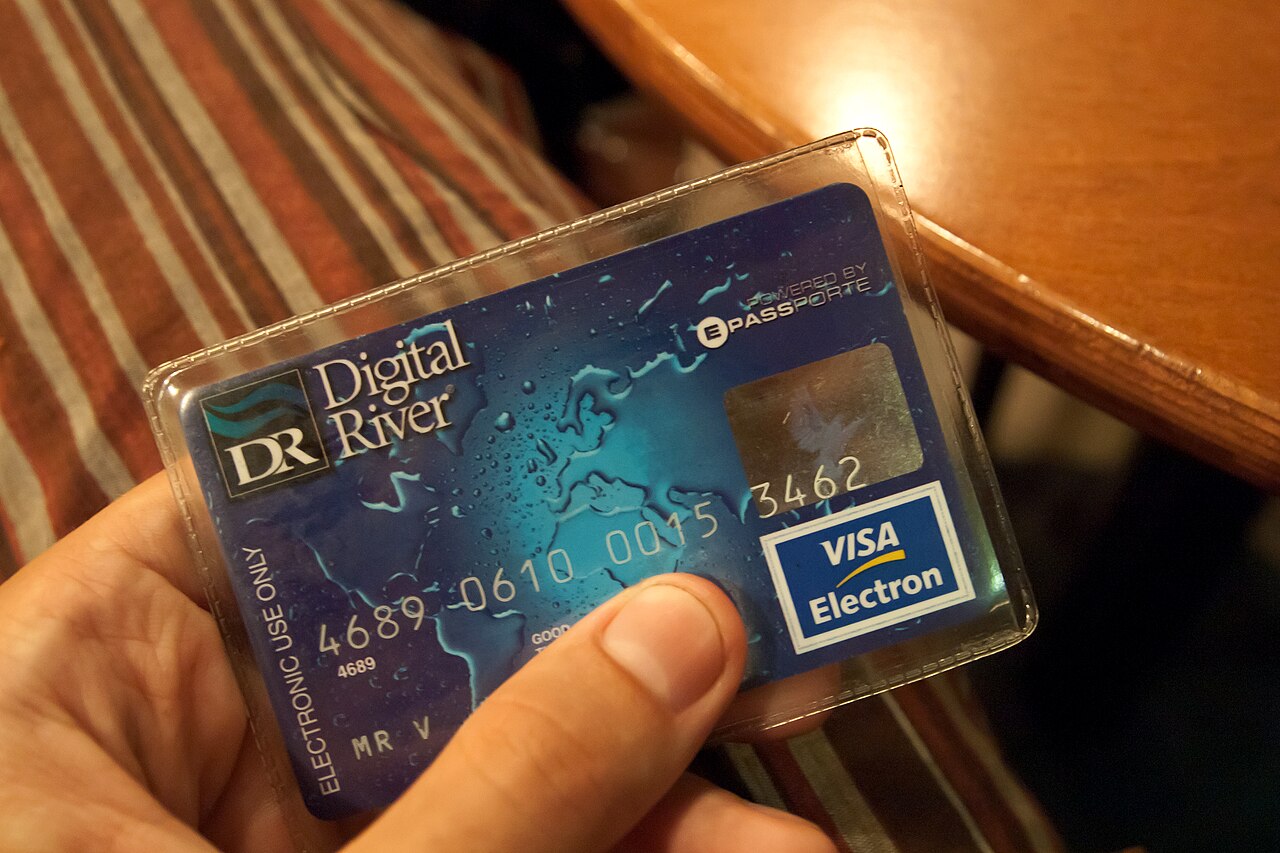
Visa and Mastercard are accepted almost everywhere in urban Malaysia — hotels, shopping malls, mid-to-high-end restaurants, chain stores, supermarkets, petrol stations, and most tourist attractions. Contactless payment via Visa PayWave and Mastercard Contactless is standard; tap to pay at most counters. American Express works at major hotels and larger retailers but has limited acceptance at smaller businesses — always carry a Visa or Mastercard as backup.
Where Cards Are Not Accepted
Despite Malaysia’s strong shift toward cashless payments, cash is still essential at hawker stalls and street food vendors (the vast majority are cash-only), night markets, local wet markets, small family-run shops in rural areas, some local buses and ferries, and temple donation boxes. The rule of thumb: street food and market shopping mean cash; shopping malls and hotels mean cards work fine.
Foreign Transaction Fees
Most standard credit and debit cards charge a foreign transaction fee of 1 to 3 percent on purchases made in a foreign currency. Over a two-week trip these fees add up. Getting a travel-focused card that waives foreign transaction fees before you fly saves a meaningful amount — particularly if you are putting hotel bills and domestic flights on the card.
Best Cards for Malaysia
Wise (formerly TransferWise) offers a multi-currency debit card that converts at the mid-market rate with low transparent fees. Preload Malaysian ringgit before your trip and spend without conversion markup — the physical card costs approximately RM14 to order. Revolut offers similar features for visitors from the UK, EU, US, and Australia. Any credit card with no foreign transaction fee saves you 1 to 3 percent on every purchase compared to standard cards — worth getting before a longer trip.
Touch ‘n Go and Digital Wallets
Malaysia’s digital payment ecosystem is well-developed and tourists can now participate in it more easily than before.
Touch ‘n Go eWallet
The Touch ‘n Go (TnG) eWallet is Malaysia’s most widely used digital wallet, accepted at over 2 million merchants. As of 2026, international tourists from ASEAN countries can register using a foreign mobile number. A prepaid Visa card linked to your TnG balance supports contactless Visa PayWave payments. For public transport — MRT, LRT, highway tolls — TnG is indispensable. The full breakdown of how it integrates with transport is in the getting around malaysia guide.
Physical Touch ‘n Go Card
Separate from the eWallet, the physical TnG stored-value card works for highway tolls, public parking, and some transport. Buy one at 7-Eleven, 99 Speedmart, petrol stations, or major transit stations for RM10. Many toll plazas no longer accept cash, making a physical TnG card close to essential if you are renting a car. The physical card and eWallet are separate products — top up one does not credit the other, though you can link them in the app.
GrabPay, Boost, and DuitNow
GrabPay integrates payment for Grab rides, food delivery, and an increasing number of retail merchants — top it up with your international credit card. Boost is another Malaysian e-wallet, less essential for tourists than TnG or GrabPay but worth knowing for its occasional cashback promotions at participating merchants. DuitNow QR is the national QR payment standard working across all participating banks and wallets; some international banks have DuitNow partnerships through the ASEAN cross-border QR network. Check with your bank before traveling to see if you can pay directly from your home banking app.
Customs Rules for Carrying Cash
Carrying more than RM30,000 in ringgit (or the equivalent of USD10,000 in foreign currency) into Malaysia requires customs declaration. For most tourists this is irrelevant. The most exchangeable foreign currencies are US dollars, euros, British pounds, Singapore dollars, and Australian dollars — USD and SGD tend to get the best rates at money changers. Never bring foreign coins; Malaysian money changers accept banknotes only.
Tipping in Malaysia
Tipping is not customary in Malaysian culture. Most restaurants, hotels and bars add a 10% service charge plus service tax, shown on menus and rate cards as “++”. The rate depends on what you are buying: service tax on accommodation is 8%, raised from 6% on 1 March 2024, while food and beverage stayed at 6% — so a single hotel bill can legitimately show both rates. When a service charge is included, no additional tip is expected or needed.
For situations without a service charge: hotel bellboys RM5 to RM10, hotel housekeeping RM5 to RM10 per night (appreciated but not expected), tour guides and drivers RM10 to RM20 per person per day for good service, spa therapists RM10 to RM20. At hawker stalls, rounding up or leaving small change is fine — large tips cause confusion. Always tip in ringgit rather than foreign currency.
How Much Cash to Carry
KL, Penang, Melaka: RM100 to RM200 in small bills (RM5, RM10, RM20) covers street food, markets, and small purchases. Cards and e-wallets handle the rest.
Island and beach destinations (Langkawi, Perhentian, Tioman): Carry RM300 to RM500. ATMs may be limited and beach-side businesses are often cash-only.
Rural Borneo: Carry RM500 or more. ATMs are scarce outside major towns and card acceptance is minimal in villages.
Keep cash in multiple locations — wallet, money belt, and hotel safe — so losing one does not leave you stranded. For a full picture of what a Malaysia trip costs across different budget levels, the malaysia travel budget guide has detailed daily cost breakdowns by traveller type.
Avoiding Money Scams and Fraud
Rigged exchange rates: Some unlicensed money changers display attractive rates then apply a different rate at the counter or miscalculate the amount. Confirm the rate and total before handing over money and count your cash before leaving the counter.
ATM skimming: Not widespread, but skimming devices have been found on machines in tourist areas. Check the card slot and keypad for anything unusual before using. Prefer ATMs inside bank branches over standalone machines on the street.
Dynamic Currency Conversion: As covered above — always pay in ringgit at ATMs and card terminals.
Counterfeit notes: Counterfeit RM50 and RM100 notes circulate occasionally. Genuine Malaysian notes have a watermark, security thread, and colour-shifting ink on the denomination numeral. If you receive a note that looks or feels wrong, compare it with a known genuine note before accepting it. For the full picture on staying safe from financial and other scams, read the is malaysia safe guide.
What Things Cost in Malaysia: 2026 Price Examples
To calibrate your budget against the ringgit exchange rate, here are typical prices as of 2026:
Food: nasi lemak at a hawker stall RM5 to RM8 (~$1.25 to $2 USD); bowl of laksa or char kway teow RM8 to RM12; meal at a mid-range restaurant with a drink RM30 to RM60 per person; latte at a cafe RM12 to RM18; can of soft drink from a convenience store RM2 to RM3.
Transport: single MRT or LRT trip in KL RM1.20 to RM6.40; Grab ride across the city centre RM10 to RM25; domestic flight KL to Penang or Langkawi RM80 to RM200 one way depending on advance booking. Full transport options and costs are in the getting around malaysia guide.
Accommodation: hostel dorm bed RM30 to RM60 per night; mid-range hotel room RM150 to RM350; luxury hotel or resort RM400 to RM1,200 or more.
Attractions: Batu Caves is free; Petronas Twin Towers Skybridge RM98; national parks RM5 to RM30 for foreign visitors.
A couple traveling on a comfortable mid-range budget can expect RM300 to RM500 per day (~$75 to $125 USD) covering accommodation, meals, transport, and activities — exceptional value by Western standards. For the full breakdown across budget tiers, see the malaysia travel budget guide.
Quick Reference: Money Tips for Malaysia
Bring a Visa or Mastercard with no foreign transaction fees as your primary payment method. Download the Grab app and link your card for rides and food. Get a Touch ‘n Go card or eWallet for public transport and tolls. Use Maybank or CIMB ATMs and always decline Dynamic Currency Conversion. Carry RM100 to RM500 in small bills for markets, street food, and rural areas. Exchange physical currency at mall money changers for the best rates. Do not tip where a 10% service charge is already on the bill.
With the current ringgit exchange rate favourable for visitors from Western countries, Malaysia combines affordable prices, widespread card acceptance, and easy ATM access into one of the most financially convenient destinations in Southeast Asia. For everything else you need before your trip, the complete malaysia travel guide covers logistics, timing, and what to expect on the ground.
Seasonal and Regional Money Considerations
A few money-related factors shift depending on when and where you travel in Malaysia:
Peak vs low season pricing: Malaysia’s peak tourist seasons (December to February for most of the peninsula, July to August for the east coast islands) bring higher hotel rates and some seasonal surcharges at popular resorts. If you are flexible on timing, traveling during shoulder season can cut accommodation costs by 20 to 40 percent compared to peak weeks. The best time to visit malaysia guide breaks down the seasonal price patterns by region.
Public holidays and festivals: During major Malaysian public holidays — Hari Raya Aidilfitri, Chinese New Year, and Deepavali — domestic travel surges and prices for accommodation, flights, and long-distance buses spike significantly. Book and pay for transport and hotels weeks in advance around these dates. Cash demand also increases as Malaysians travel home; ATM queues can be long and machines run out of notes in smaller towns. Have a cash buffer ready.
Island versus city costs: Resort islands like Langkawi and the Perhentians operate on a tourist economy where prices for accommodation, food, and activities run higher than the peninsula mainland. A meal that costs RM10 at a KL hawker stall might be RM25 to RM35 at a beach cafe on Tioman. Factor this into your daily budget expectations before arriving at island destinations.
Borneo versus peninsular Malaysia: Kota Kinabalu, Kuching, and the main Borneo cities have comparable costs to KL for hotels and restaurants. But organised nature activities — Kinabalu Park hiking permits, river safaris, proboscis monkey boat tours — carry significant fees that can add RM100 to RM400 per person per activity to your daily spend. If Borneo wildlife and jungle activities are the centrepiece of your trip, budget for them specifically rather than assuming they are covered by a standard daily allowance.
Sending Money Home or Receiving Transfers
If you need to receive a money transfer while in Malaysia — from family at home in an emergency, for example — the easiest options are Wise (formerly TransferWise) and Western Union. Both have established networks in Malaysia. Wise transfers arrive in Malaysian bank accounts within one to two business days at competitive exchange rates. Western Union has agent locations at many convenience stores, post offices (Pos Malaysia), and banks for cash pickup.
For sending ringgit back home, licensed money changers and banks can arrange outward remittances. Amounts above RM10,000 require documentation under Bank Negara Malaysia’s foreign exchange administration rules. For smaller personal amounts, Wise or Revolut are typically the most cost-efficient options.
One important note: Malaysia restricts outward remittance of ringgit by non-residents beyond certain thresholds. If you have accumulated ringgit that you want to convert and take home, do this before leaving — converting at your home country is generally difficult since ringgit is not widely traded internationally. Spend your remaining ringgit on last-day shopping, duty-free purchases at the airport, or convert back to your home currency at a money changer in KL before departure. For connectivity while managing payments on the go, the malaysia sim card guide covers how to stay connected affordably throughout your trip.
Budgeting for Different Travel Styles
Understanding what your ringgit actually buys across different budgeting approaches helps you plan more accurately before you land. Budget travellers staying in hostels, eating exclusively at hawker stalls and mamak restaurants, and using public transport can manage comfortably on RM100 to RM150 per person per day — roughly $25 to $37 USD. That covers a dorm bed (RM40 to RM60), three meals at hawker stalls (RM30 to RM50 total), bus and MRT fares, and a coffee or two.
Mid-range travellers in a private hotel room, eating a mix of hawker stalls and sit-down restaurants, and taking the occasional Grab ride should budget RM250 to RM400 per person per day — around $60 to $100 USD. This bracket covers the vast majority of independent tourist trips. A decent hotel room runs RM150 to RM250 for a double, varied eating adds RM60 to RM100 per day, local tours or entry fees RM30 to RM80, and transport another RM20 to RM50.
Upmarket travellers in 4-star and 5-star hotels, eating at restaurants, and booking private transfers can spend RM600 to RM1,500 per person per day or more. Malaysia’s luxury market is genuinely good value compared to equivalent hotels in Europe or Singapore — a five-star room in KL at RM800 per night would cost three times that in London. The ringgit’s relative weakness against major Western currencies has made comfortable travel in Malaysia particularly attractive in 2025 and 2026.
Keeping Track of Your Spending in Malaysia
Malaysia’s mix of cash-heavy street markets and card-friendly shopping malls can make it easy to lose track of what you are spending. A few simple habits help. Set a daily cash allowance for hawker stalls and markets and replenish from ATMs rather than carrying a large float. Use your banking app’s notification feature so every card transaction pings you in real time — most major banks and travel cards support this. Check your statements every two or three days rather than waiting until you get home; catching a skimmed card charge early makes it far easier to dispute.
Currency conversion apps like Wise and XE let you enter a ringgit price and see the equivalent in your home currency instantly — useful at markets where price negotiation is expected, so you know whether a RM80 silk scarf is genuinely a bargain or just sounds like one. Over a longer trip, keeping a simple daily note of what you spent and in which category (food, transport, accommodation, activities) quickly reveals where your money is going and where you can trim. Most travellers find that food costs far less than expected and activities or organised tours are where the budget unexpectedly climbs.
1 note