Airbnb in Malaysia: Best Vacation Rentals & Apartment Stays (2026)
Airbnb in Malaysia isn't a flat yes or no — it's a three-layer legal test, plus real MYR pricing across KLCC, Bukit Bintang and Georgetown, and the guest safety checklist no one else has written.
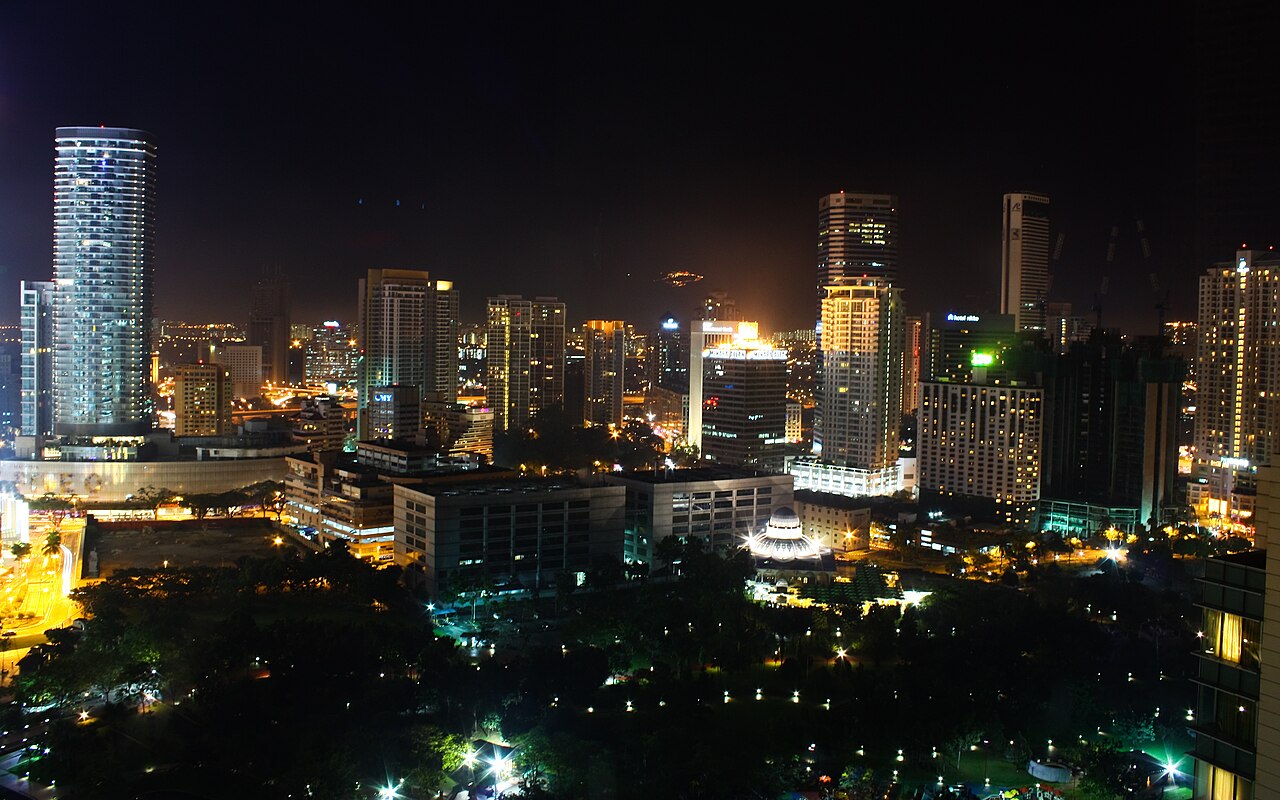
Airbnb in Malaysia doesn’t have one legal answer, and any page that gives you a flat “yes” or “no” is leaving out the part that decides whether you get into your room. In 2020 the Federal Court ruled that a residential tower’s own management corporation can vote to ban short-term rental outright — a ban that binds every owner in the building, including the ones who voted against it. That’s exactly what happened at Verve Suites Mont’ Kiara, 96 votes to 4, and it’s why a security guard at a KLCC condo can turn away a guest holding a paid, confirmed booking. The listing was real. The by-law made it irrelevant.
Whether a specific Airbnb in Malaysia is legal for you to book depends on three layers stacked on top of each other: federal law, which has no blanket ban and no single national license; the local council’s rules for that address; and the building’s own strata by-laws, which can override everything above them. This guide works through that three-layer test, then gets practical — real MYR pricing across Kuala Lumpur’s most-booked areas plus Georgetown, the signals that mark a listing as genuinely safe to book, and the specific way a Malaysian stay can go wrong that generic Airbnb safety advice never mentions.
This is written for guests, not for owners weighing whether to list a spare unit, though the tax and licensing basics are covered briefly for context. If you want the full range of options — hotels, hostels, resorts and vacation rentals side by side — our Malaysia accommodation guide is the place to start; this page goes deep on the apartment-stay slice of that decision.
Airbnb in Malaysia at a Glance
The numbers below are the ones you need before you book. Several are industry estimates rather than confirmed figures — they’re labelled as such, and you should treat them as a planning baseline, not a guarantee.
| Question | Short Answer |
|---|---|
| Is there a national ban? | No — but there’s no single national license either. Legality is layered: federal, council, building. |
| Can a building override a legal host? | Yes. A 2020 Federal Court ruling confirmed a strata by-law banning short-term rental binds all owners, even dissenters. |
| Most-booked KL areas | Bukit Bintang, KLCC, KL Sentral, Bangsar |
| Selangor’s proposed 180-night cap | Floated, not yet enacted as of August 2026 |
| Tourism Tax for foreign guests | RM 10 (about US$2.50) per room per night federally; short-term-rental-specific enforcement varies |
| Typical cleaning fee | Around RM 100 (about US$25), charged on an estimated 79% of KL listings |
| KL average nightly rate | Around RM 218 (about US$54) at an estimated 35% occupancy — one industry estimate |
The Three-Layer Legal Test
Skip the search for a single “Airbnb law” — Malaysia doesn’t have one. What decides whether a specific listing is legal is three separate questions, and a listing can pass the first two and still fail the third.
Layer one: federal law. There’s no national short-term rental statute and no single license that covers the whole country. Malaysia also has no Residential Tenancy Act in force as of 2026 — a proposed RTA exists only as an untabled draft Bill, so the ordinary tenancy framework guests assume exists simply isn’t there yet.
Layer two: the local council. Rules vary by municipality, and Kuala Lumpur City Hall’s (DBKL) stated position is that short-term rental in residential zones is not permitted unless specifically licensed. In practice this is enforced address by address rather than through blanket sweeps, which is part of why so many listings operate without incident for years.
Layer three: the building’s strata by-laws — and this is the one that actually decides your trip. Under Malaysia’s strata title system, a building’s Joint Management Body or Management Corporation can pass a by-law banning short-term rental, and once passed it applies to every unit owner in the building. The Federal Court case that settled this, Innab Salil & Ors v Verve Suites Mont’ Kiara Management Corporation, confirmed the ban holds even against owners who voted no — the Verve Suites vote passed 96 to 4. A host can be fully compliant with federal and council rules and still be operating in breach of their own building’s by-laws, and a guest has no way to see that from the listing page.
| Layer | What It Covers | Status (Aug 2026) |
|---|---|---|
| Federal law | No blanket ban, no single national short-term rental license | Settled — see the draft national framework below |
| Local council (e.g. DBKL) | Residential-zone short-term rental “not permitted unless specifically licensed” | Enforced selectively, address by address |
| Building strata by-laws | JMB/MC can pass a binding short-term-rental ban by vote | Can override a guest’s booking regardless of the host’s own compliance |
What’s Actually Changing in 2026
Two frameworks are moving through the system that would formalize short-term rental regulation nationally, and neither is law yet. PLANMalaysia and the Ministry of Local Government Development (KPKT) have drafted national short-term rental guidelines that are still working through Cabinet review. Selangor has separately floated a proposed 180-night annual cap on short-term rental units, with special planning permission required to operate beyond that — also not yet enacted as of this writing. If you’re booking in Selangor or reading older host communications, treat any reference to the cap as forward-looking, not current policy.
One registration track guests hear about and misread is the Malaysia Homestay Programme, run voluntarily through the Ministry of Tourism, Arts and Culture (MOTAC). It’s a genuine government program, but it’s a parallel track, not a shortcut through the three-layer test above — registering does not waive council licensing requirements and does not override a building’s own strata by-laws. A host showing you a Homestay Programme certificate has told you they registered with MOTAC. They haven’t told you their building allows short-term rental.
Short-term rental income is also taxable in Malaysia, and depending on the services a host provides it can be classified as business income rather than passive investment income under the Income Tax Act — worth knowing if you’re weighing hosting yourself, though this guide is written for the booking side of the transaction.
KLCC vs Bukit Bintang vs Georgetown: A Real Price Comparison
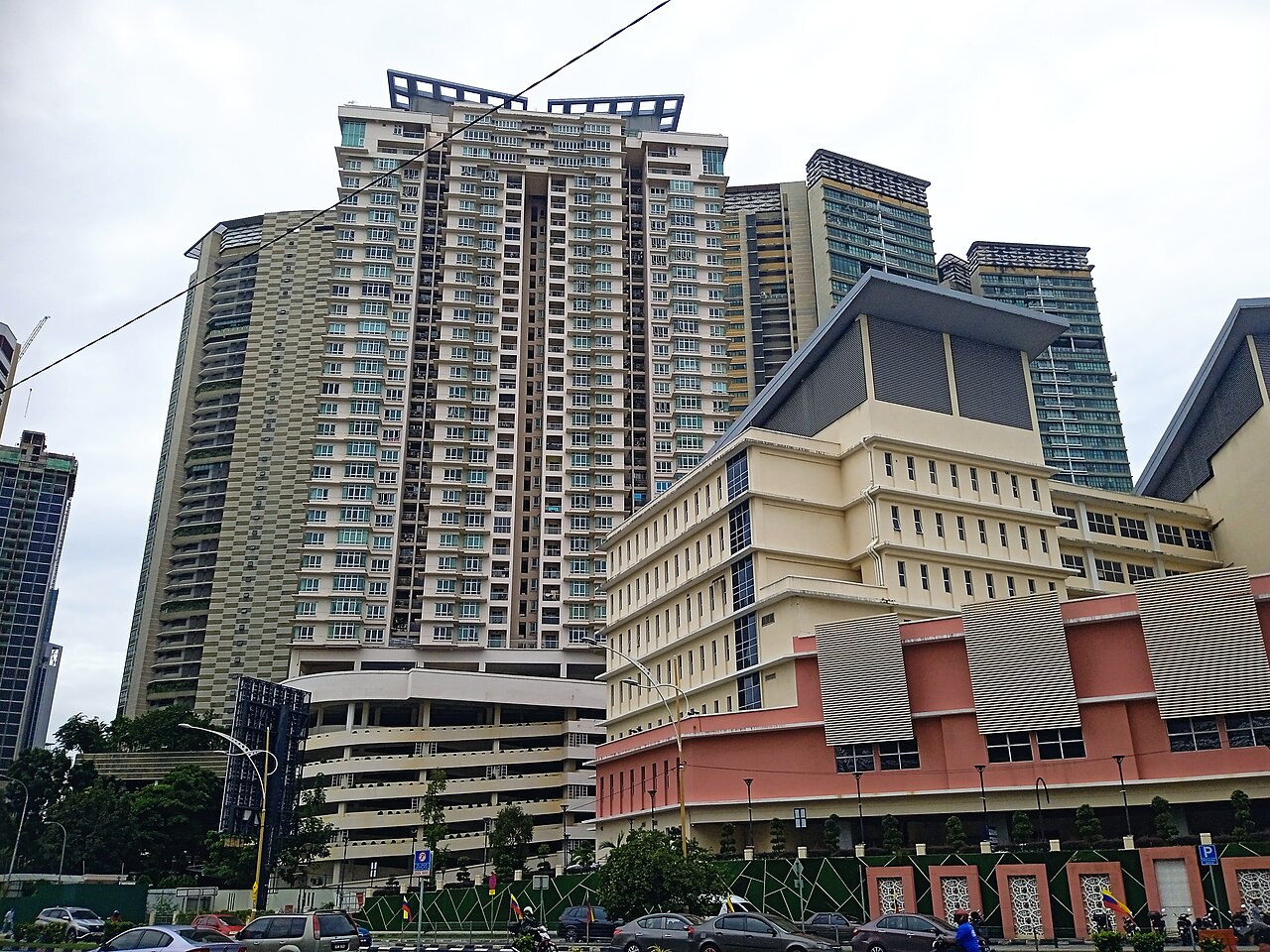
No independently verified area-by-area price average exists for Malaysian Airbnb listings — the one figure with any research backing is the citywide KL average cited above, around RM 218 (about US$54) a night at an estimated 35% occupancy, and that’s an industry estimate, not a confirmed platform statistic. What follows is a side-by-side comparison of building stock and positioning, with that single verified number used as the reference point rather than invented per-area figures.
| Area | Building Stock | Price Positioning |
|---|---|---|
| Bukit Bintang | Dense mix of serviced-apartment towers and hotel-branded residences | Around or above the ~RM 218 (~US$54) citywide average — demand from malls, food and nightlife keeps rates firm |
| KLCC | Premium condo towers around the Petronas Towers and KLCC Park | Typically the highest of the four — no verified area-specific average exists, budget above the citywide figure |
| KL Sentral | Mixed office and residential towers around the transit interchange | Closer to the citywide average by most host accounts, though unverified |
| Georgetown | Restored heritage shophouses plus a smaller stock of condo towers | Anecdotally below the KL citywide figure — no verified Penang-specific average found; confirm current listings before booking |
The exchange rate used throughout this guide is RM 4.05 = US$1. Convert live rates yourself before booking — our Malaysia currency guide covers where to check current rates and how Malaysian card fees typically work.
Neighborhood Guide: Where the Listings Actually Are
Bukit Bintang
The single most-booked area on the platform in Kuala Lumpur, and it earns that by proximity: malls, hawker food and the city’s nightlife district are all walkable. The trade-off is noise and density — expect a serviced-apartment tower rather than a quiet residential block. Verdict: the default choice if you want to walk to everything and don’t need silence after 11pm.
KLCC
The postcode for the Petronas Towers skyline view, priced accordingly. Buildings here skew toward premium condo towers with hotel-grade lobbies, which — as covered below — tend to be the buildings most likely to have formal short-term-rental arrangements worked out. See our where to stay in Kuala Lumpur guide for how KLCC compares to KL’s other hotel districts. Verdict: worth the premium for a stay built around the skyline; overkill if you’re mainly using KL as a transit hub.
KL Sentral
Built around the transit interchange that connects KLIA Express, LRT, MRT and intercity rail, which makes it the practical pick for an early flight or a trip that starts or ends with a train. See our Malaysia transportation guide for how the interchange fits into wider travel plans. It’s a functional, mixed office-residential area rather than a destination in itself. Verdict: choose it for logistics, not atmosphere.
Bangsar
Lower-rise, more residential, and popular with longer-staying expats rather than short weekend bookings — which shows up in a slower turnover of listings. The area’s café and restaurant scene is a genuine draw; see our Kuala Lumpur food guide for specific picks. Verdict: best for a stay of a week or more where you want a residential feel over a tourist strip.
Georgetown
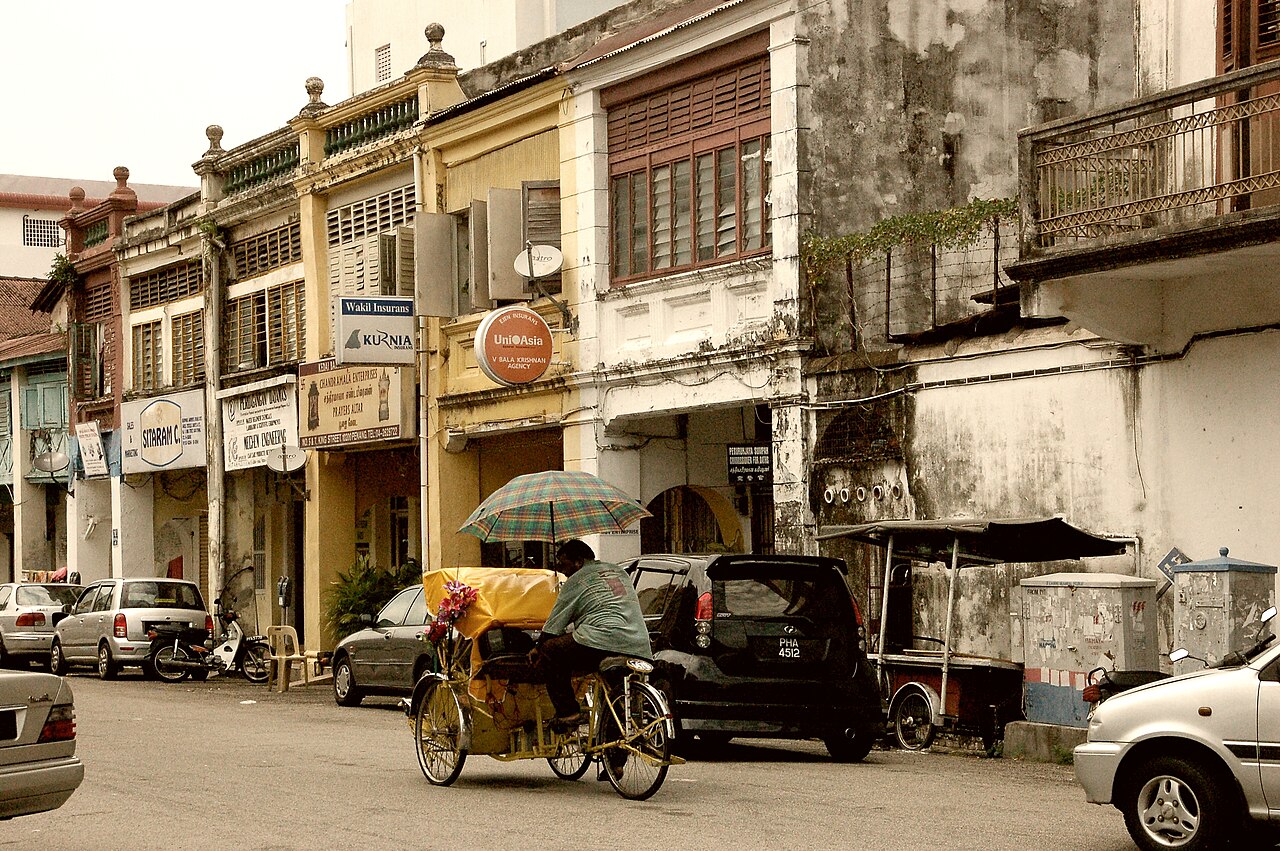
Malaysia’s other major short-term-rental market, built on restored shophouses inside the UNESCO heritage core rather than high-rise towers. That changes the risk profile: heritage shophouses are typically owned outright rather than governed by a large strata corporation, so a Verve Suites-style building-wide ban matters less here than council-level zoning does. Full area breakdown in our where to stay in Penang guide. Verdict: go for it if the property is genuinely a converted shophouse, not a generic apartment marketed with heritage-area photos.
How to Spot an Airbnb-Friendly Building
Most existing guides name exactly one building — Verve Suites, and only as the banned example. That’s not useful when you’re trying to book. Here’s what actually signals a building will let you in.
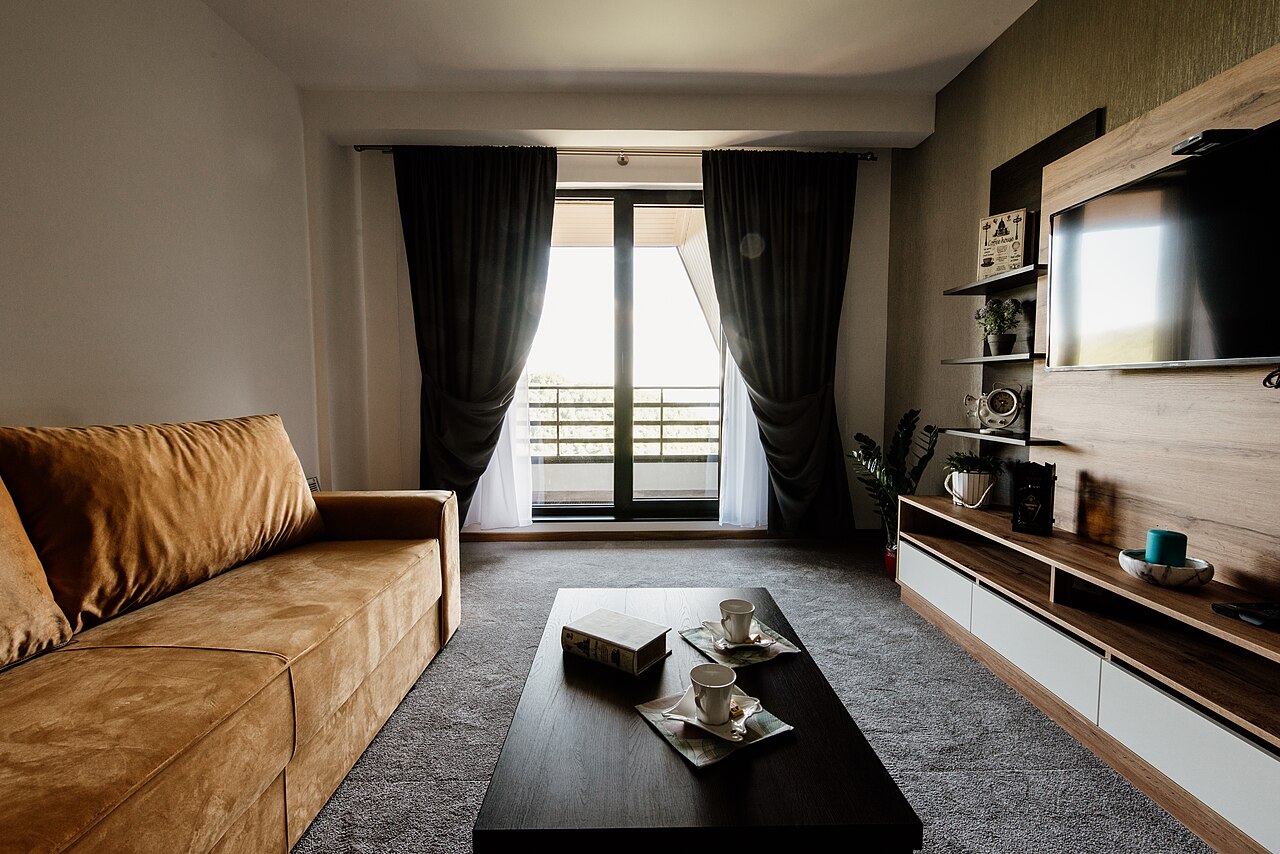
- Favor developments explicitly built and marketed as serviced apartments, serviced residences or “suites” from construction, rather than standard residential condos later listed by an individual owner — these are far more likely to have short-term rental built into the building’s original by-laws instead of retrofitted against them.
- Ask the host directly for the block or tower name before you pay, and ask whether the JMB or MC currently allows short-term rental. A listing that operated freely last year can be banned this year — a by-law vote is all it takes, and it takes a majority, not unanimity.
- Read the most recent five to ten reviews specifically for words like “denied entry,” “guard,” “management” or “not allowed” — in Malaysia this is a higher-signal red flag than a low overall rating, because a building ban can hit a well-reviewed listing overnight.
- Treat a Malaysia Homestay Programme badge as a registration detail, not a legality guarantee — it tells you the host registered with MOTAC voluntarily, not that the building or council has cleared the listing.
- Hotel-operated or branded residence towers carry the lowest access risk of any short-term-rental category, because the operator itself is the entity managing compliance, not an individual owner navigating three layers of rules alone.
The Guest Safety Checklist — Malaysia’s Specific Failure Mode
Generic Airbnb safety advice covers scam listings and payment fraud. It doesn’t cover the failure mode specific to Malaysia’s strata system: a building’s by-law can ban short-term rental after your booking was confirmed, and the guard at the lobby desk has both the authority and the instruction to enforce it against you, regardless of what your phone shows. Our broader Malaysia safety guide covers general travel-safety questions; this checklist is narrowly about access risk.
- Before you travel, message the host to confirm the exact block or tower name and ask them to confirm, in writing, that the building currently permits short-term guests — a “yes” from when they first listed the unit may not still be true.
- Keep your booking confirmation, the host’s contact thread and your ID accessible on your phone before you arrive at the building, not buried in an email you’d need wifi to find.
- If a guard refuses entry, don’t argue in the lobby — call or message the host immediately. They may have a side entrance, a manager’s direct line, or a workaround; the guard usually doesn’t have discretion to override a posted by-law even if they wanted to.
- If access isn’t resolved within roughly an hour, request a refund through Airbnb’s own platform — not directly from the host — citing the access denial. Keep every message on-platform; it’s the paper trail that supports a refund claim.
- Screenshot the listing itself before you travel. If a building enforces a ban after your booking, the listing can disappear entirely, along with the evidence of what you booked.
- Budget a backup for the first night, especially on a late arrival — a nearby hotel room you never end up using is a cheaper mistake than standing outside a lobby at midnight with nowhere confirmed to go.
Tourism Tax and Fees You’ll Actually Pay
Malaysia’s federal Tourism Tax applies at RM 10 (about US$2.50) per room per night, charged to foreign passport holders only — Malaysian citizens and permanent residents are exempt. Exactly how it’s applied to short-term-rental stays wasn’t confirmed in research for this guide; the general RM 10 rate likely applies, but enforcement depends on the individual host’s and platform’s compliance, and it isn’t always itemized the way it is at a hotel front desk. Don’t be surprised if it’s baked into the total — ask the host if it isn’t clear.
On top of that, Malaysia’s accommodation Sales and Service Tax (SST) runs at 8% and applies broadly to paid accommodation, though whether it’s already folded into a displayed Airbnb rate or added at checkout varies by listing — check before assuming the price you see is the price you pay. If you’re budgeting a trip that mixes an apartment stay with other accommodation types, our Malaysia travel insurance guide is worth reading alongside this one — a cancelled booking due to a building access issue is exactly the kind of disruption travel insurance is meant to cover.
| Fee | Typical Amount | Note |
|---|---|---|
| Nightly rate | ~RM 218 (~US$54) KL average | Industry estimate; varies heavily by area and season |
| Cleaning fee | ~RM 100 (~US$25) | Charged on an estimated 79% of KL listings; one-time, added at checkout |
| Airbnb service fee | Moving toward a flat 15.5% host-only fee during 2026 | Replaces an older ~3% host / ~14–16.5% guest split — one industry estimate; confirm what’s included in the displayed price |
| Accommodation SST | 8% | May or may not be included in the displayed rate |
| Tourism Tax | RM 10 (~US$2.50) per room per night | Foreign passport holders only; short-term-rental-specific enforcement unconfirmed |
What Hosts Earn (Briefly, for Context)
This guide is written for guests, but the economics explain what you’ll see on the guest side. One industry estimate puts a typical Malaysian listing grossing around RM 3,300 (about US$815) a month, with roughly RM 900 (about US$222) left as net income after fees, cleaning and platform costs — treat that as a single unverified source, with wide variation by area and building type. It explains why cleaning fees are what they are: against margins that thin, a flat RM 100 cleaning charge covers real turnover costs rather than padding the host’s take.
What to Skip
A few habits that cost travelers more than they save, in order of how often they cause a problem:
- Don’t book the cheapest listing in an unbranded residential tower to save RM 50–100 a night. KL has enough competitively priced serviced-apartment inventory that the access-risk trade-off usually isn’t worth it for a stay of a few nights.
- Don’t treat a Malaysia Homestay Programme badge as proof a listing is fully cleared — it’s a voluntary registration, not a legality guarantee, as covered above.
- Don’t skip the last five to ten reviews even on a highly rated listing. A building-wide ban can land between your booking date and your check-in date, and reviews are often the first place it shows up.
- Don’t pay a host directly or move communication off-platform to “save on fees” — you lose the paper trail that makes a refund possible if the building refuses entry.
- If none of this appeals and you’d rather remove the access-risk variable entirely, a hotel or hostel does that by design — compare against options in our best hostels in Malaysia guide or, at the other end of the budget, our Malaysia luxury resorts guide for the same nights.
Planning and Booking Order
Settle the legal question before the price question. Confirm the block name and the host’s answer on strata by-laws first, check that against recent reviews, and only then compare nightly rates — a cheap listing you can’t access is worse than an expensive one you can. If your trip spans more than one region, treat each leg separately: an apartment stay that works cleanly in KLCC tells you nothing about access rules in Langkawi or Kota Kinabalu, since by-laws are set building by building. Our Langkawi resorts guide and where to stay in Borneo guide cover the resort-heavy alternative for those legs, where these legal questions mostly don’t apply.
Build the real total before comparing to a hotel: nightly rate, cleaning fee, service fee, 8% SST and the RM 10 Tourism Tax if you hold a foreign passport. That total, not the headline nightly figure, belongs in your Malaysia travel budget.
FAQ
Is Airbnb legal in Malaysia?
There’s no national ban and no single national license, so short-term rental isn’t illegal outright. But legality is layered — federal law, local council rules, and the building’s own strata by-laws all have to line up for a specific listing to be genuinely clear, and the third layer is the one most guides skip.
Can a condo management ban Airbnb?
Yes. A 2020 Federal Court ruling confirmed a building’s Joint Management Body or Management Corporation can pass a binding by-law banning short-term rental, and it applies to every owner in the building — including those who voted against it. Verve Suites Mont’ Kiara’s ban passed 96 votes to 4.
How much do Airbnb hosts earn in Malaysia?
One industry estimate puts a typical listing at around RM 3,300 (about US$815) gross per month, with roughly RM 900 (about US$222) net after fees and costs. That figure comes from a single source with no independent corroboration, so treat it as directional rather than confirmed.
Is Airbnb cheaper than a hotel in KL?
Add the cleaning fee, service fee, 8% SST and the Tourism Tax to the headline nightly rate and the gap to a mid-range hotel narrows considerably — for a night or two, a hotel can come out ahead once you factor in zero access risk. The apartment format pulls ahead mainly on longer stays, where the fixed cleaning fee spreads across more nights and the kitchen saves real money on food.
Do you need a license to host?
There’s no single national license. DBKL’s stated position is that short-term rental in residential zones in Kuala Lumpur isn’t permitted unless specifically licensed, and requirements vary by council elsewhere. This is a host-side question more than a guest-side one, but it explains why listing quality and compliance vary so much address to address.
Why are cleaning fees high?
An estimated 79% of KL listings charge a cleaning fee, averaging around RM 100 (about US$25) — one industry estimate. Against a typical net income figure that’s already thin on an estimate basis, the fee is closer to covering real turnover costs than padding a host’s margin.
Is Airbnb safe in Malaysia?
The platform-level risks are the same ones that exist everywhere. The risk specific to Malaysia is access, not personal safety: a building ban can leave you locked out of a legitimate, paid booking with no warning. Work through the safety checklist above before you travel and you remove most of that risk.
KLCC vs Bukit Bintang for a stay?
Bukit Bintang wins on walkability to food, malls and nightlife and is the more heavily booked of the two. KLCC wins on the skyline view and tends toward premium, hotel-grade buildings that carry lower access risk. Pick Bukit Bintang for a base you’ll walk everywhere from, KLCC for a shorter, more scenic stay where you don’t mind paying above the citywide average.
Whichever area you land on, run it through the three-layer test before you pay, not after you arrive. If you’d rather compare apartment stays against Malaysia’s other accommodation types before committing, our accommodation guide and our area-specific Penang and Kuala Lumpur guides linked above are the next stop.