Where to Stay in Penang: George Town, the Beaches and the Trade-Offs (2026)
Batu Ferringhi is a hotel strip with a beach attached. Once you accept that, the real question is how close to the hawker stalls you want to sleep. Nine areas, honestly compared.
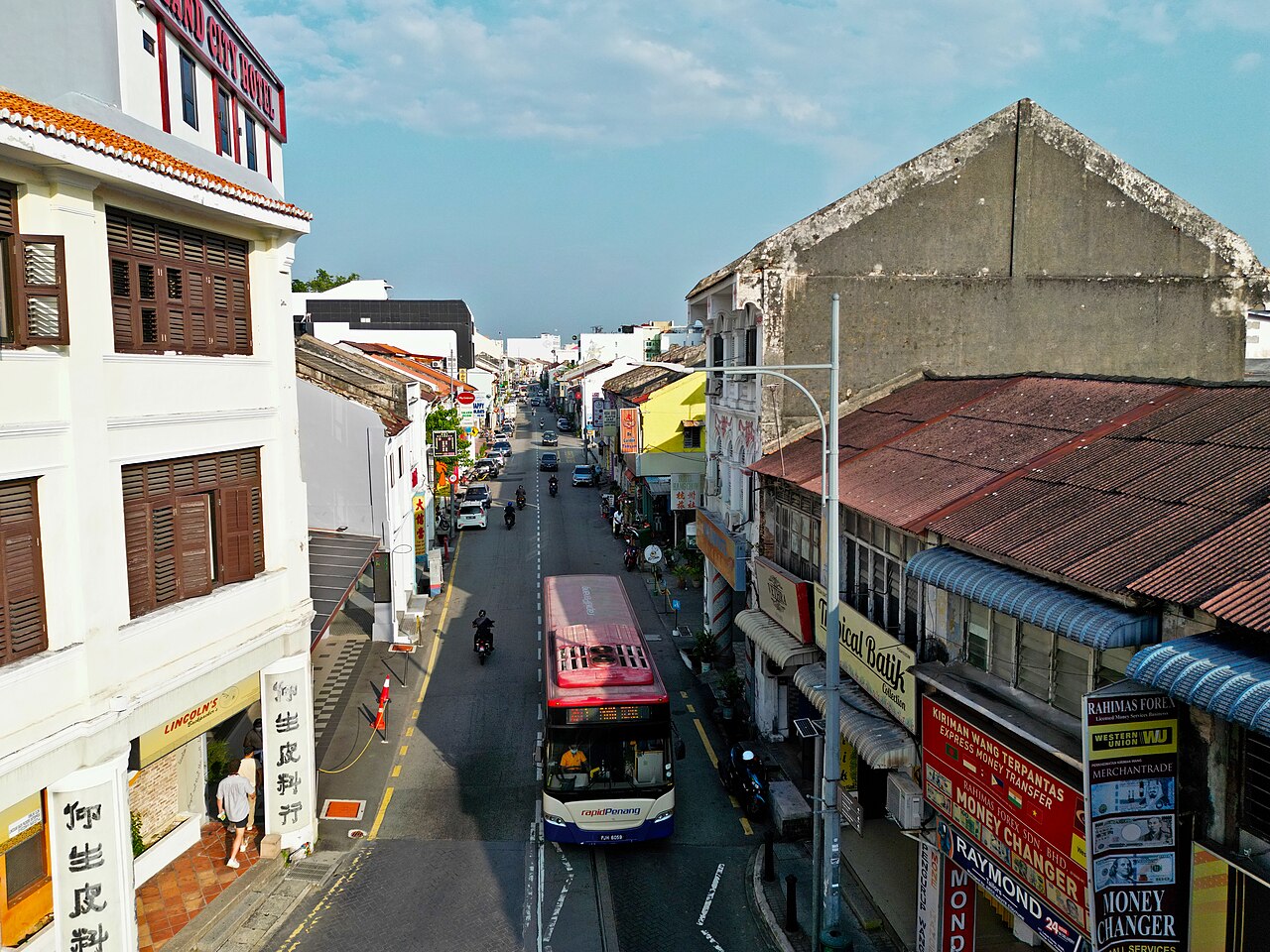
The standard way to frame where to stay in Penang is heritage versus beach: George Town shophouses on one side, Batu Ferringhi resorts on the other, pick your personality. Framed that way it produces the wrong answer for most people, because one half of it is not what it claims to be. Batu Ferringhi is not a beach destination. It is a hotel strip with a beach attached, a 3 km run of resorts on the north coast where the water is murky and jellyfish warning signs stand at the beach entry points.
Once you accept that, the real decision gets simpler and far more honest. It is not heritage versus beach. It is: how close to the hawker stalls do you want to sleep, and how much shophouse charm will you trade for a working lift? Price, noise, Grab spend and the shape of your evenings all follow from those two answers.
Penang is also unusually well supplied right now, which hands you leverage that visitors five years ago did not have — provided you avoid the four or five dates when the whole island sells out. What follows is the rate band for every area, the transport arithmetic that decides whether a cheap beach room is actually cheap, the structural reason heritage hotels are so small, and the rental law that can get your condo booking cancelled at the door.
Penang Areas at a Glance: Rate Bands, Distance and the Catch
Most Penang guides tell you what an area “feels like” and stop there, which is useless when you are comparing two tabs in a booking site. Below are indicative asking rates per room per night, midweek, before the 8% SST, the 10% service charge and the tourism levies. Weekends run materially higher. Treat these as planning bands, not quotes.
| Area | Budget | Midrange | Upper | To George Town | Grab each way | Best for | The catch |
|---|---|---|---|---|---|---|---|
| George Town core | RM 45-90 (US$11-21) | RM 160-320 (US$38-76) | RM 450+ (US$107+) | 0 min | None needed | Food, architecture | Noise, no lift, no parking |
| Buffer / Transfer Rd / Macalister | RM 40-80 (US$10-19) | RM 120-240 (US$29-57) | RM 350-500 (US$83-119) | 5-10 min | RM 8-12 (US$2-3) | Value, short walk in | Plain streets |
| Gurney & Pulau Tikus | RM 70-120 (US$17-29) | RM 180-330 (US$43-79) | RM 400-600 (US$95-143) | 10-15 min | RM 10-15 (US$2-4) | Malls, families | Hawker centre overrated |
| Tanjung Tokong / Bungah | RM 60-110 (US$14-26) | RM 150-280 (US$36-67) | RM 350-550 (US$83-131) | 15-25 min | RM 15-22 (US$4-5) | Long stays, kitchens | Neither town nor coast |
| Batu Ferringhi | RM 70-130 (US$17-31) | RM 180-330 (US$43-79) | From RM 333++ (US$79++) | 30-45 min | RM 25-35 (US$6-8) | Pool, sunset, night market | Not a swimming beach |
| Teluk Bahang | RM 60-100 (US$14-24) | RM 150-260 (US$36-62) | RM 400+ (US$95+) | 40-55 min | RM 35-45 (US$8-11) | National park, quiet | Dead after 21:00 |
| Bayan Lepas / airport | RM 70-120 (US$17-29) | RM 160-300 (US$38-71) | RM 350-550 (US$83-131) | 20-35 min, 40-55 peak | RM 20-30 (US$5-7) | Early flights | No atmosphere |
| Balik Pulau | RM 60-110 (US$14-26) | RM 150-280 (US$36-67) | RM 400+ (US$95+) | 40-50 min | RM 35-50 (US$8-12) | Durian, cycling | Car needed |
| Butterworth / Seberang Perai | RM 40-80 (US$10-19) | RM 110-220 (US$26-52) | RM 280-400 (US$67-95) | 20-40 min by bridge or ferry | RM 30-45 (US$7-11) | Cheapest beds, transit | You are commuting |
Read that one way and the answer looks obvious: stay in the core zone and spend nothing on transport. For a lot of people, particularly first-timers on a short trip, that is right. But it carries structural compromises worth understanding before you pay RM 300 (about US$71) for a room the size of a generous bathroom.
Why Penang’s Heritage Hotels Are So Small (And So Expensive Per Room)
Book a boutique hotel inside George Town’s heritage zone and you will probably get twelve rooms, no lift, no pool, a beautiful airwell and a wall thin enough to hear your neighbour’s suitcase zip. Guests write this up as a disappointment. It is not a failure of the hotel. It is the law, and knowing that changes how you shop.
George Town was inscribed on the World Heritage List on 7 July 2008, jointly with Melaka, as a single serial property. The listing covers a core zone of 109.38 hectares and a buffer zone of 150.04 hectares holding 5,013 buildings between them. Of those, 82 are Category I, the highest protection, where almost nothing may change. Most of the rest are Category II, and Category II is where the shophouses live.
Category II properties must comply with the Special Area Plan, which governs design, materials, frontage and, critically, height — a maximum of 18 metres. Apply that to the building stock. A George Town shophouse is roughly five to six metres wide, long and narrow, lit by an internal airwell. You cannot build past the height cap, you cannot knock two units together and reconfigure the frontage, and you cannot put a pool where the kitchen court is.
The arithmetic falls out on its own. Convert one or two shophouses and you get eight to eighteen rooms. There is rarely space for a lift shaft, so your bag goes up a steep timber staircase. No pool, no gym, often no restaurant beyond a breakfast counter. Conservation-grade repairs, specialist carpenters and an on-site manager are all spread across a tiny room count. High price per room, low amenity, by design and by statute.
That is a feature if you choose it knowingly. You are not buying facilities. You are buying the ability to sleep inside a protected 19th-century streetscape and be eating at a hawker stall ninety seconds after waking up. If what you want is a lift, a pool and a gym, the heritage core will overcharge you for the absence of all three. Our guide to Malaysia’s World Heritage sites explains what the listing protects and why the rules bite.
The grandest exception proves the rule. Cheong Fatt Tze — The Blue Mansion is a 130-year-old courtyard mansion rather than a shophouse, which is why it holds 18 rooms across six categories, won a UNESCO Conservation Award in 2000 and hosted the mahjong scene in Crazy Rich Asians. Even at mansion scale, 18 rooms is the ceiling. Day tours run at 11:00 and 15:30, last 45 minutes, cap at 24 people and cost RM 25 (about US$6). Seven Terraces, The Edison and Campbell House work the same way, Macalister Mansion sits on the zone’s edge and the Eastern & Oriental is the colonial seafront outlier. Check their rates live.
The same rules preserved the Straits Chinese townhouses that give the city its look. If the interiors are why you are coming, read up on Baba Nyonya culture first — the tilework and room layouts make far more sense when you know what they were for.
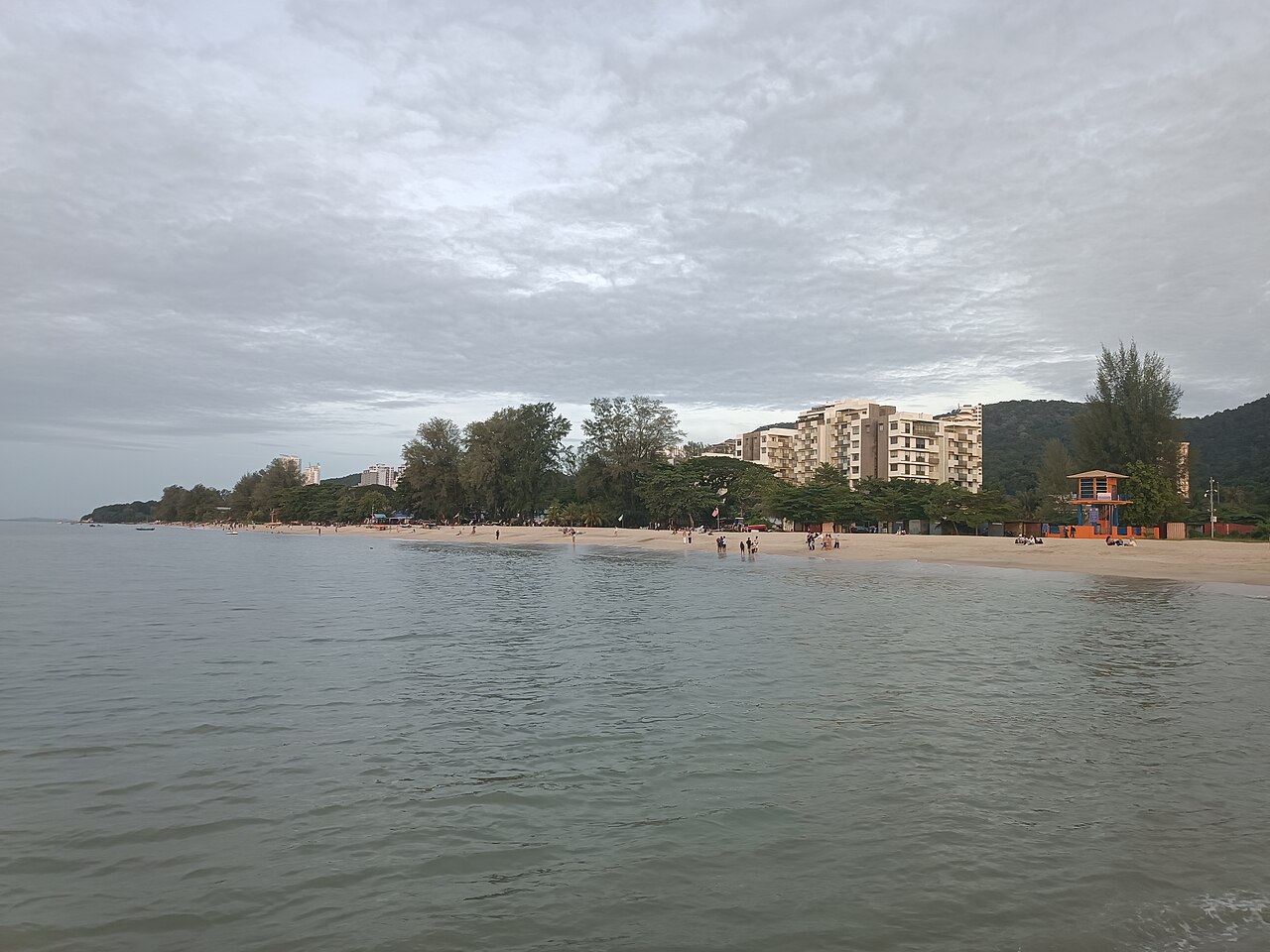
Core Zone vs Buffer Zone: A Real Trade-Off, Not a Label
Hotels sell “heritage zone” as a marketing word. Treat it instead as a set of concrete consequences, some of which you want and some of which you will resent at 02:00.
George Town UNESCO Core: Armenian Street, Chulia Street, Love Lane, Lebuh Muntri
What you gain. Everything is walkable and the walk is the point. Chulia Street’s hawker carts, the clan jetties, the street art, Little India and the kopitiams sit in a grid you can cross in twenty minutes. You get breakfast at 07:00 without a taxi, and 07:00 is when Penang’s best stalls are sharpest. If food is why you are visiting, that proximity beats every hotel facility combined. Our Penang food guide is essentially a map of the core zone.
What you lose. Sleep, sometimes. Shophouses are hard-surfaced and the streets are narrow, so motorbike noise ricochets off the frontages and comes straight through single-glazed shutters. Chulia Street and Love Lane run late; Armenian Street and Lebuh Muntri are calmer. There is essentially no hotel parking, lifts are rare, rooms are small, and interior airwell rooms may have no window. Party walls are thin enough that a light sleeper should request a rear or top-floor room in writing at booking.
Verdict. Best for a first trip of three nights or fewer, for solo travellers, and for anyone whose days are mostly eating and looking at buildings. Worst for strollers, light sleepers and drivers.
The Buffer Zone and the Transfer Road / Macalister Side
The buffer zone is the 150.04-hectare ring protecting the core, and this is where the arithmetic gets interesting. Push five to ten minutes inland — Transfer Road, Macalister Road, the Komtar fringe — and the buildings get plainer while rates drop by roughly a third for the same room quality. A midrange room asking RM 250 (about US$60) on Armenian Street asks nearer RM 170 (about US$40) here, and is far more likely to have a lift, a car park and proper air-conditioning.
The cost is atmosphere and a twelve-minute walk across bigger roads. What you get back is a working Malaysian neighbourhood with its own food — Macalister Road’s night stalls, the coffee shops around Transfer Road — that most visitors never eat at. Over five nights the saving funds two very good dinners a day.
Gurney Drive and Pulau Tikus
Gurney Drive is the seafront promenade 10-15 minutes north of the core, with Gurney Plaza and Gurney Paragon behind it. Pulau Tikus, just inland, is the residential neighbourhood that feeds it — a genuinely good food area with a morning market and far more local life than the malls suggest.
This is the best area for families who want a pool, a supermarket and air-conditioned shopping without committing to the beach strip. Midrange rooms run RM 180-330 (about US$43-79), more for a high floor facing the water, and a Grab into George Town is RM 10-15 (about US$2-4).
One correction, since it is the commonest reason people book here: the Gurney Drive hawker centre is not the destination its reputation implies. It is a tourist-weighted food court, pricier and more uneven than Chulia Street, Kimberley Street or Pulau Tikus. Come for the sea wall at sunset, not for dinner. If night markets matter to you, the night market guide covers the ones worth planning around.
Tanjung Tokong and Tanjung Bungah
The coastal stretch between Gurney and Batu Ferringhi: condo towers, serviced-apartment hotels, good local restaurants and small beaches nobody swims at. Fifteen to twenty-five minutes from George Town, RM 15-22 (about US$4-5) by Grab, on the 101 bus route.
The pitch is compromise: half the price of a Batu Ferringhi resort, half the distance from town, and a kitchen if you take a serviced apartment. The problem is that compromise can deliver neither thing — you are walking to neither hawker stalls nor a resort beach. It works for a week or more, or for self-catering families. For three nights it is the wrong answer.
Batu Ferringhi: The Honest Version
Nearly every guide describes the Batu Ferringhi resorts and goes quiet about the water. Here is the part that gets left out.
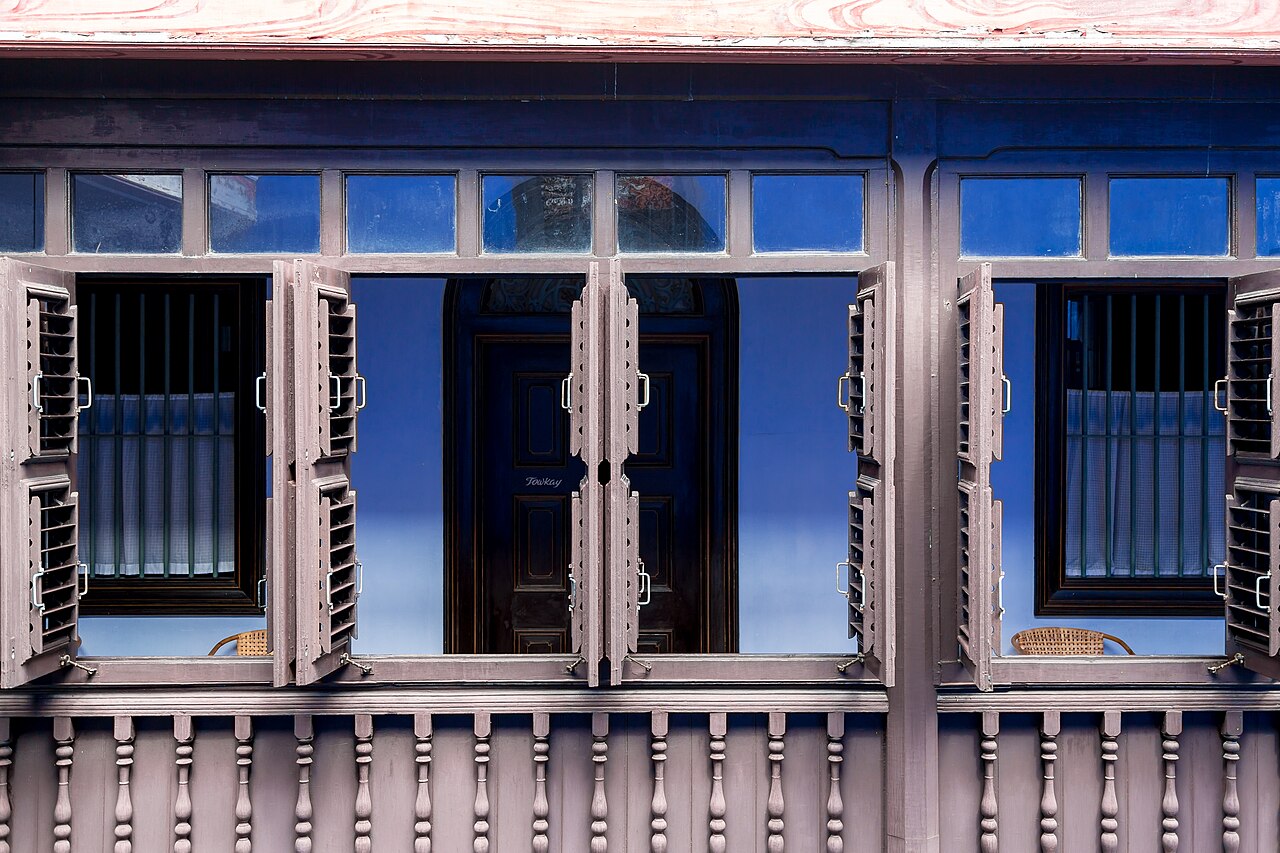
Batu Ferringhi’s sea is murky rather than clear; the channel carries sediment and visibility is measured in centimetres. Jellyfish warning signs stand at all the beach entry points, and they are not decorative. Malaysia’s Department of Environment grades coastal water on a Marine Water Quality Index banded Excellent 90-100, Good 80 to under 90, Moderate 50 to under 80 and Poor below 50 — the useful takeaway being that a beach can be perfectly lawful to sit on and still be nowhere near the standard you picture when you imagine a Malaysian island.
So, plainly: Batu Ferringhi is not a swimming beach on the level of Langkawi or the Perhentians. People who book it expecting island water are reliably disappointed, and that is the most predictable bad outcome in Penang planning. If clear water is the point of your trip, add an island leg instead, which our islands guide makes straightforward.
What it is genuinely good at: a large pool you will actually use, a west-facing sunset over the Andaman, jet-skis off the sand, a long flat beach to walk at dusk and a real night market most evenings. For families with small children, a kids’ club and a pool ten metres from your towel is worth a great deal. For a couple wanting two lazy days after four days of city walking, it works.
On price, the only firmly verified anchor is Hard Rock Hotel Penang, publishing from RM 333++ per room per night for stays through 31 December 2026, the “++” being service charge and tax added at checkout. That benchmarks the branded resort tier; Rasa Sayang sits above it, and guesthouses behind the main road start at RM 70-130 (about US$17-31). The strip is also a strong sunset position, alongside the locations in our guide to photographing Malaysia.
The catch, stated as money. George Town is 16 km away, RM 25-35 (about US$6-8) each way by Grab. If you are here to eat, you will make that trip twice a day: RM 100-140 (about US$24-33) daily, on top of a room rate already above the buffer zone. Over four nights that is RM 400-560 (about US$95-133) spent sitting in a car to sleep beside water you are not swimming in.
Teluk Bahang
Ten minutes past Batu Ferringhi, where development stops and Penang National Park begins: a fishing village with a handful of guesthouses, a few upper-end properties, the Escape adventure park and the trailheads for Monkey Beach and the turtle hatchery.
Rates sit just below Batu Ferringhi at RM 150-260 (about US$36-62) midrange, but you are 40-55 minutes and RM 35-45 (about US$8-11) from George Town and little is open after 21:00. Stay here only if the national park is a real objective or you have a car.
Bayan Lepas and the Airport
The industrial south: the free trade zone, the chip factories, Queensbay Mall and the airport. No atmosphere whatsoever, and about to have many more rooms, since Le Meridien Penang Airport is adding 200 and the area is being built out as a business-grade cluster.
Stay here only for a flight before 08:00, a factory meeting or a single transit night. Rates run RM 160-300 (about US$38-71) midrange. George Town is 20-35 minutes off-peak but 40-55 minutes between 16:00 and 19:00 on a weekday, when the Bayan Lepas corridor jams solidly — which is how a hotel that looks convenient on a map costs you an hour of your evening.
Balik Pulau
The other Penang: the agricultural west of the island, over the hill, with durian orchards, nutmeg, paddy fields, a good asam laksa reputation and farmstays at RM 150-280 (about US$36-67). It is 40-50 minutes from George Town and Grab coverage thins badly, so a hire car is close to mandatory.
Worth a night or two in durian season (roughly June to August), for cyclists, and for repeat visitors who have done the city. A poor choice for a first trip.
Butterworth and Seberang Perai
The mainland half of the state, across the channel. Rooms are the cheapest anywhere in Penang at RM 110-220 (about US$26-52) midrange, and Butterworth’s ferry terminal, KTM station and bus terminal sit together — useful if you are arriving by train from Kuala Lumpur or heading north to Thailand.
It is also the one part of the state where short-term rental rules allow a straightforward apartment booking, as below. The catch is blunt: every trip into George Town is a 20-40 minute water crossing. Book Butterworth for transit nights, not for a stay.
The Transport Arithmetic That Decides Your Area
The room rate is only half the cost of an area; the other half is what it takes to leave it. Grab covers the island, and Rapid Penang fares run from RM 1.40 (about US$0.33) under 7 km to RM 5.00 (about US$1.19) over 35 km, exact fare only with no change given. The two useful routes are the 101 (jetty to Teluk Bahang via George Town, Gurney, Tanjung Bungah and Batu Ferringhi, every 15-20 minutes) and the 102 (airport to Teluk Bahang).
| Journey | Grab fare | Grab time | Rapid Penang | Bus time |
|---|---|---|---|---|
| Airport to George Town, off-peak | RM 20-30 (US$5-7) | 20-35 min | Bus 102 to Komtar, RM 2.70 (US$0.64) | 60-75 min |
| Airport to George Town, 16:00-19:00 weekday | RM 35-50 (US$8-12) surged | 40-55 min | Bus 102, same fare | 75-90 min |
| Airport to Batu Ferringhi | RM 35-50 (US$8-12) | 45-70 min | Bus 102 direct | 90-120 min |
| George Town to Gurney Drive | RM 10-15 (US$2-4) | 10-15 min | Bus 101, RM 1.40-2.00 (US$0.33-0.48) | 20-30 min |
| George Town to Batu Ferringhi | RM 25-35 (US$6-8) | 25-35 min | Bus 101, about RM 3.40 (US$0.81) | 60-75 min |
| Gurney to Batu Ferringhi | RM 18-28 (US$4-7) | 20-30 min | Bus 101, about RM 2.70 (US$0.64) | 40-55 min |
| Batu Ferringhi to Teluk Bahang | RM 10-15 (US$2-4) | 10-15 min | Bus 101, RM 1.40 (US$0.33) | 15-20 min |
The line that should decide your booking is George Town to Batu Ferringhi: RM 25-35 by Grab, or RM 3.40 and an hour on the 101. Neither is bad once. Both are bad four times a day. Build a Penang trip around eating, sleep on the beach strip, and transport quietly becomes your second-biggest line item after the room. Our Malaysia transport guide covers the intercity side, and the daily cost breakdown shows where a room sits against everything else.
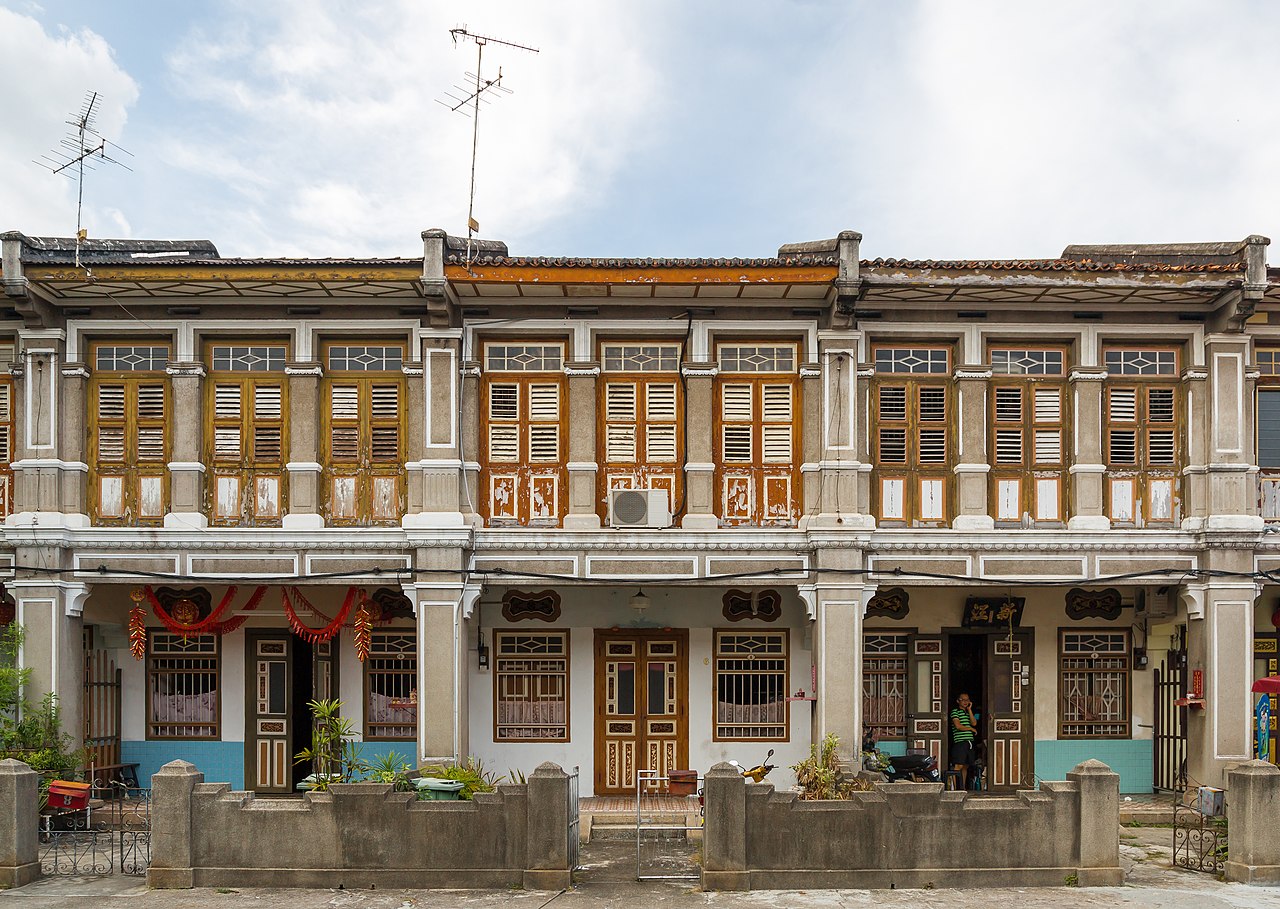
Penang’s Short-Term Rental Law: The Strictest in Malaysia
This is the part no other Penang guide covers, and it can leave you outside a locked lobby with your luggage. Penang regulates short-term rental more tightly than anywhere else in Malaysia, and the city council enforces it, not the booking platform.
- Landed residential property is prohibited outright — a terrace house or bungalow listing on the island is not a grey area.
- Strata residential needs Joint Management Body or Management Corporation approval at an AGM. Many buildings voted it down and their security desks turn guests away.
- Stays are capped at three consecutive days, so a seven-night condo booking cannot be lawful anywhere.
- The unit must be registered with MBPP, the city council, and the operator with SSM, the companies commission.
- On Penang Island only commercially-titled properties may operate at all, so legal short-stay supply is essentially hotels, licensed guesthouses and commercially-titled serviced suites.
- Seberang Perai, on the mainland, is more permissive and allows apartments and condominiums to operate.
The Court of Appeal decision in Wawasan Raya [2025] is the leading judgment on the strata side and has firmed up management bodies’ power to shut short-term letting down. So: on Penang Island, book a licensed hotel or guesthouse. A cheap condo listing with a sea view may be unlawful, and a platform’s cancellation policy will not put a roof over your head that night. If you need a kitchen, take a commercially-titled serviced suite or stay in Seberang Perai and accept the commute.
Timing: New Supply, the Weekday Discount and the Dates That Sell Out
Penang had about 22,500 registered hotel rooms in mid-2025 and is adding roughly 4,000 to reach about 26,500 by the end of 2026: the Westin Penang 217 rooms, Capri by Fraser 248, Harris Sunshine 289, Le Meridien Penang Airport 200. Demand is strong — 8,237,072 tourists stayed in Penang hotels in 2024, up 13.3% on 7,272,526 — but supply is growing faster in percentage terms. Expect softer rates into 2027 and a new category of business-grade rooms near the airport.
The bigger saving is a day of the week. Weekday occupancy runs around 70% against 90-100% on extended holiday weekends, and about 80% over National Day and the August school holidays. Penang is a weekend destination for Malaysians and Singaporeans who arrive Friday and leave Sunday, so a Tuesday night in the same room costs materially less than a Saturday, with less crowded stalls thrown in. Shifting three nights from Fri-Sun to Tue-Thu beats downgrading your area.
| Window | Dates | Rate pressure | Book by |
|---|---|---|---|
| Thaipusam | 22 January 2027 | High; Waterfall Road area fills first | 3-4 months ahead |
| Chinese New Year | 6 February 2027, plus the week either side | Rates rise sharply and rooms sell out island-wide | 4-6 months ahead |
| George Town Festival | Annually in August (2026 ran 1-9 August) | High in the core zone specifically | 3 months ahead |
| National Day and August school holidays | Late August | Occupancy around 80% | 6-8 weeks ahead |
| Any Friday and Saturday | Year-round | Occupancy 90-100% on long weekends vs about 70% midweek | 2-4 weeks ahead |
| Midweek, non-festival | Tuesday to Thursday | Lowest of the year; negotiate | Days ahead is fine |
Chinese New Year deserves its own warning: George Town is a heavily Chinese city and the celebrations are a real reason to visit, but hotels book out months ahead and the small heritage properties go first. Read our Chinese New Year guide, then cross-check the month-by-month weather and events guide — Penang’s wettest stretch is September to November.
On taxes, budget for three additions to the headline rate: RM 10 (about US$2.40) per room per night in tourism tax for foreign passport holders, Penang’s own RM 3 (about US$0.70) heritage fee, and at larger properties 8% SST plus 10% service charge. On a RM 300 room that is roughly RM 70 (about US$17) a night you never saw in the search results. The mechanics are nationwide and set out in our Malaysia accommodation guide.
Best Area for Each Kind of Trip
| If you are | Stay | Why | Avoid |
|---|---|---|---|
| A first-timer with 3 nights | George Town core | Walkable, no transport spend | Batu Ferringhi |
| Here mainly to eat | Core zone or Transfer Rd buffer | Stalls open at 07:00 on foot | Anywhere past Tanjung Bungah |
| A family with young children | Batu Ferringhi resort or Gurney | Pool, kids’ club, space | Shophouse staircases |
| A couple wanting quiet | Core zone, rear-facing room | Courtyards, small conversions | Chulia St frontages |
| On a tight budget | Buffer guesthouse or Butterworth | RM 40-120 beds, bus 101 | Sea-view resort rooms |
| Chasing clear water | Not Penang | Add an island leg | Booking the strip to swim |
| Flying out before 08:00 | Bayan Lepas | 15 min to the terminal | A last night in Teluk Bahang |
| Staying a week or more | Tanjung Tokong apartment | Kitchen, lower nightly rate | Unlicensed condo listings |
Four Ways People Get the Penang Booking Wrong
Booking Batu Ferringhi for a food trip
The most expensive mistake on the island. You came for the hawker stalls, you sleep 16 km from them, and you pay RM 25-35 each way twice a day to reach the thing you flew in for — RM 100-140 (about US$24-33) daily plus two hours in cars. If your trip is built around hawker stalls and street food, sleep within walking distance and day-trip to the beach.
Taking the pretty room over Chulia Street
Front-facing shophouse rooms with shutters and a balcony photograph beautifully and sit directly above scooter traffic and late bars, on tiled floors that amplify all of it. Ask for a rear or top-floor room and confirm it in writing. The photo you liked is the room you will not sleep in.
Choosing Gurney Drive for the hawker centre
Gurney Drive is a reasonable base for malls, sea views and families. It is not a reasonable base because of the hawker centre, which is pricier and more uneven than the core zone and Pulau Tikus. Book it for the pool, not the food court.
Booking an unlicensed condo
A sea-view apartment at RM 180 a night looks smart until the management office turns you away. Landed property is banned on the island, strata needs an AGM vote, stays cap at three days and the unit needs MBPP registration. Confirm you are booking a licensed hotel, guesthouse or commercially-titled serviced suite.
Frequently Asked Questions
Is it better to stay in George Town or Batu Ferringhi?
George Town for almost everyone, and certainly for any trip under five nights. Batu Ferringhi earns its place only if you want a resort pool and will treat the sea as scenery. A good split is three nights in the core zone then two on the beach strip.
Which area is best for first-timers?
The UNESCO core, on the quieter side around Armenian Street, Lebuh Muntri or Lebuh Pantai rather than the Chulia Street frontage. You walk to the food, the street art, the temples and the clan jetties and spend nothing on transport. Budget RM 160-320 (about US$38-76) midweek.
Is Batu Ferringhi good for swimming?
Not really. The water is murky and there are jellyfish warning signs at the entry points. People wade and use the watersports, but it is not comparable to Langkawi or the east-coast islands. Swim in the pool; use the beach for walking, sunsets and the night market.
How far is George Town from Batu Ferringhi?
About 16 km: 25-35 minutes by Grab at RM 25-35 (about US$6-8), longer in traffic. Rapid Penang bus 101 runs it from Komtar for about RM 3.40 (about US$0.81) in 60-75 minutes, every 15-20 minutes, exact fare only.
Is Airbnb legal in Penang?
Only in narrow circumstances. On Penang Island landed residential property is prohibited, strata units need Joint Management Body or Management Corporation approval by AGM, stays are capped at three consecutive days, and only commercially-titled properties may operate at all. Seberang Perai allows apartments and condominiums. Book a licensed hotel or guesthouse on the island and the question disappears.
How many nights do you need in Penang?
Three nights covers the core zone properly. Four or five lets you add Penang Hill, the national park or Balik Pulau without rushing. Beyond that you are into repeat-visitor territory, when the coast and the mainland start to make sense.
Where should I stay near the airport?
Bayan Lepas, and only for a flight before about 08:00. The area is gaining business-grade supply through 2026, including Le Meridien Penang Airport’s 200 rooms. Expect RM 160-300 (about US$38-71) midrange, and remember the 16:00-19:00 weekday jam that stretches the run into town to 40-55 minutes.
Once the area is settled, build the days around it: our Penang travel guide covers what to do from each base, and if Penang is one leg of a longer route, the Kuala Lumpur neighbourhood guide applies the same logic to the capital.