Photography Spots in Malaysia: A Complete Guide to the Most Stunning Locations
Discover the best photography spots in Malaysia from the Petronas Twin Towers and Penang street art to Cameron Highlands tea plantations and Borneo sunrises, with practical tips on timing, gear, and regulations.
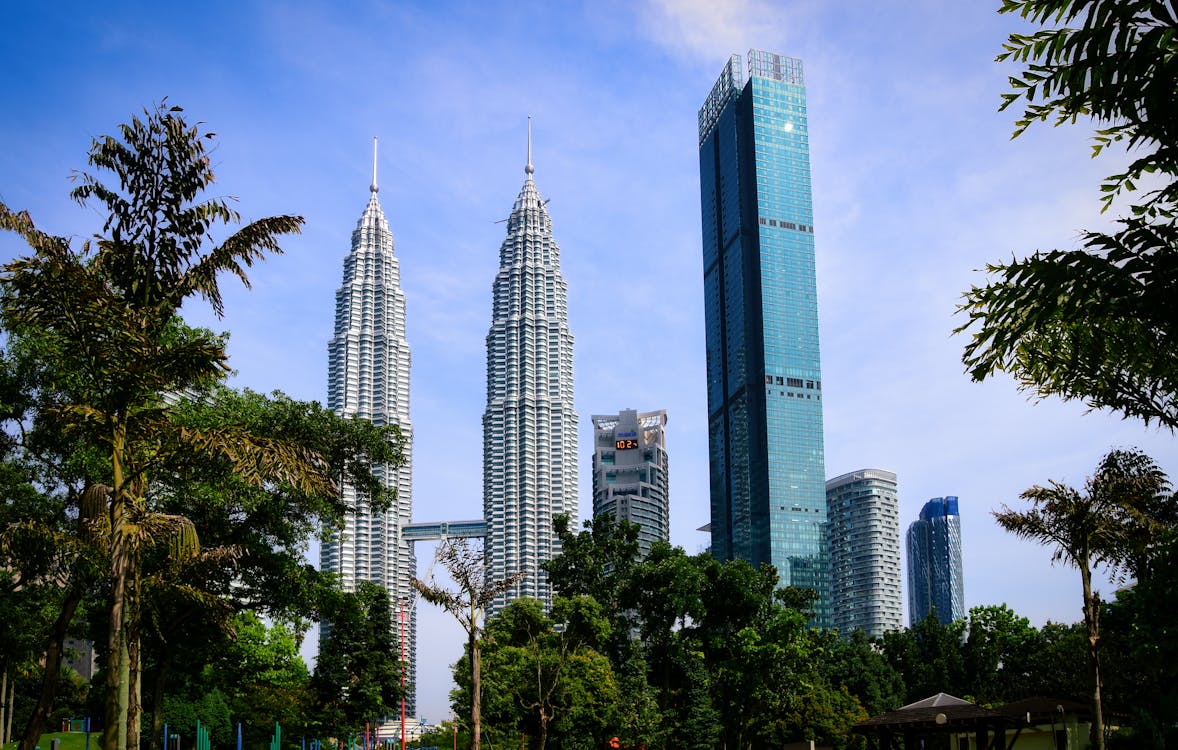
Malaysia gives photographers an unusually varied set of subjects within a compact geography: the Petronas Twin Towers at dawn with the city coming to life below, the rainbow steps at Batu Caves catching the first light before the crowds arrive, the pastel colonial shophouses of George Town’s heritage zone in the golden hour, the mist rolling over the Cameron Highlands tea estates at dawn, the proboscis monkeys of Borneo’s Kinabatangan River at dusk. The challenge is not finding good subjects — it is choosing where to point the camera first. This guide covers the best photography spots in Malaysia by location and light, with practical notes on timing, access, and what to prepare for.
For broader planning around photography destinations, the guide to things to do in malaysia covers the full activity landscape. The guide to day trips from kuala lumpur covers Batu Caves, Putrajaya, and Cameron Highlands as day trip photography destinations from KL. The guide to shopping in malaysia covers Petaling Street and the Chinatown pasar malam circuit that produces some of the best street photography in the country.
Photography Spots in Kuala Lumpur
KL is a photogenic city with a concentrated set of iconic subjects and a good spread of less-obvious ones for photographers who want to go beyond the postcard view.
Petronas Twin Towers
The Petronas Twin Towers are the most photographed subject in Malaysia and the compositions are well-established: from KLCC Park’s fountains with the towers reflected in the water, from the Traders Hotel Sky Bar for the eye-level perspective across the upper floors, and from Menara KL tower for the overview of the whole skyline. The variable element is light. Blue hour (20-30 minutes after sunset) produces the cleanest combination of building illumination and sky colour — this is the window that most experienced photographers target. The KLCC Park fountain show runs at 8 PM, 9 PM, and 10 PM, which adds foreground movement during the evening shoot.
For an unusual perspective: the elevated walkway along Jalan Ampang looking south toward the towers creates a forced-perspective compression with the surrounding towers. The view from KL Sentral’s upper level on a clear morning, looking northeast, shows the towers above the intervening buildings with the Titiwangsa hills behind — a composition that most visitors never find.
Batu Caves
Batu Caves’ rainbow staircase — 272 steps painted in multicolour and leading to the main cave temple — is one of the most shared images from Malaysia. The photographic challenge is the crowd: the steps are consistently busy from mid-morning through afternoon, which means you either shoot very early (before 8 AM) when the light is low and warm and the stairs are empty, or you embrace the crowd and use it as part of the composition. The Lord Murugan statue at the base of the steps is 42.7 metres tall and best photographed from the steps themselves, looking back down, in the late afternoon when the sun is on the statue’s face. The cave interior has its own light quality — shafts of sunlight entering through the cave openings create dramatic natural lighting effects that peak around noon when the sun is at the right angle to penetrate the cave roof.
Chinatown and Merdeka Square
Petaling Street at night is one of the best street photography environments in Malaysia: neon signs, stall vendors, dense crowds, and the visual chaos of the covered market create the kind of light and texture that makes street photography rewarding. Shooting from the edge of the covered section looking in compresses the scene effectively. The red lanterns that line the street are at their most photogenic at dusk, before the overhead lights overpower the ambient light from the setting sun.
Merdeka Square and the Sultan Abdul Samad Building are best photographed in the early morning when the light comes from the east and the massive Moorish-Colonial facade catches the warm first light. The building is floodlit at night but the daytime architecture is more distinctive than the night illumination. The flagpole — the world’s tallest when built in 1966 — creates a strong vertical in compositions that include the building and the open square.
KL Tower and Skyline Views
Menara KL (KL Tower) provides the best elevated view of the Twin Towers from the observation deck — the towers appear at roughly equal height from the 421-metre deck, giving a different perspective from any ground-level position. The Bukit Nanas forest reserve around the tower base is itself a photographic subject: old-growth forest in the centre of a modern Asian capital, with lizards, monkeys, and dense canopy visible from the walking trail around the tower perimeter.
Photography Spots in Penang
George Town is arguably the most photogenic city in Malaysia for street photography and heritage architecture. The density of painted shophouses, street art, clan jetties, and temple architecture within a walkable zone makes it possible to spend an entire day shooting within a few blocks.
George Town Street Art
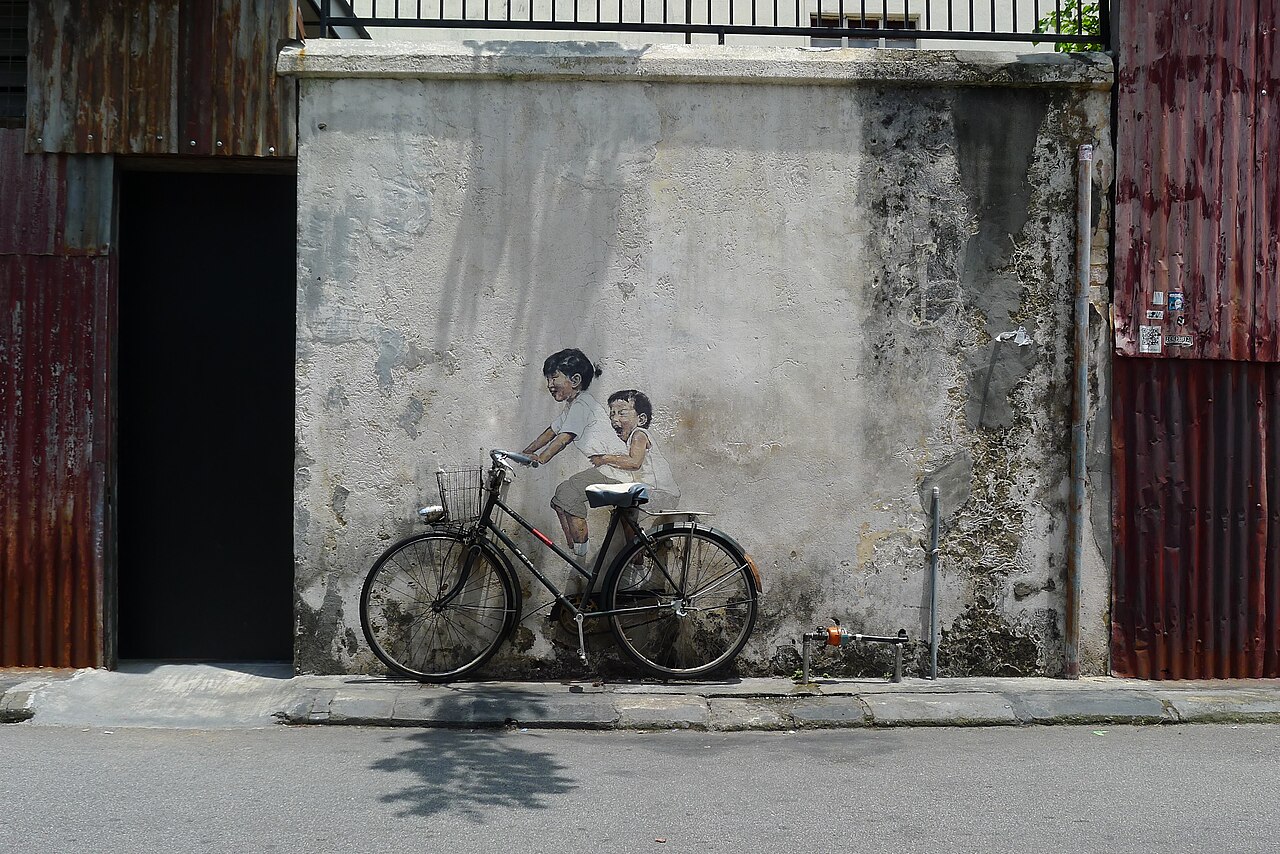
The Ernest Zacharevic murals commissioned for the 2012 George Town Festival transformed the heritage zone’s walls into a permanent outdoor gallery that has since been replicated and added to across the city. The original works — children on a bicycle, a boy on a swing, siblings on a motorcycle — are painted directly onto the shophouse walls and incorporate real objects (an actual bicycle, an actual motorcycle) as part of the composition. They are as photogenic as when they were painted, partly because the surrounding context — the aged plaster walls, the heritage zone streets, the everyday life that continues around them — creates a layering that cannot be replicated in a studio.
The best light for shooting the murals is early morning before 9 AM, when the light is warm and directional rather than the flat overhead glare of midday. A map of the major murals is available at the Penang Tourism office on Jalan Penang and at most guesthouses in the heritage zone.
Clan Jetties
The clan jetties of Weld Quay are traditional stilt villages built on piers over the water, each historically associated with a different Chinese clan: Chew, Tan, Lee, Lim, and others. The Chew Jetty is the largest and most photographed, with wooden boardwalks, fishing boats tied beneath the houses, and red lanterns that glow against the water at dusk. The blue hour window at the clan jetties — when the sky turns deep blue and the lantern and house lights come on — is one of the best shooting windows in George Town.
Penang Hill
Penang Hill (Bukit Bendera) provides the overview shot of George Town and the island from 833 metres, accessible by funicular railway in 10 minutes from the base at Air Itam. The view at sunset, looking west over George Town toward the Malacca Strait with the light fading behind the Kedah hills on the mainland, is among the most photographed in Penang. The funicular runs until 11 PM, which means blue hour and the full night cityscape are accessible. Allow at least 30 minutes for the queue at the base on weekends and school holidays.
Photography Spots in Melaka
Melaka’s photogenic appeal is concentrated in the Dutch Square area and along Jonker Street, with the Melaka River adding a foreground element that most heritage city photography lacks.
The Stadthuys and Christ Church, both painted Dutch colonial red, photograph best in the early morning when the low-angle light catches the texture of the painted plaster and the surrounding palms cast long shadows across the square. The evening also works well — the buildings are floodlit and the square is active with tricycle operators whose elaborately decorated vehicles are a Malaysian souvenir in photographic form. The Melaka River at night, with the restored shophouses reflected in the water and the coloured river lighting, produces a different kind of image: warm, layered, and with the specific visual character of a city that has worked hard to restore its heritage for tourism without entirely losing the authenticity underneath.
Photography Spots in Cameron Highlands
Cameron Highlands produces a type of Malaysian landscape image that is entirely different from anything in the lowlands. The Boh Tea Estate, the largest in Malaysia, covers the hillsides above Ringlet and Brinchang in a carpet of cultivated green that extends to the horizon in every direction. The visual effect — geometric rows of tea plants on curved hillsides, with the highland mist rolling in from the valleys each morning — is striking from any position, but the most dramatic compositions involve shooting down into the valley from an elevated position on the estate’s upper roads.
Best light: The hour after dawn, when the mist is still in the valleys and the morning light is low and warm across the tea plants. The Boh Tea Estate opens at 9 AM, but the road above the estate is accessible from sunrise and the walk-in gate timing varies. The estate visitor centre is on a spur road off the main A109 Tanah Rata to Kampung Raja highway. The strawberry farms around Kea Farm village offer a different kind of agricultural landscape shot — the plastic greenhouses and red fruit against the highland green are visually distinctive if less conventionally beautiful than the tea estate.
Photography Spots in Sabah and Sarawak
East Malaysia offers wildlife photography opportunities that the Peninsula cannot match. The Kinabatangan River in Sabah is one of the most wildlife-rich riverine systems in Southeast Asia: proboscis monkeys, pygmy elephants, hornbills, orangutans, and estuarine crocodiles are all potentially visible from a boat in a single day. The best photography windows are the two-hour sessions at dawn and dusk when wildlife movement peaks and the light quality is optimal. Lodges in the Sukau and Bilit areas on the lower Kinabatangan operate dedicated wildlife photography boat sessions; the more established ones — Sukau Rainforest Lodge, Kinabatangan Jungle Camp — have guides who know the location of regular wildlife sightings.
Mount Kinabalu from the south at dawn, shot from the Kinabalu Park headquarters area, provides the classic Borneo highland image: the granite peaks above the treeline with cloud filling the valleys below. The mountain is visible only in the early morning before cloud builds; by 10 AM most days it is obscured. The summit trail photography is in a different category — serious landscape work requiring a summit permit, overnight accommodation at Laban Rata, and the willingness to be above 3,000 metres in the dark at 2 AM for the sunrise.
Practical Photography Tips for Malaysia
Light and timing: The most consistent photography advice for Malaysia is to shoot early. The tropical sun is overhead by 10 AM and harsh midday light flattens texture and creates unflattering shadows on faces and architecture alike. Blue hour starts around 6:45-7:15 AM in KL depending on season, and golden hour runs for about 30-40 minutes from sunrise. Evening blue hour starts around 7:30-8 PM. Planning any dedicated photography session around these windows rather than general sightseeing timing significantly improves results.
Rain and clouds: Malaysia’s weather is governed by two monsoon seasons — the southwest monsoon (May-September) and the northeast monsoon (November-March). The west coast (KL, Penang, Langkawi) is most affected by the southwest monsoon; the east coast by the northeast monsoon. Neither period makes photography impossible, but dramatic storm light before a rain event, and the clarity after rain, both produce exceptional conditions that photographers who dismiss overcast days miss entirely.
Temple and cultural site photography: Most Malaysian temples allow photography but some require a small fee (RM1-5) or restrict certain areas. The guide to best temples in malaysia covers photography access and etiquette at the major sites. Remove shoes before entering prayer halls, dress modestly (cover shoulders and knees), and be observant about whether an active ceremony is in progress — wait until it concludes before raising a camera.
Equipment considerations: Malaysia’s humidity — regularly 80-90 percent in lowland areas — causes condensation when moving between air-conditioned interiors and outdoor heat. Keep lenses and sensor exposed to warm air gradually rather than taking cold equipment directly into humid outdoors. Silica gel packs in camera bags slow humidity ingress during storage. Tropical downpours can arrive with minimal warning; a rain cover for your camera bag is worthwhile. For wildlife photography on the Kinabatangan, a 400-500mm lens is the minimum useful focal length for bird and monkey shots from a boat.
Drone regulations: Drone photography in Malaysia requires a permit from the Civil Aviation Authority of Malaysia (CAAM) for commercial use. Recreational drones under 250g are exempt from registration but cannot fly within 5 km of airports, over crowds, or in national parks without specific permission. The major tourist sites — Batu Caves, KLCC, the Petronas Towers area — are in restricted airspace. The Cameron Highlands tea estates and the upper Kinabatangan River are among the more accessible locations for aerial photography with appropriate permits.
For evening photography combined with cultural visits, the guide to malaysia nightlife covers Jalan Alor, Petaling Street, and the Changkat bar strip — all of which produce excellent street and documentary photography after dark. The guide to best museums in malaysia covers the Islamic Arts Museum, Pinang Peranakan Mansion, and Cheong Fatt Tze Mansion — all of which have architectural and collection photography opportunities with specific access rules worth reading in advance.
Putrajaya Architecture Photography
Putrajaya, Malaysia’s federal administrative capital built 25 km south of KL, is among the most undervisited photography destinations in the country. Designed as an architectural statement from the ground up, the city delivers a concentrated set of grand buildings: the Prime Minister’s Office (Perdana Putra), the Palace of Justice, the Putra Mosque, and the Putrajaya International Convention Centre within a few kilometres of each other on a masterplanned lakeside site. The Putra Mosque photographed across Putrajaya Lake at blue hour — its pink granite dome reflected in still water — is one of the most technically rewarding single shots in Malaysia. KLIA Transit stops at Putrajaya station; Grab from there reaches the mosque in 10 minutes. Best on weekday mornings when government buildings are staffed but the tourist circuit is uncrowded.
Langkawi Island Photography
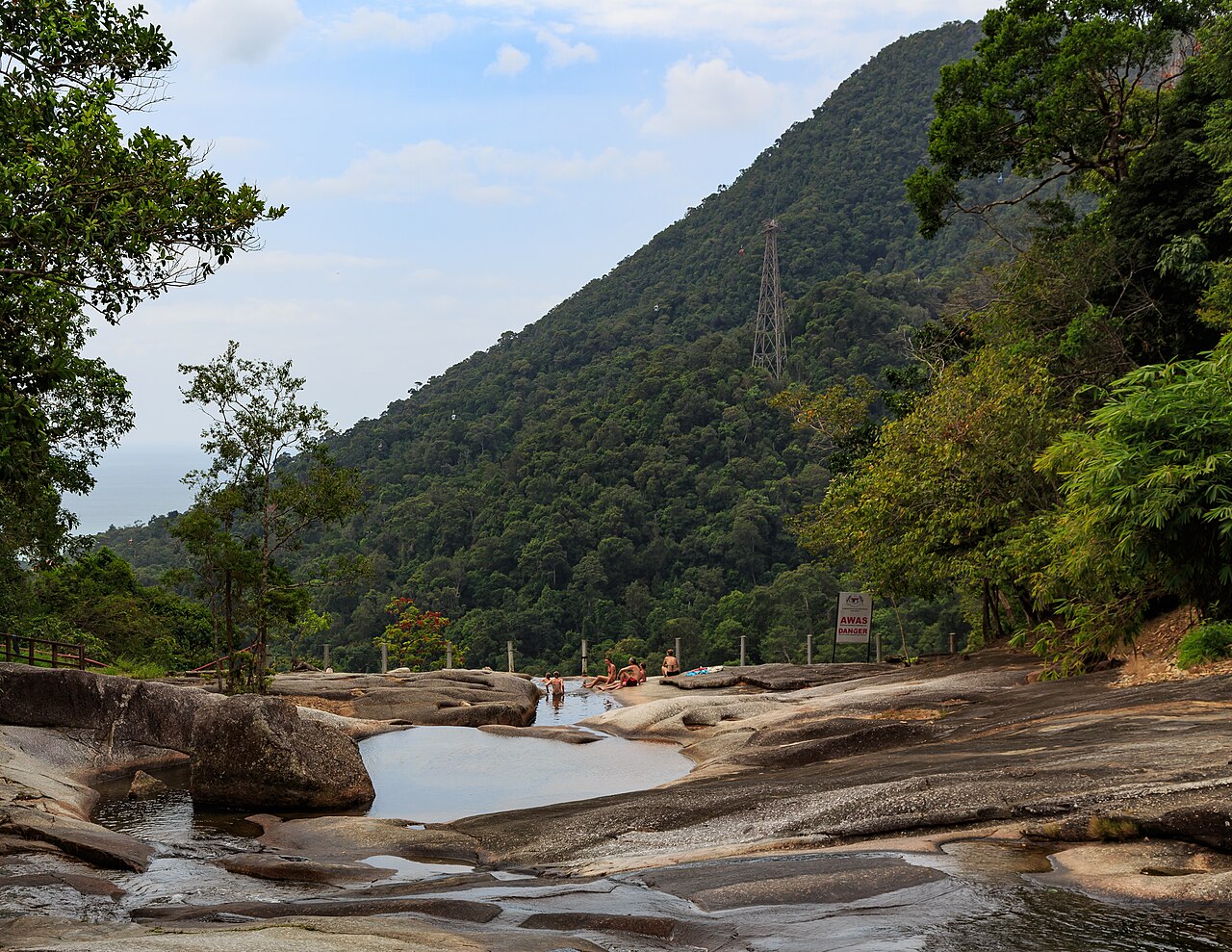
Langkawi’s visual vocabulary is entirely different from the mainland: mangrove estuaries, limestone karst rising from calm sea, west-facing beach sunsets, and the aerial perspective from the SkyBridge at 700 metres. The SkyBridge — a curved pedestrian suspension bridge at the top of the Oriental Village cable car — gives a forest-canopy and island view accessible without a permit. Best light is late afternoon when low western sun casts shadows across the southern islands. The Kilim Geoforest Park mangroves at dawn deliver flat water, kingfishers, egrets, and limestone karst in warm morning light; book the first boat departure for the photography window.
Ipoh and the Limestone Landscape
Ipoh’s old town is a compact heritage zone of colonial shophouses and Chinese clan buildings that produces strong street photography with architectural character. The morning market in the first two hours after dawn captures daily life — produce vendors, coffee shop regulars, schoolchildren — that disappears once the heat arrives. Sam Poh Tong cave temple south of the city photographs beautifully at noon when overhead light shafts through cave openings into incense smoke. The limestone karst formations surrounding the city are a distinct visual subject: the formations above the oil palm plantations viewed from the Ipoh-Kuala Kangsar road create a landscape that looks more like southern China than anywhere else in Malaysia.
Night Photography in Malaysia
Malaysian cities photograph well after dark. The combination of street food stalls, neon commercial signage, heritage architecture in floodlight, and crowds that stay out late in the tropical warmth creates a visual density that rewards night photography across multiple genres.
Jalan Alor in Bukit Bintang from 8 PM to midnight: grilling smoke, red plastic chairs, dense foot traffic, and stall neon create a street photography environment that captures KL’s after-dark character in a single frame. A 35mm or 50mm lens at f/1.8 handles the available light effectively without requiring a tripod. Petaling Street’s covered market has a similar quality — the red lanterns overhead, the neon signage of stall vendors, and the evening crowds compress a great deal of Chinatown character into tight compositions. The guide to malaysia nightlife covers Jalan Alor and Changkat Bukit Bintang as evening photography locations alongside their bar culture context.
For long-exposure cityscape work, the Twin Towers from KLCC Park require a tripod and exposures of 10-30 seconds to smooth fountain movement and eliminate camera shake at small apertures. The park allows tripods but discourages conspicuous professional setups without a permit; a compact travel tripod used without attracting attention is the practical approach.
Temple Photography: Access and Light
The guide to best temples in malaysia covers access and etiquette at the major sites in detail. For photography-specific notes: Batu Caves photographs best between 6:30 and 8:30 AM before crowds arrive and while morning light is warm and directional. The Murugan statue catches eastern morning light; the staircase photographs best from the base looking up with the cave entrance framing the composition. Kek Lok Si in Penang is best from the Pagoda of Ten Thousand Buddhas in late afternoon — the setting sun catches the upper tiers. During Chinese New Year and Wesak Day, the full temple illumination at night is exceptional. Sri Mahamariamman Temple in KL’s Chinatown shoots well from across the pedestrian street in late afternoon light.
For museums with strong architecture and collection photography — the Islamic Arts Museum has specific photography rules worth reading before arrival, and the Pinang Peranakan Mansion charges a photography fee — the guide to best museums in malaysia covers access policies at each institution. The guide to shopping in malaysia covers Petaling Street’s night market and Central Market, both of which are strong street and documentary photography locations alongside their shopping function.
Planning Your Photography Itinerary
The most efficient photography itinerary in Malaysia combines golden-hour locations with midday indoor alternatives. In KL: shoot the Twin Towers at blue hour, walk KLCC Park at dawn, then use the 10 AM to 3 PM window for the Islamic Arts Museum and National Textile Museum interiors when harsh overhead light makes outdoor shooting less rewarding. Return to Chinatown or KLCC for the evening blue hour. In Penang: shoot the clan jetties and heritage shophouses at dawn, use mid-morning for the Pinang Peranakan Mansion interior, spend midday in the air-conditioned galleries and coffee shops of Armenian Street, then shoot the hill sunset and return for the evening mural circuit after dark. This pattern — dawn exterior, midday interior, blue hour exterior — maximises the useful light hours and keeps you comfortable during the worst of the tropical heat.