Best Museums in Malaysia: A Complete Guide to the Country’s Cultural Treasures
Discover the best museums in Malaysia, from the Islamic Arts Museum and National Museum in Kuala Lumpur to heritage mansions in Penang and Melaka, plus Borneo's cultural treasures.
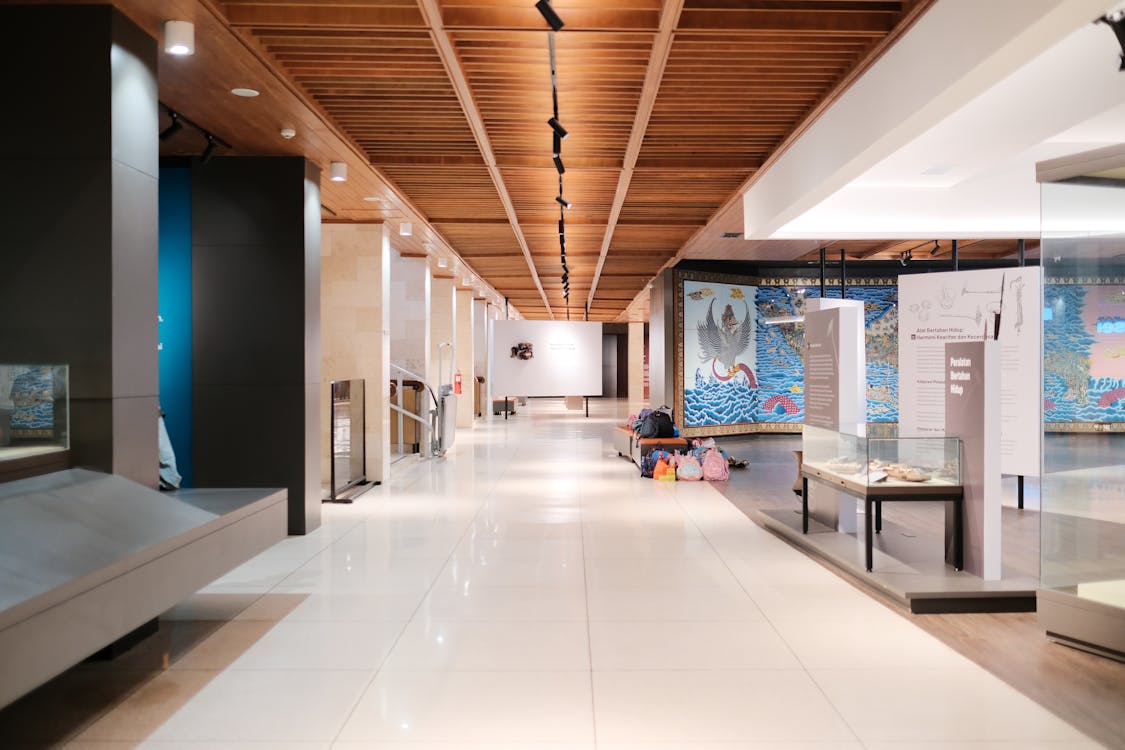
Malaysia’s museums punch well above the weight that most first-time visitors expect. The Islamic Arts Museum in Kuala Lumpur is genuinely one of the finest museums of its kind in the world. The Sarawak Museum in Kuching is one of the best natural history and ethnographic collections in Southeast Asia. The Penang State Museum is an excellent introduction to the island’s layered history. And across the country, a spread of specialist museums covers everything from the history of Malay royalty to the ceramics trade that connected Malaysia to China and the Arab world for centuries. This guide covers the best museums in Malaysia — by city, by category, and with the practical detail you need to actually visit them.
For broader activity planning, the guide to things to do in malaysia covers museums alongside food, nature, and outdoor activities. The guide to day trips from kuala lumpur covers how to incorporate the National Museum and Islamic Arts Museum into a KL city day. The guide to shopping in malaysia covers Central Market and the adjacent craft and souvenir scene that connects naturally to a museum visit in the Chinatown area.

Best Museums in Kuala Lumpur
KL’s museum offering is concentrated around two clusters: the Lake Gardens area (Perdana Botanical Garden), which has the National Museum, the Islamic Arts Museum, and the Planetarium; and the Chinatown-Merdeka Square area, which has the National Textile Museum, the National History Museum, and the River of Life heritage zone. Both clusters are best visited by Grab or on foot — they are not directly served by rail, though the Lake Gardens LRT station is walkable to the Islamic Arts Museum.
Islamic Arts Museum Malaysia
The Islamic Arts Museum Malaysia (IAMM) is the best museum in KL and one of the finest museums of Islamic art and architecture in the world. Opened in 1998, it holds over 7,000 artefacts from across the Islamic world: manuscripts, textiles, jewellery, ceramics, architecture models, and decorative arts from Persia, the Ottoman Empire, Mughal India, Central Asia, and Southeast Asia. The collection is genuinely scholarly — this is not a tourist-facing display of broad strokes, but a museum with curatorial depth that rewards extended time.
The building itself is worth visiting for its architecture: eight domes modelled on different Islamic architectural traditions, with interiors that use geometric tilework, calligraphic friezes, and carved plasterwork to create spaces that work as both exhibition halls and demonstrations of the art they contain. The Architecture Gallery on the ground floor contains models of major mosques from the Umayyad Mosque in Damascus to the Süleymaniye in Istanbul, with detailed explanations of the structural and decorative traditions each represents.
Admission: RM14 adults, RM7 children. Hours: Tuesday-Sunday 10 AM-6 PM (closed Mondays). Allow at least two hours; the textile and jewellery galleries alone justify the entrance fee. The museum restaurant serves Middle Eastern food and is a good lunch option for anyone spending a half-day in the Lake Gardens area.
National Museum of Malaysia (Muzium Negara)
The National Museum occupies a prominent building on Jalan Damansara with an exterior decorated in large mosaic murals depicting scenes from Malaysian history. The interior covers Malaysian history across four main galleries: prehistoric Malaysia and early kingdoms, the colonial era from Portuguese to British administration, the independence movement and formation of Malaysia, and traditional Malaysian cultural practices. The collection is comprehensive if not always exciting in presentation — the museum’s strength is breadth rather than depth, giving visitors a solid chronological understanding of how Malaysia came to be what it is today.
Admission: RM5 adults, RM2 children. Hours: daily 9 AM-6 PM. Allow 1.5-2 hours. The museum is a short walk from the Islamic Arts Museum, making a combined morning visit straightforward. The surrounding Perdana Botanical Garden is worth a walk-through between museums, particularly in the early morning before the heat builds.
National Textile Museum (Muzium Tekstil Negara)
The National Textile Museum occupies a restored colonial building in Merdeka Square, directly across from Dataran Merdeka. The collection covers traditional Malaysian textiles from across the peninsula and Borneo: batik from Kelantan and Terengganu, songket woven with gold and silver threads from Pahang and Kelantan, pua kumbu from Sarawak’s Iban communities, tartan-like plaid textiles from Sabah, and the court dress of the various Malay sultanates. The connection between textile tradition and cultural identity is made explicit throughout the galleries.
Admission: free. Hours: daily 9 AM-6 PM. The museum is in the heart of the Merdeka Square heritage zone and pairs naturally with a walk around the surrounding area and the Sultan Abdul Samad Building, one of KL’s most photographed colonial landmarks. Allow one hour.
Bank Negara Malaysia Museum and Art Gallery
The Bank Negara Museum and Art Gallery is a genuinely underrated institution in the KL museum landscape. The galleries cover the history of money and banking in Malaysia with more contextual richness than the dry subject might suggest — the story of the Malaysian economy from tin-mining through the oil economy to modern finance is told through currency, trade objects, and archival material. The art gallery section holds a rotating programme of contemporary Malaysian art alongside a permanent collection that covers Malaysian painting from the colonial era to the present. Admission is free. Hours: Tuesday-Sunday 10 AM-6 PM.
Royal Malaysia Police Museum
The Royal Malaysia Police Museum (Muzium Polis Diraja Malaysia) covers the history of law enforcement in Malaysia from the colonial police force through the Emergency period (the Communist insurgency of 1948-1960) and into the modern era. The Emergency gallery is particularly interesting — weapons, uniforms, and archival material from one of the most significant counterinsurgency campaigns in British colonial history, which took place largely in Malaysia’s jungles. Admission: free. Hours: Monday-Friday 9 AM-5 PM, Saturday-Sunday 10 AM-4 PM.
Best Museums in Penang
Penang’s museum offering is clustered in and around George Town, with several excellent institutions within walking distance of each other in the heritage zone. The combination of the Penang State Museum, Pinang Peranakan Mansion, and Cheong Fatt Tze Mansion covers colonial history, Peranakan culture, and Chinese merchant architecture in a way that adds genuine depth to walking around the heritage streets.
Penang State Museum and Art Gallery
The Penang State Museum occupies a colonial building on Farquhar Street and covers the history of Penang from Francis Light’s founding of the settlement in 1786 through the development of the plural society — Chinese, Malay, Indian, and European communities living and trading alongside each other — that defines the island’s character today. The collection includes period photographs, maps, artefacts from the early settlement period, and an art gallery with works by notable Penang artists. Admission: RM1 adults, free for children. Hours: Monday-Thursday and Saturday-Sunday 9 AM-5 PM (closed Fridays).
Pinang Peranakan Mansion
The Pinang Peranakan Mansion is one of the best museums in Malaysia for understanding the Peranakan — Nyonya-Baba — culture that developed when early Chinese settlers intermarried with local Malay women and created a distinct hybrid culture over generations. The mansion itself, built in the 1890s, is a remarkable example of Peranakan architecture: Chinese woodcarving combined with European cast-iron columns, Minton floor tiles imported from England, and a colour palette of greens and golds that is immediately recognisable as Peranakan. The interior displays clothing, jewellery, furniture, and household objects that show how this culture expressed itself materially.
Admission: RM20 adults, RM10 children. Hours: daily 9:30 AM-5 PM. Allow 1.5-2 hours. This is one of the most visually impressive museums in Malaysia and a highlight of any George Town visit. The mansion is a short walk from Penang State Museum.
Cheong Fatt Tze Mansion (The Blue Mansion)
The Cheong Fatt Tze Mansion — universally known as The Blue Mansion for its indigo-blue exterior — is a UNESCO-listed heritage building in George Town that operates as a boutique hotel with guided museum tours. Built in the 1880s for Hakka Chinese merchant Cheong Fatt Tze, the mansion is the finest surviving example of eclectic Straits Chinese architecture in Malaysia: 38 rooms, five granite courtyards, and 220 louvered windows, combining Southern Chinese architectural forms with Scottish cast-iron work, French Art Nouveau floor tiles, and English stained glass. The guided tours run twice daily and explain both the architectural heritage and the social history of the merchant class that built such structures. Tour admission: RM16 adults. Hours: tours at 11 AM and 3 PM daily.
Best Museums in Melaka
Melaka has more museums per square kilometre than any other city in Malaysia, which reflects its UNESCO heritage status and the depth of its history as the first major trading port in the region. The concentration in and around Jonker Street and the Dutch Square area means you can walk between six or seven museums in a single morning.
Baba and Nyonya Heritage Museum
The Baba and Nyonya Heritage Museum on Jalan Tun Tan Cheng Lock — Melaka’s famous millionaires’ row — occupies three adjoining traditional townhouses from the 1860s. The collection and the building are inseparable: the museum’s value is precisely that the artefacts — Peranakan furniture, clothing, ceramics, and household objects — are displayed in the rooms they were originally used in, rather than in decontextualised gallery cases. The guided tours explain how the Peranakan domestic world was organised and what each room’s contents reveal about the social hierarchies and cultural practices of this community. Admission: RM16 adults, RM11 children. Hours: daily 10 AM-5 PM.
Melaka Sultanate Palace Museum
The Melaka Sultanate Palace Museum is a full-scale wooden reconstruction of the palace of the Malacca Sultanate, built using traditional materials and methods based on descriptions in the 15th-century Malay Annals. The interior displays artefacts and dioramas covering the history and court culture of the Malacca Sultanate at its height, when the city controlled a significant portion of maritime trade between the Indian Ocean and the South China Sea. Admission: RM5 adults. Hours: Tuesday-Sunday 9 AM-5 PM.
Museum of History and Ethnography
The Museum of History and Ethnography, housed in the Dutch-built Stadthuys (the old town hall from 1650), is the oldest functioning building in Malaysia and a visual anchor of Dutch Square. The red-painted building houses a comprehensive collection covering Melaka’s history from the Sultanate period through Portuguese and Dutch occupation and into the British colonial era. The colonial-era exhibits are particularly strong, with artefacts, maps, and documentary material from each administrative period. Admission: RM5 adults, free for children under 12. Hours: daily 9 AM-5:30 PM.

Best Museums in Sabah and Sarawak
East Malaysia’s museums are less visited than those on the peninsula but contain some of the most distinctive collections in the country, covering the extraordinary cultural diversity and natural history of Borneo.
Sarawak Museum (Kuching)
The Sarawak Museum in Kuching is one of the oldest and finest museums in Southeast Asia. Founded in 1891 under the patronage of Charles Brooke (the second White Rajah of Sarawak) and partly shaped by the naturalist Alfred Russel Wallace, the museum covers the natural history and ethnography of Borneo with a depth and seriousness of purpose that reflects its age and curatorial tradition. The collection includes exceptional examples of Iban pua kumbu textiles, Dayak carved woodwork, Kenyah and Kayan decorative arts, natural history specimens collected during the colonial period, and archaeological material from Sarawak’s cave systems. Admission: free. Hours: Tuesday-Sunday 9 AM-4:30 PM.
Sabah Museum (Kota Kinabalu)
The Sabah Museum in Kota Kinabalu covers the history, ethnography, and natural history of Sabah across multiple galleries. The Heritage Village adjacent to the main building recreates traditional houses from several of Sabah’s ethnic communities — Kadazan-Dusun, Murut, and others — with explanatory materials on the cultural practices associated with each architectural style. The natural history galleries cover the flora and fauna of Sabah including the Borneo pygmy elephant, orangutan, and the remarkable diversity of the state’s rainforest ecosystems. Admission: RM15 adults. Hours: Saturday-Thursday 9 AM-5 PM (closed Fridays).
Museum Practical Tips
Best time to visit: Weekday mornings, ideally Tuesday through Thursday, when crowds are minimal and staff have more time to engage. Weekends at the more popular museums — Islamic Arts Museum, Pinang Peranakan Mansion — can be crowded with school groups and local visitors. School holiday periods (April, August, and December) are the most crowded nationally.
Photography: Most Malaysian museums allow photography for personal use without flash. The Pinang Peranakan Mansion and Cheong Fatt Tze Mansion charge a small photography fee or require you to book a tour that includes photography. Always check the policy at the entrance rather than assuming.
Guided tours: The Islamic Arts Museum, Sarawak Museum, and most of Melaka’s heritage museums offer guided tours in English. These are worth taking when available — the level of contextual detail provided by a knowledgeable guide is substantially higher than what you get from reading labels alone. At the Baba Nyonya Heritage Museum in Melaka, the guided tour is effectively mandatory and the admission includes it.
Free museums: Several of Malaysia’s best museums are free, including the National Textile Museum in KL, the Bank Negara Museum, the Royal Malaysia Police Museum, and the Sarawak Museum in Kuching. Free entry does not correlate with quality in Malaysia’s museum landscape — some of the free institutions are among the best in the country.
For the cultural context around what you see in Malaysian museums — the temple traditions, festival culture, and community practices — the guide to best temples in malaysia covers the living religious traditions that complement museum collections. The guide to malaysia nightlife covers the evening options in KL and Penang that pair naturally with a museum-heavy afternoon. For families combining museum visits with more active entertainment, the guide to malaysia theme parks covers Berjaya Times Square and i-City as afternoon alternatives to a third museum.
Specialist and Niche Museums Worth Seeking Out
Beyond the major institutions, Malaysia has a spread of specialist museums that serve particular interests well.
Royal Selangor Visitor Centre (KL): The Royal Selangor pewterware factory in Setapak, KL, operates a visitor centre that covers the history of Malaysian tin mining and pewterware production alongside a working factory tour. It is equal parts museum and manufacturing demonstration, with workshops where you can make your own pewter piece to take home. The connection between the Klang Valley tin fields and the economic development of KL is explained with genuine depth. Admission: free for the museum section. Hours: daily 9 AM-5 PM.
Perdana Leadership Foundation (KL): The Perdana Leadership Foundation in Precinct 8, Putrajaya covers the careers and leadership legacies of Malaysia’s prime ministers through an exhibition that mixes political history with personal artefacts. The Putrajaya setting means it is best combined with a visit to the administrative capital’s mosques and government buildings rather than added to a KL city day. Admission: free.
Orang Asli Crafts Museum (Mah Meri Cultural Village, Carey Island): The Mah Meri people of Carey Island are the only Orang Asli community in Malaysia with a sustained tradition of figurative wood carving, producing ancestor figures (moyang) and ceremonial masks of extraordinary quality. The cultural village includes a small museum, artist workshops, and direct sales. Reaching Carey Island requires a car or organised tour from KL (approximately 80 km south), but for anyone seriously interested in Malaysian indigenous culture and art, it is one of the most distinctive cultural destinations in the country.
Lenggong Archaeological Museum (Perak): Lenggong in Perak is a UNESCO World Heritage Site for its concentration of prehistoric archaeological finds, including Perak Man — a 10,000-year-old skeleton that is the oldest complete human skeleton found in Southeast Asia. The Lenggong Archaeological Museum covers the full prehistoric sequence of the Perak River valley, from the earliest stone tools through the Hoabinhian and Neolithic periods. The museum is small but the material is genuinely significant. Admission: RM5 adults. Located about 100 km from Ipoh.
Planning a Museum Day in Kuala Lumpur
For visitors with a single full day to dedicate to museums in KL, two itineraries work well depending on your interests.
Lake Gardens circuit (Islamic Arts and National Museum): Take the LRT to Lake Gardens station and walk to the Islamic Arts Museum for opening at 10 AM. Allow two hours. Walk through the Perdana Botanical Garden to the National Museum — 20 minutes on foot through parkland. Spend 90 minutes in the National Museum. Lunch at the IAMM restaurant or at one of the restaurants on Jalan Damansara. Spend the afternoon at the National Planetarium if you have children, or return to the city centre via the Butterfly Park and Bird Park if you want more garden time. Total walking distance is manageable and the route is shaded by the parkland.
Merdeka Square circuit (heritage and textile): Take the Rapid KL bus or Grab to Merdeka Square. Start with the National Textile Museum (free, one hour). Walk to the KL City Gallery in Dataran Merdeka for an overview of the city’s history and architecture model. Walk to Chinatown and the Central Market for craft shopping. Visit the Sin Sze Si Ya Temple in Chinatown, the oldest Taoist temple in KL, as a cultural counterpoint to the formal museum experience. Lunch at any hawker stall in Chinatown. Afternoon at the Jalan Petaling area for street shopping before returning to your hotel. This circuit is more walking-intensive but covers a denser range of cultural material.
Planning a Museum Day in Penang
George Town’s heritage zone is compact enough that a museum day works as a walking itinerary. Start at the Penang State Museum (open from 9 AM, one hour). Walk to the Pinang Peranakan Mansion (10-minute walk, allow 1.5 hours). Walk to Cheong Fatt Tze Mansion for the 11 AM tour (15 minutes on foot). Lunch in the heritage zone — Armenian Street has several good options. Afternoon at the Penang Hill funicular railway and the historical exhibits at the colonial hill station. Return to George Town for the evening food circuit along Armenian Street and Love Lane.
The density of heritage buildings and street art in George Town means the walk between museums is itself part of the cultural experience — the 1880s shophouses, clan jetties, and temple compounds you pass between formal museum stops add as much context as anything inside the institutions. Allow more time than you think you need for the walking portions.
For the temple and heritage site context that complements Penang and Melaka museum visits, the guide to best temples in malaysia covers the Kek Lok Si temple complex, Kapitan Keling Mosque, and the Sri Mahamariamman temples that frame George Town’s religious heritage alongside its museum culture. For an evening in KL or Penang after a museum-heavy day, the guide to malaysia nightlife covers the bar and food scene in both cities. For families visiting with children who need a break from museum floors after two institutions, the guide to malaysia theme parks covers KidZania KL and Petrosains, both of which deliver educational engagement in a format that works for younger visitors without being purely entertainment.