Where to Stay in Borneo: Best Accommodation in Sabah & Sarawak (2026)
Sabah and Sarawak have no shared hotel inventory or land route between them. Hub-by-hub rates in ringgit, the November 2026 Sipadan closure, and the new Mulu fees most guides still miss.
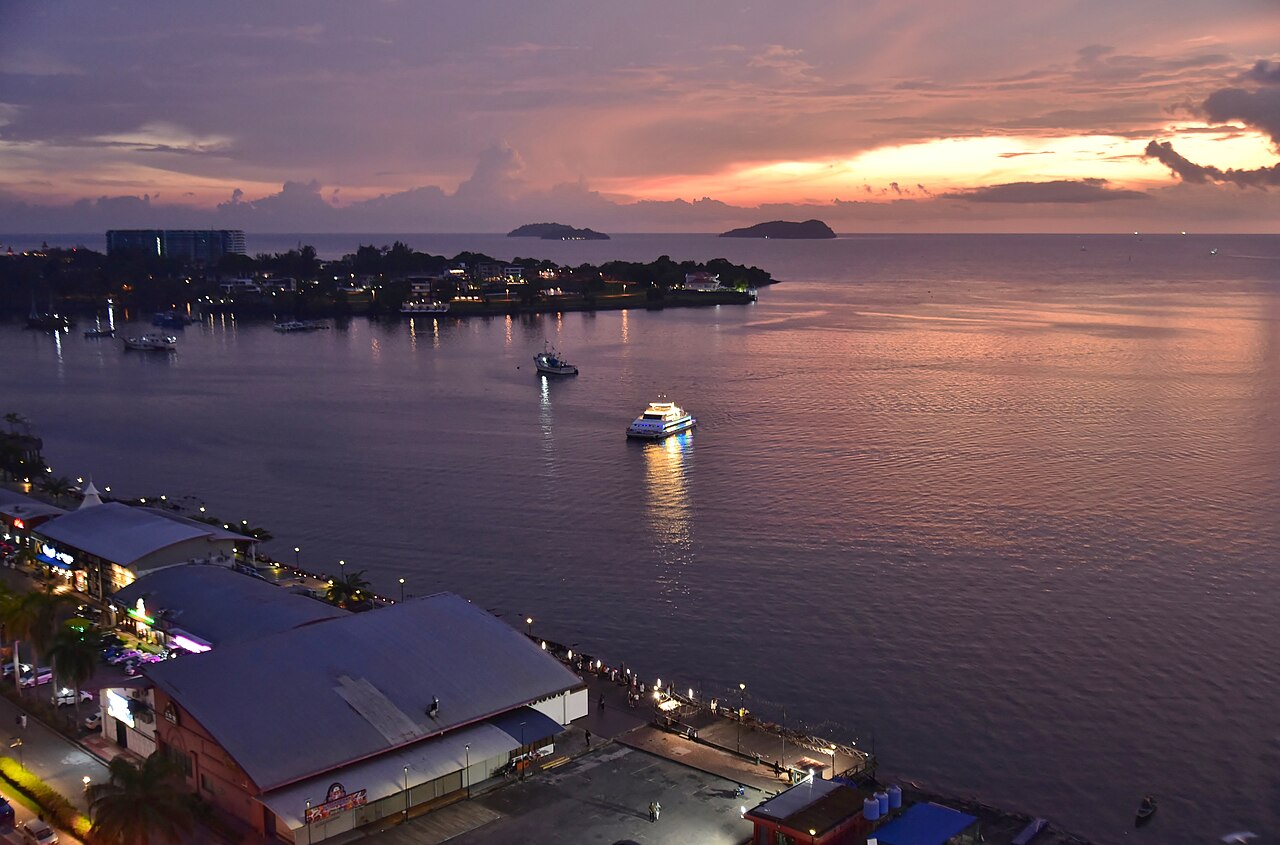
Sabah and Sarawak don’t share a land border you can drive across, and the sea routes that once linked them are gone. So working out where to stay in Borneo is really two separate accommodation decisions stitched together by a flight, not one region-wide booking exercise. Treat a Kota Kinabalu hotel and a Kuching hotel as stops on the same casual itinerary without checking connections first, and you’ll burn an entire travel day you didn’t plan for.
The routing got more complicated in January 2026, when MASwings was rebranded to AirBorneo under Sarawak state government ownership and its primary hub moved from Kota Kinabalu to Kuching International Airport, with Miri kept on as a secondary base for the Twin Otter routes into the interior. That shift matters for anyone splitting a trip across both states — Kuching is now the better-connected gateway into Sarawak’s interior parks, while Sabah’s coastal and island network still radiates out of Kota Kinabalu.
This guide goes hub by hub — Kota Kinabalu, Sepilok, Semporna and Mabul, Danum Valley, Kuching and Mulu — with nightly rates in ringgit, tiered picks from budget to luxury, and the logistics that decide how many nights each leg actually needs. It also flags the one date that should be steering your Semporna and Mabul bookings for late 2026, and a Mulu fee change from earlier this year that most existing guides still don’t mention.
Borneo Accommodation at a Glance
Rates below are approximate nightly figures pulled from current booking-platform pricing, inclusive of the taxes shown at booking — treat them as a planning baseline and confirm live rates for your dates. Malaysia’s 8% accommodation SST applies on top of most quoted rates, so build that into your budget separately from the numbers here.
| Hub | Best For | Typical Nightly Range | Nights to Budget |
|---|---|---|---|
| Kota Kinabalu | City base, flights, island day trips | RM 400 (US$99) – RM 1,625+ (US$401+) | 2–3 |
| Sepilok / Sandakan | Orangutans, proboscis monkeys | from RM 590 (US$146) | 1–2 |
| Semporna / Mabul | Diving, Sipadan permits | RM 60–150 town / RM 1,250 package | 2–4 |
| Danum Valley | Deep rainforest, wildlife | package pricing only — no verified nightly figure | 2–3 |
| Kuching | Sarawak base, Bako, old town | varies by area — see Kuching section | 2–3 |
| Mulu | Caves, Pinnacles, trekking | lodge rates vary — see Mulu section | 2–3 |
How Many Nights Where: A Realistic Sabah + Sarawak Routing
Most guides describe each Borneo town as if it exists in isolation. In practice, a first trip is constrained by how few direct connections run between nodes and by how few beds exist at the two places that matter most for wildlife — Danum Valley and the accommodation inside Mulu itself. Both cap daily arrivals well before any city hotel runs short of rooms, so they should anchor your dates first, with everything else booked around them.
A workable 10-12 day split looks like this: two nights in Kota Kinabalu to land and adjust, one to two nights at Sepilok for the orangutans, two to three nights on the Semporna/Mabul diving leg, one night back in Kota Kinabalu before flying out, then two to three nights in Kuching and two to three more reaching Mulu via Miri. That’s before you add Danum Valley, which is usually a separate three-night add-on given how far Lahad Datu sits from everything else. If you’re building the whole trip rather than just picking beds one hub at a time, the full Borneo itinerary breaks this routing down day by day, including where the AirBorneo connections actually work and where they don’t.
A one-state trip is far more forgiving. Seven days entirely in Sabah, or entirely in Sarawak, gets you a proper look at one region without the connecting flights eating two of your days. Trying to do both Sabah and Sarawak in under eight days usually means cutting either Danum Valley or Mulu — the two legs with the tightest bed counts and the least flexibility to shorten.
Kota Kinabalu: Your Sabah City Base
Kota Kinabalu carries the deepest hotel inventory in Sabah across every tier, and it’s the only Borneo hub where you can genuinely compare budget, mid-range and luxury on the same street. The full Kota Kinabalu travel guide covers the city itself; here’s what the beds cost.
Budget to Mid-Range: City Hotels
LUMA Hotel Kota Kinabalu starts from around RM 400 (about US$99) a night, inclusive of tax on current booking-platform pricing. It sits centrally enough to walk to the waterfront night market and the jetty for island transfers, which matters if Tunku Abdul Rahman park or Gaya Island is on the itinerary. Verdict: the right default pick for anyone whose Sabah trip is built around Kota Kinabalu as a base rather than a one-night stopover.
Upper-Mid: Beach Resort North of the City
Shangri-La Rasa Ria starts from roughly RM 800 (about US$197) a night. It’s a beach resort north of Kota Kinabalu proper, so it suits travellers who want sand and a pool without the logistics of an island transfer — the trade-off is a 45-60 minute drive back into the city for anything beyond the resort grounds. Verdict: worth it if you want one property to cover both “beach” and “near the airport,” not if you plan to be in the city centre most evenings.
Luxury: Gaya Island
Gaya Island Resort starts from around RM 1,460 (about US$361) and Bunga Raya Island Resort from around RM 1,625 (about US$401), both inside Tunku Abdul Rahman marine park, a short boat transfer from the Jesselton Point jetty in Kota Kinabalu. Both are covered in more depth in the Borneo Islands guide. Verdict: this is Sabah’s honeymoon-and-splurge tier — factor the boat transfer time into your first and last day rather than booking a tight connecting flight either side.
| Hotel | Tier | From (MYR) | From (USD) |
|---|---|---|---|
| LUMA Hotel Kota Kinabalu | Budget–mid | RM 400 | US$99 |
| Shangri-La Rasa Ria | Upper-mid beach | RM 800 | US$197 |
| Gaya Island Resort | Luxury island | RM 1,460 | US$361 |
| Bunga Raya Island Resort | Luxury island | RM 1,625 | US$401 |
If a Mount Kinabalu climb is on the itinerary, book your summit lodging months ahead separately from your city hotel — the Kinabalu National Park guide covers the lead times, since mountain accommodation sells out far earlier than anything in the city.
Sepilok and Sandakan: Where to Stay to See Orangutans
Sepilok Nature Lodge starts from around RM 590 (about US$146) a night and sits close enough to the Rehabilitation Centre entrance to make the 10am and 3pm feeding sessions without arranging a taxi each time. That proximity is the entire point of staying at Sepilok rather than commuting out from Sandakan town — the feeding windows are short and the walk-in crowds thin fastest for guests already on site. For the wider picture of ethical orangutan viewing across Sabah, see where to see orangutans in Malaysia.
One practical detail that catches people out: the Sepilok Orangutan Rehabilitation Centre charges RM 30 (about US$7) entrance for foreign adults, plus a separate RM 10 (about US$2) camera or recording-device fee at the gate, and it’s cash only. There is no ATM on site. Withdraw what you need in Sandakan town or at the airport before you head out — turning up without cash means missing a feeding session while you find a machine.
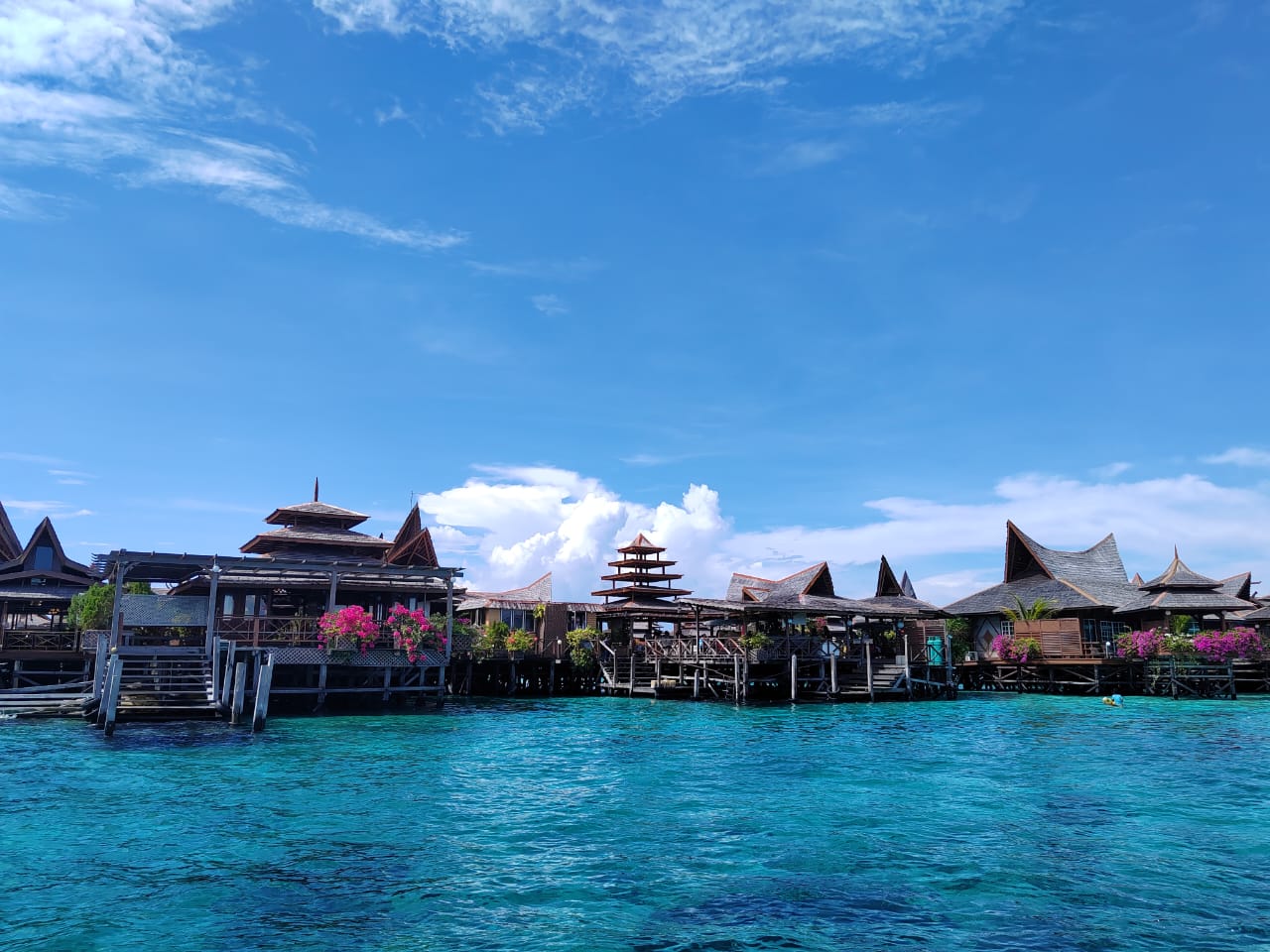
Semporna and Mabul: Accommodation for Diving
Semporna town and Mabul Island solve the same problem — access to Sipadan — in two different ways, and the choice changes your accommodation model entirely. Semporna is the mainland jump-off point with ordinary budget hotels; Mabul is a small island a boat ride offshore where most properties are dive resorts selling packages rather than room-only nights. The full Sipadan Island guide covers the permit system in detail.
Budget hotels in Semporna town run roughly RM 60-150 a night. For August 2026 dates, Sipadan Inn 2 comes in around RM 122 (about US$30), Ocean Inn around RM 134 (about US$33), and Pacific Inn around RM 150 (about US$37). All three put you within walking distance of the jetty where dive boats depart each morning, but you’re commuting to the dive sites daily rather than sleeping over the water.
Mabul removes that commute but changes what you’re buying. A typical Mabul package runs around RM 1,250 (about US$309) for two nights full-board, including three Sipadan dives plus additional Mabul and Kapalai dives and the boat transfer from Semporna. Budget for the package price rather than hunting for a room-only nightly rate — most Mabul operators don’t sell one.
| Property | Location | Rate | USD |
|---|---|---|---|
| Sipadan Inn 2 | Semporna town | RM 122/night | US$30 |
| Ocean Inn | Semporna town | RM 134/night | US$33 |
| Pacific Inn | Semporna town | RM 150/night | US$37 |
| Mabul dive package | Mabul Island | RM 1,250 / 2 nights full-board + 3 Sipadan dives | US$309 |
The fact almost no other guide currently mentions: Sipadan closes entirely to tourism — no diving, no snorkelling — for the whole of November 2026, reopening 1 December 2026, for marine conservation. That has a direct knock-on effect on Semporna and Mabul booking calendars for that month. Dive resorts on Mabul are already adjusting how they price room-only versus package stays around the closure, and some are blocking or discounting November dates for guests who aren’t there to dive Mabul and Kapalai alone. If diving Sipadan itself is the point of your trip, avoid booking this leg for November 2026 entirely — you’d be paying resort rates for a site you can’t access.
Danum Valley: Rainforest Lodge Accommodation
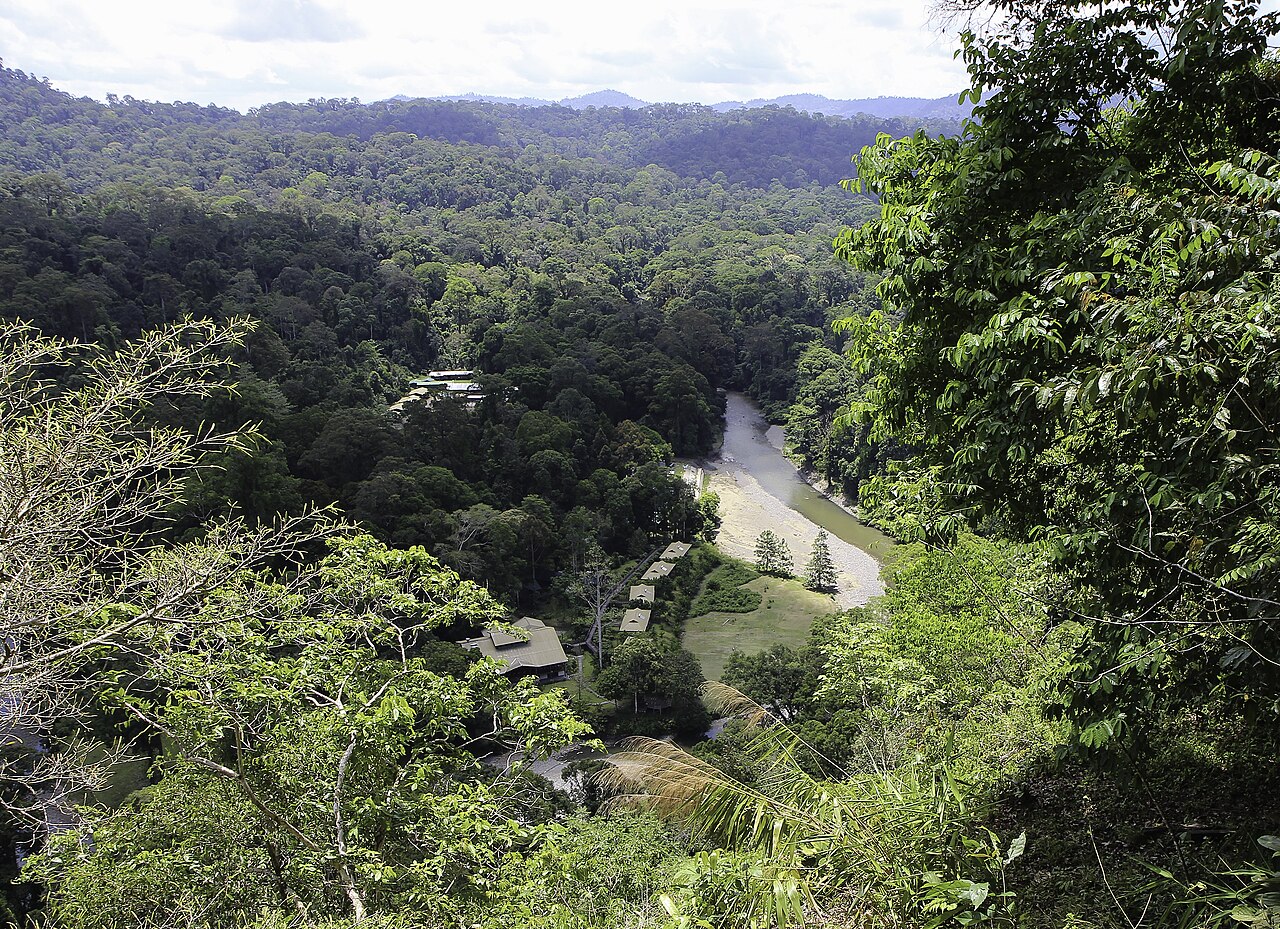
Danum Valley has effectively one accommodation option worth naming — the Danum Valley & Borneo Rainforest lodge — and it isn’t sold by the night. Stays are structured as full-board packages: 3 days/2 nights, 4 days/3 nights, or 5 days/4 nights, bundling meals, guided walks and the transfer from Lahad Datu into a single price. That’s standard practice for a lodge this remote, where every guest arrives and leaves on the same scheduled transfer regardless of how long they stay.
We don’t have a verified flat per-night rate to publish here, and pricing varies by season and group size in a way that makes a single number misleading. Treat any per-night figure you see quoted elsewhere as provisional — get a live quote for your actual dates before you build the rest of the trip around it. What is fixed is the structure: budget a minimum of three days and two nights, since anything shorter barely covers the transfer time in and out.
Because Danum Valley is sold as a sealed package rather than a nightly rate, it’s worth asking directly what’s included before comparing it to anything else in this guide: meals, a set number of guided activities per day, and ground transfers from Lahad Datu are standard, but extras like night drives or canopy walkway access sometimes cost more depending on the operator. None of that changes the headline structure — 3D2N, 4D3N or 5D4N — but it does change what a like-for-like comparison across operators actually looks like, so ask for an itemised quote rather than comparing headline package prices alone.
Kuching: Your Sarawak Base
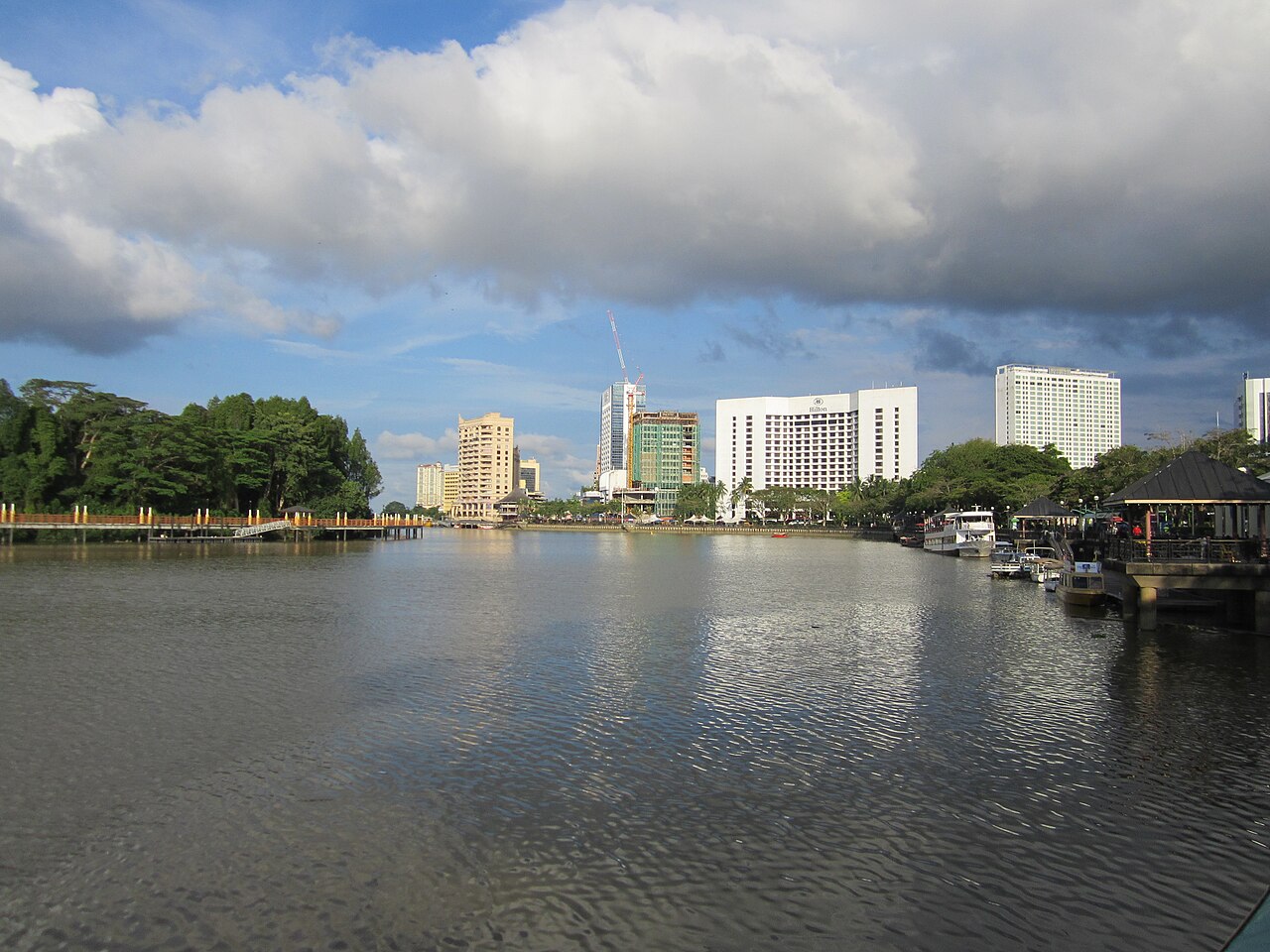
Kuching became meaningfully easier to reach on its own in 2026. AirBorneo launched a direct Kuching-Kuala Lumpur service on 20 July 2026 and Kuching-Singapore on 22 July 2026, on top of Kuching’s new role as the airline’s primary hub since the January 2026 rebrand. A Sarawak-first trip no longer has to route through Kota Kinabalu at all — you can fly into Kuching, stay entirely in Sarawak, and fly back out the same way. The Kuching travel guide covers the city in full.
The old town waterfront is the area to base yourself in: it puts you a short walk from the Sarawak River promenade, within day-trip range of Bako National Park and its proboscis monkeys, and close to the boat jetties for river cruises. We don’t have verified current nightly rates for named Kuching properties to publish here — several competitor guides are still quoting pre-2026 numbers, which is exactly the kind of stale figure worth ignoring. Check live rates for your dates rather than trusting an older listicle’s price.
Mulu: Fees Changed in February 2026, and Access Runs Through Miri Now
Gunung Mulu National Park added conservation fees in February 2026 that most existing guides still describe access to as if it were free beyond the standard park entry. Budget for these on top of accommodation: RM 20 (about US$5) per visitor travelling with a freelance guide or tour operator, a RM 10 (about US$2) Camp 5 sustainability fee if you’re overnighting there, and RM 15 (about US$4) for the Summit Trail or Headhunters Trail specifically. None of this is optional — it’s collected at the point of entry alongside your park fee.
| Fee | Amount (MYR) | Amount (USD) | Applies To |
|---|---|---|---|
| Conservation fee, freelance guide/operator | RM 20 | US$5 | Per visitor |
| Camp 5 sustainability fee | RM 10 | US$2 | Overnight at Camp 5 |
| Summit Trail / Headhunters Trail fee | RM 15 | US$4 | Trekkers on those trails |
Seats matter as much as fees on this route. AirBorneo runs a fleet of 14 turboprops — eight ATR 72-500s on the larger inter-city routes and six DHC-6-400 Twin Otters on the shorter interior hops, including the run into Mulu. The Twin Otters carry far fewer passengers than the ATRs, so seats on the Mulu leg specifically sell out faster than something like Kuching-Kota Kinabalu. Book that flight as early as you fix your Sarawak dates — don’t leave it until after you’ve confirmed lodging, or you may end up with accommodation booked and no practical way to reach it on your planned days.
Getting to Mulu National Park now typically runs through Miri rather than Kota Kinabalu. Since the January 2026 rebrand, AirBorneo keeps Miri as a secondary base specifically for the Twin Otter routes into the interior, which is how most visitors reach Mulu’s airstrip. Lodge rates inside and around the park vary by property and season — we don’t have verified current figures to publish here, so check live availability once your travel dates are fixed, ideally before locking in the rest of a Sarawak itinerary, since interior flights run limited daily frequencies and fill up around peak season.
What to Skip
A “Sabah and Sarawak in one hotel package” sold by some operators is usually not worth it. There’s no shared inventory between the two states — you’re always booking two separate legs regardless of how it’s bundled — so a package deal rarely beats booking each leg direct once you check it against the actual AirBorneo timetable and compare total cost.
Don’t book a Semporna town hotel and a Mabul dive resort for the same days out of habit — pick one. Town hotels are cheaper and add a daily boat commute to the dive sites; island resorts remove the commute but generally lock you into their dive package rather than letting you book room-only. Paying for both is paying twice for the same nights.
Don’t assume the headline rate you see online already includes tax. Malaysia’s accommodation SST runs at 8% and usually stacks onto the quoted rate at checkout rather than being baked into the number you first see — add roughly 8% to every figure in this article when you’re totalling a real budget, plus any separate service charge the property adds.
Don’t book Sipadan-adjacent accommodation for November 2026 expecting to dive Sipadan itself — the island is closed for the entire month for conservation. If diving Sipadan is the reason for the trip, shift those dates rather than assuming the closure won’t affect you.
Don’t plan to self-drive between accommodation hubs the way you might on the Malaysian peninsula. Kota Kinabalu to Sepilok or Semporna is a five-to-six hour drive each way on roads that don’t reward the time saved versus a 45-minute domestic flight, and there is no road connecting Sabah’s accommodation hubs to Sarawak’s at all. Renting a car makes sense for short hops within Kota Kinabalu or Kuching city limits, not for stitching the wider itinerary together.
Costs, Booking Order and When to Go
Book in order of scarcity, not in the order the legs appear on a map. Sipadan and Mabul come first if diving drives the trip — permits and resort beds are limited, and the November 2026 closure narrows the calendar further for anyone diving that season. Danum Valley comes next, since Borneo Rainforest Lodge caps daily arrivals and sells out for peak weeks before city hotels even notice demand. Sepilok follows, then Kuching and Mulu together given the limited Twin Otter frequencies into the interior. Leave Kota Kinabalu for last — it has the deepest inventory of any Borneo hub and is the easiest piece to shift by a day or two if something earlier in the chain moves.
Sabah draws roughly 3.5 million visitors a year and Sarawak around 1.5 million, against under a million for Indonesian Kalimantan on the same island — useful context for why Sabah’s peak-season island and diving inventory (July-August, December) tightens faster than Sarawak’s does. If your dates fall in those windows, book the scarce legs — Sipadan/Mabul and Danum Valley — as early as you lock flights, and treat everything else as flexible.
A rough two-week total across both states, mixing budget and mid-range picks from the tables above — a few nights each in Kota Kinabalu, Sepilok, Semporna, Kuching and a Danum Valley package — lands somewhere in the RM 4,000-7,000 per person range (about US$988-1,728) before flights, once you add the 8% SST and the park fees covered earlier. Going all-luxury on the island resorts and rainforest lodges pushes that considerably higher; staying budget throughout, skipping Danum Valley, and sticking to hostels and basic guesthouses can bring a two-week trip in well under RM 3,000 (about US$741) for accommodation alone.
Frequently Asked Questions
What’s the best area to stay in Borneo for first-timers?
Kota Kinabalu, because it has the airport, the deepest hotel inventory across every tier, and puts Sepilok and the islands within a half-day’s reach. If Sarawak is on the itinerary too, treat it as a separate 3-4 night leg rather than trying to base out of one city for the entire trip.
Sabah or Sarawak — which is better?
They’re not really comparable. Sabah has the wildlife-and-diving trio — Sepilok, Semporna/Sipadan, Danum Valley — and draws roughly 3.5 million visitors a year. Sarawak has Kuching’s old-town culture, Bako’s proboscis monkeys and Mulu’s caves, with around 1.5 million visitors. Most travellers with ten or more days do both; with under a week, pick based on whether diving and orangutans or caves and culture matters more to you.
How many days do you need in Borneo?
Budget at least 10-12 days to cover both states properly once you count flight connections through the AirBorneo network — roughly 3-4 nights in Sabah’s wildlife and diving loop, 3-4 in Sarawak, plus travel days between them. A one-state trip of 5-7 nights is realistic on its own; under 8 days for both states usually means cutting Danum Valley or Mulu, the two legs with the tightest bed counts.
Where should you stay to see orangutans?
Sepilok, right by the Rehabilitation Centre entrance. Sepilok Nature Lodge from around RM 590 (about US$146) puts you within walking distance of the 10am and 3pm feeding sessions, which matters because the viewing windows are short and crowds thin out fastest for guests already on site rather than arriving by taxi from Sandakan.
Semporna or Mabul for diving accommodation?
Semporna town is cheaper and more flexible, with budget hotels running roughly RM 60-150 a night, but it adds a daily boat ride out to the dive sites. Mabul island resorts remove that commute and usually sell full-board dive packages — around RM 1,250 for two nights with three Sipadan dives — rather than room-only stays, so budget for the package price rather than hunting for a nightly rate.
Do you need to book Sipadan diving and resort stays in advance?
Yes. Sipadan runs on a fixed daily permit system, so resorts allocate their dive slots months ahead, and that’s before accounting for the island’s full closure through November 2026. Lock your Semporna or Mabul dates as early as you fix the rest of the trip, and avoid November 2026 entirely if diving Sipadan itself is the goal.
How do you get between Sabah and Sarawak?
By air. There’s no road or ferry link between the two states worth using. Both AirBorneo (the January 2026 rebrand of MASwings) and the major carriers fly Kota Kinabalu-Kuching directly, with Kuching now serving as AirBorneo’s primary hub rather than Kota Kinabalu.
Whichever hubs you land on, treat the beds as the constraint that decides your route, not an afterthought once flights are booked — Danum Valley and Mulu cap arrivals well before Kota Kinabalu or Kuching hotels run short. This guide sits inside the wider Malaysia accommodation guide, which covers standards across Peninsula and Borneo Malaysia together. If you want something beyond a standard hotel room on the rainforest legs of this trip, see Malaysia’s unique stays — treehouses, overwater bungalows and eco-lodges — or, if budget isn’t the constraint, the round-up of Malaysia’s luxury resorts.