Best Hostels in Malaysia: Top Picks for Backpackers (2026)
Ten hostels across nine regions with current MYR pricing, plus the honest gap every other guide skips: what a budget bed on Perhentian and Redang actually costs.
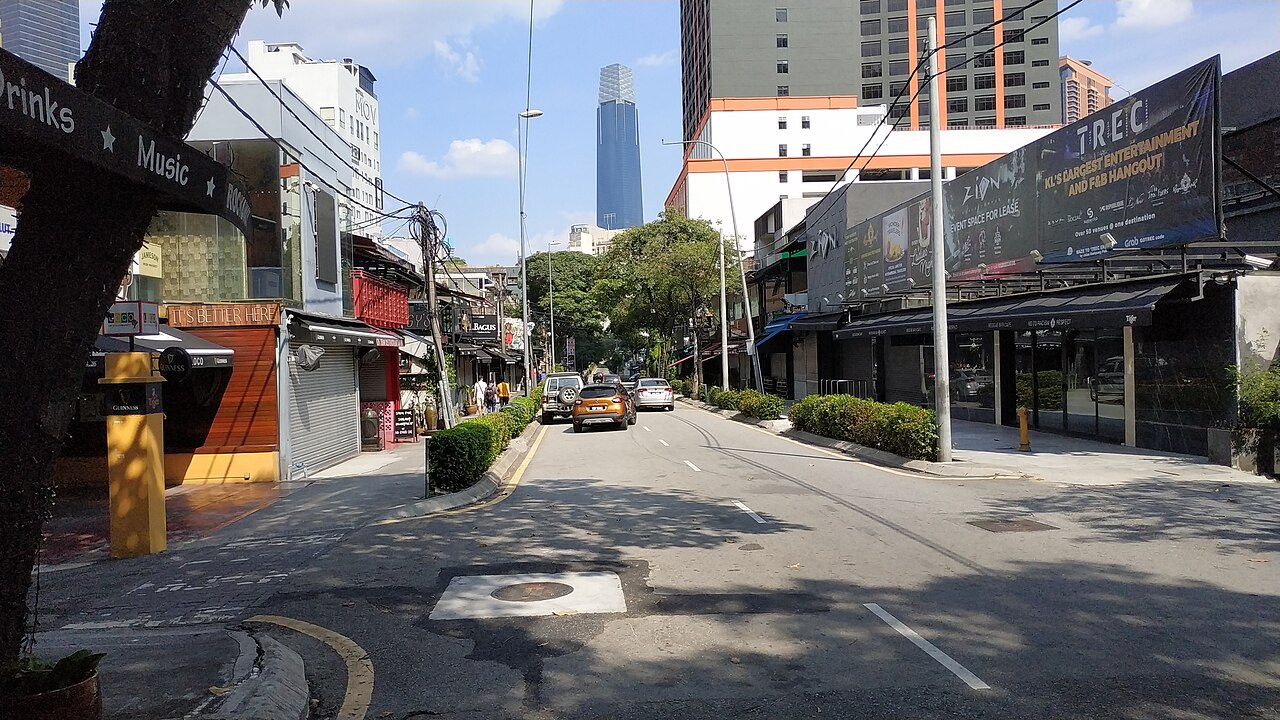
A dorm bed on a Bukit Bintang side street costs about RM 20 (roughly US$5). A dorm bed at a well-run hostel three streets away in Chinatown costs RM 50-57 (about US$12-14). Same city, same night, a 2.5x price gap, and the cheaper one is very often the worse deal once you count a broken locker, a dead aircon unit and a 6am wake-up call from the street market outside. Finding the best hostels in Malaysia is less about hunting the lowest number on a booking app and more about knowing which RM 20-50 range actually buys a secure locker, a dorm that isn’t also a fire hazard, and a location you can walk home to after dark.
Every major backpacker guide to this country either covers Kuala Lumpur and stops, or covers the whole country from a list last checked in 2022. None of them quote native ringgit prices — they run everything through a booking widget in dollars or euros and let you do the conversion. And not one of the big guides mentions the Perhentian Islands or Redang by name, despite both being among the most-searched budget island destinations in Southeast Asia. This page covers nine towns and regions with current MYR pricing, an honest answer on where the hostel supply actually runs out, and the arithmetic on what a full trip costs per day.
For the wider picture on where to stay at every budget level, see the main Malaysia accommodation guide. This page stays narrow: hostels and guesthouses, dorm beds and private rooms under roughly RM 75 a night, city by city.
Best hostels in Malaysia, region by region
All prices below are the lowest advertised rate for a dorm bed and a private double, converted from source pricing at MYR 4.05 = US$1 (August 2026 rate — expect a few ringgit of daily movement). Treat “from” prices as the floor for a basic bed in low season; expect 20-40% more in peak weeks (Chinese New Year, school holidays in late May-June and December, and Christmas-New Year).
| Region | Property | Dorm from | Private from | Standout feature | Best for |
|---|---|---|---|---|---|
| Kuala Lumpur | Reggae Mansion | RM 50 (US$12) | RM 62 (US$15) | Rooftop bar, Petronas Towers view, free nightly dinner | First-timers, solo travelers, social trips |
| Kuala Lumpur | Chinatown Hostel by Mingle | RM 57 (US$14) | RM 73 (US$18) | Separate female-only dorms | Solo female travelers, longer stays |
| Penang | Dream Catcher Travelers Refuge | RM 26 (US$6) | — | Steps from the Georgetown UNESCO core | Street art, heritage walking |
| Penang | The Frame Guesthouse | RM 35 (US$9) | RM 45 (US$11) | Converted colonial shophouse | Character over amenities |
| Melaka | Jalan-Jalan Emas Hostel | RM 16 (US$4) | RM 20 (US$5) | One street from Jonker night market | Cheapest verified beds in this guide |
| Cameron Highlands | De’Native Guesthouse | RM 40 (US$10) | RM 45 (US$11) | Communal bonfire nights | Groups, social travelers |
| Cameron Highlands | CH Travellers Inn | RM 25 (US$6) | RM 61 (US$15) | In-bunk security lockboxes | Solo travelers carrying gear |
| Kota Kinabalu | Borneo Backpackers | RM 35 (US$9) | RM 38 (US$9) | ~30 minutes from the airport | Sabah arrivals and departures |
| Kuching | Marco Polo Hostel | RM 25 (US$6) | RM 26 (US$6) | Chinatown / cat-statue district | Sarawak base, walkable old town |
| Perhentian Islands | Ohlala Guesthouse | RM 29 (US$7) | — | On-site PADI dive shop, rated 8.3 | Divers on a budget |
Kuala Lumpur: where most backpacker trips start
KL is the arrival hub for almost every Malaysia backpacking trip, and its hostel supply is deep enough to be genuinely competitive rather than a captive-audience markup. The two clusters that matter are Chinatown (walkable, cheap food, Pasar Seni rail interchange) and Bukit Bintang (livelier, more expensive, better nightlife). For a fuller breakdown of the capital’s neighborhoods beyond just hostels, see our Kuala Lumpur travel guide.
Reggae Mansion (Chinatown)
Dorm from: RM 50 (about US$12). Private from: RM 62 (about US$15). Verdict: the closest thing KL has to a destination hostel rather than just a place to sleep. The rooftop bar looks straight at the Petronas Towers, and a free dinner is included every night, which quietly offsets a chunk of the room rate if you actually eat it. It’s social by design — book elsewhere if you want to be left alone.
Chinatown Hostel by Mingle
Dorm from: RM 57 (about US$14). Private from: RM 73 (about US$18). Verdict: quieter and more practical than Reggae Mansion, with mixed and separate female-only dorms — a real point in its favor if you’re traveling solo and want that option locked in rather than hoped for. Slightly pricier than the Bukit Bintang floor, but the difference usually buys a working lock and an aircon unit that doesn’t cut out at 3am.
The Bukit Bintang price floor
Bukit Bintang’s side streets carry KL’s absolute cheapest beds — dorms from around RM 20 (about US$5), private rooms from RM 36 (about US$9). Property names and standards turn over fast in this bracket, so treat any specific listing as unverified until you check current reviews the week you book. What you’re buying at RM 20 is a bed and little else: read the most recent reviews for lock quality and aircon function before you commit, not just the star rating.
Penang: Georgetown’s UNESCO core
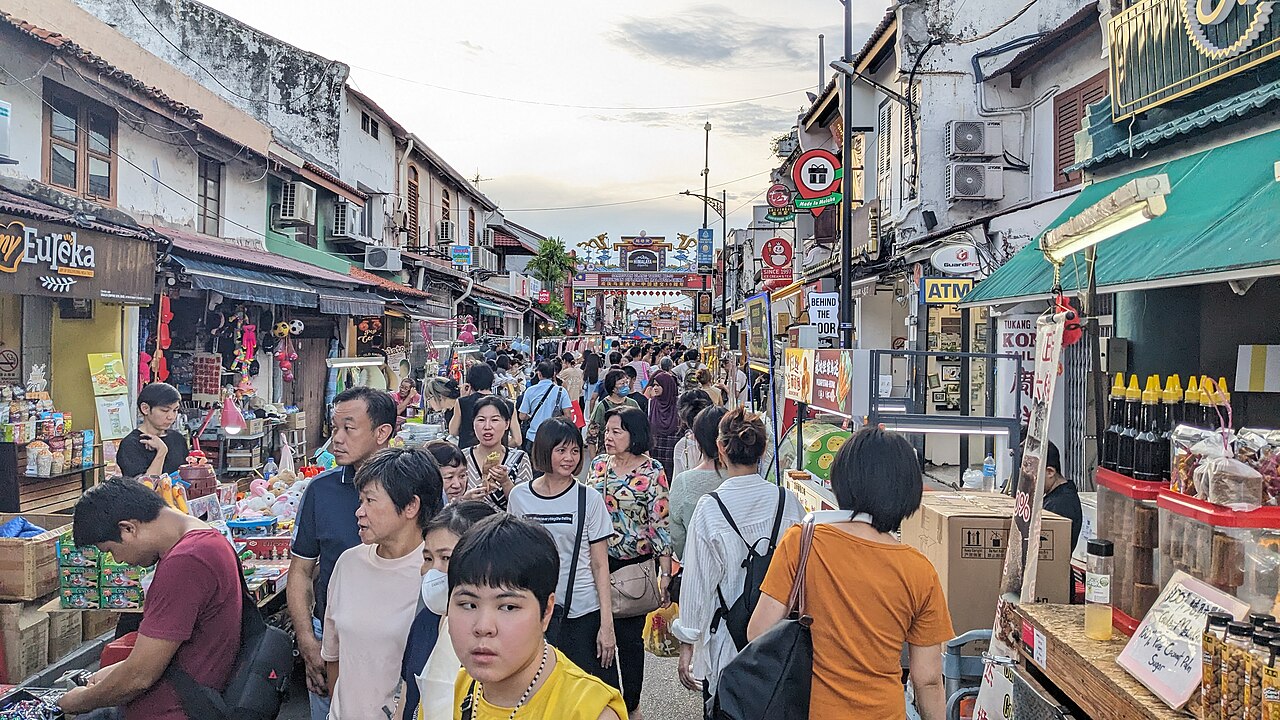
Georgetown is the one Malaysian city where the hostel and the sightseeing are the same activity — the UNESCO-listed core is small enough to walk end to end in under an hour, and most of the good budget beds sit inside or right at the edge of it. Our Penang travel guide covers the wider island beyond the old town, including the beach side that has almost no hostel supply at all.
Dream Catcher Travelers Refuge
Dorm from: RM 26 (about US$6). Private: not listed in current pricing — check availability directly. Verdict: the cheapest reliable bed inside walking distance of Georgetown’s heritage core, which is the whole point of staying here rather than near the airport or the beach resorts. No frills beyond that location, and that’s fine — you didn’t come to Georgetown to sit in the hostel.
The Frame Guesthouse
Dorm from: RM 35 (about US$9). Private from: RM 45 (about US$11). Verdict: a converted colonial shophouse, which means high ceilings and old timber rather than a purpose-built dorm block — worth the small premium over Dream Catcher if you want the building itself to be part of the stay. Rooms are smaller than the exterior suggests; ask for a photo of the specific room type before booking in peak season.
Melaka: the cheapest beds in the country
Melaka’s Old Town runs the lowest verified hostel prices anywhere in this guide, and it’s compact enough that “one street from the market” is a meaningful selling point rather than marketing filler. See the Melaka travel guide for what to do with the rest of your one or two nights here — most backpackers underrate how much this town has beyond Jonker Street.
Jalan-Jalan Emas Hostel
Dorm from: RM 16 (about US$4). Private from: RM 20 (about US$5). Verdict: the cheapest verified bed and private room in this entire guide, one street from the Jonker night market. At this price the calculus flips — even a mediocre stay is a rounding error, so it’s worth booking on location alone and treating the room as somewhere to store your bag and sleep, not a destination in itself.
Cameron Highlands: budget beds in the cool
Cameron Highlands sits at 1,500 m, which means nights genuinely cold enough that “no aircon” stops being a downside and becomes irrelevant — bring a layer instead. Tanah Rata is the backpacker base, small enough to walk everywhere. The full Cameron Highlands guide covers the tea estates and trails that are the actual reason to come up here.
De’Native Guesthouse
Dorm from: RM 40 (about US$10). Private from: RM 45 (about US$11). Verdict: communal bonfire nights make this the social pick in Tanah Rata — useful if you’re traveling solo and want to meet the people you’ll end up sharing a jungle-trekking trail with the next morning.
CH Travellers Inn
Dorm from: RM 25 (about US$6). Private from: RM 61 (about US$15). Verdict: the cheapest dorm bed in the Highlands, with in-bunk security lockboxes as standard — a genuine point of difference if you’re carrying camera gear or a laptop and tired of relying on a shared locker in the common room. The private-room jump to RM 61 is steep relative to the dorm; only worth it if you specifically want a door that locks.
Borneo: Kota Kinabalu and Kuching
Sabah and Sarawak run on separate hostel markets with almost no overlap in supply, and both cities work as a base for trips well outside the city itself — Kota Kinabalu for the islands and Mount Kinabalu, Kuching for Bako National Park and the Sarawak longhouses. If a dorm bed isn’t what you want for the whole trip, our guide to where to stay in Borneo covers the mid-range and lodge options for the days you want a proper bed.
Borneo Backpackers (Kota Kinabalu)
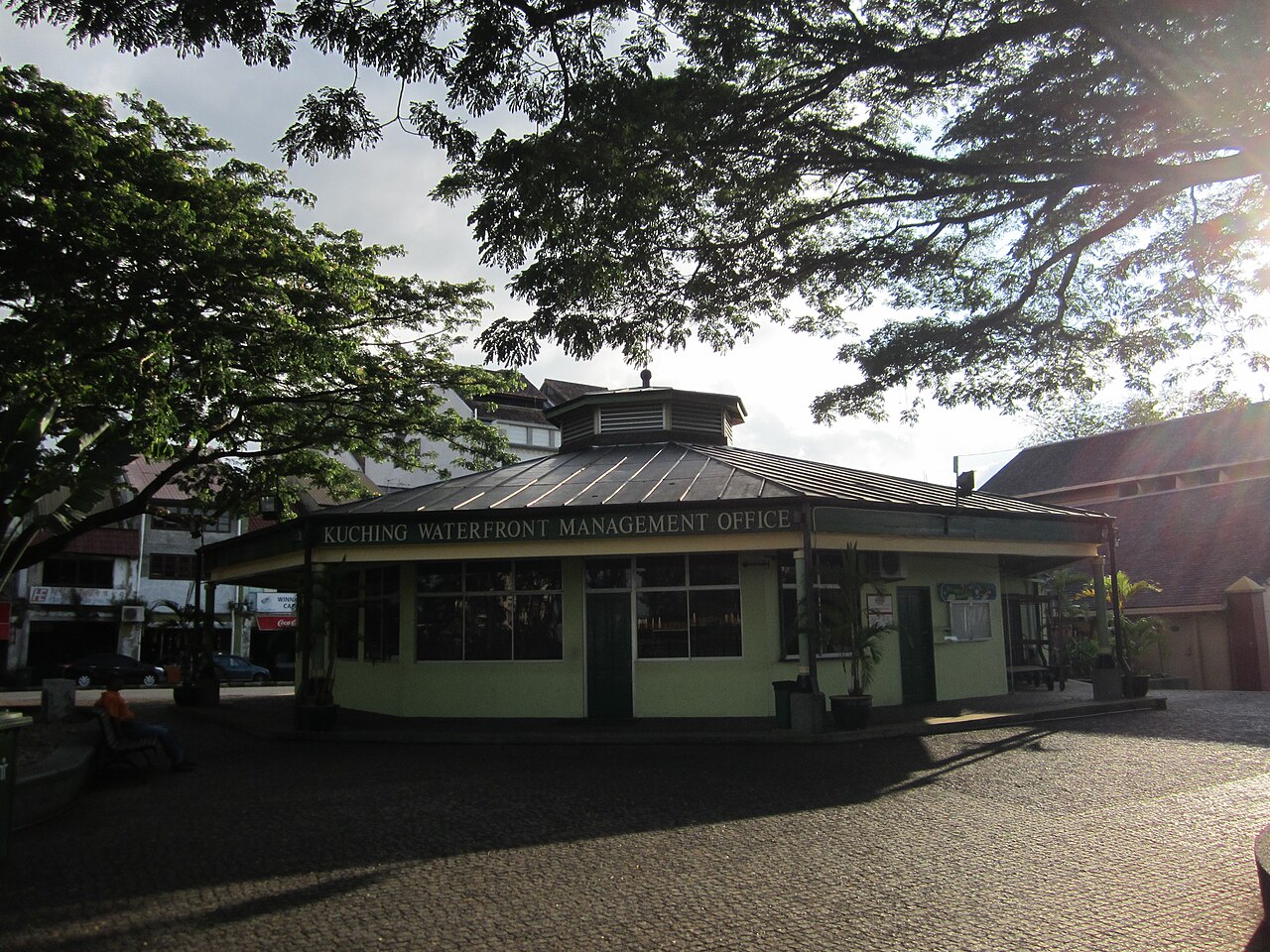
Dorm from: RM 35 (about US$9). Private from: RM 38 (about US$9). Verdict: about 30 minutes from the airport, which matters more here than it sounds — Kota Kinabalu’s hostel supply is thinner than the peninsula’s, and this one has stayed a reliable first or last stop for Sabah trips. Book it as a bookend, not a destination in itself. Our Kota Kinabalu travel guide covers the island-hopping and diving day trips that fill the days around it.
Marco Polo Hostel (Kuching)
Dorm from: RM 25 (about US$6). Private from: RM 26 (about US$6). Verdict: the smallest gap between dorm and private pricing in this entire guide — at RM 1 apart, there’s little reason to take the dorm unless the private room is sold out. Sits in Kuching’s Chinatown / cat-statue district, an easy walk to the waterfront. The Kuching travel guide has the detail on getting from here out to Bako and the Semenggoh orangutan sanctuary.
The east coast islands: Perhentian and Redang
This is the gap every other guide leaves. The Perhentian Islands are one of the most-searched budget beach destinations in Southeast Asia, and Redang isn’t far behind — yet neither gets so much as a paragraph on the big backpacker sites. Part of the reason is that the two islands have gone in opposite directions.
Perhentian Islands: still a real backpacker market
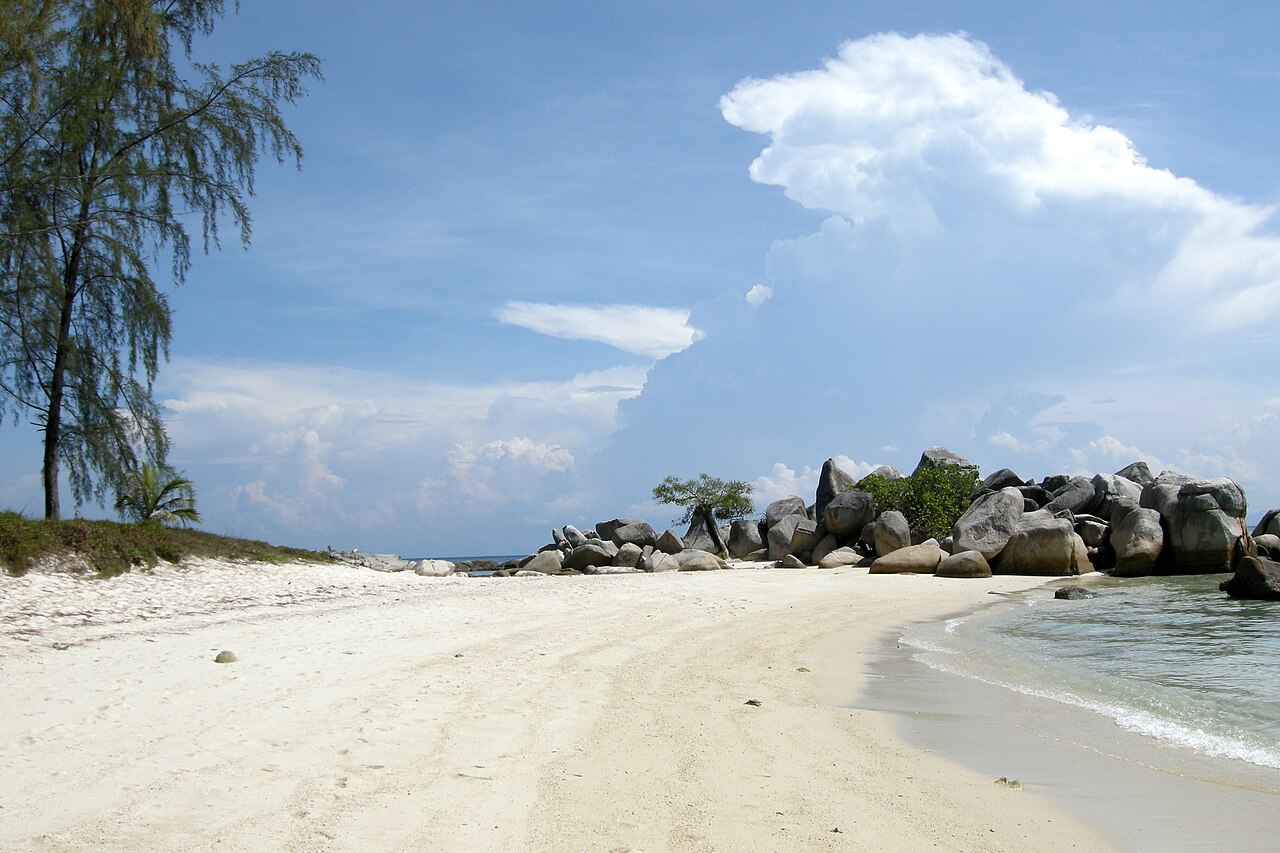
Across five hostels tracked on the islands, the average dorm bed runs about RM 24 (roughly US$6) a night and a private room about RM 118 (roughly US$29) — a much wider dorm-to-private gap than anywhere on the mainland, which reflects how limited private-room supply is once you’re on a small island reachable only by boat. Ohlala Guesthouse is the standout at this price point: dorms from RM 29 (about US$7), an 8.3 guest rating, and an on-site PADI dive shop, which matters because diving is the actual reason most backpackers make the boat trip out here. See the full Perhentian Islands guide for ferry logistics and which of the two islands (Besar or Kecil) suits a budget trip better.
Redang: honestly, there isn’t a hostel scene here
No dedicated hostel guide for Redang exists anywhere we checked, and that’s not an oversight to fix with a made-up recommendation — it’s because Redang genuinely skews resort-only. Budget dorm-style beds are scarce to the point of being effectively unavailable most of the year; what supply exists turns over fast and is easy to misquote. If Redang is on your list, budget for a resort rate rather than a hostel rate, or treat it as a possible day trip from the mainland instead of an overnight stop. The Redang Island guide covers the resort options and what a realistic budget for the island actually looks like.
What to skip
A few patterns worth naming plainly, because most guides won’t:
- Don’t trust a star rating without checking the date of the most recent reviews. Hostel standards in the RM 20-35 bracket turn over fast — a great review from 14 months ago tells you almost nothing about the locker and the aircon tonight.
- Don’t book the “resort-style hostel” markup on faith. Some properties badge themselves as boutique or resort hostels and charge 40-60% more than a plain dorm two doors down for the same bunk bed and a nicer lobby photo. If the extra spend isn’t going toward something you’ll actually use — a pool, a dive shop, a kitchen — you’re paying for the photo.
- Don’t assume every hostel takes a card or an app on arrival, especially outside KL and Penang. Carry enough cash for at least the first night’s deposit — ATM coverage thins out fast once you’re off the peninsula’s west coast.
- Don’t skip messaging the property directly before booking through an app if you’re staying more than two nights. Several hostels in this guide will quote a lower rate for a direct booking by WhatsApp than the same room shows on a booking platform — not guaranteed, but worth the one extra message.
- Don’t assume a private room is always the better deal once you’re two or more people. Airbnb-style rentals in secondary cities can undercut a hostel private room for a group of three or four; see Airbnb in Malaysia for where that math actually works in your favor.
Safety, security and solo female travelers
Malaysia’s hostel scene is, broadly, a safe one — theft from a dorm bed is a far more realistic risk than anything worse, and it’s almost always opportunistic rather than targeted. Our Malaysia safety guide covers the country-wide picture; the hostel-specific version of that advice is narrower and more practical.
- Female-only dorms exist but aren’t universal. Chinatown Hostel by Mingle in KL explicitly offers them; several others on this list don’t specify, so ask before you book if a mixed dorm is a dealbreaker.
- Lockers are standard, lock quality varies. Bring your own padlock — most hostels provide the locker, not the lock, and a hostel-supplied lock is the easiest one for anyone else to have a spare key to.
- In-bunk lockboxes, like CH Travellers Inn’s in Cameron Highlands, beat a common-room locker for anything you’d actually be upset to lose — passport, laptop, camera body.
- On the islands, valuables matter more, not less. Beach huts and stilted dorms on Perhentian have thinner walls and doors than a mainland hostel; don’t leave anything you can’t replace out of a locked bag.
What a backpacking trip through Malaysia actually costs per day
Daily backpacker budgets in Malaysia cluster around RM 80-184 (roughly US$20-45) a day — treat that as an approximate range rather than a precise figure, since sources vary on exactly what they count. A hostel dorm bed runs RM 25-50 of that, and hawker-stall meals another RM 8-15 each. The table below breaks out where the rest goes. For the full national breakdown including transport and activities, see our Malaysia travel budget guide.
| Category | Low end | Higher end | Notes |
|---|---|---|---|
| Hostel dorm bed | RM 16 (US$4) | RM 57 (US$14) | Melaka lowest, KL Chinatown highest in this guide |
| Meals (3x hawker-stall) | RM 24 (US$6) | RM 45 (US$11) | RM 8-15 per meal |
| Local transport / day | RM 10 (US$2) | RM 30 (US$7) | City rail and buses; more if you rely on ride-hailing |
| One activity (entry fee, tour, dive) | RM 20 (US$5) | RM 150+ (US$37+) | Highly variable — a temple visit vs. a dive trip |
| Rough daily total | RM 80 (US$20) | RM 184 (US$45) | Approximate range; excludes inter-city transport and visas |
When to go and how far ahead to book
Mainland hostels in KL, Penang, Melaka and Cameron Highlands run year-round and rarely need more than a few days’ notice outside Chinese New Year and the major school-holiday windows. The islands are a different booking problem entirely. Perhentian’s hostel and resort supply typically shuts down through the northeast monsoon months and reopens for the dry season — confirm exact dates directly with a property before you build an itinerary around it, since closure windows shift slightly year to year. Once the season is open, popular Perhentian hostels like Ohlala Guesthouse can sell out days ahead in July and August; book at least a week out if those months are when you’re traveling. For the ferry and bus connections between all of these towns, see our Malaysia transportation guide.
Best hostels in Malaysia by traveler type
If you’d rather match a hostel to what you actually need than read every entry above, here’s the same ten properties sorted by traveler priority instead of geography.
| Priority | Pick | Why |
|---|---|---|
| Cheapest bed overall | Jalan-Jalan Emas Hostel, Melaka | RM 16 dorm, RM 20 private |
| Solo female travelers | Chinatown Hostel by Mingle, KL | Confirmed female-only dorms |
| Divers | Ohlala Guesthouse, Perhentian | On-site PADI dive shop, 8.3 rating |
| Security-conscious / carrying gear | CH Travellers Inn, Cameron Highlands | In-bunk security lockboxes |
| Social / meeting other travelers | Reggae Mansion, KL | Rooftop bar, free nightly dinner |
| Heritage atmosphere | The Frame Guesthouse, Penang | Converted colonial shophouse |
| Best-value private room | Marco Polo Hostel, Kuching | Private only RM 1 above dorm rate |
FAQ: best hostels in Malaysia
What is the cheapest hostel in Malaysia?
Of the properties checked for this guide, Jalan-Jalan Emas Hostel in Melaka’s Old Town has the lowest verified rate: dorms from RM 16 (about US$4) and private rooms from RM 20 (about US$5). Cameron Highlands’ CH Travellers Inn is close behind at RM 25 (about US$6) for a dorm bed.
Is it safe to stay in hostels in Malaysia?
Generally yes. The realistic risk is opportunistic theft from an unlocked bag or a shared locker, not personal safety. Bring your own padlock, use in-bunk lockboxes where they’re offered, and read recent reviews for any property before booking — standards in the budget bracket change faster than the star rating does.
How much does a hostel cost in Kuala Lumpur per night?
Expect roughly RM 20-57 (about US$5-14) for a dorm bed, depending on the property and area. Bukit Bintang’s side streets carry the cheapest beds from around RM 20; Chinatown properties like Reggae Mansion and Chinatown Hostel by Mingle run RM 50-57 for a noticeably better-maintained dorm.
What’s the best area to stay in KL for backpackers?
Chinatown is the standard backpacker base — cheap hawker food, the Pasar Seni rail interchange, and hostels a short walk from most of the old-city sights. Bukit Bintang costs a little more but puts you closer to nightlife and shopping. Full neighborhood-by-neighborhood detail, including rail access and rate bands beyond just hostels, is in our guide to where to stay in Kuala Lumpur.
Do Malaysian hostels have female-only dorms?
Some do, but it isn’t universal, so don’t assume. Chinatown Hostel by Mingle in KL explicitly offers separate female-only dorms alongside mixed ones. For other properties, message ahead and confirm before you book if a female-only dorm matters to your trip.
Is breakfast included at Malaysian hostels?
Rarely as a standard inclusion at this price point, though it varies by property — check the specific listing rather than assuming either way. Reggae Mansion in KL is a notable exception: it includes a free dinner every night, not breakfast, which is worth factoring into your daily food budget if you’re staying there.
What’s a good daily backpacker budget for Malaysia?
Roughly RM 80-184 (about US$20-45) a day covers a hostel dorm bed, three hawker-stall meals, local transport and one modest activity. Treat that as an approximate range — actual spending depends heavily on how many islands and dive trips you add, since those cost far more than a mainland day.
Do you need to book ahead for island hostels?
On Perhentian, yes, once the dry season is open — popular properties like Ohlala Guesthouse can sell out days ahead in peak months of July and August. Confirm the season’s opening dates directly with a property before you travel, since the monsoon closure window shifts slightly each year. On Redang, book a resort rather than counting on finding a hostel bed at all.
Where to go from here
Nine regions, ten properties with current MYR pricing, and one honest gap in Redang is enough to build a route from, but it isn’t an itinerary. If you’re stringing these towns together into an actual trip — how many nights in each, and in what order — our Malaysia backpacking route lays out a sequence that matches the transport connections between them, rather than a list you have to reorder yourself.