Is Malaysia Safe? Essential Safety Tips for Tourists (2026)
Is Malaysia safe for tourists in 2026? Complete safety guide covering crime rates, common scams, solo female travel, LGBTQ+ safety, health risks, natural disasters, emergency contacts, and practical tips.
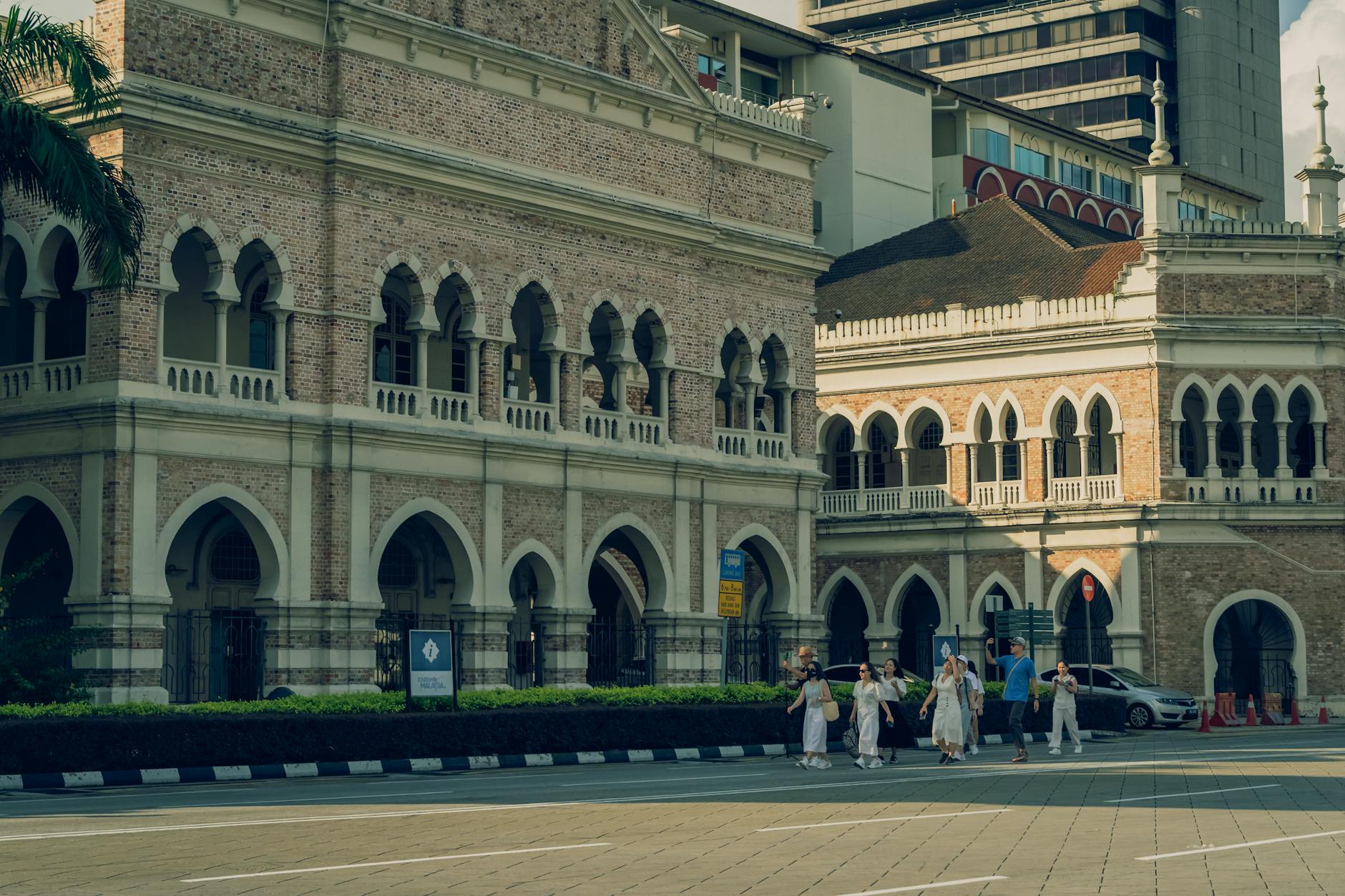
The short answer: yes, Malaysia is safe. The US State Department rates it Level 1 — “Exercise Normal Precautions” — the same level assigned to Japan and the UK. Australia and Canada give similar assessments. Violent crime against tourists is rare; the intentional homicide rate sits around 1 per 100,000 people, well below the global average. In 2025, police recorded 847 tourist-related theft cases from over 27 million arrivals — roughly 0.0025 percent of visitors. The issues that do affect travellers are mostly property crime, a handful of scam types, and one specific regional concern in eastern Sabah that is worth reading about before you book diving there.
This guide covers what you actually need to know: the crimes that genuinely affect tourists, the scams to recognise, solo female travel, the eastern Sabah situation, health risks, road safety, and the emergency numbers to keep in your phone. If you are still at the planning stage, the full malaysia travel guide covers logistics, costs, and timing before you get to safety specifics.
Overall Crime and Safety Assessment
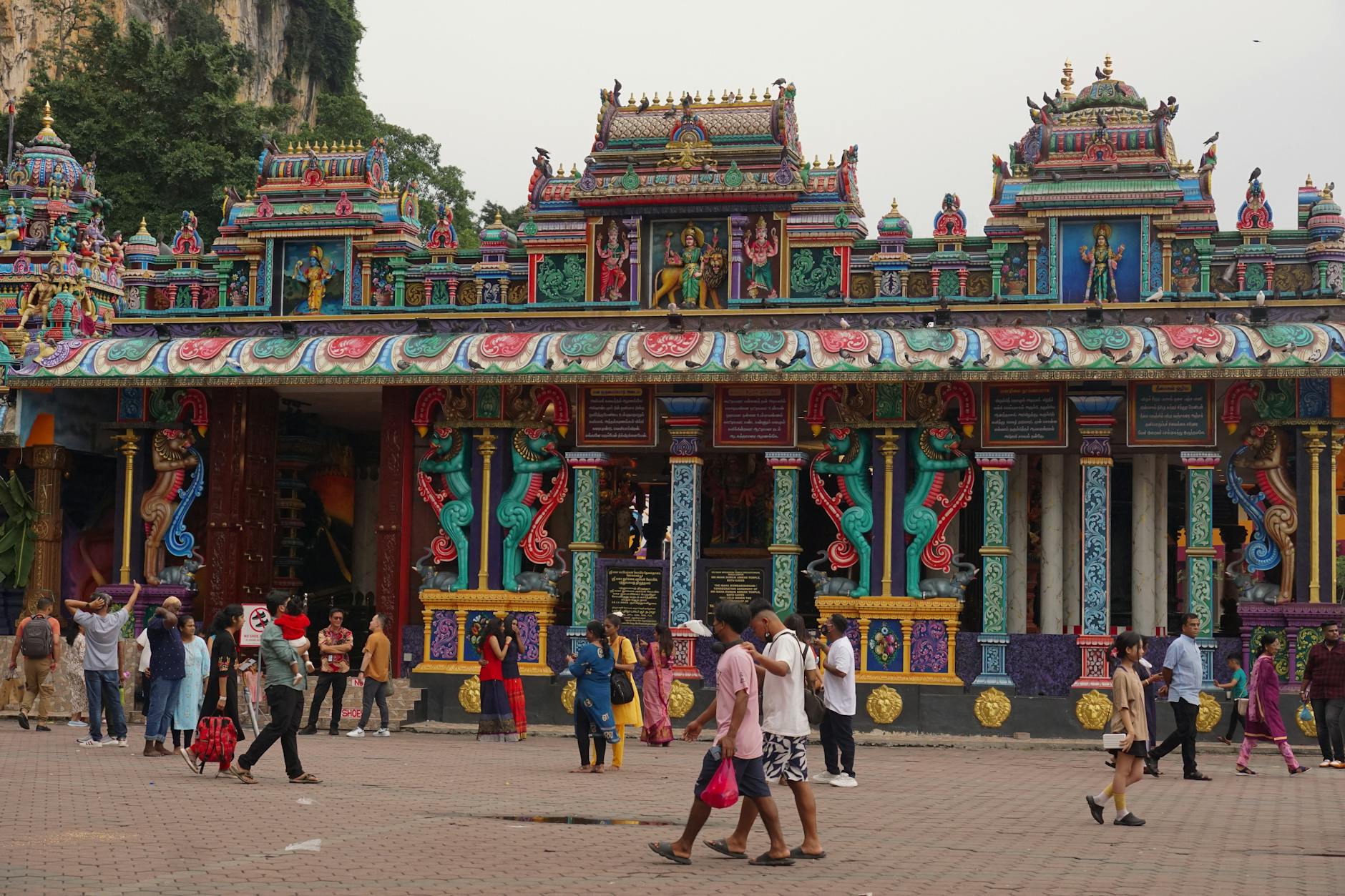
Property crime accounts for around 85 percent of all reported offences in Malaysia. Violent crime targeting foreign visitors is uncommon enough that it barely registers in official statistics. Tourist-facing crime concentrates in a few well-known spots — KL’s Bukit Bintang district, Georgetown’s heritage zone in Penang, and crowded night markets — and even there, the main risk is snatch theft rather than anything more serious. Take basic precautions and the odds of a problem are genuinely low. Malaysia is statistically one of the safer countries in Southeast Asia for tourists, with a tourist crime rate well below many popular European destinations.
Petty Crime: Snatch Theft, Pickpocketing, and Bag Snatching
Snatch theft by motorcycle is the most common crime affecting tourists. A thief rides pillion and grabs a bag, phone, or camera from a pedestrian walking near the road. It happens fast and can cause injury if the victim is pulled off balance. A few habits remove most of the risk: walk on the side of the pavement facing oncoming traffic so you see motorcycles approaching, carry your bag on the building side rather than the road side, use a cross-body bag worn in front, and do not walk while looking at your phone in busy streets.
Pickpocketing happens in crowded spots — Petaling Street, Bukit Bintang shopping areas, the MRT and LRT during rush hour. Keep bags zipped, stay alert in markets and train stations, and treat your phone and wallet as things worth protecting rather than assuming they are safe. Smash-and-grab car robberies occur occasionally; keep car doors locked, windows up, and do not leave bags visible on seats. If you are driving or riding in a taxi, place bags on the floor or in the boot rather than the seat beside you.
Common Tourist Scams in Malaysia
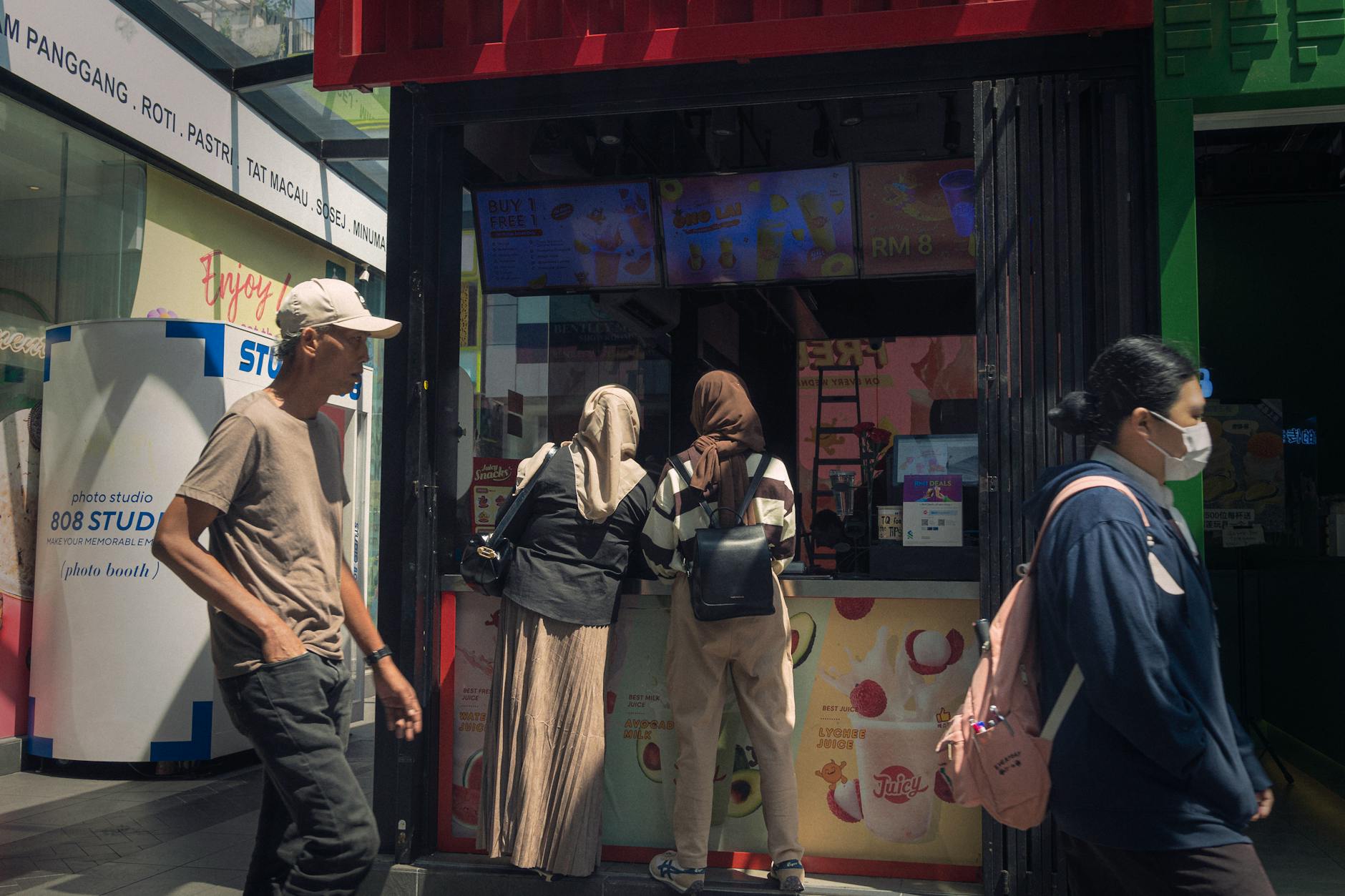
Malaysia’s scams are mostly predictable once you know the patterns. None of them require more than a few seconds of awareness to avoid.
Taxi overcharging is the most common frustration. Some drivers refuse the meter and quote inflated flat rates, or take roundabout routes. The fix is simple: use Grab for all taxi-style transport. Fares are fixed upfront, routes are tracked, and there is nothing to argue about. If you must use a traditional taxi, insist on the meter before getting in. At airports, use the official taxi counter inside the terminal — fixed fare, no negotiation.
Airport touts at KLIA and KLIA2 offer unofficial “taxi” services to arriving passengers. Several incidents of robbery, gross overcharging, and assault have been reported. Always use the official counter or Grab from the designated pickup point.
Gambling scams target solo male travellers specifically. A friendly stranger starts a conversation in a public place, which eventually leads to an invitation to a card game at a private home. The games are rigged. Visitors have lost thousands. Never accept gambling invitations from people you just met, regardless of how plausible their story sounds.
Fake tour operators and ticket sellers sometimes approach tourists near popular attractions, offering discounted entry tickets or tours that either do not exist or deliver far less than promised. Always book tours through your hotel, a reputable online platform, or directly from the attraction’s official website or counter. If someone on the street is insisting on a deal that sounds too good, walk away.
Fake monks and charity collectors approach tourists in busy areas asking for donations. They are rarely connected to any legitimate organisation. A polite decline and walk away is all that is needed.
Child sellers approach tourists at restaurants and cafes. Sometimes their role is to distract while accomplices target your bag or pockets. Engage briefly if you wish, but keep your hand on your belongings.
Price gouging at tourist stalls is a mild but frequent irritant. Some market stalls and tourist-facing restaurants price differently for foreigners. Check prices before committing, ask at stalls before picking anything up, and be ready to walk away. At hawker centres full of locals, this essentially never happens — it is a tourist-zone phenomenon.
Credit card fraud is a concern. Cards have been skimmed at smaller shops, restaurants, and even some hotels. Use contactless payment where possible, keep your card in sight during transactions, and check your statements regularly. A travel card with strong fraud protection is worth using as your primary card.
Is Malaysia Safe for Solo Female Travellers?
Generally yes — Malaysia ranks well among Southeast Asian destinations for solo female travel. The country has modern infrastructure, reliable public transport, and a culture that is welcoming to visitors. Most solo women report feeling safe in major cities and tourist areas during the day. Practical steps that make a real difference:
- Stick to well-lit, populated streets after dark, particularly in Bukit Bintang side streets and Georgetown’s quieter lanes.
- Use Grab rather than hailing taxis on the road at any hour. Share your trip details using the app’s built-in sharing feature when travelling alone at night.
- Sit in the back seat of any vehicle. Riding Pink, the women-only Grab option, is available if you prefer a female driver.
- Cover shoulders and knees at temples and mosques — straightforward good manners rather than a burden. In the cities, dress standards are relaxed.
- Trust your instincts and remove yourself from any situation that feels off.
Penang’s heritage zone, Langkawi’s resort strip, and Melaka’s old town are consistently mentioned by solo female travellers as particularly comfortable. Georgetown’s walkable streets and the general warmth of Penang locals make the island one of the easiest places in Southeast Asia to travel alone. Many solo women in KL find that spending time in Bangsar and Mont Kiara — the city’s expat-heavy dining neighbourhoods — provides a low-stress environment where the street-level risk patterns of the tourist districts do not apply. The Grab app’s trip-sharing feature is worth using every night, wherever you are in Malaysia — it takes ten seconds and gives someone at home real-time visibility of where you are.
LGBTQ+ Safety in Malaysia
Same-sex activity is technically criminalised under Malaysian law, though enforcement against tourists is extremely rare and largely limited to Malaysian citizens. In practice, LGBTQ+ visitors typically move through Malaysia without incident, particularly in KL and Penang where social attitudes are more progressive. Kuala Lumpur has a modest but active LGBTQ+ social scene, centred mostly around bars and venues in the Bukit Bintang area. The key advice is discretion — public displays of affection between same-sex couples should be avoided, and this is broadly true for all couples in Malaysia’s public culture. International hotel chains are straightforward to book for same-sex couples and the daily business of being a tourist poses no meaningful risk.
Government Travel Advisories
The major English-speaking governments all assess Malaysia as generally safe, with one significant regional exception: the islands and coastal areas off eastern Sabah.
The US State Department rates Malaysia Level 1 (“Exercise Normal Precautions”) as of February 2026. The UK’s FCDO advises against all but essential travel to the islands and coastal areas off eastern Sabah, from Sandakan to Tawau including Lankayan Island, due to kidnapping by armed groups operating in the Sulu Sea. Australia’s Smartraveller flags the same eastern Sabah kidnapping risk while rating the rest of Malaysia as normal precautions. Canada’s travel advisory mirrors this split.
The eastern Sabah advisory is the single most important regional concern for tourists and it is specific: if you are diving at Sipadan or other east coast Sabah sites, choose operators with established security protocols and follow local authority guidance. The Malaysian military patrols the area and kidnapping incidents have reduced significantly in recent years, but the risk remains real. The rest of Malaysia — all of Peninsular Malaysia, western Sabah (Kota Kinabalu and the west coast), and all of Sarawak — carries no elevated advisory.
Health and Medical Safety
Malaysia’s private healthcare infrastructure is strong by regional standards. Private hospitals in KL, Penang, and other major cities offer international-standard care with English-speaking doctors. Malaysia is actually one of Southeast Asia’s leading medical tourism destinations. That said, care costs real money without insurance — cover yourself before you arrive. Our guide to malaysia travel insurance covers what to look for in a policy.
Dengue fever is the most significant health risk for tourists. It is present throughout the country including urban areas and major cities, transmitted by mosquitoes that are most active at dawn and dusk. There is no specific treatment — prevention is everything. Use insect repellent with DEET, wear long sleeves and trousers during peak mosquito hours, and stay in accommodation with air conditioning or screened windows.
Food and water: tap water is not recommended for drinking — bottled water costs RM 1 to 2 and is sold everywhere. Street food is a highlight of any Malaysia trip and is generally safe at busy stalls with high turnover, but apply standard hygiene judgment at quieter stalls. Avoid raw or undercooked seafood and wash hands frequently.
Tuberculosis (TB) notifications increased 23 percent in early 2026 compared to the same period in 2025. The risk to short-term tourists is low, but travellers with compromised immune systems should consult their doctor before visiting. Other health considerations include rabies — avoid contact with stray dogs and monkeys — and hand-foot-and-mouth disease, which circulates in the region.
Malaria exists in some rural areas of Malaysian Borneo, particularly in forested interior regions of Sabah and Sarawak. Consult your doctor about antimalarial medication if you plan to spend time in rural Borneo. Urban peninsular Malaysia is considered malaria-free.
Haze from agricultural burning in Indonesia can affect air quality across Peninsular Malaysia and Borneo, typically June through October. During severe episodes, outdoor activity is inadvisable for people with respiratory conditions. Check the Air Pollutant Index (API) on Malaysia’s Department of Environment website before outdoor plans during this season.
Natural Disaster Risks
Flooding is the most common natural hazard. The northeast monsoon (November to March) brings heavy rain to the east coast of the peninsula and parts of Borneo. Flash floods can temporarily disrupt transport and submerge low-lying streets in cities during intense downpours. Check forecasts during monsoon season and avoid river crossings and low-lying areas in heavy rain. Landslides occur occasionally in mountainous terrain — Cameron Highlands roads and Borneo’s interior are the areas to be careful on during prolonged rain. Earthquakes are rare but possible in Sabah; the 2015 Kinabalu earthquake was the most significant recent event. Malaysia sits away from major tectonic plate boundaries so risk is low overall.
Wildlife Safety
Macaque monkeys at Batu Caves, Penang Hill, and other popular spots are bold and opportunistic. They snatch food, sunglasses, water bottles, and bags from tourists without hesitation. Never feed them, keep food out of sight, and hold your bag tightly in monkey territory. In Borneo’s jungle, follow your guide’s instructions around wildlife — orangutans and proboscis monkeys are generally peaceful at safe distances but can become defensive if approached too closely. Leeches are common on wet jungle trails; tuck trouser legs into socks and do a check after any hike.
Jellyfish stings occur at some east coast beaches during shoulder monsoon periods — ask locals before swimming. Box jellyfish are rare in Malaysian waters but not unheard of. If stung, apply vinegar and seek medical attention promptly rather than waiting to see whether symptoms develop.
Road Safety
Road safety is worth taking seriously. Malaysia’s road fatality rate runs around 22.5 deaths per 100,000 people — significantly higher than Western countries. Motorcycles are involved in a disproportionate share of accidents. If you rent a car, drive defensively, give motorcycles a wide berth, and avoid rural driving at night where roads may be poorly lit and animals wander onto the road. Seatbelts are mandatory and drunk driving laws are strict. For most city travel, using Grab and public transport is meaningfully safer than self-driving. The full breakdown of transport options and what each costs is in the getting around malaysia guide.
Emergency Contacts and Resources
General emergency (police, ambulance, fire): 999 from any phone, or 112 from a mobile — 112 works even without a SIM card.
Tourist Police Hotline: 03-2149-6590. KL has a dedicated Tourist Police force stationed at Bukit Bintang, KLCC, and Chinatown — useful for theft reports and lost documents.
Fire and Rescue: 994. Civil Defence: 991.
SaveME999 App: Malaysia’s official emergency app automatically sends your GPS location when you call for help. Download it before your trip.
For medical emergencies in KL: Gleneagles Hospital, Prince Court Medical Centre, and Pantai Hospital all have 24-hour emergency departments with English-speaking staff. In Penang: Island Hospital and Penang General Hospital. In Kota Kinabalu: Queen Elizabeth Hospital. If you lose your passport, contact your country’s embassy or consulate in KL — most are along Jalan Ampang.
Practical Safety Checklist for Malaysia
Before departure: get travel insurance covering medical evacuation, hospitalisation, and theft. Make digital copies of your passport, visa, insurance documents, and credit cards — store them in cloud storage separate from the originals. Register your trip with your government’s overseas traveller service (US Smart Traveler Enrollment Program, UK FCDO registration, etc.).
Apps to download before landing: Grab (transport), Google Maps (offline navigation — download the Malaysia map), SaveME999 (emergency), and your airline app. A local SIM or eSIM keeps all of these connected. The malaysia travel budget guide covers typical daily costs so you know how much cash to carry.
On the ground: carry a small amount of emergency cash separate from your main wallet. Use cross-body bags worn in front in crowded areas. Walk on the side of the pavement facing oncoming traffic. Use Grab rather than street taxis. Keep car windows up and doors locked if driving. Walk confidently and with purpose — tourists who appear lost or distracted are more likely to be targeted. Trust your instincts — if something feels off, leave.
For day-to-day spending, small-denomination ringgit notes (RM 5 and RM 10) are essential — hawker stalls, local buses, and ferry operators often cannot break a RM 100 note. Get cash from the airport ATM on arrival and top up at licensed money changers rather than hotel desks. The malaysian ringgit exchange rate guide explains where to get the best rates in KL and what to avoid.
Malaysia is a safe country to visit. Millions of travellers pass through each year without incident. The risks that do exist are mostly the predictable ones that apply to any major tourist destination — petty theft in busy areas, a handful of well-known scam patterns, and a specific advisory zone in eastern Sabah. Know the patterns, take sensible precautions, and you are unlikely to have any problem. Check the full best time to visit malaysia guide to plan your timing, and review malaysia visa requirements before booking your flights.
Kuala Lumpur Safety: Neighbourhood by Neighbourhood
Kuala Lumpur is a large city and safety varies meaningfully by area. Knowing which districts feel different from each other saves unnecessary anxiety about safe zones and unnecessary naivety about riskier ones.
KLCC and Bukit Bintang are the main tourist and shopping districts. KLCC — the area around the Petronas Twin Towers — is well-policed, heavily trafficked by tourists and business visitors, and has excellent lighting and CCTV coverage. Bukit Bintang is lively and generally safe during the day, but the side streets and alleyways off the main drag get quieter after midnight and that is where most tourist-reported incidents occur. Stick to the well-lit main roads after 11 pm and use Grab rather than walking long distances late at night.
Chinatown (Petaling Street) is the snatch theft and pickpocket hotspot in KL. The narrow lanes, constant crowd press, and tourist-facing stalls create exactly the conditions that opportunistic thieves prefer. It is worth visiting — the market is genuinely interesting — but this is not the place to carry a full wallet, wear expensive watches, or have your phone out on a selfie stick.
Chow Kit is KL’s red-light district and sees more street-level crime than other parts of the city. It is not a tourist area and there is no particular reason to be there unless you are staying at a budget hotel nearby, in which case take taxis to and from rather than walking after dark.
Mont Kiara, Bangsar, and Damansara are KL’s expat-heavy residential and dining neighbourhoods. They feel safe and relaxed, with few tourist-targeted crime patterns. If you are in KL for more than a few days, eating and exploring in these areas is both enjoyable and low-stress.
Safety at Malaysia’s Borders and Land Crossings
Malaysia shares land borders with Thailand, Singapore, and Brunei, and all three crossings are heavily used and generally orderly. A few things worth knowing:
The Johor Bahru–Singapore crossing (via the Causeway or Second Link) is one of the busiest land border crossings in the world. Crossing by bus, taxi, or on foot is safe; the process is slow during peak hours but not dangerous. Petty theft occasionally occurs in the JB station area — the same bag-security habits apply as anywhere crowded. The malaysia visa requirements page covers what documentation you need for border crossings.
The Malaysia–Thailand border crossings at Padang Besar, Rantau Panjang, and Bukit Kayu Hitam are functional and used regularly by budget travellers. The US, UK, and Australian governments advise increased caution within 50 km of Thailand’s southern border provinces due to an ongoing insurgency in Pattani, Yala, and Narathiwat. Malaysia’s own border states are not under elevated advisory, but check your government’s current advice before crossing overland into southern Thailand.
Drug Laws and Legal Risks for Tourists
Malaysia has some of the strictest drug laws in the world. Trafficking above specified thresholds carries a mandatory death penalty — this has been applied to foreign nationals. Even possession of small amounts can result in imprisonment and caning. There is no grey area here. Beyond drugs: vaping was banned in public spaces in 2024 and devices can be confiscated. Photography of government buildings and military installations may require official permission. Public drinking is permitted for non-Muslims in licensed venues; open containers on the street draw unwanted attention. Pornography (including on personal devices) is illegal to import or distribute.
None of this is designed to alarm — Malaysia is a genuinely easy, traveller-friendly country for the vast majority of visitors. Knowing the serious no-go zones simply means you will not accidentally wander into one. Plan your transport and connections using the getting around malaysia guide, and check the malaysia travel budget guide for what to expect on costs once you arrive.
1 note