Kapas and Gem Islands Guide: Malaysia’s Hidden Snorkeling Paradise (2026)
Complete guide to Kapas and Gem Islands in Terengganu, Malaysia. Discover pristine snorkeling spots, the Japanese Landing Craft wreck, turtle watching, jungle trekking, accommodation options, and practical travel tips for 2026.
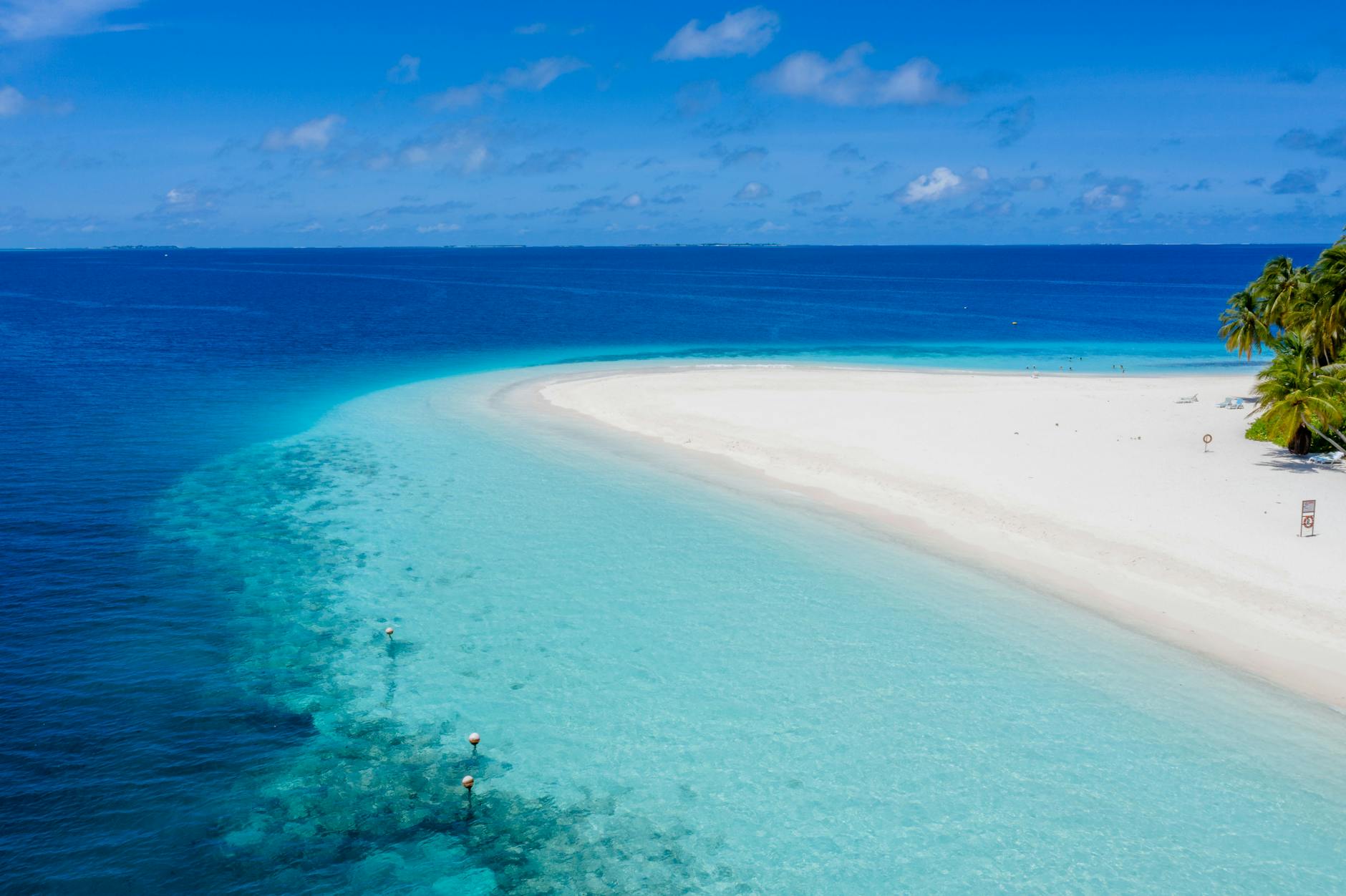
The ferry crossing from Marang Jetty to Kapas Island takes just 15 minutes and costs RM35 one way. That brief crossing is enough time for the mainland noise to fall away entirely. No cars exist on Kapas. No roads, no nightclubs, no chain hotels. Just 3.5 square kilometres of forested island surrounded by some of the clearest water on Malaysia’s east coast.
Kapas means cotton in Malay, named for the soft white sand on its western shores. The island sits within the Terengganu Marine Park, protected since 1991 alongside Redang, Lang Tengah, and the Perhentians. That status has kept the coral reefs in exceptional shape. Ten minutes by boat from Kapas lies Gem Island — Pulau Gemia — a privately held island with one resort, a world-class house reef, and an operating turtle hatchery. Together, these two islands make a genuinely different kind of Malaysian island trip. See where they sit among the best islands in Malaysia if you are still choosing.

How Kapas Island Differs from Malaysia’s Other Islands
Malaysia has plenty of celebrated islands. You can explore the perhentian islands guide for the classic backpacker scene, or consult a tioman island guide for a larger island with more dive sites and easier year-round access. Langkawi comes with infrastructure, duty-free shopping, and cable cars. Kapas has none of that, and that absence is precisely the point.
The entire accessible western coastline — where all accommodation sits — takes 30 to 40 minutes to walk end to end. Stone steps cut into the rock connect one small beach section to the next. Visitor numbers are low enough that the reefs see far less pressure than Redang or the Perhentians. The marine park entry fee for non-Malaysian adults is RM30, and that money goes directly toward reef conservation.
Gem Island compounds the seclusion further. With a single resort serving the whole island, the house reef there is in pristine condition. Boat traffic is minimal. The water around Gem is as clear as anywhere in the marine park.
Beaches of Kapas Island
The beaches here face west, sheltered from prevailing wind and swell. The eastern coastline is mostly undeveloped rocky shore and jungle, reachable only by kayak or on foot.
Main Beach and Pasir Panjang
Pasir Panjang — Long Beach — is where most of the resorts and chalets sit. The sand is soft and white, the water shallow and calm during the open season, and the bottom sandy enough for young children to wade without worrying about coral underfoot. Snorkeling reefs begin within metres of the shoreline. During the dry season, visibility along this stretch regularly reaches 10 to 20 metres.
The beach is divided into sections by the various accommodation operators. Different stretches have different atmospheres — quieter near the chalet operations, marginally livelier near KBC — but the word “lively” is relative. This is not a party beach by any standard.
Longsha Beach
Longsha sits at the island’s southern accessible end. Budget travellers can pitch tents here for RM10 per night. Basic facilities are on site: cold showers, squat toilets, a communal kitchen. The beach is beautiful and almost always quieter than the main stretch. Bring your own tent and enough supplies, since shopping options on Kapas are essentially nonexistent.
Hidden Coves on the Eastern Coast
Rent a kayak and paddle around the island’s eastern perimeter and you will find small coves with zero facilities and occasional excellent snorkeling. These spots see very little traffic precisely because they are awkward to reach. Some require a short scramble over rocks. None appear on any map. Finding them is half the reward.
Snorkeling at Kapas and Gem Islands
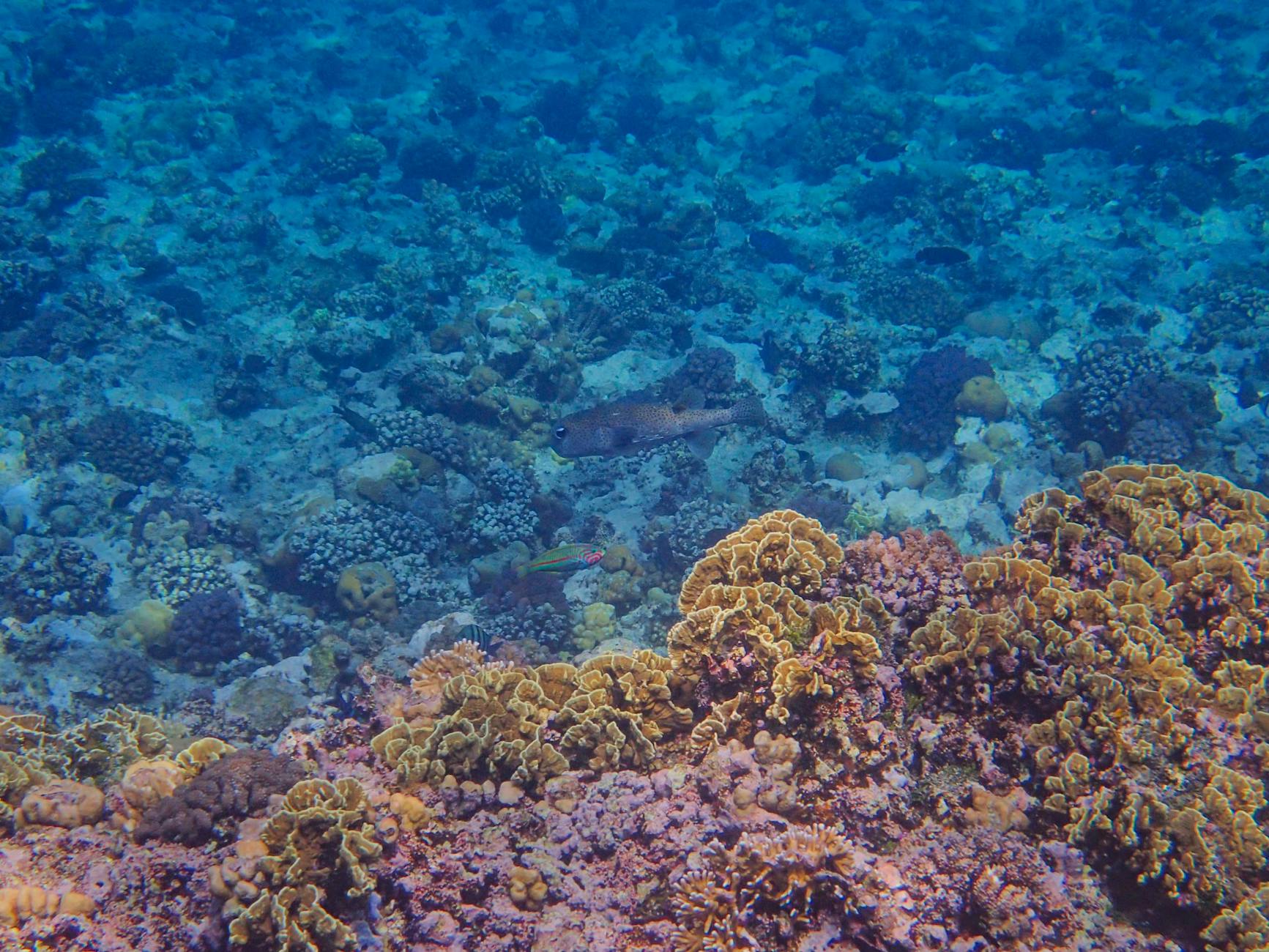
Snorkeling is the primary reason most people come to Kapas, and the reefs here hold up well against most of Malaysia’s promoted destinations. The marine park protection shows. Coral coverage is high, fish populations are dense, and the water clarity during the dry season makes for easy, rewarding dives without any gear beyond a mask and fins.
Best Snorkeling Spots at Kapas
The reef between Kapas and Gem on the island’s northwestern tip is consistently the best spot. Hard and soft coral formations here, including healthy table corals and brain corals, host sea anemone fields, giant clams, and more species of reef fish than you can count on a single session. Visibility regularly exceeds 15 metres in good conditions.
Pasir Panjang reef begins just metres from the main beach. Snorkelers reach coral gardens after wading through a short sandy stretch — no boat required. Berakit Reef at the southern tip adds another distinct area worth visiting on a longer trip.
The Japanese Landing Craft Wreck is the site that surprises most visitors. A World War II-era vessel now encrusted with coral and colonized by marine life, it sits in shallow water accessible to snorkelers. History combined with reef biology creates a genuinely unusual underwater experience.
Marine Life You Will See
Common sightings include grouper, butterflyfish, parrotfish, angelfish, triggerfish, clownfish in their anemones, and schools of silver barracuda. Blacktip reef sharks appear regularly, particularly near the reef edges. Green and hawksbill turtles are frequently encountered around both islands. Moray eels occupy the crevices. Nudibranchs, cuttlefish, and rays complete a list that takes several visits to work through properly.
Snorkeling at Gem Island
Gem Island’s house reef surrounds most of the small island and is accessible directly from the resort beach without a boat. The limited visitor numbers and near-absence of motorized traffic mean the coral here is in particularly good shape. Table corals, staghorn formations, and brain corals provide dense shelter for fish populations. Turtle encounters are especially common, partly because Gem operates an active turtle conservation program. If you snorkel anywhere during a Gem stay, snorkel here.
Guided Snorkeling Tours
Most Kapas accommodation providers run guided snorkeling tours visiting the best reef sites around both islands. Cost is typically RM40 per person, including equipment, a boat, and a guide who knows where to find the densest marine life and healthiest coral. The Japanese wreck and the Kapas-Gem reef are both on standard tour itineraries. Tours are the most practical way to reach sites beyond swimming distance of the beach.
Diving at Kapas Island
Kapas is not primarily a diving destination — that role belongs to places like sipadan island diving in Sabah, where drift dives and massive pelagic encounters set the benchmark for Malaysian diving. Kapas offers something quieter: good reef diving, the Japanese wreck, and sites shallow enough to be ideal for beginners and those working through PADI certifications.
Several dive operators on the island run PADI courses and guided dives to sites around both Kapas and Gem. Visibility ranges from 8 to 20 metres depending on conditions. Most sites sit between 5 and 18 metres depth, manageable for new divers. Discovery Scuba sessions are available for non-certified visitors, supervised by qualified instructors throughout.
The Japanese Landing Craft Wreck has more to offer at depth than at snorkeling level — the coral encrustation is thicker, the fish larger, and the sense of the wreck’s shape more complete with a tank on your back. If you are already certified, make time for a dive on the wreck even if you also snorkel it.
Turtle Watching on Kapas and Gem Islands
Terengganu is one of Malaysia’s most significant turtle nesting regions. Green turtles and hawksbill turtles nest on Kapas beaches during the season running from May through September, overlapping conveniently with the peak visiting months. Kapas Turtle Valley resort takes its name from its involvement in monitoring and protecting nesting sites. Guests staying during nesting season may witness actual egg-laying or, later in the season, hatchling releases. Both activities are managed at a respectful distance under red light to minimize disturbance to nesting females.
Gem Island operates a turtle hatchery as part of a broader conservation program. Protected eggs are moved to the hatchery, incubated safely, and hatchlings are released at night. Resort guests during the season may see this process first-hand. Both islands contribute to the Terengganu-wide conservation initiative that has helped stabilize nesting numbers along this stretch of coast.
Jungle Trekking and Hiking
Two main trails cross Kapas from the western accommodation area to the eastern coast. Neither is formally maintained, so expect rough sections, roots, and fallen trees. Proper footwear — not flip-flops — and water are non-negotiable in the tropical heat.
Bukit Singa Trail
This trail takes roughly 40 minutes to reach a viewpoint above the eastern shore looking out over the South China Sea. The gradient is moderate with some steep sections, and the path turns slippery quickly after rain. The payoff — an unobstructed view of open ocean and jungle coast — is worth the effort, particularly in the early morning before the day heats up.
Batu Berakit Trail
The longer of the two, taking about an hour. The trail ends at a dramatic rocky outcrop on the eastern shore. Along the way, watch for monkeys, monitor lizards, and the island’s resident bird species in the canopy. Batu Berakit itself is a popular cliff jumping spot — the water below is deep and clear, and the jump is manageable if you are comfortable with heights. It is the kind of activity that Kapas does well: zero infrastructure, entirely dependent on your own judgement.
Kayaking and Other Water Activities
Kayak rental is available from most resorts. A circumnavigation of Kapas at a leisurely pace takes two to three hours and reveals rock formations, sea caves, and tiny beach pockets that road-walkers never see. The eastern coastline is the interesting section — dramatic, undeveloped, and very different from the smooth western beach you arrived at. In calm weather, experienced paddlers can cross to Gem Island by kayak, though check conditions before attempting it.
Stand-up paddleboarding is available at some operators. The flat, calm western water during the dry season makes the learning curve gentle. Glass-bottom boat tours offer an alternative for those who prefer to keep their feet dry while still seeing the reef. Most accommodation can arrange these options for you.
Where to Stay on Kapas Island
Accommodation on Kapas spans camping to comfortable chalets. Nothing reaches resort hotel standards — that is a deliberate feature of the island’s character. Booking in advance for peak season (June through August) and weekends throughout the open season is strongly recommended.
Budget Options
Longsha Beach Camping charges RM10 per night for tent space on a beautiful beach with basic shared facilities. Bring everything you need from the mainland.
Kapas Beach Chalet (KBC) is the island’s social hub for backpackers and budget travellers. The restaurant serves well-regarded Malay and Thai food at affordable prices, and the staff know the island thoroughly. They arrange activities, answer questions, and are generally the most useful source of local knowledge on Kapas.
Mid-Range Options
Kapas Turtle Valley includes breakfast in the room rate along with snorkeling equipment, kayak use, and WiFi. The beachfront chalets are comfortable and well-maintained, with air conditioning in some categories. The resort’s involvement in turtle conservation adds an experiential dimension beyond the physical accommodation.
Kapas Island Resort is the largest property with 54 air-conditioned rooms. The resort has a restaurant serving local cuisine, a pool, a garden, and barbecue facilities. For travellers who want slightly more amenity than the chalets without paying Gem Island prices, this is the most complete option on Kapas.
Where to Stay on Gem Island
Gem Island Resort and Spa is the only property on the island. Forty-five rooms, a restaurant, spa facilities, and a full activity programme including guided snorkeling, diving, kayaking, and squid fishing. Packages typically start from around RM500 per person for a two-day, one-night stay including meals and boat transfers from Marang Jetty. Longer stays improve the value and give you enough time to actually decompress rather than simply arrive, look around, and leave.
The all-inclusive structure means most decisions are already made for you — meals are included, snorkeling equipment is on the beach, and the house reef is accessible at any time. Being the sole property on a private island creates a quality of quiet that is genuinely hard to find anywhere else in this part of Malaysia.
Getting to Kapas and Gem Islands
By Air
The nearest airport is Sultan Mahmud Airport (TGG) in Kuala Terengganu. Malaysia Airlines and AirAsia both serve the route from Kuala Lumpur, with a flight time of approximately one hour. From the airport, a taxi to Marang Jetty takes around 30 minutes and costs RM40 to RM50.
By Road
The drive from Kuala Lumpur to Marang takes five to six hours via the East Coast Expressway. Buses from KL to Kuala Terengganu run regularly, with the journey taking six to seven hours. From Kuala Terengganu bus station, a taxi or Grab to Marang Jetty is about 20 minutes.
By Boat from Marang Jetty
Speedboats depart from Marang Jetty approximately hourly from 9:00 AM to 5:00 PM. The crossing to Kapas takes 15 to 20 minutes. Return fares run RM35 to RM50 per person one way, with discounts for round-trip purchases. The last boat back from Kapas typically departs at 5:00 PM. Gem Island Resort guests travel directly from Marang to Gem, a 30-minute crossing, with transfers arranged by the resort.
Critical note: Marang Jetty is for Kapas Island. Merang Jetty — spelled differently — serves Redang Island. Getting these confused is the most common mistake first-time visitors make, and correcting it costs both time and money. Double-check your jetty before booking transport.
If you are planning a broader east coast trip, the nearby redang island guide covers what to expect at Redang, which is larger and more developed than Kapas. For a different kind of Malaysian island experience on the west coast, the langkawi beaches guide is worth reading before you finalize your itinerary.
Best Time to Visit Kapas and Gem Islands
Both islands operate seasonally. The open season runs from March through October. Best conditions occur from April through September — sunny skies, calm seas, water temperatures between 27 and 30 degrees Celsius, and visibility that can stretch to 20 metres or beyond at the best reef sites.
Peak season runs from June through August, aligned with school holidays. Accommodation fills quickly. Book as far ahead as possible if you are visiting during this window, particularly for Kapas Turtle Valley and Gem Island Resort, which have limited rooms. Weekends throughout the open season are noticeably busier than weekdays at the more affordable Kapas properties.
Both islands close entirely from November through February. The northeast monsoon makes sea crossings unsafe and water activities impossible. No boats run during this period and all accommodation shuts down. If you arrive in Marang during the closed season expecting to reach Kapas, you will be disappointed — plan around this constraint.
Turtle nesting season runs from May through September, overlapping with the best weather months. Visiting during this window gives you the chance to witness nesting or hatchling releases, which are among the most memorable wildlife experiences the islands offer.
Practical Information
Money
No ATMs exist on either island. Bring all the cash you will need from the mainland before boarding. Cover accommodation extras, snorkeling tours (RM40), kayak rentals, meals, and drinks. Some resorts accept cards for room charges, but cash is essential for small purchases and beach activities. Running short of cash on a boat-access-only island is an avoidable problem.
Connectivity
WiFi is available at most Kapas resorts and at Gem Island Resort, though speeds are limited and reliability varies. Mobile data from Malaysian carriers works intermittently depending on your position on the island. Treat this as a feature rather than a problem — the relative disconnection is part of why Kapas feels as remote as it does.
Food and Drink
Dining on Kapas means eating at your resort’s restaurant or at one of a small number of beach eateries. KBC’s kitchen is consistently well-reviewed for affordable Malay and Thai food. Gem Island Resort includes meals in its packages. Bring snacks from the mainland if you want anything beyond what the island’s few restaurants offer. Alcohol is available at some establishments but not widely, reflecting Terengganu’s predominantly Muslim culture.
What to Pack
Pack reef-safe sunscreen — chemical sunscreen damages coral and is increasingly prohibited or frowned upon at marine park sites. Add insect repellent, a rash guard for sun protection during snorkeling, water shoes for rocky beach sections, a waterproof phone case or underwater camera, sufficient cash, personal medications, and a headlamp or flashlight since lighting at budget accommodation can be minimal after dark. If camping at Longsha Beach, pack tent, sleeping gear, and all supplies.
Environmental Responsibility
Kapas is a protected marine park. The rules are simple: never touch or stand on coral, do not feed fish, take all waste back to the mainland, use reef-safe sunscreen, and give turtles space during nesting season. The coral reefs around Kapas and Gem are in the condition they are in because visitors have consistently respected these guidelines. That record is worth continuing.
Planning Your Kapas Island Trip
Kapas rewards travellers who arrive with low expectations of infrastructure and high expectations of nature. The island works best as a deliberate slowdown: two to three days minimum to settle into the rhythm, explore the reef properly, do both jungle trails, and get around the island by kayak. A single overnight is enough to understand why people come but not quite enough to feel the full effect.
Combine Kapas with a few days on the mainland in Kuala Terengganu before or after — the city has a strong craft culture, an excellent waterfront market, and the Terengganu State Museum, one of the largest in Southeast Asia. The combination of urban Terengganu and island Kapas makes a coherent east coast trip without requiring long overland distances.
If you are comparing Malaysian island options and want a broader picture before committing, the perhentian islands guide covers a comparable east coast destination with a slightly more developed backpacker infrastructure. The tioman island guide covers an island on the Pahang coast with year-round access and more diving infrastructure. Both are good alternatives if Kapas’s seasonal closure or limited accommodation conflicts with your dates.
What Kapas and Gem offer that neither of those alternatives can replicate is the specific combination of healthy reefs, very low visitor numbers, and a pace slow enough to actually notice it. The water is clear. The coral is intact. The beach is not crowded. For those who want kapas island malaysia in its current, relatively undiscovered state, the time to visit is now.