Langkawi Beaches Guide: Best Shores, Hidden Gems & Water Sports (2026)
Complete guide to Langkawi's best beaches for 2026. Covers Pantai Cenang, Tanjung Rhu, Datai Bay, hidden beaches, Pulau Payar snorkeling, island hopping, water sports, and seasonal tips.
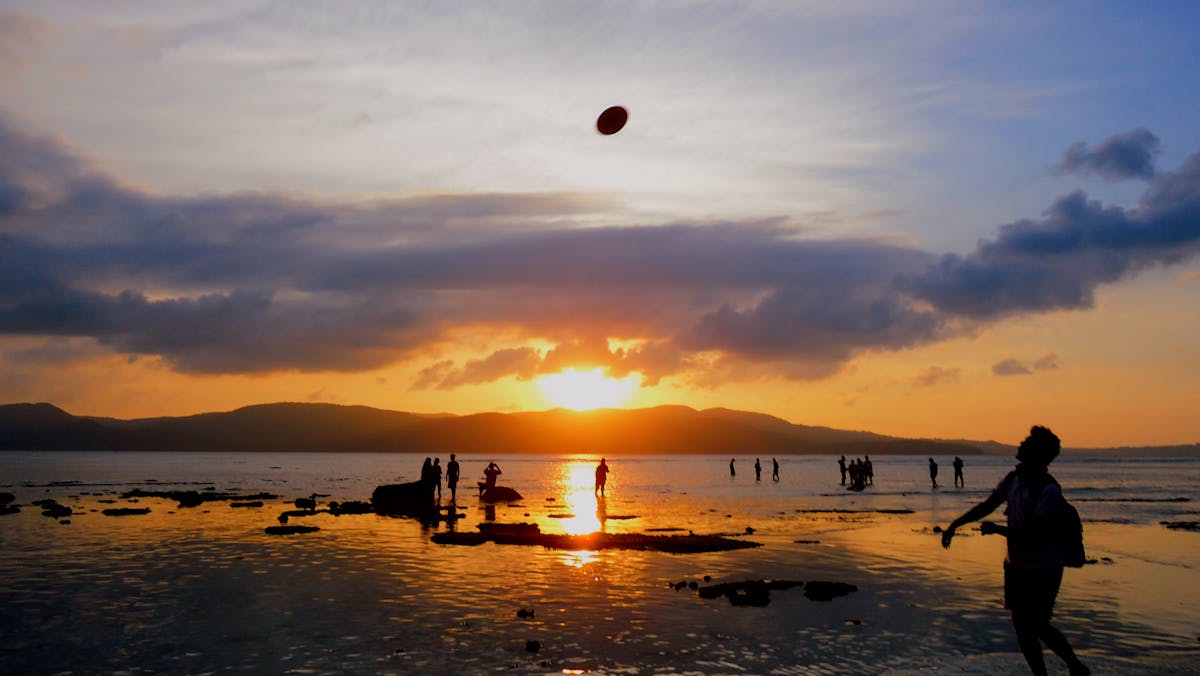
Forty-three million tourists visited Malaysia last year, and a significant portion of them arrived on Langkawi‘s shores with one mission: to find the perfect beach. The archipelago delivers — 99 islands scattered across the Andaman Sea off Malaysia’s northwest coast, each with its own character, from the gold-sand sweep of Pantai Cenang to the limestone-framed perfection of Tanjung Rhu. This langkawi beaches guide covers every beach worth your time, ranked by experience rather than proximity to your hotel.
You’ll find the exact beach for what you’re looking for here: serene swimming bays, hidden coves, world-class snorkeling, and island-hopping through one of Southeast Asia’s most striking archipelagos. Prices are current as of 2026; seasonal notes reflect the island’s dual monsoon calendar.

Pantai Cenang: Langkawi’s Main Beach
Pantai Cenang runs roughly two kilometers along the southwestern coast and is the hub most visitors never leave — which is understandable. Golden sand, warm Andaman Sea water, and a beachfront packed with seafood restaurants, bars, and water sports operators make it Langkawi’s most complete beach experience. The western orientation means the sunset here is genuinely spectacular every clear evening, the kind that fills phone cameras and keeps people at the shoreline long after dinner.
The sand shelves gently into shallow water, so swimming is comfortable and safe for most skill levels, especially around high tide. The Underwater World Langkawi aquarium anchors the northern end if you want an air-conditioned break from the sun. Duty-free shopping is minutes away — Langkawi’s tax-free status keeps sunscreen, alcohol, and beach snacks substantially cheaper than anywhere on the mainland. The combination of practical infrastructure and natural setting makes Pantai Cenang work as a base for exploring the whole island.
Accommodation ranges from basic guesthouses at around RM80–120 per night to international resort brands pushing RM400–600. Most water sports rentals — jet skis, kayaks, banana boats — are concentrated here. Expect crowds from December through April; mid-week visits in shoulder season give you more breathing room on the sand.
Best for: First-time visitors, families, nightlife, water sports, sunset watching.
Pantai Tengah: The Quieter Neighbor
Pantai Tengah runs 1.5 kilometers south of Pantai Cenang, separated by a rocky headland that filters out enough of the noise and foot traffic to make this feel like a different beach entirely. The sand is similarly soft, the water equally warm, and the westward orientation means the same sunsets — but the crowd is thinner and the pace measurably slower.
Mid-range and upscale resorts dominate the accommodation options here: think private pool villas and beachfront bungalows rather than budget guesthouses. The dining scene suits the clientele — fewer plastic-chair seafood stalls, more candlelit restaurant decks. A coastal path connects Tengah to Cenang, so you can walk to the action in fifteen minutes when you want it, then retreat to the quieter beach when you don’t.
Swimming conditions are consistently reliable, with a gently sloping sandy bottom and minimal wave action. Couples and repeat visitors to Langkawi tend to prefer Tengah once they’ve experienced the busier Cenang scene.
Best for: Couples, mid-range and upscale travelers, quieter beach experience with strong dining options.
Tanjung Rhu: The Island’s Most Beautiful Beach
Travel writers and beach experts who have spent time across Southeast Asia consistently point to Tanjung Rhu as Langkawi’s finest beach, and it’s not a difficult case to make. The sand here is noticeably finer and whiter than at the southern beaches — almost powdery underfoot — and the three-kilometer arc of the bay frames a postcard of limestone karst mountains, dense mangrove forest, and turquoise water that does not look like it belongs in the same country as Kuala Lumpur.
The bay sits at the northern tip of the island, which keeps it naturally sheltered. At low tide, the sandbars extend far into the water, creating natural wading pools and walkable sandbars. The shallow gradient makes this one of the safer beaches for children. At high tide, the deeper water is calm and clear, ideal for swimming without the jellyfish pressure common on the western coast.
The Four Seasons Resort Langkawi occupies the eastern end of the bay, and Tanjung Rhu Resort handles the next section — both are among the more acclaimed luxury properties in the region. The western stretches remain accessible to day visitors willing to make the 45-minute drive from Pantai Cenang. The nearby Kilim Karst Geoforest Park offers mangrove kayaking, eagle watching, and cave exploration as logical add-ons to a beach day here.
Best for: Photography, families, luxury stays, nature tourism, day trips from the south.
Datai Bay: Ancient Rainforest and Open Sea
Datai Bay operates on a different frequency from the rest of Langkawi’s beaches. The sand is pale and fine, the water remarkably clear, but the defining feature is what surrounds the beach: ten-million-year-old primary rainforest spilling down Mount Mat Cincang to the waterline. Monitor lizards emerge from the treeline. White-bellied sea eagles patrol the canopy overhead. The forest provides natural shade along the back of the beach that no resort sunshade can replicate.
Access to Datai Bay runs through The Datai Langkawi and The Andaman resorts, consistently ranked among Southeast Asia’s finest. Under Malaysian law, the beach itself is public, but navigating the resort grounds as a non-guest requires persistence. For guests, the experience of walking from a rainforest villa onto this beach is genuinely difficult to overstate. The dry season from November through April brings the clearest water conditions; marine life is visible even in the shallows.
If your budget allows one indulgent stop on Langkawi’s coast, Datai Bay delivers an experience with no direct equivalent in Malaysia’s beach catalogue.
Best for: Luxury travelers, nature and wildlife enthusiasts, honeymoons.
Pantai Kok: Gateway to the SkyCab
Pantai Kok sits in a sheltered bay on the western coast, immediately adjacent to the Oriental Village that houses the Langkawi SkyCab cable car. The beach is less developed and less crowded than the southern options, with calm water and views across the bay to the forested hills. The pace is noticeably slower than Pantai Cenang, which suits visitors who want a base for exploring the island’s northwest attractions.
The SkyCab gondola climbs 700 meters to the summit of Mount Mat Cincang, where the SkyBridge suspension bridge provides vertiginous views across the Andaman Sea. Combining a morning cable car trip with an afternoon on Pantai Kok is an efficient way to cover both attractions in a single excursion. The Telaga Tujuh Waterfalls are a short drive away. The Westin Langkawi occupies a prime spot on the bay.
Sunset from Pantai Kok is outstanding — the sun drops directly into the sea from this westward-facing position, and the silhouettes of nearby islands give the view more dimension than at the busier southern beaches.
Best for: Combining beach time with SkyCab visits, quieter western coast experience, sunset viewing.
Pantai Pasir Tengkorak: The Local’s Secret
The name means Skull Sand Beach, and the legend behind it involves either a sea demon or centuries of pirate activity in the Strait of Malacca — accounts vary depending on who you ask. What is certain is that Pantai Pasir Tengkorak is one of Langkawi’s best-kept secrets among international visitors. The small cove sits on the northern coast between Tanjung Rhu and Datai Bay, backed by towering casuarina trees that function as natural shade umbrellas.
On weekdays, you may genuinely have this beach to yourself. The water is calm and clear, the sand soft, and there is no commercial infrastructure to speak of — no water sports operators, no resort sunbeds, no beach vendors except perhaps a local selling coconuts. On weekends, Malaysian families arrive for picnics under the trees, which creates an entirely different but equally appealing atmosphere.
This is not the beach for amenities or activity. It is the beach for anyone who has spent two days at Pantai Cenang and needs a reset.
Best for: Crowd-avoiders, picnics, peaceful swimming, local atmosphere.
Pantai Pasir Hitam: The Black Sand Beach
Langkawi has a beach where the sand is dark — not universally black, but striated with grey and charcoal streaks that make it unlike any other shoreline in Malaysia. Pantai Pasir Hitam gets its distinctive coloring from tourmaline and ilmenite minerals washed down from the granite formations of Gunung Raya, the island’s highest peak. Spring water carries mineral sediments from the mountain to the coast, depositing them in shifting patterns along the tideline and at the back of the beach.
The geological phenomenon is legitimate and worth seeing — just calibrate expectations appropriately. This is not a uniformly black sand beach in the volcanic tradition of Bali or Iceland; it is a beach with notable dark mineral concentrations that shift with each tide. The beach is modest in size, with minimal tourist infrastructure and a handful of local souvenir stalls. It works best as a half-hour stop on a northern coast driving loop rather than a dedicated beach day.
Best for: Geology enthusiasts, photography, brief stops on a northern island circuit.
Snorkeling at Pulau Payar Marine Park
Thirty kilometers south of Langkawi’s main island, Pulau Payar is the only marine park in West Malaysia, and it shows. Visibility in calm conditions reaches 30 to 50 meters. The coral reefs host butterflyfish, angelfish, parrotfish, clownfish, and reliably sighted blacktip reef sharks in the shallows — a gentle species that treats snorkelers as irrelevant. The protected status has preserved coral health that is genuinely rare at accessible day-trip distance from a major island.
Day trips from Langkawi take around 45 minutes by speedboat and typically include equipment, guided snorkeling sessions, and lunch. Introductory dives are available for non-certified visitors. As of 2026, Pulau Payar operates under strict conservation controls: closed to tourists on Tuesdays and Wednesdays, closed entirely from March through May for reef recovery, and capped at 100 visitors per week. These limits make advance booking essential. Operating hours run 9:00 AM to 3:00 PM, subject to sea conditions.
Langkawi is not the only Malaysian island producing outstanding marine experiences. The perhentian islands guide covers what many divers consider Malaysia’s finest snorkeling on the east coast. For a dive-focused alternative in a remote setting, the sipadan island diving scene in Sabah, Malaysian Borneo, is in an entirely different category — a world-record dive site with hammerheads and green turtles at depth. These destinations require separate trips but belong on any serious Malaysian island itinerary.
Best for: Snorkeling enthusiasts, introductory diving, marine life observation, day trips from Langkawi.
Island Hopping: The Langkawi Archipelago
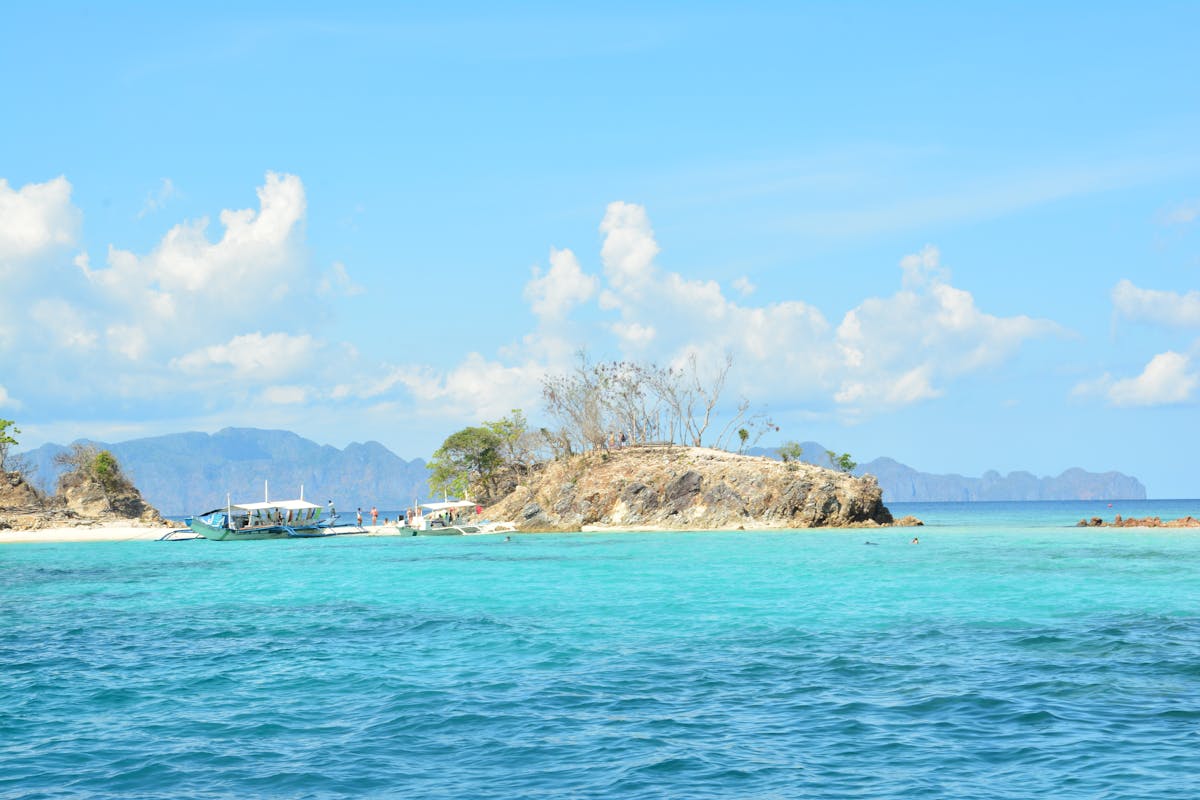

The standard island hopping tour runs three and a half to four hours, departing from Teluk Baru Jetty or Kuah Jetty, and visits three islands that showcase different aspects of the archipelago. Shared boats start at roughly RM50 per person; private charters run RM250–400 depending on the vessel and duration. The dry season from December through April gives the clearest water and calmest seas for the journey.
Pulau Dayang Bunting: The Pregnant Maiden Island
The second-largest island in the archipelago holds a freshwater lake inside a limestone crater — Tasik Dayang Bunting, the Lake of the Pregnant Maiden. The local legend ties the lake’s fertility-granting reputation to a celestial princess who lost her child here. The visual reality needs no mythological framing: a cool, clear lake surrounded by dense jungle and dramatic karst walls. You can swim in the lake, which is a welcome contrast to the saltwater all around. The walk from the jetty takes ten to fifteen minutes through shaded forest, and most tours allow 60 to 90 minutes at this stop.
Pulau Singa Besar: Eagle Watching
Pulau Singa Besar — Big Lion Island — delivers Langkawi’s most cinematic wildlife moment. Large populations of Brahminy Kites and White-Bellied Sea Eagles gather here, and the boat-side eagle feeding session is the highlight of most island hopping itineraries. Dozens of birds swoop from altitude to skim the water surface within meters of the boat. The photography window is brief and frenetic, so have your camera ready when the boat slows down.
Pulau Beras Basah: Beach Stop
Wet Rice Island provides roughly 60 minutes of white sand, shallow calm water, and basic facilities — changing rooms, small food stalls. The beach is small but pretty, and the break between boat legs is genuinely pleasant. Families with children appreciate the shallow, protected swimming here. This stop is where most tours end before the return leg to the main island.
How Langkawi Compares to Malaysia’s Other Island Destinations
Langkawi is an exceptional island destination, but understanding where it sits in Malaysia’s broader archipelago picture helps you choose the right trip — or plan the right sequence.
The tioman island guide covers an east coast island with a very different profile: smaller, less commercially developed, with jungle-to-shore hiking trails and coral reefs within swimming distance of the main village. Tioman rewards travelers who want fewer crowds and more immersion in a single location. The redang island guide covers another east coast favorite, with some of Malaysia’s clearest water and well-preserved coral gardens — best reached from Kuala Terengganu during the east coast’s dry season (March through October). For something on a smaller scale with a genuine off-the-beaten-path character, the kapas island malaysia overview covers a pair of compact, low-key islands that see a fraction of the crowds that Langkawi handles on a busy weekend.
Langkawi’s advantage over these alternatives is infrastructure: direct flights from Kuala Lumpur, Singapore, and several regional hubs; duty-free pricing; and a beach variety that no single east coast island matches. The tradeoff is that you’re sharing it with more people, and the marine life around the main island cannot compete with the east coast’s clearer waters during the northeast monsoon low season.
Water Sports and Beach Activities
Langkawi’s beaches — particularly Pantai Cenang and Tanjung Rhu — support the full range of water sports. Most operators are concentrated at Cenang, with additional provision at Tanjung Rhu and Pantai Kok.
Jet Ski Island Tours
Guided jet ski tours out of Pantai Cenang run two to four hours and cover the surrounding islands — Dayang Bunting, Beras Basah, Singa Besar — at a pace that feels closer to adventure than sightseeing. No prior experience is required; operators provide training and guides accompany each group. Prices run approximately RM200–350 per rider depending on tour length.
Parasailing
Parasailing from Pantai Cenang takes you 50 to 100 meters above the Andaman Sea for five to ten minutes, with aerial views of the coastline, surrounding islands, and the forested interior. No special skills needed; the operators handle the launch and landing. Cost is approximately RM80–120 per flight.
Kayaking and Mangrove Tours
Kayaking through the Kilim Karst Geoforest Park moves at a pace that lets you actually see things: limestone cliffs rising vertically from the water, cave passages just wide enough for a paddle, mangrove tunnels with monkeys in the canopy and kingfishers darting at eye level. Sunset tours are particularly atmospheric as the light shifts across the karst formations. Tours run approximately RM100–150 per person including guide and equipment.
Additional Activities
Stand-up paddleboarding, flyboarding, banana boat rides, and sailing are all available at the main beach hubs. Equipment rental and basic instruction are standard inclusions; most activities are accessible to anyone who can swim. Cenang has the widest selection; Tanjung Rhu operators tend toward more premium packages with smaller group sizes.
Beach Safety and Seasonal Considerations
Best Season for Beaches
November through April is Langkawi’s dry season — predominantly sunny, calm seas on the western coast, temperatures around 30°C with lower humidity. This is peak season; beaches like Pantai Cenang fill up noticeably from late December through January. Book accommodation early if you’re traveling over Christmas or Chinese New Year.
May through October brings the southwest monsoon. Rainfall is more frequent and western coast seas can be rough, making swimming less reliable at Cenang and Tengah during this stretch. Prices drop, crowds thin, and the light is often more interesting for photography. The eastern beaches are generally less affected by this monsoon cycle. If you’re considering the east coast alternatives like Redang or Tioman, note they operate on the opposite monsoon calendar — their dry season runs March through October.
Jellyfish Awareness
Jellyfish appear at the western beaches — primarily Pantai Cenang and Pantai Tengah — with higher sightings reported January through June. Tanjung Rhu and Pantai Pasir Tengkorak are typically less affected. Protective measures include rash guards, avoiding early morning and dusk swims when jellyfish surface activity peaks, and carrying vinegar for immediate sting treatment. Resorts monitor conditions and post warnings when activity rises. Most encounters result in mild, treatable stings rather than serious reactions.
Swimming Safety
Pantai Cenang, Pantai Tengah, and Tanjung Rhu offer the most reliably safe swimming across the dry season thanks to their sheltered bays and gradual depth transitions. Observe warning flags posted by local authorities and resort staff. Supervise children at all beaches, regardless of apparent calm — rip currents can form at headlands and channel entrances even when conditions look benign. Avoid the water during monsoon conditions or when the sea surface shows whitecapping.
Practical Tips
Langkawi’s duty-free status makes a real difference for beach supplies. Sunscreen, reef-safe formulas included, runs 30–40% cheaper than on the mainland. Stock up at the duty-free outlets in Kuah or at the airport arrivals hall. Reef-safe sunscreen is strongly recommended for any snorkeling at Pulau Payar, where the conservation restrictions reflect how seriously the marine park takes chemical impact on coral health.
Bring what you need to remote beaches. Pantai Cenang and Pantai Tengah have full infrastructure — showers, changing rooms, food stalls, water sports rentals within 200 meters. Pantai Pasir Tengkorak, Datai Bay, and Pantai Pasir Hitam have minimal to no facilities. A rental car or scooter is the practical solution for a multi-beach day; distances from the southern strip to the northern beaches are 30 to 40 minutes by road. Taxi costs from Cenang to Tanjung Rhu run approximately RM50–70 each way depending on the driver.
Reef-safe sunscreen, sufficient water, and basic cash for local vendors cover the essentials. Most beach activities and operators accept credit cards, but remote beach stalls are cash-only. ATMs are available in Kuah and along the Pantai Cenang strip.
Planning Your Langkawi Beach Itinerary
Three days gives you enough time to cover the main experiences without rushing. Day one: Pantai Cenang for orientation, sunset, and a water sport or two. Day two: drive the northern coast circuit — Tanjung Rhu in the morning, a stop at Pantai Pasir Hitam, then the SkyCab and Pantai Kok for the late afternoon. Day three: an island hopping tour or a Pulau Payar day trip, depending on whether your priority is the archipelago experience or the marine park snorkeling.
A week on Langkawi allows you to add Datai Bay on the luxury end, the Kilim Karst kayaking tour, and a proper exploration of the less-visited northern beaches including Pantai Pasir Tengkorak. That timeline also leaves room for adjusting to weather — if the western coast is rough on a given day, the itinerary flexibility to shift to a sheltered northern beach is worth building in.
Langkawi’s beaches are not the most remote in Malaysia, and they’re not the most pristine for underwater life. What they offer is variety: a dozen distinct beach personalities within 40 minutes of each other, an excellent tourism infrastructure that doesn’t overwhelm the natural setting, and duty-free pricing that makes the whole trip more affordable than comparable Southeast Asian island destinations. Come with a loose plan and a rental car, and the island will do the rest.