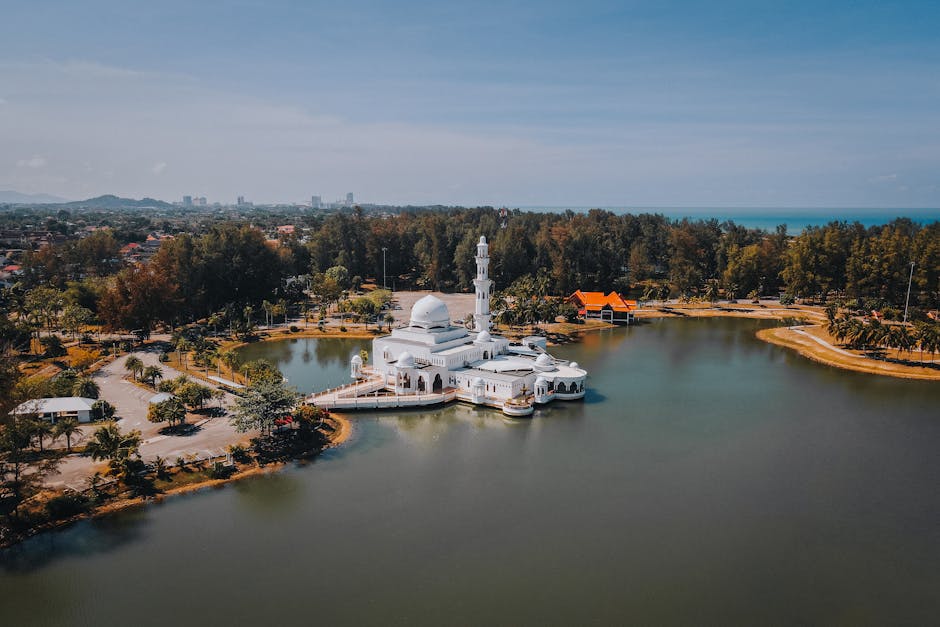
Malaysia is one of Southeast Asia’s most culturally diverse nations, home to Malay, Chinese, Indian, and indigenous communities living side by side. This rich cultural tapestry means that understanding Malaysia cultural etiquette is not just about being polite — it directly shapes how warmly locals receive you and how deeply you experience the country.
Getting the basics right transforms your trip from a standard tourist experience into something far more rewarding. Malaysians are genuinely warm and forgiving toward visitors who make honest mistakes, but showing awareness of local customs earns immediate respect and opens doors that stay closed to less thoughtful travelers.
This guide covers the essential dos and don’ts of Malaysian etiquette across greetings, religious sites, dining, dress codes, gift giving, photography, and the laws you absolutely need to know. Whether you are exploring Kuala Lumpur’s temples, eating at a Penang hawker stall, or visiting a longhouse in Borneo, these cultural etiquette tips will help you navigate Malaysia with confidence and respect.
Greetings and Social Interactions
The Malaysian Greeting
How you greet people in Malaysia depends on who you are meeting. Malaysia’s three major ethnic groups each have their own greeting customs, and knowing the differences shows respect.
Malay greetings often begin with a warm smile and a gentle handshake. The traditional Malay greeting, called the salam, involves both people lightly clasping each other’s hands with both palms, then bringing the right hand back to the chest over the heart. This gesture signifies sincerity and goodwill. However, many Malay Muslims — particularly women — do not shake hands with members of the opposite gender. The safest approach is to wait and let the other person initiate physical contact. If a Malay woman places her hand over her heart and nods with a smile instead of extending her hand, simply mirror the gesture.
Chinese Malaysian greetings tend to follow a more familiar Western-style handshake, though the grip is usually lighter and the handshake may last slightly longer than you are used to. Chinese Malaysians are generally comfortable shaking hands with both men and women.
Indian Malaysian greetings also commonly involve handshakes among members of the same gender. When greeting someone of the opposite gender, a nod and a smile is usually the most appropriate approach unless they extend their hand first.
Across all communities, smiling is universal. Malaysians are among the friendliest people in the region, and a genuine smile goes a long way in any interaction.
Saving Face
The concept of “saving face” runs deep in Malaysian culture. Malaysians avoid direct confrontation, public criticism, or any action that could embarrass another person. Raising your voice, showing visible anger, or publicly correcting someone — even if you are right — is considered extremely rude and is described as kasar (crass).
If you have a complaint at a hotel or restaurant, address it calmly and privately. You will almost always get a better outcome through polite persistence than through aggressive demands.
Names and Titles
Malaysians generally address people using honorifics. “Encik” (Mr.) and “Puan” (Mrs./Ms.) are common for Malays. Using “Uncle” or “Aunty” for older people you interact with casually, such as hawker stall vendors, is both accepted and appreciated. When in doubt, ask how someone prefers to be addressed.
Body Language and Gestures
Understanding body language in Malaysia prevents some of the most common cultural missteps tourists make.
The Right Hand Rule
The left hand is considered unclean in Malaysian culture because of its traditional association with personal hygiene. Always use your right hand to give and receive objects, pass food, wave, touch someone, or hand over money. This rule applies universally across Malay, Chinese, and Indian communities, though it is most strictly observed among Malays.
If you are left-handed, make a conscious effort to use your right hand for social interactions. Nobody expects perfection, but the effort is noticed and appreciated.
Pointing
Never point at a person or object using your index finger. This is considered rude and aggressive in Malaysian culture. Instead, use your right thumb with fingers folded beneath it to indicate direction. Alternatively, you can gesture with your whole open hand. This applies everywhere from giving directions to indicating items on a menu.
Head and Feet
The head is considered the most sacred part of the body in Malaysian culture. Never touch someone’s head, including children, even affectionately. This applies to playful hair ruffling or patting that might be perfectly normal in Western countries.
Conversely, feet are considered the lowest and dirtiest part of the body. Avoid pointing the soles of your feet at anyone, do not use your feet to move objects or point at things, and never step over someone who is sitting on the floor. When sitting on the floor in a mosque or temple, tuck your feet beneath you or to the side rather than extending them forward.
Public Displays of Affection
Malaysia is a conservative country when it comes to public affection. Holding hands is generally tolerated in urban areas like Kuala Lumpur, but kissing, hugging, and other displays of affection in public are frowned upon, particularly in more traditional areas and in the eastern peninsula states of Kelantan and Terengganu. During Ramadan, extra discretion is especially important.
Beckoning
If you need to wave someone over, face your palm downward and wave your fingers toward yourself. The Western-style “come here” gesture with the palm facing upward and the index finger curling is considered insulting — it is how you would call a dog.
Dress Code and Religious Site Etiquette
General Dress Standards
Malaysia’s tropical heat might tempt you to dress in as little as possible, but modesty matters here. In cities, casual Western clothing is perfectly acceptable, but you should keep a few guidelines in mind. Sleeveless tops, very short shorts, and revealing clothing draw unwanted stares outside of beach resorts and tourist bubbles. This applies to both men and women.
A good rule of thumb for everyday sightseeing is to keep your shoulders covered and wear shorts or skirts that reach the knee. This is especially important in rural areas and in the more conservative east coast states.
Mosque Etiquette
Visiting a mosque is one of the most culturally enriching experiences in Malaysia, and tourists are generally welcomed at major mosques outside of prayer times.
Dress code: Women must cover their heads, arms, and legs completely. Men must wear long pants and shirts that cover the shoulders. Major tourist mosques such as the Masjid Negara (National Mosque), Putrajaya Mosque, and the Blue Mosque in Shah Alam provide free robes and headscarves for visitors at the entrance. Smaller mosques may not, so carry a lightweight scarf and ensure you are wearing appropriate clothing before you arrive.
Shoes: Remove your shoes before entering. There will almost always be a designated area or shoe rack near the entrance.
Behavior: Speak in hushed tones, as people may be praying nearby. Do not walk in front of someone who is praying. Non-Muslims are typically not allowed to enter the main prayer hall, though you can usually observe from the doorway or a designated visitor area.
Photography: Photography rules vary by mosque. Some allow photos in the courtyard and exterior areas but prohibit photography inside. Others prohibit all photography. Always check for posted signs or ask an attendant before taking pictures. Recording video inside mosques is generally discouraged throughout Malaysia.
Timing: Avoid visiting during prayer times (especially Friday prayers around midday). Most tourist-friendly mosques have specific visiting hours posted on their websites or at the entrance.
Temple Etiquette
Malaysia has Hindu temples, Buddhist temples, Chinese temples, and Sikh gurdwaras, each with their own customs. Some general rules apply across all of them.
Shoes: Always remove your shoes before entering any temple or prayer hall. Look for shoes lined up near the entrance as your cue.
Dress modestly: Cover your shoulders and knees. Some temples provide sarongs at the entrance, but this is not guaranteed.
Photography: Always ask before taking photos inside temples. Many allow photography in common areas but prohibit it in the inner sanctum or near sacred statues. Never pose disrespectfully with religious statues or icons.
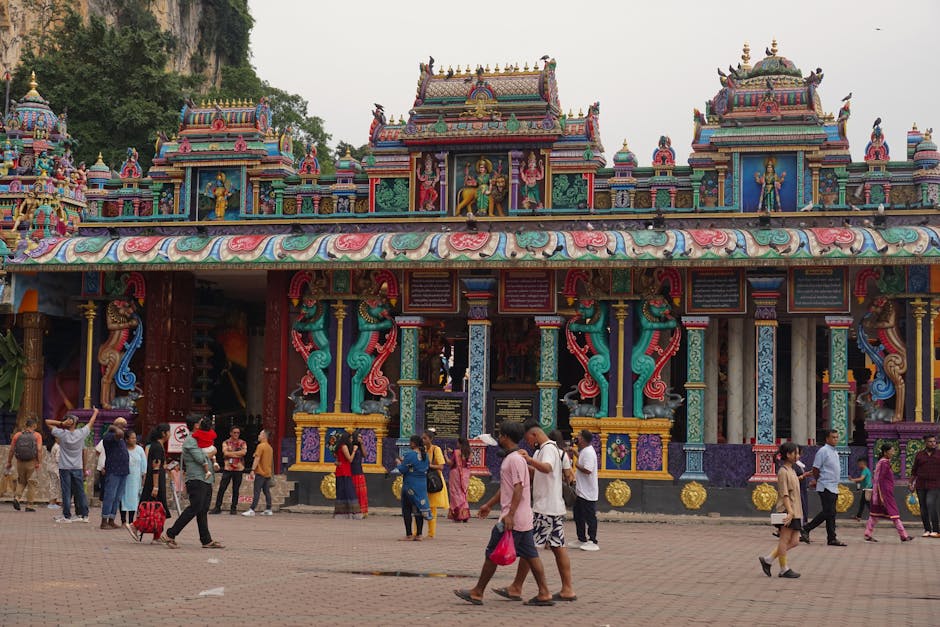
Batu Caves: One of Malaysia’s most visited Hindu sites requires visitors to dress modestly. Shorts and skirts above the knee are not permitted, and sarongs are available for rent near the entrance. Remove your shoes before entering any of the temple caves at the top.
Church Etiquette
Christian churches in Malaysia, particularly the historic ones in Malacca and Penang, welcome visitors. Dress modestly, speak quietly, and avoid wandering into areas that appear to be private or restricted. Photography is usually permitted but check for signs near the altar.
Dining Etiquette
Food is central to Malaysian life, and knowing the dining customs across the country’s communities helps you avoid awkward moments at the table.
Eating with Your Hands
Many Malays and Indians eat with their hands, particularly when enjoying banana leaf rice or traditional Malay dishes. If you choose to eat this way, always use your right hand only. Scoop food using your fingertips and thumb, pushing it into your mouth with your thumb. It takes practice, but locals will appreciate the effort. Wash your hands before and after eating — most restaurants that serve hand-eaten food provide a sink or water pitcher.
Chopstick Etiquette
When dining with Chinese Malaysians, you may be given chopsticks. Never stick chopsticks vertically into a bowl of rice, as this resembles incense sticks used at funerals and is considered extremely bad luck. Place chopsticks across the top of the bowl or on the chopstick rest when you are not using them.
Halal Dining
Malaysia is a Muslim-majority country, and halal food standards are taken seriously. Halal means food that is prepared according to Islamic dietary law, which prohibits pork and alcohol and requires specific slaughter methods for meat.
Most restaurants in Malaysia display a halal certification prominently. In mixed dining areas like food courts, you may notice separate halal and non-halal sections. Be mindful of this when choosing where to sit and eat — do not bring non-halal food into a halal dining area.
If you are invited to eat at a Malay home, the food will be halal. Do not bring pork products or alcohol as a gift or contribution to the meal.
Dietary Sensitivities Across Communities
Understanding each community’s dietary restrictions helps you navigate social meals smoothly. Malays do not eat pork and do not drink alcohol. Hindus and Sikhs do not eat beef, as the cow is sacred. Some Chinese Malaysians follow Buddhist vegetarian diets during certain festivals. When in doubt, ask — Malaysians are not offended by respectful questions about food.
Table Manners
Wait for the host or the most senior person to begin eating before you start. If you are a guest in someone’s home, do not empty your plate entirely — leaving a small amount indicates the meal was generous and filling. Clearing your plate may signal that you are still hungry, prompting the host to serve more.
Tipping
Tipping is not customary or expected in Malaysia. Most restaurants add a 10 percent government service tax to the bill, and some add an additional 6 percent service charge. If you want to show appreciation at a casual restaurant or hawker stall, rounding up the bill or leaving small change is sufficient and appreciated. Hotel bellhops and housekeeping staff appreciate tips of RM2 to RM10, but it is never required. Taxi drivers do not expect tips — rounding up the fare is the norm.
Gift Giving Etiquette
If you are invited to a Malaysian home or want to give a gift to someone who has helped you, knowing the gift giving rules across Malaysia’s communities prevents accidental offense.
Universal Rules
Always present and receive gifts with both hands, or with the right hand supported by the left. Gifts are not opened in front of the giver — this avoids potential loss of face if the gift is not quite right. Do not give money as a gift unless it is a specific cultural occasion like Chinese New Year (in red envelopes) or a Malay wedding.
Gifts for Malay Muslims
Never give gifts made from pigskin, and never bring alcohol. Avoid wrapping gifts in white paper (associated with mourning) or yellow (reserved for royalty). Food gifts must be halal. Safe choices include chocolates, sweets, perfumes, or decorative items for the home.
Gifts for Chinese Malaysians
Give items in even numbers, as odd numbers are considered unlucky — except for the number four, which sounds like the word for “death” in Chinese and should be avoided entirely. Never give clocks (the phrase “gifting a clock” sounds like “attending a funeral” in Chinese), sharp objects like knives or scissors (they symbolize severing relationships), or anything wrapped in black, white, or blue. Red, pink, and gold wrapping are excellent choices. Quality fruits, tea, or sweets are always appreciated.
Gifts for Indian Malaysians
Avoid giving gifts made of leather to Hindus. Do not give frangipani flowers, as they are associated with funerals. Money gifts should be in odd numbers (the opposite of Chinese custom). Wrap gifts in bright colors like red, yellow, or green. Sweets and fruits are safe and appreciated choices.
Ramadan Etiquette for Tourists
Ramadan is the Islamic holy month of fasting, observed by the Malay Muslim majority from dawn to sunset. The dates change each year based on the Islamic lunar calendar. During Ramadan, Muslims abstain from food, drink, smoking, and other physical needs during daylight hours.
What Tourists Should Know
Non-Muslims are not required or expected to fast. However, showing sensitivity during Ramadan goes a long way.
Eating and drinking in public: In cosmopolitan areas like Kuala Lumpur, Penang, and Johor Bahru, eating and drinking in public during the day is generally accepted for non-Muslims. Non-Muslim restaurants, food courts, and tourist areas remain open. However, in more conservative states like Kelantan, Kedah, Perlis, and Terengganu, it is respectful to avoid eating and drinking in open public view during fasting hours.
Restaurants: Muslim-run restaurants may close during daylight hours or operate with reduced hours. Non-Muslim-run restaurants and international chains typically maintain normal hours. Avoid eating at restaurants right at sunset (around 7:00 to 7:30 PM), as this is when Muslims break their fast (iftar) and queues can be extremely long.
Dress modestly: Modest dress is always appreciated in Malaysia, but it carries extra significance during Ramadan. Cover your shoulders and knees, particularly when visiting Muslim-majority areas.
Smoking: Avoid smoking in public during fasting hours as an additional sign of respect.
Ramadan bazaars: These vibrant evening food markets pop up across the country during Ramadan and are absolutely open to non-Muslim visitors. They are one of the best food experiences in Malaysia, offering an incredible variety of Malay dishes and snacks at very reasonable prices. Arrive early for the best selection.
Photography Etiquette
Malaysia is an incredibly photogenic country, but camera etiquette matters.
People: Always ask permission before photographing anyone, especially during religious ceremonies, cultural events, or at markets. A simple smile and gesture toward your camera usually gets a response. Most Malaysians are happy to be photographed but appreciate being asked first. The Malay phrase “Boleh ambil gambar?” means “May I take a photo?” and is always met with appreciation.
Religious sites: Rules vary by location. Some mosques and temples prohibit all photography indoors. Others allow photos but not during prayers or ceremonies. Always check for posted signs and ask staff if unsure. Never use flash photography inside religious buildings.
Government and military buildings: Do not photograph military installations, police stations, or sensitive government buildings. This can attract unwanted attention from authorities.
Indigenous communities: If you visit Orang Asli communities on the peninsula or indigenous longhouses in Sarawak and Sabah, always ask your guide or community leaders for permission before taking photographs. Some communities have specific rules about photography of sacred objects or ceremonies.
Laws and Sensitive Topics Every Tourist Should Know
Malaysia has several laws that differ significantly from what you may be used to at home. Ignorance of the law is not accepted as an excuse.
Drug Laws
Malaysia has some of the strictest drug laws in the world. Possession of even small quantities of drugs can result in lengthy prison sentences and caning. Trafficking carries a mandatory death penalty. The threshold for “trafficking” is disturbingly low — possessing 15 grams of heroin or 200 grams of marijuana is automatically presumed to be trafficking under Malaysian law.
All cannabis-related products, including CBD and THC products that may be legal or medically prescribed in your home country, are strictly prohibited in Malaysia. You can be asked to take a urine test upon arrival if customs officials suspect drug use. A positive result can lead to detention, charges, deportation, and a permanent blacklist from entering the country. Do not carry any recreational drugs, residue, or paraphernalia into Malaysia.
Alcohol
Alcohol is legal for non-Muslims over 21 in most of Malaysia. It is widely available at bars, restaurants, hotels, and licensed retailers. However, in the states of Kelantan and Terengganu, alcohol sales are heavily restricted or banned outright. Public intoxication that causes a disturbance is a punishable offense across the country. Convenience stores can only sell beer (not hard liquor) between 7:00 AM and 9:00 PM.
Criticizing the Government and Royalty
Speaking negatively about the Malaysian royal family is a criminal offense under the Sedition Act. The Yang di-Pertuan Agong (King) and the sultans of each state are held in high regard. Similarly, criticizing the government in ways deemed seditious can lead to legal action. As a tourist, the safest approach is to avoid commenting on Malaysian politics, royalty, or racial policies entirely, especially in public or on social media.
LGBTQ+ Awareness
Malaysia’s laws regarding homosexuality are stricter than in many Western countries. Same-sex sexual conduct is criminalized under both federal and some state-level shari’a laws. While enforcement varies, discretion is strongly advised. Public displays of affection between same-sex couples should be avoided.
Respecting Religion
Islam is the official religion of Malaysia, and criticizing or insulting Islam carries serious legal consequences. Proselytizing to Muslims is illegal. Respect for all religions is expected — Malaysia’s constitution guarantees freedom of religion, but sensitivity toward Islam as the state religion is essential.
Visiting a Malaysian Home
Being invited to a Malaysian home is a wonderful experience and a sign of genuine hospitality. Here is how to handle it properly.
Remove your shoes before entering. This is non-negotiable in virtually every Malaysian home. Look for the row of shoes at the door as your guide.
Bring a small gift. Fresh fruits, chocolates, or sweets are safe choices across all communities. This gift is called buah tangan (literally “fruit of the hands”). Avoid alcohol for Malay Muslim hosts and beef products for Hindu hosts.
Give advance notice. Do not drop by unannounced. Malaysians take hospitality seriously and want time to prepare food and tidy their home before guests arrive.
Accept food and drinks graciously. Declining food or drinks can be seen as impolite. Even if you are not hungry, accept at least a small serving and taste it. Complimenting the food is always welcome.
Use your right hand when eating, accepting items, or passing dishes.
Common Mistakes Tourists Make
Even well-meaning tourists stumble over these frequent missteps in Malaysia.
Wearing shoes indoors. This is probably the most common tourist error. Always check for shoes at the door before entering any home, temple, mosque, or even some shops.
Using the left hand. If you hand money, food, or a business card with your left hand, you may get a polite smile but an internal wince. Train yourself to default to the right.
Pointing with the index finger. Use your thumb or open hand instead.
Touching heads. Even ruffling a child’s hair, which feels natural in many cultures, is inappropriate in Malaysia.
Being too loud or confrontational. Malaysian communication is indirect and gentle. Losing your temper in public is one of the fastest ways to lose respect.
Ignoring dress codes at religious sites. Coming to a mosque in shorts and a tank top is disrespectful, even if free robes are available.
Assuming all Malaysians follow the same customs. A Chinese Malaysian may have very different food taboos and greeting styles than a Malay Muslim. Pay attention to context and follow the lead of your host or the people around you.
Final Thoughts
Malaysia cultural etiquette boils down to three principles: be modest, be respectful, and use your right hand. The country’s multicultural fabric means customs vary depending on who you are interacting with, but the underlying value of mutual respect ties everything together.
Malaysians are extraordinarily patient and understanding with tourists who make genuine efforts to respect local customs. You do not need to memorize every rule in this guide — simply showing awareness, asking when unsure, and approaching every interaction with humility and a smile will take you further than you might expect.
Planning your trip? Read our complete Malaysia travel guide for everything from visa requirements and daily budget breakdowns to what to pack for the tropical climate.
Leave a Reply