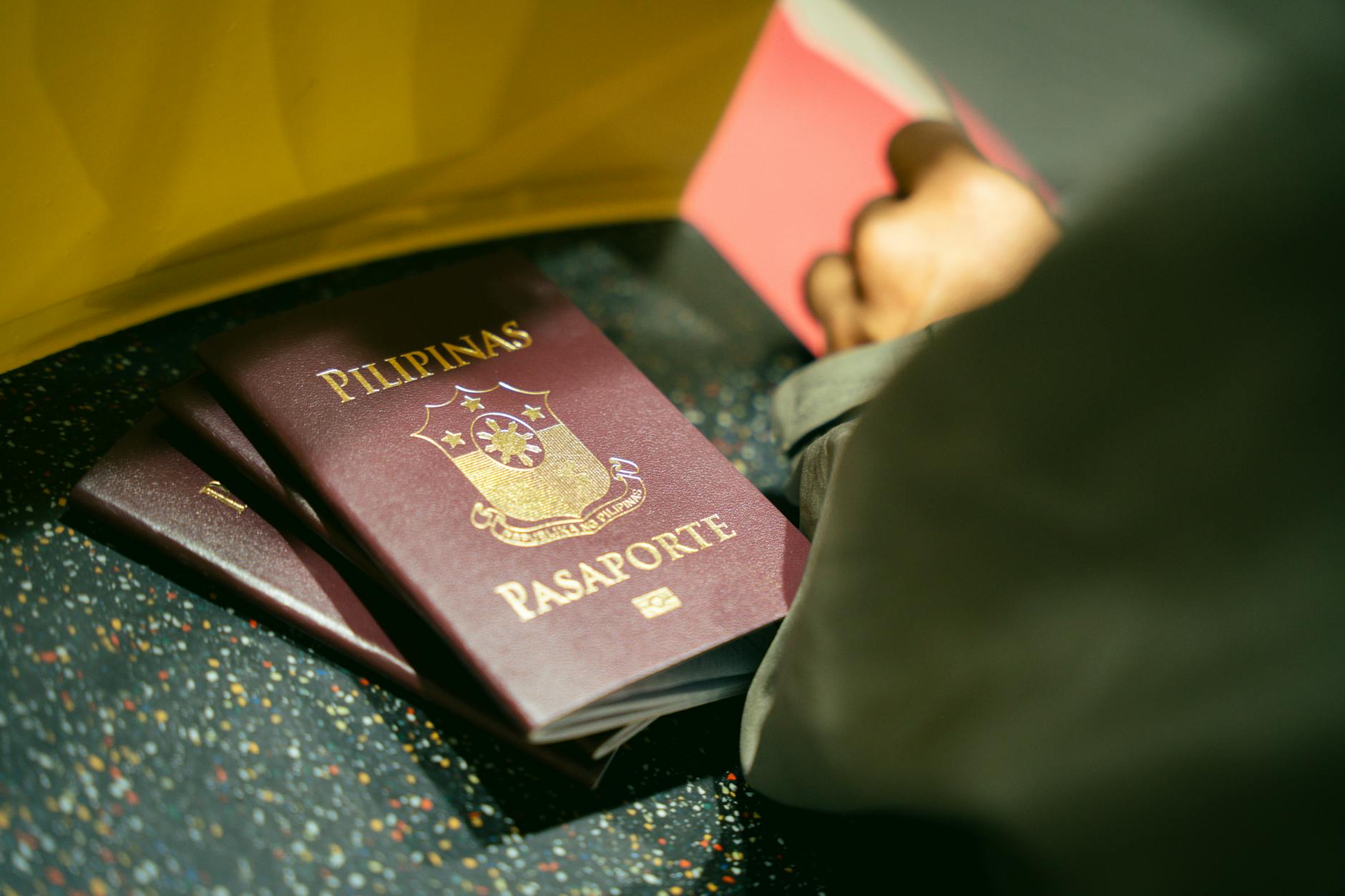
Planning a trip to Malaysia but unsure whether you need a visa? You’re not alone — Malaysia visa requirements vary dramatically depending on your passport, intended length of stay, and purpose of travel. The good news is that Malaysia has one of the most generous visa policies in Southeast Asia, offering visa-free access to citizens of more than 130 countries.
This guide breaks down everything you need to know about Malaysia visa requirements in 2026, from visa exemptions and the mandatory Malaysia Digital Arrival Card (MDAC) to eVisa applications, the DE Rantau digital nomad visa, and what happens if you overstay. Whether you’re a short-term tourist, long-term traveler, or aspiring digital nomad, you’ll find the answers you need right here.
Do I Need a Visa for Malaysia? Quick Answer by Nationality

The fastest way to determine your Malaysia visa requirements is to check which category your passport falls into. Malaysia groups countries into tiers based on bilateral agreements, each with different visa-free durations.
90-Day Visa-Free Countries
Citizens from the following countries can enter Malaysia without a visa and stay for up to 90 days for tourism or business purposes:
Americas: United States, Canada, Argentina, Brazil, Chile, Peru, Uruguay, Paraguay, Bolivia, Ecuador, Mexico, Costa Rica, El Salvador, Guatemala, Honduras, Nicaragua, Panama, Cuba, Dominican Republic, Haiti, Suriname, Trinidad and Tobago
Europe: All European Union member states (France, Germany, Italy, Spain, Netherlands, Belgium, Austria, Sweden, Denmark, Finland, Ireland, Portugal, Greece, Poland, Czech Republic, Romania, Hungary, Croatia, Bulgaria, Slovakia, Slovenia, Lithuania, Latvia, Estonia, Luxembourg, Malta, Cyprus), United Kingdom, Switzerland, Norway, Iceland, Liechtenstein, Albania, Bosnia and Herzegovina, Kosovo, Montenegro, North Macedonia, Serbia, Moldova, Georgia, Ukraine
Asia-Pacific: Japan, South Korea, Hong Kong SAR, Macau SAR
Oceania: Australia, New Zealand
Middle East: Turkey, Bahrain, Kuwait, Oman, Qatar, Saudi Arabia, United Arab Emirates, Jordan, Lebanon
Africa: South Africa, Morocco, Tunisia
This 90-day allowance is among the most generous in Southeast Asia. For comparison, Thailand offers only 30 days visa-free to most Western tourists, and Vietnam requires e-visas for many nationalities.
30-Day Visa-Free Countries
Several countries receive a 30-day visa-free stay in Malaysia:
Major recent additions (extended through December 31, 2026):
- China — 30-day visa exemption, extended as part of Malaysia’s push to attract Chinese tourists
- India — 30-day visa exemption, a significant change that previously required visas for all Indian nationals
Other 30-day visa-free countries: Most ASEAN member states (for those not covered by longer arrangements), several Commonwealth nations, and additional countries under bilateral agreements.
14-Day Visa-Free Countries
A smaller group of nationalities receive 14-day visa-free access, including citizens of certain African and Asian nations. If your country falls in this category, the 14 days are strictly enforced and cannot be extended without leaving Malaysia.
Countries That Require a Visa
Citizens from countries not on the Malaysia visa exemption list must apply for a visa before traveling to Malaysia. This includes nationals from many countries in South Asia (except India, which now has the temporary exemption), parts of Africa, and select other regions. If you need a visa, you have two main options: the Malaysia eVisa (applied online) or a traditional visa sticker from a Malaysian embassy or consulate.
ASEAN Citizens: Special Privileges
Citizens of ASEAN member states — Singapore, Indonesia, Thailand, Philippines, Vietnam, Myanmar, Laos, Cambodia, and Brunei — enjoy special visa arrangements. Most ASEAN nationals can enter Malaysia visa-free for 30 days, while Singaporean and Thai citizens can stay for 30 days using just their national ID card (no passport required for certain border crossings). Brunei citizens receive 90-day visa-free access.
The Malaysia Digital Arrival Card (MDAC): What Every Traveler Must Know
Starting in 2024, the Malaysia Digital Arrival Card (MDAC) became mandatory for virtually all foreign nationals entering Malaysia. This MDAC digital arrival card replaced the old paper-based arrival card that was filled out on flights.
Who Needs to Complete the MDAC?
All foreign nationals entering Malaysia must complete the MDAC, with the sole exception of Singapore citizens. This applies regardless of whether you need a visa — even visa-free travelers from the United States, United Kingdom, Australia, and all other exempt countries must submit an MDAC digital arrival card before arrival.
How to Apply for the MDAC
- Visit the official Immigration Department of Malaysia portal at imigresen-online.imi.gov.my
- Select “MDAC” from the available services
- Fill in your personal details, passport information, travel itinerary, and accommodation details
- Upload a recent passport-sized photograph
- Submit the form — approval is typically instant or within a few hours
MDAC Key Details
- Cost: Completely free
- When to apply: Up to 3 days before your arrival in Malaysia
- Validity: Single entry; you must complete a new MDAC for each visit
- Processing time: Usually instant, but allow up to 24 hours
- What you receive: A confirmation that you can show on your phone (screenshot or PDF) or print out
Common MDAC Mistakes to Avoid
Many travelers encounter issues with the MDAC system. Here are the most common problems and how to avoid them:
- Applying too early: The MDAC can only be submitted within 3 days of your arrival date. Applying earlier will result in rejection.
- Mismatched passport details: Ensure your name, passport number, and date of birth exactly match your passport. Even small discrepancies can cause delays at immigration.
- Forgetting to save confirmation: While the system saves your submission, it’s wise to screenshot or download the confirmation page as backup.
- Not having a Malaysian accommodation address: You need to provide a hotel name and address in Malaysia. If you’re staying with friends, use their residential address.
What Happens If You Don’t Have an MDAC?
Immigration officers at Malaysian airports check MDAC submissions electronically. If you arrive without a completed MDAC, you may face delays at immigration while you complete it on-site (airport Wi-Fi is available), but in practice, airlines may also check before boarding. Complete yours before departure to avoid any hassle.
Malaysia eVisa: For Nationalities That Need a Visa
If your nationality is not on the Malaysia visa exemption list, you’ll need to apply for a Malaysia eVisa before traveling. The eVisa system has made the process significantly easier than the traditional embassy visa application.
eVisa Eligibility
The Malaysia eVisa is available to nationals from countries that require a visa to enter Malaysia. Common applicant nationalities include citizens from Bangladesh, Pakistan, Sri Lanka, Nepal, Myanmar (for stays beyond 30 days), and various African nations.
How to Apply for a Malaysia eVisa
- Visit the official Malaysia eVisa portal at windowmalaysia.my
- Create an account and log in
- Select “eVisa” as your application type
- Fill in all required personal information and travel details
- Upload the following documents: passport bio page (valid for at least 6 months from entry date), recent passport-sized photograph (white background, 35mm x 50mm), confirmed return flight ticket, hotel booking or accommodation proof, bank statement showing sufficient funds (approximately USD 50 per day of stay)
- Pay the processing fee online
- Wait for approval (typically 2 working days, but can take up to 5)
eVisa Costs and Details
- Processing fee: Approximately 126 MYR (about USD 27) — this includes the visa fee and a processing charge
- Visa validity: 6 months from the date of issuance (you must enter Malaysia within this window)
- Stay duration: Up to 30 days per entry
- Entry type: Single entry (for most applicants; multiple entry may be available for certain nationalities)
- Processing time: 2 working days on average; apply at least 2 weeks before travel to be safe
eVisa vs. Embassy Visa: Which Should You Choose?
For most travelers who need a visa, the Malaysia eVisa is the better choice. It’s faster, cheaper, and doesn’t require you to visit an embassy in person. However, there are situations where an embassy visa is preferable:
- Multiple entries: If you plan to leave and re-enter Malaysia during your trip (for example, side trips to Thailand or Singapore), a multiple-entry visa from the embassy may be more practical.
- Longer stays: Embassy visas can sometimes be issued for stays longer than 30 days, depending on your nationality and purpose of visit.
- Work or study purposes: eVisas are for tourism only. If you intend to work or study in Malaysia, you need a different visa category through the embassy.
Visa on Arrival (VoA): Still Relevant in 2026?
Malaysia previously offered a Visa on Arrival program primarily aimed at Chinese and Indian tourists. However, with both China and India now enjoying 30-day visa-free access (extended through December 31, 2026), the VoA has become largely unnecessary for its original target audience.
Current VoA Status
The Visa on Arrival remains technically available at select entry points but is rarely used. If it applies to your nationality:
- Cost: RM 200 (approximately USD 43) in cash
- Duration: Up to 15 days
- Available airports: Kuala Lumpur International Airport (KLIA and KLIA2), Penang International Airport, Langkawi International Airport, Kota Kinabalu International Airport, and Kuching International Airport
- Requirements: Return ticket, proof of accommodation, sufficient funds
For most travelers, applying for a Malaysia eVisa in advance is a better option than relying on VoA, as it’s cheaper and offers a longer stay period.
Malaysia Visa Requirements: What You Need at the Border
Regardless of whether you enter Malaysia visa-free or with a visa, you must meet certain entry requirements at the immigration checkpoint. Failing to meet these Malaysia visa requirements can result in denied entry, even if you don’t technically need a visa.
Passport Validity
Your passport must be valid for at least 6 months from the date you enter Malaysia. This is strictly enforced — airlines will often deny boarding if your passport expires within 6 months. If your passport is close to expiring, renew it before traveling.
Proof of Sufficient Funds
Immigration officers may ask you to demonstrate that you have enough money to support yourself during your stay. The general guideline is approximately USD 50 per day. Acceptable proof includes:
- Cash (Malaysian Ringgit or major foreign currencies)
- Recent bank statements (printed or on your phone)
- Credit cards with recent statements showing available credit
In practice, this is rarely checked for Western tourists but is more commonly requested from travelers from certain regions.
Return or Onward Ticket
You should have a confirmed return or onward ticket out of Malaysia. Budget airlines are particularly strict about this at check-in. If you’re a long-term traveler without fixed plans, consider booking a cheap refundable flight or a bus ticket to Singapore or Thailand as proof of onward travel.
Proof of Accommodation
While not always requested, having a hotel booking confirmation or a letter from your host in Malaysia is recommended. Immigration officers are more likely to ask for this if you’re entering for a longer period.
Yellow Fever Certificate
If you’re arriving from or have recently transited through a country where yellow fever is endemic, you must present a valid yellow fever vaccination certificate. Countries that trigger this requirement include most of sub-Saharan Africa and several South American nations (including Brazil). Without this certificate, you may be quarantined or denied entry.
COVID-19 Requirements (2026 Update)
As of 2026, Malaysia has no COVID-19 testing, vaccination, or quarantine requirements for incoming travelers. All pandemic-related travel restrictions have been fully lifted. You do not need to show proof of vaccination, negative test results, or travel insurance to enter Malaysia.
Extending Your Stay in Malaysia
One of the most frequently asked questions about Malaysia visa requirements is whether you can extend your stay once you’re in the country.
Can You Extend a Tourist Visa or Visa-Free Stay?
No. Malaysia does not offer extensions for tourist visa-free stays or standard tourist visas. If you entered on a 90-day visa-free arrangement, you cannot extend beyond 90 days. Similarly, if you entered on a 30-day eVisa, you cannot extend to 60 or 90 days.
The Border Run Option
Many long-term travelers in Malaysia use what’s known as a “border run” — leaving Malaysia and immediately re-entering to get a new visa-free stamp. Common border run destinations include:
- Singapore: A quick bus ride from Johor Bahru, Singapore is the most popular border run destination. The entire trip can be done in half a day.
- Thailand: From Penang or the northern states, crossing into Thailand is easy and inexpensive.
- Indonesia: Ferries from Port Klang or Johor to Indonesian islands provide another option.
Important warning: While border runs are not illegal, Malaysian immigration officers have discretion to deny entry if they believe you’re abusing the visa-free system. Doing multiple border runs in succession — especially entering and exiting within the same week — can raise red flags. Officers may ask for proof of genuine tourism or onward travel, and in extreme cases, can deny you entry.
How Long Should You Stay Out Before Re-Entering?
There is no official minimum time you must spend outside Malaysia before re-entering. However, anecdotal reports from travelers suggest that same-day border runs occasionally result in questioning but are usually successful, staying out for 2-3 days is generally safer and raises fewer concerns, and repeated monthly border runs over many months will likely attract scrutiny. The safest approach is to limit yourself to 2-3 border runs per year and vary your exit/entry points.
DE Rantau: Malaysia’s Digital Nomad Visa
For remote workers and digital nomads, Malaysia offers the DE Rantau visa — one of the most attractive digital nomad visa programs in Southeast Asia. Launched by the Malaysia Digital Economy Corporation (MDEC), this visa allows qualified professionals to live and work remotely from Malaysia.
DE Rantau Eligibility Requirements
To qualify for the DE Rantau visa, you must meet the following criteria:
For tech professionals:
- Annual income of at least USD 24,000 (approximately RM 108,000)
- Work in a digital or tech-related field (software development, IT, digital marketing, UX/UI design, data science, cybersecurity, etc.)
- Have at least 3 years of relevant work experience or a bachelor’s degree in a related field
For non-tech professionals:
- Annual income of at least USD 60,000 (approximately RM 270,000)
- Work in a non-tech field but perform your work remotely (consulting, writing, design, finance, etc.)
- Higher income threshold reflects the program’s focus on attracting tech talent specifically
DE Rantau Visa Details
- Duration: 12 months, renewable for an additional 12 months
- Dependents: You can bring your spouse and children (additional fees apply)
- Tax status: You are not required to pay Malaysian income tax on your foreign-sourced income
- Healthcare: You must have valid health insurance covering Malaysia
- Application: Through the official DE Rantau portal and MDEC
DE Rantau vs. Tourist Visa for Digital Nomads
Many digital nomads work from Malaysia on tourist visas, technically violating the terms of entry (which prohibit work, even remote work for foreign companies). While enforcement is virtually nonexistent for remote workers who don’t interact with the local economy, the DE Rantau visa offers legal peace of mind and a much longer stay without border runs. If you earn above the income thresholds and plan to spend significant time in Malaysia, the DE Rantau visa is worth the application effort.
Overstay Penalties: What Happens If You Stay Too Long
Overstaying your visa or visa-free period in Malaysia carries serious consequences. Malaysian immigration takes overstays seriously, and penalties escalate rapidly the longer you remain beyond your authorized stay.
Financial Penalties
Overstay fines are calculated based on how long you exceed your authorized stay:
| Overstay Duration | Fine |
|---|---|
| 1 to 30 days | RM 30 per day (approximately USD 6.50/day) |
| 31 to 60 days | RM 1,000 flat fee (approximately USD 215) |
| 61 to 90 days | RM 2,000 flat fee (approximately USD 430) |
| Over 90 days | RM 5,000+ and potential criminal prosecution |
Additional Consequences
Beyond fines, overstaying can result in:
- Detention: You may be detained by immigration authorities while your case is processed
- Blacklisting: Overstayers are often blacklisted from re-entering Malaysia for a period of time (1-5 years, depending on the duration of overstay)
- Criminal charges: Extended overstays (beyond 90 days) can result in criminal prosecution, imprisonment, and even caning under Malaysian immigration law
- Deportation: You will be deported at your own expense
How to Avoid Overstaying
- Set calendar reminders for 2 weeks before your visa/visa-free period expires
- Know your exact entry date — check the stamp in your passport carefully, as your authorized stay starts from the day of entry
- Plan your exit early — book flights or bus tickets well before your deadline
- Don’t assume you’ll get a warning — Malaysia does not send reminders when your stay is about to expire
Special Situations and Frequently Asked Questions
Can I Work in Malaysia on a Tourist Visa?
No. Tourist visas and visa-free entries strictly prohibit any form of employment in Malaysia, including paid work for Malaysian companies. Doing so is illegal and can result in deportation, fines, and a re-entry ban. For remote workers earning income from companies outside Malaysia, the rules are technically the same, but enforcement is practically nonexistent. For full legal compliance, apply for the DE Rantau visa.
I’m Transiting Through Malaysia — Do I Need a Visa?
If you’re transiting through Kuala Lumpur International Airport (KLIA) and staying within the international transit zone without clearing immigration, you generally do not need a visa, regardless of your nationality. However, if your transit exceeds 24 hours, you may need to clear immigration, which means Malaysia visa requirements apply. If you want to leave the airport during a transit, you must meet standard Malaysia visa requirements for entry.
Can I Enter Malaysia by Land Without a Visa?
Yes, the same visa exemption rules apply regardless of your entry point — whether you arrive by air, land, or sea. The MDAC is required at all entry points as well, so complete it online before arriving at a land border crossing.
What If My Visa Application Is Denied?
If your eVisa or embassy visa application is denied, you will typically receive a reason for the denial. Common reasons include insufficient funds, missing documents, or security concerns. You can reapply after addressing the issue, and there is no mandatory waiting period between applications.
Is Travel Insurance Required for Malaysia?
Travel insurance is not mandatory for entering Malaysia as a tourist. However, it is strongly recommended, especially given that Malaysia’s private hospital costs can be expensive. A good travel insurance policy should cover medical emergencies, trip cancellation, and lost luggage at minimum.
Can I Convert a Tourist Visa to a Work Visa Inside Malaysia?
No. If you want to work in Malaysia, you must obtain the appropriate work visa (Employment Pass) before entering, or leave and re-enter on the correct visa category. You cannot convert a tourist visa or visa-free entry into a work permit while inside the country.
Practical Tips for a Smooth Malaysia Entry
After understanding all the Malaysia visa requirements, here are some practical tips that will make your arrival experience as smooth as possible:
At Kuala Lumpur International Airport (KLIA)
- Immigration queues: KLIA can have long immigration lines, especially for international arrivals between 6 AM and 10 AM. Budget at least 45-60 minutes from landing to exiting the arrivals hall.
- Autogate (eGate): Citizens of select countries (including the US, UK, Australia, Japan, South Korea, Singapore, and several others) can use automated immigration gates at KLIA. Look for the Autogate signs after landing — they’re significantly faster than manual counters.
- SIM cards: After clearing immigration, several kiosks in the arrivals hall sell tourist SIM cards. Having mobile data is helpful for showing your MDAC confirmation and navigating to your accommodation.
Currency and Cash Tips
- ATMs: Available throughout the airport. Malaysian ATMs accept most international cards and offer competitive exchange rates.
- Currency exchange: Airport exchange rates are reasonable but not the best. For large amounts, wait until you reach KL Sentral or city center money changers.
- Credit cards: Widely accepted in malls, hotels, and restaurants in urban areas. Cash is still king in markets, street food stalls, and rural areas.
Before You Travel Checklist
Use this checklist to make sure you have everything sorted before your trip to Malaysia:
- Passport validity: At least 6 months from your entry date
- MDAC completed: Submit online at imigresen-online.imi.gov.my within 3 days of arrival
- Visa (if required): Apply for eVisa at windowmalaysia.my at least 2 weeks before departure
- Return/onward ticket: Confirmed booking out of Malaysia
- Accommodation proof: Hotel booking or host address in Malaysia
- Sufficient funds: Approximately USD 50 per day (cash, bank statement, or credit card)
- Yellow fever certificate: If arriving from an endemic country
- Travel insurance: Recommended but not mandatory
- Printed copies: While digital copies usually suffice, having printed copies of your MDAC confirmation, visa (if applicable), and hotel booking provides useful backup
Key Contacts and Official Resources
If you need further assistance with your Malaysia visa requirements, these official resources are the most reliable:
- Immigration Department of Malaysia (Jabatan Imigresen): imigresen-online.imi.gov.my
- Malaysia eVisa Portal: windowmalaysia.my
- DE Rantau Digital Nomad Visa: mdec.my/derantau
- Malaysia Tourism Board: tourism.gov.my
- KLIA Airport Information: klia.com.my
Visa policies can change with little notice. While this guide reflects the most current information as of 2026, always verify your specific Malaysia visa requirements through official Malaysian government sources before booking your trip.
Final Thoughts
Malaysia’s visa policy is refreshingly welcoming. With visa-free access for over 130 nationalities, the streamlined MDAC system, and the attractive DE Rantau digital nomad visa, entering Malaysia is easier than most destinations in the region. The key is preparation — complete your MDAC before flying, ensure your passport has enough validity, and carry proof of funds and onward travel just in case.
Whether you’re planning a two-week beach holiday on Langkawi, a month-long food tour through Penang and Kuala Lumpur, or a year-long stint as a digital nomad in the cafés of KL, understanding your Malaysia visa requirements upfront means one less thing to worry about when you land.
This article is part of our comprehensive Malaysia Travel Guide series. Next, read about the Best Time to Visit Malaysia to plan the perfect timing for your trip.
Leave a Reply