Malaysia Visa Requirements: Complete Guide for Every Nationality
Complete 2026 guide to Malaysia visa requirements for every nationality. Covers visa-free countries (90, 30, and 14-day stays), the mandatory MDAC digital arrival card, eVisa applications, DE Rantau digital nomad visa, overstay penalties, and practical entry tips.
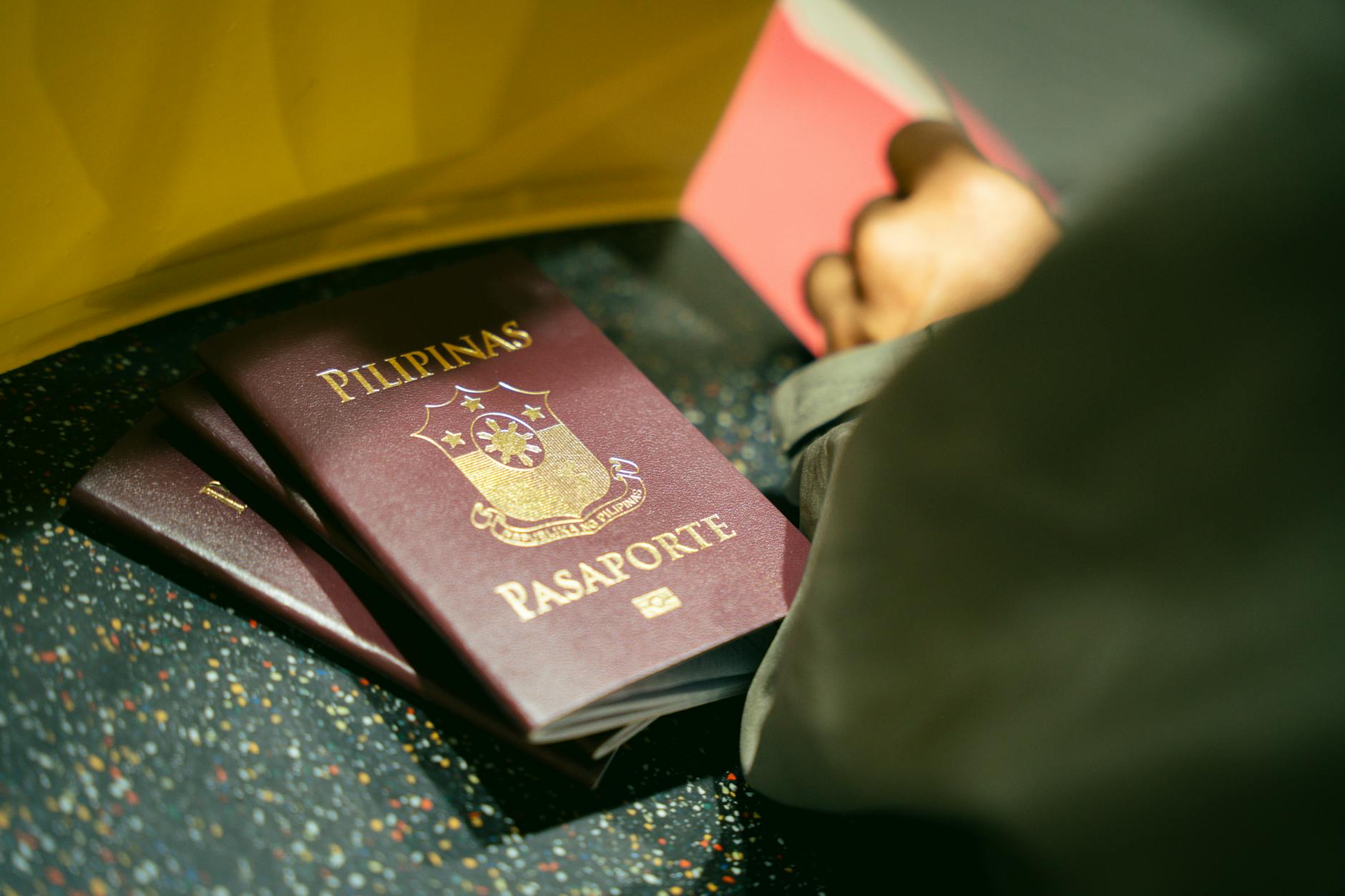
Malaysia visa requirements are simpler than they look. More than 130 nationalities walk in without a visa — Americans, Brits, Australians, most of Europe — and the countries that do need one have a functioning online application. The one thing that catches people out is the Malaysia Digital Arrival Card, an online pre-registration that every visitor (except Singaporeans) must complete before landing. Miss it and you will sort it out at the airport, but do it in advance and you walk straight through. This guide covers every category: who gets in visa-free and for how long, how the MDAC works, the eVisa process for those who need it, the DE Rantau digital nomad visa, overstay penalties, and the practical checklist to make arrival smooth.
If you are still in the early planning stages, start with the full malaysia travel guide which covers logistics, costs, and what to do once you arrive, then come back here to confirm your entry requirements.
Do I Need a Visa for Malaysia? Quick Answer by Nationality

Malaysia groups countries into tiers based on bilateral agreements, each with a different visa-free allowance. Here is where the major nationalities land.
90-Day Visa-Free Countries
Citizens from the following countries can enter Malaysia without a visa and stay up to 90 days for tourism or business:
Americas: United States, Canada, Argentina, Brazil, Chile, Peru, Uruguay, Paraguay, Bolivia, Ecuador, Mexico, Costa Rica, El Salvador, Guatemala, Honduras, Nicaragua, Panama, Cuba, Dominican Republic, Haiti, Suriname, Trinidad and Tobago
Europe: All EU member states (France, Germany, Italy, Spain, Netherlands, Belgium, Austria, Sweden, Denmark, Finland, Ireland, Portugal, Greece, Poland, Czech Republic, Romania, Hungary, Croatia, Bulgaria, Slovakia, Slovenia, Lithuania, Latvia, Estonia, Luxembourg, Malta, Cyprus), United Kingdom, Switzerland, Norway, Iceland, Liechtenstein, Albania, Bosnia and Herzegovina, Kosovo, Montenegro, North Macedonia, Serbia, Moldova, Georgia, Ukraine
Asia-Pacific: Japan, South Korea, Hong Kong SAR, Macau SAR
Oceania: Australia, New Zealand
Middle East: Turkey, Bahrain, Kuwait, Oman, Qatar, Saudi Arabia, United Arab Emirates, Jordan, Lebanon
Africa: South Africa, Morocco, Tunisia
Ninety days is notably generous — Thailand gives most Western tourists only 30 days visa-free, and Vietnam requires e-visas for many nationalities.
30-Day Visa-Free Countries
Two major nationalities are now on 30-day visa-free arrangements, extended through December 31, 2026:
- China — 30-day visa exemption, extended as part of Malaysia’s push to attract Chinese visitors
- India — 30-day visa exemption, a significant policy change that previously required visas for all Indian nationals
Other 30-day visa-free countries include most ASEAN member states, several Commonwealth nations, and additional countries under bilateral agreements.
14-Day Visa-Free Countries
A smaller group of nationalities — mainly certain African and Asian nations — receive 14-day visa-free access. This allowance is strictly enforced and cannot be extended without leaving Malaysia.
Countries That Require a Visa
If your nationality is not on the visa exemption list, you need a visa before travelling to Malaysia. This applies to nationals of many South Asian countries (except India, which has the current exemption), parts of Africa, and select other regions. Your options are the Malaysia eVisa (applied online) or a traditional visa sticker from a Malaysian embassy or consulate.
ASEAN Citizens: Special Privileges
Citizens of ASEAN member states — Singapore, Indonesia, Thailand, Philippines, Vietnam, Myanmar, Laos, Cambodia, and Brunei — have their own arrangements. Most ASEAN nationals can enter visa-free for 30 days. Singaporean and Thai citizens can use their national ID card at certain border crossings (no passport required). Brunei citizens get 90-day visa-free access.
The Malaysia Digital Arrival Card (MDAC): What Every Traveller Must Know
The MDAC is the entry step that catches people off guard. It is not a visa — it is a free pre-registration form that replaced the old paper arrival card in 2024. Every foreign national except Singaporeans must complete it before arriving in Malaysia, regardless of whether you need a visa. Americans, British, Australians, EU citizens — all of you need this done.
How to Apply for the MDAC
- Go to the official Immigration Department of Malaysia portal at imigresen-online.imi.gov.my
- Select “MDAC” from the available services
- Fill in your passport details, travel itinerary, and accommodation address in Malaysia
- Upload a recent passport-sized photograph
- Submit — approval is typically instant or within a few hours
MDAC Key Details
- Cost: Free
- When to apply: Within 3 days before your arrival date — not earlier
- Validity: Single entry; complete a new one for each visit
- Processing time: Usually instant; allow up to 24 hours to be safe
- What you get: A confirmation to show on your phone or printed out
Common MDAC Mistakes to Avoid
- Applying too early: The form only accepts submissions within 3 days of arrival. Earlier than that and it will be rejected.
- Mismatched passport details: Your name, passport number, and date of birth must match your passport exactly. Small discrepancies cause delays at immigration.
- No accommodation address: You must provide a hotel name and address in Malaysia. Staying with friends? Use their residential address.
- Not saving confirmation: Screenshot or download the confirmation page as a backup.
What Happens Without an MDAC?
Immigration officers check MDAC submissions electronically. Arriving without one means completing it on-site using airport Wi-Fi — possible but slow during a busy immigration queue. Some airlines also check before boarding. Complete yours before you leave home.
Malaysia eVisa: For Nationalities That Need a Visa
If your nationality is not on the visa exemption list, the Malaysia eVisa handles it online. No embassy visit, no queuing, no courier fees for your passport — the whole process happens through a web portal.
eVisa Eligibility
The Malaysia eVisa is for nationals of countries not on the exemption list. Common applicant nationalities include citizens of Bangladesh, Pakistan, Sri Lanka, Nepal, and various African nations. Myanmar nationals staying beyond 30 days also need to apply.
How to Apply for a Malaysia eVisa
- Go to windowmalaysia.my
- Create an account and log in
- Select “eVisa” as your application type
- Fill in all personal information and travel details
- Upload the required documents: passport bio page (valid at least 6 months from entry date), passport-sized photograph on white background (35mm x 50mm), confirmed return flight ticket, hotel booking or accommodation proof, bank statement showing sufficient funds (approximately USD 50 per day of stay)
- Pay the processing fee online
- Wait for approval — typically 2 working days, up to 5
eVisa Costs and Details
- Processing fee: Approximately RM 126 (around USD 27), including the visa fee and processing charge
- Visa validity: 6 months from the date of issuance — you must enter within this window
- Stay duration: Up to 30 days per entry
- Entry type: Single entry for most applicants; multiple entry may be available for certain nationalities
- Processing time: 2 working days on average; apply at least 2 weeks before travel
eVisa vs. Embassy Visa: Which to Choose
For most applicants, the eVisa is the better option — faster, cheaper, and fully online. Embassy visas make more sense in three situations: you need multiple entries (for side trips to Thailand or Singapore and back), you want a stay longer than 30 days, or you are travelling for work or study, which eVisas do not cover.
Visa on Arrival (VoA): Still Relevant in 2026?
The Visa on Arrival was primarily aimed at Chinese and Indian tourists. With both countries now on 30-day visa-free arrangements extended through December 31, 2026, the VoA has become largely redundant for its original audience. It remains technically available at select entry points but is rarely used.
Current VoA Details
- Cost: RM 200 (approximately USD 43) cash on arrival
- Duration: Up to 15 days
- Available airports: KLIA and KLIA2, Penang International Airport, Langkawi International Airport, Kota Kinabalu International Airport, and Kuching International Airport
- Requirements: Return ticket, proof of accommodation, sufficient funds
If VoA applies to your nationality, the eVisa is usually the better option — cheaper, longer validity, and no uncertainty about approval at the counter.
Malaysia Visa Requirements: What You Need at the Border
Visa-free does not mean no requirements. Immigration officers can still turn you back if you do not have the right documents. Here is what you need to have ready, regardless of whether you entered on a visa or without one.
Passport Validity
Your passport must be valid for at least 6 months from your date of entry. Airlines enforce this too — you may be denied boarding before you even reach Malaysia. Check your expiry date well ahead of travel; passport renewal takes time in most countries.
Proof of Sufficient Funds
The general guideline is approximately USD 50 per day of your stay. Acceptable proof includes cash (MYR or major currencies), recent bank statements, or a credit card with recent statements showing available credit. This is rarely checked for Western tourists but more commonly requested from travellers from certain regions.
Return or Onward Ticket
A confirmed return or onward ticket out of Malaysia. Budget airlines check this at check-in. If you are a flexible traveller without fixed return plans, book a cheap refundable flight or a bus ticket to Singapore or Thailand as proof of onward travel.
Proof of Accommodation
A hotel booking confirmation or a letter from your host in Malaysia. Not always requested, but worth having for longer stays.
Yellow Fever Certificate
If you are arriving from or recently transited through a yellow fever endemic country, you must present a valid yellow fever vaccination certificate. This applies to most of sub-Saharan Africa and several South American nations including Brazil. Without the certificate, you face quarantine or denial of entry.
COVID-19 Requirements (2026 Update)
As of 2026, Malaysia has no COVID-19 testing, vaccination, or quarantine requirements for incoming travellers. All pandemic-related restrictions have been fully lifted — no proof of vaccination, no negative test results, no travel insurance mandate for entry.
Extending Your Stay in Malaysia
Can You Extend a Tourist Visa or Visa-Free Stay?
No. Malaysia does not offer extensions for tourist visa-free stays or standard tourist visas. Entered on a 90-day exemption? You cannot push it to 120. Entered on a 30-day eVisa? It stays at 30. When your time is up, you need to leave.
The Border Run Option
Many long-term travellers in Malaysia do a “border run” — leaving Malaysia and re-entering immediately to get a fresh visa-free stamp. Common destinations:
- Singapore: A bus from Johor Bahru, which takes under an hour and can be done in half a day. The most popular option.
- Thailand: From Penang or the northern states, crossing into Thailand is straightforward and inexpensive.
- Indonesia: Ferries from Port Klang or Johor to Indonesian islands provide another route.
Border runs are not illegal, but Malaysian immigration officers have discretion to deny re-entry if they believe you are abusing the visa-free system. Multiple rapid border runs — in and out within the same week, repeatedly — raises flags. Staying out for two to three days is generally safer than same-day runs. The practical limit most long-term travellers find is two to three border runs per year before scrutiny increases.
DE Rantau: Malaysia’s Digital Nomad Visa
For remote workers who want a legal long-stay option, Malaysia’s DE Rantau visa is one of the best-designed digital nomad programmes in Southeast Asia. Launched by the Malaysia Digital Economy Corporation (MDEC), it lets qualified professionals live and work remotely from Malaysia for up to 12 months, renewable for another 12.
DE Rantau Eligibility Requirements
For tech professionals:
- Annual income of at least USD 24,000 (approximately RM 108,000)
- Work in a digital or tech-related field: software development, IT, digital marketing, UX/UI design, data science, cybersecurity, or similar
- At least 3 years of relevant experience or a bachelor’s degree in a related field
For non-tech professionals:
- Annual income of at least USD 60,000 (approximately RM 270,000)
- Work remotely in a non-tech field: consulting, writing, design, finance, or similar
- The higher threshold reflects the programme’s primary focus on attracting tech talent
DE Rantau Visa Details
- Duration: 12 months, renewable for an additional 12 months
- Dependents: Spouse and children can be included (additional fees apply)
- Tax: No Malaysian income tax on foreign-sourced income
- Healthcare: Valid health insurance covering Malaysia is required
- Application: Through the official DE Rantau portal and MDEC
DE Rantau vs. Tourist Visa for Digital Nomads
Many remote workers in Malaysia operate on tourist visas, which technically prohibit working even for foreign employers. Enforcement is negligible for people not interacting with the local economy, but it is technically a violation. The DE Rantau visa solves the legal question entirely and eliminates the need for border runs. If you earn above the income thresholds and plan a significant stint in Malaysia, it is worth the application effort. The malaysia travel budget guide covers what daily costs look like once you are here — useful for deciding whether a longer stay makes financial sense.
Overstay Penalties: What Happens If You Stay Too Long
Malaysia takes overstays seriously. Penalties escalate quickly, and the immigration system tracks entries and exits electronically. Do not assume you can quietly slip out after your time is up — the fine and ban awaiting you on the way out are real.
Financial Penalties
| Overstay Duration | Fine |
|---|---|
| 1 to 30 days | RM 30 per day (approximately USD 6.50/day) |
| 31 to 60 days | RM 1,000 flat fee (approximately USD 215) |
| 61 to 90 days | RM 2,000 flat fee (approximately USD 430) |
| Over 90 days | RM 5,000+ and potential criminal prosecution |
Additional Consequences
- Detention: You may be held while your case is processed
- Blacklisting: Overstayers are often banned from re-entering Malaysia for 1 to 5 years depending on the length of the overstay
- Criminal charges: Extended overstays beyond 90 days can result in criminal prosecution, imprisonment, and caning under Malaysian immigration law
- Deportation: At your own expense
How to Avoid Overstaying
- Set a calendar reminder two weeks before your authorized stay expires
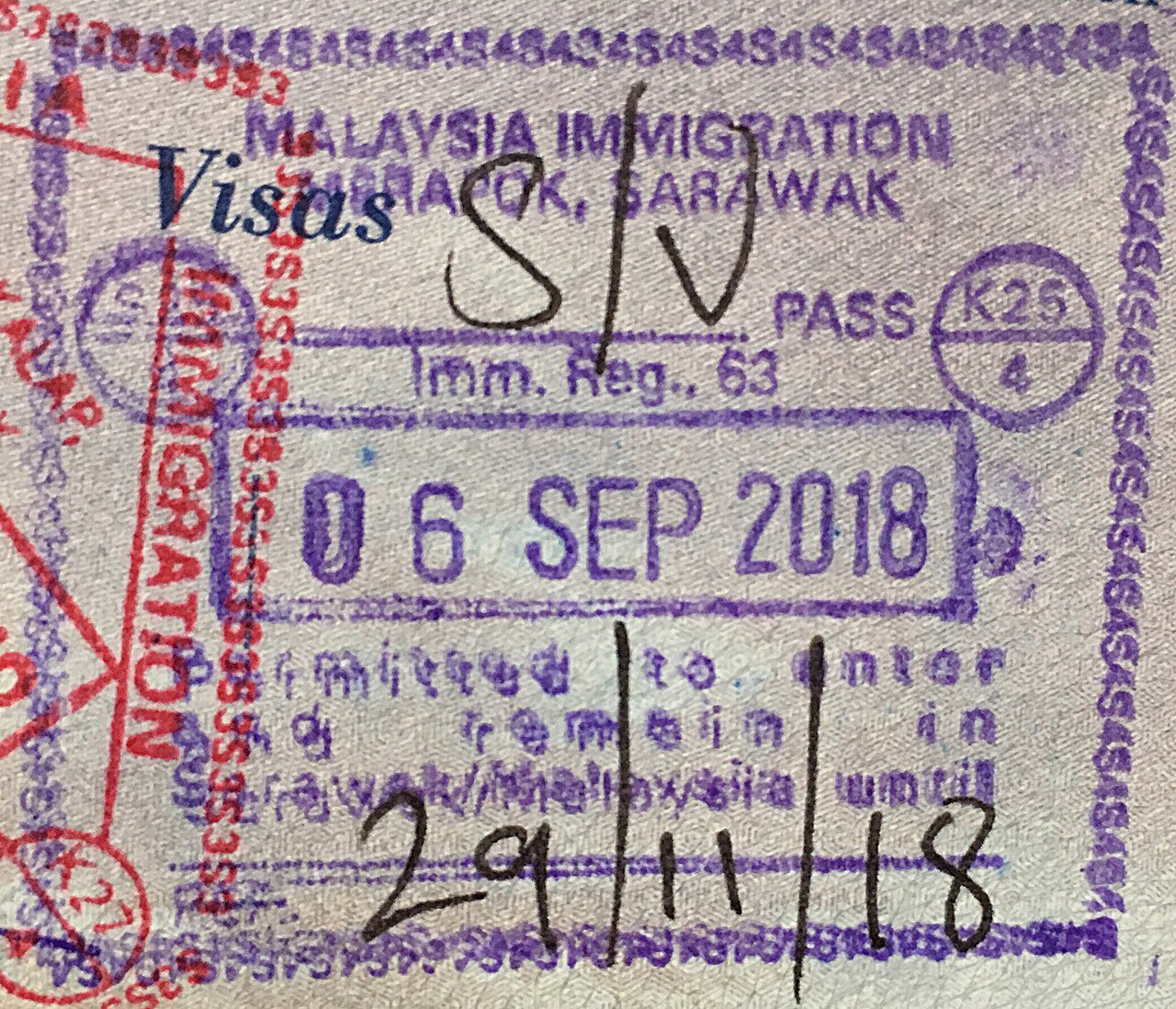
- Check the stamp in your passport carefully — the authorized period starts on the day of entry, not the day after
- Book your exit transport well before the deadline; do not leave it to the last day
- Malaysia does not send reminders when your stay is about to expire — the responsibility is entirely yours
Special Situations and Frequently Asked Questions
Can I Work in Malaysia on a Tourist Visa?
No. Tourist visas and visa-free entries prohibit any employment in Malaysia, including paid work for Malaysian companies. Violations can result in deportation, fines, and re-entry bans. Remote work for overseas employers exists in a legal grey area — technically prohibited but practically unenforced. For full legal compliance, use the DE Rantau visa.
Transiting Through Malaysia — Do I Need a Visa?
If you stay within the international transit zone at KLIA without clearing immigration, you generally do not need a visa regardless of nationality. If your transit exceeds 24 hours or you want to leave the airport during a layover, standard Malaysia visa requirements apply and you need to clear immigration.
Can I Enter Malaysia by Land Without a Visa?
Yes — the same visa exemption rules apply whether you arrive by air, land, or sea. The MDAC is required at all entry points too, so complete it before you arrive at a land border crossing.
What If My Visa Application Is Denied?
You will typically receive a reason. Common causes are insufficient funds documentation, missing documents, or security concerns. You can reapply after addressing the issue with no mandatory waiting period between applications.
Can I Convert a Tourist Visa to a Work Visa Inside Malaysia?
No. If you want to work in Malaysia, you need the correct work visa (Employment Pass) obtained before entry, or you must leave and re-enter on the right visa category. Conversion from tourist status inside the country is not permitted.
Practical Tips for a Smooth Malaysia Entry
At Kuala Lumpur International Airport (KLIA)
- Immigration queues: KLIA can be slow for international arrivals, especially between 6 AM and 10 AM. Budget at least 45 to 60 minutes from landing to exiting the arrivals hall.
- Autogate (eGate): Citizens of the US, UK, Australia, Japan, South Korea, Singapore, and several other countries can use automated immigration gates. Look for Autogate signs after landing — significantly faster than the manual counters.
- SIM cards: Tourist SIM card kiosks are in the arrivals hall after clearing immigration. Having mobile data immediately is useful for showing your MDAC confirmation and navigating to your accommodation. Our getting around malaysia guide covers all the transport options from the airport into the city.
Currency and Cash Tips
ATMs throughout the airport accept most international cards and give competitive rates. Airport exchange counter rates are reasonable but not the best in KL — for large amounts, use the money changers at KL Sentral or Bukit Bintang once you are in the city. The full picture on exchange rates, ATM availability, and where to get the best rates is in our malaysian ringgit exchange rate guide. Keep ringgit in smaller denominations from the start — hawker stalls rarely break a RM 100 note.
Before You Travel Checklist
- Passport validity: At least 6 months from your entry date
- MDAC completed: Online at imigresen-online.imi.gov.my, within 3 days of arrival
- Visa (if required): Apply for eVisa at windowmalaysia.my at least 2 weeks before departure
- Return or onward ticket: Confirmed booking out of Malaysia
- Accommodation proof: Hotel booking or host address in Malaysia
- Sufficient funds: Around USD 50 per day in cash, bank statement, or credit card
- Yellow fever certificate: If arriving from an endemic country
- Travel insurance: Not mandatory but strongly recommended — more on what to look for in the is malaysia safe guide
- Printed copies: Digital confirmation usually suffices, but printed backups for your MDAC, visa, and hotel booking are useful if your phone dies
Key Contacts and Official Resources
- Immigration Department of Malaysia (Jabatan Imigresen): imigresen-online.imi.gov.my
- Malaysia eVisa Portal: windowmalaysia.my
- DE Rantau Digital Nomad Visa: mdec.my/derantau
- Malaysia Tourism Board: tourism.gov.my
- KLIA Airport Information: klia.com.my
Visa policies shift with little notice. This guide reflects the current information as of 2026, but always verify your specific situation through official Malaysian government sources before booking. The best time to visit malaysia guide is worth reading next — once you know you can get in, the question of when to go is the most useful planning decision you can make.
Final Thoughts
Malaysia’s visa policy is welcoming by design. Visa-free access for over 130 nationalities, a streamlined MDAC system that takes ten minutes, an online eVisa for those who need one, and a genuinely well-structured digital nomad programme — the entry process is about as straightforward as international travel gets. The key is preparation: complete your MDAC before flying, confirm your passport has six months of validity, and carry proof of funds and onward travel just in case. Do that, and the immigration queue is the last thing on your mind when you land.
1 note