Shopping in Malaysia: The Ultimate Guide to Markets, Malls, and Bargains
Your complete guide to shopping in Malaysia, covering the best malls in Kuala Lumpur, night markets, duty-free zones, bargaining tips, and the best Malaysian souvenirs to bring home.
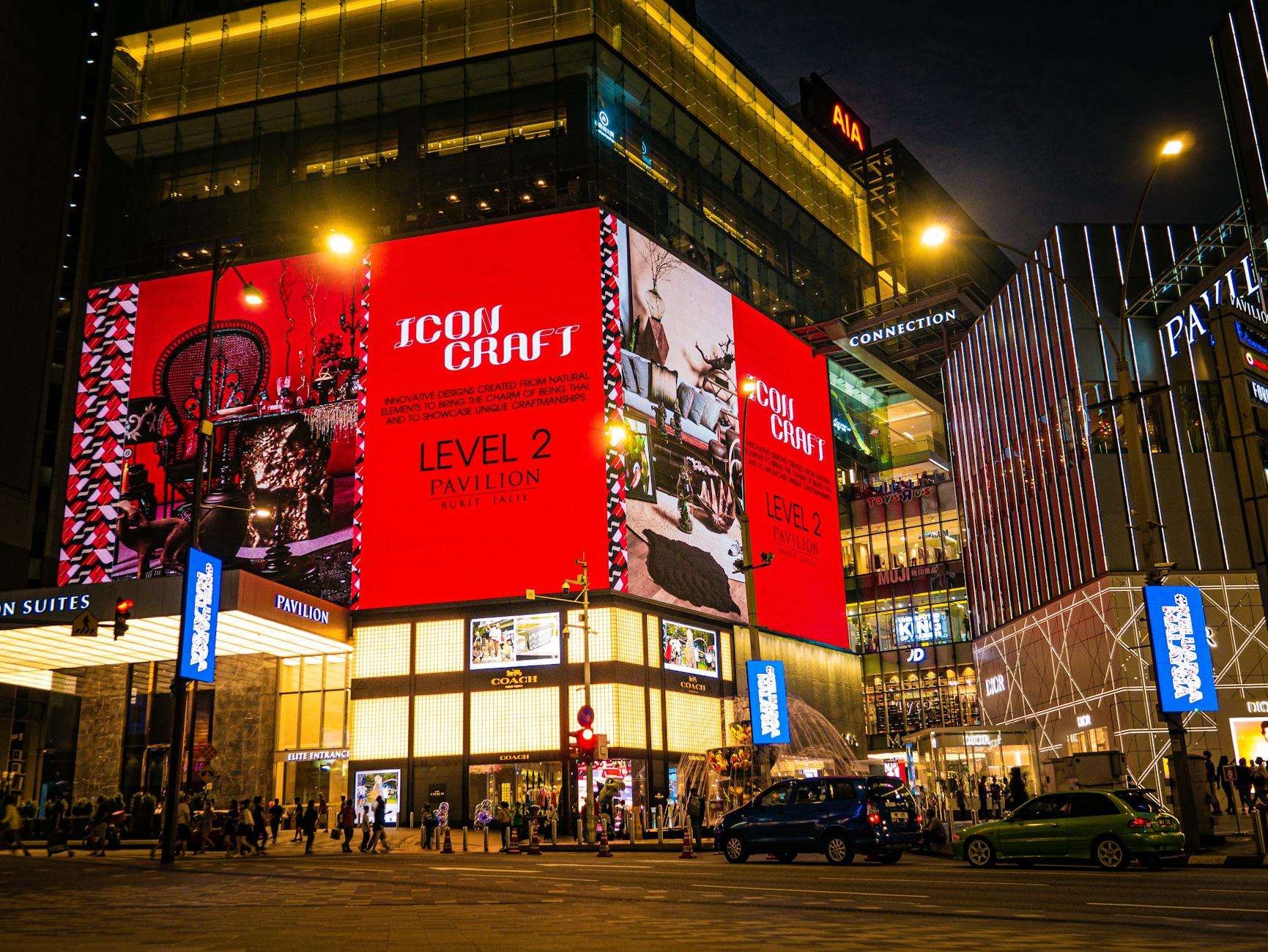
Malaysia takes shopping seriously. Not in the decorative way that tourism brochures imply — but in the sense that the country has built some of the largest malls on earth, maintains multiple duty-free island zones, runs three annual mega-sales that genuinely move the retail calendar, and still manages to layer in a night market culture where you can buy clothes, electronics, and fresh durian from the same stretch of pavement after 9 PM. The range runs from Pavilion KL’s Louis Vuitton flagship to Chowrasta Market in Penang where the produce vendors arrive before dawn, with enough variation between them to suit any budget and any shopping instinct. This guide covers the best shopping in Malaysia by city and type: the malls worth your time, the markets worth the heat, the duty-free zones worth planning around, and the handicrafts worth bringing home.
For broader activity context, the full guide to things to do in malaysia covers shopping alongside food, culture, and nature. If you are basing yourself in KL and want to combine shopping with excursions, the guide to day trips from kuala lumpur covers Melaka’s Jonker Street weekend market and the Genting shopping outlets as day trip options. The malaysia nightlife guide covers Jalan Alor and the way the night market circuit overlaps with the bar scene in Bukit Bintang.
Kuala Lumpur: Malaysia’s Shopping Capital
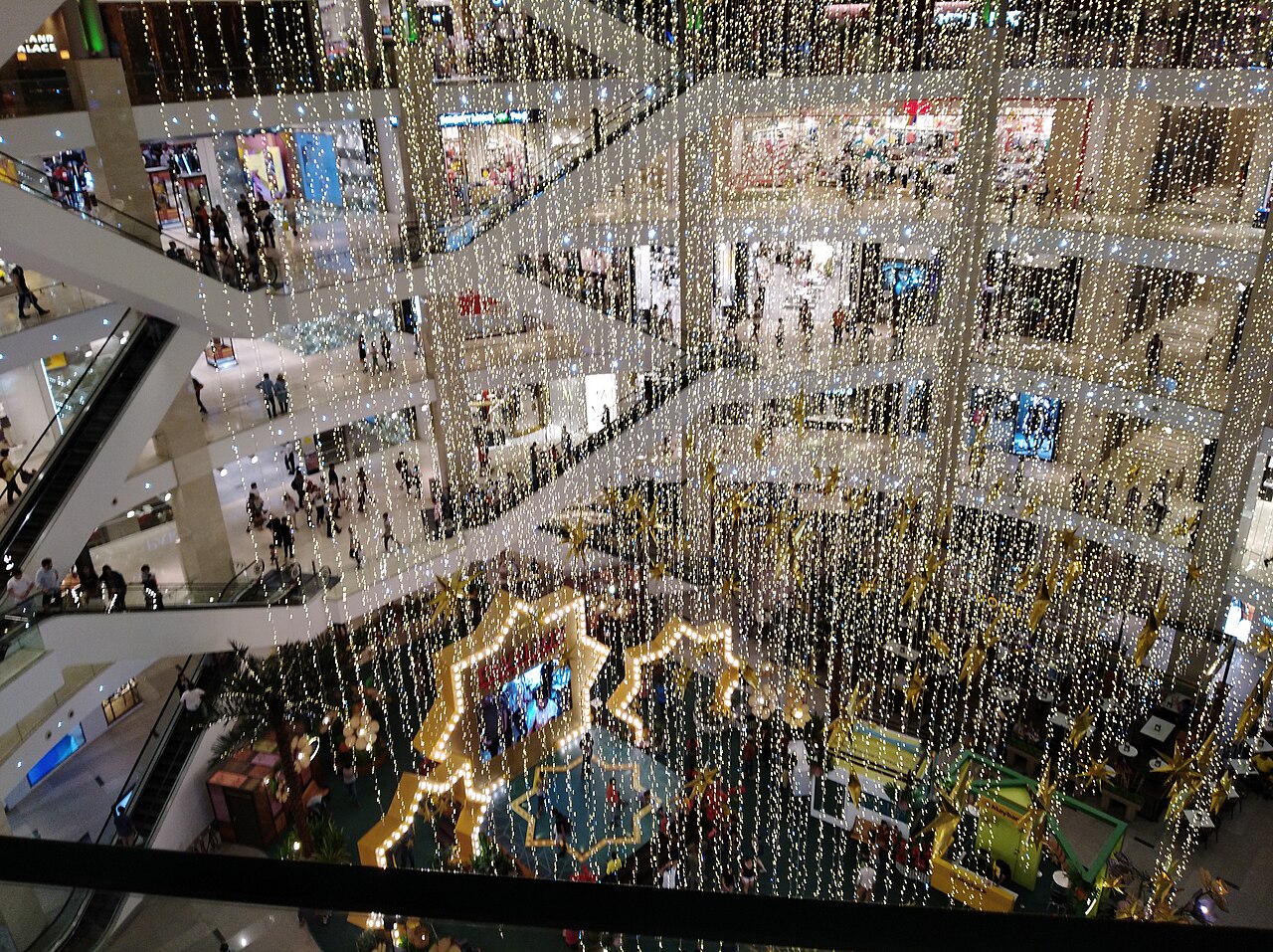
KL has a concentration of shopping malls that becomes almost bewildering on first encounter. The Bukit Bintang district alone contains six major retail complexes within a ten-minute walk of each other, and the city as a whole has more mall floor space per capita than most cities in Southeast Asia. But the scale is matched by range — from duty-free electronics at Low Yat to Chanel flagships at The Starhill, the options cover every budget and category without requiring a different city.
Pavilion Kuala Lumpur
Pavilion KL is the anchor of Bukit Bintang and the mall most first-time visitors encounter. The complex covers more than 1.4 million square feet across ten levels with over 700 stores arranged in nine themed precincts. The ground and first floors are dedicated to luxury retail: Louis Vuitton, Gucci, Prada, Chanel, Burberry, Dior, and Hermès all have flagship-quality outlets here. Upper floors transition to Zara, H&M, Uniqlo, and mid-market international brands. The basement food hall is one of the better food courts in the city — worth a stop during any shopping visit. Pavilion connects directly to Bukit Bintang MRT station, which makes it accessible without a taxi from most parts of the city.
Adjacent Pavilion Elite is the newer extension, oriented more toward lifestyle and dining with additional luxury retail. Together the two buildings anchor one end of the main Bukit Bintang shopping corridor.
The Starhill
The Starhill sits directly across from Pavilion and positions itself as the quieter, more deliberately curated option. The tenant mix runs to premium jewellery and watch boutiques — Rolex, Audemars Piguet, Jaeger-LeCoultre — alongside Christian Dior, Kenzo, and Valentino fashion. The 2021 refurbishment introduced Southeast Asia’s first Eslite Bookstore, the beloved Taiwanese cultural bookshop that has become a destination in itself for anyone interested in design, architecture, and East Asian publishing. The Starhill is worth visiting even without a shopping agenda, particularly the bookshop and the building’s architecture.
Lot 10 and Fahrenheit 88
Lot 10 has evolved into the district’s Japanese retail hub. The building is anchored by Isetan The Japan Store on its upper floors and Jonetz by Don Don Donki — the 24-hour Japanese discount chain — on the lower levels. The basement food court, Hutong, deserves particular attention: it aggregates KL hawker heritage recipes from stalls that have been in the same families for decades, collecting dishes from Cantonese roast meats to Hokkien mee under one air-conditioned roof. It is consistently ranked as one of the best hawker food courts in the city and a good option for lunch between shopping stops.
Fahrenheit 88 caters to a younger demographic with smaller independent stores selling affordable fashion, accessories, and gadgets at negotiable prices. Less polished than Pavilion but genuinely cheap, particularly for streetwear and accessories.
Sungei Wang Plaza and Low Yat
Sungei Wang Plaza is a budget-friendly maze of small independent shops and franchise outlets spread across multiple levels, popular with local shoppers looking for affordable fashion and accessories. Prices here are among the lowest in the Bukit Bintang area and bargaining is viable in many of the smaller independent units.
Low Yat Plaza, a short walk from the main retail strip, is Malaysia’s largest IT and consumer electronics mall: seven floors dedicated to computers, smartphones, cameras, gaming equipment, audio gear, and accessories. If you are buying electronics in Malaysia, Low Yat is the starting point. Prices in the independent shops are competitive and most retailers will negotiate, particularly for cash purchases or bundled accessories. The basement and ground floor stores tend to be more price-flexible than the larger showrooms on upper floors.
Suria KLCC
Suria KLCC sits at the base of the Petronas Twin Towers and delivers a shopping experience with an architectural dimension that most malls cannot match. Six floors, hundreds of stores, a large Isetan department store, and luxury brand flagships — but the defining feature is the setting: the towers overhead, KLCC Park and its fountains visible through the mall windows, and the evening fountain show running just outside the main entrance. Shopping here has an experiential quality that justifies the visit even for non-shoppers. The mall connects directly to KLCC LRT station. If you are visiting the Skybridge or tower observation deck, combine it with a mall visit to make the trip count for multiple purposes.
The Exchange TRX
KL’s newest significant mall opened in late 2023 in the Tun Razak Exchange financial district. The Exchange TRX covers more than 1.3 million square feet with over 400 brands and introduced several retail firsts to Malaysia: the country’s first Apple Store, the first Shake Shack, the first flagship store of Korean eyewear brand Gentle Monster. But the defining feature is the ten-acre rooftop park above the retail floors — a genuine green space with city views that has quickly established itself as a KL destination regardless of shopping intent. Dining options across the mall are among the best of any KL retail complex.
Mid Valley Megamall and The Gardens
Mid Valley Megamall sits in the south of KL and offers a more resident-oriented shopping experience than the tourist-facing Bukit Bintang strip. More than 450 stores at broadly accessible price points, anchored by Aeon, Harvey Norman, and a large cinema. Connected by an enclosed walkway is The Gardens Mall, which runs at a more upscale register with international fashion brands and premium dining in a quieter, less crowded environment. Mid Valley is served by its own KTM Komuter station (Mid Valley), which makes it straightforward to reach from the city centre.
1 Utama Shopping Centre
1 Utama in Bandar Utama is one of the largest shopping malls in the world by floor space — more than six million square feet — and pushes well beyond retail. Two cinemas, an indoor surf park, indoor skydiving, Asia’s largest indoor rock-climbing gym, a roller skating rink, and a futsal court all sit within the complex. It requires a Grab from central KL (typically 30 to 40 minutes), but 1 Utama is worth the trip if you want to experience the full expression of what Malaysian mall culture has built. Over 700 stores cover every retail category, with a particularly strong electronics and technology section and a well-regarded food court in the new wing.
Petaling Street and Night Markets
Petaling Street in Chinatown is the most famous bargain strip in KL: a covered pedestrianised stretch of stalls selling fashion items, watches, bags, and souvenirs at prices that start inflated and come down with persistence. Bargaining is expected and is the correct way to shop here. Central Market next door is more curated — handmade crafts, batik, traditional Malaysian art, and souvenirs in a restored 1888 art deco building aimed at visitors who want a more structured souvenir experience.
Taman Connaught Night Market operates on Wednesday evenings and stretches over two kilometres with more than 700 stalls running from around 5 PM to midnight. Jalan Alor in Bukit Bintang is primarily a food street but also has clothing and souvenir vendors in the evenings. Kampung Baru night market on Saturday evenings is the most authentically Malay option — traditional food, handcrafted goods, and cultural items in a historic Malay village that has somehow persisted in the middle of the modern city.
Shopping in Penang
Penang mixes modern malls with the atmospheric lanes of George Town and a market culture older than most of its visitors. The contrast between Gurney Plaza — polished, air-conditioned, anchored by international brands — and Chowrasta Market, where vendors have occupied the same spots for generations, tells you something about how shopping range works on this island. Both are worth your time, for different reasons.
Penang’s Modern Malls
Gurney Plaza along Gurney Drive is the most popular mall with visitors, running around 380 stores including Coach, Versace, and Marks and Spencer across multiple floors. The dining floor is one of the better options on the island for a range of cuisines. Gurney Paragon, located nearby, is quieter and more premium: fewer stores, higher brand register, good for jewellery and premium fashion. Gurney Drive outside both malls is itself worth a walk in the evenings, with an outdoor hawker stretch serving Penang specialties.
Queensbay Mall is the largest mall in Penang — over 400 merchants on the mainland-facing side of the island near the Penang Bridge — with factory outlet sections where branded goods run at 30 to 70 percent below retail. It draws shoppers from across the state, particularly during the national mega-sale periods, and has more local-resident character than the tourist-facing Gurney malls.
1st Avenue Mall in the heart of George Town operates a Tourist Privilege card — register at the concierge with a passport — which gives genuine discounts across participating retailers. Prangin Mall, also in George Town, is a five-level bargain mall popular with locals for affordable fashion, electronics, and beauty products at prices lower than the upscale malls.
George Town Street Shopping
Little India on Penang Road and Campbell Street is an entire shopping neighbourhood: shops overflowing with Indian garments, silk sarees, spices sold by weight, gold jewellery, flower garlands, and aromatic incense. Prices for textiles and spices are aimed at residents, not tourists. The area is atmospheric in a way that malls cannot replicate, particularly on weekends when the street fills with shoppers from across the island.
Armenian Street and the surrounding heritage zone is the best area for non-generic souvenirs. Independent boutiques, art galleries, and craft shops sell handmade jewellery, contemporary Malaysian art, limited-run prints, and artisanal goods from local producers. The quality is generally higher and the items more distinctive than what you will find in the souvenir sections of any mall.
Chowrasta Market has been operating in the same location since before Malaysia was a country. The ground floor is a working wet market where locals shop for produce, fresh herbs, and meat. The upper floors run traditional medicine shops, sellers of dried goods and spices, vintage items, and household goods at prices pitched entirely at residents. If you want to understand how ordinary Penangites shop, Chowrasta is more instructive than any mall.
Shopping in Other Malaysian Cities
Johor Bahru
JB draws Singaporean shoppers specifically because of the exchange rate. The Malaysian ringgit trades at a significant discount to the Singapore dollar, making every purchase proportionally cheaper. Johor Premium Outlets is the standout destination: 130-plus outlet stores including Coach, Michael Kors, Kate Spade, Nike, and Polo Ralph Lauren at substantial discounts from full retail. The outlet typically sits at 30 to 70 percent below standard retail prices, and during Malaysia’s national mega-sale periods, outlet prices drop further.
Johor Bahru City Square and Paradigm Mall JB cover everyday retail needs in the city centre. Pasar Karat — the night flea market on Jalan Segget — is worth an evening browse for vintage items, clothing, electronics, and collectibles at unpredictable but often low prices. The market runs most evenings, busiest on weekends.
Melaka
Jonker Street is the reason to go shopping in Melaka. The weekend night market on Friday, Saturday, and Sunday evenings transforms the historic Chinatown street into a bazaar of antiques, craft goods, local snacks, clothing, and souvenirs with a festival atmosphere that draws visitors from across Malaysia. Arrive between 7 and 9 PM for the busiest period; prices are generally fixed but small discounts are possible for multiple purchases. During the day, the same shophouses run antique dealers, art galleries, and souvenir shops at a more leisurely pace — this is the better time to look at antique Peranakan items, vintage maps, and authentic craft pieces.
For Melaka-specific souvenirs worth bringing home: the city’s famous pineapple tarts, dodol sweets made from palm sugar and glutinous rice, and kasut manik beaded slippers are all distinctive to this part of Malaysia. Shops in and around Dutch Square and along Jonker Street carry all three.
Ipoh
Ipoh’s shopping is most worthwhile in the old town rather than any mall. Concubine Lane has been revitalised with boutique shops, cafes, and craft stores in a narrow shophouse-lined alley that attracts both visitors and weekending Kuala Lumpurians. The local specialties to bring home: Ipoh white coffee (buy the vacuum-sealed sachets at any supermarket or the old town shops), pomelo from the surrounding farms (available at the morning market), and handmade kaya in small jars. Ipoh Parade is the main mall for conventional shopping needs.
Duty-Free Shopping in Malaysia
Malaysia operates several duty-free zones that make specific categories of goods significantly cheaper than on the mainland. Worth knowing before you plan your route.
Langkawi
Langkawi has been a duty-free zone since 1987 and the entire island qualifies. The savings are most significant on alcohol — Malaysia taxes liquor heavily on the mainland, so Langkawi prices can be 60 to 80 percent lower than what you would pay in a KL bar or off-licence. Chocolate and confectionery run 30 to 50 percent below mainland prices. Perfumes and cosmetics from global brands come in at 25 to 40 percent off. Cigarettes and tobacco are similarly discounted.
The Zon Duty Free Zone in Kuah town is the largest concentration of shops, with multiple duty-free retailers under one roof. Duty-free outlets along Pantai Cenang cater to the beach resort crowd and tend to be slightly more expensive than Kuah for the same goods. The Langkawi Craft Complex, run by the Malaysian Handicraft Development Corporation, is the best place on the island for authentic Malaysian handicrafts — live demonstrations of batik painting, wood carving, pottery, and weaving alongside direct purchase at fair prices. If you are visiting Langkawi, plan to bring a spare bag: the duty-free alcohol and chocolate savings alone can offset a significant portion of your travel costs.
KLIA Airport Duty-Free
Kuala Lumpur International Airport (KLIA and KLIA2) has extensive duty-free shopping through Eraman and other operators: international fashion brands including Ralph Lauren, Tory Burch, Michael Kors, and Bulgari alongside the standard duty-free categories of liquor, tobacco, perfume, and confectionery. Arriving passengers can also use the duty-free shops in the arrivals hall — this catches many travellers by surprise but the arrivals duty-free allowances are the same as departures. If you missed buying alcohol in Langkawi, KLIA arrivals duty-free is the backup option at reasonable prices.
Night Markets: The Pasar Malam Experience
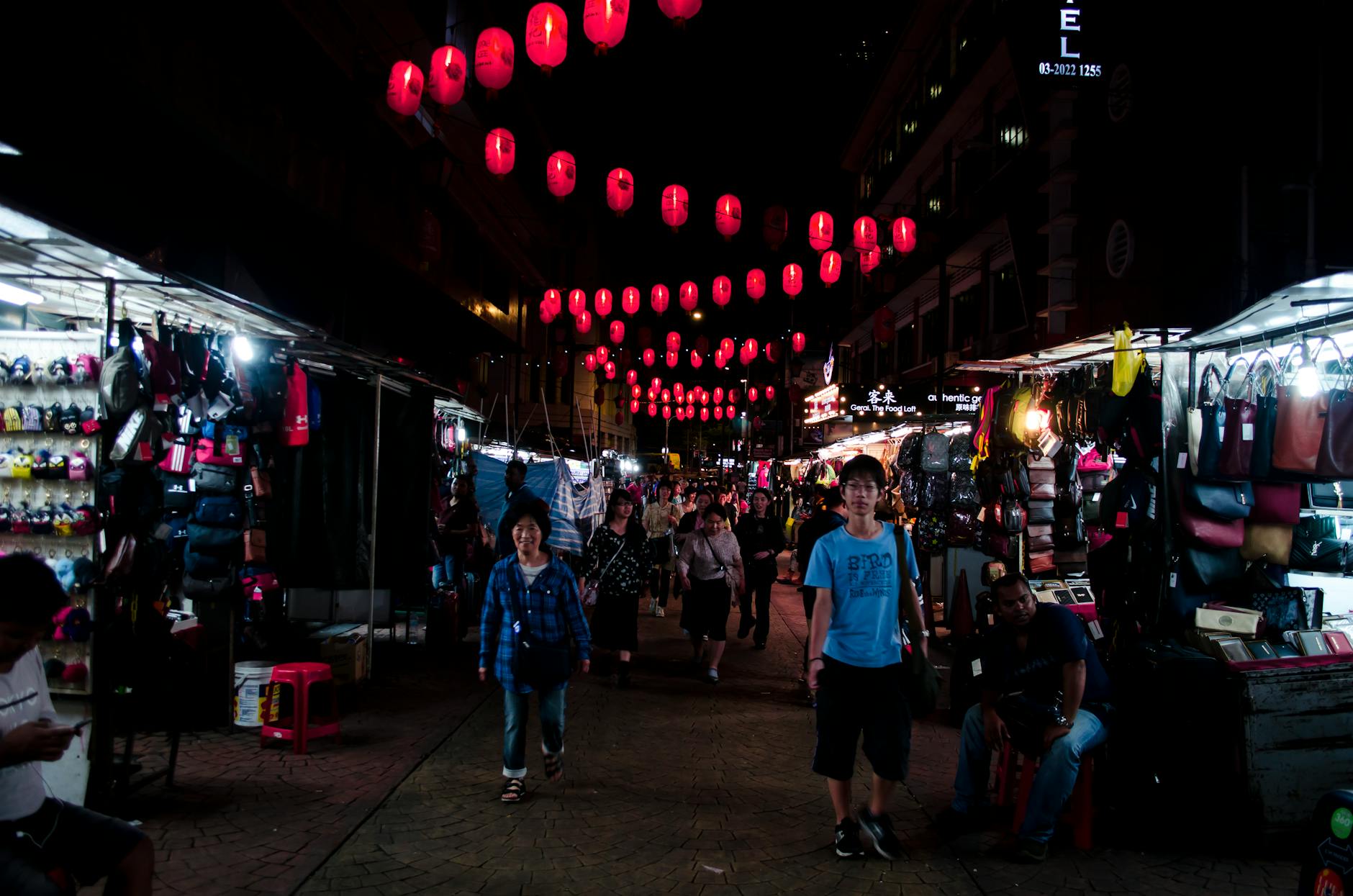
Pasar malam — night markets — are one of the most reliable ways to understand how Malaysia actually shops outside of a mall. These are not tourist markets. They are the weekly retail event for entire residential neighbourhoods: stalls selling clothes, household goods, street food, and produce set up from late afternoon until midnight on a fixed day each week, managed by the same vendors who rotate across different areas on a schedule that residents know by heart.
The format is consistent: stalls line both sides of a designated road, the air smells of grilling satay and frying pisang goreng, and the crowd moves in a slow browsing shuffle from one end to the other. Most stalls accept cash only. Prices are fixed at most food and produce stalls but sometimes negotiable at clothing and goods vendors.
Taman Connaught Night Market in KL is one of the largest in the country — over two kilometres of stalls on Wednesday evenings, running from around 5 PM to midnight, busiest between 7 and 9 PM. The scale is genuinely impressive and the experience is as local as KL gets. Sunday night markets operate in residential areas including Bangsar, SS2 in Petaling Jaya, and Taman Tun Dr Ismail.
In Penang, the Batu Ferringhi night market operates nightly along the beach road and leans more toward tourists — craft goods, clothing, and souvenirs alongside food. The Padang Kota Lama night market in George Town operates on Thursday evenings with a more local character. In Melaka, the Jonker Street weekend night market is simultaneously the best shopping market and the best evening event in the city.
What to buy at pasar malam: clothing from RM15 to RM40 for a t-shirt or simple dress, street food from RM2 to RM8, fresh produce at prices that will shock anyone used to Western supermarkets. Bring cash in small denominations. Walk the full length of the market before buying anything — prices and quality vary stall by stall and the best version of what you want may be at the far end.
Malaysian Handicrafts Worth Buying
Malaysia produces a range of genuinely distinctive handicrafts that are better souvenirs than the generic items available in any airport. Knowing what to look for makes the difference between buying something that will sit unused at home and something that reflects where it came from.
Batik
Batik is Malaysia’s most famous textile tradition, produced primarily in Kelantan and Terengganu on the east coast. The technique uses wax-resist dyeing on cotton or silk to create intricate patterns in vibrant colours. Two main categories: batik tulis (hand-drawn, where a canting tool applies hot wax by hand to create individual designs) and batik cap (stamped, where a copper block applies wax in repeating patterns). The quality difference is significant — hand-drawn batik is more expensive and the patterns are more organic and unique; stamped batik is more uniform and considerably cheaper. Both have their place but they are not the same product. Central Market in KL, the Kelantan craft shops in Kota Bharu, and Langkawi Craft Complex all carry both types. Expect to pay RM50 to RM300 for quality batik scarves and RM200 to RM1,500 for batik clothing pieces depending on the method and fabric.
Peranakan Porcelain and Ceramics
Peranakan porcelain — the distinctive blue-and-white and polychrome ceramics of the Nyonya-Baba community — is most authentically found in antique shops in Melaka and Penang. Genuine antique pieces command high prices and require some knowledge to identify; reputable antique shops will clearly distinguish antiques from reproductions. High-quality contemporary reproductions are widely available and clearly marked as such in most shops along Jonker Street and Armenian Street. The reproduction market is honest and the pieces are genuinely beautiful — do not dismiss them.
Royal Selangor Pewterware
Pewterware is a KL speciality with a tradition going back to the tin-mining era. Royal Selangor is the most famous producer, operating a visitor centre and factory in Setapak, KL, that sells directly and runs pewter-smithing workshops where you can make your own piece to take home. The range covers everything from functional items like tankards and photo frames to decorative pieces. Prices start from RM50 for smaller items. The visitor centre also explains the history of Malaysian tin mining, which shaped the economy that built modern KL.
Sarawak and Sabah Crafts
East Malaysia produces some of the most distinctive craft items in the country. Pua kumbu textiles from Sarawak — woven by Iban women in intricate patterns with symbolic cultural meaning — are among the most unique textile products in Borneo. Available from the Sarawak Museum Shop in Kuching, the Sarawak Cultural Village gift shop, and specialist craft retailers in Kuching. Expect to pay RM200 to RM600 for a quality piece. Sabah produces distinctive beadwork from the Kadazan-Dusun communities, woven bamboo goods, and carved wooden items available in Kota Kinabalu’s Filipino Market and Handicraft Market.
Malaysia’s Annual Shopping Sales
If you have any flexibility in your travel timing, Malaysia’s three annual mega-sale periods offer genuine discounts that make a meaningful difference.
Malaysia Year-End Sale runs from November through January, overlapping with the Christmas and New Year period. Discounts of 30 to 70 percent are standard across participating retailers, and this is the most significant sale event of the year by both duration and depth of discounts.
Malaysia Grand Prix Sale runs in June and July, timed to coincide with the F1 Grand Prix season. Discounts are comparable to the year-end sale and this period draws international visitors specifically for shopping tourism.
Malaysian Shopping Festival runs roughly through August, often with themed events and additional promotions alongside the standard retail discounts.
During any of these periods, the major malls in KL — particularly Pavilion, Suria KLCC, and The Exchange TRX — will be visibly busier than usual. Weekends during sale periods become very crowded; weekday shopping during sales gives you better access to staff and faster checkout.
Practical Shopping Tips
Tax refunds: The Tourist Refund Scheme lets you claim back GST on purchases of RM300 or more at participating retailers. Keep all receipts, look for the TRS logo at the retailer entrance, and present your documents at the GST refund counter at KLIA before check-in on departure. The process is straightforward and worth doing for any significant single purchase.
Bargaining rules: Fixed-price at malls and chain stores — do not bargain there. Expected and appropriate at night markets, Petaling Street, and most small independent shops in tourist areas. At tourist-facing stalls, the opening price is routinely two to three times the realistic selling price. Aim for 40 to 60 percent of the first offer with a friendly, non-confrontational approach. Walking away slowly often produces a better offer.
Payment: Major malls accept credit cards, contactless, and Samsung/Apple Pay. Night markets and street stalls require cash. Smaller shops in tourist areas increasingly accept QR code payments through Malaysian banking apps like Maybank2u and CIMB Clicks, but this requires a Malaysian bank account. Bring RM50 and RM10 notes for any market shopping; RM100 notes are sometimes refused at small stalls.
Bag limits on duty-free: When returning to Malaysia from Langkawi, customs allows duty-free goods up to a certain value per person. The practical limits are: alcohol (one litre per person), tobacco (200 cigarettes), and other goods (up to RM500 per person). For family groups, these limits multiply per person. Check the current customs guidelines before loading up in Langkawi.
If your shopping itinerary includes temple visits or museum stops, the guide to best temples in malaysia covers the Melaka heritage sites adjacent to Jonker Street. The guide to best museums in malaysia covers the Islamic Arts Museum and National Textile Museum in KL, both of which have well-stocked gift shops. For families combining a shopping trip with an amusement day, the guide to malaysia theme parks covers Berjaya Times Square and Sunway Lagoon, both of which sit within or adjacent to significant retail complexes.
1 note