Malaysia Nightlife: The Complete Guide to After-Dark Entertainment
Discover the best nightlife in Malaysia, from rooftop bars and speakeasies in Kuala Lumpur to beach bars in Langkawi, with tips on alcohol laws, dress codes, and cultural etiquette.
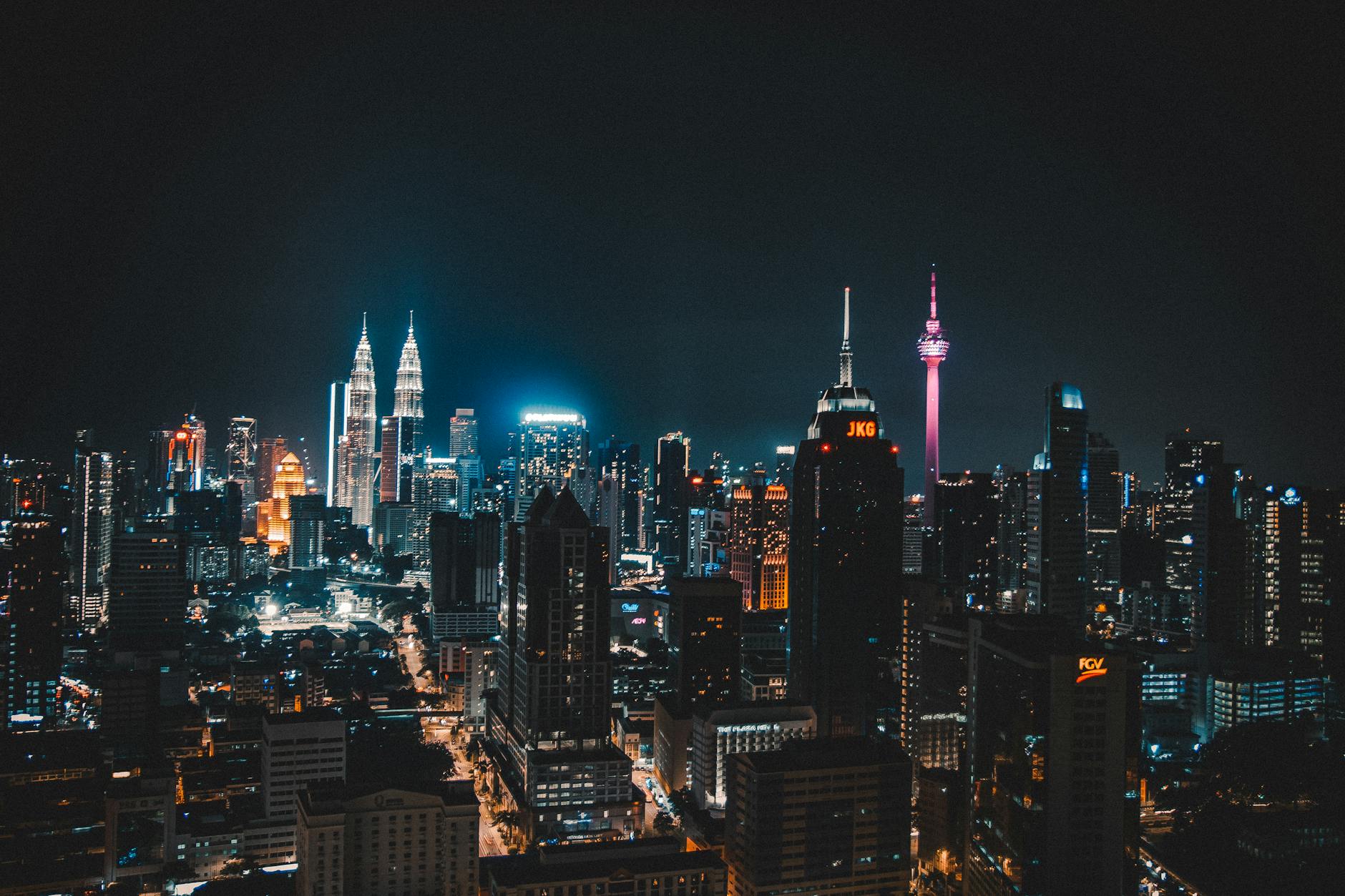
Malaysia’s nightlife is not what most people expect from a predominantly Muslim country. KL runs a bar and club scene that competes with any Southeast Asian capital — a genuine concentration of rooftop lounges, cocktail bars, jazz venues, and large-format clubs across several distinct neighbourhoods. Penang has a heritage-zone drinking culture built into the bones of its historic shophouses. Langkawi sells duty-free alcohol that makes a beach sundowner genuinely affordable. And the night market circuit across the entire country means the streets stay lively and populated well past midnight even in areas that serve no alcohol — because Malaysian nightlife is as much about hawker food at 1 AM as it is about clubs. Understanding the range, and the cultural context around it, makes all the difference.
For daytime planning to pair with your evenings, the guide to things to do in malaysia covers the full activity picture. The guide to day trips from kuala lumpur covers Melaka and Penang as overnight options for extending your evenings outside KL. The guide to shopping in malaysia covers the night market and pasar malam circuit that overlaps with the after-dark economy.
Kuala Lumpur: Malaysia’s Nightlife Capital
KL is the undisputed centre of nightlife in Malaysia. The city has multiple distinct nightlife areas — Changkat Bukit Bintang, TREC, Bangsar, Damansara — each with different character, clientele, and price register. The scene runs from around 9 PM on weekdays through to 4 or 5 AM on weekend nights, with a mix of locals, expats, and international visitors that gives it a cosmopolitan feel.
Changkat Bukit Bintang
Changkat Bukit Bintang — called simply “Changkat” by anyone who drinks there — is KL’s most concentrated nightlife strip. A 300-metre lane of shophouses converted almost entirely into bars, restaurants, and clubs. The variety is genuine: craft beer bars with 30-plus taps including Malaysian microbreweries and international imports, cocktail lounges with serious programmes, sports bars showing live football, rooftop terraces, a jazz venue, and louder clubs toward the far end. The atmosphere builds from around 9 PM and peaks between midnight and 2 AM on Fridays and Saturdays.
Taps Beer Bar is one of the best craft beer selections in the country. Pisco Bar, a Latin-influenced cocktail bar, has operated on Changkat for over a decade with consistent quality. Brogue Irish Pub handles the sports bar trade reliably. The street is walkable end-to-end in five minutes, well-lit, and has enough foot traffic at peak hours that solo travellers move through it without issue.
Price guide: imported draft beer RM18-30, cocktails RM35-55, spirits RM25-45 per glass. Cover charges at the larger clubs on busy weekends run RM50-80, typically inclusive of one drink. Arrive before midnight to avoid queues at the most popular venues.
TREC KL and Zouk
TREC — The Roof Entertainment Complex — is a purpose-built entertainment village on Jalan Tun Razak. The flagship is Zouk KL: one of Southeast Asia’s most respected nightclubs, with warehouse-scale rooms, consistent international DJ bookings, and a production quality that sets it apart from the average KL venue. The complex also houses ElGranado, the Gilt Lounge, and a food and beverage courtyard. This means people with different preferences — club people in the main room, those who prefer conversation over food and drinks at a quieter table outside — can coexist at the same location without anyone compromising.
Zouk runs Thursday through Sunday, with Friday and Saturday attracting headliner events. Advance tickets sell out for major nights — check the Zouk website or social media for the programming schedule. Cover charges for headliner events run RM80-150 depending on the billing.
Bangsar
Bangsar is where KL’s expatriate population and upper-middle-class locals drink. The Telawi Street area has bars and restaurants at higher price points than Changkat, lower noise levels, and a genuinely conversational atmosphere. La Bodega, Grapes Wine Bar, and Bar 55 represent the neighbourhood well: properly stocked, unpretentious in the way that actually good places sometimes manage to be. Bangsar also works as the destination after Changkat at 1 AM when you want food and a lower noise level. The restaurant options at that hour are better here than anywhere in the Bukit Bintang area.
Damansara Uptown, further north, has built an alternative hub with a cluster of bars in shophouses catering to a local crowd at slightly lower prices than Bangsar. Less tourist-visible, more neighbourhood-feeling, rewarding for repeat visitors who have already done the obvious options.
Rooftop Bars in KL
KL’s skyline makes it a natural rooftop bar city. Sky Bar at Traders Hotel overlooks the Petronas Twin Towers and KLCC Park — the most photographed view in the city, and the drinks prices reflect that. Worth visiting at least once for the setting alone. Heli Lounge Bar converts from a functioning helipad to a rooftop bar at sunset each evening; standing on a helipad above the KL skyline with a drink in hand is a specific experience that does not exist anywhere else in the city. The Rooftop at Aloft KL Sentral and Horizon Skybar at Traders provide solid alternatives at somewhat more accessible price points.
Hotel bars more broadly — Whisky Bar at the Ritz-Carlton, JW Bar at JW Marriott, the bar at W KL — are reliably well-stocked, properly air-conditioned, and considerably more comfortable than street-level options. Worth factoring in for one quality drink rather than planning a full evening around them.
Live Music in KL
No Black Tie in Jalan Mesui is KL’s most respected live music venue and one of the better-regarded small jazz spaces in Southeast Asia. The programme covers jazz, blues, bossa nova, and world music most nights, with a strong emphasis on Malaysian and regional artists alongside international touring musicians. Reservations are recommended for weekend shows; the space is intimate enough that it fills quickly for the more prominent bookings. Admission varies by programme, typically RM30-60. The sound quality is taken seriously, the booking calendar is consistently above what the modest venue scale suggests, and the atmosphere has the warmth of a genuinely established institution.
KL Nightlife by Area: Quick Reference
For first-time visitors, choosing the right area before you go out saves the evening from drifting between options. Here is a quick orientation by purpose.
Changkat Bukit Bintang is the right choice for variety on one walkable strip. You can start with craft beer at Taps, move to cocktails at Pisco Bar, and end at a club at the far end without a single Grab ride. Loud on weekends, tourist-visible but not tourist-exclusive, consistently lively from 10 PM through 3 AM. Best for groups with mixed preferences, first nights in KL, anyone who wants to walk and discover rather than plan.
TREC and Zouk for a proper nightclub with quality DJ events and professional production. Higher commitment — it is a destination, not a wander — but the quality ceiling is higher. Best for clubbers who are serious about electronic music, groups celebrating something, anyone who wants Southeast Asia-standard club infrastructure.
Bangsar for drinking without shouting. Quieter, more expensive, better food, older crowd on average. Best for couples, business travellers, anyone who has already done Changkat on a previous visit and wants a different register.
No Black Tie for live music over dancing. Reserve in advance, arrive before the set starts, expect two hours in a room that is genuinely excellent at what it does. Best for jazz fans, couples, and anyone who finds clubs alienating.
Penang Nightlife
Penang’s nightlife is smaller in scale than KL but has a distinct character rooted in the heritage zone: intimate venues in converted shophouses, a bar-restaurant hybrid format, and an atmosphere that matches the city’s general aesthetic of historically significant, slightly informal charm.
Love Lane in George Town is the most recognisable bar street — a pedestrian lane now lined with bars, cafes, and backpacker establishments where the social atmosphere is relaxed and conversational. Rope Walk (Jalan Pintal Tali) carries similar character nearby. Beach Blanket Babylon on Lebuh Farquhar has a courtyard space in a heritage building and a serious cocktail programme. The Macalister Mansion — a boutique hotel bar in a restored colonial building — runs a small but well-composed drinks list in a setting that justifies the taxi from the waterfront.
Three Sixty Revolving Restaurant at Bayview Hotel offers rotating views over George Town from an elevated position — the Penang equivalent of a rooftop bar. Batu Ferringhi on the north coast operates a resort-oriented bar scene — hotel pool bars, beach bars from sunset to midnight, a few standalone establishments. Less sophisticated than George Town but practical for those staying at the beach resort hotels.
Langkawi Nightlife
Langkawi’s duty-free status changes the economics of drinking on the island meaningfully. A beer that costs RM20-25 in a KL bar runs RM8-12 here. Imported spirits that retail for RM250 on the mainland cost RM80-120 in Langkawi. This makes the beach bar culture genuinely accessible — you are not rationing drinks against the cost, which changes the feel of an evening considerably.
The bar action concentrates along Pantai Cenang, the main beach strip: a row of beach bars and restaurants operating from late afternoon through evening, with plastic chairs on sand, cold beer from coolers, reggae playlists, and views across the Andaman Sea at sunset. Babylon Beach Bar and Yellow Beach Cafe are among the most established. The atmosphere peaks from around 6 PM for the sunset through to 11 PM. Langkawi is not a late-night island compared to KL, but the sunset-to-10 PM window on the beach is genuinely excellent. The Westin Langkawi and The Datai both have hotel bars with views that justify their premium over the beach strip.
Johor Bahru and East Malaysia
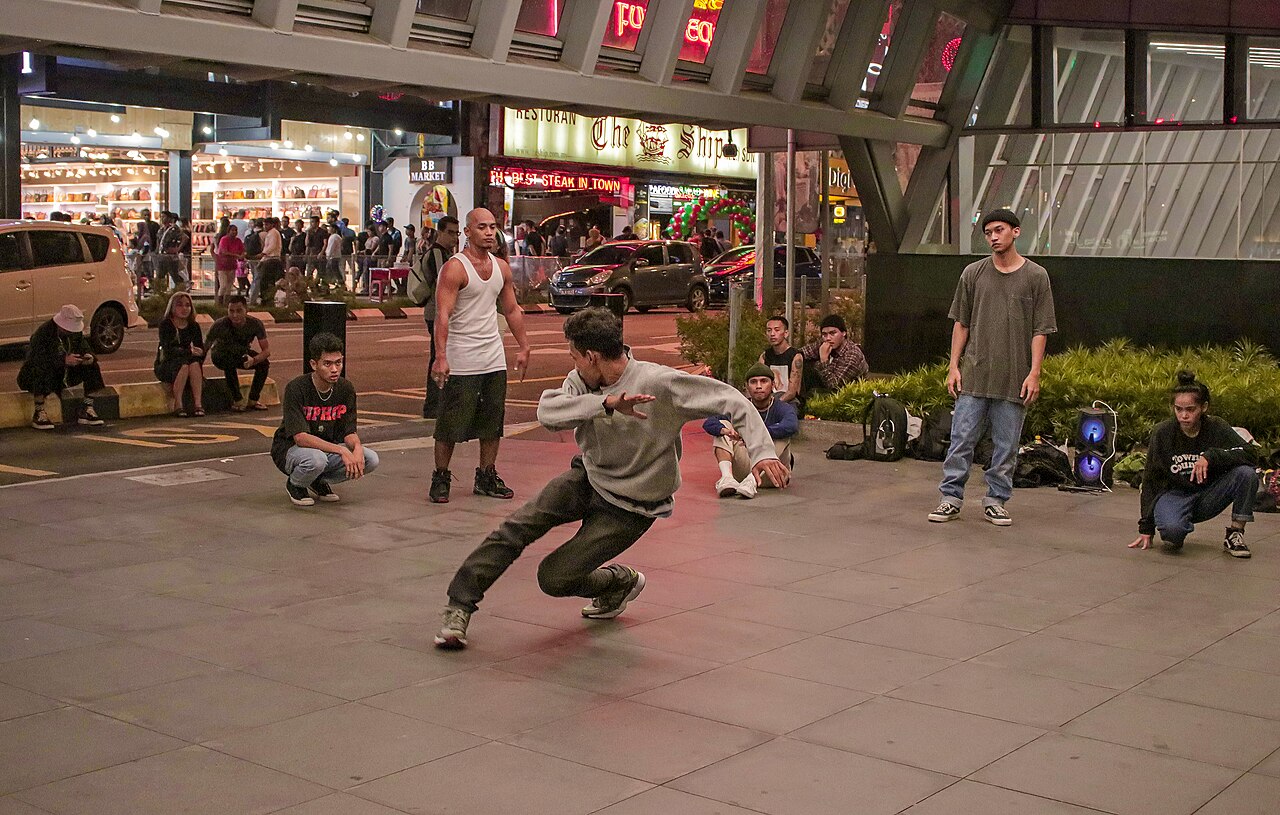
Johor Bahru has a growing bar scene driven partly by Singaporean visitors who cross the causeway for the exchange rate advantage. Austin Heights and the Danga Bay waterfront have clusters of bars and restaurants on weekend evenings at accessible prices. Kota Kinabalu in Sabah has a waterfront strip on Jalan Tun Fuad Stephens that comes alive on weekends with views across the South China Sea. Kuching in Sarawak has a pleasant evening culture around the waterfront Esplanade and old town Carpenter Street.
Malaysian Alcohol Laws and Cultural Etiquette
Malaysia is a Muslim-majority country and the legal framework around alcohol reflects that — but it does not prohibit consumption by non-Muslims. Understanding the structure avoids confusion and prevents inadvertent cultural offence.
The legal drinking age in Malaysia is 21. Alcohol is taxed heavily on the mainland, which is why duty-free zones like Langkawi and KLIA are significantly cheaper. Alcohol is sold at licensed restaurants, bars, and most large supermarkets in major tourist areas. It is not available in dry states — primarily Kelantan and Terengganu — or during certain Muslim public holidays when temporary restrictions apply.
Cultural etiquette worth understanding: drinking openly near mosques or in visibly Muslim-majority residential areas is considered disrespectful. Halal restaurants — the majority of Malay establishments and many Indian ones — do not serve alcohol. Chinese-owned restaurants and Western-style establishments typically do. Most tourist-category hotels serve alcohol regardless of the owner’s background. In rural areas and on the east coast, assume alcohol will be harder to find and more culturally sensitive to consume publicly.
Non-Alcoholic Nightlife in Malaysia
Malaysia has a robust culture of late-night activity that does not involve alcohol, and it is worth knowing about whether or not you drink. The country’s Muslim majority has created institutions that function as genuine nightlife without a bar component.
Mamak restaurants — open-air Indian Muslim eateries serving roti canai, teh tarik, mee goreng, and nasi lemak — are the backbone of Malaysian late-night culture. They operate 24 hours in many areas, are always crowded, and function as community gathering places: groups watching football on large screens, families eating late after prayers, friends meeting after work at any hour. The teh tarik — pulled tea mixed with condensed milk — is the unofficial national late-night drink. Pelita on Jalan Ampang in KL is the most famous mamak in the city and has been running since 1987.
Night markets are the other pillar. The Taman Connaught Wednesday market in KL and Jonker Street weekend market in Melaka operate on a scale that constitutes genuine evening entertainment regardless of whether you buy anything — 700-plus stalls, food at every corner, and a crowd that comes for the atmosphere as much as the goods.
Night Markets and Late-Night Food
Jalan Alor in Bukit Bintang is KL’s most famous late-night food street: a pedestrianised strip of Chinese-style restaurants and food stalls running until 2 or 3 AM. Malaysian, Thai, and Chinese dishes at pavement tables, with an atmosphere that is not refined but is genuinely alive with people who are actually enjoying their food. Petaling Street nearby stays active later than most shopping areas, combining evening food vendors with remaining stall traders.
For the connection between evening food culture and heritage Malaysia, the guide to best temples in malaysia covers Sri Mahamariamman Temple in KL’s Chinatown — adjacent to the Petaling Street evening circuit — and Cheng Hoon Teng temple in Melaka near Jonker Street’s night market. The guide to best museums in malaysia covers Central Market and the National Textile Museum, both within KL’s Chinatown evening walking zone. For family evening activities, the guide to malaysia theme parks covers i-City Shah Alam’s light installations and Berjaya Times Square’s indoor theme park, both of which operate evening sessions.
Practical Tips for Malaysia Nightlife
Transport: Grab operates through the night and is the reliable post-midnight option. Surge pricing applies Friday and Saturday nights after midnight — request before 1 AM if cost is a concern. LRT and MRT stop around midnight on weeknights, slightly later on weekends. Check the schedule for your specific route before going out.
Dress codes: Changkat is casual throughout. The larger clubs — Zouk, TREC main rooms — enforce no slippers and no shorts for men on big nights. Check venue social media before arriving at headliner events when policies tighten further.
Budgeting: A moderate night on Changkat — three or four drinks plus food — runs RM100-150 per person. Clubs with cover charges add RM50-80. Two cocktails at a premium hotel bar cost RM80-120. Langkawi beach bars deliver a similar experience for RM40-60 total due to duty-free pricing. A mamak dinner with teh tarik costs RM12-20 and is a completely valid Malaysian evening in its own right.
Safety: KL’s main nightlife areas are patrolled and well-lit. The primary risks are pickpocketing in very crowded spaces and accepting informal rides from people outside venues. Always book Grab through the app and verify the plate number matches what is displayed before getting in. Never accept a ride from someone offering one outside a bar or club.
Timing: KL clubs are largely empty before 11 PM. Peak energy runs from midnight to 3 AM on Fridays and Saturdays. Finish dinner by 10 PM and head to bars from 11 PM. Arriving at a club at midnight rather than 10 PM means a livelier room — not a longer queue.
Best Nights to Go Out in Malaysia
Friday and Saturday nights are peak nights across all of KL’s nightlife areas. Changkat is at its loudest and most crowded, Zouk runs its biggest events, and rooftop bars require patience for a table. If you are not committed to the club experience, Thursday is a strong alternative: venues are livelier than midweek, cover charges either do not apply or are lower, and you can get into Zouk without the weekend-level crowd. Sunday nights are quiet but not dead — No Black Tie often runs shows and Changkat’s beer bars are comfortable and uncrowded.
Public holiday eves follow the same pattern as Saturdays, sometimes exceeding them. Hari Raya eve, Deepavali eve, and Chinese New Year eve are among the busiest nights of the year in the bars and hawker areas. If you are visiting during any major Malaysian festival, plan your nightlife around it rather than despite it — the festival evenings are when the streets are at their most atmospheric and the outdoor food culture is at its most vibrant.
KL Nightlife Neighbourhoods: Getting There
Changkat Bukit Bintang is a five-minute walk from Bukit Bintang MRT and monorail stations, which connects it easily to the rest of the city without a taxi. TREC is on Jalan Tun Razak, a Grab ride from most central KL hotels (typically RM8-15 depending on starting point). Bangsar is on the Kelana Jaya LRT line (Abdullah Haji Ahmad Badawi station) but most people Grab from central KL, which takes 15-20 minutes and costs RM15-25 depending on traffic.
For the Petaling Street and Jalan Alor late-night food circuits, both are walkable from the main Bukit Bintang hotel cluster or a short Grab from anywhere in the city centre. Jalan Alor is roughly 10 minutes on foot from Pavilion KL.
What to Expect on Your First Night in KL
First nights in KL benefit from a simple plan: dinner somewhere good — a proper sit-down meal at a hawker centre or restaurant — followed by a walk through Bukit Bintang to see what the area looks like when it is live, then a drink or two on Changkat before deciding whether to extend the evening or call a Grab home. The city rewards low-pressure exploration over rigid planning, and Changkat is forgiving for first visits because the venue variety means you can always step out of one place and into another within 30 seconds.
If you are visiting from a country where alcohol is significantly more expensive than Malaysia — Australia, Scandinavia, Singapore, or most of Western Europe — the prices here will feel very reasonable. If you are visiting from a country where alcohol is cheaper, Langkawi is the equaliser. Either way, a night out in KL tends to cost significantly less than an equivalent night in London, Sydney, or Tokyo for a similar quality of venue and drink.
For context on what to do before the evening starts, the guide to best temples in malaysia covers morning and afternoon temple visits that pair well with a KL evening. The guide to best museums in malaysia covers afternoon museum visits that are a natural precursor to the Chinatown evening food circuit. For planning a full itinerary that combines museums, shopping, temples, and nightlife into a coherent day, the guide to malaysia theme parks covers family-friendly evening options that work for those travelling with children.