Sipadan Island Guide: World-Class Diving at Malaysia’s Only Oceanic Island (2026)
Complete guide to Sipadan Island, Malaysia's premier dive destination. Covers the permit system, dive sites like Barracuda Point and The Drop Off, accommodation on Mabul and Kapalai, snorkeling, and practical travel tips for 2026.
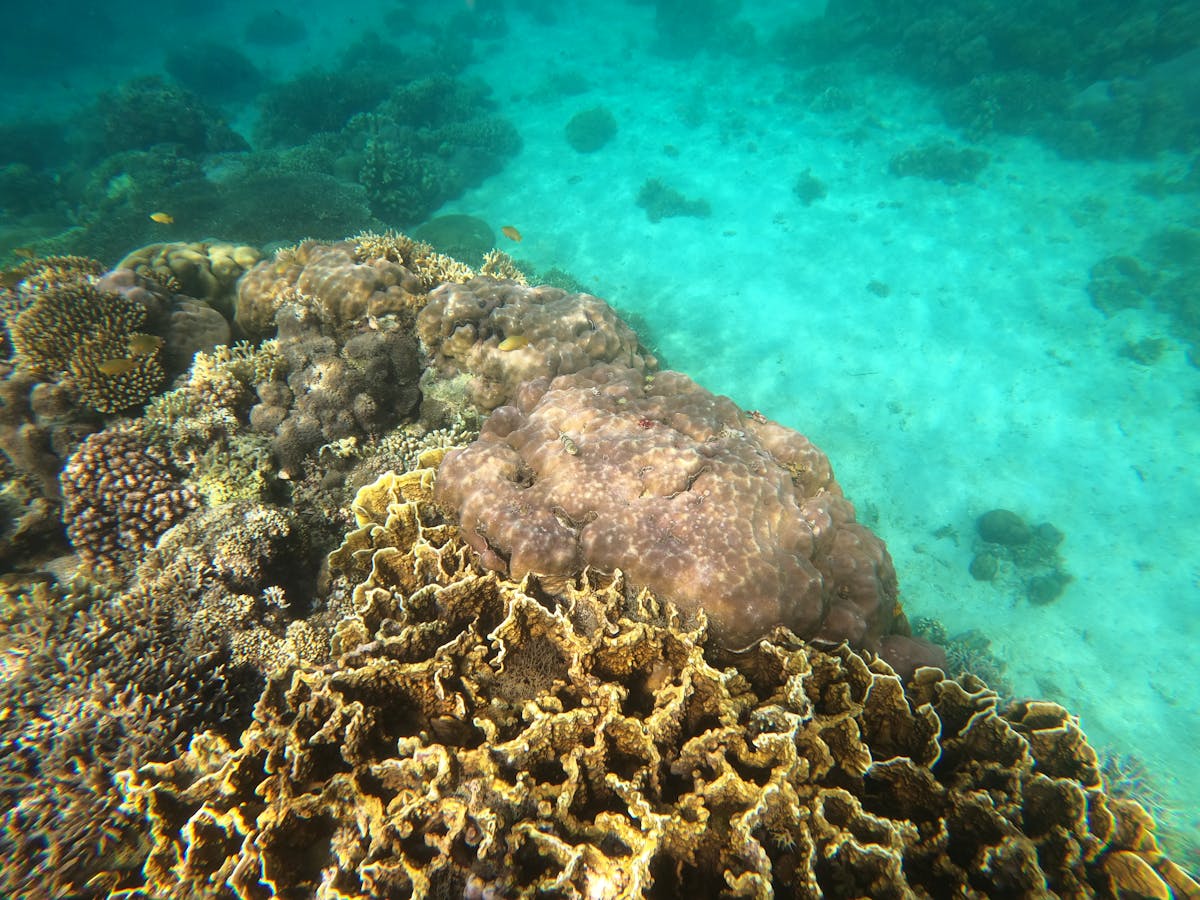
Sixty seconds underwater at Barracuda Point and you are already inside a tornado — ten thousand chevron barracuda spiraling in a silver column above you, whitetip reef sharks gliding past your shoulder, and a green turtle drifting through the wall of fish as if none of this is remarkable. That is Sipadan on a normal morning. This tiny oceanic island off the coast of Sabah, Malaysian Borneo, is the country’s only true deep-water island, formed atop an extinct volcanic cone that drops 600 metres straight to the ocean floor. Jacques Cousteau dived here in 1989 and called it an untouched piece of art. Decades of strict conservation later, it still is.
Why Sipadan Stands Apart
Sipadan’s reputation rests on a combination of geological luck and disciplined conservation. Sitting at the centre of the Coral Triangle — the most biodiverse marine region on earth — the island’s volcanic seamount creates vertical wall dives that attract an extraordinary concentration of marine life. More than 400 species of fish and hundreds of coral species have been documented in the surrounding waters. No other site in Malaysia comes close to that density. Sipadan tops our guide to the best islands in Malaysia for divers specifically.
What sets Sipadan apart from the rest of Malaysia’s island diving is its oceanic origin. Islands like Redang, Tioman, and the Perhentians sit on the shallow Sunda Shelf in relatively calm water — you can read about those options in the redang island guide and the tioman island guide. Sipadan is surrounded by deep open ocean. That means pelagic species — hammerheads, mantas, barracuda, trevally — regularly patrol the reef walls, creating encounters simply not possible at continental shelf destinations.
In 2005, the Malaysian government removed all resort accommodation from the island. No one stays overnight on Sipadan anymore. Every visitor is based on nearby Mabul or Kapalai and travels to Sipadan by boat for permitted dives or snorkeling. That single decision, combined with a strict daily visitor quota, has preserved the reefs in extraordinary condition.
The Sipadan Permit System
The permit system is the most important thing to understand before you plan any trip to Sipadan. Get this wrong and you might book flights, pay for accommodation, and still not get underwater at the site you came for.
How Permits Work
Sabah Parks controls access through a daily quota. As of 2026, approximately 176 diving permits are issued per day, distributed among licensed dive operators and resorts in the Semporna area. You cannot apply directly. The only route to a Sipadan permit is booking a dive or snorkeling package with a licensed resort or operator — they handle the application on your behalf.
Each resort receives a rotating allocation. The longer you stay, the better your odds of securing permits on your preferred days. Most resorts require a minimum of three nights to guarantee at least one Sipadan day. Shorter packages are available, but permit availability is not guaranteed.
Permit Costs and Certification Requirements
The Sipadan entry permit fee is RM140 per person per day, subject to 6% service tax. Divers, snorkelers, and other visitors all pay the same rate. Resorts typically collect this during booking, as permits must be applied for in advance.
Since October 2022, only divers holding Advanced Open Water certification or above are permitted to dive at Sipadan. This is a hard requirement — no exceptions. You are also limited to two dives per day at Sipadan, with any third dive conducted at Mabul or Kapalai. This replaced the previous three-Sipadan-dives-per-day allowance and was introduced to reduce cumulative pressure on the reef.
Booking Strategy
Book at least six to eight weeks ahead for peak season (April through August), and two to three months ahead if you want specific dates locked in. Last-minute bookings during busy periods frequently result in no Sipadan days at all, even if accommodation is available. A stay of four to five nights significantly increases your chances of multiple Sipadan days. Choose a resort with a strong permit allocation — the larger, longer-established operators generally hold more permits per rotation.
November 2026 Closure
Sipadan Island will be completely closed to all tourism for the entire month of November 2026 — no diving, no snorkeling, no day visits. The island reopens on December 1, 2026. Do not book travel to the Semporna archipelago with Sipadan as your primary goal during November 2026.
Dive Sites at Sipadan
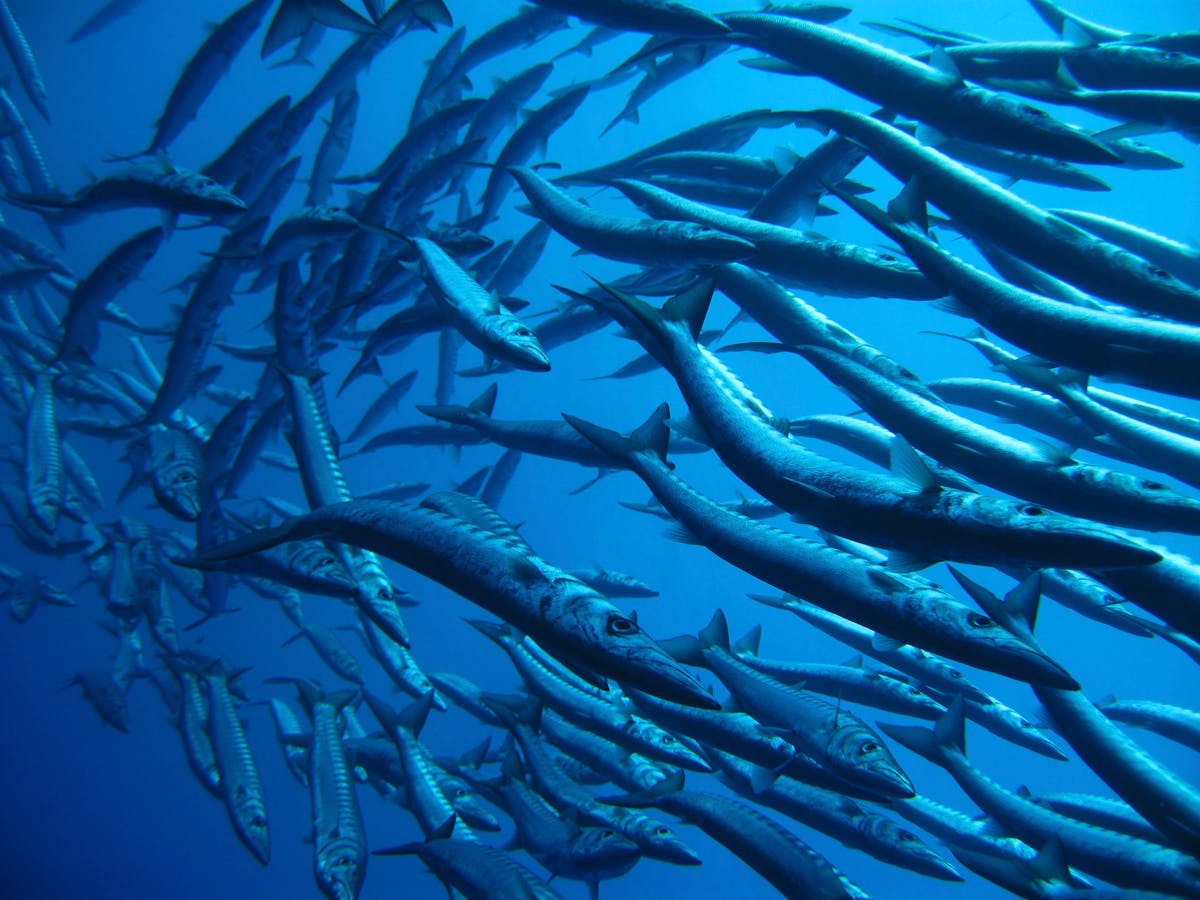
Sipadan has approximately twelve recognized dive sites, all accessible by short boat rides from Mabul or Kapalai. They ring the island’s reef wall and each has distinct character. Visibility is generally excellent — typically 15 to 30 metres — and the open ocean position means conditions are more consistent than inshore reefs. If you want a broader view of Malaysia’s underwater options before committing to Sipadan, the overview of best dive sites in Malaysia is a useful starting point.
Barracuda Point
Barracuda Point sits on the island’s northeast and is arguably the most iconic dive site in Southeast Asia. The site takes its name from a legendary phenomenon: thousands of chevron barracuda that congregate here, forming a shimmering tornado of silver that is genuinely difficult to describe to anyone who has not seen it. Beyond the barracuda, you will regularly encounter dozens of green and hawksbill turtles, whitetip reef sharks, enormous schools of big-eye trevally, bumphead parrotfish, and — on good days — grey reef sharks and hammerheads emerging from the blue. The dive typically involves drifting along the wall at 15 to 25 metres with the current carrying you past the barracuda congregation and along dense coral formations.
The Drop Off
The Drop Off is Sipadan’s house reef, located directly off the old jetty area. The reef plateau drops away into a sheer vertical wall that plunges over 600 metres to the ocean floor. The wall is covered in healthy hard and soft corals, sea fans, and sponges, providing habitat for extraordinary marine density. Green turtles are abundant here — resting on ledges or cruising along the wall — while whitetip reef sharks patrol deeper sections and lionfish, moray eels, nudibranchs, and countless reef fish species populate every crevice. The variety of depths makes The Drop Off suitable for divers of most experience levels, and its proximity to the island means it often serves as the first and last dive of any Sipadan day.
South Point
South Point occupies the southern tip of Sipadan, where a coral-encrusted wall drops steeply into deep blue. Strong currents here attract large pelagic species — eagle rays, manta rays, and occasionally whale sharks and scalloped hammerhead sharks when conditions align. Schools of trevally and barracuda are common, and the wall itself is decorated with spectacular soft coral, gorgonian fans, and barrel sponges. The currents make South Point more suitable for experienced divers, but the rewards are proportionate to the challenge.
Turtle Cavern
Turtle Cavern is Sipadan’s most unusual and sobering site. The cavern entrance sits at approximately 18 metres depth, leading into an underwater cave system extending deep into the island’s limestone foundation. Inside, divers can see the skeletal remains of sea turtles that entered the cave and could not find their way out. That sight — peaceful and haunting in equal measure — is one of the most powerful reminders of the ocean’s hidden dangers you will ever experience. Visibility around the cavern entrance reaches 20 to 30 metres, and green and hawksbill turtles are commonly seen in the surrounding water. Penetrating the cavern itself requires cave diving certification; the exterior dive is accessible to advanced open water divers.
Hanging Gardens
Hanging Gardens takes its name from the spectacular soft coral formations that drape from overhangs and ledges along the wall. Alcyonarian soft corals in deep purples, reds, and oranges cover every surface, while large sea fans and whip corals extend into the current to filter-feed. The site is rich in macro life — nudibranchs, pygmy seahorses, various species of shrimp — while turtles and whitetip reef sharks make regular appearances.
Coral Garden
Coral Garden features a gently sloping reef plateau covered in pristine hard coral formations, making it one of the most photogenic sites at Sipadan. Shallow depths of 5 to 15 metres mean excellent natural light for underwater photography and comfortable conditions for less experienced divers. The coral garden attracts abundant reef fish — butterflyfish, angelfish, parrotfish, anemonefish — while turtles graze on coral and sponges. Think of it as Sipadan in its most accessible, colourful mood.
Mid Reef
Mid Reef sits between Barracuda Point and The Drop Off, offering a varied dive along a section of wall that transitions between different reef environments. Schools of bumphead parrotfish are frequently encountered here, along with turtles, reef sharks, and an impressive variety of reef fish. Sandy patches, coral bommies, and wall sections create diverse habitat, and each dive tends to reveal something new.
Lobster Lair and White Tip Avenue
Lobster Lair features overhangs and crevices where spiny lobsters shelter during daylight hours, with the wall below hosting the usual Sipadan cast of turtles, sharks, and schooling fish. White Tip Avenue is named for the whitetip reef sharks that rest on sandy ledges along the wall — often stacked several deep in favoured spots. Both sites deliver solid wall diving with reliable large marine life encounters.
Snorkeling at Sipadan, Mabul, and Kapalai
Sipadan is primarily a diving destination, but the snorkeling is genuinely exceptional. Non-divers should not feel a trip to the Semporna archipelago is wasted on them — far from it.
Snorkeling at Sipadan
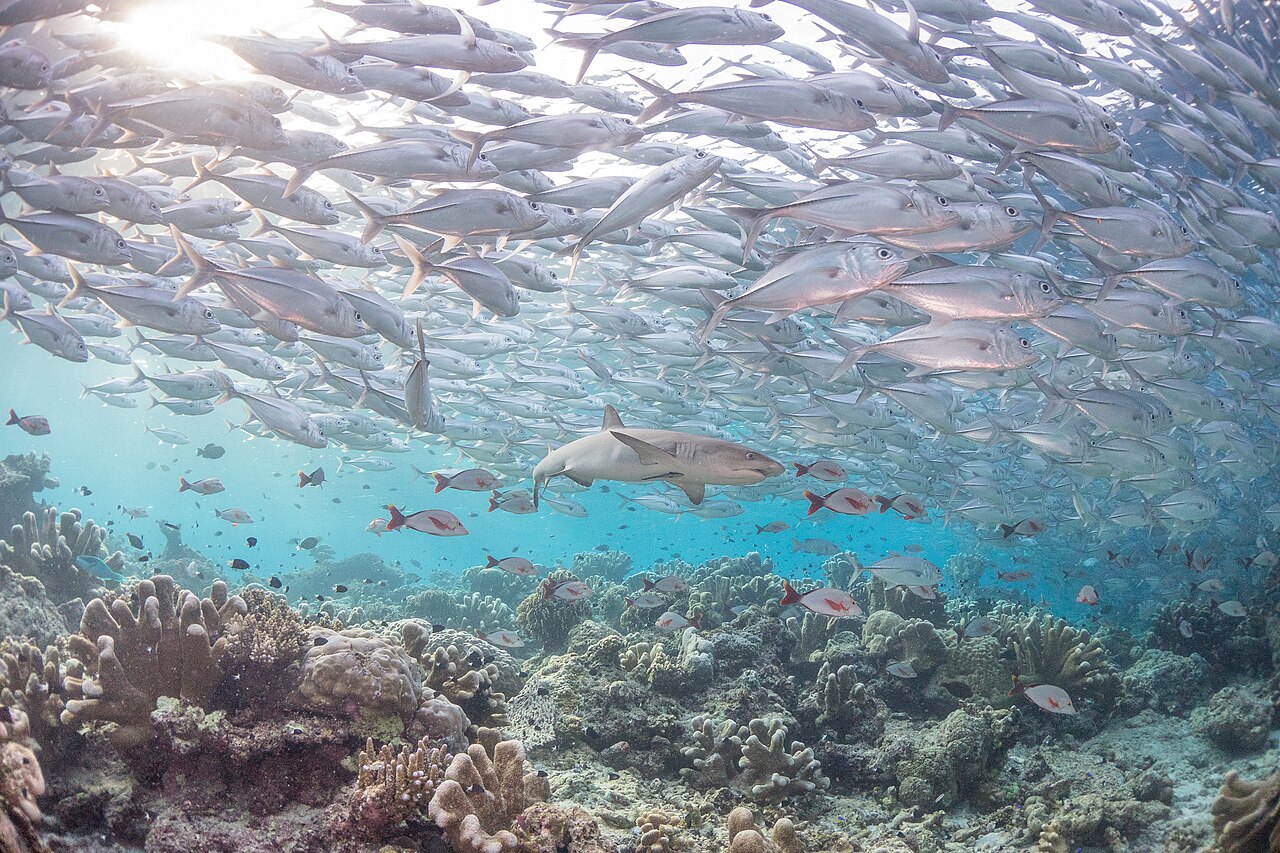
The reef at Sipadan comes right up to the island’s jetty area, where a buoyed-off snorkeling zone provides safe and incredibly productive surface exploration. Water clarity typically allows you to see 15 to 25 metres into the depths. Green and hawksbill turtles are the star attractions, and seeing multiple turtles in a single session is routine rather than exceptional. Whitetip reef sharks cruise below, while humphead wrasse, schooling colourful reef fish, and healthy coral formations are visible from the surface. On a good day, you may witness the famous barracuda or trevally tornadoes from above — a breathtaking sight even without descending to their level.
A Sipadan snorkeling permit costs the same RM140 per person per day as a diving permit. Most resorts offer dedicated snorkeling trips to Sipadan, either on the same boats as divers or on separate snorkeling excursions.
Snorkeling at Mabul
Mabul Island offers excellent snorkeling directly from the resorts and on guided boat trips around the island. Popular sites include Eel Garden, Ribbon Valley, Stingray City, Lobster Wall, and Panglima. The shallow, gently sloping reefs around Mabul are rich in macro marine life — nudibranchs, moray eels, octopuses, shrimp, and crabs — alongside barracuda, rays, and turtles. Calm, shallow conditions make Mabul ideal for first-time snorkelers.
Snorkeling at Kapalai
Kapalai’s position on a shallow sandbar gives it crystal-clear water teeming with marine life visible from the surface. Giant potato groupers, schooling jackfish, bumphead parrotfish, great barracuda, mandarin fish, green sea turtles, friendly batfish, and occasional eagle rays are all regular sightings while snorkeling around the resort’s stilted walkways. The house reef is available throughout the day, making Kapalai one of the most convenient and productive snorkeling bases in the region.
Where to Stay: Mabul Island
Since overnight stays on Sipadan were prohibited in 2005, all visitors base themselves on Mabul or Kapalai. Mabul is the larger island and offers the widest range of accommodation, from budget backpacker lodges to luxury dive resorts. If you have previously explored Malaysia’s island accommodation on the east coast — places like those covered in the perhentian islands guide or the more remote options in the kapas island malaysia article — Mabul’s dive-resort setup is similar in spirit but geared more single-mindedly toward underwater access.
Budget Accommodation
Mabul Backpackers offers the most affordable option on the island, with dorm beds starting from approximately RM100 per night including three meals and return boat transfers from Semporna. Private double or twin rooms cost around RM150 per night. Diving packages can be added separately. Facilities are basic but clean, and the location provides easy access to Mabul’s dive sites and snorkeling spots.
Scuba Junkie Mabul Beach Resort provides comfortable beachfront accommodation with 30 en-suite rooms directly on the beach. The resort runs its own PADI dive centre with experienced instructors and offers competitive packages that include Sipadan permits. The relaxed, social atmosphere makes it particularly popular with younger travelers and solo divers.
Mid-Range Resorts
Sipadan-Mabul Resort (SMART) is one of the established mid-range options, offering comfortable chalets on stilts over the water. Packages typically include full board meals, boat transfers, and diving activities. The resort’s location provides excellent house reef diving and snorkeling directly from the accommodation.
Borneo Divers Mabul Resort is operated by the pioneers of Sipadan diving and offers well-appointed accommodation with comprehensive dive packages. Peak period packages for 2026 start from approximately USD 1,060 for a 4-day/3-night stay, USD 1,240 for 5 days/4 nights, and USD 1,670 for 6 days/5 nights. The resort’s long history in the area ensures excellent dive guides and strong Sipadan permit allocations.
Luxury and Unique Accommodation
Seaventures Dive Rig is one of the most distinctive dive accommodations anywhere in the world — a converted oil rig platform standing in the waters between Mabul and Sipadan. The rig offers air-conditioned rooms with hot water and modern amenities, while the platform itself provides excellent house reef diving directly beneath the structure. Packages start from approximately USD 596 for a basic stay. The rig’s underwater lights attract extraordinary marine life at night, making after-dark snorkeling and diving a genuine highlight.
Where to Stay: Kapalai Island
Sipadan-Kapalai Dive Resort is the only accommodation on Kapalai, and it offers one of the most stunning overwater resort experiences in Malaysia. The resort comprises 89 elegant Malaysian-style wooden chalets built on stilts over the shallow Celebes Sea, connected by a network of walkways and jetties. From your chalet’s private balcony or through glass floor panels, you can observe fish, turtles, and other marine life swimming directly beneath your feet.
The resort organizes three guided boat dives per day to Sipadan, Mabul, and Kapalai dive sites, with all levels of PADI courses available. Snorkeling equipment is provided for non-divers. All meals are served buffet-style on the panoramic open-air terrace, featuring Malaysian and international cuisine. The combination of overwater luxury, direct marine life access, and proximity to Sipadan makes Kapalai one of the most desirable bases in the region.
Getting to Sipadan
Reaching Sipadan is a multi-stage journey involving air, land, and sea travel. The logistics look more complex on paper than they are in practice — the well-established tourist infrastructure means that, as long as you time your flights correctly, everything connects smoothly.
By Air to Tawau
The nearest airport is Tawau Airport (TWU) in Sabah, Malaysian Borneo. AirAsia and Malaysia Airlines both operate direct flights from Kuala Lumpur to Tawau, with a flight time of approximately 2 hours and 45 minutes. Flights from Kota Kinabalu to Tawau take about 50 minutes. Book well in advance during peak season — seats fill quickly and prices rise sharply closer to travel dates.
Tawau to Semporna
From Tawau Airport, the road journey to Semporna takes approximately 75 to 90 minutes. Most dive resorts include airport-to-jetty transfers in their packages, which is the most convenient option. Independent travelers can arrange a taxi for approximately RM95 or take a minivan service that runs five times daily for RM35 per person.
Semporna to Mabul or Kapalai
From Semporna’s Seafest Jetty, speedboats transfer guests to Mabul Island in approximately 45 to 60 minutes. Three daily departures are typically available: morning around 10:00 AM (for arrivals at Tawau by 8:30 AM), midday around 12:30 PM (for arrivals by 10:30 AM), and afternoon around 4:30 PM (for arrivals before 2:00 PM). If your flight lands after 2:00 PM, plan on an overnight stay in Tawau or Semporna and take the morning boat the next day.
Overnight in Semporna
An overnight stay in Semporna before heading out to the islands is a practical choice that removes all timing pressure. Semporna has several decent hotels and excellent seafood restaurants — the town’s seafood market is genuinely worth visiting — making a stop there enjoyable rather than just logistically convenient.
Best Time to Visit Sipadan
Sipadan can be dived year-round. Unlike the islands on Malaysia’s east coast — where the northeast monsoon shuts down access from November through February — Sipadan does not experience a full monsoon closure. That said, timing your visit correctly does significantly affect the quality of the experience. If you want to compare Sipadan with east coast monsoon-affected options, check the langkawi beaches guide for a destination with different seasonal patterns.
The dry season from March through October offers the best overall conditions. Visibility is typically at its peak during this period, often exceeding 20 to 30 metres, and sea conditions are generally calm. Water temperatures remain warm year-round at 27 to 30 degrees Celsius — thermal protection is rarely a concern.
The peak diving season runs from April through August, when conditions are at their absolute best. This is also the busiest period, with the highest demand for Sipadan permits and resort beds. Two to three months’ advance booking is the minimum for peak season travel.
The wet season from November through February brings occasional rain and reduced visibility. Visibility may drop to 10 to 15 metres during rain events but typically recovers quickly. The wet season offers lower prices, fewer crowds, and easier permit availability — an attractive combination for flexible travelers.
Remember: Sipadan is completely closed throughout November 2026 for environmental recovery. The island reopens December 1, 2026.
Practical Information
Dive Costs
A single fun dive in the Sipadan area costs approximately RM100 to RM150 when booked as part of a package. The Sipadan entry permit fee of RM140 per day is additional to this. PADI Open Water certification courses run approximately RM1,200 to RM1,800, while Advanced Open Water courses cost RM900 to RM1,300. Most resort packages include three boat dives per day plus unlimited house reef diving on eligible days.
What to Bring
Your dive certification card and logbook are non-negotiable — you will not dive without them. Beyond that: reef-safe sunscreen, a rash guard or wetsuit for sun and thermal protection, a waterproof camera housing, sufficient cash in Malaysian ringgit (ATMs are not available on the islands), insect repellent, personal medications, and a waterproof bag for boat transfers. Bringing your own mask, fins, and regulator improves comfort, though all resorts provide rental equipment.
Health and Safety
The nearest hospital is in Tawau on the mainland. Resorts maintain basic first aid facilities and oxygen kits for diving emergencies. Make absolutely sure your travel insurance covers scuba diving to your planned depth and includes emergency evacuation by both boat and air. DAN (Divers Alert Network) insurance is strongly recommended for serious divers. The nearest hyperbaric chamber is in Kota Kinabalu, and evacuation procedures are well established among the licensed operators in the area.
Money and Connectivity
No ATMs or banks exist on Mabul or Kapalai. Bring sufficient cash from the mainland for dive extras, equipment rental, tips, and any purchases. Some resorts accept credit cards for major charges, but cash is essential for smaller expenses. WiFi is available at most resorts but is generally slow. Mobile data coverage from Malaysian carriers exists but can be unreliable — download entertainment and maps before you arrive.
Environmental Responsibility
Sipadan’s extraordinary marine environment exists because of decades of conservation effort — and because access was deliberately restricted before the damage became irreversible. Your obligation as a visitor is straightforward: never touch or stand on coral; maintain neutral buoyancy at all times while diving; do not chase, touch, or attempt to ride marine life including turtles; use reef-safe sunscreen exclusively; take all rubbish back to the mainland. Choose operators who demonstrate genuine commitment to conservation through practices like reef monitoring, marine debris cleanup programs, and support for local environmental initiatives.
Final Thoughts
Sipadan occupies a category of its own in the world of diving. The combination of oceanic island geology, Coral Triangle biodiversity, strict conservation management, and limited daily access creates an underwater experience that is genuinely earned — both by the environment and by the diver. The barracuda tornado at Barracuda Point, the sheer wall at The Drop Off, the turtle encounters that happen on virtually every dive, the prospect of hammerheads and mantas at South Point — all of it lives up to the legendary reputation. This small island in Malaysian Borneo delivers one of the most remarkable marine experiences available anywhere on earth. Go once and you will understand immediately why Cousteau was so protective of it.
1 note