Best Time to Visit Malaysia: Month-by-Month Weather and Events Guide
The best time to visit Malaysia depends on where you want to go. December to February is ideal for the west coast, while March to October is best for east coast islands and diving. This month-by-month guide covers weather, festivals, crowds, and costs for every region of Malaysia in 2026.
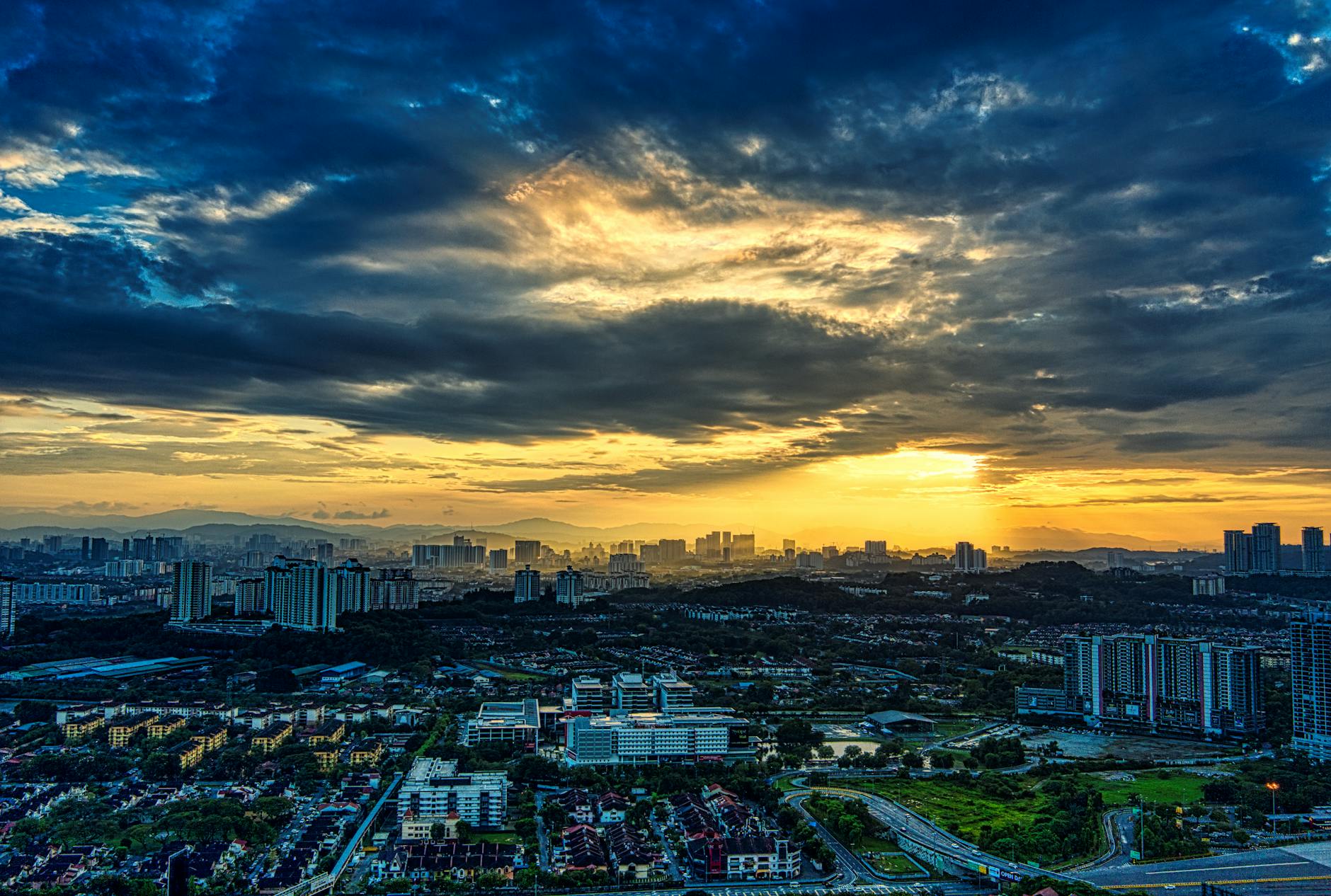
Malaysia does not have a single best season — it has several, all running at the same time, just in different corners of the country. The Malay Peninsula straddles the equator between the Andaman Sea and the South China Sea, which means two separate monsoon systems drench opposite coasts at opposite times of year. When the east coast is being hammered by the northeast monsoon, Penang and Langkawi are bone dry. When the Perhentians are glassy and perfect for diving, Langkawi is getting afternoon downpours. Understanding this split is the single most useful thing you can do before planning a Malaysian trip.
For most first-time visitors, the practical answer is February to April — both coasts are workable, prices are reasonable, and the festival calendar is genuinely special. But there are good arguments for almost every other month depending on what you want. This guide breaks it all down: month by month, activity by activity, and with the honest trade-offs that most “best time to visit” articles skip. Before diving into timing, read the complete malaysia travel guide for the full picture on logistics, costs, and where to go.
Malaysia’s Climate at a Glance
Two monsoon systems control Malaysian weather. Once you understand them, everything else falls into place.
The northeast monsoon (November to March) pushes heavy rain across the east coast of the peninsula, the islands of Terengganu and Pahang, and parts of Sabah. Most east coast island resorts close entirely — the Perhentians, Redang, and Tioman shut down, boat services stop, and the seas are genuinely rough. Meanwhile, the west coast — KL, Penang, Langkawi, Melaka — enjoys its driest and most pleasant weather of the year.
The southwest monsoon (May to September) reverses the pattern. The west coast receives more afternoon rain, while the east coast basks in calm seas, clear diving visibility, and sunshine. This is peak season for the Perhentians, Redang, Tioman, and the dive sites of eastern Sabah.
Two inter-monsoon periods — March to April, and October to November — bring transitional weather with scattered thunderstorms across both coasts. Travel is perfectly viable during these shoulder windows; the storms tend to be brief and dramatic rather than sustained.
Lowland temperatures are consistent year-round: daytime highs of 30°C to 33°C, nights at 23°C to 25°C, humidity around 73 to 82 percent. Significant relief only comes in the highlands — Cameron Highlands runs 15°C to 24°C, and the summit of Mount Kinabalu can drop below freezing at 4,095 metres. Rain in Malaysia usually arrives as intense afternoon downpours lasting one to three hours. Even in the wettest months, mornings are often clear, so a rainy season rarely means a full day lost.
Month-by-Month Guide
January
January is one of the best months for the west coast. KL, Penang, and Langkawi are dry, temperatures hover around 30°C to 32°C, and the air is as clear as it gets. Hotel prices are slightly elevated from the New Year holiday rush, particularly in Langkawi and Penang, but soften after the first week. The east coast is at its most unsettled — the Perhentians, Redang, and Tioman are closed, seas are rough, and this is not the month for east coast islands under any circumstances.
In Borneo, January is one of the wetter months — Kuching can receive up to 670 millimetres of rain. Kota Kinabalu on Sabah’s west coast is somewhat less affected, and Mount Kinabalu climbs operate year-round. Chinese communities begin preparations for Chinese New Year (falling in February this year), and a festive energy builds across the country toward month’s end.
February
Arguably the best single month for the west coast. Rainfall drops further in KL, Penang, and Langkawi, and clear days stack up nicely. Two festivals make February worth planning around specifically. Thaipusam (February 2, 2026) transforms Batu Caves into something extraordinary — Hindu devotees carry ornate kavadi structures pierced through their skin up the 272 rainbow steps, and around a million people make the pilgrimage. It is one of the most visually striking religious events in Southeast Asia. Chinese New Year (February 17–18, 2026) fills George Town’s heritage zone and KL’s Chinatown with lion dances, red lanterns, firecrackers, and reunion dinners. Expect full hotels and elevated prices during the CNY week, but the atmosphere is genuinely worth it. East coast stays closed. Borneo conditions begin improving toward the end of the month. Our Malaysia festivals calendar lists every date for 2026 and 2027, including the state-by-state variation.
March
March is a turning point. The northeast monsoon weakens, and some east coast resorts start reopening in late March, though seas can still be unpredictable and visibility is building rather than at its peak. The west coast remains excellent. This is a sweet spot for KL, Melaka, and Ipoh — the holiday rush has passed, prices ease, and the weather cooperates. Hari Raya Aidilfitri (March 20–21, 2026), the end of Ramadan, is the biggest celebration on the Malay calendar. Families hold open houses where visitors of all backgrounds are welcomed with rendang, ketupat, lemang, and traditional cookies. Experiencing a Hari Raya open house is one of Malaysia’s most genuinely warm cultural experiences. Note that Ramadan bazaars — rows of stalls selling an extraordinary variety of food for the evening break-fast — run for the month before Hari Raya and are a highlight in themselves. Book domestic flights and buses well ahead for the Hari Raya period; they sell out weeks in advance.
April
April is an excellent all-around month. The west coast continues its good run, and the east coast islands are now open and building toward their best conditions. Diving visibility at the Perhentians, Redang, and Tioman improves steadily as the seas calm. Temperatures in KL hit around 32°C to 33°C — the year’s highest — but humidity is manageable, and afternoon thunderstorms are brief. In Sabah, April is one of the better months: drier conditions for Mount Kinabalu climbs, island-hopping at Tunku Abdul Rahman Marine Park, and wildlife cruises on the Kinabatangan River. Crowd levels sit comfortably between peak and off-season; hotel rates on both coasts are reasonable. Photographers will find April produces dramatic cloud formations and good golden-hour light, particularly at sunset over the Andaman Sea from Langkawi.
May
May brings the southwest monsoon and more afternoon showers to the west coast — but “rainy season” here means mornings are usually sunny and the rain provides welcome relief from the building heat. The east coast is in its prime: the Perhentians, Redang, Tioman, and Kapas are fully open, seas are calm, and accommodation is more affordable than during the June-to-August peak. Two important festivals: Wesak Day (May 31, 2026) marks the birth of Buddha, with processions at Buddhist temples — Kek Lok Si in Penang is particularly atmospheric. In Sabah, the Harvest Festival (Pesta Kaamatan, May 30–31) celebrates the rice harvest with traditional dancing, rice wine (tapai), and the crowning of the Unduk Ngadau beauty queen. Gawai Dayak in Sarawak follows on June 1.
June
Peak season for east coast Malaysia, and widely the best month for diving and snorkelling. The Perhentians and Redang are at their best — calm turquoise water, visibility up to 20 metres at the Perhentians, water temperatures around 28°C to 30°C, and coral at peak activity. Book east coast accommodation well in advance; school holidays in mid-June push domestic tourist numbers high. On the west coast, afternoon showers are frequent but rarely disruptive. KL, Penang, and Melaka remain fully enjoyable. The Rainforest World Music Festival (June 26–28, 2026) at the Sarawak Cultural Village near Kuching is one of Southeast Asia’s best music events — three days of indigenous and international performers in a rainforest amphitheatre.
July
July continues the east coast peak. Diving and snorkelling remain excellent at the Perhentians, Redang, Tioman, and Sipadan. Water visibility at Sipadan can hit 20 to 40 metres, and sea turtle sightings are nearly guaranteed. Manta rays and whale sharks occasionally appear in deeper waters off eastern Sabah. The Cameron Highlands are particularly pleasant in July — cooler temperatures and the tea plantations at their greenest after the earlier rains. This is a popular month for European and Australian visitors, so hotel prices at beach destinations are at peak levels. Better value exists on the west coast, in Ipoh, or in Kuching.
August
August is the last full month of peak east coast conditions. Diving stays excellent, though afternoon clouds start building more as the inter-monsoon approaches. National Day (Hari Merdeka, August 31) commemorates Malaya’s independence from Britain in 1957 — Merdeka Square in KL hosts parades and flag-raising ceremonies that are worth getting up for. The Hungry Ghost Festival runs through most of August into early September, with Chinese communities staging theatrical street performances, opera shows, and paper-burning ceremonies. Penang’s celebrations are among the most elaborate. West coast conditions remain similar to June and July — this is a solid month for a combined west-and-east-coast itinerary.
September
September is transitional. The second inter-monsoon period begins, bringing scattered thunderstorms across both coasts. East coast diving visibility starts declining in the second half of the month, though the islands stay open and sea conditions are workable. Langkawi and Penang see heavier afternoon rain. Kuching and Sarawak enjoy their driest stretch of the year from May through September — this is the last window of prime Borneo weather before the rains intensify. Bako National Park, Mulu Caves, and the Kelabit Highlands are at their most accessible. Malaysia Day (September 16) marks the formation of the Malaysian federation in 1963, with celebrations particularly spirited in Sabah and Sarawak. Crowd levels drop noticeably in September, making it solid value for travellers comfortable with some rain.
October
October is the wettest month on the west coast — KL gets heavy afternoon deluges, and Langkawi hits its rainfall peak. The morning-clear pattern still holds: typically sunny before noon, then a hard downpour for an hour or two, then the sky breaks again. East coast islands start their wind-down. Smaller Perhentian and Kapas resorts begin closing in late October; Tioman and Redang stay open through the month but conditions decline. This is the last chance for east coast islands until March. Budget travellers take note: October offers some of the best hotel deals of the year, with luxury resorts in Langkawi and Penang running 30 to 50 percent below their December rates. Domestic flights on AirAsia regularly dip to RM 50 to 100 one way. For food-focused visitors, October is underrated — hawker centres fill with locals rather than tourists, and city exploration in KL, Penang, and Ipoh feels more relaxed.
November
November is the official start of the northeast monsoon. East coast islands are closed — boat services stop, resorts shut, and the seas are dangerous. The Perhentians, Redang, Tioman, and Kapas are off until March. The west coast, by contrast, is improving: rainfall decreases in KL, Penang, and Langkawi as the northeast monsoon brings its dry side to the western peninsula. Deepavali (November 8, 2026) — the Festival of Lights — illuminates Indian communities across Malaysia. Little India in KL’s Brickfields district is particularly impressive, with oil lamps and rangoli everywhere. In Borneo, November is among the wettest months, though the Kinabatangan River actually produces better wildlife sightings as animals concentrate on higher ground near the banks.
December
December is peak season for west coast Malaysia and the most popular month for first-time visitors exploring KL, Penang, Langkawi, and Melaka. Low rainfall, slightly cooler temperatures around 30°C, and a festive atmosphere make it genuinely excellent. Christmas (December 25) is a public holiday observed widely across multicultural Malaysia — shopping malls in KL run elaborate seasonal displays. Hotel prices and domestic travel costs surge from mid-December through New Year’s; book accommodation and flights at least four to six weeks ahead. The east coast stays closed. Kota Kinabalu’s sheltered west coast location makes Sabah more manageable in December than the wetter east coast of Borneo.
Best Time to Visit Malaysia by Activity
Beach Holidays
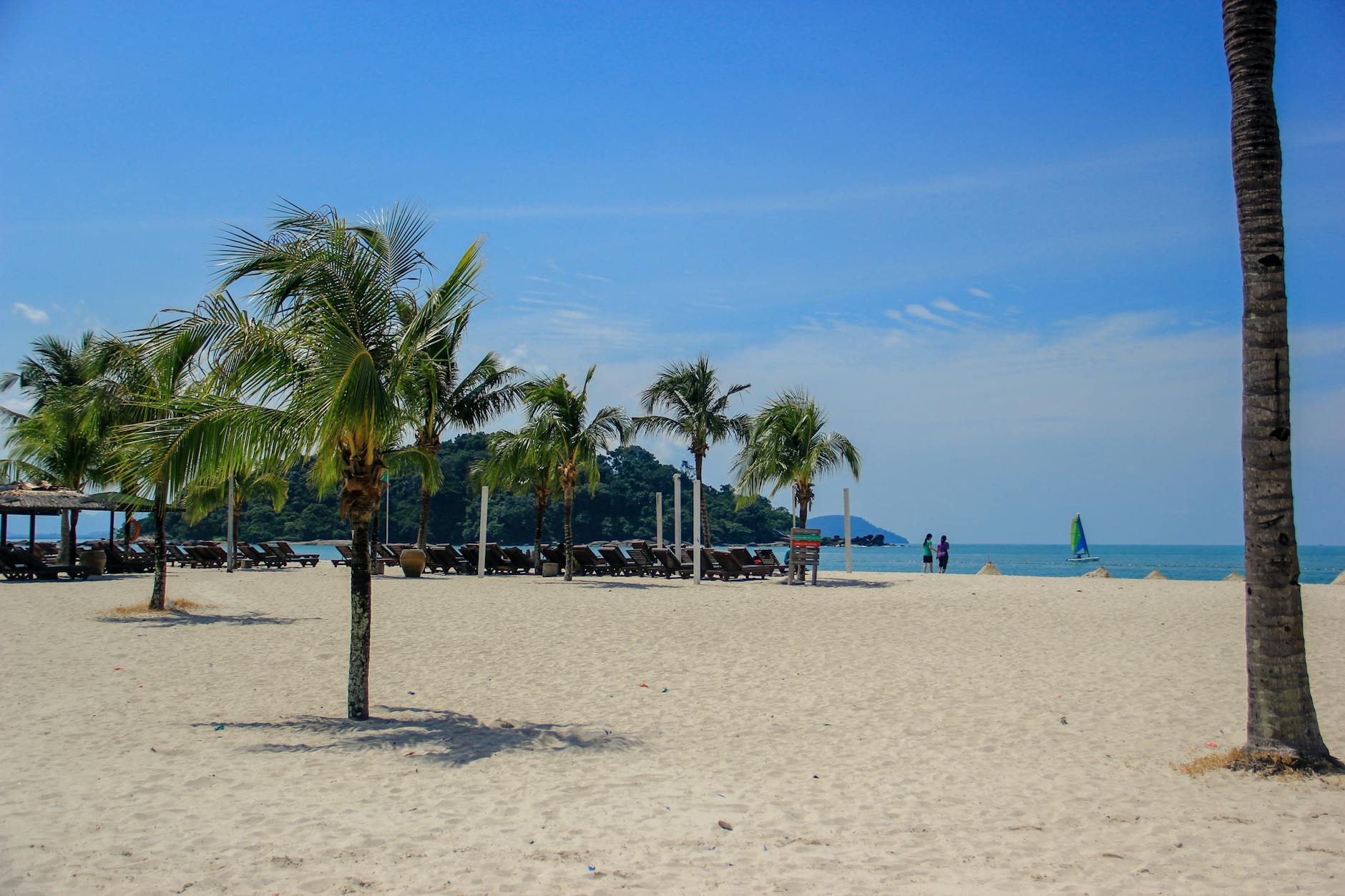
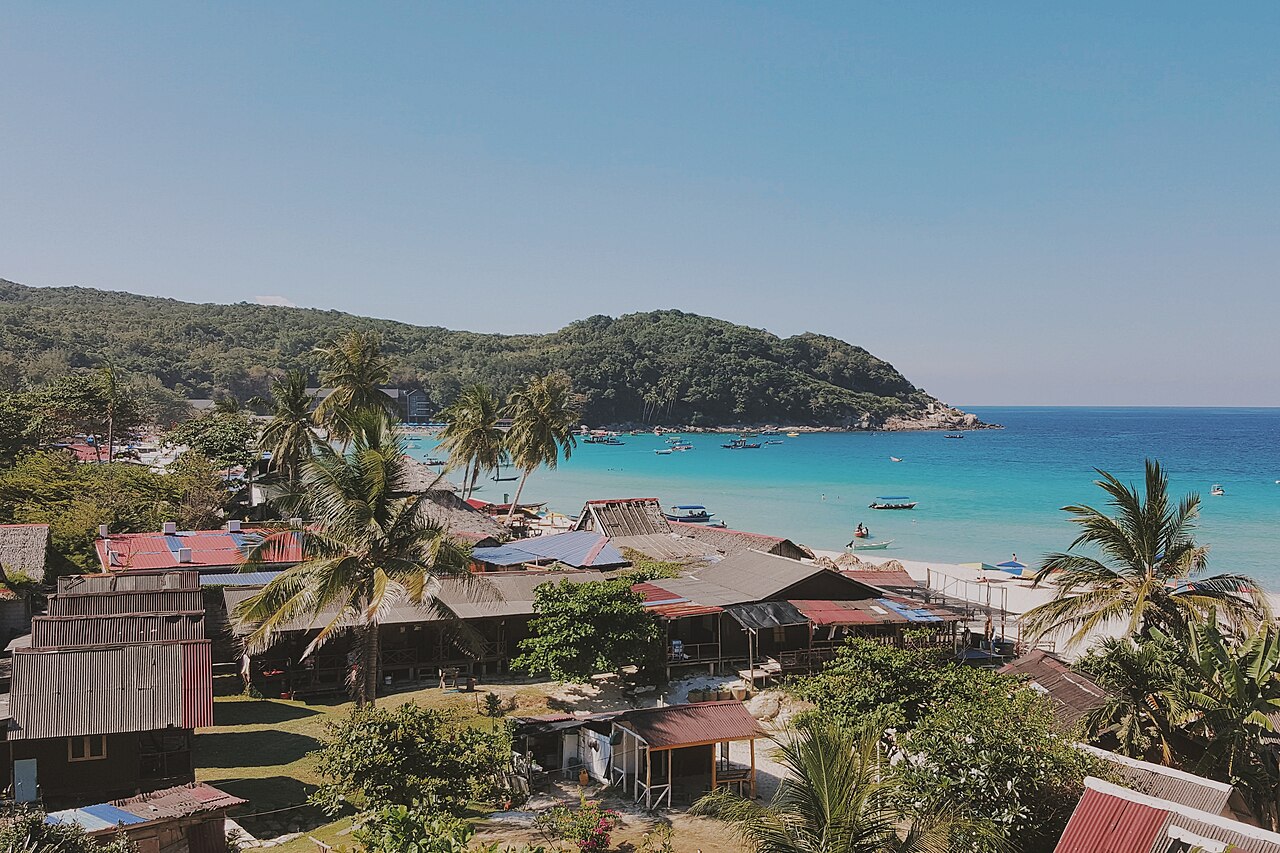
For west coast beaches — Langkawi, Pangkor — the window is December to March: calm seas, clear skies, best snorkelling visibility. For east coast beaches — Perhentians, Redang, Tioman, Kapas — aim for April to September, with June through August offering the calmest conditions. There is no month where both coasts are simultaneously ideal, so decide which takes priority and plan from there.
Scuba Diving and Snorkelling
East coast diving peaks from April to October, with June through August the best window for visibility and conditions. Sipadan off Sabah’s east coast is at its finest from April to December, with visibility reaching 20 to 40 metres and consistently warm water at 28°C to 30°C. West coast dive sites around Langkawi and Payar Island are accessible year-round but best from December to April.
Hiking and Trekking
Mount Kinabalu is climbable year-round, but April to September offers the driest conditions and best visibility from the summit at dawn. The Cameron Highlands are pleasant throughout the year; the cooler temperatures and frequent mist give the mossy forest trails an atmospheric quality even in wet months. Taman Negara’s jungle trails are most accessible from March to September, when river levels are lower.
Food and City Exploration
KL, Penang, Ipoh, and Melaka are strong year-round food destinations — rain has minimal impact on hawker centres and indoor food courts. The driest stretch for a KL–Ipoh–Penang culinary corridor trip is January to March. Durian season on the west coast runs June to August, when roadside stalls overflow with Musang King and D24 varieties; a secondary season runs December to February. Sabah and Sarawak have their own durian peaks in November and December. For the practicalities of travelling between these food cities affordably, the getting around malaysia guide covers train, bus, and flight options in detail.
Wildlife and Nature
Orangutan sightings at Sepilok Rehabilitation Centre in Sabah are consistent year-round. Along the Kinabatangan River, the wet season (November to March) often produces better sightings as animals move to higher ground near the riverbanks. Turtle nesting season on the east coast runs May to September, with Sipadan and the Turtle Islands of Sabah offering the best encounters. Birdwatching is excellent year-round; migratory species pass through peninsular Malaysia from September to April.
Cultural Festivals
For the richest cultural calendar: February stacks Thaipusam and Chinese New Year back to back. March 2026 brings Hari Raya — the most immersive cultural experience in Malaysia if you get invited to an open house. June puts the Rainforest World Music Festival in Sarawak. August delivers the Hungry Ghost Festival in Penang at its most theatrical. For the Tadau Kaamatan harvest festival in Sabah and Gawai Dayak in Sarawak, plan for late May to early June.
Peak Season vs. Off-Season: Crowds and Costs
Knowing the crowd and price patterns saves real money. Peak season for the west coast runs December through February — hotel rates run 40 to 60 percent above off-season prices, and Langkawi fills fast. East coast peak season (June to August) means the Perhentians and Redang are close to capacity; popular dive centres and beachfront accommodation book out months in advance. The shoulder months of April to May and September offer nearly identical conditions with lower prices and fewer visitors.
School holidays in March, June, August, and November bring surges of domestic tourists to Cameron Highlands, Genting Highlands, and Melaka. Midweek travel during these periods is noticeably quieter. Budget travellers find the best deals from September to November on the west coast and March to May on the east coast. These shoulder windows deliver good weather, lower prices, and thinner crowds — the value sweet spot for the country.
On the cost side, plan your budget carefully based on when you are going. Our malaysia travel budget guide covers the specific numbers — daily spend by tier, what things actually cost at hawker stalls and hotels, and where the real savings come from.
Practical Planning: What to Confirm Before You Go
Once you have settled on timing, a few logistical checks matter. Confirm your visa situation first — most Western nationals get 90 days visa-free, but the requirements and the MDAC pre-arrival form are worth reading in detail. The malaysia visa requirements guide covers every nationality category and the MDAC process step by step.
Check the malaysian ringgit exchange rate before arriving and decide where to change money — airport counters offer the worst rates, and the money changers in Bukit Bintang and Mid Valley Megamall in KL are the most competitive. Have ringgit in small denominations from day one; hawker stalls rarely break a RM 100 note.
Think through what to bring based on your travel window. What to pack for Malaysia shifts noticeably depending on whether you are hitting the beaches, the highlands, or a city trip. A rain jacket is non-negotiable in most months; a light fleece matters only for the Cameron Highlands or Kinabalu. The is malaysia safe guide answers the common questions about petty theft, regional advisories, and practical precautions — it is a safe country overall, with a handful of specific areas worth reading about before you go.
Visit Malaysia 2026: Why This Year Is Special
The Visit Malaysia 2026 campaign is the country’s most ambitious tourism initiative in years — over 300 curated events throughout 2026, spanning every major cultural festival, the Petronas Grand Prix of Malaysia, the Rainforest World Music Festival, and the Malaysia Agriculture, Horticulture, and Agrotourism Exhibition. Welcoming ceremonies and cultural activities have been staged at 55 key entry points across all 13 states. The JB–Singapore Rapid Transit System, launched in 2026, adds a fast new route for visitors entering from Singapore. The ongoing completion of Merdeka 118 in KL gives the skyline another landmark worth seeing.
For visitors weighing 2026 against other years: this is a genuinely good year to come. The infrastructure improvements are real, the event calendar is packed, and the country has put serious effort into making the visitor experience smoother at every entry point.
Final Thoughts
There is no wrong time to visit Malaysia — only better times for specific regions and activities. The country’s split monsoon system means that somewhere in Malaysia, the sun is out and the sea is calm at any point in the year. The job is just to match your timing to your priorities.
For first-time visitors with flexibility, February to April is the strongest window: the west coast is still dry, the east coast islands are opening, and the festival calendar adds real depth. For dedicated divers, June to August on the east coast is unmissable. For value-focused travellers, September to November on the west coast is the sweet spot — good weather, thin crowds, and hotel rates that are genuinely hard to beat.
Pick your month, then plan the logistics around it. Malaysia rewards the travellers who go with the seasons rather than fighting them.
Quick Reference: Malaysia by Month
Use this as a fast lookup when planning around specific dates or activities.
January: West coast excellent (Penang, Langkawi, KL, Melaka). East coast closed. Borneo wet. Chinese New Year preparations building.
February: West coast at its best. Thaipusam (February 2) and Chinese New Year (February 17–18) — two of Malaysia’s biggest celebrations back to back. East coast closed. Borneo improving late in the month.
March: West coast still good. East coast beginning to open (late March). Hari Raya Aidilfitri (March 20–21) — the most culturally immersive time of year. Ramadan bazaars running before Hari Raya. Book transport far in advance for the holiday weekend.
April: Best all-around month. West coast excellent. East coast open and improving. Sabah good for Mount Kinabalu and diving prep. Moderate crowds, reasonable prices, dramatic light for photography.
May: East coast prime season begins. West coast sees more afternoon rain but remains manageable. Wesak Day (May 31) and Sabah’s Kaamatan harvest festival (May 30–31) add cultural depth. Gawai Dayak in Sarawak on June 1.
June: Peak east coast season — best diving, best beaches, highest prices. West coast has afternoon showers but is fully usable. Rainforest World Music Festival in Sarawak (June 26–28). School holiday surge from mid-June onward.
July: East coast peak continues. Sipadan at its finest. Cameron Highlands lush and pleasant. Peak prices at beach destinations. West coast still fine for city and highland travel.
August: Last month of prime east coast season. National Day (August 31) — Merdeka Square celebrations in KL. Hungry Ghost Festival ceremonies in Penang and KL. West coast fully workable for sightseeing.
September: East coast declining but still open. Borneo at its driest (Sarawak especially). West coast getting wetter. Malaysia Day (September 16) — biggest celebrations in Sabah and Sarawak. Good value month with thinner crowds.
October: Wettest month on west coast. East coast islands closing. Best hotel deals of the year. Good for budget travellers and food-focused trips to KL, Penang, Ipoh, and Melaka. Mornings still typically clear.
November: Northeast monsoon arrives. East coast fully closed. West coast improving rapidly. Deepavali (November 8) illuminates Indian communities nationwide. Borneo wet; Kinabatangan wildlife sightings often good despite rain.
December: Peak west coast season. KL, Penang, Langkawi, Melaka excellent. Christmas (December 25) widely observed. Prices surge from mid-month through New Year. Book at least four to six weeks ahead. East coast closed.
1 note