Pangkor Island Guide: Malaysia’s Best-Kept Secret Tropical Escape (2026)
Complete guide to Pangkor Island in Perak, Malaysia. Discover the best beaches, snorkeling spots, Dutch Fort history, Pangkor Laut Resort, fishing villages, and practical travel tips for 2026.
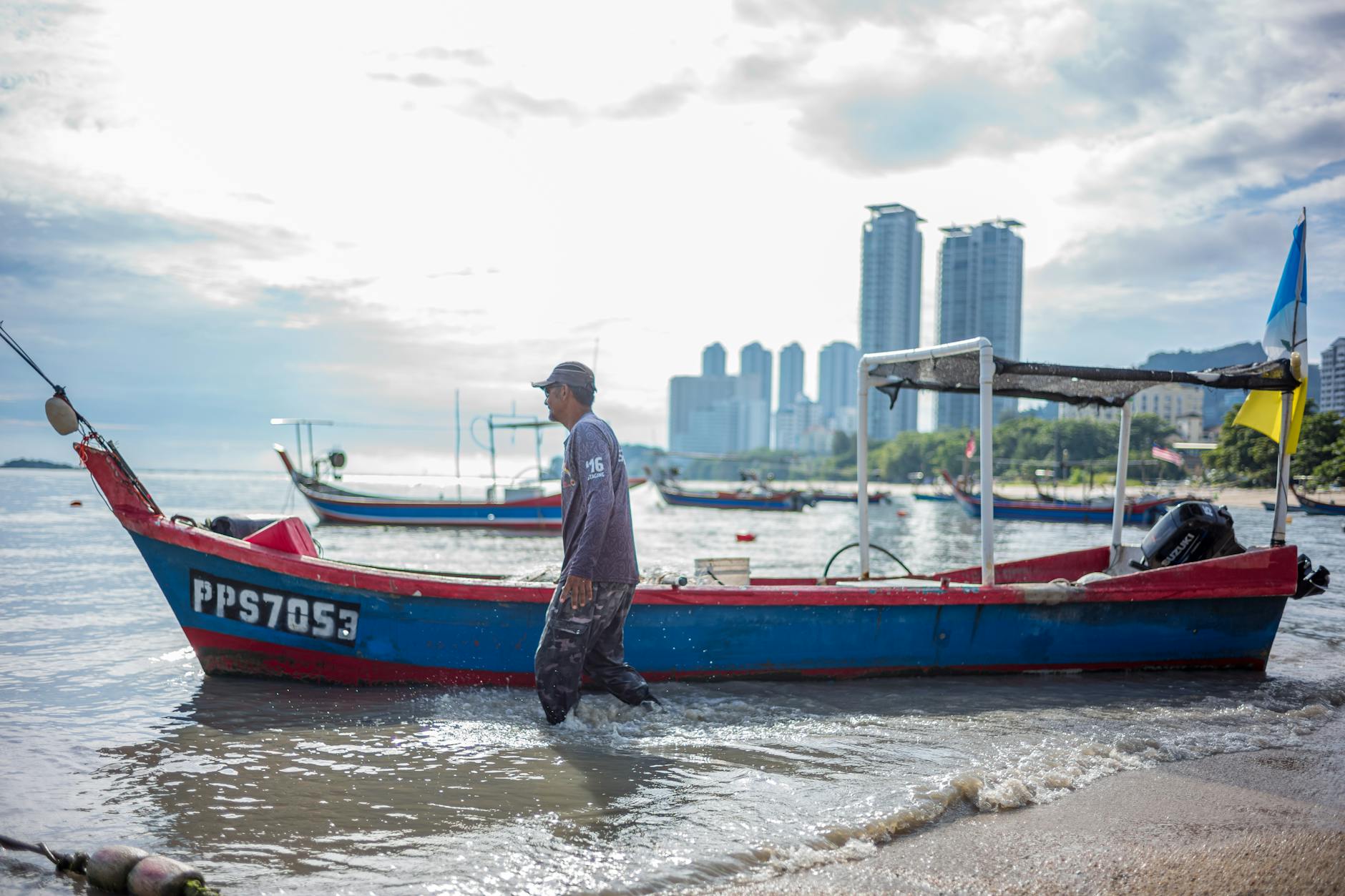
Thirty minutes on a RM14 ferry from the mainland town of Lumut, and you land on an island that most foreign visitors have never heard of. That is partly what makes Pangkor special. Pulau Pangkor sits in the Strait of Malacca off the Perak coast, a compact island of white sand beaches, century-old colonial ruins, and fishing villages where the day still begins with the sorting of the morning catch. It has none of the international hype of Malaysia’s east coast islands — and that gap is its greatest asset.

Why Pangkor Island Stands Out
What sets Pangkor apart from Malaysia’s more famous island destinations is the combination of accessibility, affordability, and authentic local culture. The ferry from Lumut costs just RM14 return for adults and takes 30 minutes, making it one of the cheapest island getaways in the country. Unlike the east coast islands that shut entirely during the November-to-February monsoon, Pangkor stays open year-round thanks to its sheltered position on the western seaboard.
The island keeps a genuine local character that busier resort islands have long since lost. Pangkor Town, the main settlement on the eastern coast, is a working fishing village where colorful boats line the harbor, fish dry on racks in the sun, and daily life revolves around the sea. This authenticity gives Pangkor a charm that no amount of resort development can replicate.
Pangkor is also home to one of Southeast Asia’s most celebrated luxury retreats. Pangkor Laut Resort occupies its own private island just three miles offshore, earning the number-one resort ranking from Conde Nast Traveller and inspiring Luciano Pavarotti to call it a paradise. This contrast between humble fishing village and world-class luxury gives the destination genuinely broad appeal.
If Pangkor whets your appetite for Malaysian island life, the country’s east coast has equally compelling options. The perhentian islands guide covers one of the best backpacker-friendly destinations in the region, while the tioman island guide details the dramatic jungle-clad island further south along the same coastline.
Best Beaches on Pangkor Island
Pangkor’s beaches sit along the western coast, which catches the sunset and benefits from calmer waters than the eastern side. Each beach has its own character, from active tourist favorites to secluded coves accessible only by boat.
Teluk Nipah Beach
Teluk Nipah is Pangkor’s most popular beach and the center of tourist activity. Soft white sand, clear shallow water, and a lively lineup of food stalls, water sports operators, and beachfront accommodation define the atmosphere. Banana boat rides, kayaking, jet skiing, and parasailing are all on offer, making Teluk Nipah the best pick for travelers who want beach relaxation combined with activity.
The gentle gradient and calm water make it a natural choice for families with young children. At sunset, the sky turns orange and purple over the silhouettes of nearby islands — one of the finest west-coast sunset views in Malaysia.
One of Teluk Nipah’s most charming features is the regular appearance of hornbills. These spectacular birds with oversized curved beaks visit the trees near the beach in the early morning and late afternoon, and have become one of the island’s most photographed attractions. Watching them swoop in is a free, genuinely memorable experience.
Coral Bay (Teluk Coral)
Coral Bay sits just north of Teluk Nipah, separated by a rocky headland you can cross on foot in a few minutes. The beach is smaller and quieter, with crystal-clear water and excellent snorkeling conditions directly from shore. The coral formations that give the bay its name are reachable within a few meters of wading, making this the best beach on Pangkor for casual snorkeling without booking a boat trip.
Backed by jungle, Coral Bay has a natural, uncommercial feel. A handful of small restaurants and guesthouses serve visitors, but the atmosphere stays relaxed. Water clarity commonly reaches 10 to 16 meters during calm conditions.
Pasir Bogak Beach
Pasir Bogak is a long curving beach on the western coast that draws a more local crowd — Malaysian families on weekend picnics and travelers wanting a quieter alternative to Teluk Nipah. Water sports are available, including jet skiing, parasailing, and banana boat rides, though on a smaller scale. Several mid-range resorts and seafood restaurants front the beach. The westward orientation delivers unobstructed Strait of Malacca sunsets.
Teluk Segadas
Teluk Segadas is one of Pangkor’s hidden gems: a secluded cove on the northwestern coast accessible by boat or a jungle trail from Teluk Nipah. The surrounding reefs shelter barracudas, snappers, and angelfish, and the relatively hard-to-reach location means the coral stays in excellent condition. Come prepared with water and snacks — there are no permanent facilities here. Boat trips from Teluk Nipah include it as a stop on island-hopping routes.
Pasir Giam Beach
Pasir Giam is a small, tranquil 500-meter stretch known as one of Pangkor’s best snorkeling spots. Accessible primarily by boat, it offers excellent marine biodiversity including luminescent mollusks, exotic algae, and various tropical fish not commonly found at the busier beaches.
Emerald Bay at Pangkor Laut
Emerald Bay on Pangkor Laut island is widely regarded as one of Malaysia’s most beautiful beaches. Ancient rainforest, rocky outcrops, and emerald green water frame the bay, creating the image that defines Pangkor Laut Resort’s identity. The beach is exclusively for resort guests, which keeps it uncrowded and pristine. Chapman’s Bar serves food and drinks throughout the day. Snorkeling here reveals branching corals, barrel sponges, and mushroom corals supporting colorful reef fish.
Snorkeling and Diving
The waters around Pangkor offer rewarding snorkeling and diving, with healthy coral formations and diverse marine life benefiting from the island’s position in the relatively calm Strait of Malacca.
Best Snorkeling Spots
Coral Bay is the most accessible location, with coral gardens reachable directly from the beach. Pink and green parrotfish, turquoise moon wrasses, butterflyfish, and damselfish move among brain coral, staghorn coral, and sea fans. Teluk Segadas offers the island’s best underwater scenery for those willing to take a boat — reef formations in excellent condition, with greater diversity of hard and soft corals and occasional reef sharks. Pasir Giam Beach provides another solid snorkeling destination by boat, with species not commonly found at more accessible spots.
The Pangkor Island Marine Park on the southern coast is a protected area serving as habitat for dolphins, sea turtles, and abundant reef fish. Snorkeling within the marine park gives you healthier coral and more marine life than unprotected sections.
For a broader comparison of snorkeling quality across Malaysian islands, the redang island guide covers one of the clearest-water destinations on the east coast, offering a useful benchmark for what excellent visibility looks like.
Diving
Tiger Rock off the western coast is Pangkor’s most renowned dive site. Underwater rock formations attract barracudas, snappers, angelfish, moray eels, and scorpionfish. Visibility typically ranges from 8 to 16 meters during the dry season. The waters around Pangkor are particularly good for macro diving — seahorses, nudibranchs, and juvenile moray eels reward underwater photographers. Several operators offer PADI certification courses and guided dives for certified divers.
If dedicated dive trips are a priority, sipadan island diving off Sabah in Borneo represents the pinnacle of Malaysian underwater experiences, with hammerhead sharks and massive schools of barracuda that are in a different league from anything on the peninsula.
Island Hopping Tours
Island hopping tours from Teluk Nipah or Pasir Bogak visit the best snorkeling spots around Pangkor and the surrounding smaller islands. Tours run three to four hours and typically stop at Coral Bay, Teluk Segadas, Pasir Giam, and other locations, with equipment provided. This is the most efficient way to cover the island’s underwater diversity in a single outing.
Historical and Cultural Attractions
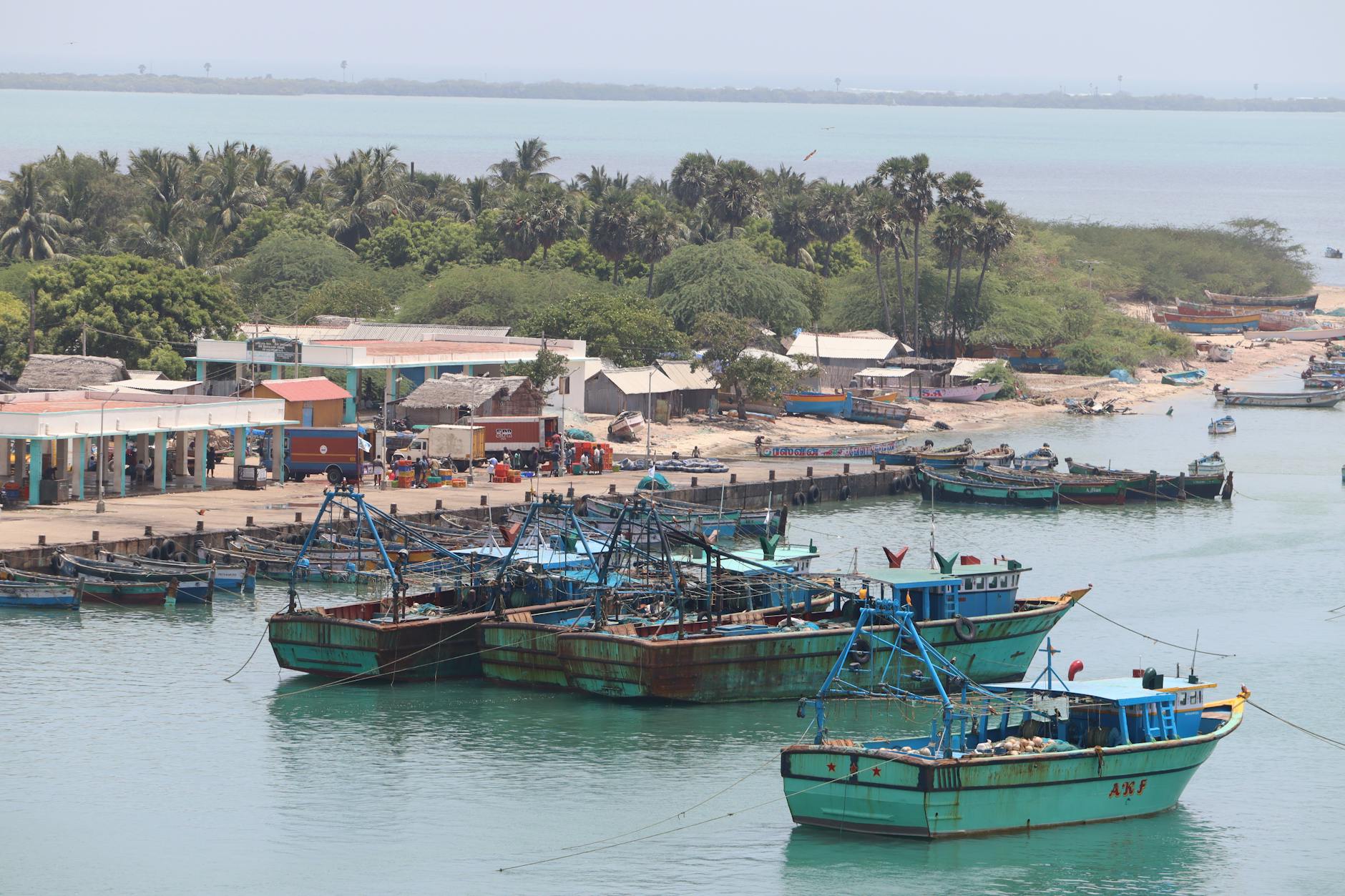
Pangkor’s history stretches back centuries and reflects the island’s strategic importance in the Strait of Malacca tin trade. Several historical sites provide fascinating windows into the colonial era.
Dutch Fort (Kota Belanda)
The Dutch Fort, known locally as Kota Belanda, is Pangkor’s most significant historical landmark. The Dutch East India Company originally built it in 1670 as a strategic outpost for controlling the region’s lucrative tin trade, using it as a storage facility for tin extracted from the Perak Sultanate.
Dutch heavy-handed tactics bred growing resentment among the Malay population, and in 1690 a local rebellion destroyed the fort. The Dutch rebuilt it and from 1743 to 1748 stationed approximately 60 soldiers here — 30 of them Europeans — to protect their tin interests. After the Dutch eventually withdrew, the fort fell into ruin. The Malaysian Museum Department reconstructed it in 1973 and gazetted it as a protected historical monument under the Antiquities Act in 1978.
Today you can explore the restored walls and read information panels about the colonial era. The fort sits in the scenic fishing village of Kampung Teluk Gedung, making it easy to combine a historical visit with a walk through an authentic Malay kampung.
The Treaty of Pangkor
Pangkor holds a special place in Malaysian history as the site where the Pangkor Treaty was signed in 1874. This agreement between the British and the Perak Sultanate established the system of British Residents in the Malay States, fundamentally shaping the political landscape of modern Malaysia. A memorial marking the treaty site provides context for this pivotal moment in the nation’s story.
Foo Lin Kong Temple
The Foo Lin Kong Temple is one of Pangkor’s oldest Chinese temples, dating to the early settlement of Chinese tin miners and fishermen on the island. Traditional Chinese architecture, intricate carvings, and colorful decorations define the space, and the grounds include a miniature replica of the Great Wall of China. The temple remains an active place of worship and offers insight into the Chinese community’s deep historical roots here.
Pangkor Town and Fishing Villages
Pangkor Town on the eastern coast is the island’s main settlement and heart of its fishing industry. A walk through the harbor reveals colorful fishing boats, fish-drying racks laden with ikan bilis (anchovies) — Pangkor is one of Malaysia’s largest producers of dried anchovies — and small shops selling dried seafood. The morning fish market is a lively spectacle where the day’s catch is sorted and sold, a glimpse into island life that has changed little over generations.
Sungai Pinang Kecil, another fishing village on the eastern coast, serves as the island’s secondary ferry terminal and provides a similarly authentic experience of Malay fishing culture. The eastern coast villages are the cultural heart of Pangkor, a welcome contrast to the tourist-oriented western beaches.
Masjid Seribu Selawat (Floating Mosque)
The Masjid Seribu Selawat, built in 2016 on stilts over the water, is the first floating mosque in the state of Perak and has become a popular photographic subject, especially at sunset when it reflects in the calm water around it. Non-Muslim visitors are welcome to view and photograph the striking structure from outside.
Nature and Wildlife

Despite its compact size, Pangkor supports a diverse range of wildlife and several nature experiences that complement the beach activities.
Hornbill Watching
Pangkor is home to a population of Oriental Pied Hornbills — large, charismatic birds with distinctive curved beaks and black-and-white plumage. They are most commonly seen near Teluk Nipah in the early morning and late afternoon, where regular feeding sessions bring them to close range. The hornbills have become an unofficial symbol of Pangkor and are among the island’s most beloved free attractions.
Jungle Trekking
Several jungle trails cross the island’s forested interior, offering chances to spot long-tailed macaques, monitor lizards, flying squirrels, and various bird species. The trail from Teluk Nipah to Coral Bay is a short, easy 15-to-20-minute walk over the headland through jungle habitat. Longer trails lead across the island to the eastern coast — a more immersive experience showing the contrast between the tourist western beaches and the fishing village eastern shore.
Pangkor Laut Rainforest
The private island of Pangkor Laut is home to 300 acres of ancient virgin rainforest estimated to be two million years old. Guests of Pangkor Laut Resort can explore this pristine jungle on guided nature walks led by the resort’s in-house naturalist, encountering ancient trees, tropical birds, monitor lizards, and other wildlife in one of the oldest intact rainforest environments in the region.
Where to Stay on Pangkor Island
Accommodation on Pangkor ranges from simple guesthouses to international-standard resorts, concentrated around the main beach areas on the western coast.
Budget Options
Pangkor Village Beach Resort and various guesthouses in the Teluk Nipah area offer affordable rooms from RM50 to RM100 per night. These budget accommodations provide basic but clean rooms, often with fan cooling, and benefit from proximity to the beach and local restaurants.
ShopLot Hostel Pangkor provides backpacker-style accommodation with dormitory beds and private rooms at budget prices. Staff can help arrange island activities and transportation.
Mid-Range Options
Coral Bay Resort is a comfortable 3-star property near the beach, catering well to families with an arcade game room, playground, and swimming pool. The location gives easy access to both Coral Bay and Teluk Nipah beaches.
Pangkor Sandy Beach Resort sits on the beachfront at Pasir Bogak, offering direct beach access and water sports including parasailing, jet ski rentals, and kayaking. Comfortable air-conditioned rooms at reasonable 3-star prices.
Pangkor Island Beach Resort (Puteri Bayu) offers organized activities and tour packages, making it a convenient base for exploring the island.
Luxury Options
Pangkor Laut Resort is the undisputed luxury option, occupying its own private 300-acre island three miles offshore. Voted the number one resort in the world, it offers Sea Villas on stilts over the water, Beach Villas among tropical gardens, Spa Villas with private treatment facilities, Hill Villas above the treetops, and exclusive Estates with private pools and butler service. The world-renowned Spa Village draws on traditional Malay, Chinese, and Indian healing practices. Rates start from approximately RM1,500 per night, with all-inclusive packages available.
DoubleTree by Hilton Damai Laut Resort sits on the mainland coast overlooking Pangkor Island, offering accessible luxury with beach access, a full-service spa, and water sports including windsurfing, kayaking, and jet skiing.
Food and Dining
Seafood is the cornerstone of Pangkor’s culinary scene, and the island’s fishing heritage ensures an exceptional supply of fresh fish, prawns, squid, and shellfish.
Local Specialties
Ikan bilis — dried anchovies — is Pangkor’s signature product. The island is one of Malaysia’s largest producers, processed using traditional sun-drying methods in the eastern fishing villages. Crispy fried anchovies alongside other fresh seafood are staples at restaurants across the island. Grilled fish, butter prawns, chili crab, and steamed grouper are among the most popular dishes, typically prepared in Malay or Chinese cooking styles reflecting the island’s multicultural community.
Where to Eat
Daddy’s Cafe at Teluk Nipah is one of the island’s most popular dining spots, known for seafood dishes, a beachside setting, and friendly atmosphere. The restaurants lining Teluk Nipah beach cover Malay, Chinese, and Western dishes. Pangkor Town has several local eateries serving authentic food at very affordable prices — eating here provides a more local experience and dishes not found at tourist-oriented restaurants. For fine dining, Pangkor Laut Resort offers Uncle Lim’s Kitchen for Straits Chinese cuisine and Fisherman’s Cove for fresh seafood in an overwater setting.
Getting to Pangkor Island
By Road to Lumut
From Kuala Lumpur, the drive to Lumut takes three to four hours via the North-South Expressway and connecting roads. Buses from Kuala Lumpur, Ipoh, and other major cities serve Lumut, with the station near the ferry terminal. From Ipoh, the journey takes around one and a half hours by car.
Ferry from Lumut
Ferries from Lumut Jetty to Pangkor depart approximately every 30 to 45 minutes. The first ferry leaves Lumut at 7:00 AM, the last at 8:30 PM. From Pangkor, the first return departs at 6:30 AM and the last at 8:30 PM. The crossing takes 30 minutes. Fares are RM14 adult return, RM7 for children aged 5 to 12. Ferries dock at Pangkor Town (Sungai Pinang Besar) and Sungai Pinang Kecil — travelers heading to the western beaches should ride to Sungai Pinang Kecil, closer to Teluk Nipah and Pasir Bogak.
Marina Island Alternative
An alternative ferry route operates from Marina Island Jetty near Lumut, with a shorter 10-to-15-minute crossing. Adult fares are RM10 one way. This route can be more convenient for visitors arriving by car, as Marina Island has better parking than Lumut Jetty.
Getting Around Pangkor
On the island, you have three main options: motorcycle taxis, rental motorcycles, and the pink minibuses that serve as local public transport. Rental motorcycles are the most popular way to explore independently, costing roughly RM40 to RM60 per day. A full circuit of the island takes about 40 minutes by motorcycle, making it easy to cover multiple beaches and attractions in a day. Bicycle rentals are also available, though the island’s hills can be challenging on some routes.
Best Time to Visit
One of Pangkor’s greatest advantages over the east coast islands is its year-round accessibility. Pangkor’s sheltered position in the Strait of Malacca keeps it open when the east coast shuts down. This also applies to the west coast generally — the langkawi beaches guide covers another excellent year-round option further up the same seaboard.
The dry season from November through April offers the best beach conditions — predominantly sunny skies, calm seas, and excellent visibility for snorkeling and diving. This corresponds to the northeast monsoon, which brings wet weather to the east coast but leaves the west coast relatively dry.
The wet season from May through October brings more frequent rainfall, usually short, heavy afternoon showers rather than all-day rain. Sea conditions may be rougher and snorkeling visibility reduced. The trade-off: fewer tourists, lower accommodation prices, and lush green landscapes.
Weekends and Malaysian public holidays see significantly higher visitor numbers, particularly at Teluk Nipah. Visiting on weekdays delivers a noticeably quieter experience. The school holiday periods in March, June, and December are the busiest times on the island.
Practical Information
Money
ATMs are available in Pangkor Town and near Teluk Nipah, but availability can be unreliable. Bring sufficient cash from the mainland. Most larger resorts accept credit cards; smaller guesthouses, restaurants, and activity operators often work cash only.
Connectivity
Mobile data from major Malaysian carriers is generally reliable across most of the island. WiFi is available at most accommodations, though speeds vary. Pangkor Town has the most consistent connectivity; some remote beaches may have limited signal.
What to Bring
Pack reef-safe sunscreen, insect repellent, comfortable walking shoes for jungle trails and rocky headlands, a waterproof phone case for water activities, and sufficient cash. Snorkeling equipment can be rented on the island, but bringing your own means a better fit and greater hygiene.
Responsible Tourism
Never touch or stand on coral formations, and use reef-safe sunscreen when snorkeling or swimming. Take all rubbish with you — waste management on small islands is a significant environmental challenge. When visiting the fishing villages, respect local customs and ask permission before photographing people or their properties. Pangkor’s appeal lies in its authentic, unspoiled character, and responsible choices from visitors help preserve it.
Final Thoughts
Pangkor Island rewards travelers willing to skip past the more famous destinations. The fishing villages still fish, the jungle trails still wind through untouched forest, the hornbills still swoop through the trees at Teluk Nipah, and the beaches still offer the kind of simple tropical beauty that makes you want to stay another week. Exploring the Dutch colonial ruins of Kota Belanda, snorkeling over coral at Teluk Segadas, watching the sun drop into the Strait of Malacca from Pasir Bogak, or indulging in world-class comfort at Pangkor Laut Resort — each experience is distinctly Pangkor, and together they add up to one of Malaysia’s most genuine island destinations.