Malaysia with Kids: Family Travel Guide & Best Activities (2026)
A price-checked, season-checked guide to Malaysia with kids: KL's attraction cluster costed out, theme park stroller logistics, car-seat law, vaccine questions worth asking, and which islands actually close for the monsoon.
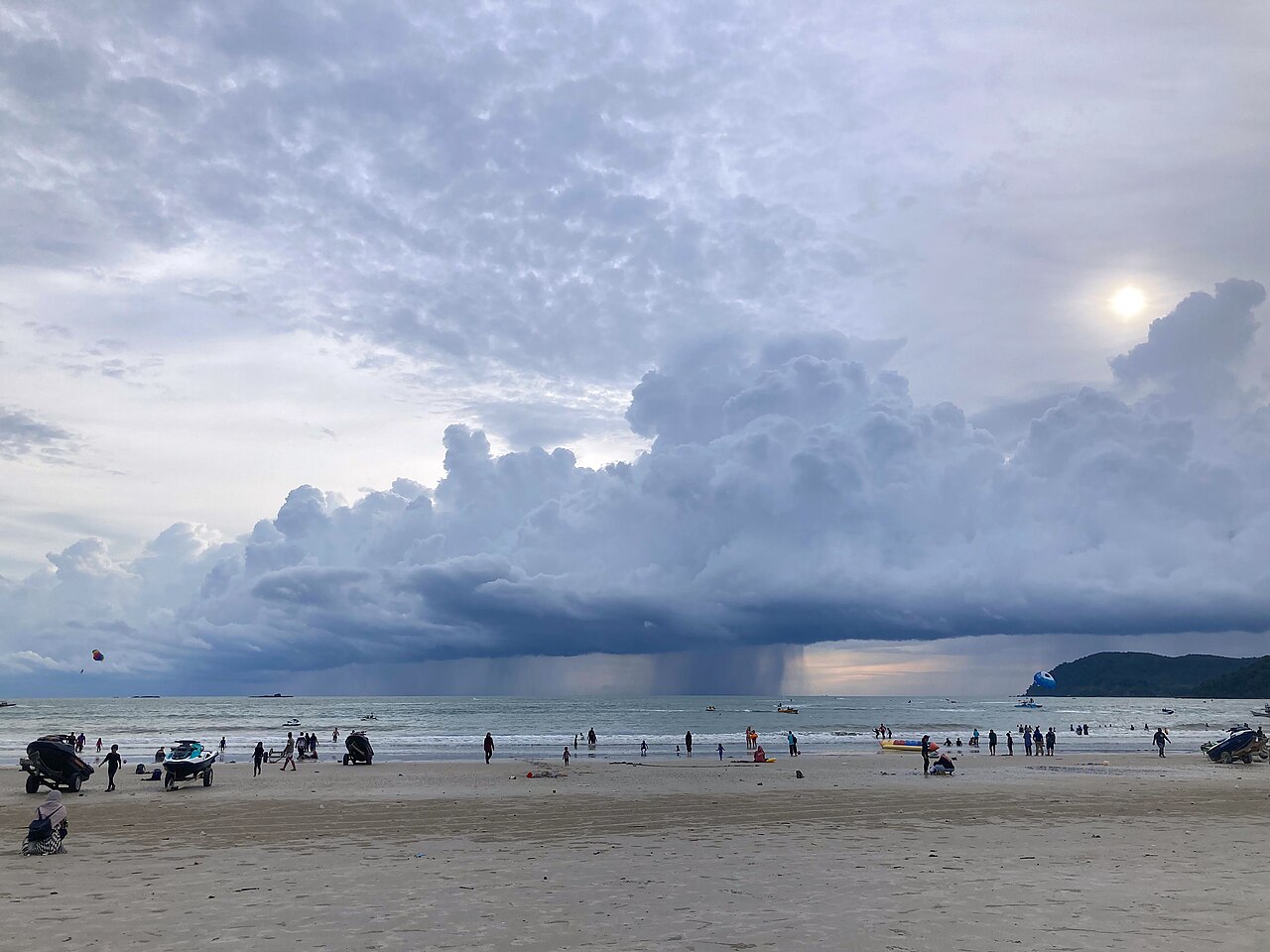
Malaysia with kids works when the itinerary is built around nap schedules, monsoon timing and the real price of admission tickets — not around a highlight reel of photos. A family of four working through Kuala Lumpur’s headline kid attractions one by one, Bird Park, Aquaria, Petrosains, KidZania, can spend more on entrance fees in a single day than on the hotel room that night. Get the sequencing wrong on the other side of the country and you can also turn up at a jetty in December to find the boat to your island simply isn’t running.
Two constraints shape everything else in this guide. First, Malaysia’s east-coast islands, Perhentian, Redang and Tioman, close to boat traffic during the northeast monsoon, roughly November through February, so a beach-heavy itinerary booked for December needs a different coast entirely. Second, Malaysian law requires a proper child restraint for any child under 136cm riding in a private vehicle, but Grab and standard taxis are legally exempt from providing one — a detail almost no other family guide to Malaysia mentions, and one that changes what you pack.
This guide sequences the country the way a parent actually needs it: which base city earns its keep, what the theme parks and wildlife parks cost once strollers and transport are added in, when the islands physically close for the season, and the two safety questions, car seats and vaccinations, that most travel blogs skip past entirely. It sits inside our broader guide to Malaysia for every kind of traveler, which covers the other travel styles this site plans for. Every number below comes from a verified source; where a price varies by source we say so and tell you to confirm it before you book.
Malaysia With Kids: The 60-Second Version
| Question | Short answer |
|---|---|
| Best base city for families | Kuala Lumpur for attraction density; Langkawi for a slower, resort-based trip |
| Minimum trip length that works | 7 days for one base plus a short island add-on; 10-14 days to combine KL, an island and Borneo without rushing |
| Car seat required? | Yes, under 136cm in private vehicles — bring a portable one, since Grab and taxis are exempt from providing them |
| Vaccines to discuss with a travel doctor | Japanese encephalitis (Ixiaro, approved from 2 months old) and routine boosters; no general dengue vaccine for kids |
| Islands to avoid Nov-Feb | Perhentian, Redang and Tioman close or become unreliable in the northeast monsoon |
| Biggest single cost | Theme park admission — a family of four at Sunway Lagoon can exceed RM 900 (about US$222) at the walk-in rate |
Where to Base Yourselves With Kids
Malaysia doesn’t have one obvious family base — it has four reasonable ones, and the right choice depends on the ages of your kids and how much driving you’re willing to do.
Kuala Lumpur: the most attractions per kilometre
KL has the country’s highest concentration of purpose-built kid attractions inside a single Grab ride of each other: the Bird Park, Aquaria KLCC, Petrosains, KidZania and, a 30-40 minute drive out, Sunway Lagoon. It’s the strongest choice for families with kids under 10 who tire of long car journeys, and for anyone whose trip is under a week. See our full Kuala Lumpur travel guide for neighborhood and hotel detail beyond what’s covered here.
Langkawi: the slower, resort-based option
Langkawi trades attraction density for beach time and resort infrastructure built specifically for families — several properties run dedicated kids’ clubs, which matters more than a packed itinerary once you’re traveling with toddlers or preschoolers. It’s also duty-free, which keeps sunscreen and snacks cheaper than on the mainland. Full logistics are in our Langkawi travel guide.
Penang: better for kids 8 and up
Penang’s draw is street food and heritage architecture rather than kid-specific attractions, so it rewards families with older children who can walk George Town’s streets and appreciate the food without needing a nap schedule built around it. Younger kids tend to do better in KL or Langkawi first.
Borneo: for kids who can handle a jungle walk
Sabah and Sarawak are a wildlife-first trip rather than a theme-park one — orangutans, proboscis monkeys and rainforest boardwalks instead of rides and air conditioning. It works best for kids roughly 6 and up who can manage humidity, uneven trails and early starts. More on this below, including the specific wildlife site worth building a Borneo day around.
Best Kuala Lumpur Attractions for Kids: A Real Price Comparison
Almost every family blog names the same five KL attractions and stops there. What they don’t do is put the current prices side by side — and pricing across these five moves often enough, and is reported inconsistently enough across booking sites, that you should treat the table below as a planning starting point rather than a checkout total.
| Attraction | Adult | Child | Note |
|---|---|---|---|
| KL Bird Park | ~RM 54-63 (about US$13-16) | Lower, varies by age band | Figures differ across sources — confirm before booking |
| Zoo Negara | ~RM 38-47 (about US$9-12) | Lower, varies by age band | Range varies by source; check the operator’s site |
| Aquaria KLCC | Check operator site | Unconfirmed | Child pricing is reported inconsistently across booking sites |
| Petrosains | Check operator site | Check operator site | Current rates aren’t consistently reported — verify directly |
| KidZania KL | Per-child pricing only | ~RM 85-120 (about US$21-30, unconfirmed) | Widely quoted by blogs but not confirmed against current operator pricing |
KL Bird Park
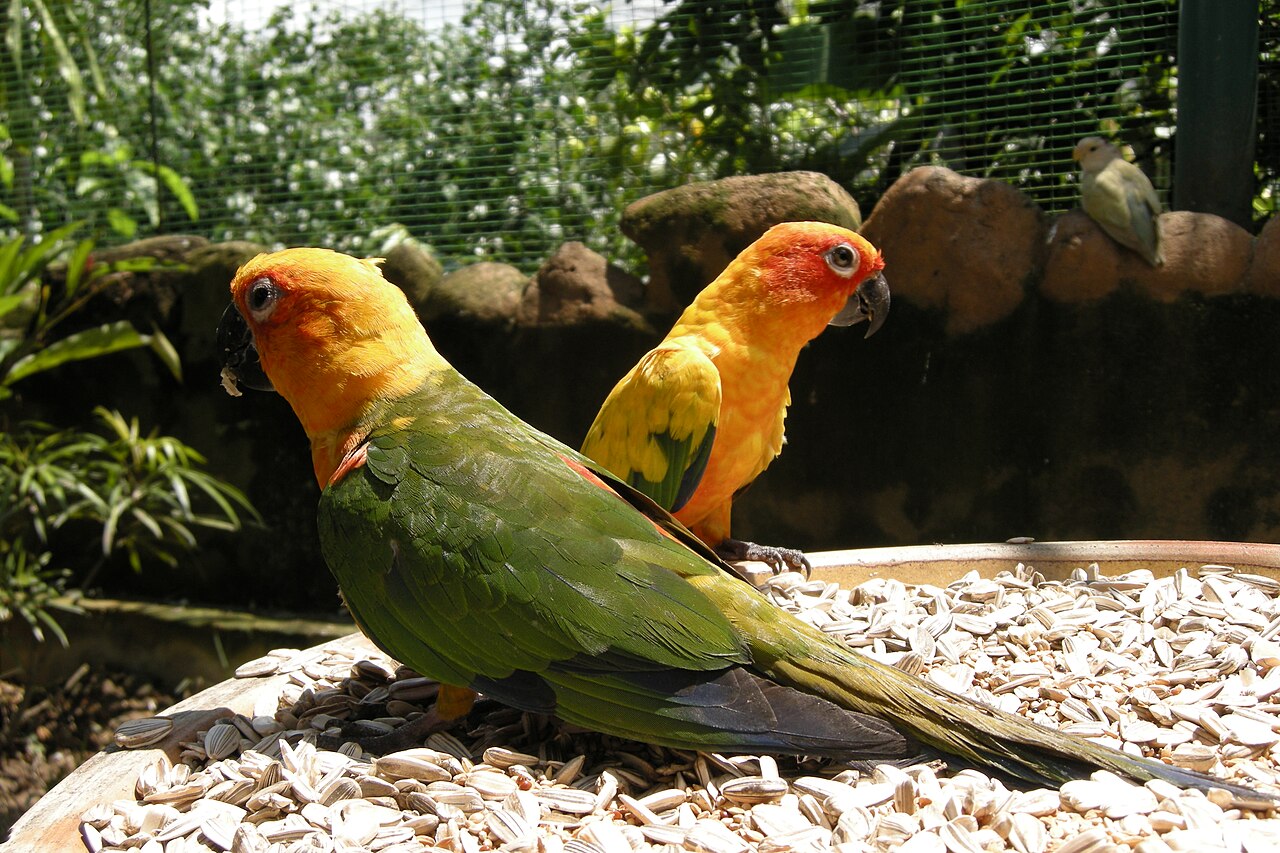
One of the world’s largest covered bird parks and still the single best half-day for kids under 8 in the city — open-flight aviaries mean birds land close enough to see clearly without binoculars. Budget two to three hours. Go early; by mid-morning the walk-through aviaries get warm and the birds retreat into the canopy.
Zoo Negara
Bigger and less polished than the Bird Park, with more walking between enclosures and less shade — worth it if your kids are animal-obsessed, skippable if you’re tight on a single KL day and have already booked Bird Park or Aquaria. Go in the cooler first two hours after opening.
Aquaria KLCC and Petrosains
Both sit inside the KLCC complex, so they pair naturally with a Petronas Towers visit and a break in the park outside. Aquaria’s underwater tunnel is the better fit for kids under 6; Petrosains’ hands-on science exhibits suit kids roughly 7 and up who can follow instructions at a station rather than just watching. Neither publishes pricing consistently enough across sources for us to quote a number here with confidence — check the operator’s own site the week you travel.
KidZania KL
A role-play city where kids “work” simulated jobs and earn play currency — best for ages 4-12, and best booked for a specific timed session rather than a walk-in, since sessions can sell out on weekends and school holidays. Confirm the current per-child price directly with KidZania before you commit; the RM 85-120 figure that circulates on blogs isn’t confirmed against the operator’s own current pricing.
Theme Parks Worth the Money (and the Stroller Math)
Theme parks are where a Malaysia-with-kids budget actually breaks or holds. The gap between the walk-in price and the online rate is large enough that buying at the gate is close to the most expensive mistake you can make on this trip.
| Park | Ticket | Price | Note |
|---|---|---|---|
| Sunway Lagoon | Walk-in, adult (13+) | RM 268 (about US$66) | Buy online instead if you can |
| Sunway Lagoon | Walk-in, child (12 and under) | RM 200 (about US$49) | Under 90cm enters free |
| Sunway Lagoon | Online, Malaysian/MyKad adult | RM 193 (about US$48) | Domestic online rate |
| Sunway Lagoon | Online, Malaysian/MyKad child | RM 145 (about US$36) | Domestic online rate |
| Sunway Lagoon | Stroller rental, single | RM 83 total (about US$20) | RM 50 deposit + RM 33 fee |
| Sunway Lagoon | Stroller rental, double | RM 98 total (about US$24) | RM 50 deposit + RM 48 fee |
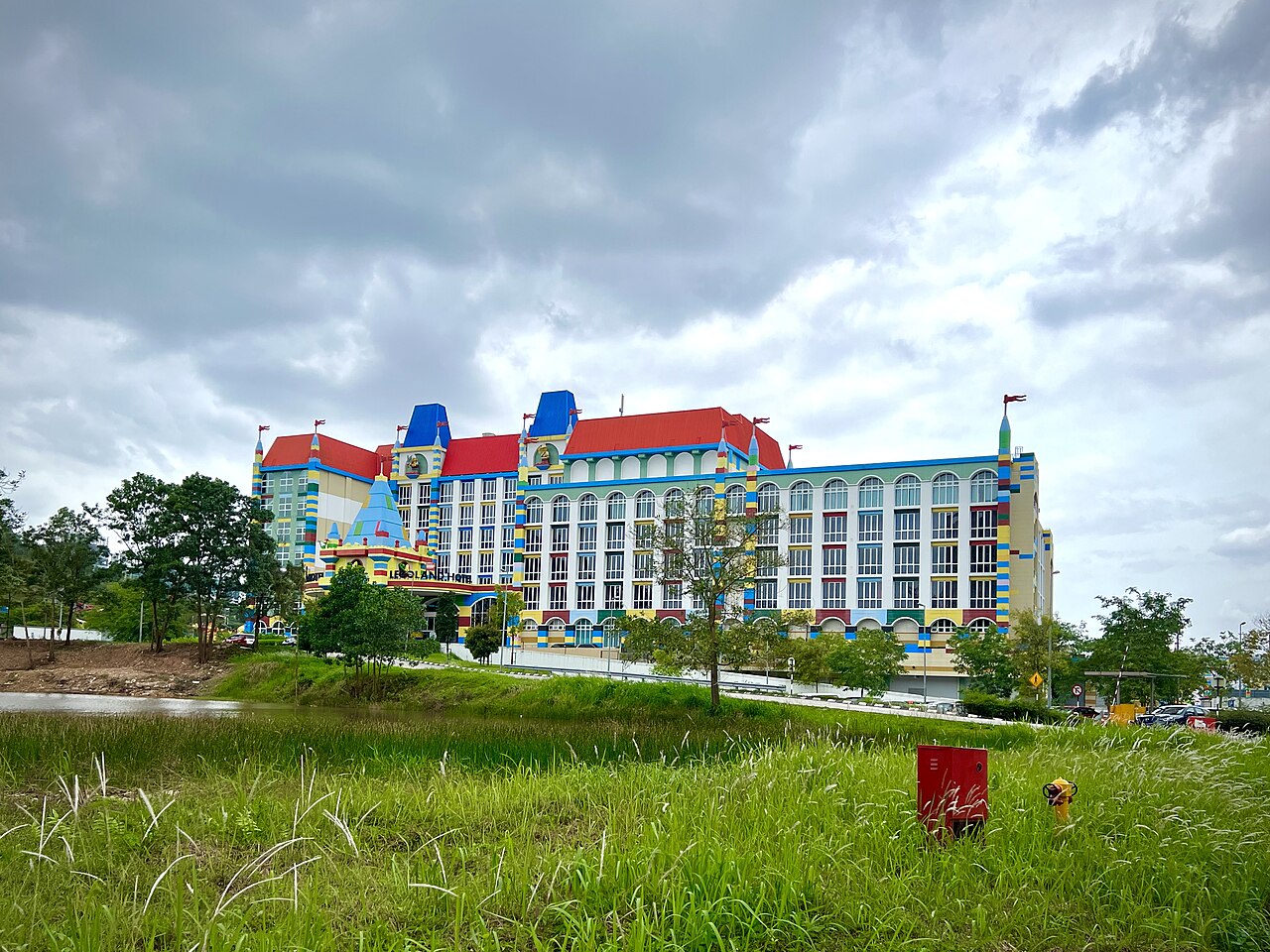
| Legoland Malaysia (Johor Bahru) | Standard entry | From RM 84 (about US$21) | “From” price — packages and combo tickets cost more |
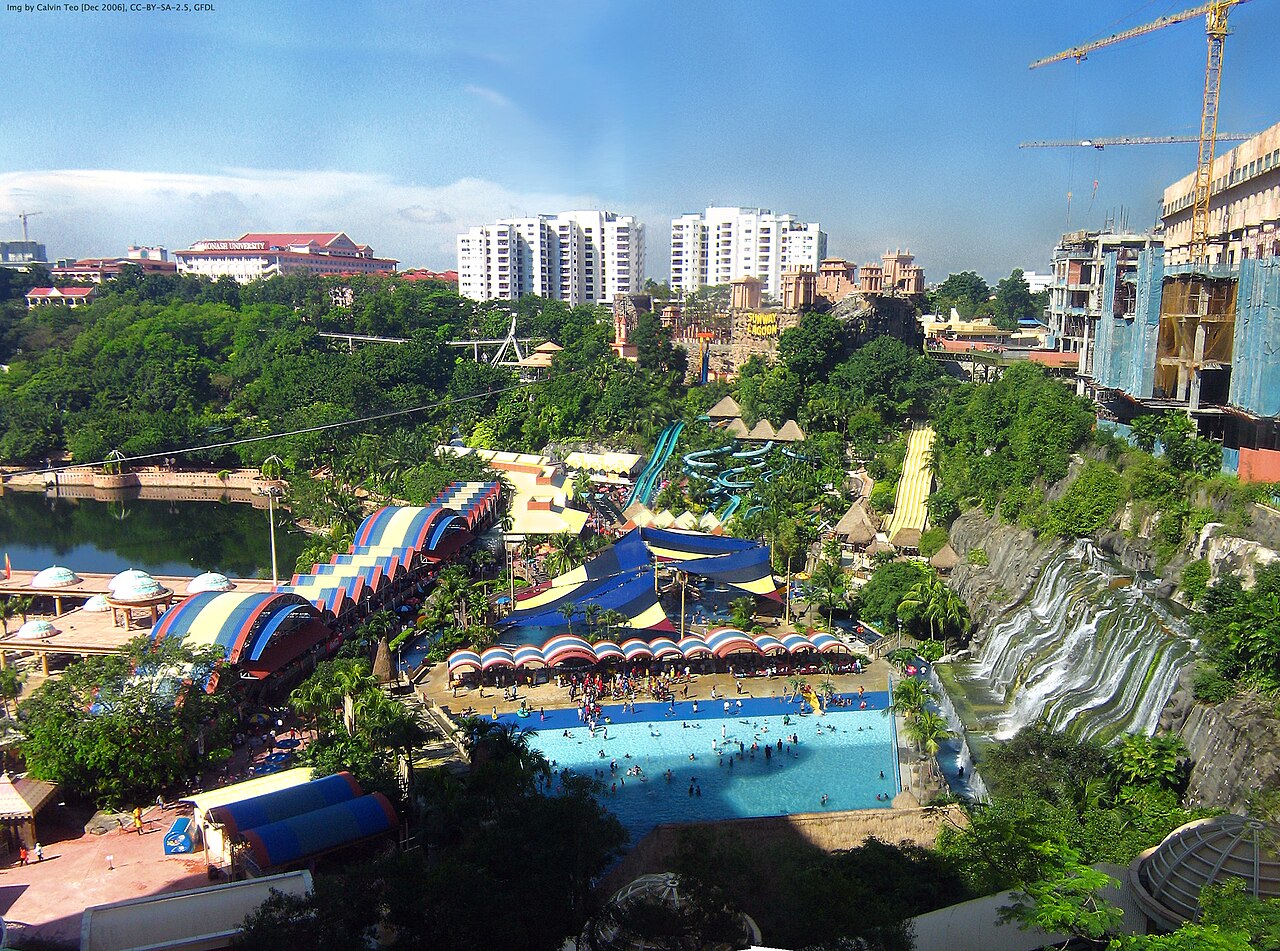
Sunway Lagoon is the better single-day choice if you’re KL-based: it combines a water park, amusement rides, a wildlife zone and a scream park inside one admission, so one ticket covers a full day for kids across a wide age range. It sits inside our broader Malaysia theme parks guide, which covers the rest of the country’s parks in more depth. Legoland Malaysia, two-plus hours south in Johor Bahru, is worth the detour specifically for kids roughly 2-10 who are still into building-block play — older kids tend to find the ride lineup tame next to Sunway Lagoon’s.
What to Skip
Every attraction cluster has one or two entries that cost more in time or money than they return. Here’s what to leave off a family itinerary, based on the arithmetic above rather than a gut feeling.
- Buying Sunway Lagoon tickets at the gate. The walk-in adult rate is roughly RM 75 more than the online Malaysian/MyKad rate — for a family of four that gap alone can cover a night’s hotel stay.
- Trying to fit KL, an island and Borneo into one week. Each leg needs a flight or a long transfer; compress them and you’ll spend more of the trip in transit than at any attraction.
- Booking a December or January beach trip to Perhentian, Redang or Tioman without checking current boat schedules first. The monsoon doesn’t just make crossings rough — operators often suspend service entirely.
- Assuming a standard Grab or taxi will have a car seat. It legally doesn’t have to, and most don’t. Bring a portable one or budget for GrabFamily where it’s actually available.
- Doing Zoo Negara and KL Bird Park on the same day. Both involve significant outdoor walking in heat and humidity; kids under 8 tend to melt down by attraction two.
Beaches and Islands With Kids
Malaysia’s islands split into two groups for family planning purposes: the resort-heavy Andaman coast around Langkawi, which runs on a different seasonal pattern, and the east-coast islands, which shut down hard for several months a year. Mixing the two up when you book is the single most common planning mistake we see in family trip requests. Our full Malaysia islands guide covers the rest of the archipelago beyond what’s below.
Langkawi: the reliable choice
Langkawi sits on the west coast and isn’t subject to the same northeast monsoon shutdown as the east-coast islands, which makes it the more dependable pick if your travel dates aren’t flexible. It’s also the island with real family infrastructure: the Four Seasons Resort Langkawi runs a dedicated children’s program, the Lutong Kids Club, and The Westin Langkawi Resort & Spa operates its own Westin Family Kids Club. Both are worth booking directly through the resort to confirm current age brackets and hours, but the fact that a named, staffed kids’ club exists at all is a genuine point of difference from a generic beach hotel. See our Langkawi resorts guide for the full lineup of family-friendly properties.
| Resort | Kids’ club | Note |
|---|---|---|
| Four Seasons Resort Langkawi | Lutong Kids Club | Dedicated on-site children’s program |
| The Westin Langkawi Resort & Spa | Westin Family Kids Club | Dedicated on-site children’s program |
The east coast: Perhentian, Redang and Tioman
These three islands deliver the clearest water and best snorkeling in the country, but all three effectively close, or become unreliable to reach, during the northeast monsoon, roughly November through February. Treat this as a hard planning constraint rather than a detail: boat operators reduce or suspend crossings, and some resorts close entirely for the season. If your trip dates fall inside that window, plan for Langkawi instead and save the east coast for a return trip. Detailed logistics for each are in our Perhentian Islands guide and Tioman Island guide.
Borneo With Kids: Orangutans and Rainforest
Sarawak’s Semenggoh Wildlife Centre, just outside Kuching, is the most reliable place in Malaysia to see wild orangutans without a multi-day jungle expedition. Feeding times are 9am and 3pm, and sighting odds are meaningfully better from April through November, outside the fruiting season, when the semi-wild orangutans are more likely to come in for supplementary food rather than forage on their own. It’s an easy half-day trip from Kuching and one of the few Malaysia wildlife experiences that reliably works for kids as young as 6 — the viewing platform is a short, flat walk rather than a trek. Our guide to seeing orangutans in Malaysia covers the ethics and logistics of this and other sites in more depth, and our Kuching travel guide covers the base city itself.
Beyond Semenggoh, Borneo with kids works best as a slower, shorter-radius trip than a Peninsula itinerary — plan fewer stops and more downtime between them, since humidity and jungle terrain tire young kids faster than a city day does.
Health and Safety for Traveling With Kids in Malaysia
Car seats: the law most guides get wrong
Malaysia has required a proper child restraint for any child under 136cm riding in a private vehicle since January 2020, with a fine of RM 2,000 (about US$494) for non-compliance. What most family travel guides don’t mention is that Grab and standard metered taxis are legally exempt from providing a child seat. GrabFamily, Grab’s car-seat-equipped service tier, exists, but availability is limited outside KL and shouldn’t be relied on as your only plan. The practical fix is a lightweight, portable travel car seat or booster packed in your check-in bag — see our Malaysia transportation guide for how this fits into getting around the country more broadly, and our Malaysia packing list for what else earns its space in the bag.
Vaccinations: what’s actually worth asking about
Japanese encephalitis is the mosquito-borne illness parents ask about most, and the Ixiaro vaccine is approved for children from 2 months to 16 years old. In context, overall JE incidence among travelers from non-endemic countries is under 1 case per 1 million travelers — a genuinely low-probability risk, but one worth a conversation with a travel doctor rather than a decision you make on your own, since the right call depends on trip length, itinerary and how much time you’ll spend in rural or agricultural areas.
Dengue is a different story: it’s a year-round risk across Malaysia, with outbreaks recurring on a roughly two-to-five-year cycle, and there’s no vaccine broadly recommended for traveling children. Qdenga, the dengue vaccine that does exist, is only indicated for people aged 4 and up with a prior confirmed dengue infection — it is not a general child-travel vaccine, whatever a pharmacy website’s autocomplete suggests. Mosquito-bite prevention (repellent, covering up at dawn and dusk, screened or air-conditioned sleeping spaces) remains the actual defense. A solid Malaysia travel insurance policy that covers medical evacuation is worth having regardless of which vaccines you get.
Planning Order: What to Book First
Family trips fall apart less often from bad attractions and more often from bad sequencing. Booking in the wrong order tends to lock you into a route before you’ve confirmed the pieces that actually constrain it.
- Flights first, and check your dates against the monsoon calendar before you commit — a trip built around Perhentian or Redang in December needs to change shape, not just hope the weather cooperates.
- Island resorts second, especially anything on the east coast near the shoulder months of the monsoon (October-November, March), when individual properties open and close on their own schedules rather than a fixed date.
- Theme park tickets third, bought online rather than at the gate — the Sunway Lagoon gap alone between walk-in and online pricing makes this the highest-value five minutes of planning in the whole trip.
- Timed-entry attractions fourth: KidZania sessions and any other slot-based booking, since these sell out on weekends and school holidays well before the trip.
- Car seat and travel insurance last on the list to book but first on the list to research, since both depend on final headcounts and ages rather than the route itself.
On timing more broadly: Malaysian school holidays cluster around several periods across the year and draw domestic families to the same theme parks and attractions you’re planning to visit, so queues and pricing both firm up during those weeks. Check the current academic calendar for your travel year and aim for a shoulder week if your schedule allows it. Outside of that, the clearest date-driven rule in this whole guide remains the one already covered above: keep beach weeks off the east coast between November and February.
FAQ: Malaysia With Kids
Is Malaysia safe to travel with kids?
Yes, in the sense that most visiting families care about: violent crime targeting tourists is rare, hospitals in KL and the major cities are well equipped, and infrastructure for families (car seats aside) is generally good. The practical risks are the ordinary travel ones covered in this guide — mosquito-borne illness, heat and road safety — rather than personal security. Our broader Malaysia safety guide covers this in more detail across every type of trip, not just family ones.
What’s the best age to travel to Malaysia with kids?
There isn’t a single best age, but the logistics get noticeably easier once kids are past the toddler stage — roughly 5 and up handle heat, walking and long transit days better, and can enjoy Borneo’s rainforest trails and the more hands-on attractions like Petrosains and KidZania. Under-5s do best on a Langkawi-style resort trip with a kids’ club rather than a KL-plus-Borneo itinerary.
Do you need a car seat for a taxi in Malaysia?
Legally, no — Grab and standard taxis are exempt from providing one, even though the law requires a restraint for any child under 136cm in a private vehicle. In practice, bring your own portable seat or booster if your child is under that height, since relying on the vehicle to supply one usually won’t work.
What vaccinations do kids need for Malaysia?
There’s no single required list — it depends on the itinerary, trip length and your child’s existing vaccination record, so this is a conversation for a travel doctor rather than a generic answer. The two questions worth raising specifically are Japanese encephalitis (the Ixiaro vaccine is approved from 2 months old, though overall risk to travelers is low) and dengue, for which there is no broadly recommended vaccine for children — Qdenga is only for those 4 and up with a prior confirmed infection.
How many days do you need for a family trip to Malaysia?
Seven days is workable for one base plus a short add-on, such as KL plus a few nights in Langkawi. Ten to fourteen days lets you combine a city base, an island and a Borneo wildlife leg without the transit days outweighing the time actually spent at any one place.
KL or Langkawi: which is better for families?
KL wins on attraction density and works better for short trips or families who want a full itinerary every day. Langkawi wins on ease, with resort infrastructure, kids’ clubs and far less daily logistics — better for families with younger kids or anyone who wants some of the trip to just be downtime by a pool or a beach. Many family itineraries combine both rather than choosing one.
Is tap water safe to drink in Malaysia?
Municipal tap water in Malaysia’s major cities is treated to potable standards, but aging pipework in some older buildings can affect the water by the time it reaches the tap, which is why most residents and visitors default to boiled, filtered or bottled water anyway — a reasonable precaution to extend to kids, particularly on island stays where the water source and infrastructure are less consistent.
Sample Family Itineraries
These are starting frameworks, not fixed routes — swap in whichever base city and island fit your kids’ ages and your monsoon window, using the sequencing above.
7 days: KL plus Langkawi
Three nights in KL covers the Bird Park, one theme park day at Sunway Lagoon and a slower day around the Petronas Towers and KLCC park, with Aquaria or Petrosains slotted in depending on your kids’ ages. Fly to Langkawi for the remaining four nights and don’t plan anything for the first day beyond the resort and its kids’ club — the KL leg is tiring, and a fixed-departure island flight means you can’t extend it if the pace catches up with you. This length works best for kids under 8, who tend to do better with fewer transitions.
10-14 days: Peninsula plus Borneo
Add a Borneo leg to the 7-day framework above: fly from KL or Langkawi into Kuching, spend two to three nights based there with the Semenggoh Wildlife Centre visit as the anchor day, then either fly home from Kuching or route back through KL depending on your outbound flights. Kids need a rest day built in somewhere on this version — the humidity and the number of flights add up faster than the itinerary on paper suggests, and a trip that looks reasonable spread across a spreadsheet often isn’t once you’re the one carrying a sleeping four-year-old through a third airport that week.
Whichever length you choose, build in one genuinely unscheduled day for every four or five active ones. It’s the detail that separates itineraries that survive contact with real kids from ones that only work on paper.
Next Steps
Once the family logistics are set, the route itself is really just a smaller version of the same planning problem every Malaysia trip involves. If you’re traveling as a couple before or after the kids’ trip, or planning a separate getaway, our Malaysia honeymoon guide and solo female travel guide cover the other ends of the travel-style spectrum this site plans for, and both link back to the same base-city and island research used here.