Solo Female Travel in Malaysia: Safety, Tips & Best Destinations (2026)
A city-by-city, coast-by-coast guide to solo female travel in Malaysia, with sourced safety facts, women-only train coaches, and the east-west dress code gap most guides miss.
Solo female travel in Malaysia is not a single risk calculation — it changes block by block and coastline by coastline. The US State Department rates the whole country Level 1, “Exercise Normal Precautions,” the same tier as most of Western Europe, with one specific carve-out: the maritime stretch of eastern Sabah from roughly Kudat down to Tawau, where a kidnapping risk pushes the rating to Level 2. That single exception tells you more about how to plan than any generic “Malaysia is safe” headline does. This guide treats the country the way it actually behaves — a very walkable capital, a laid-back heritage city, conservative east-coast states with their own dress expectations, and one specific corner of Borneo that needs a different plan.
None of this is a reason to stay home. It is a reason to be specific instead of reassuring. This guide will tell you which KL neighborhoods to avoid after dark, name the train carriages reserved for women only, explain why a T-shirt that is fine in Kuala Lumpur can get you a talking-to in Terengganu, and walk through the scams that actually get reported instead of the vague “be careful” warnings most guides recycle. If you are trying to place solo female travel against Malaysia’s other travel styles — family trips, honeymoons, budget backpacking — the Malaysia for every traveler hub is the place to see how they compare.
Solo Female Travel in Malaysia: The Quick Version
| Question | Short answer |
|---|---|
| Overall safety rating | US State Dept Level 1 (Normal Precautions); UK FCDO has no general warning except eastern Sabah waters |
| Biggest real risk | Snatch theft (bag/phone grabs) in cities, not violent crime |
| Area to actively avoid | Eastern Sabah coast/islands, Kudat to Tawau, incl. Lankayan — kidnapping risk, not a general Malaysia issue |
| Dress code | Casual/Western fine in KL, Penang, Langkawi; modest dress expected and increasingly enforced on Redang, Perhentian, and inland Kelantan/Terengganu |
| Women-only transport | Yes — pink-marked “Women Only” KTM Komuter coaches, reinstated Feb 2025 |
| Passport rule | Minimum 6 months’ validity remaining on arrival |
| Daily budget, solo | RM 120-250 (about US$30-62) covers a hostel/budget hotel, food, and local transport |
Is Malaysia Safe for a Woman Traveling Alone?
Start with the sources that actually carry weight rather than blog-post vibes. The US State Department’s country advisory, current as of February 2026, places Malaysia at Level 1 — its lowest risk tier, alongside countries like Japan and Australia — with a single documented exception. The eastern coastal waters of Sabah, roughly from Kudat down to Tawau, carry a Level 2 rating specifically for kidnapping risk tied to the area’s history of maritime abductions. The UK Foreign, Commonwealth & Development Office is more pointed about this same zone: it advises against all but essential travel to islands and dive sites off eastern Sabah between Sandakan and Tawau, Lankayan Island included. Neither agency extends this warning to mainland Sabah, Sabah’s west coast, or anywhere else in the country — it is a narrow, specific advisory, not a blanket “Borneo is dangerous” statement, and it is easy to plan around simply by choosing west-coast Sabah (Kota Kinabalu and its nearby islands) over the eastern dive circuit.
For a broader gauge, Malaysia ranked 13th globally and 4th in the Asia-Pacific region on the 2025 Global Peace Index, a widely cited ranking compiled by a third-party research body from a basket of safety and stability indicators. Treat that placement as a general signal that Malaysia sits in the safer half of the world’s travel destinations, not as a precise crime statistic you can plan a single day around. For the country-wide picture beyond the solo-female lens — petrol, tap water, health precautions, general scam awareness — the site’s dedicated Malaysia safety guide covers it in more depth than fits here.
What that all adds up to in practice: violent crime against tourists is rare and not something solo female travelers report as a common experience. The realistic risks are lower-grade and more mundane — snatch theft, taxi overcharging, and the kind of nightlife-district scams found in any Southeast Asian capital. The sections below deal with each of those directly, city by city, rather than folding them into a single “stay alert” paragraph.
Is Kuala Lumpur Safe for Solo Female Travelers at Night?
KL is a city of very different streets stacked next to each other, and the difference between a well-lit, camera-covered stretch and a quiet backstreet can be one block. The Kuala Lumpur travel guide covers the city in full; here is the solo-female-specific version, neighborhood by neighborhood, day and night.
| KL area | Daytime | After dark |
|---|---|---|
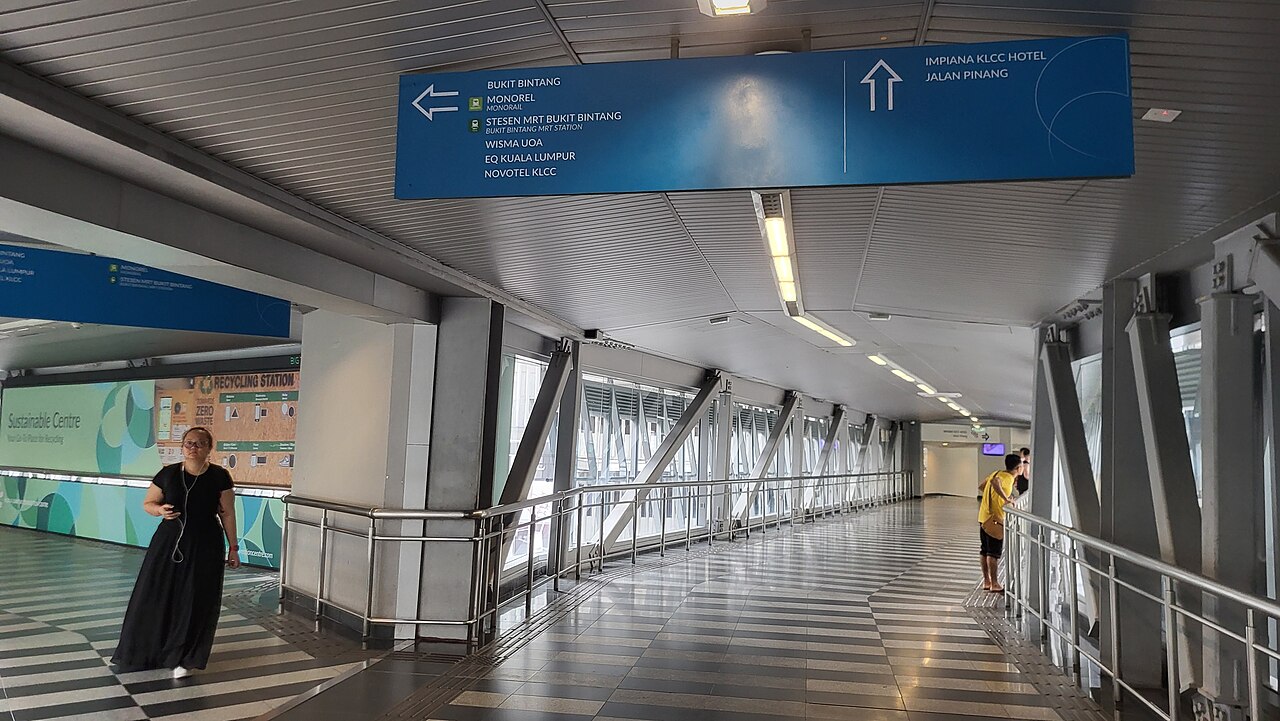
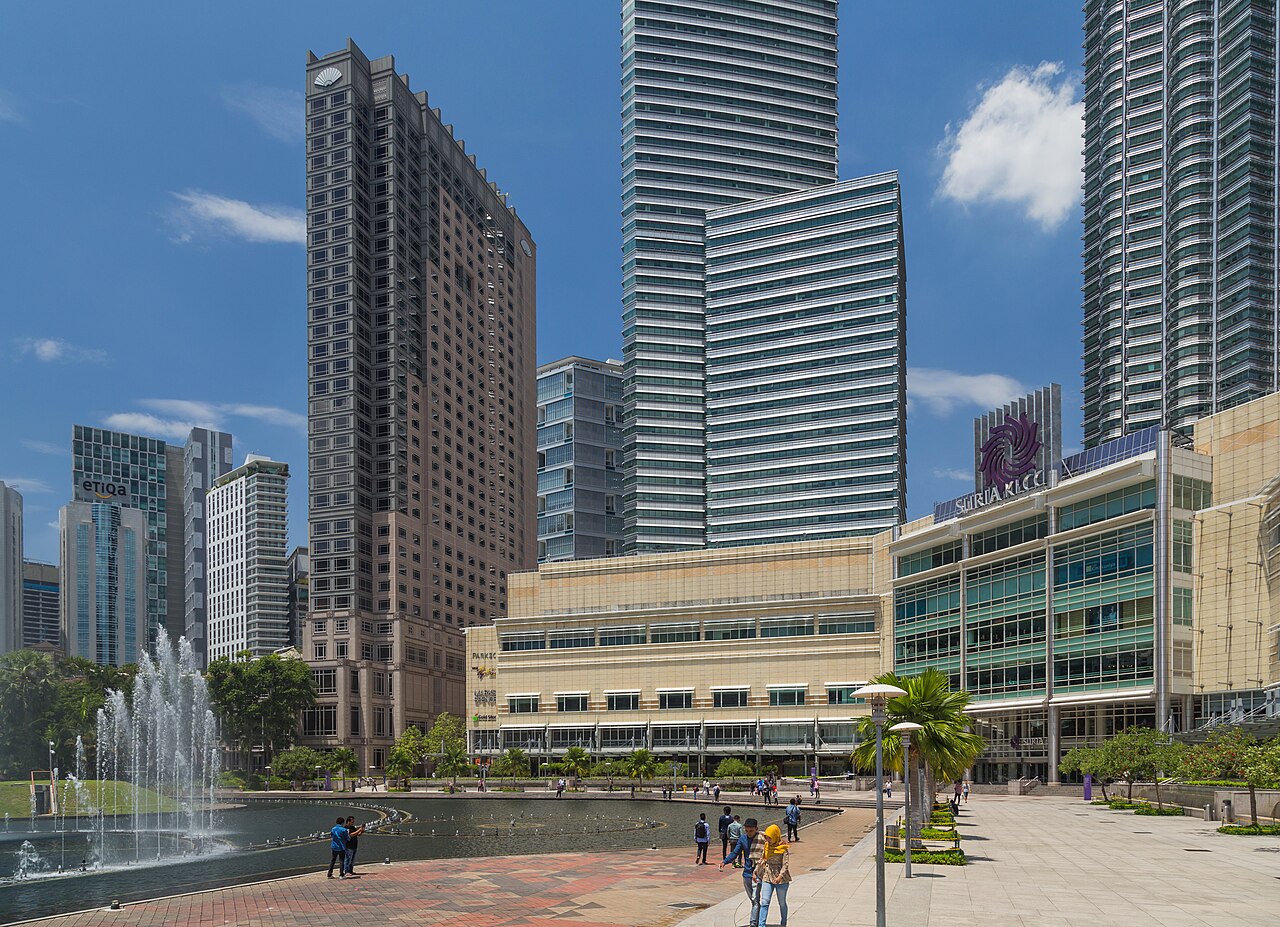
| KLCC / Bukit Bintang | Very comfortable — malls, parks, hotel security everywhere | Comfortable on main streets; connected pedestrian walkways mean you rarely need to cross traffic-heavy roads |
| Bukit Bintang nightlife strip (Changkat, Jalan Alor) | Fine, mostly food stalls and shops | Busy and generally fine, but this is the zone where drink-spiking and fake-police scams are most commonly reported — stick to sealed drinks and don’t hand over your passport to anyone claiming to be plainclothes police on the street |
| Chinatown / Petaling Street | Fine, crowded market atmosphere | Fine on the main market strip; side alleys get quiet and poorly lit earlier than you’d expect |
| Brickfields (Little India) | Comfortable, walkable | Generally fine on main roads; quieter side streets thin out early |
| Chow Kit | Fine if purposeful — a working wholesale/market district, not a tourist stroll | Skip walking through alone after dark; it has a rougher reputation than the tourist core and little reason to be there at night |
The single most useful practical habit in KL: carry your bag on the side away from the road, not slung across your body facing traffic. Snatch theft — a bag or phone grabbed by someone on foot or on a motorbike — is the most consistently flagged street crime across safety sources for Malaysian cities, and it is almost always opportunistic rather than violent. A cross-body bag worn facing the road is easier to snatch while a rider is moving; worn on the building side, away from the street, it is much harder to grab without stopping.
Is Penang Safe for Solo Female Travel?
Penang reads as gentler than KL to most solo travelers, and that impression holds up reasonably well — Georgetown’s heritage core is compact, walkable, and full of foot traffic well into the evening. The Penang travel guide covers the island broadly; the safety-specific breakdown below follows the same neighborhood-verdict approach as the KL table above, something most solo-female guides skip for Penang entirely even when they cover it for the capital.
| Georgetown area | Daytime | After dark |
|---|---|---|
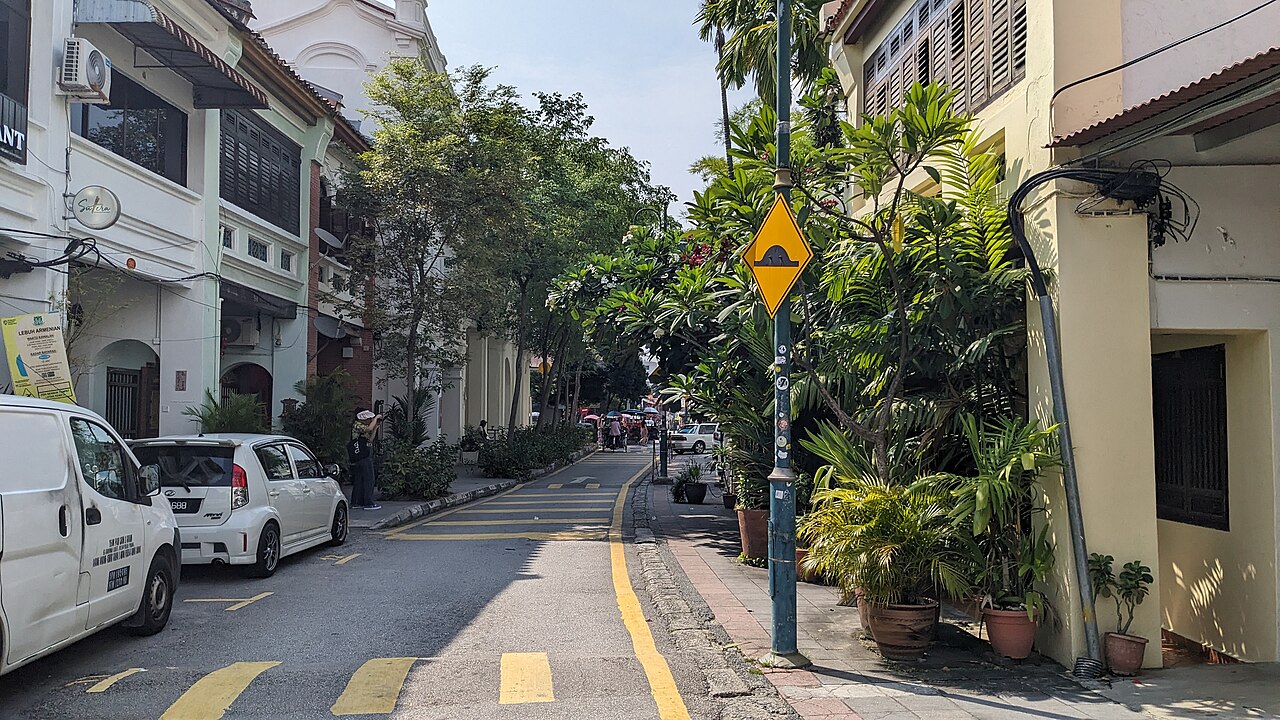
| Street-art core / Armenian Street / Love Lane | Very comfortable, heavily touristed and walkable | Comfortable — well lit, cafés and bars keep foot traffic up |
| Gurney Drive | Comfortable, promenade-style waterfront | Comfortable; well lit and patrolled, popular with families and joggers into the evening |
| Chulia Street | Fine, busy backpacker/food strip | Busy and generally fine, though it is Penang’s closest equivalent to a nightlife strip — treat it with the same drink-awareness habits as Bukit Bintang in KL |
| Jelutong | Fine — a working residential/commercial district, little tourist reason to be there | Commonly flagged as relatively less comfortable after dark than the tourist core; not a place to wander without a reason |
| Gelugor | Fine, similarly a residential/industrial area | Same pattern as Jelutong — no tourist draw, quieter and less lit at night |
The practical read: stay inside the Georgetown heritage zone — roughly bounded by the street-art core, Gurney Drive, and the waterfront — and Penang is one of the easier solo-female bases in the country. There is little reason to venture into Jelutong or Gelugor after dark unless you have a specific destination there, and most visitors never do.
Getting Around: Ladies-Only Trains and Avoiding Taxi Scams
This is the section most solo-female guides for Malaysia get wrong by omission. Since 13 February 2025, KTM Komuter has reinstated Women’s-Only coach sections on its trains, marked with bright pink stickers on the doors and windows — on six-car trains they’re coaches C and D, on three-car trains it’s coach B. Men are asked to stay out of these sections, and as of 2024 reporting the Malaysian government has been drafting legislation to fine men who trespass into them — that law was not confirmed as passed at the time of writing, so treat the pink coaches as a strongly signposted social norm backed by staff enforcement rather than a guaranteed legal deterrent, and use them anyway. They’re a genuinely useful, low-effort tool for a solo female traveler riding KTM Komuter during commuter-crowded hours, and almost no other guide to Malaysia mentions them by name. The transportation guide covers the wider public transport network — LRT, MRT, monorail, and intercity trains — in full.
Grab (Malaysia’s dominant ride-hailing app) is the safer default over street-hailed taxis for a solo woman, for a simple reason: the fare is fixed and shown before you accept, the driver and car are identified in-app, and the trip is logged with a timestamp and route. The taxi-fare scam pattern reported around Malaysia’s tourist hubs — an unlicensed or unmetered taxi quoting a price far above the metered or app rate, often outside airports, train stations, or nightlife areas — is avoided almost entirely just by defaulting to Grab. If you do need a street taxi, insist on the meter before the car moves, or agree the fare explicitly before getting in.
- Ride-hail apps (Grab) over street taxis, especially late at night or leaving nightlife areas
- Look for the pink “Women Only” stickers on KTM Komuter doors during commuter hours
- Screenshot your Grab driver’s plate and photo and share the trip status with someone if you’re travelling alone late
- Agree a taxi fare or insist on the meter before the car moves, never after
What Should a Woman Wear in Malaysia? It Depends Where You Are
This is the gap almost every solo-female guide to Malaysia leaves flat, and it matters more than most packing lists suggest. Malaysia is not one dress code — it is at least two, and they map roughly to the country’s east-west religious and cultural geography rather than to any single national rule.
In Kuala Lumpur, Penang, and Langkawi, dress norms are close to what you’d wear in any warm-climate Southeast Asian city — shorts, sundresses, and sleeveless tops are unremarkable in malls, tourist streets, and beach areas, though covering shoulders and knees is still expected inside mosques and some temples (a sarong or scarf is usually provided or cheaply bought at the entrance). Nobody will stop you on the street in KL for a tank top.
The east-coast states — Kelantan and Terengganu in particular — are meaningfully more conservative, and this extends to their island territories. In October 2023, Terengganu’s state government announced it would strengthen enforcement of a Syariah-compliant dress code for tourists specifically on the popular islands of Redang and Perhentian, applying the expectation to visitors and locals alike. Historically, non-compliant tourists have typically been given a counselling conversation rather than a fine, but enforcement has been tightening since that announcement, and the exact current mechanism is still evolving — confirm current guidance locally or with your resort/dive operator before you pack for Redang or the Perhentian Islands. The safe default on these islands and in inland Kelantan/Terengganu towns: shoulders and knees covered off the beach, a one-piece or modest swimsuit with a cover-up walking to and from the water, and nothing sheer or overtly revealing in town. On the beach itself at resort areas, swimwear is generally accepted, but the moment you step off resort grounds into a village or town center, cover up. This is the single most concrete, actionable difference between Malaysia’s west-coast and east-coast travel experience, and it deserves more attention than the generic “dress modestly” line most guides give it.
Beyond the beach-versus-town distinction, the broader cultural context — appropriate mosque etiquette, greetings, and general dos and don’ts — is covered in the site’s cultural etiquette guide, and a packable-fabric checklist lives in the Malaysia packing list.
Is It Safe to Travel Alone to Langkawi, the Perhentians — or Sabah?
Island-hopping alone is one of the most common solo-female itineraries in Malaysia, and the risk profile genuinely differs by which coast and which islands you’re picking between.
Langkawi sits on the west coast under the same relaxed dress and safety norms as KL and Penang — it’s a duty-free resort island built around tourism, with a well-developed hotel and taxi infrastructure, and it’s a comfortable solo-female base by any of the sourcing above. The full breakdown of beaches, ferries, and activities is in the Langkawi travel guide.
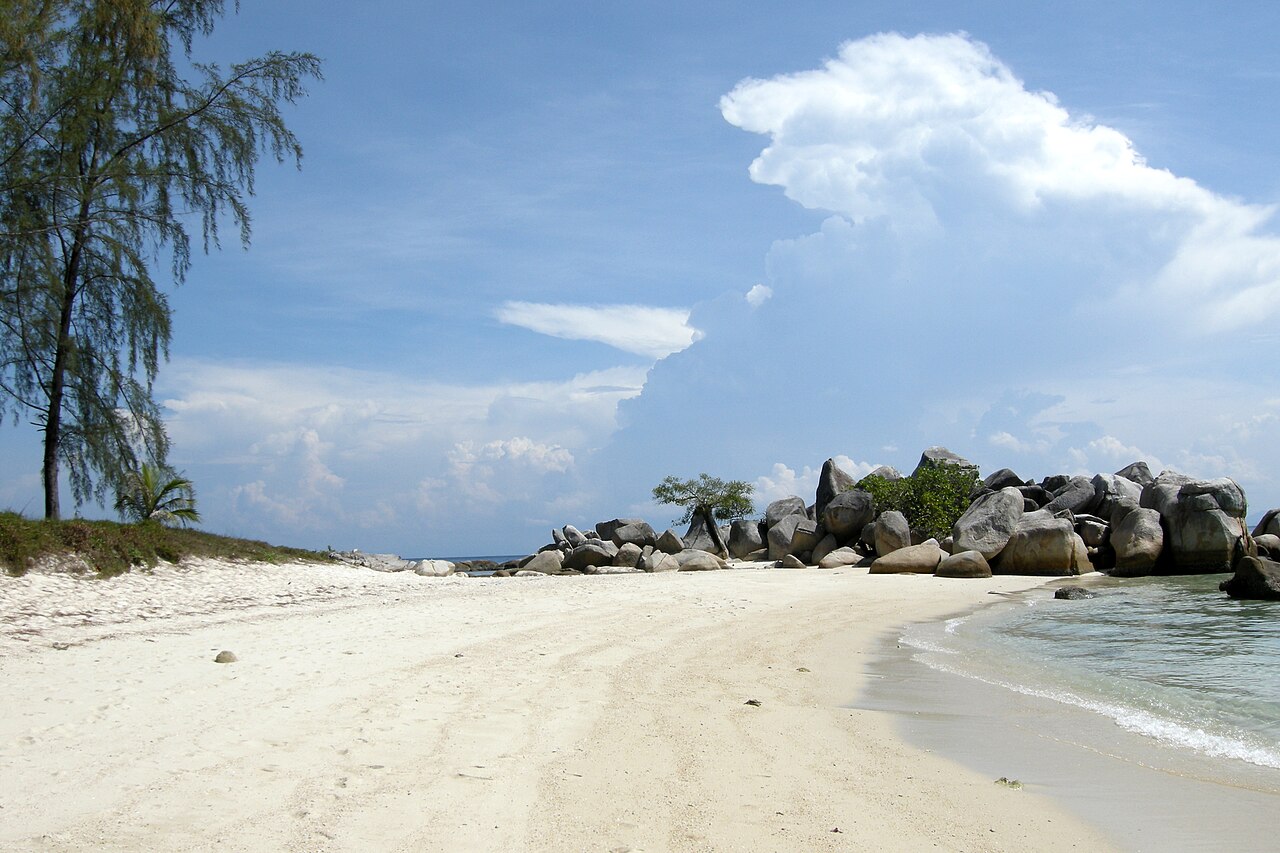
The Perhentian Islands (and Redang, nearby) sit off Terengganu on the east coast, which means the dress-code note above applies directly — pack for beach-and-cover-up rather than beach-only. Logistically they are simple and well-trodden backpacker territory, reachable by boat from Kuala Besut, with an established solo-traveler circuit of dive shops and hostels. The safety profile on the islands themselves is good; the adjustment is cultural, not physical.
Sabah is where the one genuinely important regional warning lives, and it’s narrower than most travelers assume. Both the US State Department and the UK FCDO flag a specific maritime zone off eastern Sabah — roughly the coastal waters and dive islands between Sandakan and Tawau, including Lankayan Island — for kidnapping risk. The FCDO advises against all but essential travel to that specific stretch of islands and dive sites. This does not extend to Kota Kinabalu, Sabah’s west coast, or its well-known west-coast islands (Tunku Abdul Rahman Marine Park, for instance) — those sit under the same Level 1/normal-precautions rating as the rest of the country. If your Sabah plans involve the Kota Kinabalu side, proceed as you would anywhere else in Malaysia; if a dive operator or itinerary has you heading toward the Sandakan-Tawau maritime corridor specifically, check the current government advisories for that route before booking. The Kota Kinabalu travel guide covers the west-coast side of Sabah in detail.
Where to Stay: Female-Only Dorms and Solo-Friendly Bases
A female-only dorm room is one of the simplest safety and comfort upgrades available to a solo woman on a backpacker budget, and it’s a standard option — not a rarity — in Malaysia’s main hostel circuits. Most established hostels in KL’s Bukit Bintang/Chinatown cluster and Penang’s Georgetown backpacker strip (Love Lane, Chulia Street, the street-art core) offer a dedicated female-only dorm alongside mixed dorms, typically at a modest premium over the mixed-dorm rate — budget roughly RM 35-60 (about US$9-15) a night for a female-only bed in a well-reviewed KL or Georgetown hostel, versus RM 250-450 (about US$62-111) for a private budget hotel room if you’d rather skip dorms entirely. Availability and exact pricing shift with season and specific property, so confirm the female-only option directly when booking rather than assuming every hostel offers it — the site’s best hostels in Malaysia roundup names specific properties with current female-dorm availability.
Beyond the dorm-versus-private decision, location matters more than star rating for solo comfort: a mid-range hotel inside the KLCC/Bukit Bintang walkway network, or inside Georgetown’s heritage core, puts you within a five-to-ten-minute walk of food, transport, and a lit, populated street at almost any hour — worth paying slightly more for over a marginally cheaper property in a quieter, less walkable district.
Common Scams Targeting Tourists — and How to Sidestep Them
None of the following are unique to solo women, but a solo traveler is a slightly easier target for all of them, simply for lacking a second opinion in the moment.
- Snatch theft — a bag or phone grabbed by a pedestrian or motorbike rider. Carry bags on the side away from the street, not slung across your body facing traffic.
- Unmetered/overpriced taxis — commonly reported around airports, stations, and nightlife strips. Default to Grab, or insist on the meter before the car moves.
- Fake-police and drink-spiking incidents around nightlife districts — concentrated around bar-heavy areas like Changkat Bukit Bintang in KL. Keep drinks sealed or watched, and know that genuine plainclothes officers carry ID and won’t demand cash or your passport on the street — ask to see credentials or move to a public, staffed area if approached.
- Digital and online scams — a reported rise through 2026 in scam messages and fake booking sites targeting travelers. Book accommodation and tours through verified platforms or operator websites directly rather than links sent via social media or messaging apps.
- Overcharging at unmetered stalls or unlicensed tour touts — ask the price before you order or agree to a tour, especially anywhere without visible menus or price lists.
None of this is presented as hard incident statistics — sourcing on frequency for several of these (the 2026 digital-scam uptick in particular) is thinner than the transport and dress-code facts above, so treat this list as commonly reported patterns worth knowing rather than a measured crime rate.
What to Skip: Mistakes Solo Female Travelers Make in Malaysia
A few specific habits cause more trouble than the country itself does.
- Packing the same wardrobe for KL and the Perhentians. What’s unremarkable in Bukit Bintang can draw unwanted attention or a counselling conversation on Redang. Pack for both if your itinerary crosses coasts.
- Hailing a street taxi outside the airport instead of walking to the official counter or opening Grab. This is where the overcharging pattern is most concentrated, precisely because it’s the first transaction a jet-lagged traveler makes.
- Treating “Malaysia is Level 1 safe” as covering the entire map, including eastern Sabah’s dive coast. The Level 1 rating has one specific, well-documented carve-out. Read the advisory rather than the headline.
- Skipping travel insurance because the country “feels safe.” A low crime risk doesn’t reduce the odds of a scooter accident, food poisoning, or a missed flight — insurance covers those regardless of how safe the destination is.
- Booking a private room in an unreviewed budget guesthouse over a well-reviewed hostel’s female-only dorm. A reviewed hostel with a track record of hosting solo women is usually a safer bet than an unknown private room with no reviews, even though it feels like the “safer” choice on paper.
- Not screenshotting the Grab driver and plate before getting in, or not sharing a live trip status with someone when travelling late. It costs nothing and takes ten seconds.
Practical Planning: Costs, Timing, and Documents
Your passport needs at least six months’ validity remaining from your arrival date to enter Malaysia — check this before booking flights, not at check-in. Beyond that, solo-female trip planning in Malaysia is mostly ordinary trip planning, with the city/coast distinctions above layered on top.
| Item | Typical cost (solo) |
|---|---|
| Female-only hostel dorm bed, KL/Penang | RM 35-60 (about US$9-15)/night |
| Budget private hotel room | RM 120-200 (about US$30-49)/night |
| Mid-range hotel, well-located | RM 250-450 (about US$62-111)/night |
| Local meal (hawker stall) | RM 8-15 (about US$2-4) |
| Sit-down restaurant meal | RM 30-60 (about US$7-15) |
| Grab ride across city center | RM 10-25 (about US$2-6) |
| KTM Komuter/LRT single fare | RM 2-8 (about US$0.50-2) |
| Daily budget, backpacker | RM 120-180 (about US$30-44) |
| Daily budget, mid-range comfort | RM 250-400 (about US$62-99) |
On timing: the west coast (KL, Penang, Langkawi) is workable year-round, with the wettest stretch typically landing between October and January. The east coast — Perhentian, Redang, and the Terengganu coast generally — effectively closes for monsoon roughly November through February, when most island resorts shut entirely; plan an east-coast island leg for March through October instead. If your trip spans both coasts, book the east-coast island days first and build the rest of the itinerary around them, since that window is the least flexible.
A booking order that works for most solo, multi-stop itineraries: lock the east-coast island dates first (season-dependent), then domestic flights or trains between cities, then accommodation, then day tours last — tours are the easiest thing to book or cancel on short notice once you’re already on the ground and have a feel for the pace you want. If you don’t speak Malay, a short phrasebook pass through the site’s Malaysia language guide covers enough greetings and courtesy phrases to smooth over most everyday interactions — English is also widely spoken in tourist areas across the country, so this is a nice-to-have rather than a requirement.
FAQ: Solo Female Travel in Malaysia
Is Malaysia safe for a woman traveling alone?
Generally, yes — the US State Department rates the country Level 1, “Exercise Normal Precautions,” and violent crime against tourists is uncommon. The one documented exception is the maritime zone off eastern Sabah between Kudat and Tawau, rated higher for kidnapping risk; it does not apply to the rest of the country, including Kota Kinabalu and Sabah’s west coast.
Is KL safe for solo female travelers at night?
The tourist core — KLCC, Bukit Bintang, Chinatown’s main strip, Brickfields — is comfortable after dark, with heavy foot traffic and connected pedestrian walkways. Nightlife-heavy Changkat Bukit Bintang is fine but carries the usual drink-awareness caveats, and Chow Kit is better avoided as an aimless night walk since it has a rougher reputation than the tourist zones.
What should a woman wear in Malaysia?
In KL, Penang, and Langkawi, ordinary warm-climate travel clothing — shorts, sundresses, sleeveless tops — is unremarkable outside mosques and temples. On the east coast, particularly Terengganu’s Redang and Perhentian islands, enforcement of a Syariah-compliant dress code has been tightening since October 2023; cover shoulders and knees off the beach and in town, and keep swimwear to resort/beach areas only.
Is Penang safe for solo female travel?
Yes, generally more so than KL feels to most first-time solo travelers — Georgetown’s heritage core and Gurney Drive are walkable and well-populated into the evening. Jelutong and Gelugor, outside the tourist core, are commonly flagged as relatively less comfortable after dark, but there’s little tourist reason to be there.
What areas should tourists avoid in KL?
Chow Kit after dark, and unlit side alleys off Petaling Street’s main strip, are the two most commonly flagged spots to skip walking through alone at night. Neither is a reason to avoid the city — they’re simply not places with a tourist purpose after hours.
Are there women-only trains in Malaysia?
Yes. KTM Komuter reinstated Women’s-Only coach sections on 13 February 2025, marked with bright pink door and window stickers — coaches C and D on six-car trains, coach B on three-car trains. As of 2024 reporting, the government has been drafting legislation to fine men who enter them, though that had not been confirmed as passed into law at the time of writing.
Is it safe to travel alone to Langkawi or the Perhentian Islands?
Yes, both are well-established solo-traveler circuits with good infrastructure. Langkawi follows the same relaxed west-coast norms as KL and Penang. The Perhentians sit on the more conservative east coast, so the Terengganu dress-code note applies — otherwise the safety profile on the islands themselves is good.
What are common scams targeting tourists in Malaysia?
Snatch theft, unmetered taxi overcharging, and nightlife-district drink-spiking or fake-police approaches are the most commonly reported patterns. A more recent, less-documented trend is a rise in digital and online booking scams — book through verified platforms and operator sites directly rather than links from social media or messaging apps.
Where This Fits in Your Malaysia Trip
Solo female travel in Malaysia rewards specificity over general reassurance: know which coast you’re on, know which train coach has a pink sticker, and know that “Level 1 safe” has exactly one carve-out worth remembering. If you’re weighing this trip against a different travel style — bringing kids along, or planning a trip for two — the Malaysia with kids guide and the Malaysia honeymoon guide cover those angles, and the full Malaysia for every traveler hub ties all of these together against the country’s other travel styles.