Malaysia for Every Traveler: Solo, Family, Couples & Special Interest (2026)
Solo, family, couples, LGBTQ+, budget, luxury, senior, digital nomad and accessible travel in Malaysia, compared side by side with real costs, legal facts and links to the deep-dive guides you need.
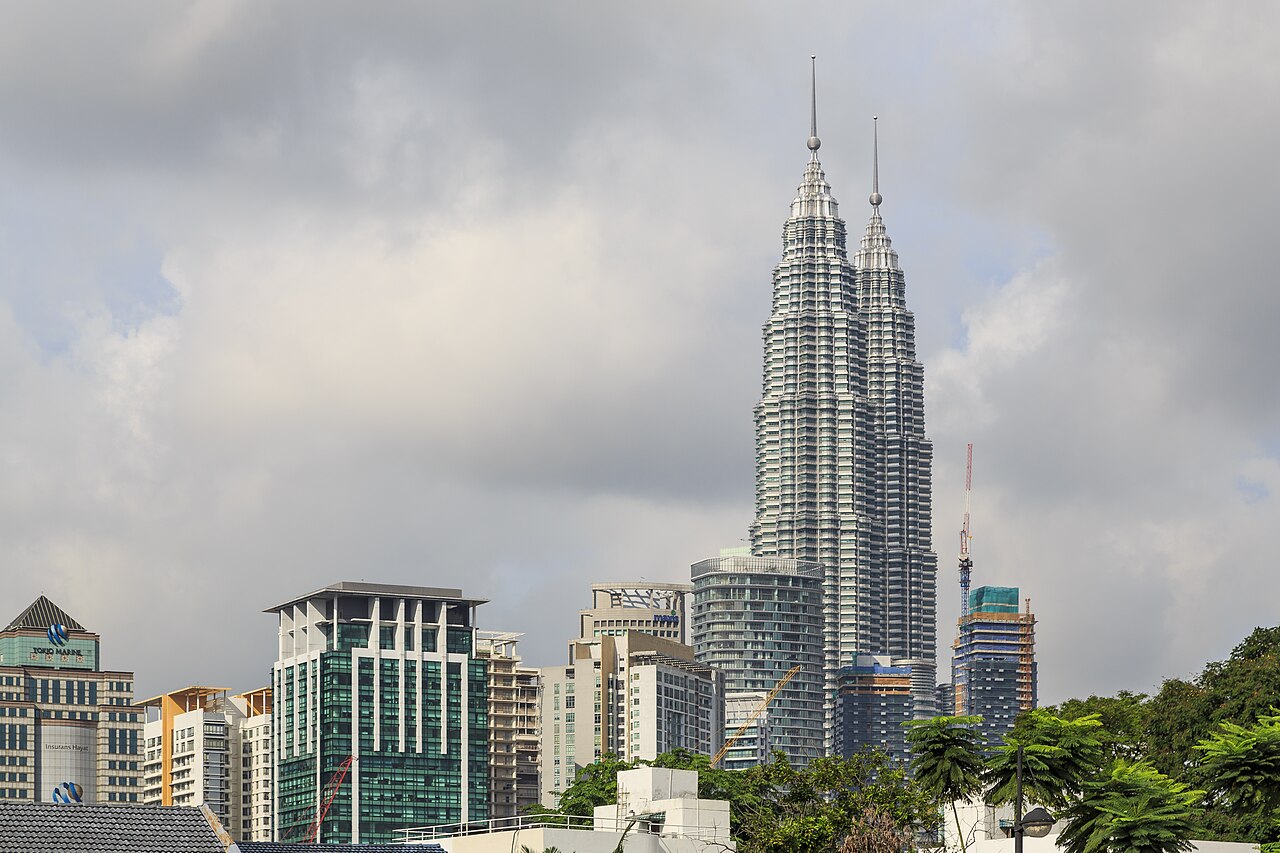
A backpacker splitting RM 115 (about US$25) a day between a hostel dorm and hawker stalls in George Town is having a completely different trip from a family circling Langkawi’s resort pools on RM 520 (about US$111) a day, and the travel Malaysia tips that work for one are close to useless for the other. That is the problem with most Malaysia guides: they write for a generic visitor who does not exist. Solo travelers, families, honeymooners, retirees testing a second home, LGBTQ+ couples working out what “discreet” means in practice, digital nomads clocking hours between beach days, and wheelchair users checking which cities actually work — each of them needs a different answer to the same question of where to go and what to book.
This page is built as a hub rather than a deep dive. It covers eleven traveler profiles side by side — what each one costs, where it works well, and where Malaysia will fight you — so you can place yourself on the map before spending real research time. Three profiles get their own full-length guides linked from the relevant section below: solo female travel, family travel with kids, and honeymoon travel. Everything else — LGBTQ+ travel, budget and luxury tiers, senior and digital-nomad visas, accessibility, and special-interest trips — is covered here in full, because no other Malaysia guide currently puts all of it on one page.
Start with the comparison table below to see where you land, then jump straight to your section.
Malaysia Traveler Types at a Glance
Every figure below is a daily per-person baseline, not a trip total — multiply by your trip length and add flights and any big-ticket bookings (diving certifications, private drivers, multi-day treks) on top. The “key note” column is the one thing about that traveler type that most generic guides skip.
| Traveler Type | Daily Budget (Baseline) | Best Suited For | Key Note |
|---|---|---|---|
| Solo female | RM 295 (~US$63) | Independent travelers planning their own logistics | Women-only train coaches run at peak hours; full detail in the dedicated guide |
| Solo male | RM 295 (~US$63) | Independent travelers who want flexibility without a group | Same infrastructure as solo female travel, fewer specific precautions needed |
| Family with kids | RM 295–520+ (~US$63–111+) per adult | Parents traveling with children of any age | Theme parks and family suites are everywhere; mild food options are the default, not the exception |
| Couples / honeymoon | RM 520+ (~US$111+) | Travelers prioritizing privacy and romance over cost | Island resorts and villa stays are the default booking, not an upgrade |
| LGBTQ+ travelers | RM 295 (~US$63) | Travelers who research the legal picture before booking | Federal law applies to everyone; state Sharia law applies only to Muslim citizens and permanent residents |
| Budget / backpacker | RM 115 (~US$25) | Travelers prioritizing trip length over comfort | Hostel dorms, hawker food and public transit cover the essentials |
| Luxury / upscale | From RM 520 (~US$111) | Travelers who want private pools, spas and drivers | RM 520 is a floor, not a ceiling — five-star resorts run well past it |
| Senior / retiree | Varies by long-stay tier | Retirees testing Malaysia as a second home | 2026’s four-tier MM2H (Silver/Gold/Platinum/SEZ) replaced the old single-tier scheme |
| Digital nomad | RM 295+ (~US$63+) | Remote workers who want a legal 12-month base | The DE Rantau Nomad Pass requires proof of income, not just a laptop |
| Accessibility / mobility needs | RM 295+ (~US$63+) | Wheelchair users and travelers with mobility needs | Kuala Lumpur is one of the more wheelchair-friendly capitals in Southeast Asia |
| Special interest (food, wildlife, culture, adventure) | RM 295–520 (~US$63–111) | Travelers building a trip around one specific passion | Borneo, food cities and heritage routes each need dedicated time, not a stopover |
Solo Travelers: Male and Female
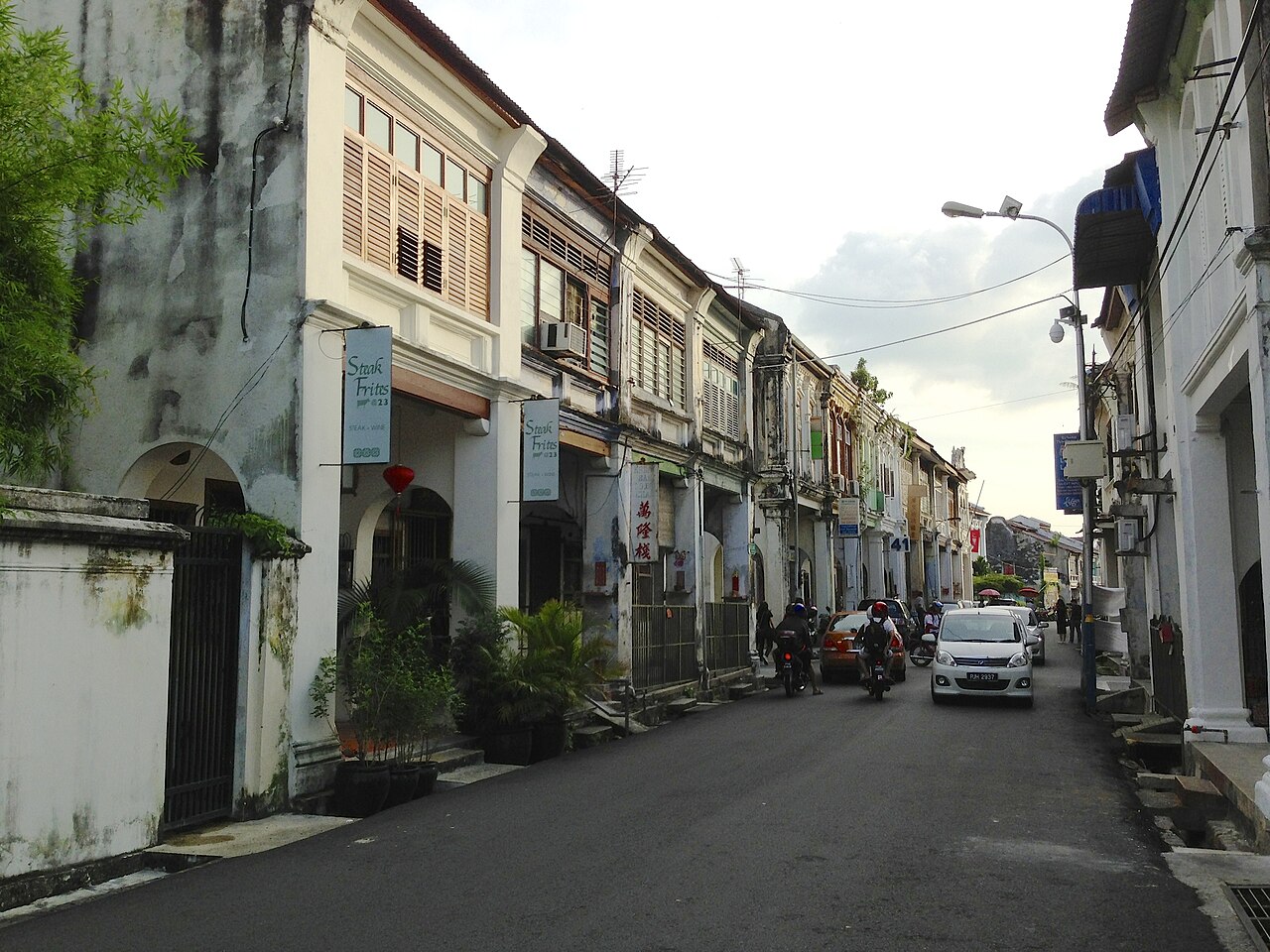
Malaysia is an easy country to travel alone in by Southeast Asian standards. English is widely spoken, the KL–Penang–Melaka–Cameron Highlands loop is well-trodden enough that you are rarely the only foreigner in a hostel common room, and intercity buses and trains run frequently enough that you can change plans on a day’s notice. Whichever route you take, keep your passport valid for at least six months past your arrival date — Malaysian immigration checks this at the border, and it is the single most common reason solo travelers get turned back. The full entry rules by nationality are in the visa requirements guide.
Solo female travelers
Solo female travel in Malaysia is common enough that it barely raises comment in hostels and guesthouses along the standard routes. Peak-hour trains run women-only coaches, which is a small but useful detail most general guides leave out. The neighborhood-by-neighborhood safety breakdown, harassment norms, and which cities are easiest to base yourself in solo deserve more room than this page can give them — that detail lives in the solo female travel in Malaysia guide, which is the one to read before booking if this is your profile.
Solo male travelers
Solo male travel gets almost no dedicated coverage anywhere, mostly because the baseline risk is lower and the logistics are identical to solo female travel — same trains, same hostels, same routes. The differences that do matter are the same ones any solo traveler should track: which neighborhoods to avoid walking through late at night, not flashing cash or phones in crowded markets, and checking the general safety picture for wherever you are headed in the Malaysia safety guide before you go.
The practical difference between solo male and solo female travel shows up less in danger level and more in the small daily frictions — which hostel dorms feel comfortable, whether a night bus is worth the money saved versus a daytime one, how much you engage with fellow travelers versus keeping to yourself. Both profiles get the same budget-tier baseline of roughly RM 295 (~US$63) a day for a private budget room and a mix of hawker and sit-down meals, and both benefit from the same core rule: tell someone your rough route and check in periodically, especially before a multi-day trek or a remote Borneo leg where phone signal is not guaranteed.
Family Travel with Kids
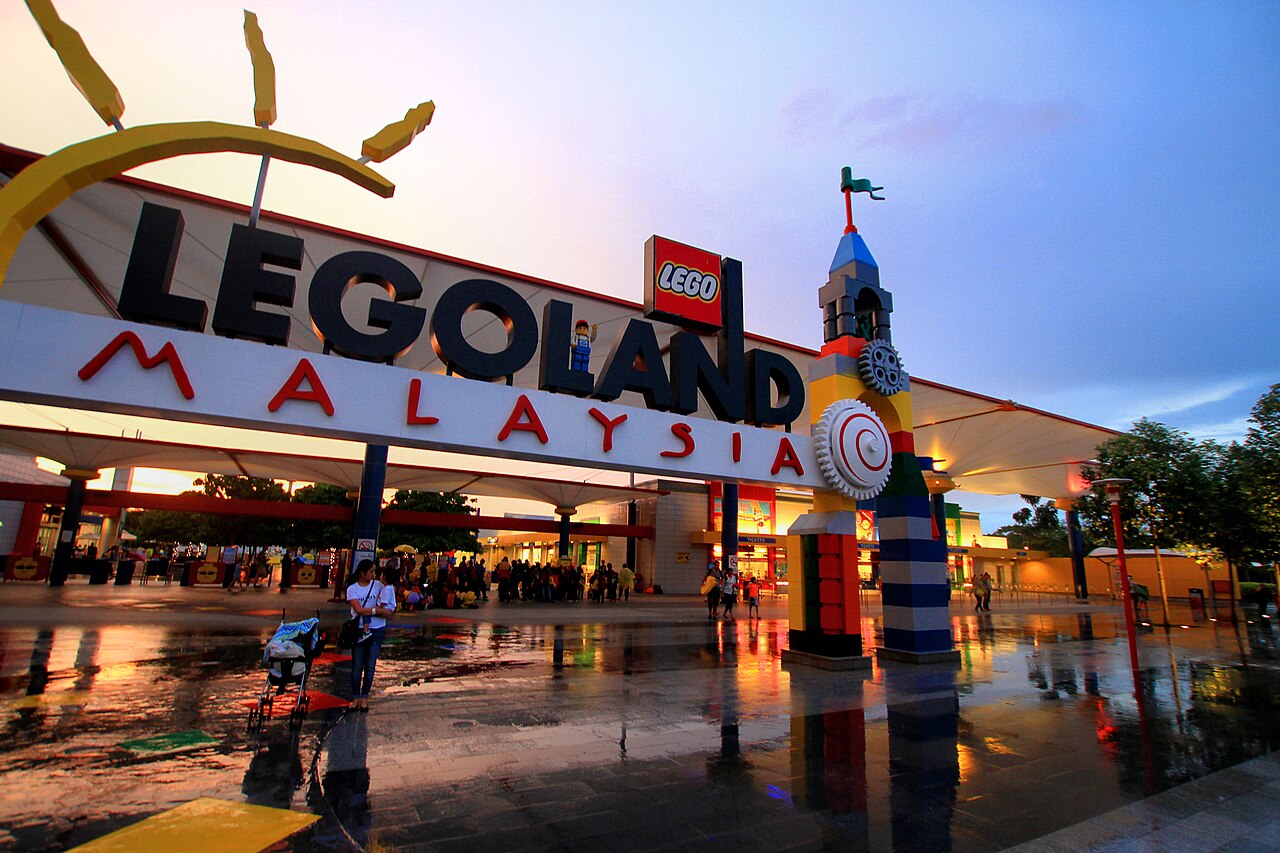
Malaysia works well for families because so much of the tourist infrastructure was already built around mild, rice-based food, air-conditioned malls with play areas, and theme parks rather than nightlife. Legoland Malaysia in Johor is the anchor family attraction on the peninsula, and resort hotels in Langkawi and Penang routinely offer connecting family rooms and kids’ pools as standard, not an upsell. The harder questions — what age is too young for Borneo jungle trekking, how to handle heat and hydration with toddlers, which hospitals to know about in advance — are covered properly in the Malaysia with kids guide, which is worth reading in full if you are traveling with children under about ten.
One planning note that applies to every family trip regardless of age: buy travel insurance that explicitly covers your children and any pre-existing conditions before you land, not after. The policy comparison is in the travel insurance guide.
Splitting a family trip between two bases rather than one long circuit also makes the health logistics easier — knowing which hospital or clinic is nearest for the two weeks you are actually there, rather than researching a new one every two days as you move. Malaysia’s private hospitals in KL, Penang and Johor Bahru are generally well-equipped and used to treating international patients and travelers, which is one reason families lean toward those hubs over more remote stops when kids are young.
Couples, Honeymooners and Anniversary Trips
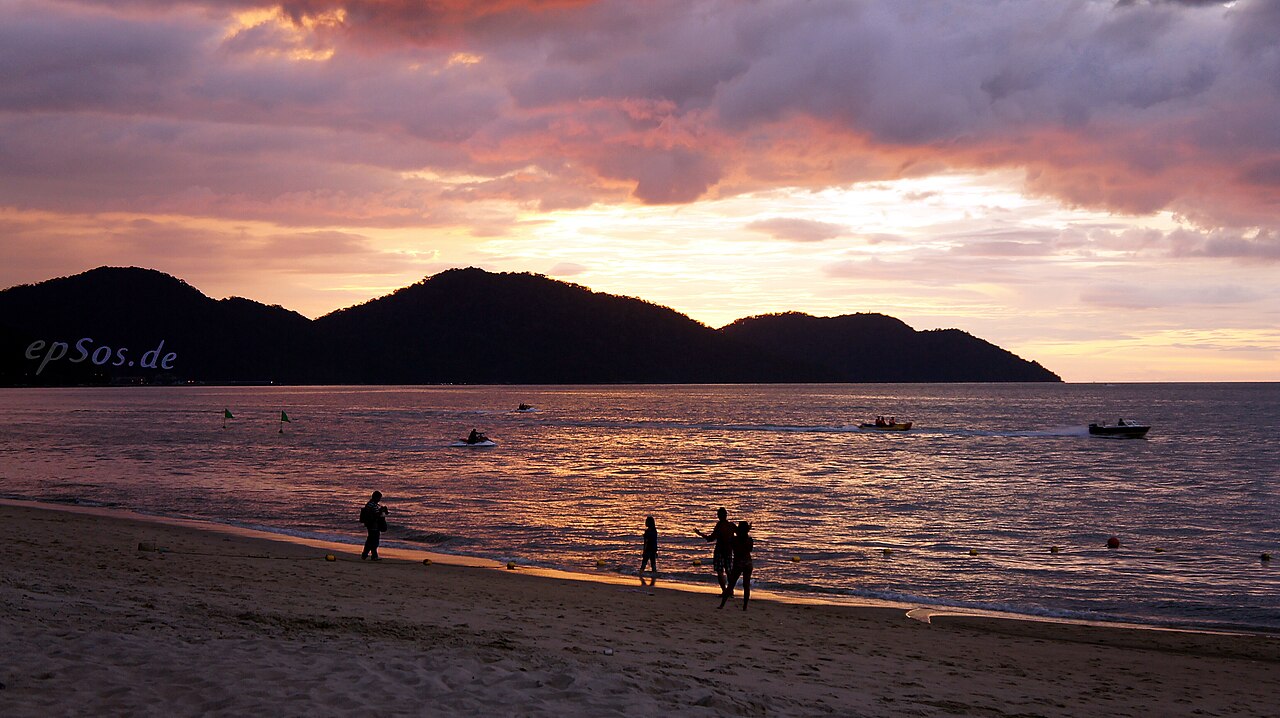
Couples travel is where Malaysia’s resort infrastructure is strongest. Private villas with plunge pools on Langkawi, overwater-adjacent chalets on Redang and Tioman, and cool-climate retreats in the Cameron Highlands all exist specifically for this market, and the upscale baseline of RM 520+ (~US$111+) a day buys real privacy rather than a shared pool deck. The full shortlist of resorts, islands and romantic itineraries by trip length is in the Malaysia honeymoon guide — read that before this section if a honeymoon or anniversary trip is what you are planning, since it goes considerably deeper than the overview here.
The choice between islands usually comes down to how much effort you want to spend reaching them. Langkawi has an international airport and ferries running constantly, which makes it the easiest romantic getaway to bolt onto a wider trip but also the busiest. Redang and Tioman require more deliberate planning — a domestic flight or a longer drive plus a boat transfer — and reward that effort with noticeably quieter beaches and a slower pace, which is usually what “honeymoon” actually implies. Cameron Highlands works as a third option for couples who want cool air and tea-plantation scenery rather than another beach, and pairs naturally with a Langkawi or Penang stretch on either end.
LGBTQ+ Travelers: The Legal Picture You Need
Most guides handle this topic with a vague line about “being discreet” and move on. That is not enough information to make a real decision with, so here is the actual legal structure, in two layers.
The federal layer is Section 377 of Malaysia’s Penal Code, which criminalizes same-sex intercourse with penalties of up to 20 years’ imprisonment. This law applies to everyone physically in Malaysia — citizens, permanent residents and foreign visitors alike, regardless of religion. Separately, 13 of Malaysia’s states have their own Sharia enactments that add further penalties for the same conduct — up to three years’ imprisonment, fines, and caning — but this second layer applies only to Muslim citizens and permanent residents. It does not apply to foreign non-Muslim tourists, who fall outside Sharia court jurisdiction entirely. The table below separates the two.
| Legal Layer | Who It Applies To | Penalty |
|---|---|---|
| Federal Penal Code, Section 377 | Everyone in Malaysia — citizens, permanent residents and foreign visitors, regardless of religion | Up to 20 years’ imprisonment |
| State Sharia enactments (13 states) | Muslim citizens and permanent residents only — not foreign non-Muslim tourists | Up to 3 years’ imprisonment, fines, caning |
In practice, this means it is legally risky to be openly LGBTQ+ in public in Malaysia regardless of your nationality or religion, because the federal law technically applies to everyone even though enforcement against foreign tourists specifically is not the norm. Police raids on gatherings and venues, and prosecutions under both layers, have been documented over the years — treat that as a general pattern rather than a precise incident count, since reliable country-wide statistics are not consistently published. There is no political movement toward decriminalization as of 2026. The practical norm that most LGBTQ+ travelers and guides settle on is discretion in public — avoiding public displays of affection, being cautious about which apps and venues you use, and researching your specific destination’s climate rather than assuming Kuala Lumpur and a small conservative town carry the same risk. The broader cultural-etiquette norms that shape this — modest dress, public behavior expectations, religious sensitivities — are covered in the Malaysia cultural etiquette guide, and general destination-by-destination safety notes are covered in the safety guide referenced earlier in this page.
None of this means LGBTQ+ travelers should avoid Malaysia — thousands visit every year without incident, and the country’s tourism infrastructure does not screen or question visitors on this basis at the border. It means treating public behavior the way you would in any country with an unfamiliar legal system: know the rules before you rely on assumptions from home, and weigh destination choice within Malaysia as carefully as you weigh the decision to visit at all.
Budget and Backpacker Travelers
Malaysia is one of the cheaper countries in Southeast Asia to backpack, at roughly RM 115 (~US$25) a day for a hostel dorm bed, hawker-stall meals, and public transit or intercity buses between stops. That figure holds up well across the peninsula; Borneo runs a little higher once you factor in national park fees and the boat or flight legs between Sabah and Sarawak. The standard west-coast route — KL, Melaka or Cameron Highlands, Penang, and a Perhentian or Langkawi stretch — is laid out in full in the Malaysia backpacking route guide, and the day-by-day cost breakdown behind the RM 115 figure is in the Malaysia travel budget guide. For where to actually sleep on that budget, the best hostels in Malaysia guide covers dorm quality city by city rather than leaving you to gamble on booking-site ratings.
Where backpackers save the most money is not accommodation but transport and food choices stacked together — a hostel dorm bed is only part of the RM 115 (~US$25) baseline; skipping paid attractions in favor of free temples, markets and viewpoints, and eating exclusively at hawker stalls rather than tourist-facing restaurants, does more to hold that number down over a multi-week trip than shaving a few ringgit off the bed itself. Night buses between cities also double as accommodation for a night, which is a standard backpacker move on the KL–Penang and KL–Singapore-adjacent routes.
Luxury and Upscale Travelers
RM 520 (~US$111) a day is a floor for the upscale tier, not a ceiling. Five-star island resorts, private-pool villas and full-service spa hotels in KL and Langkawi run well past that once you add restaurant dining and private transfers instead of Grab rides. What Malaysia does well at this tier that some regional competitors do not is variety: you can genuinely combine a five-star KL stay with a private rainforest lodge in Borneo and a beach resort on Redang inside one trip, rather than sticking to one resort compound for two weeks. The property-level shortlist by region is in the Malaysia luxury resorts guide.
What separates genuinely good value at the luxury tier from an inflated one is usually location rather than star rating. A five-star hotel in central KL competes on service polish with dozens of similar properties, while a five-star lodge in Borneo or a private-island resort off the east coast is selling access you cannot buy any other way. Luxury travelers optimizing for a memorable trip rather than a familiar brand name generally get more from the second category, even at a comparable nightly rate.
Senior Travelers, Retirees and the MM2H Visa
For travelers past the two-week-vacation stage and weighing Malaysia as a longer-term or retirement base, 2026 brought a real structural change: the Malaysia My Second Home (MM2H) program was restructured into four tiers — Silver, Gold, Platinum and SEZ — replacing the old single-tier scheme that most existing write-ups still describe. The Silver tier, aimed at applicants aged 50 and over, requires a RM 150,000 fixed deposit plus proof of RM 5,000 a month in offshore income. The upside that makes this worth the paperwork: foreign-sourced income, pensions included, is not taxed under MM2H. For travelers not ready to commit to a long-stay visa, ordinary tourist visits still work exactly as they do for any other traveler type — the entry rules by nationality follow the same visa-requirements logic covered earlier for solo travelers, with the added MM2H paperwork on top.
Digital Nomads and Remote Workers
Malaysia has an actual legal pathway for remote work now, which is more than most competing guides mention. The DE Rantau Nomad Pass is a 12-month visa, renewable for a second year, built specifically for remote workers rather than tourists working quietly on the side. It requires proof of income — USD 24,000 a year if you are employed by a company outside Malaysia, or USD 60,000 a year if you are self-employed or freelance — plus a processing fee of RM 1,080 for the main applicant (plus 8% SST) and RM 540 per dependent. Processing takes roughly 6–8 weeks from a complete submission, so this is not something to apply for the week before you fly. It is worth comparing directly against the MM2H Silver tier above, since both are realistic options for a longer Malaysia stay depending on your age and income structure.
| Visa | Duration | Financial Requirement | Fees |
|---|---|---|---|
| DE Rantau Nomad Pass | 12 months, renewable for a second year | US$24,000/year (employed) or US$60,000/year (self-employed/freelance) | RM 1,080 main applicant + 8% SST; RM 540 per dependent |
| MM2H Silver tier | Long-stay, renewable | RM 150,000 fixed deposit + RM 5,000/month offshore income | Varies — confirm current tier fees when applying |
Either way, you will want a reliable local SIM or eSIM from day one rather than relying on hotel wifi for client calls — the current plans and coverage notes for remote work specifically are in the Malaysia SIM card and internet guide.
Accessible Travel: Wheelchair Users and Mobility Needs
Accessibility in Malaysia is real but uneven, and almost no competing guide addresses it alongside the rest of the traveler-type picture. Kuala Lumpur is the strong point: it rates among the more wheelchair-friendly capital cities in Southeast Asia, with a public transit network — LRT, MRT and monorail — that is largely accessible, including lifts and level boarding at most stations. The getting around Malaysia transportation guide covers the specific lines and stations worth knowing. Outside the capital, accessibility drops off fast: older heritage buildings in George Town and Melaka, and rural or jungle attractions, are frequently not step-free, so build extra time and a backup plan into any itinerary that leaves KL.
Individual attractions vary in how well they plan for this. Legoland Malaysia rents wheelchairs near the main entrance for RM 47 (~US$12) plus a RM 50 (~US$12) refundable deposit, which is a useful example of the kind of on-site rental worth checking for before you book any single attraction rather than assuming it will be handled on arrival.
Beyond wheelchair users, the same accessibility picture applies to travelers with other mobility needs — walking with a cane, limited stamina for long transfers, or needing step-free routes for a stroller, which overlaps more with family travel than most guides acknowledge. The practical approach is the same regardless of the specific need: confirm lift or ramp access with a hotel or attraction directly rather than trusting a listing photo, build in more transfer time between stops than you would for an able-bodied itinerary, and default to Kuala Lumpur, Penang’s newer hotel stock, and major resort chains over budget guesthouses or heritage shophouse conversions, which are far less likely to have been retrofitted for step-free access.
Special-Interest Travelers
Some trips are not organized around a demographic at all but around one specific interest, and Malaysia supports several of these well enough to justify building an entire trip around them rather than treating them as a side activity.
- Adventure and wildlife travelers head to Borneo first — Sabah and Sarawak’s national parks, orangutan encounters and dive sites are the draw, and where you base yourself there matters more than almost anywhere else in Malaysia. See the where to stay in Borneo guide before booking.
- Food travelers build trips around Penang and Kuala Lumpur’s hawker circuits rather than resorts, often skipping beach time entirely in favor of an extra two or three days eating.
- Culture and heritage travelers center a trip on Melaka and Penang’s UNESCO-listed old towns, temple circuits and living festivals rather than islands or parks.
- Travelers wanting something unusual — treehouses, converted heritage shophouses, jungle pods — are better served by boutique and unique properties than standard hotel chains; the unique stays in Malaysia guide rounds up the properties actually worth the premium.
What to Skip: Mistakes by Traveler Type
Every traveler type has a version of the same mistake: applying advice meant for a different profile. A few of the most common ones worth naming directly.
- Backpackers who overbook Borneo. National park permits, limited lodges and boat transfers make Sabah and Sarawak far less improvisational than the peninsula — book ahead or skip it for a shorter trip.
- Families who under-plan travel days. A four-hour peninsula transfer with young kids needs the same buffer time as a flight, not less, once you account for rest stops and meltdown risk.
- Couples who default to Langkawi without comparing it to Redang or Tioman. Langkawi is the easiest to reach, not automatically the most private or romantic — the honeymoon guide’s comparison is worth reading before defaulting to the obvious choice.
- Luxury travelers who overpay for a KL hotel and underspend on Borneo. A private rainforest lodge for two nights does more for the trip than a marginally nicer city hotel room.
- Digital nomads who show up on a tourist visa and work anyway. The DE Rantau pass exists specifically so you do not have to gamble on this; use it if you plan to stay and work for months rather than weeks.
- Accessibility-focused travelers who assume a resort island equals a wheelchair-friendly island. Beach access, boat transfers and older colonial-era hotel stock on some islands are far less step-free than a city hotel, even at a comparable price point — confirm specifics with the property directly rather than assuming “resort” means accessible.
- Anyone assuming Malaysia is uniformly conservative or uniformly liberal. Norms shift noticeably between Kuala Lumpur, the east coast states, and Sabah/Sarawak — research your specific stops rather than applying one blanket assumption.
Practical Planning: Budget, Visa and Timing
Whichever profile above matches you, three planning steps apply to everyone. First, pick your budget tier honestly before you book anything else, since it decides where you can stay and how you get around.
| Tier | Daily Budget | What’s Included |
|---|---|---|
| Backpacker | RM 115 (~US$25) | Hostel dorm bed, hawker-stall meals, public transit and intercity buses |
| Midrange | RM 295 (~US$63) | Private budget-to-midrange hotel room, mix of hawker and sit-down meals, Grab rides and trains |
| Upscale / Luxury | From RM 520 (~US$111) | Four- to five-star hotel or resort, restaurant dining, private transfers or car hire — a floor, not a ceiling |
Second, sort out entry requirements early — passport validity of at least six months from your arrival date, and whichever visa or pass category actually applies to you, from a standard tourist entry to DE Rantau or MM2H. The nationality-by-nationality rules are covered in the visa requirements section above, and general accommodation-booking guidance across all budget tiers is worth a look too if you have not settled on where to stay yet.
Third, time the trip around your priorities rather than a generic “best time to visit” answer, since Malaysia’s east and west coasts have opposite monsoon seasons — the month-by-month breakdown is in the best time to visit Malaysia guide. For length of stay, a week covers one region properly, two weeks lets you combine a peninsula city with one island stretch, and three weeks or more is what a genuine Peninsula-plus-Borneo trip needs — the full day-by-day options by trip length are in the Malaysia itineraries guide. Book flights and any Borneo national park permits first, accommodation second, and everything else — tours, transfers, activity bookings — once those two are locked in.
Frequently Asked Questions
Is Malaysia a good honeymoon destination?
Yes — island resorts, private villas and a genuine spread of romantic settings, from Langkawi’s beaches to the Cameron Highlands’ cool-climate retreats, make Malaysia a strong honeymoon choice rather than a compromise pick. The upscale baseline of RM 520+ (~US$111+) a day buys real privacy at this tier. Full property and itinerary picks are in the dedicated honeymoon guide linked above.
Is Malaysia safe for solo female travelers?
Generally yes, on the well-trodden routes — KL, Penang, Melaka, Cameron Highlands — with the same city-specific caution any solo traveler should use anywhere. Peak-hour trains run women-only coaches, and violent crime against tourists is rare. See the dedicated solo female travel guide linked above for the full neighborhood and transport breakdown.
Is Malaysia safe for LGBTQ+ travelers?
Legally complicated rather than simply safe or unsafe. Section 377 of the federal Penal Code criminalizes same-sex intercourse for everyone in the country, foreigners included, with penalties up to 20 years. Separate state Sharia enactments add further penalties but apply only to Muslim citizens and permanent residents, not foreign non-Muslim tourists. Discretion in public is the practical norm most guides and travelers recommend.
Is Malaysia expensive to visit?
It scales with your travel style rather than being uniformly cheap or expensive. Backpackers get by on roughly RM 115 (~US$25) a day, midrange travelers around RM 295 (~US$63) a day, and upscale travel starts from about RM 520 (~US$111) a day with no real ceiling above that.
How many days do you need in Malaysia?
A week is enough to cover one region properly — the peninsula or Borneo, not both. Two weeks lets you combine a peninsula city with one island stretch. Three weeks or more is what a genuine Peninsula-plus-Borneo trip requires, given the flight and transfer time between the two.
Is Malaysia good for families with young kids?
Yes, generally — theme parks including Legoland Malaysia, family-oriented resort rooms, and mild, kid-friendly food are all widely available rather than a niche booking. The specific age-by-age logistics are covered in the dedicated family travel guide linked above.
Can digital nomads legally work remotely from Malaysia?
Yes, through the DE Rantau Nomad Pass — a 12-month visa, renewable for a second year, requiring proof of USD 24,000/year income if employed or USD 60,000/year if self-employed or freelance, plus processing fees and a 6–8 week lead time. Working on a standard tourist entry instead is not the legal route.
Is Malaysia wheelchair-accessible?
Unevenly, but better than much of the region in the capital. Kuala Lumpur rates among the more wheelchair-friendly Southeast Asian cities, with a largely accessible public transit network. Accessibility drops off outside major cities, particularly in older heritage buildings and rural or jungle attractions, so plan extra time and backups for those legs.
Money, Connectivity and Getting Around
A few logistics apply across every traveler type on this page regardless of budget or trip style. ATMs are widely available in every city and most towns, and cards are accepted at hotels and mid-range restaurants, though hawker stalls and small operators still run cash-only — carry more ringgit than you think you need for street food and local buses. The current exchange-rate and ATM-fee picture is in the Malaysia currency guide. For getting between destinations, the peninsula’s train and bus network is dense enough that solo travelers, families and budget travelers can all move around without a rental car, while couples and luxury travelers heading to islands or Borneo will typically add a domestic flight or private transfer into the mix. Which of those makes sense for your route is covered stop-by-stop in the transportation guide referenced in the accessibility section above.
Accommodation choice is the other variable that shifts hardest by traveler type — a backpacker and a honeymoon couple are not choosing between different room categories at the same hotel, they are choosing entirely different categories of property. Before locking in where to stay, it’s worth scanning the full range across budget tiers in the Malaysia accommodation guide, which sits above the type-specific picks linked throughout this page.
Matching Your Trip to a Region
Traveler type answers “who,” but region answers “where,” and the two decisions interact more than most itineraries account for. Solo travelers and backpackers get the most out of the peninsula’s connected route between Kuala Lumpur, Penang, the Cameron Highlands and the east-coast islands, because the infrastructure between stops is frequent and cheap. Families do well concentrating on one or two bases — a Langkawi or Penang resort plus a couple of KL days — rather than moving hotels every night, since packing and unpacking with kids costs more time than the extra scenery is worth. Couples and honeymooners get more value spreading a trip across contrasting settings — a cool-climate highland stay paired with an island resort reads as two different trips rather than one long one. Digital nomads and senior long-stay visitors gravitate toward Kuala Lumpur and Penang specifically, for the combination of reliable infrastructure, established expat communities and (for nomads) coworking options, rather than spreading time across the whole country the way a two-week vacation would. Adventure, wildlife and accessibility-focused travelers are the exception to almost every pattern above — Borneo in particular rewards planning around the destination itself rather than fitting it into a broader multi-region route, given the flight time and permit lead times involved.
Building a Trip Around More Than One Profile
Most real trips do not fit neatly into one row of the comparison table. A couple traveling with an aging parent is running both a couples itinerary and an accessibility-aware one at the same time. A solo digital nomad who meets up with a partner for two weeks mid-stay is switching from the solo-travel profile to the couples profile without changing location. None of that requires starting over — it means reading two or three of the sections above together rather than picking one and ignoring the rest. The comparison table near the top of this page is built to be scanned this way: find every row that applies to your actual trip, not just the one that describes you personally, and plan around the most restrictive of them (usually budget or accessibility) rather than the most flexible.
One example worth naming directly: a family on a tight budget is not the same planning problem as either “family” or “budget” alone. Hostel dorms mostly don’t work for young children, so the realistic floor for a family trip is closer to the midrange RM 295 (~US$63) per-adult baseline even if the parents would happily backpack alone, and the family travel guide linked above is written with that constraint in mind rather than assuming an unlimited budget.
A second common combination worth naming: an LGBTQ+ couple planning what is functionally a honeymoon trip. The honeymoon guide’s resort and island picks apply directly, but the legal picture above should shape which destinations get prioritized — Kuala Lumpur and the more internationally oriented resort islands carry a different practical risk profile than a small town in a more conservative east-coast state, even though the federal law is technically the same everywhere. Planning around that reality rather than ignoring it is the difference between a trip that goes smoothly and one that does not.
Whichever profile matches your trip, the next step is the same: decide on your region and trip length, then work outward from there. The ultimate Malaysia travel guide is the place to start if you have not yet settled on an overall route, and each linked guide above goes considerably deeper into its own traveler type than this page does.